2027 FAFSA vs Private Loans for Communication Disorders Degree Master's Students

Co-Founder and Chief Data Scientist
Choosing how to pay for a communication disorders master’s degree is not just a tuition question. It affects how much flexibility you have during clinical placements, how manageable your payments are after graduation, and whether your career path may qualify you for federal repayment protections or forgiveness.
For students like Emily, a career changer entering a communication disorders master’s program, the decision often comes down to whether to rely first on FAFSA-supported federal loans or use private loans to close a funding gap. Nearly 40% of students in communication disorders graduate programs report incurring debt beyond $40,000, so the wrong borrowing mix can create pressure long after the degree is complete.
This guide explains how FAFSA-based federal loans and private student loans differ for communication disorders master’s students. It covers eligibility, loan types, interest rates, repayment options, credit requirements, Public Service Loan Forgiveness, total cost of attendance, and practical borrowing trade-offs so you can choose the option that fits your program cost and likely career path.
Key Benefits of Comparing FAFSA vs Private Loans for Communication Disorders Degree Master's Students
- Understanding FAFSA eligibility and federal loan protections aids communication disorders master's students in accessing lower-cost funding with income-driven repayment and forgiveness options, reducing financial strain during and after study.
- Private loans often require strong credit and lack federal safeguards, increasing risk for communication disorders students if job prospects fluctuate; knowing this guides prudent borrowing decisions.
- Comparing total costs, repayment flexibility, and default consequences helps students prioritize scholarships and federal aid before private loans, optimizing overall debt management in communication disorders careers.
What Is the Difference Between FAFSA and Private Loans for Communication Disorders Master's Students?
The main difference is that FAFSA gives eligible graduate students access to federal student aid, while private loans are credit-based loans from banks, credit unions, fintech lenders, or other private institutions. For communication disorders master’s students, federal loans are usually the first place to start because they include fixed rates, standardized borrower protections, income-driven repayment options, and possible forgiveness pathways. Private loans can help fill remaining gaps, but they usually offer fewer safety nets.
| Factor | FAFSA-Based Federal Loans | Private Student Loans |
| What it is | FAFSA is the application used to determine eligibility for federal aid, including Direct Unsubsidized Loans and Graduate PLUS Loans. | A loan offered by a private lender, usually based on credit, income, and sometimes a co-signer. |
| Interest structure | Typically fixed and set under federal rules. | May be fixed or variable, depending on the lender and borrower profile. |
| Credit requirements | Direct Unsubsidized Loans do not require a credit check; Graduate PLUS Loans require an adverse credit check. | Approval and pricing depend heavily on creditworthiness and debt-to-income profile. |
| Repayment flexibility | May include income-driven repayment, deferment, forbearance, and federal protections. | Depends on the contract; income-driven repayment and federal forgiveness are generally unavailable. |
| Forgiveness potential | May qualify for Public Service Loan Forgiveness when all requirements are met. | Private loans do not qualify for federal forgiveness programs. |
FAFSA itself is not a loan. It is the Free Application for Federal Student Aid, and completing it is the required step for accessing federal graduate loan options. Once the school processes the FAFSA, students can review their aid offer and decide how much to borrow.
Private loans work differently. A lender evaluates your application, checks your credit, reviews your financial profile, and may require a co-signer. This can be useful if federal loans and institutional aid do not cover the full cost of attendance, but the trade-off is less predictable repayment support if your income is lower than expected after graduation.
The stakes are higher because graduate debt has increased. Data from the National Center for Education Statistics shows a more than 35% rise in graduate student debt in the past decade. For communication disorders students, that makes the order of borrowing important: pursue scholarships, assistantships, grants, and federal loans first, then consider private loans only for remaining, necessary costs. If you are still deciding whether this field is the right academic fit, comparing related college majors can help you connect career goals with expected education costs.
How Does FAFSA Eligibility Work for Communication Disorders Master's Degree Candidates?
FAFSA eligibility for communication disorders master’s candidates depends on federal aid rules, enrollment status, academic progress, and whether the program participates in federal student aid. Most eligible graduate students can use FAFSA to access federal loans, but the amount offered depends on the school’s cost of attendance and the student’s aid profile.
Core FAFSA eligibility requirements
- Citizenship or eligible non-citizen status: Students generally must be U.S. citizens or eligible non-citizens, such as permanent residents. International students usually do not qualify for federal student aid and may need to look for institutional scholarships, employer support, or private financing options.
- Enrollment in an eligible program: You must be enrolled at least half-time in an eligible communication disorders master’s program. Full-time enrollment may support a larger aid package because the cost of attendance is often higher, while part-time enrollment may reduce the amount you can borrow.
- Satisfactory Academic Progress: Students must maintain satisfactory academic progress, often called SAP. This usually includes meeting a minimum GPA and completing a required share of attempted credits. Losing SAP can interrupt federal aid until the school’s requirements are met again or an appeal is approved.
- Graduate independent status: Master’s students are automatically treated as independent students on the FAFSA. Parental income is not included in the federal calculation.
- Student Aid Index: The Student Aid Index, or SAI, replaces the Expected Family Contribution, or EFC. For graduate students, the SAI is based on the student’s own financial information and helps schools determine aid eligibility.
- Annual filing: FAFSA must be submitted every year you want federal aid. The FAFSA opens each year on October 1 for the following academic year and remains open until June 30. Filing early is still wise because some forms of aid may have limited funds or priority deadlines.
About 85% of graduate students who apply for federal aid meet eligibility criteria. That does not mean every student receives enough aid to cover the full program cost, but it does mean FAFSA is usually worth completing before considering private borrowing.
What can reduce or change your federal aid offer?
Your aid package may change if you receive scholarships, assistantships, employer tuition benefits, fellowships, or other outside awards. These funds can reduce your remaining financial need or lower the amount the school certifies for borrowing. That is not a disadvantage: every dollar of gift aid or earned institutional support can reduce the amount you need to repay later.
Students should compare tuition, clinical placement costs, fees, books, commuting, housing, and lost work hours before accepting loans. FAFSA may open access to federal loans, but it does not decide how much you should borrow. Your own budget should.
Students comparing long-term graduate education costs may also benefit from looking at broader affordability examples, including the cheapest doctorate degree online options, to understand how program format and institutional pricing can affect graduate borrowing decisions.
What Federal Loan Types Are Available to Communication Disorders Graduate Students Through FAFSA?
Communication disorders master’s students typically use two federal loan types through FAFSA: Direct Unsubsidized Loans and Graduate PLUS Loans. The Direct Unsubsidized Loan is usually the first federal borrowing option; the Graduate PLUS Loan is often used only when the unsubsidized limit is not enough to cover the school-certified cost of attendance.
| Federal loan type | How it works for graduate students | Key cautions |
| Direct Unsubsidized Loan | Available to graduate students regardless of financial need. Students may borrow up to $20,500 annually. For the 2023-2024 academic year, the fixed interest rate is 7.05%, and an origination fee of approximately 1.057% is deducted when the loan is disbursed. | Interest accrues while you are in school because graduate students do not receive subsidized loans. |
| Graduate PLUS Loan | Can cover additional expenses up to the total cost of attendance minus other aid received. For 2023-2024, the fixed interest rate is 8.05%, and the origination fee is 4.228%. | Requires a credit check for adverse credit history and is usually more expensive than the unsubsidized loan. |
Federal loans also come with repayment features that matter in communication disorders careers, where early-career income can vary by setting, location, licensure timeline, and whether the graduate works in schools, clinics, hospitals, nonprofit agencies, or private practice.
- Income-driven repayment: Federal loans may qualify for repayment plans that adjust monthly payments based on income and family size.
- Public Service Loan Forgiveness: Borrowers in qualifying public service employment may have remaining eligible balances forgiven after 10 years of qualifying payments, assuming all PSLF rules are met.
- Deferment and forbearance: Federal loans may allow temporary payment pauses or reductions during qualifying hardship, continued education, or other eligible circumstances.
One career changer who enrolled in an online communication disorders master’s program described the decision this way: “Navigating all the loan terms was overwhelming at first. The unsubsidized loan gave me a base, but knowing I could use the PLUS loan to cover the full cost was critical. The income-driven plans gave me peace of mind, especially since I wasn’t sure how soon I’d have a steady paycheck in the new field.”
The practical lesson is simple: use the lower-cost federal option first, understand how interest accrues, and borrow only what your budget requires. Graduate PLUS Loans can be valuable, but they should not be treated as unlimited free access to funds.
What Are the Pros and Cons of Using FAFSA-Based Aid for a Communication Disorders Master's Program?
FAFSA-based aid is often the safest borrowing foundation for communication disorders master’s students because it provides federal loan access without the strict underwriting common in private lending. The main downside is that federal loans still accrue interest, include fees, and may not fully cover every student’s cost of attendance without Graduate PLUS borrowing.
| FAFSA-based aid advantage | Why it matters |
| Fixed interest rates | Payments are easier to plan because the rate does not change over the life of the loan. |
| No credit check for Direct Unsubsidized Loans | Students with limited credit histories can still access federal graduate loans. |
| Income-driven repayment options | Monthly payments may be adjusted to income and family size, which can help during the transition from graduate school into employment. |
| Potential forgiveness pathways | Some communication disorders graduates working in qualifying public or nonprofit settings may pursue federal forgiveness options. |
| FAFSA-based aid limitation | What to watch |
| Annual borrowing limits | Direct Unsubsidized Loans are capped, so students in higher-cost programs may need Graduate PLUS Loans, institutional aid, savings, income, or private loans. |
| Origination fees | Federal loan fees reduce the amount disbursed, so students should budget for the net funds they actually receive. |
| No graduate subsidized loans | Interest accrues while you are enrolled, increasing the total cost if unpaid. |
| Aid can be reduced by other awards | Assistantships, scholarships, and fellowships can lower loan eligibility by reducing remaining cost, though they also reduce debt. |
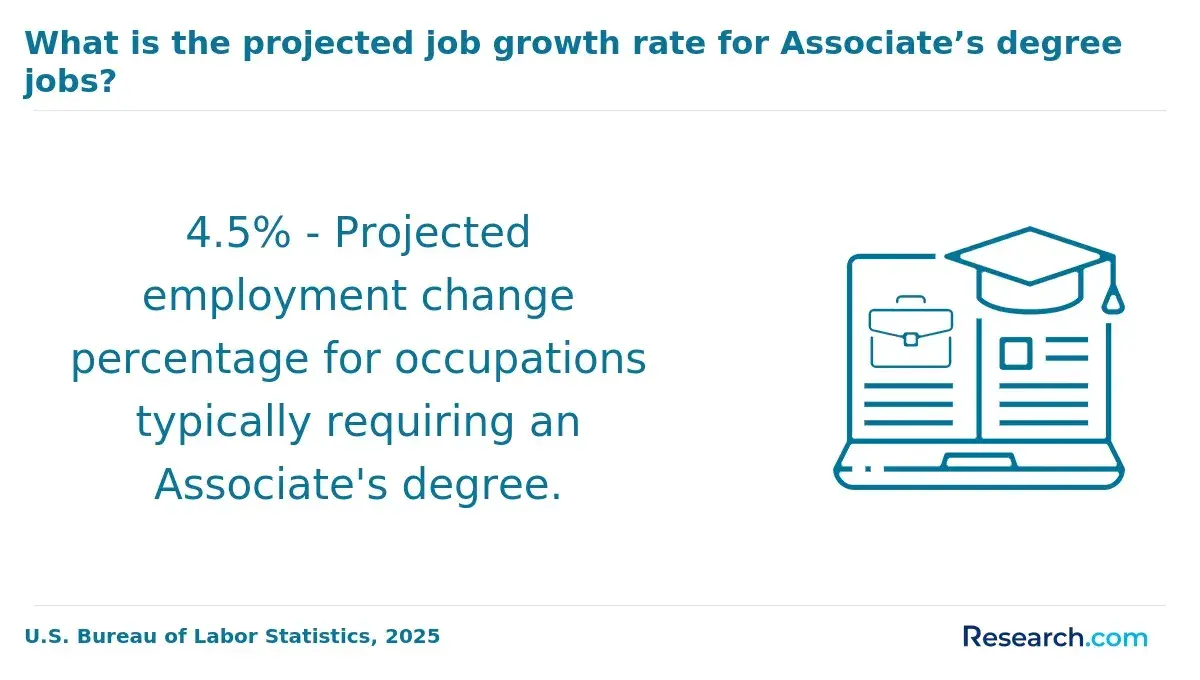
Recent figures from the U.S. Department of Education show about 83% of graduate students rely on FAFSA federal loans. That level of use reflects how central federal loans are to graduate education financing, but it should not be interpreted as a reason to borrow the maximum available.
The best use of FAFSA-based aid is strategic: compare your program’s total cost, estimate your likely income range after graduation, consider whether your preferred work setting may qualify for forgiveness, and accept only the amount you need. Students thinking about earnings across education paths may also review how the best bachelor degrees to get are discussed in relation to career income and repayment planning.
How Do Private Student Loans Work for Communication Disorders Master's Students?
Private student loans for communication disorders master’s students are loans issued by non-federal lenders. They are often used after scholarships, savings, employer support, institutional aid, and federal loans are not enough to cover the school-certified cost of attendance. Unlike federal loans, private loans are underwritten, meaning the lender evaluates your credit and financial profile before approving the loan and setting the rate.
How the private loan process usually works
- Compare lenders: Students review offers from banks, credit unions, fintech lenders, or school-affiliated lender lists.
- Submit an application: The application typically asks for personal information, school details, requested loan amount, income, and housing or debt obligations.
- Complete a credit check: The lender evaluates credit history, credit score, debt-to-income ratio, and sometimes employment history.
- Add a co-signer if needed: Students with limited credit or income may need a co-signer to qualify or receive better terms.
- School certification: The school confirms enrollment and verifies that the loan amount does not exceed allowable cost of attendance rules.
- Disbursement: Funds are typically sent to the school first, with any remaining eligible amount released for approved education-related expenses.
Private loans can offer in-school deferment, interest-only payments, immediate repayment, or other repayment schedules, depending on the lender. The details matter. A loan with a lower starting rate may be less attractive if it has a variable rate, limited hardship options, or no reasonable co-signer release path.
One communication disorders graduate recalled needing a co-signer because her credit history was limited. She said the deferment option helped while she was in school, but comparing lenders was the step that protected her from higher rates and unexpected fees. Her experience shows why private loans should be treated as a contract to evaluate carefully, not just a quick way to close a tuition gap.
When private loans may make sense
- You have already used scholarships, grants, assistantships, savings, and federal loans.
- You need a limited amount to finish the program and avoid delaying graduation.
- You or a co-signer qualifies for a competitive rate and clear repayment terms.
- You understand that private loans do not include federal income-driven repayment or PSLF benefits.
What Are the Pros and Cons of Private Loans for Communication Disorders Graduate Students?
Private loans can help communication disorders graduate students cover funding gaps, but they shift more risk to the borrower. They may be useful for a carefully limited amount, especially when a student has strong credit or a qualified co-signer. They are less suitable for students who expect variable early-career income or want access to federal repayment protections.
| Potential benefit | Why it may help |
| No origination fees in many cases | Some private lenders do not deduct loan fees before disbursement, unlike federal loans with origination fees. |
| Fixed or variable rate choices | Borrowers may be able to choose the rate type that fits their risk tolerance and repayment strategy. |
| Can cover remaining cost of attendance | Private loans may help pay for tuition, fees, housing, supplies, and other certified education costs not covered by federal aid. |
| Potentially fast processing | Some lenders can approve and process loans quickly, which may help students facing a payment deadline. |
| Risk or drawback | Why it matters |
| Limited borrower protections | Private loans typically do not offer federal income-driven repayment, PSLF, or the same deferment and forbearance options. |
| Variable rate risk | A variable rate can rise, increasing monthly payments and total repayment cost. |
| Credit-dependent approval | Students with limited income or thin credit files may be denied or offered higher rates unless they use a co-signer. |
| Strict repayment contracts | Hardship options vary by lender, and default can damage credit and trigger collections activity. |
The safest approach is to treat private loans as a last-gap tool. Before signing, compare at least three lenders, review whether the rate is fixed or variable, ask how interest accrues during school, confirm whether the co-signer can be released, and calculate the monthly payment you would owe after graduation.
How Do Interest Rates Compare Between Federal and Private Loans for Communication Disorders Master's Programs?
Federal loans usually provide more predictable interest costs because their rates are fixed for the life of the loan. Private loans may start with attractive rates for highly qualified borrowers, but the total cost depends on credit profile, lender terms, repayment length, and whether the rate is fixed or variable.
- Federal rates are fixed and set annually: Federal Direct Unsubsidized Loans have a fixed interest rate of approximately 7.05%, while Grad PLUS Loans carry a fixed rate near 8.05%. These rates are established yearly by Congress and remain constant for the life of the loan.
- Private rates depend on the borrower and lender: Private graduate loans may be fixed or variable. Variable rates are often tied to benchmarks such as the Secured Overnight Financing Rate, or SOFR, or the Prime Rate.
- Variable rates can change the repayment math: A variable private loan may begin below a federal fixed rate, but it can rise over time. For a communication disorders program lasting 2-3 years, that uncertainty can make budgeting harder.
- Fees affect true cost: Federal loans may include origination fees, while many private loans do not. However, the absence of a fee does not automatically make a private loan cheaper if the rate or repayment protections are weaker.
- Borrower protections have financial value: A federal rate may look higher than a private promotional rate, but income-driven repayment, deferment, forbearance, and PSLF eligibility can matter if your post-graduation income is uncertain.
For example, a student borrowing $30,000 over 10 years at a fixed federal rate of 7.05% could repay about $42,700 in principal plus interest. A private loan starting near 6% but averaging 7.5% because of variable adjustments might cost around $44,000 or more, depending on how rates shift.
Before borrowing, compare the current federal rates on StudentAid.gov with actual private lender offers. Do not compare rates alone. Compare monthly payment, total repayment cost, fees, hardship options, co-signer terms, and whether the loan supports your likely employment path.
What Repayment Options Are Available to Communication Disorders Graduates Who Use FAFSA Loans vs. Private Loans?
Communication disorders graduates with FAFSA-based federal loans usually have more repayment options than borrowers with private loans. This flexibility can be especially important during the first years after graduation, when income may be affected by clinical requirements, job setting, location, and the time it takes to move into stable full-time employment.
| Repayment feature | Federal FAFSA-based loans | Private loans |
| Standard repayment | Available as a fixed-payment option. | Usually available based on the lender’s contract. |
| Graduated or extended repayment | May be available for eligible federal borrowers. | Varies by lender and may not be offered. |
| Income-driven repayment | May include plans such as Income-Based Repayment, SAVE, Income-Contingent Repayment, and Pay As You Earn. | Generally not available. |
| Deferment or forbearance | Federal options may pause or reduce payments during qualifying circumstances. | Limited and lender-specific. |
| Forgiveness potential | May qualify for PSLF if all requirements are met. | Not eligible for federal forgiveness programs. |
Approximately 75% of graduate students now rely on federal loans featuring income-driven plans. That matters for communication disorders graduates because early-career earnings can vary by school system, healthcare setting, nonprofit clinic, private practice, and geographic market.
Private loans typically require fixed monthly payments or, in some cases, interest-only payments during school followed by full repayment after graduation. Some lenders offer short-term hardship accommodations, but these are not the same as federal income-driven repayment. During the COVID-19 pandemic, federal relief programs applied broadly to federal student loans, while private loans were not universally accommodated.
The repayment decision should begin before enrollment. If you expect to work in a public school district, nonprofit clinic, government healthcare agency, or public university, federal loans may preserve options that private loans cannot. If you are comparing helping professions with flexible graduate formats, an msw online degree can provide another example of how program choice and repayment planning intersect.
Is Public Service Loan Forgiveness (PSLF) an Option for Communication Disorders Master's Graduates?
Yes, Public Service Loan Forgiveness can be an option for communication disorders master’s graduates, but only when the borrower has eligible federal loans, works for a qualifying employer, uses a qualifying repayment plan, and makes the required qualifying payments. PSLF is not based on job title alone; employer type and loan type are critical.
PSLF requirements communication disorders graduates should understand
- Qualifying payments: Borrowers must make 120 qualifying monthly payments.
- Qualifying repayment plan: Payments generally must be made while enrolled in an income-driven repayment plan or another qualifying plan.
- Qualifying employment: The borrower must work full-time for a qualifying federal, state, local, or tribal government employer or a 501(c)(3) nonprofit organization.
- Qualifying loan type: Only eligible federal loans can qualify. Private loans are categorically excluded from PSLF.
Common communication disorders employers that may qualify include public school districts, public universities, nonprofit speech and hearing clinics, and government healthcare agencies. Roles in private hospitals, private practices, or for-profit companies generally do not qualify, even if the work itself serves patients or students with communication needs.
According to the U.S. Department of Education, nearly 40% of borrowers in PSLF-qualifying jobs had applied for forgiveness by 2023. That reflects growing awareness, but it also shows why documentation matters. Borrowers should use the PSLF Help Tool on StudentAid.gov, submit employer certification as recommended, and keep records of employment and payments.
If PSLF is part of your plan, private loans should be used cautiously because they cannot be converted into PSLF-eligible debt. Students comparing different education-to-career pathways may also find it useful to review how a construction management degree online differs in cost structure, employment setting, and repayment considerations.
How Does Credit History Affect Communication Disorders Master's Students Applying for Private Loans?
Credit history strongly affects private student loan approval and pricing. A communication disorders master’s student with strong credit, stable income, and low existing debt may qualify for better private loan terms. A student with limited credit history may be denied, offered a higher rate, or required to apply with a co-signer.
- Credit score expectations: Private lenders generally look for a FICO score between 650 and 700 or higher to offer competitive rates. Meeting that range does not guarantee approval, but falling below it can make borrowing more expensive or difficult.
- Thin credit files: Many graduate students have limited credit histories, especially if they recently completed an undergraduate degree. Lenders may view thin files as higher risk even when the student has managed finances responsibly.
- Debt-to-income ratio: Lenders may consider how much debt you already carry compared with your income. Existing undergraduate loans, car payments, credit card balances, or limited earnings can affect the offer.
- Co-signer responsibility: A creditworthy co-signer can improve approval chances and may help secure a lower rate. However, the co-signer is legally responsible for repayment if the borrower does not pay.
- Co-signer release: Some lenders allow co-signer release after a period of on-time payments, but policies vary widely. Students should confirm the requirements in writing before borrowing.
Federal loans are different. Direct Unsubsidized federal loans do not assess creditworthiness, and Graduate PLUS loans use a limited adverse credit check rather than the full underwriting model common in private lending. That difference is one reason federal loans are often more accessible to graduate students.
If you may need a private loan, prepare before applying. Pay bills on time, reduce revolving credit balances, avoid unnecessary new credit applications, and review your credit reports for errors. A stronger credit profile can reduce borrowing costs, but it does not replace the need to compare repayment protections carefully.
What Is the Total Cost of Attendance for a Communication Disorders Master's Program, and How Does It Affect Borrowing Limits?
Total cost of attendance, or COA, is the school’s estimate of what it costs to attend for an academic year. It matters because both federal and private borrowing are tied to the COA certified by the institution. Students cannot simply borrow any amount they want; loans are generally limited by the school-certified cost minus other aid received.
What cost of attendance usually includes
- Tuition
- Mandatory fees
- Room and board
- Books and supplies
- Transportation
- Personal expenses
For communication disorders master’s students, the real budget may also be affected by clinical placement schedules, commuting to practicum sites, reduced work hours, exam preparation costs, and location-specific living expenses. Schools may include some of these categories in COA estimates, but students should still build a personal budget before accepting loans.
| Program cost factor | Borrowing impact |
| Graduate Direct Unsubsidized Loan limit | Capped at $20,500 annually, which may not cover the full COA. |
| Graduate PLUS Loans | Can cover up to the full COA minus other aid, subject to eligibility. |
| Private loans | Generally based on school-certified COA and lender approval. |
| Scholarships, assistantships, or fellowships | Reduce the amount you need to borrow and may reduce remaining loan eligibility. |
Public communication disorders programs average between $20,000 and $40,000 per year. Private schools often exceed $50,000. Online options may cost less, but they can still create significant borrowing needs, especially when fees, clinical travel, technology, and living expenses are included. Students comparing delivery formats can review online speech language pathology programs as part of a broader affordability search.
The key borrowing rule is to avoid using COA as a spending target. COA is a ceiling, not a recommendation. If you can live below the estimated budget, continue part-time work safely, secure institutional aid, or choose a lower-cost program, you can reduce repayment pressure after graduation.
What Graduates Say About Comparing FAFSA vs Private Loans for Their Communication Disorders Master's Degree
- : "Choosing FAFSA to fund my Communication disorders master’s degree was a strategic decision because it offered manageable repayment options and lower interest rates compared to private loans. The overall cost was significant, but the financial aid relief made it feel attainable. Completing the program has not only deepened my expertise but also opened doors to rewarding career opportunities I hadn’t imagined possible before. — Eunice"
- : "I opted for private loans to cover my Communication disorders master’s degree expenses since FAFSA didn’t cover all my needs, and I wanted to start immediately without delays. Although the cost was higher than I initially expected, the investment was worth it as it accelerated my journey into the field. This degree has been a catalyst for both professional growth and personal fulfillment, allowing me to make a meaningful impact in speech therapy. — Larry"
- : "Reflecting on my experience, the cost of my Communication disorders master’s program was a hurdle, but using FAFSA eased the financial strain considerably. The decision to pursue this degree was driven by my passion for helping others communicate effectively. Since graduating, the degree has been instrumental in achieving my career goals and giving me the confidence to thrive in clinical settings. — Carlo"
Other Things You Should Know About Communication Disorders Degrees
Students should first maximize federal aid opportunities by filing the FAFSA to access grants, work-study, and subsidized loans, which often have lower interest rates and more flexible repayment options. Private loans should be considered only after exhausting federal funds, as they typically come with higher interest rates and less borrower protection. A balanced strategy involves borrowing cautiously, prioritizing federal loans, and using private loans sparingly to cover any remaining budget gaps.
A Communication Disorders master's student should compare FAFSA's federal loan benefits, like income-driven repayment plans and fixed interest rates, with private loans that might offer competitive rates. Consider the total borrowing cost, repayment flexibility, and available federal loan forgiveness programs to make an informed decision.
Refinancing federal loans into private loans can sometimes lower interest rates but typically results in losing federal borrower protections, such as income-based repayment and loan forgiveness programs. Students should weigh these trade-offs carefully, especially given the variable earning potential in communication disorders careers. Refinancing might be beneficial for those with excellent credit and stable income but is generally not recommended for those seeking repayment flexibility.
References
- Admission Requirements | M.S. in Communication Sciences and Disorders | Elmhurst University https://www.elmhurst.edu/academics/departments/communication-sciences-disorders/programs/m-s-communication-sciences-disorders/admission-requirements/
- Options for repaying your federal and private student loans | Consumer Financial Protection Bureau https://www.consumerfinance.gov/paying-for-college/repay-student-debt/federal-and-private-student-loans/
- Grad Loan Caps Could Hurt Students With Low Credit Scores https://www.insidehighered.com/news/government/student-aid-policy/2026/01/07/grad-loan-caps-could-hurt-students-low-credit-scores
- The Complete Guide to Speech Pathology Loan Forgiveness and Repayment https://www.studentloanplanner.com/speech-language-pathology-student-loan-forgiveness-repayment/
- Federal vs. Private Graduate Student Loans - ELFI https://www.elfi.com/federal-graduate-student-loans-vs-private-graduate-student-loans/
- Communication Sciences & Disorders Post-Bacc Tuition and Financial Aid https://www.pacificu.edu/communication-sciences-disorders-post-bacc/tuition-financial-aid
- Student Loans - Federal vs. Private: What's the Difference? https://www.my100bank.com/2025/02/04/student-loans-federal-vs-private-whats-the-difference/
- How to Pay for SLP Grad School: Funding Guide 2025 https://www.speechpathologygraduateprograms.org/blog/how-to-pay-for-slp-grad-school/
- Federal vs. Private Loans: Which is Best for Your MBA? https://business.rice.edu/admissions-blog/federal-vs-private-loans
- Communication Disorders Graduate Application Process - School of Graduate and Professional Studies https://grad.southernct.edu/communication-disorders-graduate-application-process/