
2027 Is an Online MBA Worth it?

Co-Founder and Chief Data Scientist
Choosing an online MBA is not just a question of whether the degree is respected. The real decision is whether the program fits your career goal, budget, schedule, and expected return. For working professionals, career changers, entrepreneurs, and recent graduates with some work experience, an online Master of Business Administration can provide advanced training in leadership, finance, strategy, operations, analytics, and organizational decision-making without requiring a full relocation or career pause.
This guide explains what an online MBA can realistically offer, how much it may cost, how long it usually takes, what employers may value, and how to compare programs before enrolling. It also covers rankings, admissions requirements, common specializations, financial aid, salary considerations, alternatives, and the trade-offs between accelerated, standard, online, campus-based, and executive business degrees.
Quick answer: Is an online MBA worth it?
An online MBA can be worth it if you need a flexible graduate business degree to move into management, change industries, increase earning potential, or build broader business skills while continuing to work. It is less likely to be worth the cost if the program is not accredited, does not support your target career path, requires heavy debt without a clear payoff plan, or offers weak career services and networking.
| Decision factor | What to know before enrolling |
| Typical length | Many online MBA programs take 18 to 36 months, depending on pacing and course load. |
| Typical cost range | Online MBA tuition can range from $20,000 to over $100,000, with broader U.S. estimates ranging from $13,000 to $156,000. |
| Best fit | Working professionals, aspiring managers, career changers, entrepreneurs, and specialists who need broader business training. |
| Main risks | High tuition, limited in-person networking, time pressure, variable employer recognition, and uncertain salary outcomes. |
| Most important check | Confirm accreditation, total cost, career outcomes, curriculum fit, and whether the program supports your professional goals. |
What are the benefits of getting an online MBA?
An online MBA is designed to help professionals build advanced business knowledge while maintaining flexibility. The strongest benefits usually come when the degree is aligned with a clear career plan rather than pursued only for the credential.
- Broader career mobility: MBA training can apply across finance, health care, technology, marketing, consulting, retail, operations, and entrepreneurship.
- Flexible learning format: Online delivery can make graduate business education more accessible for students who work full time, care for family members, travel frequently, or cannot relocate.
- Competitive salary potential: According to the Graduate Management Admission Council, US MBA graduates received a projected median starting salary of $120,000 in 2024—a strong rebound after recent dips.
- Possible long-term earnings growth: According to the Financial Times' Global MBA Ranking 2026, online MBA graduates from leading programs can anticipate salary increases ranging from 103% to 248% three years post-graduation, suggesting that program quality, student background, and career trajectory can strongly affect return on investment.
What can I expect from an online MBA?
An online MBA usually combines core business courses, leadership development, group projects, case analysis, and applied decision-making. Most programs cover finance, accounting, marketing, operations, business strategy, economics, organizational behavior, and data-informed management. Many also offer concentrations that let students focus on a field such as finance, healthcare management, supply chain, analytics, entrepreneurship, or information technology management.
Program delivery varies. Some courses are asynchronous, meaning students complete recorded lectures and assignments on their own schedule. Others include synchronous sessions, where students join live virtual classes, presentations, discussions, or team meetings. Many programs use learning platforms with prerecorded lectures, live video meetings, discussion boards, downloadable materials, exams, simulations, and remote collaboration tools.
The average cost of tuition for these programs can range from $20,000 to over $100,000, depending on the institution. Program length also varies, but many students finish in one to three years based on whether they study full time, part time, or in an accelerated format.
Where can I work with an online MBA?
An online MBA can support careers in several business functions. The degree does not guarantee a specific job, but it can strengthen your qualifications for roles that require strategic thinking, leadership, budgeting, analysis, and cross-functional communication.
| Industry or function | Common roles for MBA graduates | What the work often involves |
| Finance | Financial Analyst, Investment Banker, Portfolio Manager | Evaluating investments, analyzing performance, managing risk, and supporting financial decisions. |
| Marketing | Brand Manager, Market Research Analyst, Social Media Manager | Studying customer behavior, developing campaigns, positioning products, and measuring market performance. |
| Health Care | Health Services Manager, Medical Practice Administrator, Clinical Research Manager | Managing budgets, staffing, compliance, operations, and service delivery in healthcare settings. |
| Operations | Operations Manager, Supply Chain Analyst, Logistics Director | Improving processes, coordinating teams, managing supply chains, and reducing inefficiencies. |
How much can I make with an online MBA degree?
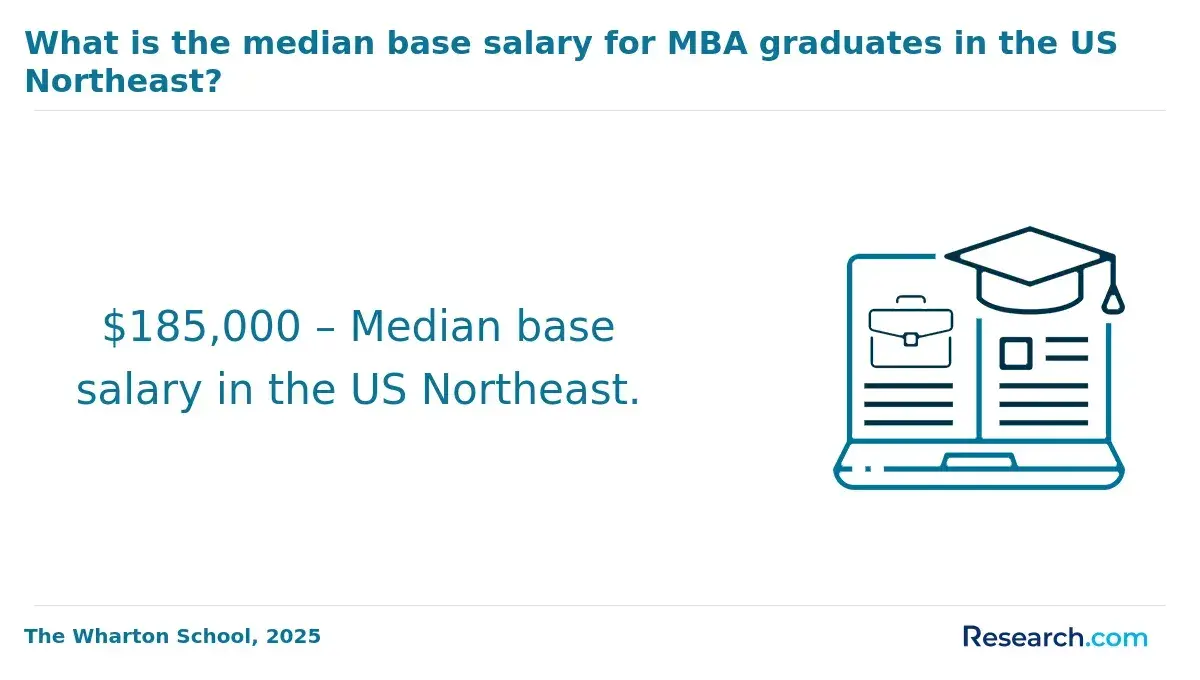
Salary outcomes depend on your role, industry, location, prior experience, employer, specialization, and job performance. An online MBA may improve your competitiveness for management and business leadership roles, but it does not guarantee a specific income.
According to the United States Bureau of Labor Statistics, the median annual wage for management occupations, the sector that employs the most managers with MBAs, was $122,090 in May 2024. Earnings differ substantially by occupation. Financial managers, a role often associated with MBA-level training, earn a median salary of $140,360 annually. Marketing managers, another role commonly pursued by MBA graduates, had a median salary of $142,170 in 2023.
These figures show why many professionals consider an online MBA, but students should compare salary expectations against total program cost, debt, time commitment, and likely career mobility before enrolling.
- Best Online MBA Programs for 2027
- Online MBA completion timeline
- Online MBA vs. campus MBA
- Online MBA cost expectations
- Financial aid for online MBA students
- Online MBA admissions requirements
- Typical online MBA courses
- Popular online MBA specializations
- How to choose an online MBA program
- Online MBA return on investment
- Online MBA vs. executive master's degree
- Quality assurance and accreditation
- How to control online MBA costs
- Trends shaping online MBA education
- Online MBA for entrepreneurship
- Online MBA and project management
- Online MBA vs. business administration and business management
- Career paths after an online MBA
- Job market for online MBA graduates
- Alternatives to an online MBA
- Challenges of online MBA study
- Accelerated online MBA vs. standard online MBA
Best Online MBA Programs for 2027
How do we rank schools?
Because an MBA can require a major financial and time commitment, Research.com evaluates programs using data sources that help students compare schools with more confidence. Our ranking process draws from reliable databases, including IPEDS, Peterson’s, College Scorecard, and The National Center for Education Statistics. More information is available on Research.com’s methodology page.
| Rank | Program | Cost of attendance | Program length | Accreditation |
| 1 | University of North Carolina Online MBA Program | $125,589 | 24 months | Association to Advance Collegiate Schools of Business (AACSB) |
| 2 | University of Florida Online MBA Program | $59,807 | 12-24 months | AACSB |
| 3 | Indiana University Online MBA Program | $74,520 | 2 years | AACSB |
| 4 | University of Southern California Online MBA Program | $106,197 | 21 months | AACSB |
| 5 | Rice University Online MBA Program | $108,480 | 2 years | AACSB |
| 6 | Lehigh University Online MBA Program | $39,600 | 3 years | AACSB |
| 7 | Boston University Online MBA Program | $24,000 | 24 months | AACSB |
| 8 | Carnegie Mellon University Online MBA Program | $128,000 | 32 months | AACSB |
| 9 | Arizona State University Online MBA Program | $58,800 | 2 years | AACSB |
| 10 | University of Michigan Dearborn Online MBA Program | $38,180 | 2-5 years | AACSB |
How to read this ranking
A ranking is a starting point, not a final decision. A high-ranked program may still be the wrong fit if it is too expensive, lacks your preferred concentration, requires inconvenient live sessions, or does not serve students in your industry. Compare each school by accreditation, total cost, curriculum, faculty access, career services, cohort quality, alumni network, and employer recognition in your target field.
What graduates say about online MBA study
-
: "
“Online study gave me enough flexibility to keep working while completing my MBA. The strongest benefit was being able to use new frameworks at work almost immediately.” Jason
"
-
: "
“I expected online classes to feel distant, but my cohort included professionals in different locations and industries. That exposure changed how I approached business problems.” Serena
"
-
: "
“The program strengthened my leadership, business analysis, and digital collaboration skills. The online format also pushed me to become more comfortable with technology-driven teamwork.” Michael
"
Key Findings
- Online MBA programs range from 18 to 36 months in duration.
- Online MBA program costs in the U.S. range from $13,000 to $156,000, with a median of around $60,000.
- 89% of online MBA graduates secure employment within three months of graduation.
- A 8.8% growth in management occupations is projected from 2024-2034, with management analysts alone creating significant new opportunities as organizations expand their consulting and analytical capabilities.
- MBA graduates commanded a starting salary averaging $85,700, surpassing the median earnings of those with a bachelor’s degree.
How long does it take to complete an online MBA program?
Most online MBA students complete their degree in 18 to 36 months. The exact timeline depends on the program calendar, number of credits, course sequencing, transfer policies, start dates, and whether the student enrolls full time, part time, or in an accelerated format. Students comparing business options may also want to review related pathways such as online business administration bachelor’s programs if they are still planning their undergraduate route.
| Study format | Typical completion time | Best for | Main trade-off |
| Full-time online MBA | 18 to 24 months | Students who can take a heavier course load and want a timeline similar to many campus MBA programs. | More weekly study time and less flexibility for demanding work schedules. |
| Part-time online MBA | 24 to 36 months or longer in some cases | Working professionals balancing employment, family, travel, or other obligations. | Longer time before graduation and possible tuition changes over time. |
| Accelerated online MBA | 1.5 to 2 years | Students who want a faster credential and can handle intensive coursework. | Less room for breaks, networking, electives, or slower skill development. |
If your priority is speed, compare accelerated formats carefully against standard online MBA degree programs to see whether the shorter timeline affects course availability, workload, or career support.
How does an online MBA program compare to an on-campus program?
Online and on-campus MBA programs can cover similar academic material, but the learning experience is different. The best choice depends on your schedule, preferred learning style, networking goals, budget, and willingness to relocate or commute.
| Category | Online MBA | On-campus MBA |
| Cost | Often more flexible and sometimes less expensive, but students should still factor in technology fees, books, residencies, and possible reduced work hours. | May involve higher living, relocation, commuting, and campus-related costs in addition to tuition. |
| Flexibility | Usually better for working professionals because many programs offer asynchronous coursework or evening live sessions. | Often better for students who want structured schedules and face-to-face academic routines. |
| Networking | Can include online cohorts, virtual group projects, live sessions, residencies, and alumni events. | Often provides more frequent in-person interaction, informal networking, and campus recruiting access. |
| Program length | Commonly 18 to 36 months, with accelerated options available at some schools. | Often similar in length, though format and schedule may be less flexible. |
| Curriculum | Usually designed to match or closely parallel the business school’s broader MBA standards. | May offer more in-person experiential learning, clubs, travel opportunities, or live case competitions. |
The better question is not only whether an MBA is hard. It is whether the program format gives you the right mix of academic challenge, professional access, and schedule control.
What is the average cost of an online MBA program?
The average cost of an online MBA, or a related online master’s degree in management, varies widely across accredited U.S. institutions. Estimates commonly fall between $27,000 and $126,000, while broader program pricing ranges from $13,000 to $156,000. The median cost of an online MBA is approximately $60,000.
- Lower-cost options: Some affordable online MBA programs cost as low as $13,000, often through regional public universities or less nationally known schools.
- Higher-cost options: Prestigious programs, including some from schools such as the University of Southern California or the University of North Carolina, can reach up to $156,000.
- Middle-range programs: Programs near the median of approximately $60,000 may offer a balance of affordability, academic depth, student services, and brand recognition.
Data from the National Center for Education Statistics indicates a clear upward trend in costs for master’s degree programs. Over the past decade, the average cost has risen by approximately 34%. Because graduate tuition can change, students should verify the latest tuition schedule directly with each school and ask whether fees are locked in for the duration of enrollment.
What are the financial aid options for students enrolling in an online MBA program?
Online MBA students may use several funding sources, but eligibility depends on the school, program format, enrollment status, citizenship or residency status, and academic progress requirements. Students should complete aid applications early and compare financing options before accepting admission.
- Federal aid: The U.S. Department of Education offers aid options such as loans, grants, and work-study programs. Students generally must submit the Free Application for Federal Student Aid (FAFSA) to be considered.
- Private loans: Banks, credit unions, and other lenders may offer graduate student loans. Terms, interest rates, fees, and borrowing limits vary by lender.
- Fellowships: Some universities award merit-based or need-based fellowships that reduce tuition or provide stipends.
- Scholarships: Scholarships do not need to be repaid and may be awarded by schools, foundations, employers, professional associations, or affinity organizations.
- Forté MBA Fellowships: These fellowships support efforts to increase the number of women in MBA programs.
- Consortium for Graduate Study in Management: This organization offers scholarships to MBA students committed to advancing underrepresented minorities in business.
- The Reaching Out MBA (ROMBA) Fellowship: This merit-based scholarship program supports business leadership within the lesbian, gay, bisexual and transgender (LGBT+) community.
According to the Education Data Initiative, as of 2025, the average student loan debt for master’s degree students is approximately $76,000. That makes debt planning essential. Before borrowing, estimate monthly payments, compare expected salary gains, and ask whether the school publishes program-level employment outcomes.
What are the prerequisites for enrolling in an online MBA program?
Admissions requirements differ by school, but most online MBA programs use a combination of academic history, work experience, test scores or waivers, recommendations, and essays to evaluate readiness. Applicants who are wondering whether an MBA is possible without a business degree should know that many programs accept students from non-business backgrounds, although prerequisite courses may be required.
| Requirement | What programs usually look for |
| Bachelor’s degree | A completed undergraduate degree from an accredited institution; the major does not always need to be business. |
| Professional experience | Some programs expect work experience, with three to five years often a typical requirement. |
| Academic record | Many schools review undergraduate GPA and generally prefer a GPA of 3.0 or above. |
| GMAT or GRE | Some programs require scores, while others offer waivers based on experience, prior academic performance, or other criteria. |
| Recommendations | Letters from supervisors, professors, or professional contacts may help schools assess leadership potential and readiness. |
| Essay or personal statement | Applicants typically explain career goals, motivation, leadership experience, and reasons for choosing the program. |
What courses are typically in an online MBA program?
Online MBA coursework is intended to build a graduate-level foundation in business decision-making. The strongest programs connect theory to cases, simulations, data analysis, group projects, and real workplace problems.
- Financial Accounting: Students learn how to read, prepare, and interpret financial statements. This course can support students considering finance career paths.
- Economics for Managers: Coursework typically applies microeconomic and macroeconomic concepts to business decisions.
- Business Law: Students study legal principles affecting contracts, sales, property rights, business liability, and organizational operations.
- Marketing Strategy: This course focuses on customer analysis, market positioning, campaign planning, and performance evaluation.
- Organizational Behavior: Students examine how individuals, teams, and structures influence workplace performance.
- Managerial Finance: Coursework usually covers financial analysis, planning, capital allocation, and decision-making.
- Operations Management: Students learn how organizations produce goods, deliver services, manage processes, and improve efficiency.
Communication remains a major outcome of MBA study. Employers increasingly value professionals who can explain ideas clearly, work across cultures, lead distributed teams, and translate business analysis into practical decisions. The chart below highlights intercultural skills as especially valuable among communication skills.
What types of specializations are available in an online MBA program?
Specializations help students tailor an MBA toward a specific industry or business function. A concentration is most useful when it matches your target role, not simply when it sounds popular.
- Finance
- Marketing
- Operations and Supply Chain Management
- Human Resources Management
- Healthcare Management
- Information Technology Management
- Entrepreneurship
According to research from EducationData.org, in Fall 2024, business and liberal arts and sciences are the two most popular specializations among 4-year institution undergraduates, capturing 5.37% and 3.84% of total enrollment, respectively. A significant trend noted in Fall 2024 by the National Student Clearinghouse is growth in interest in Healthcare programs, indicating increased attention to industry-specific education.
How to choose the best an online MBA program?
The best online MBA is the one that fits your goal at a price and pace you can sustain. A famous school may not be the best value for every student, and a lower-cost program may not be the best choice if it lacks the career support, accreditation, or specialization you need.
| What to evaluate | Questions to ask before applying |
| Accreditation | Is the business school or program accredited by a recognized body such as AACSB, and is the institution regionally accredited? |
| Total cost | What is the full cost including tuition, fees, books, residencies, technology charges, and travel? |
| Curriculum fit | Does the coursework match your target role, industry, or leadership path? |
| Schedule | Are classes asynchronous, synchronous, hybrid, or residency-based, and can you realistically attend? |
| Career services | Does the program offer coaching, employer connections, resume support, alumni access, and industry-specific guidance? |
| Faculty and peer network | Who teaches the courses, and what kind of professional experience do classmates bring? |
- Verify accreditation before comparing prestige or tuition.
- Map the curriculum to your target job title or business goal.
- Compare total cost, not just advertised tuition.
- Ask for employment outcomes and salary data specific to online MBA students when available.
- Confirm whether live class times, residencies, exams, and group projects fit your schedule.
- Talk with current students or alumni if possible.
What is the return on investment of an online MBA program?
Online MBA ROI depends on the gap between what you invest and what the degree helps you gain. Tuition and fees are only part of the calculation. You should also consider debt, time spent studying, possible lost work hours, promotions, career changes, new networks, employer tuition benefits, and long-term earning potential.
A practical ROI review should include total program cost, expected salary movement, probability of advancement, career services strength, and the payback period. Students should also consider concentration-level outcomes, including research on the highest paying MBA specialization in USA, before choosing an academic focus.
How does an online MBA compare to an executive master's degree?
An online MBA usually provides broad business training for professionals who want stronger management, finance, strategy, operations, marketing, and leadership skills. An executive master's degree is generally aimed at more experienced leaders who need advanced strategic training in a narrower or higher-level area.
| Program type | Best fit | Typical focus |
| Online MBA | Early- to mid-career professionals, career changers, specialists moving into management, and entrepreneurs. | Broad business fundamentals, leadership, strategy, and cross-functional decision-making. |
| Executive master's degree | Senior managers, executives, and experienced professionals with established leadership responsibilities. | Advanced leadership, strategy, executive decision-making, and specialized senior-level development. |
The peer group also differs. Online MBA cohorts may include students at varied career stages, while executive master’s programs often attract professionals with longer leadership histories and more defined executive goals.
How is the quality of an online MBA program ensured?
Quality assurance starts with accreditation. Accreditation reviews whether the institution or business program meets established academic and operational standards. Students should also evaluate faculty qualifications, curriculum design, student support, employer recognition, graduation outcomes, and alumni feedback.
Accreditation is not the only signal of quality, but it is one of the first filters students should use. Program rankings, employer reputation, career outcomes, and affordability also matter. Students comparing cost and quality can review Research.com resources on MBA online programs to identify options that may offer stronger value.
How can you manage online MBA program costs effectively?
Managing MBA costs requires planning before enrollment, not after tuition bills arrive. Students should request a written cost breakdown that includes tuition, mandatory fees, books, software, technology charges, residencies, travel, graduation fees, and any per-credit cost changes.
- Compare the total program price rather than only the per-credit tuition rate.
- Ask whether tuition is fixed for your cohort or may increase during enrollment.
- Use employer tuition assistance if available.
- Apply for institutional scholarships, fellowships, and external awards early.
- Consider part-time enrollment if it allows you to keep earning and reduce borrowing.
- Review fee examples, including online executive MBA fees, when comparing business graduate programs.
What are the emerging trends in online MBA education?
Online MBA programs are changing as employers expect managers to work with data, digital platforms, distributed teams, and faster decision cycles. Many programs now place greater emphasis on analytics, virtual collaboration, applied projects, interactive simulations, and industry-specific cases. Some schools also offer more flexible admissions pathways, including programs that waive standardized test requirements for qualified applicants.
Students who want a lower-cost accredited route may compare affordable online MBA no GMAT AACSB options. However, no-GMAT admissions should not be the only deciding factor. Accreditation, curriculum depth, faculty access, outcomes, and total cost remain more important than test policy alone.
Can an online MBA fuel entrepreneurial innovation?
An online MBA can support entrepreneurship when the program includes practical coursework in finance, marketing, operations, innovation, venture planning, customer discovery, and strategy. Some programs also offer mentorship, business plan projects, incubator access, entrepreneurship electives, and opportunities to test ideas with classmates or faculty.
Entrepreneurs should look for programs that help them build a viable business model, understand cash flow, evaluate markets, manage teams, and use digital tools. Students interested in sector-specific entrepreneurship, such as healthcare ventures, may find value in reviewing the best affordable online MBA degree in healthcare management.
Can an online MBA pave the way to project management expertise?
An online MBA can strengthen project management readiness by developing leadership, budgeting, risk analysis, stakeholder communication, operations, and strategic decision-making skills. However, an MBA is not the same as a dedicated project management credential. Professionals who want project manager roles may benefit from combining MBA coursework with project management training or certification.
If your goal is a technical project management career, compare MBA coursework with specialized options such as the cheapest project manager degree online. The right path depends on whether you need broad business leadership training, technical project methods, or both.
How does an online MBA compare with business administration vs business management?
An online MBA is a graduate-level business degree focused on advanced leadership, strategy, and cross-functional decision-making. Programs in business administration vs business management may have different academic goals, especially at the undergraduate level. Business administration often covers broad organizational functions, while business management may emphasize leading people, processes, and operations.
Students should choose based on level and purpose. If you need foundational business education, a business administration or management degree may be appropriate. If you already have a bachelor’s degree and want graduate-level leadership preparation, an online MBA may be the more relevant option.
What career paths are available for graduates of an online MBA program?
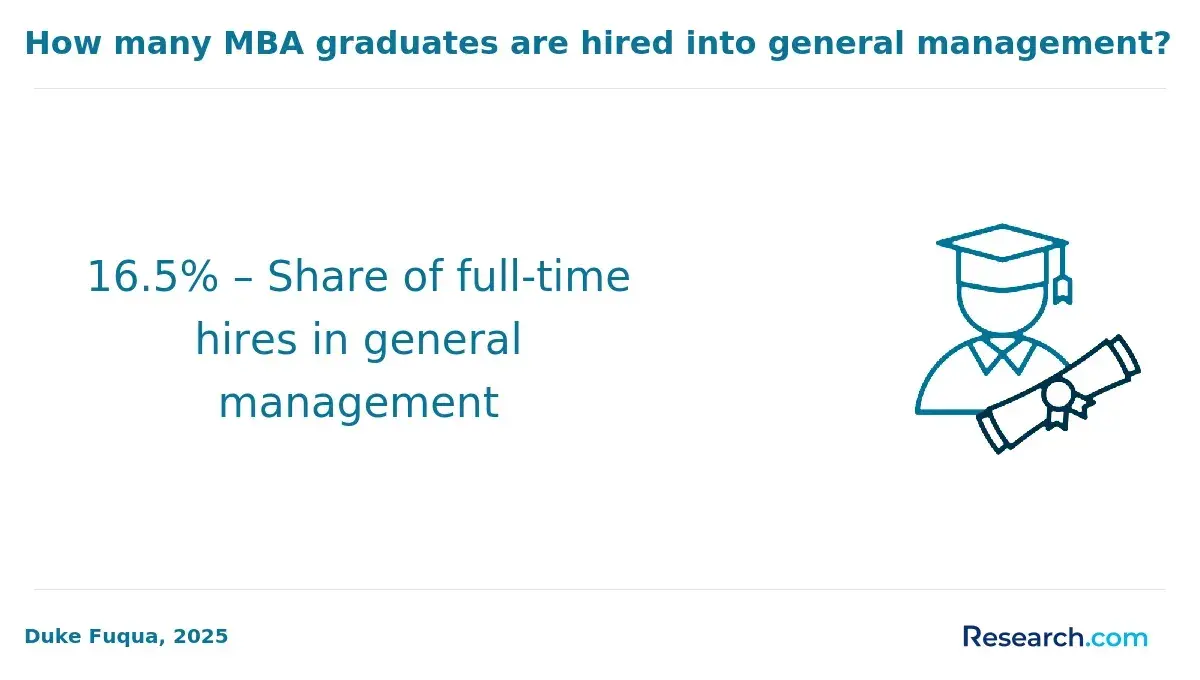
Online MBA graduates can pursue roles in corporate, nonprofit, public-sector, consulting, finance, operations, healthcare, marketing, and entrepreneurial settings. The degree is most useful when paired with relevant experience and a clear career direction.
- Management Consulting: MBA graduates often pursue consulting roles that involve solving organizational problems, improving operations, and advising leaders. In 2024, according to the U.S. Bureau of Labor Statistics (BLS), management analysts had a median pay of $101,190 per year.
- Financial Management: Some graduates move into roles overseeing budgets, investments, reporting, and financial strategy. The BLS reports a median pay of $156,100 in this profession for 2026.
- Operations Management: Operations roles involve improving systems, coordinating teams, managing processes, and increasing efficiency.
- Marketing and Sales Management: Graduates may lead campaigns, sales teams, customer strategy, brand management, or revenue growth efforts.
- Entrepreneurship: Some students use the MBA to launch a company, scale an existing business, or move into startup leadership.
These are not the only options. MBA skills can transfer to many roles, but applicants still need industry knowledge, measurable accomplishments, and strong professional networks.
What is the job market for graduates with an online MBA program?
The job market for online MBA graduates depends on the student’s experience, target industry, school reputation, specialization, and economic conditions. The degree can be valuable, but hiring outcomes vary by program and individual.
- According to a 2025 AACSB survey, 85% of MBA graduates find employment within three months of graduation, indicating strong demand for many MBA-qualified candidates.
- As reported by the Bureau of Labor Statistics (BLS), the employment of management occupations is projected to grow 6.1% from 2024 to 2034. This equates to approximately 833,400 new jobs, many of which may be suited to MBA graduates.
- A 2025 salary survey by the National Association of Colleges and Employers (NACE) projected that MBA graduates earned an average starting salary of $85,842, significantly higher than the median wage of bachelor’s-degree holders.
Students should treat these figures as broad labor-market signals, not promises. Program-specific placement reports, employer partnerships, internship or project opportunities, and alumni outcomes are more useful when estimating your personal career prospects.
What are the alternatives to an online MBA for advancing your career?
An online MBA is not the only way to move forward professionally. The better choice depends on whether you need broad leadership training, deep technical expertise, a faster credential, or direct entrepreneurial experience.
| Alternative | When it may be better than an online MBA |
| Specialized master’s degree | Choose this if you want deeper expertise in finance, marketing, data analytics, accounting, supply chain, or another specific field. |
| Professional certification | Options such as Project Management Professional (PMP), Certified Financial Analyst (CFA), or Six Sigma may be more focused, faster, or more affordable for targeted career goals. |
| Short-term business course | Executive education, bootcamps, and certificate courses can help build skills in leadership, strategy, analytics, or entrepreneurship without a full degree commitment. |
| Online MBA with no GMAT requirements | If testing is a barrier, experienced professionals can compare online MBA no GMAT programs that may offer more accessible admissions. |
| Entrepreneurial experience | Starting a business or joining a startup can build leadership and problem-solving skills through direct experience rather than classroom study. |
What are the challenges of pursuing an online MBA?
Online MBA programs offer flexibility, but they are not easy. Students must manage graduate-level coursework, career obligations, technology demands, and remote collaboration without the built-in structure of daily campus life.
- Self-motivation and discipline: Online programs require consistent time management. This is especially true for best 1 year online MBA programs, where the workload is compressed.
- Networking limitations: Virtual programs can support networking, but students may need to be more intentional about joining live sessions, contacting alumni, attending residencies, and building relationships.
- Less hands-on immersion: Some online programs may offer fewer in-person simulations, internships, campus clubs, or spontaneous peer interactions.
- Technology issues: Reliable internet, comfort with digital tools, and backup plans are essential for online coursework.
- Isolation: Remote study can feel lonely if students do not actively participate in cohort discussions, team projects, and faculty communication.
Common mistakes to avoid when choosing an online MBA
| Mistake | Better approach |
| Choosing only by ranking | Use rankings as one input, then evaluate cost, accreditation, schedule, career services, and curriculum fit. |
| Looking only at tuition | Calculate total cost, including fees, travel, books, software, and potential lost income. |
| Ignoring accreditation | Confirm institutional and business accreditation before applying. |
| Assuming online means easier | Review weekly workload, live class expectations, group project requirements, and exam formats. |
| Expecting guaranteed salary gains | Compare outcomes by school and industry, and build a realistic career plan before enrolling. |
| Skipping employer conversations | Ask your manager or HR team whether the degree affects promotion eligibility, tuition reimbursement, or career paths. |
How do accelerated online MBA programs compare to standard options?
Accelerated MBA online programs compress graduate business coursework into a shorter timeline, often allowing students to graduate in as little as 12-18 months. Standard online MBA programs generally provide more time for electives, networking, reflection, career exploration, and balancing coursework with professional responsibilities.
| Feature | Accelerated online MBA | Standard online MBA |
| Completion time | Often as little as 12-18 months. | Commonly 18 to 36 months. |
| Workload | More intensive, with less room for schedule disruption. | Usually easier to balance with full-time work or family responsibilities. |
| Electives | May offer fewer elective choices because of the compressed schedule. | May provide more time to explore concentrations or specialized coursework. |
| Cost considerations | May reduce time-related costs and help students finish sooner. | May spread tuition payments over a longer period. |
| Best fit | Highly organized students with clear goals and enough weekly study time. | Students who need flexibility, networking time, and a more manageable pace. |
Both formats can be valuable if the school is reputable, the program is accredited, and the curriculum matches your goals. Students comparing faster options can review Research.com’s guide to accelerated MBA online programs.
References
- Duke Fuqua School of Business. (2025). Daytime MBA Employment Report 2025. https://www.fuqua.duke.edu/sites/default/files/media/programs/daytime/duke-mba-employment-2025.pdf
- Gray, K. (2025, April 21). Hiring Projections Level Off for the College Class of 2025. NACEWeb. https://www.naceweb.org/job-market/trends-and-predictions/hiring-projections-level-off-for-the-college-class-of-2025
- Hanson, M. (2024, January 10). College Enrollment Statistics [2023]: total + by demographic. Education Data Initiative. https://educationdata.org/college-enrollment-statistics
- Michigan State University. (2025). Undergraduate Program Employment Report 2025. Broad College of Business. https://broad.msu.edu/app/uploads/2026/01/Palmer-Undergrad-Employment-Report-25.pdf
- U.S. Bureau of Labor Statistics. (2025). Occupational Outlook Handbook: Business and Financial Occupations. https://www.bls.gov/ooh/business-and-financial/
Key Insights
- An online MBA is most valuable when it supports a specific career goal, such as moving into management, changing industries, building a business, or advancing in finance, marketing, operations, consulting, or healthcare leadership.
- Cost varies widely. Online MBA programs can range from $13,000 to $156,000, so total cost and debt planning should be part of the decision from the beginning.
- Accreditation, curriculum fit, career services, faculty access, schedule, and alumni network matter more than online format alone.
- Salary data shows strong potential in management roles, but outcomes depend on experience, industry, location, specialization, and job performance.
- Accelerated programs can shorten the timeline, but they require more discipline and may offer less flexibility than standard online MBA options.
- Students who need targeted technical skills may be better served by a specialized master’s degree, professional certification, or short-term business program instead of a full MBA.
- The safest decision is to compare programs using a written ROI plan: total cost, time commitment, expected career benefit, financing strategy, and realistic employment outcomes.
Other Things You Should Know About Online MBAs
Admission requirements for an online MBA in 2027 typically include a bachelor's degree, GMAT or GRE scores, professional experience, and letters of recommendation. Some programs may waive standardized test scores for candidates with significant work experience or a high GPA from prior studies.
One of the most receptive industries is technology; tech firms appreciate the leadership and management skills that an MBA provides. According to a GMAC Corporate Recruiters Survey, 89% of tech firms planned to hire MBA graduates in 2027.
Another sector warmly welcoming MBA graduates is the consulting industry, with giants like McKinsey & BCG routinely hiring MBA degree holders. The healthcare and pharmaceutical industry are also steadily increasing their intake of MBA graduates due to their ability to bring a strategic perspective to complex business issues.
Financial services, another traditional MBA employer, also demonstrates a strong demand. According to the QS Jobs & Salary Trends Report, 71% of employers in finance and accounting were actively hiring MBA graduates. Finally, non-profit organizations increasingly recognize the value of MBA skills, with a notable upturn in hire rates in recent years.
In 2027, employers generally view online MBAs more favorably than in the past, recognizing their increased rigor and the quality of graduates. Many employers appreciate the flexibility and self-discipline demonstrated by online MBA graduates, as remote working becomes more prevalent in the workplace.
In 2027, online MBA graduates can expect an average salary increase of 20-35%, depending on previous experience, industry, and location. While this figure varies, the upward trend represents both the increasing acceptance of online credentials and the added skills acquired through the MBA program.


![2027 Best Advanced Standing Online MSW Programs [CSWE Accredited] thumbnail](/uploads/Online_Advanced_Standing_MSW_301dbd5368.jpg)

