
2027 Best Nursing Schools in Florida – Accredited ADN, BSN, MSN Programs

Co-Founder and Chief Data Scientist
Choosing a nursing school in Florida is no longer just a question of which campus has the strongest reputation. It is a licensing, cost, clinical placement, and career decision. Florida employed 211,810 registered nurses (RNs) in 2025, placing it third among all states behind Texas (247,940) and California (345,710). The state also had more than 550 nursing programs in 2026 as of writing, which gives students many options but also makes comparison harder.
This guide is for prospective nursing students, working LPNs or RNs planning to advance, career changers considering an accelerated pathway, and nurses comparing graduate programs in Florida. You will learn which schools stand out, what different nursing degrees require, how online and campus formats compare, what costs to expect, how licensure works, and which career paths may offer the strongest fit.
Quick answer: What are the best nursing schools in Florida?
The best nursing schools in Florida combine accredited nursing programs, strong clinical partnerships, licensure preparation, experienced faculty, simulation resources, and clear pathways into RN, APRN, educator, leadership, or doctoral roles. Based on the schools reviewed in this guide, Florida Gulf Coast University, University of Miami, Jacksonville University, University of Florida, and University of Central Florida are among the leading options for nursing education in the state.
| School | Best fit | Notable strengths |
| Florida Gulf Coast University | Students seeking strong clinical preparation and graduate employment outcomes | Simulation labs, community partnerships, BSN-to-DNP pathways, nurse anesthesiology options |
| University of Miami | Students looking for clinical simulation, research exposure, and global health opportunities | More than 200 clinical, nonprofit, and global partner sites |
| Jacksonville University | Students who want undergraduate, graduate, bridge, and dual-degree nursing options | Accelerated curricula, APRN tracks, post-graduate certificates, MSN-MBA dual degree |
| University of Florida | Students interested in research, doctoral study, and academic health center resources | State flagship resources, UF Health Shands Hospital system, PhD and DNP pathways |
| University of Central Florida | Students seeking flexible BSN, online MSN, DNP, PhD, and simulation-focused options | Online RN to BSN, online PhD, healthcare simulation graduate program |
Why enroll in one of the best nursing schools in Florida?
- Better access to clinical learning: Strong programs usually have established relationships with hospitals, clinics, public health agencies, long-term care facilities, and specialty practices.
- Clearer career pathways: Graduates can pursue roles such as registered nurse, nurse practitioner, nurse anesthetist, nurse midwife, nurse educator, or nurse executive depending on degree level and licensure.
- Competitive earning potential: In Florida in 2025, average annual salaries included $174,390 for nurse anesthetists, $110,310 for nurse practitioners, and $79,910 for registered nurses.
- Flexible study options: Many Florida nursing schools now offer online, hybrid, accelerated, bridge, and part-time pathways, which can help working adults and caregivers continue their education.
What should you expect from the best nursing schools in Florida?
Strong Florida nursing programs are designed to prepare students for safe, evidence-based practice in a healthcare market that includes large hospital systems, community clinics, public health organizations, rehabilitation centers, long-term care facilities, schools, and specialty practices. Students should expect demanding science coursework, skills labs, simulation, supervised clinical rotations, care planning, patient safety training, and preparation for licensure exams such as the NCLEX-RN or NCLEX-PN, depending on the program.
The best programs also help students build professional judgment. That means learning how to communicate with patients and families, coordinate with physicians and other clinicians, document accurately, respond to emergencies, and use technology appropriately in patient care. At the graduate level, students may also study advanced assessment, pharmacology, leadership, health policy, research methods, population health, and specialized clinical practice.
Where can graduates of Florida nursing schools work?
A nursing degree from a strong Florida program can lead to employment in many healthcare settings. Common workplaces include hospitals, outpatient clinics, physician practices, nursing homes, rehabilitation centers, home health agencies, schools, community health organizations, government agencies, and public health programs. Depending on education level, experience, certification, and licensure, nurses may also move into pediatrics, geriatrics, oncology, psychiatric-mental health, critical care, women’s health, anesthesia, primary care, education, informatics, case management, or administration.
| Work setting | Typical nursing roles | Who may prefer it |
| Hospitals and health systems | RN, critical care nurse, nurse anesthetist, nurse educator, nurse manager | Students who want acute care, shift-based schedules, and specialty units |
| Primary care and clinics | RN, LPN, nurse practitioner, care coordinator | Students who prefer ongoing patient relationships and outpatient care |
| Long-term care and rehabilitation | LPN, RN, charge nurse, wound care nurse, geriatric nurse | Students interested in older adults, chronic conditions, and recovery support |
| Public health and community organizations | Public health nurse, school nurse, outreach nurse, case manager | Students who want prevention, education, and population-level impact |
| Academic and training environments | Nursing instructor, clinical educator, simulation educator | Experienced nurses who want to teach, mentor, and develop future nurses |
How much can you make with a degree from a Florida nursing school?
Nursing salaries in Florida vary by role, credentials, employer, region, shift, experience, and specialty. A degree from a top nursing school can strengthen preparation and open doors, but it does not guarantee a specific salary. The average annual salaries for selected nursing occupations in Florida in 2025 were:
- Nurse Anesthetists: $174,390
- Nurse Practitioners: $110,310
- Nurse Midwives: $97,690
- Nursing Instructors and Teachers, Postsecondary: $80,160
- Registered Nurses: $79,910
- Licensed Practical and Licensed Vocational Nurses: $53,780
- Nursing Assistants: $33,390
The biggest salary differences usually come from role level. For example, APRN roles such as nurse anesthetist, nurse practitioner, and nurse midwife typically require graduate-level education, national certification, and state authorization beyond initial RN licensure.
- 2027 best nursing schools in Florida
- How long does it take to finish a nursing degree in Florida?
- Online vs. on-campus nursing programs in Florida
- Average cost of top nursing schools in Florida
- Financial aid options for Florida nursing students
- Admission prerequisites for Florida nursing programs
- Common nursing courses in Florida programs
- Nursing specializations available in Florida
- Trends shaping nursing education in Florida
- How to choose the best nursing school in Florida
- Advanced practice opportunities in Florida nursing schools
- Advanced online pathways for nursing career growth
- Florida Nurse Licensure Compact and nursing graduates
- RN vs. BSN: key differences
- Healthcare careers beyond nursing in Florida
- Florida LPN requirements
- Student support and career resources
- How to evaluate online LPN programs in Florida
- Non-clinical careers for nursing graduates
- Nurse midwife pathways in Florida
- How to secure a Florida nursing license
- Career paths after graduating from a Florida nursing school
- Continuing education and professional development for Florida nurses
- Online nursing education opportunities in Florida
- Florida nursing job market outlook
2027 Best Nursing Schools in Florida
How Research.com ranked these schools
Research.com reviewed nursing schools using data from reliable education and outcomes sources, including the IPEDS database maintained by the National Center for Education Statistics, Peterson's database, including the Distance Learning Licensed Data Set, and the College Scorecard. These sources help compare institutional information, program availability, costs, and outcomes. Our broader methodology is designed to help students evaluate schools with clearer, more transparent criteria.
1. Florida Gulf Coast University
Florida Gulf Coast University offers nursing programs through the Marieb College School of Nursing. The school stands out for its focus on technology-supported instruction, patient-centered care, cultural competence, professional standards, and interdisciplinary communication. It is also known for 100% graduate employment, strong community partnerships, and clinical internship opportunities.
Undergraduate students complete substantial clinical immersion across 4-5 semesters, giving them repeated exposure to patient care settings and health system practices. Graduate students complete advanced internships in acute and primary care settings. Marieb Hall supports hands-on learning through high-fidelity simulation and assessment labs, and low faculty-to-student ratios help students receive more direct guidance from nurse educators.
- Undergraduate programs: BSN
- Cost per Credit (undergraduate): $203.94 (in-state); $838.73 (out-of-state)
- Graduate Programs: MSN (Nurse Educator); Nurse Practitioner (BSN to DNP); Nurse Practitioner (MSN to DNP); Nurse Anesthesiology (BSN to DNP); Nurse Anesthesiology (MSN to DNP)
- Cost per Credit (graduate): $373.38 (in-state); $838.73 (out-of-state)
- Accreditation(s): Commission on Collegiate Nursing Education (CCNE); Council on Accreditation of Nurse Anesthesia Educational Programs (COA)
2. University of Miami
The University of Miami's School of Nursing and Health Studies combines classroom learning with advanced clinical simulation. Founded in 1948, the school offers nursing, health sciences, and public health programs that are regularly adjusted to reflect national and global healthcare expectations.
Students benefit from partnerships with medical organizations, including acute care hospitals and public teaching hospitals. The school also offers international study options and research collaborations supported by more than 200 clinical, nonprofit, and global partner sites. This can make the University of Miami a strong option for students interested in clinical preparation, global health, and interdisciplinary healthcare education.
- Undergraduate programs: Accelerated BSN; Traditional BSN; RN-BSN
- Tuition (undergraduate): $60,428
- Graduate Programs: Adult-Gerontology Acute Care Nurse Practitioner; Adult-Gerontology Primary Care Nurse Practitioner; Family Nurse Practitioner; PhD in Nursing; DNP; MSN/DNP in Nursing Leadership; BSN-DNP
- Tuition (graduate): $50,841
- Accreditation(s): Commission on Collegiate Nursing Education (CCNE); Council on Accreditation of Nurse Anesthesia Educational Programs (COA)
3. Jacksonville University
The Keigwin School of Nursing at Jacksonville University offers undergraduate, graduate, accelerated, APRN, bridge, certificate, and dual-degree nursing options. Its traditional BSN curriculum covers nursing care across the lifespan, including adult health, family theory, and critical care nursing.
The school emphasizes clinical application, professional confidence, compassionate care, evidence-based practice, and preparation for leadership in complex healthcare environments. Jacksonville University may be especially appealing to students who want multiple pathways within the same institution, including RN to BSN, RN to MSN, DNP, and MSN-MBA study.
- Undergraduate programs: BSN; RN to BSN
- Tuition (undergraduate): $45,050
- Graduate Programs: RN to MSN; MSN; DNP; MSN-MBA dual degree
- Cost per Credit (graduate): $700 to $800
- Accreditation(s): Commission on Collegiate Nursing Education (CCNE)
4. University of Florida
The College of Nursing at the University of Florida is connected to the resources of the state’s flagship institution and an interdisciplinary Academic Health Center. The college has a history of nursing education leadership, including Florida’s first nurse practitioner programs and PhD in Nursing Science program.
UF’s nursing students benefit from connections with healthcare delivery networks, statewide home health care, the UF Health Shands Hospital system, integrated community hospitals and clinics, and a major veterans’ health system. The school is a strong fit for students who want research exposure, doctoral options, academic health center resources, and a broad clinical ecosystem.
- Undergraduate programs: Accelerated BSN; Traditional BSN; RN to BSN
- Cost per Credit (undergraduate): $212.74 (in-state); $955.28 (out-of-state)
- Graduate Programs: BSN to DNP; MSN to DNP; BSN to PhD; MSN to PhD
- Cost per Credit (graduate): $530.69 (in-state); $690.21 (out-of-state)
- Accreditation(s): Commission on Collegiate Nursing Education (CCNE)
5. University of Central Florida
The University of Central Florida's College of Nursing offers BSN, MSN, DNP, PhD, APRN certificate, online, and multi-location options. The college emphasizes leadership, public health, nursing fundamentals, research, and innovation in practice.
UCF has developed several notable programs, including Florida’s first online RN to BSN and PhD for nurse scientists, along with a Healthcare Simulation graduate program. Students who need flexibility may find UCF’s online RN to BSN, online ASN to BSN, online MSN, advanced practice DNP, nurse executive DNP, and online PhD options especially useful.
- Undergraduate programs: Traditional BSN; Second Degree BSN; ASN to BSN; Online RN to BSN; Online ASN to BSN
- Tuition (undergraduate): $5,954 (in-state); $20,980 (out-of-state)
- Graduate Programs: Online MSN (Nurse Education); Online MSN in Leadership and Management; Online MSN in Healthcare Simulation; DNP (Adult/Gerontology Acute Care Nurse Practitioner); DNP (Adult/Gerontology Primary Care Nurse Practitioner); DNP (Family Nurse Practitioner); Online (no GRE) Advanced Practice DNP; Online (no GRE) Nurse Executive DNP; BSN to PhD in Nursing; Online PhD in Nursing
- Tuition (graduate): $6,664 (in-state); $21,508 (out-of-state)
- Accreditation(s): Commission on Collegiate Nursing Education (CCNE); American Association of Colleges of Nursing (AACN); Society for Simulation in Healthcare (SSH)
Key Findings
- The average cost at the best nursing schools in Florida differs sharply by residency. In-state undergraduate students pay an average of $208 per credit, while out-of-state students face an average of $897 per credit.
- Florida nursing graduates can pursue several career tracks, including nurse anesthetist, nurse practitioner, nurse midwife, registered nurse, and nursing instructor, with median salaries reaching up to $174,390 annually.
- Florida’s nursing job market remains active, supported by first-time NCLEX-RN pass rates averaging 91.56% throughout the beginning of 2025.
- As of January 2025, Florida had 534 prelicensure practical nursing (PN) and registered nursing (RN) programs, including 329 RN programs and 205 PN programs.
- In 2025, Florida had 192 Associate Degree in Nursing (ADN) programs and 147 Bachelor's Degree in Nursing (BSN) programs, giving students multiple entry points into the profession.
What Florida nursing graduates say about their programs
-
: "
“As a single parent, I needed a program that allowed me to keep working and caring for my children. Online nursing study gave me the schedule flexibility to move toward RN licensure without stepping away from my family responsibilities.” Jessica
"
-
: "
“Changing careers into nursing felt more manageable because my Florida program offered online coursework, faculty support, and a structured route into clinical preparation.” Samantha
"
-
: "
“As an RN looking to advance, I chose a Florida online nursing program because it offered resources, reputation, and support that helped me build the credentials I needed for the next stage of my career.” Andrea
"
How long does it take to complete a degree from the best nursing schools in Florida?
The timeline depends on the credential, whether you study full time or part time, how many credits you transfer, and whether the program is online, hybrid, or campus-based. A traditional BSN usually takes about four years for full-time students. An accelerated BSN may take 12 to 18 months for students who already hold a bachelor’s degree in another field. MSN programs often require about two years of full-time study, while DNP programs may take three to four years. Nursing PhD programs can take three to five years.
As of January 2025, Florida had a total of 565 prelicensure practical nursing (PN) and registered nursing (RN) programs, so students can compare a wide range of pathways before choosing.
| Pathway | Typical timeline | Best for |
| Practical Nursing (PN/LPN) | Varies by approved program | Students seeking a faster entry into basic nursing care roles |
| ADN | Often shorter than a BSN | Students who want to become RNs and may later complete an RN to BSN |
| Traditional BSN | About four years | First-time college students seeking broader RN preparation |
| Accelerated BSN | 12 to 18 months | Career changers who already hold a bachelor’s degree |
| MSN | Usually about two years full time | RNs pursuing advanced practice, education, leadership, or specialization |
| DNP | Three to four years | Nurses preparing for advanced clinical practice or executive leadership |
| PhD in Nursing | Three to five years | Nurses pursuing research, academic, or scientific leadership careers |
How does an online nursing program from the best nursing schools in Florida compare to an on-campus program?
Online nursing programs in Florida can be a strong option for working adults, parents, rural students, and licensed nurses returning to school. Many online formats let students complete lectures, readings, discussions, and assignments remotely. Some programs also use asynchronous coursework, allowing students to study at times that fit their schedule. Students comparing costs may also want to review the cheapest online BSN program options.
However, nursing cannot be learned entirely from a screen. Prelicensure programs still require in-person skills labs, simulation, and supervised clinical experiences. Even many advanced online programs require clinical placements in approved healthcare settings. Students exploring many types of nursing degrees should confirm exactly which parts are online and which require in-person attendance. This is different from fields with fewer clinical requirements, such as some programs offered by the best business schools in Florida.
| Factor | Online nursing program | On-campus nursing program |
| Flexibility | Often better for working students and caregivers | More fixed class and lab schedule |
| Clinical training | Usually completed in person at approved sites | Often coordinated near campus or partner facilities |
| Faculty interaction | Virtual advising, discussion boards, video meetings, online office hours | Face-to-face access to instructors and peers |
| Skills labs and simulation | May require campus visits or approved local experiences | Usually more direct access to campus labs |
| Best for | Licensed nurses advancing through RN to BSN, MSN, DNP, or similar pathways | Students who want structured in-person learning and campus resources |
Before enrolling, ask whether the program is approved for Florida licensure, whether clinical placements are guaranteed or student-arranged, and whether out-of-state students can complete requirements in their home state.
What is the average cost of the best nursing schools in Florida?
The cost of a Florida nursing program depends on public vs. private status, residency, degree level, online fees, clinical fees, books, supplies, uniforms, background checks, testing fees, transportation, and whether you can transfer prior credits. For undergraduate programs at the schools reviewed, the average cost per credit is $208.34 for in-state students and $897.01 for out-of-state students.
At the graduate level, students can expect per-credit costs from $400 to more than $1,300 depending on the courses and program. Students comparing graduate affordability may also want to review the cheapest online nursing master’s program options, where offerings can range from $330 to $390.
Annual tuition across undergraduate and graduate options can range from $5,900 to more than $60,500. Students should avoid comparing tuition alone. A lower-cost program may become more expensive if it has limited transfer credit, long waitlists, extra campus visits, unpaid clinical travel, or weak progression support.
What financial aid options are available for students enrolling in Florida nursing schools?
Florida nursing students may use several types of aid to reduce out-of-pocket costs. Availability depends on eligibility, school policies, program level, enrollment status, and funding limits.
- Scholarships: Nursing schools, healthcare systems, foundations, and professional associations may offer awards based on academic performance, financial need, service goals, or nursing specialty. Florida Gulf Coast University's Marieb College of Health & Human Services is one example of a school with nursing-related scholarship opportunities.
- Grants: Eligible students may qualify for need-based grants that do not have to be repaid, such as the Federal Pell Grant or the Florida Student Assistance Grant.
- Work-study: Federal work-study and institutional work programs can help eligible students earn income through approved part-time jobs while enrolled.
- Federal student loans: Eligible students may use Direct Subsidized and Unsubsidized Loans to pay education costs. Federal loans generally offer borrower protections that private loans may not provide.
- Private loans: These can fill funding gaps, but students should compare interest rates, repayment terms, cosigner requirements, and total borrowing cost carefully.
- Employer tuition assistance: Hospitals, clinics, and healthcare systems may help employees pay for RN to BSN, MSN, certification, or graduate study, often in exchange for continued employment.
| Cost-control strategy | Why it matters |
| Complete FAFSA early | Some aid is limited and may be awarded on a first-come basis |
| Ask about nursing-specific scholarships | Departmental scholarships may not appear in general financial aid estimates |
| Confirm transfer credit before enrolling | Accepted credits can shorten time to graduation and reduce tuition |
| Compare total cost of attendance | Books, uniforms, clinical travel, fees, and exam costs can add up |
| Limit unnecessary borrowing | Loan repayment affects early-career income and long-term ROI |
What are the prerequisites for enrolling in the best nursing schools in Florida?
Admission requirements vary by school and degree level. Competitive nursing programs may review GPA, science grades, entrance exams, healthcare experience, essays, references, background checks, immunizations, and prerequisite completion. Students should always confirm current requirements directly with the school.
Bachelor’s Degree
- A high school diploma or equivalent is generally required for entry into a bachelor’s nursing pathway.
- Some institutions may ask for SAT or ACT scores as part of undergraduate admission.
- Prerequisite courses often include English, mathematics, biology, chemistry, anatomy, physiology, microbiology, or related sciences.
Master’s Degree
- Applicants usually need a bachelor’s degree from an accredited institution.
- Many MSN programs prefer or require an undergraduate nursing degree, although some bridge or direct-entry pathways may differ.
- Some programs may require GRE scores.
- Prerequisites may include nursing coursework, statistics, research methods, clinical experience, or an active RN license.
Doctoral Degree (PhD)
- Doctoral applicants usually need a master’s degree in nursing or a related field.
- Research experience, strong academic performance, and a clear scholarly purpose are important for PhD admission.
- GRE scores are commonly required by some PhD programs.
- Letters of recommendation and a statement of purpose are typically part of doctoral applications.
Not every nursing pathway is housed in a major university nursing school. ADN and practical nursing programs are often offered by community colleges and vocational centers. Entry requirements for these options are usually less restrictive than graduate nursing programs and commonly include a high school diploma or equivalent. Students seeking a faster practical nursing path may compare options such as a 6 month LPN program, but they should verify state approval and licensure eligibility before enrolling.
What courses are typically included in Florida nursing programs?
Florida nursing curricula combine classroom learning, skills practice, simulation, and clinical rotations. Coursework becomes more advanced as students move from PN or ADN study into BSN, MSN, DNP, or PhD programs. Programs may also help students compare healthcare roles and long-term career options, including the pros and cons of nurse practitioner vs physician assistant paths.
- Foundations of Nursing Practice: Introduces nursing concepts, ethical responsibilities, communication, basic procedures, and professional standards.
- Health Assessment: Teaches students how to collect patient histories, complete physical assessments, document findings, and recognize changes in patient status.
- Pharmacology: Covers medication categories, drug actions, dosage calculations, safe administration, side effects, and patient monitoring.
- Pathophysiology: Explains how disease processes affect body systems and how those changes influence nursing care.
- Evidence-Based Practice: Trains students to evaluate research, apply evidence to clinical decisions, and measure the effectiveness of nursing interventions.
These subjects appear at different levels of depth depending on the degree. ADN and BSN programs cover core clinical preparation, while graduate programs add advanced assessment, pharmacology, diagnostics, leadership, research, and specialty practice. In 2025, Florida had 203 ADN programs and 215 BSN programs.
What nursing specializations are available in the best nursing schools in Florida?
Specialization helps nurses align education with the patient populations, settings, and responsibilities they want. Some specializations begin at the graduate level, while others can be pursued through experience, employer training, or professional certification.
- Family Nurse Practitioner (FNP): Prepares nurses to provide primary care for individuals and families across the lifespan, including diagnosis, chronic disease management, and prescribing authority where permitted.
- Nurse Anesthetist: Trains nurses to administer anesthesia, monitor patients, and support surgical, obstetric, and procedural care.
- Nurse Educator: Prepares nurses to teach in academic, clinical, staff development, or simulation-based settings.
- Nurse Executive Leadership: Focuses on healthcare administration, quality improvement, finance, policy, operations, and organizational leadership.
- Pediatric Nurse Practitioner (PNP): Prepares nurses to care for infants, children, and adolescents in primary or acute care settings.
- Psychiatric-Mental Health Nurse Practitioner (PMHNP): Trains nurses to assess, diagnose, and treat psychiatric and mental health conditions across the lifespan.
Specialization can help make nursing schools worth the investment when it leads to roles with strong demand, better fit, or advancement potential. Through 2031, projected job growth for RNs in Florida is 12.0% with a projected average annual job openings of 15,860. Growth is projected to be higher for some specialized roles, including nurse anesthetists (39.5%) and nurse midwives (20.3%).
What trends are shaping nursing education in Florida?
Florida nursing education is changing because healthcare employers need graduates who can practice safely in technology-rich, team-based, and culturally diverse environments. The strongest programs are not only teaching clinical tasks; they are preparing students to reason through complex patient situations, work across disciplines, and adapt to new care models.
- Simulation and virtual learning tools: Nursing schools increasingly use high-fidelity simulation, virtual reality, augmented reality, and digital scenarios to help students practice clinical judgment before working with patients.
- Hybrid and online pathways: RN to BSN, MSN, DNP, and some graduate certificates are commonly designed for working nurses who need flexibility, while still requiring clinical or practicum experiences.
- Interprofessional education: Nursing students may train with students or professionals in medicine, pharmacy, public health, social work, and allied health to improve collaboration and care coordination.
- Cultural competence and population health: Florida’s diverse communities require nurses who can provide respectful, equitable care across language, culture, age, socioeconomic, and health-literacy differences.
- Clinical placement pressure: With many nursing programs competing for clinical sites, students should ask how placements are assigned and whether delays are possible.
- Technology and AI in healthcare: Nurses increasingly use electronic health records, clinical decision support tools, remote monitoring, telehealth platforms, and data-informed workflows. Programs that teach safe, ethical technology use can better prepare graduates for modern practice.
If you are still mapping your entry route, Research.com’s guide on how to become an RN in Florida explains the licensing path in more detail.
How do you choose the best nursing school in Florida?
The best nursing school is the one that matches your license goal, budget, schedule, academic background, preferred learning format, and career plan. A well-known school is not automatically the best fit if it is too expensive, does not offer your track, lacks convenient clinical placements, or does not meet your licensure needs.
| What to check | Questions to ask before applying |
| Accreditation and approval | Is the program accredited by CCNE or ACEN where applicable? Is it approved for Florida licensure? |
| NCLEX outcomes | What are the latest first-time NCLEX pass rates, and how do they compare with state averages? |
| Clinical placements | Does the school assign placements, or must students find their own? Are placements near where you live? |
| Program format | Which parts are online, on campus, hybrid, synchronous, asynchronous, or in person? |
| Total cost | What will tuition, fees, supplies, books, testing, uniforms, travel, and lost work time cost? |
| Student support | Are tutoring, advising, test prep, remediation, disability services, and career support available? |
| Progression policies | What GPA must you maintain? What happens if you fail a course or clinical requirement? |
| Career alignment | Does the school offer the specialty, bridge program, or graduate pathway you may need later? |
- Verify accreditation: Look for recognized nursing accreditation such as the Commission on Collegiate Nursing Education (CCNE) or the Accreditation Commission for Education in Nursing (ACEN), and confirm state approval when licensure is involved.
- Review outcomes: Graduation rates, retention, NCLEX performance, and placement data can reveal how well a program supports students through completion and licensure.
- Compare curriculum and specialization: Make sure the courses, clinical experiences, and tracks match your intended role. If you are asking what is MSN degree study like, compare concentrations before choosing a school.
- Assess clinical access: Clinical experiences are central to nursing preparation. Strong affiliations with hospitals, community agencies, and specialty sites can improve learning opportunities.
- Evaluate faculty and support: Faculty accessibility, advising, tutoring, skills remediation, test preparation, and career counseling can affect whether students progress successfully.
- Consider location and logistics: Even online students may need to attend labs, intensives, simulations, or clinicals. Travel time and housing can affect cost and feasibility.
- Compare financial aid and employer benefits: Scholarships, grants, tuition reimbursement, and transfer credits may reduce total cost significantly.
Common mistakes to avoid when choosing a Florida nursing school
- Choosing a program without confirming nursing accreditation and Florida Board of Nursing approval.
- Comparing only tuition and ignoring fees, books, uniforms, testing, background checks, clinical travel, and required campus visits.
- Assuming every online program leads to licensure in Florida or in another state.
- Ignoring NCLEX pass rates, attrition, and progression policies.
- Assuming the school will automatically place you in a convenient clinical site.
- Choosing a graduate specialty before understanding certification, licensure, and scope-of-practice requirements.
- Relying only on rankings instead of matching the program to your budget, schedule, and career goal.
What advanced practice opportunities are offered by Florida's best nursing schools?
Florida nursing schools offer advanced practice tracks that prepare RNs for higher-level clinical and leadership responsibilities. Depending on the institution, students may find nurse practitioner, nurse anesthetist, nurse midwife, clinical nurse specialist, nurse educator, and executive leadership pathways. These programs typically combine advanced assessment, pharmacology, pathophysiology, diagnostic reasoning, evidence-based practice, leadership, and supervised clinical practice.
Students interested in advanced direct patient care should compare specialties carefully. For example, family nurse practitioner, psychiatric-mental health, adult-gerontology, pediatric, and women’s health tracks lead to different patient populations and certification exams. To compare options more closely, review Research.com’s guide to nurse practitioner programs in Florida.
What advanced online pathways are available for career progression in nursing?
Online graduate nursing education can help working RNs move into advanced practice, education, leadership, simulation, or doctoral roles without leaving the workforce. Many programs combine online coursework with local clinical placements, virtual meetings, practicum hours, and occasional campus intensives.
For nurses planning a long-term clinical leadership path, online BSN to DNP programs can provide a direct route from baccalaureate preparation to doctoral-level practice. These pathways often focus on evidence-based care, leadership, healthcare systems, quality improvement, and advanced specialty preparation.
How does Florida's Nurse Licensure Compact (eNLC) affect nursing students and graduates?
Florida participates in the Enhanced Nurse Licensure Compact (eNLC), which can expand mobility for eligible nurses. A nurse with a Florida multistate license may practice in other compact states without applying for a separate license in each participating state. This can be valuable for travel nurses, telehealth roles, military spouses, relocation planning, and graduates who want access to a broader job market.
The compact does not remove all licensing responsibilities. Students and graduates must still meet Florida licensure requirements, pass the NCLEX-RN when seeking RN licensure, complete required background checks, and comply with the rules of the state where the patient is located. Nurses pursuing advanced practice roles must also understand state-specific APRN rules, certification requirements, and prescribing authority.
Students considering advanced psychiatric-mental health pathways, including online RN to MSN PMHNP programs, should verify how compact RN licensure interacts with APRN licensure in each state where they plan to practice.
What are the differences between an RN and a BSN degree?
An RN is a licensed nursing role, while a BSN is an academic degree. Students can become RNs through approved pathways that prepare them for the NCLEX-RN, while a Bachelor of Science in Nursing adds broader preparation in leadership, community health, research, evidence-based practice, and systems-level care.
The distinction matters because some employers prefer or require BSN-prepared nurses for certain roles, and a BSN is often the foundation for MSN, DNP, APRN, leadership, and teaching pathways. For a deeper comparison, see Research.com’s explanation of the differences between RN vs BSN degree.
Can I diversify my healthcare career beyond nursing in Florida?
Yes. Nursing can be a strong foundation for other healthcare careers because nurses develop clinical judgment, communication skills, patient safety awareness, and knowledge of healthcare systems. Some nurses move into healthcare management, quality improvement, informatics, clinical research, public health, compliance, education, or revenue cycle roles.
Other healthcare paths may require additional schooling, licensure, or certification. For example, students considering pharmacy should review the requirements for how to be a pharmacist in Florida before assuming nursing coursework will transfer directly.
What are the LPN requirements in Florida?
To become an LPN in Florida, students must complete a state-approved practical nursing program, meet clinical and background check requirements, and pass the NCLEX-PN. Practical nursing programs focus on foundational patient care, medication safety, pharmacology, documentation, infection control, and basic nursing skills.
Because licensure depends on state approval, applicants should never choose an LPN program based on speed or convenience alone. Confirm approval status, clinical requirements, NCLEX-PN outcomes, and student support before enrolling. Research.com’s guide to LPN requirements in Florida explains the process in more detail.
What student support services and career resources drive post-graduation success?
Student support can be the difference between admission and graduation. Strong nursing schools offer academic advising, tutoring, skills lab remediation, NCLEX preparation, mental health resources, disability services, faculty mentoring, simulation practice, writing support, financial aid counseling, and career services.
Career resources matter especially for students pursuing competitive specialties or advancement. Look for schools with employer partnerships, alumni networks, resume and interview coaching, clinical placement support, and specialty advising. Nurses planning advanced practice should also map the next step early; Research.com’s guide on how to become a nurse practitioner in Florida can help with that planning.
How do I evaluate online LPN programs in Florida?
Online LPN programs require extra scrutiny because practical nursing is a hands-on profession. Even if theory courses are online, students must complete in-person labs and clinical practice that meet Florida requirements. A program that is convenient but not approved for licensure can waste time and money.
- Confirm the program is approved for Florida LPN licensure.
- Ask where in-person labs and clinicals take place.
- Review NCLEX-PN pass rates and completion rates.
- Check whether the school helps secure clinical placements.
- Compare total costs, not just online tuition.
- Ask how students receive skills feedback and remediation.
Students comparing options can review Research.com’s overview of the best online LPN programs in Florida.
Can a nursing degree lead to non-clinical healthcare careers?
Yes. Nurses can move into roles that use clinical knowledge without requiring daily bedside care. Examples include healthcare administration, utilization review, case management, informatics, quality assurance, infection prevention, clinical documentation, regulatory compliance, patient safety, education, and medical billing and coding.
Some of these roles require additional training or certification. For example, nurses interested in revenue cycle, coding, or claims-related work can explore how clinical experience may support the path outlined in Research.com’s guide on how to become a medical biller and coder in Florida.
What specialized pathways are available for becoming a nurse midwife in Florida?
Nurse midwives provide care related to pregnancy, childbirth, reproductive health, and women’s primary care. The pathway typically requires RN licensure, graduate-level nurse midwifery education, supervised clinical training, national certification, and compliance with Florida practice requirements.
Students should compare program accreditation, clinical placement quality, birth setting exposure, women’s health coursework, certification preparation, and state authorization. Research.com’s guide to nurse midwife education requirements in Florida explains admissions, education, and certification considerations.
How do I secure my nursing license in Florida?
Florida nursing licensure requires approved education, examination, background screening, and documentation through the state’s licensing process. RN applicants generally must complete an approved nursing program and pass the NCLEX-RN. LPN applicants generally must complete an approved practical nursing program and pass the NCLEX-PN.
Applicants should apply carefully, submit transcripts and required documentation, complete background checks, and monitor state requirements. If you plan to work across state lines, also review compact license rules. For a step-by-step overview, see Research.com’s guide to nursing license in Florida.
What career paths are available for graduates of the best nursing schools in Florida?
Florida nursing graduates can choose bedside, advanced practice, leadership, education, public health, travel, and non-clinical routes. The right path depends on degree level, license, certification, experience, and preferred patient population.
- Registered Nurse (RN): Provides direct patient care, administers medications, monitors conditions, educates patients, and coordinates care in hospitals, clinics, long-term care, and community settings.
- Nurse Practitioner (NP): Diagnoses, treats, prescribes where authorized, and provides primary or specialty care as an APRN.
- Nurse Anesthetist: Administers anesthesia, monitors patients, and supports safe procedural and surgical care.
- Nurse Educator: Teaches nursing students or staff, designs curricula, evaluates learners, and supports clinical competency.
- Nurse Executive/Administrator: Oversees nursing teams, budgets, quality improvement, staffing, patient safety, and organizational strategy.
- Clinical Nurse Specialist (CNS): Provides expert consultation, direct care, systems improvement, and specialty leadership in areas such as oncology, critical care, or diabetes management.
- Public Health Nurse: Promotes community health through education, prevention, outreach, immunization, disease control, and population health programs.
- Travel Nurse: Accepts short-term assignments in different healthcare facilities to fill staffing needs and gain broad clinical experience.
What continuing education and professional development options are available for Florida nurses?
Nursing education does not end at graduation. Florida nurses must maintain licensure, adapt to changing practice standards, and often pursue additional education or certification to advance.
- State-Mandated Continuing Education: Florida requires registered nurses to complete 24 hours of continuing education every two years for license renewal, including topics such as medical errors, domestic violence, and laws and rules governing nursing practice.
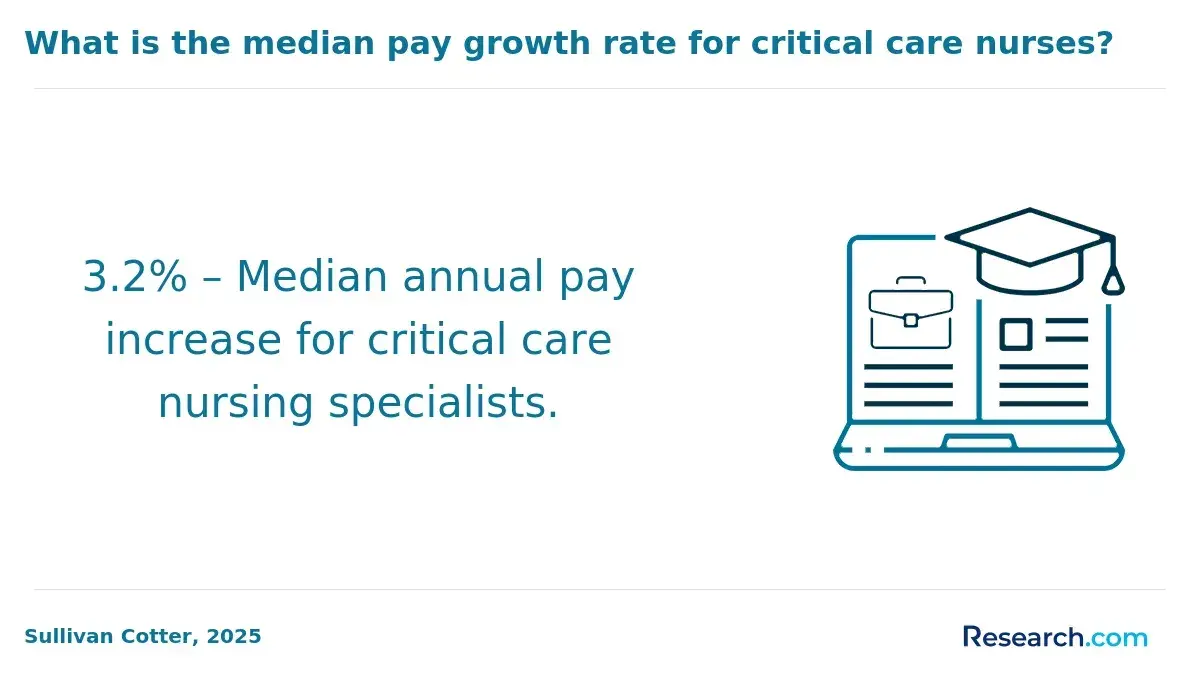
- Advanced Certifications: Nurses may pursue specialty credentials such as Critical Care (CCRN), Oncology (OCN), or Geriatrics to document expertise and strengthen career options.
- Graduate Programs: MSN, DNP, and PhD programs can prepare nurses for advanced practice, leadership, education, research, and specialized roles.
- Conferences and Workshops: Florida nursing organizations, including the Florida Nurses Association (FNA), offer education and networking opportunities.
- Professional Associations: Groups such as the American Nurses Association (ANA) and the Florida Association of Nurse Practitioners (FLANP) can provide resources, mentorship, advocacy updates, and professional connections.
- Employer-Sponsored Training: Healthcare organizations may provide training in technology, patient safety, specialty practice, leadership, and clinical procedures.
What Opportunities Exist for Online Nursing Education in Florida?
Florida offers many online and hybrid nursing education options, especially for licensed nurses pursuing RN to BSN, MSN, DNP, certificates, or other advancement pathways. Online study can help students continue working while completing theory-based coursework, leadership training, research classes, or graduate seminars.
Students should still verify clinical requirements, state authorization, campus visit expectations, technology requirements, and licensure alignment. For program comparisons, see Research.com’s guide to online nursing programs in Florida.
What is the job market for graduates with a degree from the best nursing schools in Florida?
Florida’s nursing job market remains favorable for many graduates because healthcare systems need nurses across hospitals, clinics, long-term care, public health, specialty practices, and education. Demand differs by role and region, and job placement is never guaranteed, but the state’s large healthcare sector creates multiple entry and advancement options.
Through 2030, RNs in Florida are projected to have an average annual job growth rate of 14.5%, with over 13,250 average annual job openings. Nurse Practitioners are projected to see a job growth rate of 70.9% and 1,910 average annual job openings. Nursing instructors and teachers in postsecondary institutions are projected to have an average annual job growth rate of 29.7%.
These projections show why nursing remains a practical career path in Florida, especially for students who complete approved programs, pass licensure exams, build clinical competence, and continue developing specialized skills.
How can applicants overcome barriers to entry in Florida nursing programs?
Many Florida nursing programs are competitive. Applicants may face GPA cutoffs, science prerequisites, entrance exams, background checks, immunization requirements, limited seats, and clinical placement constraints. The best strategy is to prepare early and apply strategically rather than assuming one school is the only viable route.
- Research admission criteria at multiple schools before taking prerequisites.
- Prioritize strong grades in anatomy, physiology, microbiology, chemistry, and math.
- Prepare for required entrance exams such as the TEAS if the school requires them.
- Ask whether waitlists, cohort limits, or clinical placement shortages affect start dates.
- Consider ADN-to-BSN, LPN-to-RN, RN-to-BSN, or accelerated BSN routes if they better match your background.
- Meet with admissions advisors early and confirm all deadlines in writing.
Students looking for more accessible entry options can compare programs featured in Research.com’s guide to the easiest nursing schools to get into, while still checking accreditation, licensure eligibility, and outcomes.
Related Articles for Nearby States
- 2027 Best Nursing Schools in Georgia – Accredited ADN, BSN, MSN Programs
- 2027 Best Nursing Schools in Alabama – Accredited ADN, BSN, MSN Programs
- 2027 Best Nursing Schools in South Carolina: Accredited ADN, BSN, MSN Programs
- 2027 Best Nursing Schools in Mississippi – Accredited ADN, BSN, MSN Programs
- 2027 Best Nursing Schools in Tennessee – Accredited ADN, BSN, MSN Programs
- 2027 Best Nursing Schools in North Carolina – Accredited ADN, BSN, MSN Programs
- 2027 Best Nursing Schools in Louisiana – Accredited ADN, BSN, MSN Programs
- 2027 Best Nursing Schools in Kentucky – Accredited ADN, BSN, MSN Programs
- 2027 Best Nursing Schools in Arkansas – Accredited ADN, BSN, MSN Programs
- 2027 Best Nursing Schools in Virginia – Accredited ADN, BSN, MSN Programs
References:
- American Association of Colleges of Nursing. (2025). About AACN and nursing education. https://www.aacnnursing.org/about-aacn
- American Association of Colleges of Nursing. (2025). Find accredited nursing programs. https://www.aacnnursing.org/students/find-a-nursing-program
- American Association of Colleges of Nursing. (2025). Nursing workforce data. https://www.aacnnursing.org/news-data/fact-sheets/nursing-workforce
- Commission on Collegiate Nursing Education. (2025). Accredited nursing programs. https://www.aacnnursing.org/ccne-accreditation
- California Board of Registered Nursing. (2025). 2025 Annual School Report: Pre-licensure Nursing Programs. https://www.rn.ca.gov/forms/pubs/perfdata.shtml
- Florida Board of Nursing. (2025). Education and Training Programs. https://floridasnursing.gov/education-and-training-programs/
- Florida Board of Nursing. (2025). Approved Nursing Education Programs. https://floridasnursing.gov/education-and-training-programs/
- Florida Board of Nursing. (2025). NCLEX Pass Rates - First Time Takers. https://floridasnursing.gov/education-and-training-programs/
- National Council of State Boards of Nursing. (2025). NCLEX and nurse licensure requirements. https://www.ncsbn.org/nclex
- National Council of State Boards of Nursing. (2025). Nurse licensure compact information. https://www.ncsbn.org/nurse-licensure-compact
- U.S. Bureau of Labor Statistics. (2025). Occupational Employment and Wage Statistics: Registered Nurses. https://www.bls.gov/oes/current/oes291141.htm
- U.S. Bureau of Labor Statistics. (2025). Licensed practical and licensed vocational nurses. https://www.bls.gov/ooh/healthcare/licensed-practical-and-licensed-vocational-nurses.htm
- U.S. Bureau of Labor Statistics. (2025). Occupational Employment and Wage Statistics: Florida. https://www.bls.gov/oes/current/oes_fl.htm
Key Insights
- Florida is one of the largest RN employment markets in the country, but program quality, licensure approval, clinical placement access, and NCLEX preparation vary widely.
- The best nursing school is not always the most famous one. Choose based on accreditation, Florida licensure alignment, total cost, clinical support, outcomes, and fit with your intended role.
- Online nursing programs can be valuable for working nurses, especially RN to BSN, MSN, DNP, and certificate pathways, but prelicensure students should expect in-person labs and clinicals.
- Costs differ sharply by residency and institution. Compare full cost of attendance, not just tuition per credit.
- Advanced practice roles can offer higher salaries and strong demand, but they require graduate education, certification, and careful attention to state practice rules.
- Before enrolling, ask direct questions about NCLEX pass rates, clinical placement responsibility, progression policies, student support, transfer credits, and whether the program meets Florida licensing requirements.
Other Things You Should Know About Nursing Schools in Florida
To enter BSN programs in Florida in 2027, applicants typically need to have completed prerequisite courses such as biology, chemistry, and anatomy, along with a minimum GPA requirement. Some programs may also require SAT or ACT scores and letters of recommendation.
Nursing programs in Florida offer a variety of clinical experiences to prepare students for professional practice. These experiences typically include simulation labs, clinical rotations, and hands-on training in healthcare settings. Simulation labs provide students with opportunities to practice nursing skills and scenarios in a controlled environment using high-fidelity mannequins and medical equipment. Clinical rotations allow students to work alongside healthcare professionals in hospitals, clinics, long-term care facilities, and community health settings, gaining real-world experience in patient care, assessment, and treatment. Additionally, nursing programs may offer specialized clinical experiences in areas such as pediatrics, maternity, mental health, and critical care, allowing students to explore different nursing specialties and enhance their clinical competencies. Prospective students are encouraged to inquire about the clinical experiences offered by different nursing programs in Florida and consider how these experiences align with their learning goals and career interests.
Nursing schools in Florida prioritize cultural competency and diversity awareness in their curriculum to prepare students for providing inclusive healthcare services. Here's how they do it:
- Integration of cultural sensitivity training modules throughout the curriculum.
- Incorporation of diverse patient scenarios and case studies in coursework.
- Encouragement of participation in community outreach programs serving diverse populations.
- Collaboration with healthcare facilities serving diverse communities for clinical rotations.
- Emphasis on understanding cultural beliefs and practices influencing healthcare decisions.
Facilitation of discussions and workshops on addressing health disparities among various cultural groups.


