
2027 How to Become a Licensed Counselor (LPC) in Arizona

Co-Founder and Chief Data Scientist
Becoming a licensed counselor in Arizona is a regulated, graduate-level career path. You cannot simply earn any psychology or counseling-related degree and begin practicing independently. Arizona requires the right education, supervised clinical experience, exams, background checks, and approval from the Arizona Board of Behavioral Health Examiners. The decision matters because counseling is both a service profession and a licensed healthcare role: your program choice can affect whether you qualify for licensure, how long the process takes, what settings you can work in, and how much debt you may take on.
This guide is for students, career changers, and out-of-state counselors who want a practical explanation of how to become a Licensed Associate Counselor (LAC) or Licensed Professional Counselor (LPC) in Arizona. You will learn the education requirements, licensure steps, supervised hour rules, exams, online program considerations, career options, salary expectations, and common mistakes to avoid before choosing a counseling program.
Quick answer: How do you become a licensed counselor in Arizona?
To become a licensed counselor in Arizona, you generally need a qualifying master’s degree in counseling or a closely related field, a practicum or supervised field experience, a background check, approval from the Arizona Board of Behavioral Health Examiners, and required exams. Most candidates first become a Licensed Associate Counselor (LAC), complete 3,200 hours of post-master’s supervised experience, including 100 hours of clinical supervision and 1,600 hours of direct client contact, and then apply for Licensed Professional Counselor (LPC) status. In 2025, Arizona had 218.4 mental health providers—including counselors—per 100,000 population (U.S. Department of Health and Human Services, Centers for Medicare & Medicaid Services, 2025), underscoring the role counselors play in the state’s behavioral health workforce.
What are the benefits of becoming a counselor in Arizona?
- Multiple practice settings: Licensed counselors may work in community mental health, private practice, substance use treatment, schools, rehabilitation programs, hospitals, colleges, employee assistance programs, and career counseling environments.
- Competitive earning potential: The average annual salary for LPCs in Arizona in 2026 is $66,410, though actual pay depends on specialization, employer, experience, location, and whether you practice independently.
- Flexible education options: Some Arizona counseling programs offer online, hybrid, or campus-based formats, which can help working adults complete coursework while planning for practicum and internship requirements.
- Top counselor programs in Arizona for 2027
- Education requirements for Arizona counselor licensure
- Arizona counselor licensure process
- Required exams for LPC candidates in Arizona
- How long it takes to become an LPC in Arizona
- Career benefits of Arizona LPC licensure
- Supervised experience hours for LPC licensure
- Online and distance education for Arizona LPC licensure
- Continuing education activities for Arizona counselors
- LPC vs. marriage and family therapist in Arizona
- Arizona counseling job market
- Licensed counselor salary in Arizona
- Long-term outlook for Arizona LPCs
- Counselor licensure vs. psychology licensure in Arizona
- Ethical responsibilities for Arizona LPCs
- Tuition and financial aid for Arizona counseling programs
- LPC credentials vs. social work credentials in Arizona
- Behavior analysis as a counseling career enhancer
- Telehealth and counseling practice in Arizona
- Why education determines LPC eligibility
- Renewal and continuing education requirements
- Next steps for learning about Arizona counselor licensure
- Common challenges in the LPC licensure process
- Alternative counseling specialties in Arizona
- Certifications that may strengthen a counseling career
- Easiest counseling degree options in Arizona
List of Top Counselor Programs in Arizona for 2027
How should you use this program list?
A counseling program should be evaluated for more than name recognition. For Arizona licensure, the most important questions are whether the program is properly accredited, whether the curriculum aligns with Arizona Board requirements, whether practicum and internship placements are available in your area, and whether the format fits your schedule. Rankings can help you build a shortlist, but you should verify licensure fit directly with the school and the Arizona Board before enrolling.
Research.com develops school rankings through structured research and data review. To understand the criteria used, visit our methodology page. Program information is informed by recognized education data sources, including the IPEDS database from the National Center for Education Statistics, Peterson’s database and its Distance Learning Licensed Data Set, and the College Scorecard.
Program comparison: Arizona counseling options
| School and program | Format | Program length | Credits | Cost information provided | Accreditation listed |
| Arizona State University, Master of Counseling | On campus | 2-3 years | 60 | $12,376 in-state; $34,290 out-of-state | CACREP |
| Grand Canyon University, MS in Clinical Mental Health Counseling | On campus or online | 2-3 years | 60 | $575 online per credit; $687 traditional per credit | CACREP |
| University of Arizona, MA in Counseling, School Counseling Specialty | On campus | ~2 years | 60 | $908 in-state per credit; $1,794 out-of-state per credit | CACREP |
| Grand Canyon University, BS in Counseling with Addiction, Chemical Dependency and Substance Abuse emphasis | Hybrid | 4 years | 120 | $8,250 on-campus total; $485 online per credit | CACREP |
| Arizona State University, Bachelor in Counseling and Applied Psychological Science, Substance Abuse and Addictions concentration | On campus | 4 years | 105; 120 | $11,308 in-state; $31,450 out-of-state | CACREP |
1. Arizona State University: On-Campus Master of Counseling
Arizona State University offers an on-campus Master of Counseling designed for students preparing for professional counseling practice. The program combines counseling theory, clinical skill development, assessment, ethics, and supervised training. Students considering this option should ask how field placements are arranged, whether the program supports Arizona licensure documentation, and how the curriculum maps to LAC and LPC requirements.
- Program Length: 2-3 years
- Required Credits to Graduate: 60
- Tuition Cost: $12,376 (in-state); $34,290 (out-of-state)
- Accreditation: Council for Accreditation of Counseling and Related Educational Programs (CACREP)
2. Grand Canyon University: On-Campus/Online Master of Science in Clinical Mental Health Counseling
Grand Canyon University provides a Master of Science in Clinical Mental Health Counseling with both online and traditional options. This format may appeal to students who need scheduling flexibility but still must complete supervised clinical training. Before choosing the online route, confirm where practicum and internship experiences can be completed, how supervision is documented, and whether the program meets Arizona Board expectations.
- Program Length: 2-3 years
- Required Credits to Graduate: 60
- Cost per Credit: $575 (online); $687 (traditional)
- Accreditation: Council for Accreditation of Counseling and Related Educational Programs (CACREP)
3. University of Arizona: On-Campus Master of Arts in Counseling, School Counseling Specialty
The University of Arizona offers a Master of Arts in Counseling with a School Counseling Specialty. This path is best suited for students who want to support academic, social, emotional, and career development in educational settings. Because school counseling and mental health counseling may involve different credentialing expectations, applicants should verify whether the program supports the specific Arizona credential they want to pursue.
- Program Length: ~2 years
- Required Credits to Graduate: 60
- Cost per Credit: $908 (in-state); $1,794 (out-of-state)
- Accreditation: Council for Accreditation of Counseling and Related Educational Programs (CACREP)
4. Grand Canyon University: Hybrid Bachelor of Science in Counseling, Addiction, Chemical Dependency and Substance Abuse Emphasis
Grand Canyon University offers a Bachelor of Science in Counseling with an emphasis in Addiction, Chemical Dependency, and Substance Abuse. A bachelor’s degree can help students enter human services or addiction-related support roles, but it does not replace the master’s degree generally required for LPC licensure in Arizona. This option may be useful for students building a foundation before graduate counseling study.
- Program Length: 4 years
- Required Credits to Graduate: 120
- Tuition Cost: $8,250 (on-campus total); $485 (online, per credit)
- Accreditation: Council for Accreditation of Counseling and Related Educational Programs (CACREP)
5. Arizona State University: On-Campus Bachelor in Counseling and Applied Psychological Science, Substance Abuse and Addictions Concentration
Arizona State University offers a bachelor’s program in Counseling and Applied Psychological Science with a Substance Abuse and Addictions concentration. The curriculum can prepare students for entry-level behavioral health, prevention, case support, or graduate study pathways. Students aiming for independent clinical counseling should treat this as a pre-professional step rather than a terminal LPC qualification.
- Program Length: 4 years
- Required Credits to Graduate: 105; 120
- Tuition Cost (Downtown Pheonix): $11,308 (in-state); $31,450 (out-of-state)
- Accreditation: Council for Accreditation of Counseling and Related Educational Programs (CACREP)
What Graduates Often Value in Counselor Degree Programs
Online counseling study can make graduate education more accessible for students who cannot relocate or pause full-time work. Students often value structured courses, responsive faculty, and a clear connection between academic theory and clinical practice. - Anne
Students in distance-based programs frequently cite peer interaction as an important factor. Discussion boards, group projects, supervision meetings, and cohort models can help create a professional learning community even when students are not in the same classroom. - Joel
Distance learning still requires discipline, strong time management, and reliable support. Students who succeed often point to faculty guidance, advising, and consistent communication as essential parts of completing the degree and preparing for licensure. - Kyle
What are the educational requirements to become a licensed counselor in Arizona?
Arizona generally requires a master’s degree in counseling or a related field from an accredited institution for counselor licensure. The degree must include appropriate coursework and supervised field experience, such as a practicum or internship. The Arizona Board of Behavioral Health Examiners oversees counselor licensure and should be treated as the final authority on current requirements. If your goal is to become a mental health counselor, review Board rules before applying to a program, especially if the school is outside Arizona.
Why accreditation matters before you enroll
Accreditation is one of the most important filters when comparing counseling programs. A program that is not properly accredited, or that does not include the right clinical training, can delay or prevent licensure. CACREP accreditation is commonly used as a quality marker for counseling programs, but students should still confirm that the degree, coursework, practicum, and internship meet Arizona Board standards. This is especially important for students enrolling in out-of-state or online masters in psychology programs, because not every psychology degree is designed for counseling licensure.
In 2026, there are 8 LPC programs in Arizona accredited by CACREP.
What is the process for obtaining licensure as a counselor in Arizona?
The Arizona pathway usually starts with graduate education and moves into supervised practice. Candidates often begin as Licensed Associate Counselors, complete post-master’s supervised clinical experience, and later apply for LPC licensure. The right master’s degree may be in counseling or another closely related field, such as a program connected to a child psychology degree, but the Board decides whether a degree satisfies the rules.
Arizona recognizes different counselor license stages. The types of counselor licenses determine whether you can practice under supervision or independently.
Arizona counselor license types
| License | Best for | Independent practice? | Key requirement |
| Licensed Associate Counselor (LAC) | Graduates beginning supervised clinical practice | No; practice is supervised | Qualifying graduate degree, practicum, application, and background requirements |
| Licensed Professional Counselor (LPC) for existing LAC | LACs who have completed supervised post-master’s experience | Yes, after approval | 3,200 hours of supervised post-master’s experience and required documentation |
| Licensed Professional Counselor (LPC) | Qualified professionals seeking independent counseling authority | Yes, after approval | Graduate education, supervised experience, exams, application, and Board approval |
Steps to become a Licensed Associate Counselor (LAC)
- Complete a qualifying graduate degree: Earn a counseling graduate degree that includes the required practicum or supervised field component.
- Request official transcripts: Obtain sealed official transcripts from your institution and include them with the LAC application materials.
- Complete background requirements: Prepare the required National Practitioner Data Bank self-query report and complete fingerprint background procedures.
- Submit the LAC application: File the application with the Arizona State Board of Behavioral Health Examiners and include the required fee and documentation.
Steps to become a Licensed Professional Counselor (LPC)
- First obtain LAC status: Most candidates move from graduate education into supervised practice as an LAC.
- Complete supervised experience: Accumulate 3,200 hours, equivalent to 2 years of full-time work, of post-master’s supervised psychotherapy experience that includes assessment, diagnosis, and treatment.
- Meet supervision and client contact requirements: Complete 100 hours of clinical supervision and 1,600 hours of direct client contact.
- Apply for LPC licensure: Submit the LPC application, supervision documentation, exam records, fees, and any other Board-required materials.
License by Endorsement: How Out-of-State Counselors Can Seek Arizona Licensure
Arizona does not offer automatic LPC reciprocity. However, licensure by endorsement may be available for counselors who already hold a license in another state. You may qualify if you have held an out-of-state license for at least one year with Arizona residency or three years without residency. Typical documentation includes fingerprints, identification, and a counseling certification transcript. Because endorsement rules can be document-heavy, start gathering records before you apply.
Application and renewal: what to prepare early
The licensure process moves faster when candidates keep organized records from the beginning of graduate school. Save syllabi, practicum logs, internship documentation, supervisor credentials, transcript records, exam reports, background check documents, and proof of continuing education. If the Board requests clarification, having these materials ready can reduce delays.
LAC application checklist
- Graduate degree: Complete a qualifying counseling degree with a practicum that meets Arizona expectations.
- Official transcripts: Request sealed transcripts and confirm they show the degree awarded.
- Background documentation: Complete the NPDB self-query and fingerprint background check requirements.
- Board application: Submit the LAC application, fee, and supporting documents to the Arizona State Board of Behavioral Health Examiners.
LPC application checklist
- Active LAC credential: Hold LAC status before moving toward independent professional counselor licensure.
- Supervised practice: Complete 3,200 hours, equivalent to 2 years of full-time work, of post-master’s supervised psychotherapy experience.
- Clinical supervision: Document 100 hours of clinical supervision and 1,600 hours of direct client contact.
- Final application: Submit the LPC application with supervision records, required fees, and all Board-requested documentation.
These steps describe the general route, but specific requirements can vary by credential, education history, and application category. Social work, school counseling, marriage and family therapy, and psychology credentials follow different rules. Always confirm the current requirements with the Arizona State Board of Behavioral Health Examiners before making enrollment or career decisions.
What exams do I need to take to become an LPC in Arizona?
Arizona LPC candidates typically need to pass the National Counselor Examination for Licensure and Certification (NCE), administered by the National Board for Certified Counselors. Arizona may also require the Arizona Jurisprudence Examination, which tests knowledge of state-specific laws, regulations, and professional responsibilities for counseling practice. These exams are designed to confirm both counseling competence and understanding of Arizona practice rules.
In 2025, there are around 19,430 LPCs employed in Arizona.
How long does it take to become an LPC in Arizona?
The full LPC pathway in Arizona typically takes around 6 to 8 years. A common timeline includes 4 years for a bachelor’s degree, 2-3 years for a master’s degree in counseling or a related field, 1-2 years to complete supervised clinical experience, and time to pass required licensure exams and obtain Board approval.
| Stage | Typical time | What happens during this stage |
| Bachelor’s degree | 4 years | Students build a foundation in psychology, human services, counseling, or a related field. |
| Master’s degree | 2-3 years | Candidates complete advanced counseling coursework, practicum, internship, and clinical preparation. |
| Supervised post-master’s experience | 1-2 years | LACs complete supervised psychotherapy hours, direct client contact, and clinical supervision. |
| Exams and final licensure | Varies | Candidates complete required exams and submit documentation for LPC approval. |
What are the benefits of becoming a licensed counselor in Arizona?
Arizona LPC licensure can expand your professional options because it allows qualified counselors to provide independent mental health services after meeting Board requirements. Licensed counselors may work in behavioral health agencies, substance use treatment, private practice, integrated care, correctional settings, nonprofit organizations, schools, colleges, and career service programs. Students comparing common counseling careers you can consider should weigh client population, work setting, salary, supervision needs, and emotional demands. In 2025, LPCs in Arizona earned an average annual salary of $66,742.
How many hours of supervised experience are required for LPC licensure in Arizona?
Arizona typically requires 3,200 hours of post-master’s supervised experience for LPC licensure, which is equivalent to 2 years of full-time work. Within that requirement, candidates must complete 100 hours of clinical supervision and 1,600 hours of direct client contact. These supervised hours help candidates develop practical skills in assessment, diagnosis, treatment planning, documentation, ethics, and therapeutic intervention before practicing independently.
Can I pursue online or distance education for LPC licensure in Arizona?
Yes, online and distance education can be part of an Arizona LPC pathway if the program meets Arizona Board requirements. Students may consider online counseling or online psychology degree programs, but they should not assume that online automatically means licensure-eligible. The critical question is whether the graduate program includes the required coursework, practicum, internship, accreditation, and supervision structure for Arizona licensure.
Online vs. campus counseling programs: what to compare
| Factor | Online or hybrid program | Campus program | Why it matters |
| Course flexibility | Often better for working adults | May require set class times and commuting | Flexibility can help, but clinical requirements still require planning. |
| Practicum and internship | May require you to locate approved local sites | May have established local placement relationships | Field placement problems can delay graduation and licensure. |
| Peer and faculty access | Depends on virtual advising and supervision quality | May offer more in-person interaction | Clinical training is relationship-based, so support matters. |
| Licensure alignment | Must be verified carefully, especially out of state | Still must be verified with Arizona rules | Never enroll based only on a program’s marketing language. |
What types of activities qualify for continuing education in Arizona?
Continuing education for Arizona counselors may include workshops, seminars, conferences, graduate coursework, professional training, research, teaching, publication, and participation in relevant professional organizations or committees. The purpose is to keep counselors current on ethics, clinical methods, cultural responsiveness, legal duties, risk management, and evolving behavioral health practices. Counselors should keep certificates and documentation because renewal applications may require proof of completion.
What is the difference between an LPC and a marriage and family therapist in Arizona?
Licensed Professional Counselors and Marriage and Family Therapists both provide mental health services, but they are trained through different professional lenses. LPCs often focus on individual mental health concerns such as anxiety, trauma, depression, life transitions, career issues, substance use, and coping skills. MFTs focus more heavily on relationship systems, couple dynamics, family patterns, and how interpersonal relationships affect mental health.
The education and exam routes also differ. LPC candidates typically complete a counseling-focused graduate program and may take the National Counselor Examination. MFT candidates complete graduate training in marriage and family therapy and take the Marriage and Family Therapy National Examination. If your strongest interest is couples or family systems, review the guide on how to become a marriage and family therapist in Arizona before committing to an LPC path.
The better choice depends on whom you want to serve. Choose the LPC route if you want broad mental health counseling flexibility. Consider MFT licensure if your primary interest is relational, couple, and family therapy work.
What is the job market like for licensed counselors in Arizona?
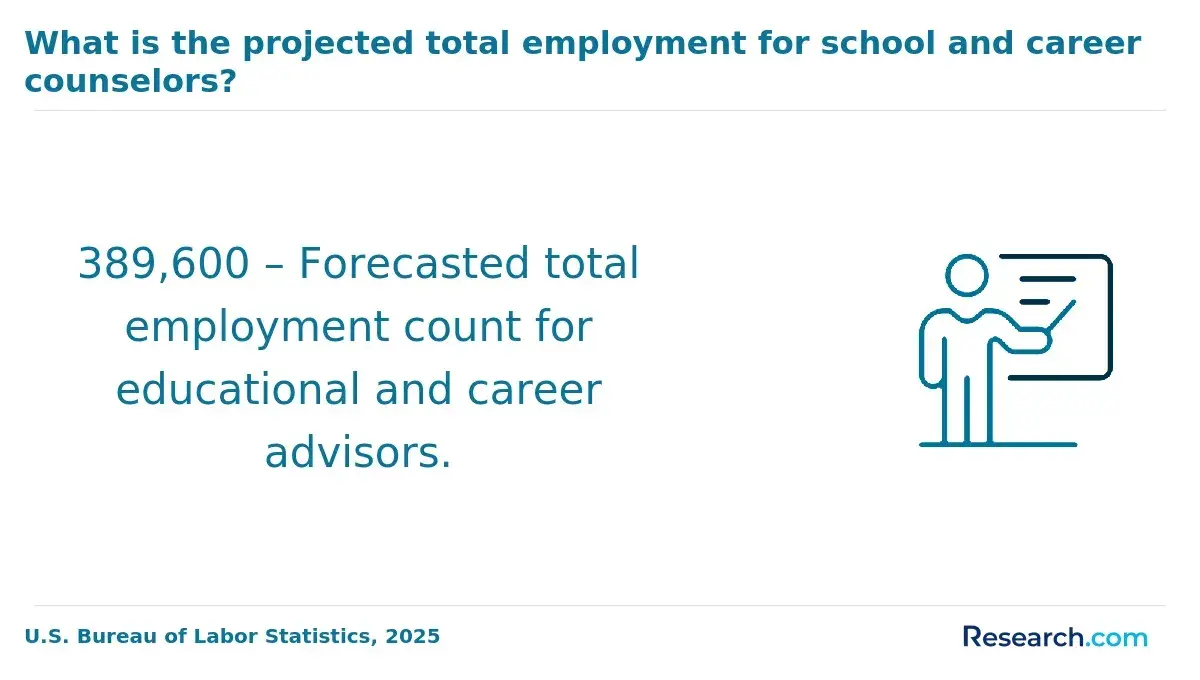
Arizona has counseling opportunities across behavioral health, education, addiction treatment, and community service settings. In 2025, there were over 9,400 Substance Abuse, Behavioral Disorder, and Mental Health Counselors employed in the state. Arizona also had over 7,200 educational, guidance, and career counselors. Demand can vary by region, employer funding, specialization, and willingness to work in high-need communities.
What salary can I expect as a licensed counselor in Arizona?
Licensed counselor salaries in Arizona vary by specialty, employer type, experience level, supervision responsibilities, caseload, and location. The average annual income for LPCs in 2026 is $68,430. Salary figures should be treated as planning benchmarks rather than guarantees, especially for new graduates or counselors moving into private practice.
Specialty matters. Substance abuse, behavioral disorder, and mental health counselors earned an average of $63,520 in 2025, while educational, guidance, and career counselors averaged $66,210 during the same period.
| Role or credential category | Arizona salary figure stated | Important context |
| LPCs in Arizona | $66,410 average annual salary in 2026 | Compensation depends on setting, specialty, experience, and independent practice status. |
| LPCs in Arizona | $66,742 average annual salary in 2025 | Use with other salary sources to understand market variation. |
| LPCs in Arizona | $68,430 average annual income in 2026 | Actual earnings may differ by city, employer, and caseload. |
| Substance abuse, behavioral disorder, and mental health counselors | $63,520 average in 2025 | This category may include roles with different licensure levels. |
| Educational, guidance, and career counselors | $66,210 average in 2025 | School and education roles may have separate credential requirements. |
What is the long-term career outlook for LPCs in Arizona?
The long-term outlook for Arizona counselors is shaped by public awareness of mental health, behavioral health access needs, telehealth adoption, integrated care models, and demand for addiction and crisis services. Counselors who build expertise in high-need areas, maintain strong ethical practices, and pursue continuing education may be better positioned for advancement. For broader salary context, see How much do counselors make?.
What distinguishes counselor licensure from psychology licensure in Arizona?
Counselor licensure and psychology licensure are not interchangeable. Arizona counselor licensure is usually a master’s-level pathway focused on counseling, psychotherapy, diagnosis, treatment planning, and supervised clinical practice. Psychology licensure generally involves doctoral-level training, research preparation, psychological assessment, and a different scope of practice. If you are comparing these fields, review how to become a psychologist in Arizona before deciding which education path fits your goals.
What are the ethical considerations for LPCs in Arizona?
Arizona LPCs must follow state rules and professional ethics. These obligations are not optional; they protect clients, define professional boundaries, and reduce legal risk.
- Confidentiality and privacy: Counselors must protect client information and explain the limits of confidentiality, including mandatory reporting and safety-related exceptions.
- Informed consent: Clients should understand the counseling process, fees, methods, risks, benefits, records policies, and their right to ask questions before treatment begins.
- Professional boundaries: LPCs must avoid conflicts of interest and dual relationships that could impair judgment, exploit clients, or blur professional roles.
- Competence: Counselors should practice only within their training and skill level and seek consultation, supervision, or referral when a client’s needs exceed their expertise.
- Cultural responsiveness: Ethical counseling requires respect for clients’ identities, values, language, family systems, faith traditions, disabilities, and lived experiences.
What are the tuition costs and financial aid options for counseling programs in Arizona?
Counseling degree costs include more than tuition. Students should budget for fees, textbooks, technology, transportation, background checks, liability insurance, exam fees, licensure applications, and unpaid or low-paid practicum time. Before enrolling, compare total program cost with likely career outcomes and licensure eligibility. Reviewing good colleges for psychology in Arizona can help you compare academic options, but you should also speak directly with financial aid offices about scholarships, grants, loans, assistantships, work-study, employer tuition support, and payment plans.
Questions to ask before choosing a counseling program
- Does the program meet Arizona Board requirements for LAC and LPC eligibility?
- Is the program accredited, and is CACREP accreditation listed where relevant?
- Who helps students secure practicum and internship placements?
- Can online students complete clinical training in Arizona?
- What is the total estimated cost, including fees and clinical requirements?
- How does the program document supervision and field experience for licensure applications?
- What support is available for exam preparation and licensure paperwork?
What distinguishes LPC licensure from social work credentials in Arizona?
LPCs and social workers can both provide mental health-related services, but their professional training and career emphasis differ. LPC preparation focuses on counseling, psychotherapy, diagnosis, treatment planning, and clinical intervention. Social work education often includes case management, systems advocacy, community resources, policy, and social services, along with clinical practice for certain credentials. If you are drawn to both therapy and broader social support systems, compare the LPC route with how to become a social worker in Arizona.
Can integrating behavior analysis enhance my counseling career in Arizona?
Behavior analysis can complement counseling for professionals working with behavior change, autism services, educational interventions, parent training, organizational behavior, or structured skill-building programs. It is not a replacement for counselor licensure, but it can broaden your toolkit if it aligns with your client population and practice setting. To compare this route, review how to become a behavior analyst in Arizona.
How does telehealth influence counseling practices in Arizona?
Telehealth has changed how many counselors deliver services by improving access for clients who face transportation, scheduling, mobility, or geographic barriers. It also adds responsibilities. Counselors must understand privacy rules, informed consent for virtual care, emergency planning, technology limitations, recordkeeping, and state practice boundaries. If you want the most direct route into practice while accounting for modern service delivery, see the fastest way to become a counselor in Arizona.
What role does education play in becoming an LPC in Arizona?
Education is the foundation of Arizona LPC eligibility. A master’s degree is generally required, and the curriculum must prepare students for ethical, evidence-informed, supervised counseling practice. Some students may be interested in faith-integrated training, such as a Masters in Christian Counseling. If you choose a faith-based program, confirm that it still meets Arizona Board academic and clinical requirements.
- Licensure alignment: The degree must support the academic requirements for Arizona counselor licensure.
- Clinical preparation: Practicum and internship experiences are essential because counseling is a skill-based profession.
- Specialized focus: Faith-based, addiction, school, trauma, or family-oriented programs may shape the settings where you are most prepared to work.
- Long-term flexibility: A well-chosen master’s program can support licensure, employability, supervision, and later specialization.
What are the renewal and continuing education requirements for LPCs in Arizona?
Arizona LPCs must maintain their credentials through renewal and continuing education. Renewal typically involves submitting an application, paying required fees, and documenting approved professional development. Eligible activities may include workshops, seminars, courses, conferences, and other training that meets Board standards. For current renewal cycles, fees, and documentation rules, review the Arizona LPC license requirements.
What steps should I take to learn more about becoming a licensed counselor in Arizona?
Start with the Arizona Board of Behavioral Health Examiners, then compare programs based on licensure fit rather than convenience alone. Speak with admissions advisors, current students, field placement coordinators, and licensed counselors in your target specialty. For a more focused mental health counseling pathway, see how to become a licensed mental health counselor in Arizona.
Practical next steps
- Confirm the license you want: LAC, LPC, school counselor, MFT, social work, or psychology.
- Review Arizona Board requirements before applying to schools.
- Shortlist accredited programs that include required clinical training.
- Ask each program how it supports practicum, internship, and licensure documentation.
- Estimate total cost and compare it with realistic salary expectations.
- Plan for supervised hours after graduation.
- Track every transcript, syllabus, supervision log, exam result, and continuing education certificate.
What challenges may arise in the LPC licensure process in Arizona?
Common challenges include choosing a degree that does not fully meet Board requirements, underestimating the time needed for supervised hours, struggling to find approved clinical placements, preparing late for exams, and failing to keep complete documentation. Requirements can also change, so candidates should avoid relying on outdated advice. For timeline planning, review how long does it take to become a licensed counselor.
Common mistakes to avoid
| Mistake | Why it can hurt you | Better approach |
| Choosing a program only because it is online or inexpensive | The program may not satisfy Arizona licensure requirements. | Verify accreditation, coursework, practicum, and internship rules before enrolling. |
| Ignoring field placement logistics | Delayed placements can delay graduation and supervised practice. | Ask who secures sites and whether placements are available near you. |
| Assuming bachelor’s study leads to LPC licensure | Arizona generally requires a qualifying master’s degree for counselor licensure. | Use a bachelor’s degree as preparation for graduate counseling study. |
| Keeping poor supervision records | Incomplete documentation can slow or complicate LPC approval. | Track hours, supervisor signatures, client contact, and supervision details consistently. |
| Relying only on rankings | A highly ranked school may still be a poor fit for your license goal, budget, or location. | Use rankings as one screening tool, not the final decision. |
How can exploring alternative counseling specialties enhance my career in Arizona?
Specialization can help counselors serve specific populations and pursue more focused roles. Options may include school counseling, addiction counseling, trauma-informed care, crisis work, rehabilitation counseling, career counseling, and family-focused practice. If you are drawn to educational settings, compare LPC preparation with becoming a school counselor in Arizona. The right specialty should match your interests, temperament, preferred work setting, and credential requirements.
What additional certifications can boost my counseling career in Arizona?
Additional certifications can help counselors build expertise, but they should be chosen strategically. Credentials in substance use counseling, trauma-informed care, crisis intervention, group counseling, grief work, or specialized populations may strengthen your resume and clinical confidence. If addiction treatment is your target area, review how to become a substance abuse counselor in Arizona. Do not pay for a certification until you understand whether employers recognize it and whether it supports your practice goals.
What is the easiest counseling degree to get in Arizona?
The “easiest” counseling degree is not always the best choice. A shorter or more flexible program may help you finish school faster, but it can be a poor investment if it does not qualify you for your intended license. For independent counseling practice in Arizona, a master’s degree is generally the key academic requirement. Bachelor’s programs may be easier to enter and complete, but they usually serve as preparation for graduate study rather than a direct LPC route.
If you are comparing the easiest counseling degree to get, evaluate the decision through licensure, cost, time, clinical placement, and career outcome—not difficulty alone.
- Bachelor’s degree: Often more accessible and useful for entry-level human services roles, but typically not enough for LPC licensure.
- Master’s degree: More demanding, but usually necessary for professional counselor licensure in Arizona.
- Online or accelerated format: May reduce scheduling barriers, but clinical requirements still apply.
- Specialization choice: Addiction, school, marriage and family, and mental health counseling pathways may lead to different credentials and work settings.
- Career fit: Choose the program that prepares you for the clients and setting you actually want, not simply the one that appears easiest.
Related Articles for Nearby States
- 2027 How to Become a Licensed Counselor (LPC) in New Mexico
- 2027 How to Become a Licensed Counselor (LPC) in Nevada
- 2027 How to Become a Licensed Counselor (LPC) in California
- 2027 How to Become a Licensed Counselor (LPC) in Utah
- 2027 How to Become a Licensed Counselor (LPC) in Colorado
- 2027 How to Become a Licensed Counselor (LPC) in Texas
- 2027 How to Become a Licensed Counselor (LPC) in Oklahoma
- 2027 How to Become a Licensed Counselor (LPC) in Kansas
- 2027 How to Become a Licensed Counselor (LPC) in Wyoming
- 2027 How to Become a Licensed Counselor (LPC) in Idaho
References:
- America's Health Rankings. (2025). *Mental health providers in Arizona*. United Health Foundation. https://www.americashealthrankings.org/explore/measures/MHP/AZ
- Arizona Board of Behavioral Health Examiners. (2026). Applying for licensure. https://bbhe.az.gov/applying-licensure
- Arizona Board of Behavioral Health Examiners. (2026). Counseling licensure information. https://bbhe.az.gov/counseling
- Arizona State Legislature. (2026). Licensed professional counselor; licensure requirements (A.R.S. § 32-3301). https://www.azleg.gov/ars/32/03301.htm
- Arizona State Library, Archives and Public Records. (2025). Board of Behavioral Health Examiners history. https://azlibrary.gov/agency-history/2067
- Economic Research Institute. (2025). Licensed Professional Counselor Salary Arizona. https://www.erieri.com/salary/job/licensed-professional-counselor/united-states/arizona
- U.S. Bureau of Labor Statistics. (2025). Occupational Employment and Wage Statistics: Substance Abuse, Behavioral Disorder, and Mental Health Counselors in Arizona. https://www.bls.gov/oes/current/oes211018.htm
- U.S. Bureau of Labor Statistics. (2025). Occupational Outlook Handbook. https://www.bls.gov/ooh/community-and-social-service/substance-abuse-behavioral-disorder-and-mental-health-counselors.htm
- U.S. Bureau of Labor Statistics. (2026). Substance abuse, behavioral disorder, and mental health counselors. https://www.bls.gov/ooh/community-and-social-service/substance-abuse-behavioral-disorder-and-mental-health-counselors.htm
Key Insights
- Arizona LPC licensure is usually a master’s-level pathway; a bachelor’s degree can help you prepare, but it generally does not qualify you for independent counseling practice.
- Most candidates first become Licensed Associate Counselors, complete supervised post-master’s practice, and then apply for Licensed Professional Counselor status.
- The major supervised experience benchmark is 3,200 hours, including 100 hours of clinical supervision and 1,600 hours of direct client contact.
- Program choice is one of the biggest licensure decisions. Verify accreditation, coursework, practicum, internship placement, and Arizona Board alignment before enrolling.
- Online counseling education can work for Arizona licensure, but only if the program satisfies Board requirements and supports approved field training.
- Salary figures for Arizona LPCs and related counseling roles vary by source, specialty, employer, experience, and location; use averages for planning, not guarantees.
- Do not choose a counseling degree solely because it is fast, cheap, or easy. The best program is the one that leads to the credential, client population, and work setting you actually want.
Other Things You Should Know About How to Become a Licensed Counselor (LPC) in Arizona
Yes, Licensed Professional Counselors (LPCs) in Arizona can diagnose mental health disorders. Their training and licensure authorize them to assess, diagnose, and treat individuals using psychotherapy and other counseling techniques.
In Arizona, Licensed Professional Counselors must complete 30 hours of continuing education every two years to maintain their license. This includes at least 3 hours in professional ethics, ensuring LPCs stay updated with the latest standards and practices in the field.


