
2027 Is a Computer Science Degree Worth It? ROI, Cost, Career Outlook, & More

Co-Founder and Chief Data Scientist
A computer science degree can be a strong investment, but it is not automatically the right choice for every student. The real question is whether the degree matches your career goals, budget, learning style, and willingness to keep building technical skills after graduation.
This guide explains what a computer science degree covers, what it can cost, which jobs it may lead to, and how to compare it with alternatives such as bootcamps, information technology, data science, cybersecurity, or accelerated degree pathways. It also covers common mistakes, return on investment, accreditation, industry demand, and the technologies shaping computer science careers in 2026 and beyond.
Quick Answer: Is a Computer Science Degree Worth It?
For many students, a computer science degree is worth it because it builds durable technical foundations in programming, algorithms, software systems, data structures, and problem-solving. It can lead to high-paying roles such as software developer, software engineer, DevOps engineer, software development manager, data scientist, cybersecurity analyst, and computer and information research scientist.
However, the degree is most worthwhile when students choose an accredited program, control costs, complete internships or projects, and build a portfolio before graduation. A degree alone is rarely enough. Employers still want evidence that graduates can write code, solve problems, communicate with teams, and learn new tools quickly.
Key Findings
- A bachelor’s degree in computer science costs $15,000 to $60,000 for on-campus programs.
- Some of the highest-paying computer science career paths include software development managers, software engineers, and DevOps engineers.
- Students can gain technical abilities such as programming and data structures, along with workplace skills such as communication, teamwork, problem-solving, and time management.
- A bachelor’s degree in computer and information sciences has been identified as the most cost-efficient degree, with an ROI of 716%.
- Students often weaken their outcomes by skipping internships, rushing past fundamentals, losing patience with difficult concepts, and spending too much time researching tools instead of building projects.
- What is a computer science degree?
- How much does a computer science degree cost?
- What are the highest-paying jobs for computer science graduates?
- What are the alternatives to getting a computer science degree?
- What are the courses included in a computer science degree?
- What are the skills developed in a computer science degree?
- How long does it take to recoup the cost of a computer science degree?
- What are the career opportunities for each specialization in a computer science degree?
- What industries hire computer science graduates?
- Can combining computer science with business studies benefit your career?
- How do you verify the accreditation and quality assurance of computer science programs?
- What should I consider when choosing an accelerated computer science degree program?
- How can pursuing advanced interdisciplinary degrees enhance your computer science career?
- How can computer science and health information management synergize for interdisciplinary impact?
- What professional certifications can further advance my computer science career?
- Which interdisciplinary master’s programs can boost my computer science career?
- What alternative pathways exist for accelerating a computer science degree?
- What are the common mistakes made by computer science students?
- How can computer science students prepare for the future job market?
- What are the emerging technologies and trends shaping the future of computer science?
- Can computer science innovations enhance health informatics solutions?
- How can you develop a long-term career in computer science?
What is a computer science degree?
A computer science degree is a college program focused on how computers work, how software is built, and how computational methods can be used to solve problems. Students study programming, algorithms, data structures, operating systems, computer architecture, databases, software engineering, and related areas.
The purpose of the degree is not only to teach students a few programming languages. A strong program trains students to think systematically, design efficient solutions, test software, understand trade-offs, and improve existing systems. Graduates with a computer science degree can pursue roles in software development, data analysis, systems analysis, database administration, cybersecurity, research, and technical management.
Computer science degrees are available at multiple levels. An associate degree may support entry-level technical work or transfer into a bachelor’s program. A bachelor’s degree is the standard credential for many software and technology roles. Master’s and doctoral programs are usually better suited for advanced research, specialized engineering work, leadership roles, or academic careers.
Students can also specialize within computer science. Common focus areas include software engineering, artificial intelligence, machine learning, cybersecurity, database systems, computer graphics, cloud computing, data science, and human-computer interaction. High school students who want early exposure may consider whether AP Computer Science Principles is a good first step toward earning credit and testing their interest in the field.
| Degree level | Best fit | Common outcome |
| Associate degree | Students seeking a lower-cost start or transfer pathway | Entry-level support roles, junior technical roles, or bachelor’s transfer |
| Bachelor’s degree | Students aiming for broad access to software, data, IT, and cybersecurity careers | Software developer, systems analyst, web developer, cybersecurity analyst, data-focused roles |
| Master’s degree | Professionals seeking specialization, research preparation, or career advancement | Advanced engineering, data science, AI, cybersecurity, leadership, or research roles |
| Doctorate | Students interested in research, academia, or highly specialized computing problems | Research scientist, professor, advanced R&D roles |
How much does a computer science degree cost?
The cost of a computer science degree depends on the school, delivery format, residency status, transfer credits, financial aid, and whether the student attends full time or part time. The headline tuition number is only one part of the real cost.
- The average tuition for a bachelor’s degree in computer science for on-campus programs ranges from $15,000 to $50,000 for in-state students and around $60,000 for out-of-state students.
- An online bachelor’s in computer science program can cost approximately $360-$495 per credit, with tuition varying widely.
Students comparing programs should estimate total cost of attendance, not just tuition. A lower tuition rate can become less attractive if the program has high technology fees, limited transfer credit acceptance, weak career support, or poor scheduling flexibility.
| Cost factor | Why it matters | What to check before enrolling |
| Type of institution | Public and private colleges often charge very different tuition rates. | Compare net price after grants and scholarships, not only published tuition. |
| Residency status | Out-of-state students often pay more than in-state students. | Ask whether online students qualify for in-state, reduced, or separate online tuition. |
| Program requirements | Computer science programs may include technology fees, lab fees, software access, or specialized materials. | Request a full fee schedule and textbook estimate. |
| Delivery format | Online programs may reduce commuting or housing costs, but they may still include technology fees. | Compare campus and affordable online computer science degree options using total cost. |
| Room and board | Housing and meals can significantly increase the price of a campus degree. | Estimate both on-campus and off-campus living costs. |
| Location | Cost of living, state funding, and local market conditions can affect tuition and expenses. | Include transportation, housing, and local internship access in your comparison. |
| Enrollment timing | Some schools price summer, winter, early, or late enrollment differently. | Ask whether accelerated terms or off-cycle starts change tuition or fees. |
| Financial aid and scholarships | Grants, scholarships, employer benefits, and work-study can reduce out-of-pocket cost. | Review aid eligibility, renewal rules, and scholarship deadlines. |
Online programs are often marketed as cheaper than campus programs, but that is not always true. Some accredited online computer science programs offer lower tuition and eliminate relocation costs, while others charge comparable tuition plus online learning fees. Campus programs may provide stronger access to labs, student organizations, research, career fairs, and local internships. The better choice depends on your cost, schedule, support needs, and career goals.
What are the highest-paying jobs for computer science graduates?
High-paying computer science jobs usually require more than a diploma. Employers typically look for strong programming ability, systems knowledge, project experience, collaboration skills, and, for senior roles, the ability to design architecture or lead teams. Some graduates also move into security roles after completing computer science or online cybersecurity degree programs.
According to the Bureau of Labor Statistics, computer and information technology occupations are projected to have 377,500 openings every year by 2032. Demand extends beyond software companies because finance, healthcare, retail, manufacturing, government, and education all rely on software, data, networks, cloud systems, and cybersecurity.
Some of the highest-paying jobs for computer science graduates include software development managers, software engineers, data scientists, software architects, DevOps engineers, and cybersecurity engineers. Pay varies by location, employer, experience, specialization, and economic conditions, so students should treat salary figures as planning benchmarks rather than guarantees.
What are the alternatives to getting a computer science degree?
A computer science degree is a strong route into technology, but it is not the only option. The right alternative depends on whether you want to build software, manage systems, analyze data, work with hardware, enter cybersecurity, or transition into tech from another field.
| Alternative path | When it makes sense | Trade-offs to consider |
| Related major | Best for students who like math, physics, statistics, systems engineering, or another technical discipline but still want computing skills. | You may need to add programming projects, internships, or electives to compete for software roles. |
| Information Technology | Useful for students more interested in networks, systems, support, cloud administration, and enterprise technology operations. | IT may be less theory-heavy than computer science and may lead to different job families. |
| Data Science | Good for students who want to combine programming, statistics, and analytics to work with large datasets. | Strong math, statistics, and data communication skills are essential. |
| Computer Engineering | Appropriate for students interested in hardware, embedded systems, circuits, and the connection between physical devices and software. | Programs may include more electrical engineering content than a standard computer science major. |
| Open source projects | Helpful for self-taught learners or students who need practical experience and public proof of skills. | Project work can strengthen a resume, but some employers still prefer or require a degree. |
| Bootcamps and certificates | Potentially useful for focused skill-building, career changers, or graduates who need job-ready tools quickly. | Quality varies widely, and shorter programs may not replace the theoretical depth of a degree. |
Students who are deciding between computer science and a neighboring field should look at job descriptions first. If most roles you want ask for algorithms, data structures, systems design, or software engineering, a computer science degree may be the stronger foundation. If the roles emphasize platforms, user support, networking, or enterprise infrastructure, IT may be a better fit.
What are the courses included in a computer science degree?
Computer science curricula vary by school, but most programs combine theory, programming practice, mathematics, systems courses, and electives. The best programs help students move from basic coding to designing, testing, securing, and scaling software systems.
Foundational courses
- Introduction to computer science
- Calculus
- Basic algorithms
- Data structures and analysis
- Operating systems
- Software engineering
Specialized courses
- Artificial intelligence
- Machine learning
- Data science
- Cybersecurity
- Computer programming
- Computer engineering
- Computer graphics
- Database systems
- Network security
- Quantum computing
- User interface development
Electives
Electives allow students to shape the degree around career goals. Options may include website engineering, natural language processing, computational complexity, mobile development, cloud computing, software testing, distributed systems, or human-computer interaction.
What are the skills developed in a computer science degree?
A computer science degree should build both technical depth and professional judgment. Graduates need to know how to code, but they also need to explain trade-offs, debug complex systems, collaborate with nontechnical stakeholders, and keep learning as tools change.
Technical computer science skills
- Programming languages: Students commonly learn languages such as Java, Python, and C++, while also developing the ability to learn new languages when needed.
- Algorithms and data structures: These concepts help students solve problems efficiently and understand why one solution may scale better than another.
- Database administration and management: Students learn how data is stored, organized, queried, secured, and maintained.
- Operating systems: Systems courses explain how software interacts with memory, processes, files, hardware, and platforms.
- Software development lifecycle: Students study planning, design, implementation, testing, deployment, maintenance, and documentation.
Soft computer science skills
- Problem-solving: Students learn to break large problems into smaller, testable parts.
- Communication: Technical professionals must explain complex ideas to teammates, managers, clients, and users.
- Time management: Projects require prioritization, version control discipline, and realistic deadlines.
- Teamwork: Most professional software is built by groups, not individuals working alone.
- Adaptability: Computer science graduates need to adjust as tools, frameworks, platforms, and employer expectations change.
How long does it take to recoup the cost of a computer science degree?
The payback period for a computer science degree depends on the total price of the program, debt level, starting salary, location, living expenses, and how quickly the graduate secures relevant employment. Return on investment, or ROI, compares the financial benefit of an education with the amount spent to earn it.
In education planning, ROI can help students evaluate whether a degree is likely to produce long-term financial value. It should not be the only factor, but it is important when comparing programs with very different costs.
According to Hanson, bachelor’s degrees in computer and information sciences have a lifetime ROI of 716%, making them the most cost-efficient among undergraduate degrees. The report also states that the median mid-career salary for computer science degree holders between the ages of 25 and 29 is substantially higher than that of bachelor’s degree holders in general at 138.6%.
That does not mean every student will see the same financial outcome. ROI depends heavily on tuition, aid, borrowing, school choice, specialization, internship experience, local job opportunities, and the graduate’s ability to keep skills current.
| Degree looks more worthwhile when... | Degree looks riskier when... |
| You attend an accredited program with reasonable net cost. | You borrow heavily for a program with weak outcomes or limited support. |
| You complete internships, projects, or co-ops before graduation. | You graduate with little code, no portfolio, and no practical experience. |
| You target roles aligned with your coursework and strengths. | You choose the major only because salaries sound high. |
| You understand that learning continues after the degree. | You expect the credential alone to secure a high-paying job. |
What are the career opportunities for each specialization in a computer science degree?
Computer science graduates can move into many roles, but the best option depends on specialization, internship experience, technical portfolio, and preferred work environment. The salary figures below are useful benchmarks, but actual compensation varies by employer, geography, experience, and market demand.
| Career path | What the role does | Median annual salary |
| Software Developer | Builds, tests, maintains, and improves software applications. | $127,260 |
| Web Developer | Creates and maintains websites using tools such as HTML, CSS, and JavaScript. | $83,240 |
| UX Designer (User Experience Designer) | Improves how users interact with products by focusing on usability, accessibility, and overall experience. | $78,417 |
| Mobile App Developer | Designs and maintains applications for smartphones, tablets, and other mobile devices. | $82,723 |
| IT Project Manager | Coordinates technology projects, schedules, budgets, teams, and implementation plans. | $92,669 |
| Cybersecurity Analyst | Helps protect networks, systems, and sensitive data from security threats. | $80,967 |
| User Experience Researcher | Studies user behavior, needs, and feedback to guide better product decisions. | $101,062 |
| Video Game Designer | Develops game concepts, mechanics, rules, storylines, and player experiences. | $69,076 |
| Computer and Information Systems Manager | Plans and directs computer-related activities for organizations. | $90,924 |
| Computer and Information Research Scientist | Creates new computing approaches and explores innovative uses for existing technologies. | $136,620 |
What industries hire computer science graduates?
Computer science graduates are not limited to technology companies. Nearly every large organization now depends on software, data, automation, cybersecurity, cloud systems, and digital infrastructure. Students who want to specialize in analytics-heavy roles may also explore a data analytics degree as a related pathway.
- Finance and banking: Banks, investment firms, insurers, and fintech companies use computer science talent for secure transactions, fraud detection, encryption, trading systems, and customer platforms.
- Healthcare: Hospitals, health systems, insurers, and health technology firms need software, analytics, cybersecurity, telemedicine, and electronic health record expertise.
- Retail and e-commerce: Retailers hire computing professionals to build online stores, personalize recommendations, analyze customer behavior, manage inventory systems, and support digital payments.
- Manufacturing and engineering: Manufacturers use software, automation, robotics, data analytics, and AI-enabled systems to improve operations and product development.
- Government and public sector: Agencies need professionals for cybersecurity, data management, digital services, infrastructure modernization, and public safety technology.
Can combining computer science with business studies benefit your career?
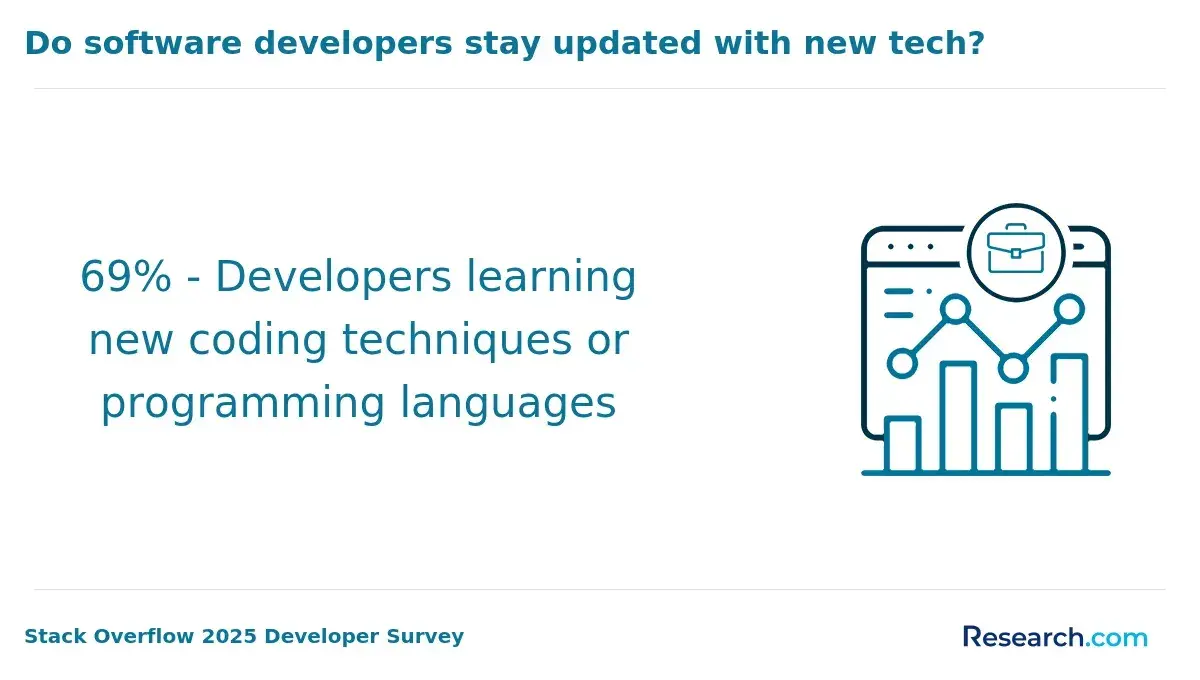
Pairing computer science with business training can be valuable for students who want to become product managers, technical founders, technology consultants, analytics leaders, or engineering managers. Technical skill helps you understand what can be built; business knowledge helps you decide whether it should be built, how it will create value, and how to communicate that value to stakeholders.
Business coursework can strengthen budgeting, strategy, project management, entrepreneurship, marketing, and operations knowledge. Students who want a flexible business foundation alongside technical training may compare options such as the easiest business degree, while still making sure the program fits their career goals and academic standards.
How do you verify the accreditation and quality assurance of computer science programs?
Accreditation should be one of the first checks when evaluating a computer science program. It affects transfer credits, financial aid eligibility, employer perception, and graduate school options. Students should confirm that the institution is accredited by a recognized regional or national accrediting body and, when relevant, review whether the specific computing program has additional quality indicators.
Quality assurance also includes faculty expertise, curriculum currency, career support, student outcomes, employer partnerships, internship access, and project-based learning. For security-focused students, comparing reputable online cybersecurity schools can help clarify what a strong curriculum and practical training model should include.
| Question to ask | Why it matters |
| Is the institution properly accredited? | Accreditation can affect aid, transferability, and employer confidence. |
| Does the curriculum include algorithms, data structures, systems, software engineering, and security basics? | These subjects form the foundation for many computing careers. |
| Are students required to complete projects, capstones, labs, internships, or co-ops? | Practical experience helps graduates prove job readiness. |
| Who teaches the courses? | Faculty qualifications and current industry experience can affect learning quality. |
| What career services are available to online and campus students? | Resume help, interview prep, employer events, and internship support can influence outcomes. |
What should I consider when choosing an accelerated computer science degree program?
An accelerated program can shorten the path to graduation, but speed should not come at the cost of academic quality. Students should evaluate accreditation, course intensity, faculty support, transfer policies, project requirements, advising, and career services before choosing an accelerated computer science degree.
Accelerated formats may be a good fit for disciplined students, working adults with prior credits, career changers with strong motivation, or learners who can handle compressed coursework. They may be a poor fit for students who need more time with math, programming fundamentals, or weekly support.
| Accelerated program factor | What to evaluate |
| Accreditation | Confirm institutional accreditation before applying. |
| Workload | Ask how many hours per week each course typically requires. |
| Transfer credits | Find out whether prior college credits, exams, or professional learning can reduce time to completion. |
| Curriculum depth | Make sure the program still covers core computer science concepts, not only short-term tools. |
| Career support | Review internship help, portfolio guidance, technical interview preparation, and employer connections. |
| Total cost | Compare tuition, fees, financial aid, and the opportunity cost of studying full time or part time. |
How can pursuing advanced interdisciplinary degrees enhance your computer science career?
Advanced interdisciplinary study can help computer science graduates apply computing to specialized sectors. For example, combining computer science with biotechnology can support work in bioinformatics, computational biology, healthcare analytics, and research data systems. A master’s in biotechnology online may appeal to professionals who want to connect software, data, and life sciences.
This route makes the most sense when the student has a clear target field. Interdisciplinary degrees can be powerful, but they should be chosen for a specific career direction rather than as a general way to delay entering the job market.
How can computer science and health information management synergize for interdisciplinary impact?
Computer science and health information management overlap in areas such as electronic health records, patient data security, healthcare analytics, interoperability, telehealth platforms, and compliance-driven data management. Students interested in both technology and healthcare may benefit from building domain knowledge in health systems alongside programming and data skills.
Programs such as affordable online bachelor’s degrees in health information management can help students understand healthcare data workflows, while computer science training can prepare them to design, secure, and improve the systems that support patient care.
What professional certifications can further advance my computer science career?
Certifications can help computer science students and graduates show focused skill in areas such as cloud computing, cybersecurity, networking, data management, and project management. They are most useful when they support a clear job goal and complement, rather than replace, strong fundamentals and practical experience.
For example, a student interested in cloud infrastructure may pursue cloud credentials, while a security-focused graduate may choose cybersecurity certifications. Professionals aiming for the best paying careers in technology should evaluate which certifications are actually requested in job postings for their target roles.
Which interdisciplinary master’s programs can boost my computer science career?
Interdisciplinary master’s programs can strengthen a computer science career when they combine computing with a high-value domain. Bioinformatics is one example because it uses algorithms, databases, statistics, and software tools to support life sciences research and healthcare innovation. Students considering this direction can review bioinformatics master programs to understand how computer science applies to biological and medical data.
Other interdisciplinary combinations may include analytics, business, cybersecurity, health informatics, robotics, biotechnology, or public policy. The strongest choice is the one that aligns with specific roles you want after graduation.
What alternative pathways exist for accelerating a computer science degree?
Students who want to enter the workforce sooner may consider accelerated, transfer-friendly, competency-based, or fast degree programs. These pathways can reduce time to completion, especially for learners who already have college credits or can manage intensive coursework.
Fast-track options often use condensed terms, online delivery, year-round scheduling, or generous transfer policies. The advantage is speed. The risk is overload. Computer science requires sustained practice, especially in programming, algorithms, math, and systems courses, so students should be realistic about their weekly availability.
Accelerated pathways may be especially useful for career changers, military learners, adult students, or professionals who already work in IT and need a bachelor’s credential. They are less ideal for students who need a slower pace, extensive tutoring, or more time to develop coding confidence.
What are the common mistakes made by computer science students?
Many computer science students struggle not because they lack ability, but because they approach the major inefficiently. Avoiding common mistakes can make the degree more valuable and improve career readiness.
| Common mistake | Why it hurts | Better approach |
| Not applying for internships | Graduating without experience makes it harder to stand out. | Apply early, use career services, and consider internships, co-ops, research, or project-based work. |
| Researching tools instead of building | Reading about languages and frameworks does not replace coding practice. | Build small projects, publish work, and improve through feedback. |
| Losing patience too quickly | Programming often involves errors, confusion, and repeated debugging. | Treat debugging as part of learning, not as evidence that you do not belong. |
| Ignoring mistakes | Repeating the same errors slows progress. | Keep notes on bugs, failed assumptions, and concepts that need review. |
| Underestimating fundamentals | Weak basics make advanced coursework and interviews harder. | Spend time learning fundamental programming concepts before chasing advanced topics. |
| Choosing a school based only on tuition | The cheapest option may lack support, career services, or transfer flexibility. | Compare net cost, accreditation, outcomes, advising, and project requirements. |
| Assuming online programs are automatically easier | Online courses often require more self-direction. | Check workload, instructor access, tutoring, and peer support. |
How can computer science students prepare for the future job market?
Computer science students should prepare for employment throughout the degree, not only in the final semester. The strongest candidates usually combine academic knowledge with projects, internships, interview practice, and clear communication skills.
- Choose a program with employability built in: Look for practical projects, teamwork, agile methods, career advising, and technical interview preparation.
- Complete internships, co-ops, or applied projects: Real experience helps you translate classroom learning into workplace performance.
- Build strong foundations: Prioritize programming, algorithms, data structures, systems, networks, databases, and mathematical reasoning.
- Use common industry tools: Learn version control, testing tools, cloud platforms, development environments, and collaboration workflows.
- Practice technical interviews: Work on coding problems, systems thinking, debugging, and explaining your reasoning aloud.
- Prepare for behavioral interviews: Employers also evaluate teamwork, conflict resolution, communication, and reliability.
- Network consistently: Attend meetups, conferences, hackathons, employer events, and alumni sessions.
- Stay current without chasing every trend: Follow major developments, but keep fundamentals at the center of your learning.
What are the emerging technologies and trends shaping the future of computer science?
Computer science continues to change as employers adopt new tools and infrastructure. Students do not need to master every emerging area, but they should understand which trends are influencing hiring, coursework, and long-term career development.
Artificial intelligence and machine learning
AI and machine learning are reshaping software development, analytics, automation, healthcare, finance, security, and consumer products. For students, the most important preparation is a strong foundation in programming, math, data structures, statistics, and responsible use of AI tools.
Quantum computing
Quantum computing explores new ways to solve complex computational problems. It may influence fields such as cryptography, materials science, and drug discovery, though most entry-level computer science jobs still require traditional software and systems skills.
Blockchain technology
Blockchain began with cryptocurrency applications but is also used in digital identity, secure transactions, decentralized systems, supply chains, and recordkeeping. Students interested in this area should understand distributed systems, security, cryptography, and practical business use cases.
Cybersecurity
Security remains a critical concern as organizations face more sophisticated threats. Computer science students can strengthen their prospects by learning secure coding, network security, identity management, risk analysis, and incident response basics.
5G and edge computing
5G networks and edge computing support faster, lower-latency processing by moving computation closer to where data is generated. This affects areas such as smart cities, autonomous systems, industrial automation, and connected devices.
Can computer science innovations enhance health informatics solutions?
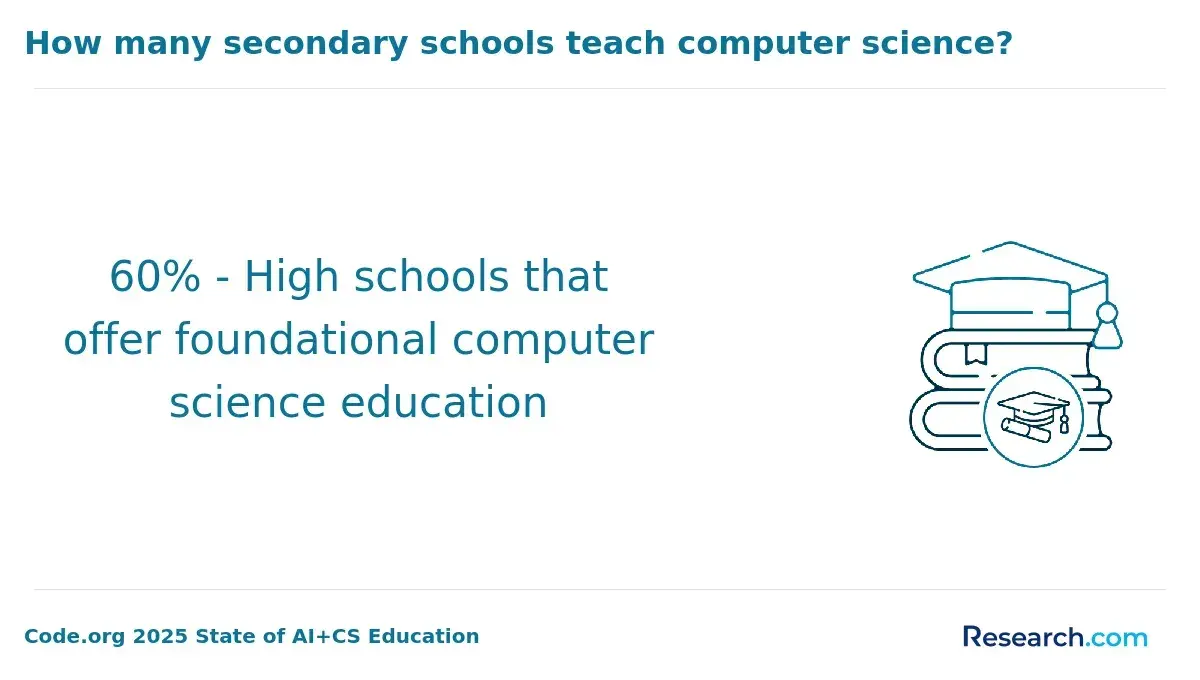
Computer science can improve health informatics by supporting secure data systems, clinical decision tools, scalable software, patient portals, telehealth platforms, predictive analytics, and better interoperability between healthcare systems. Professionals who understand both computing and healthcare can help organizations use data more safely and effectively.
Students who want to work at this intersection may compare the best health informatics programs online to identify programs that combine technology, healthcare operations, data governance, and privacy-focused training.
How can you develop a long-term career in computer science?
A computer science degree can open the door, but long-term success depends on continuous learning, practical experience, professional relationships, and strategic specialization. The field rewards people who can adapt without abandoning fundamentals.
- Pursue specializations and certifications: A broad computer science foundation is valuable, but focused expertise in cloud computing, cybersecurity, data science, AI, or software architecture can help you compete for advanced roles.
- Keep expanding technical skills: Learn new languages, frameworks, platforms, and development practices as your work requires them. Personal projects and open-source contributions can help you apply new skills.
- Develop leadership and communication skills: Technical ability alone may not be enough for the highest paying computer science jobs. Senior roles often require mentoring, planning, stakeholder communication, and cross-functional collaboration.
- Build a visible professional brand: Use GitHub, Stack Overflow, LinkedIn, portfolios, conferences, webinars, and meetups to show your work and connect with others in the field.
- Consider entrepreneurship: Computer science graduates may use their skills to build software products, launch startups, create SaaS tools, or solve business problems through automation and data.
- Seek mentorship and later mentor others: A mentor can help you make better decisions about jobs, specialization, negotiation, and advancement. As you gain experience, mentoring others can strengthen your leadership profile.
Key Insights
- A computer science degree is often worth it for students who want software, data, cybersecurity, systems, research, or technical leadership careers, but the value depends on cost, accreditation, experience, and skill development.
- The degree’s strongest advantage is its foundation. Algorithms, data structures, programming, systems, and software engineering remain useful even as specific tools change.
- Cost matters. Students should compare total cost of attendance, financial aid, transfer credits, fees, and career support before choosing a program.
- Practical experience is essential. Internships, co-ops, capstones, open-source projects, and portfolios can make the difference between having a degree and being job-ready.
- Alternatives such as IT, data science, computer engineering, bootcamps, certificates, and fast-track programs may be better for some learners, especially those with specific career goals or time constraints.
- AI, cybersecurity, cloud systems, edge computing, quantum computing, and health informatics are shaping the field, but students should not skip fundamentals in pursuit of trends.
- The best decision is not “computer science or nothing.” It is choosing the pathway that matches your target roles, budget, timeline, and ability to keep learning after graduation.
References:
- Association for Computing Machinery. (2025). Computing careers and professional resources. https://www.acm.org/careers
- Computing Research Association. (2025). Taulbee survey: Computer science enrollment trends. https://cra.org/resources/taulbee-survey
- Code.org Advocacy Coalition. (2025). Computer science education policy overview. https://advocacy.code.org
- IEEE. (2025). Computing and software engineering career resources. https://www.ieee.org/education/careers
- National Center for Education Statistics. (2025). Computer and information sciences degrees. https://nces.ed.gov/programs/coe/indicator/cta
- National Institute of Standards and Technology. (2025). Cybersecurity workforce framework. https://www.nist.gov/itl/applied-cybersecurity/nice
- U.S. Bureau of Labor Statistics. (2025). Computer and information technology occupations. https://www.bls.gov/ooh/computer-and-information-technology/home.htm
- U.S. Bureau of Labor Statistics. (2025). Software developers, quality assurance analysts, and testers. https://www.bls.gov/ooh/computer-and-information-technology/software-developers.htm
- U.S. Bureau of Labor Statistics. (2025). Information security analysts. https://www.bls.gov/ooh/computer-and-information-technology/information-security-analysts.htm
Other Things You Should Know About Computer Science Degrees
In 2027, factors influencing the salary of computer science graduates include level of education, specialization, geographic location, and industry demand. Additional skills in emerging technologies, internships, project experience, and networking can significantly enhance earning potential.
A BS in Computer Science generally offers strong career prospects due to the growing demand for tech professionals in various industries. Compared to other study options, it often provides more opportunities in high-paying fields such as software development, data analysis, and cybersecurity, especially as digital transformation continues.
For potential computer science students, here are some potential challenges and opportunities:
Challenges
- Rigorous coursework: Computer science programs can be demanding, requiring strong problem-solving and analytical skills.
- Technical complexity: Topics like algorithms, data structures, and programming languages may pose initial difficulties.
- Time management: Balancing coursework with personal commitments can be challenging, especially for full-time students or those with jobs.
Opportunities
- Industry demand: The high demand for tech professionals offers abundant job opportunities and career growth.
- Innovation and creativity: Computer science fosters innovation, allowing students to create cutting-edge solutions and technologies.
- Networking: Engaging with peers and professors can lead to valuable connections and potential collaborations.
Preparing by honing technical skills, managing time effectively, and staying updated with industry trends can help navigate these challenges and leverage opportunities effectively.
Admission requirements for computer science degrees in 2027 typically include a high school diploma or equivalent, satisfactory SAT/ACT scores, and prerequisite coursework in mathematics and science. Some programs may require a personal statement or letters of recommendation. Be sure to verify specific criteria with individual institutions.


