
2027 MBA Careers: Job Guide, Career Paths, & Salary

Co-Founder and Chief Data Scientist
Choosing an MBA is not just a degree decision. It is a career strategy decision. Professionals usually consider an MBA when they want to move from technical or functional work into management, qualify for senior roles, change industries, build a company, or strengthen their business judgment. The challenge is that MBA career outcomes vary widely by specialization, school quality, work experience, networking effort, location, and the type of role you pursue after graduation.
This guide explains the major MBA careers, the specializations that support them, salary and job outlook considerations, how technology is changing business leadership, and how to choose an MBA program without relying only on rankings or marketing claims. It is designed for working professionals, recent business graduates, career changers, and aspiring executives who want a realistic view of what an MBA can—and cannot—do for their career.
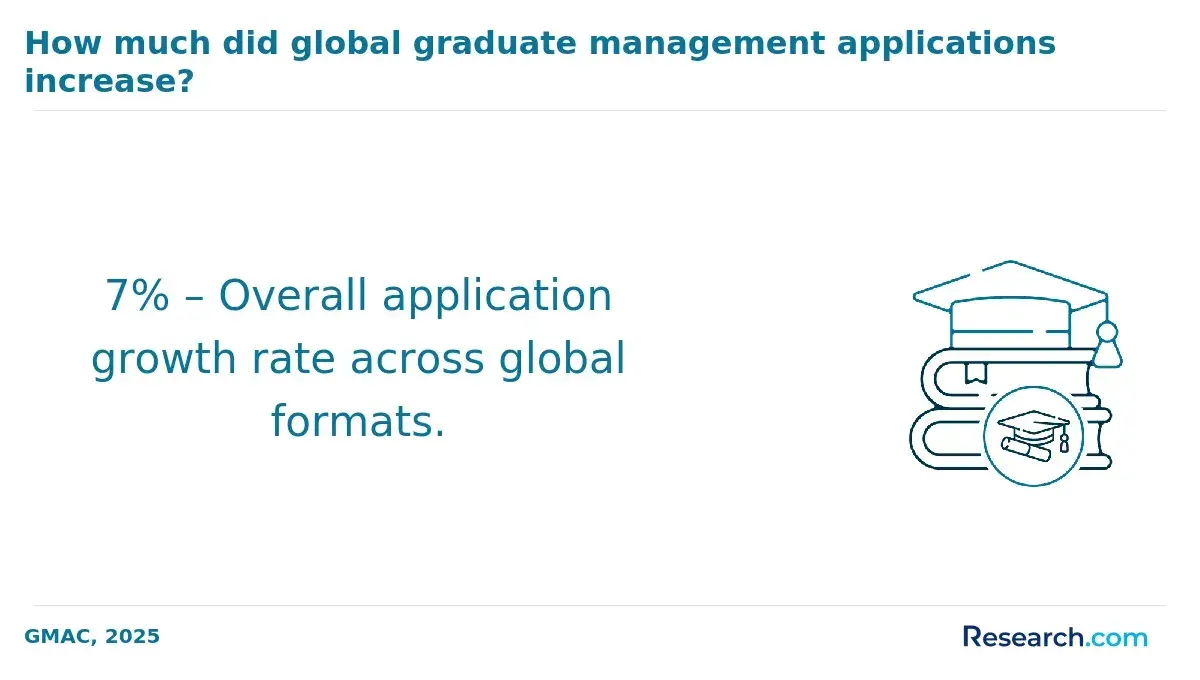
Demand for flexible MBA study has continued to grow. Among 776 United States business school programs, approximately 85% now offer MBAs in either hybrid or completely remote formats (GMAC, 2025). That flexibility can make graduate business education more accessible, but it also makes program comparison more important. Accreditation, career services, curriculum relevance, employer reputation, and cost should all be evaluated before enrolling.
Quick Answer: What Careers Can You Pursue With an MBA?
An MBA can support careers in finance, marketing, healthcare administration, technology management, consulting, operations, human resources, entrepreneurship, and executive leadership. It is most useful for professionals who already have work experience and want to build broader management, strategy, financial, and leadership skills. It may also help career changers enter business-facing roles, but it does not automatically guarantee a promotion, executive title, or salary increase.
Management occupations in the US had a median annual wage of $116,880 in 2023 [US Bureau of Labor Statistics (BLS), 2024]. MBA-related roles can also show strong labor demand: employment for medical and health services managers has been projected to increase by 29% through 2033, financial managers by 17%, and human resources managers by 6% (US BLS, 2025). Still, outcomes depend heavily on industry, experience, school reputation, location, and the graduate’s ability to translate the degree into measurable business value.
Why Professionals Pursue MBA Careers
- Higher leadership potential. MBA programs are built around decision-making, strategy, finance, organizational behavior, and cross-functional management, which are useful for people aiming for director, vice president, or executive roles.
- Broader career mobility. The degree can help professionals move from a narrow function into broader roles in operations, consulting, product management, finance, healthcare, IT leadership, or general management.
- Stronger business network. MBA cohorts, alumni groups, faculty, recruiters, mentors, and employer events can provide access to opportunities that are not always visible through public job postings.
- Entrepreneurial preparation. Students who want to launch a business can use MBA coursework to learn market analysis, financial modeling, operations planning, fundraising basics, and leadership.
- Improved earning potential, with limits. Many MBA careers are associated with strong wages, but salary gains are not automatic. Career outcomes depend on role, employer, prior experience, school quality, and performance after graduation.
- Popular MBA specializations and how to choose one
- Top MBA career paths by role and industry
- MBA salary expectations and wage data
- Core skills MBA programs develop
- How an MBA can support career advancement
- How an MBA can help entrepreneurs
- How MBA networking improves job prospects
- Why mentorship matters after an MBA
- MBA job outlook and labor market demand
- How technology is changing MBA careers
- Emerging business career trends
- Ethical leadership and sustainability in MBA programs
- Using an MBA to manage organizational change
- Preparing for international business careers
- Whether an accelerated MBA can speed up career growth
- MBA admissions criteria to understand
- Career services that support post-MBA outcomes
- How to compare MBA programs before applying
- MBA return on investment considerations
- Ways to finance an MBA
- When an Executive MBA makes sense
- Online MBA programs without GMAT requirements
- Key insights for MBA career planning
Key Points for MBA Career Planning
- 92% of corporate recruiters say that they expect to hire new MBA graduates (GMAC, 2025).
- Finance, marketing, healthcare management, information technology, and entrepreneurship are among the most common MBA specialization choices.
- CEOs in the US had a median annual wage of $251,270 (US BLS, 2025).
- MBA programs typically strengthen leadership, problem-solving, financial management, communication, and strategic decision-making skills.
- Employment for financial managers has been projected to increase by 16% through 2032. During the same period, the job growth rate for human resources managers is expected to be at 5%. For medical and health services managers, employment will grow massively at a rate of 28%, which is much faster than the average for all US occupations.
What Are the Most Popular MBA Specializations?
An MBA is a graduate business degree designed to develop management, finance, leadership, strategy, and organizational decision-making skills. If you are still comparing graduate business options, start by understanding what an MBA degree covers and how it differs from more specialized master’s programs.
The best MBA specialization depends on the career move you want to make. A finance concentration may fit someone targeting investment, corporate finance, or financial planning. A healthcare management concentration may be more useful for professionals moving into hospital administration or healthcare operations. A technology-focused MBA may fit business professionals who want to lead digital transformation, data initiatives, or IT-enabled operations.
Choosing a concentration should not be based only on which field sounds prestigious. It should reflect your experience, target industry, preferred work style, and the employers you want to reach. For example, students exploring MBA in finance careers should compare job requirements in banking, corporate finance, financial analysis, and investment-related roles before selecting electives. Those still exploring graduate business paths can also compare the best business degrees today and the major types of master's degrees in business.
| MBA Specialization | Best Fit For | Common Career Directions | Decision Tip |
| Finance | Professionals who enjoy analysis, capital planning, risk evaluation, investments, and financial strategy. | Financial manager, financial analyst, financial advisor, corporate finance leader, banking professional. | Choose this path if you want roles where quantitative analysis and business judgment are central to daily decisions. |
| Marketing | Professionals interested in customers, brand strategy, market research, sales growth, and competitive positioning. | Marketing manager, brand manager, product marketing manager, growth strategist, market research leader. | Look for programs that include analytics, digital marketing, consumer behavior, and real campaign experience. |
| Healthcare Management | Healthcare workers, administrators, and career changers who want leadership roles in medical and health organizations. | Medical and health services manager, hospital administrator, healthcare operations manager, healthcare strategy leader. | Confirm that the curriculum covers healthcare policy, compliance, economics, operations, and leadership in clinical settings. |
| Information Technology | Professionals who want to connect business strategy with systems, analytics, cybersecurity, cloud tools, and digital operations. | IT manager, technology consultant, digital transformation manager, systems strategy leader, product operations leader. | Prioritize programs that teach data analytics, IT governance, technology project management, and business transformation. |
| Entrepreneurship | Aspiring founders, family business leaders, intrapreneurs, and professionals building new products or ventures. | Founder, startup operator, business development leader, innovation manager, venture strategist. | Look for pitch competitions, incubator access, startup finance coursework, and mentor networks. |
What Are the Top Career Paths for MBA Graduates?
MBA graduates do not all move into the same type of job. Some use the degree to enter management for the first time, some pivot into a new industry, and others use it to compete for senior leadership. The strongest path is usually the one that combines your previous experience with new MBA skills. For example, an engineer with an MBA may be competitive for product, operations, or technology management roles, while a nurse or healthcare administrator may use an MBA to move into healthcare leadership.
| Career Path | What the Role Usually Involves | Who It May Fit | How an MBA Helps |
| Sales Support Representative | Coordinates sales processes, assists sales teams, handles order details, supports client or vendor inquiries, and helps organize promotions or sales initiatives. | Early-career professionals who want business exposure before moving into sales operations, account management, or business development. | Builds understanding of customer needs, revenue operations, reporting, and cross-functional coordination. |
| Executive Assistant | Supports executives with calendars, reports, presentations, communication, stakeholder coordination, and operational follow-through. | Professionals who want close exposure to senior leadership and business decision-making. | Improves business communication, prioritization, project management, and executive-level judgment. |
| Financial Advisor | Advises clients on financial planning, insurance, investments, budgeting, risk, retirement planning, and portfolio decisions. | Professionals who enjoy client service, financial planning, and long-term relationship management. | Strengthens financial analysis, risk assessment, strategy, and communication with nontechnical clients. |
| Marketing Manager | Develops campaigns, analyzes markets, manages brand positioning, studies customer behavior, monitors competitors, and aligns marketing plans with business goals. | Creative and analytical professionals who want to connect customer insight with revenue growth. | Provides training in strategy, analytics, budgeting, leadership, and cross-functional collaboration. |
| Supply Chain Manager | Oversees sourcing, production flow, logistics, vendor performance, delivery, cost efficiency, and process improvement. | Professionals who enjoy operations, systems thinking, negotiation, and measurable efficiency gains. | Connects operations knowledge with finance, analytics, risk management, and strategic planning. |
| Finance Analyst | Reviews financial data, analyzes economic trends, builds forecasts, supports investment decisions, and advises leaders on financial performance. | Professionals who are comfortable with data, modeling, forecasting, and business recommendations. | Strengthens corporate finance, managerial accounting, valuation, and strategic decision-making skills. |
| C-suite Executive | Leads enterprise-level decisions in roles such as CEO, CFO, or COO, often after years of progressive management experience. | Experienced leaders with a record of delivering results, managing teams, and shaping organizational strategy. | Develops executive perspective across finance, people, operations, risk, market positioning, and governance. |
| Professor | Teaches business courses, mentors students, conducts research, grades academic work, and may consult with organizations. | Professionals interested in academic, research, or teaching careers rather than traditional corporate roles. | An MBA can support applied business teaching, but many professor roles require doctoral study and research credentials. |
How to Choose the Right MBA Career Path
- Start with your current advantage. Your pre-MBA experience often determines how quickly you can move into a target role.
- Check job postings before choosing electives. Look for repeated requirements, such as financial modeling, people management, data analytics, Salesforce, project management, healthcare compliance, or supply chain systems.
- Match the role to your tolerance for ambiguity. Consulting, entrepreneurship, and executive leadership often involve less structure than analyst or functional management roles.
- Talk to alumni in your target field. Their career paths can reveal whether the program has real employer connections in that industry.
- Consider location and industry clusters. A strong MBA for healthcare may have different employer relationships than a strong MBA for finance or technology.
What Is the Average Salary for MBA Graduates?
MBA salary outcomes vary by job title, industry, region, employer size, prior experience, and school reputation. Graduates of top online MBA programs and campus-based MBA programs may pursue similar roles, but the value of the degree depends on program quality, accreditation, networking strength, and how employers view the school.
Management occupations across the US had a median annual wage of $120,410 (US BLS, 2025). Specific management roles cited by the U.S. Bureau of Labor Statistics show substantial wage differences across industries and responsibilities.
| Occupation or Category | Median Annual Wage Cited | Source Context | What to Keep in Mind |
| Management occupations | $120,410 | US BLS, 2025 | This is an occupational category, not a guaranteed MBA salary. |
| Medical and health services managers | $114,800 | U.S. Bureau of Labor Statistics, 2025 | Relevant for MBA graduates entering healthcare administration or healthcare operations. |
| Human resources managers | $141,020 | U.S. Bureau of Labor Statistics, 2025 | An MBA can pair well with an human resource degree background for workforce strategy roles. |
| Financial managers | $160,570 | U.S. Bureau of Labor Statistics, 2025 | Typically requires strong finance experience, analytical skills, and business accountability. |
| Marketing managers | $166,410 | U.S. Bureau of Labor Statistics, 2025 | Often depends on industry, revenue responsibility, brand scope, and digital strategy experience. |
| CEOs | $218,600 | U.S. Bureau of Labor Statistics, 2025 | Executive compensation varies widely and usually reflects extensive leadership experience. |
These figures show why MBA careers can be financially attractive, especially in management and executive tracks. However, an MBA should not be viewed as a salary guarantee. The degree can improve access to opportunities, but employers still evaluate accomplishments, leadership record, technical capability, communication skills, and fit for the role.
What Key Skills Do MBA Programs Teach?
MBA programs vary by concentration, school, format, and teaching model, but most are designed to build a common set of management capabilities. These skills matter because many MBA careers require decisions that affect budgets, employees, customers, operations, and long-term strategy.
| MBA Skill | Why It Matters in Business Careers | How to Build It During the Program |
| Leadership | Managers need to align teams, resolve conflict, motivate employees, and make decisions under pressure. | Choose team-based projects, leadership labs, consulting projects, and roles in student organizations. |
| Strategic Thinking | Business leaders must evaluate markets, competitors, risks, resources, and long-term trade-offs. | Prioritize strategy courses, case competitions, market analysis projects, and capstone work. |
| Communication | Leaders must explain complex ideas clearly to executives, employees, clients, investors, and partners. | Practice presentations, executive summaries, negotiations, and stakeholder communication. |
| Time Management | Many MBA students balance coursework, employment, family responsibilities, recruiting, and networking. | Use weekly planning, project deadlines, study groups, and structured recruiting goals. |
| Financial Management | Even non-finance managers need to understand budgets, forecasts, cost structures, cash flow, and performance metrics. | Take accounting, corporate finance, managerial economics, and financial modeling coursework seriously. |
| Problem-Solving | MBA roles often involve ambiguous challenges with incomplete information and multiple stakeholders. | Use case studies, simulations, live consulting assignments, and data-supported recommendations. |
| Data-Informed Decision-Making | Modern business leaders are expected to interpret dashboards, performance metrics, customer data, and operational reports. | Select analytics electives and apply data tools in marketing, operations, finance, or strategy projects. |
How Does an MBA Contribute to Career Advancement?
An MBA can support career advancement in three main ways: it broadens your management toolkit, expands your professional network, and signals readiness for larger business responsibilities. The value is strongest when the degree is combined with relevant experience and a clear post-MBA goal.
- Advanced business knowledge. MBA coursework commonly covers finance, marketing, operations, strategy, organizational behavior, analytics, and leadership. This can help professionals move beyond task execution into decision-making roles.
- Cross-functional perspective. Managers often need to understand how sales, finance, HR, operations, technology, and customer experience affect one another. MBA programs train students to connect these functions.
- Leadership preparation. Group projects, case analysis, presentations, and experiential learning can help students practice leading people and defending recommendations.
- Career-change support. Recruiting events, alumni referrals, internships, and career coaching may help students transition into new industries or functions.
- Credential value. For some employers, an MBA can strengthen a candidate’s profile for leadership development programs, management tracks, or executive succession planning.
The degree is most effective when you enter the program with a plan. Before applying, identify the roles you want, compare job descriptions, and ask whether the program has alumni and employer relationships in that specific area.
How Can an MBA Help in Starting Your Own Business?
An MBA can help aspiring entrepreneurs by providing structured exposure to the major decisions involved in starting and growing a company. It does not remove the risk of entrepreneurship, but it can reduce avoidable mistakes by strengthening planning, finance, market analysis, operations, and leadership skills.
- Business fundamentals. Founders need to understand accounting, pricing, marketing, hiring, operations, customer acquisition, and cash flow. MBA coursework can provide a framework for those decisions.
- Market validation. Entrepreneurship courses often teach students how to test customer demand, analyze competitors, define value propositions, and refine business models before investing heavily.
- Financial planning. Budgeting, forecasting, funding strategy, break-even analysis, and investor communication are central to startup survival.
- Network access. MBA programs can connect founders with classmates, alumni, faculty, mentors, investors, incubators, and potential co-founders.
- Leadership practice. New ventures require hiring, delegation, negotiation, resilience, and fast decision-making. MBA simulations and team projects can help students practice these skills in lower-risk settings.
| If Your Goal Is... | Look for an MBA Program With... | Ask This Before Enrolling |
| Launching a startup | Entrepreneurship electives, startup labs, pitch events, incubator access, and founder mentors. | How many students launch ventures during or soon after the program? |
| Scaling a family business | Courses in operations, finance, succession planning, leadership, and strategic growth. | Does the curriculum address privately held and family-owned companies? |
| Moving into venture-backed environments | Startup finance, product strategy, technology commercialization, and alumni in growth companies. | Are there alumni working as founders, operators, investors, or startup advisors? |
| Building an internal innovation role | Innovation management, digital transformation, change management, and project-based learning. | Can students work on live business challenges with companies? |
How Can Networking Enhance MBA Job Prospects?
Networking is one of the most practical advantages of an MBA, but it works only when students use it intentionally. MBA networking should not be limited to collecting contacts. The goal is to build credible professional relationships with classmates, alumni, faculty, recruiters, mentors, and industry leaders.
- Access to roles that may not be advertised. Some opportunities are filled through referrals, internal conversations, alumni recommendations, or recruiter outreach before they appear publicly.
- Better industry intelligence. Conversations with alumni and employers can reveal which skills are in demand, which teams are hiring, and what interviewers expect.
- Mentorship and career direction. Experienced professionals can help MBA students avoid unfocused job searches, weak positioning, and unrealistic timelines.
- Stronger interview preparation. Alumni in target roles can explain case interviews, behavioral interviews, technical screens, and role-specific expectations.
- Long-term career resilience. A strong network can support future job changes, business partnerships, consulting opportunities, board roles, or entrepreneurial ventures.
Practical MBA Networking Plan
- Identify three target career paths before your first term begins.
- Find alumni working in those fields and request brief informational conversations.
- Attend employer events with prepared questions, not generic introductions.
- Follow up with concise notes that reference the conversation.
- Offer value where possible, such as sharing a relevant article, making an introduction, or providing project insight.
- Track relationships and follow up periodically rather than only during job searches.
What Role Do Mentors Play in the Careers of MBA Graduates?
Mentors can help MBA students and graduates turn a broad business degree into a focused career plan. A mentor may be an alumnus, faculty member, supervisor, executive, industry specialist, or peer with relevant experience. The best mentors do more than offer encouragement. They help you test assumptions, sharpen goals, understand trade-offs, and prepare for career decisions.
Mentors can also introduce mentees to useful contacts, explain industry norms, review résumés, conduct mock interviews, and provide perspective during career transitions. For MBA graduates moving into leadership, mentors can be especially valuable in areas such as stakeholder management, executive communication, negotiation, organizational politics, and decision-making under uncertainty.
| Mentor Type | Best For | What to Ask |
| Alumni mentor | Understanding how the MBA translates into real career outcomes. | Which parts of the program helped most in your current role? |
| Industry mentor | Learning expectations, hiring patterns, and skill gaps in a target field. | What skills separate strong candidates from average candidates in this industry? |
| Executive mentor | Preparing for senior leadership, influence, and enterprise-level decisions. | What mistakes do new managers make when moving into larger leadership roles? |
| Entrepreneurial mentor | Testing business ideas, fundraising strategy, and startup execution. | What should I validate before committing significant money or time to this venture? |
What Is the Current Job Outlook for MBA Graduates?
The job outlook for MBA graduates depends on the field they enter. Business professionals with advanced degrees, including those pursuing an online healthcare MBA, may find strong opportunities in management fields tied to healthcare, finance, operations, technology, and organizational strategy.
Employment for financial managers has been projected to increase by 16% through 2032. During the same period, the job growth rate for human resources managers is expected to be at 5%. For medical and health services managers, employment will grow massively at a rate of 28%, which is much faster than the average for all US occupations.
MBA graduates may pursue entry-level, mid-level, and senior roles depending on prior experience. Common roles include marketing manager, business development representative, financial analyst, business operations manager, and healthcare manager. The degree can also pair well with technical or industry-specific backgrounds. For example, a professional with a construction management degree may use an MBA to move toward leadership roles in construction, engineering, real estate development, or infrastructure-related firms.
Cost matters as much as demand. High salaries may help offset educational expenses, but students should compare tuition, fees, debt, employer tuition benefits, and opportunity costs. If affordability is central to your decision, compare programs carefully rather than assuming that a high online business degree cost always signals better career outcomes.
How Does Technology Shape MBA Careers Today?
Technology is changing what employers expect from MBA graduates. Business leaders increasingly need to understand data, automation, cybersecurity risk, cloud systems, customer relationship management platforms, digital supply chains, and artificial intelligence use cases. MBA graduates do not always need to become engineers or data scientists, but they do need enough fluency to lead technology-enabled teams and make informed investment decisions.
Technology is especially important in information technology management, digital transformation, fintech, healthcare IT, enterprise software, operations analytics, and product strategy. Professionals who want to combine management with technical strategy may consider an MBA Information Technology Management path.
- AI and analytics are reshaping decision-making. Managers are expected to interpret dashboards, evaluate forecasts, and understand the limits of automated recommendations.
- Cybersecurity is now a leadership issue. Executives must understand risk, compliance, vendor exposure, incident response, and the financial implications of security decisions.
- Digital transformation requires change management. New systems often fail when leaders ignore adoption, training, incentives, and workflow design.
- Data literacy is becoming a baseline skill. MBA graduates who can connect data analysis to strategy may stand out in consulting, operations, marketing, finance, and product roles.
What Are the Emerging Trends in Business Careers?
Business careers are being shaped by flexible work, technology adoption, sustainability priorities, and the growing need for measurable business impact. MBA students should choose electives and projects that reflect these realities rather than relying only on traditional management theory.
- Remote work and distributed teams. Many organizations now manage teams across locations and time zones. This increases demand for leaders who can communicate clearly, manage performance without constant in-person supervision, and build culture in hybrid environments.
- Sustainability and corporate social responsibility. Businesses are facing more pressure to consider environmental, social, and governance concerns. Managers may need to understand sustainability reporting, stakeholder expectations, responsible sourcing, and impact measurement.
- Digital transformation and data analytics. Companies use data to improve operations, customer experience, marketing, finance, and risk management. Professionals interested in deeper analytics preparation may compare online data science programs with MBA analytics concentrations.
- Credential-based and skill-based hiring. Employers increasingly look for evidence of capability, not only degrees. Internships, capstones, consulting projects, certifications, portfolios, and measurable achievements can strengthen MBA job applications.
- Cross-functional leadership. Modern managers often work across finance, technology, marketing, operations, and people teams. MBA graduates who can translate between departments may have an advantage.
How Do MBA Programs Foster Ethical Leadership and Promote Sustainability?
MBA programs increasingly include coursework and cases focused on corporate ethics, social responsibility, governance, and sustainable business practices. These topics matter because business leaders are often responsible for decisions that affect employees, communities, investors, customers, and the environment.
Ethical leadership training may involve case studies, simulations, stakeholder analysis, compliance discussions, and debates about trade-offs between short-term profit and long-term responsibility. Some programs also offer sustainability-focused electives or concentrations. Students comparing career value should evaluate how these topics connect to their intended field, including pathways discussed in guides to the highest paying MBA concentrations.
How Can an MBA Help in Managing Organizational Change?
Organizational change is a core responsibility for many MBA graduates. Companies may need leaders to manage mergers, restructuring, technology implementation, process redesign, culture shifts, growth, layoffs, or market disruption. MBA programs can help students understand both the strategic and human sides of change.
- Change management frameworks. Students learn how to diagnose organizational problems, plan transitions, set milestones, and measure results.
- Leadership during uncertainty. Managers must keep teams focused when roles, systems, or priorities are changing.
- Clear communication. Poor communication can increase resistance. Leaders need to explain why change is happening, what will be different, and how success will be measured.
- Risk management. Change can create operational, financial, cultural, compliance, and reputational risks. MBA training can help leaders anticipate and reduce those risks.
- Employee engagement. Successful change usually requires employee buy-in. MBA programs often emphasize feedback, incentives, team dynamics, and organizational culture.
| Common Change Scenario | How MBA Training Can Help | Risk If Mishandled |
| New technology rollout | Aligns system selection, workflow redesign, training, budgeting, and adoption metrics. | Low adoption, wasted investment, employee frustration, and poor data quality. |
| Merger or acquisition | Supports integration planning, culture analysis, financial review, and stakeholder communication. | Talent loss, duplicated processes, customer disruption, and strategic confusion. |
| Cost reduction initiative | Uses financial analysis, operational review, and communication planning to make targeted decisions. | Damage to morale, service quality, innovation, or long-term capacity. |
| Rapid growth | Builds scalable processes, management systems, hiring plans, and performance metrics. | Operational breakdown, inconsistent customer experience, and leadership overload. |
How Can an MBA Prepare You for International Business and Global Markets?
Companies operating across borders need leaders who understand global strategy, cultural differences, trade rules, foreign exchange exposure, international supply chains, and regional market dynamics. An MBA can help professionals build this perspective, especially when the program includes global business courses, international consulting projects, diverse cohorts, or study-abroad components.
Global Business Strategy
Students may learn how to compare international markets, evaluate country-level risk, adapt products for different regions, and plan cross-border expansion.
Cultural Competency
International work requires more than language skills. Leaders need to understand communication styles, negotiation norms, management expectations, and cultural assumptions that shape business relationships.
International Trade and Finance
MBA coursework may introduce students to trade rules, foreign exchange considerations, global capital markets, tariffs, and regulatory complexity across countries.
Global Supply Chain Management
Students can learn how sourcing, logistics, procurement, inventory planning, and supplier risk change when operations span multiple countries.
Networking With International Peers
MBA cohorts often include students from different industries and regions. A global peer network can support international job searches, partnerships, market research, and long-term career mobility.
Does an Accelerated MBA Program Accelerate Career Growth?
An accelerated MBA can shorten the time needed to earn the degree, but it does not automatically shorten the time required to reach senior leadership. These programs may be useful for focused professionals who already know their target career path, can handle a demanding course load, and do not need a long internship-based recruiting cycle.
Before choosing an accelerated format, compare curriculum depth, cohort quality, career services, networking access, internship options, employer recognition, and workload. A shorter program can be efficient, but it may leave less time for career exploration, relationship-building, and recruiting. Students comparing compressed timelines can review the best one year online MBA options as part of a broader evaluation.
| Accelerated MBA May Make Sense If... | It May Be Risky If... |
| You have a clear post-MBA goal and relevant work experience. | You are still exploring industries and need time for internships or career switching. |
| Your employer supports the degree and may reward completion. | You need extensive networking time to enter a new field. |
| You can manage intensive coursework with work and personal obligations. | You are likely to fall behind without a slower academic pace. |
| You want to reduce time away from work or complete the degree quickly. | You are choosing speed over accreditation, career outcomes, or program fit. |
What Are the Key Admissions Criteria for MBA Programs?
MBA admissions committees typically evaluate whether applicants are academically prepared, professionally mature, and likely to contribute to the cohort. Requirements vary by program, but common criteria include undergraduate record, professional experience, essays, recommendations, interviews, and standardized test scores when required.
- Academic background. Schools may review undergraduate GPA, transcript rigor, quantitative coursework, and evidence that the applicant can manage graduate-level business study.
- Professional experience. Work history helps admissions teams assess leadership potential, career progression, responsibility level, and readiness for applied learning.
- Test scores when required. Some programs require GMAT or GRE scores, while others offer waivers or test-optional admissions.
- Essays and goals. Strong applicants explain why they want an MBA, why the timing makes sense, and how the program fits their career plan.
- Recommendations. Letters should come from people who can speak directly to performance, leadership, judgment, teamwork, and growth potential.
- Interview performance. Interviews help schools evaluate communication skills, motivation, professionalism, and fit.
Applicants who want a shorter pathway can compare options such as the quickest MBA programs, but admissions speed should not replace careful review of accreditation, curriculum, cost, and career support.
What Career Support Services Bolster Your Post-MBA Success?
Career support can make a major difference in MBA outcomes, especially for students changing industries or pursuing competitive roles. A strong MBA program should offer more than a job board. Look for structured coaching, employer access, alumni connections, interview preparation, résumé support, and career planning that begins early in the program.
- Career coaching. Advisors can help students define target roles, position prior experience, and build a realistic recruiting strategy.
- Résumé and LinkedIn support. MBA résumés should show measurable business impact, leadership, and progression.
- Interview preparation. Programs may offer mock interviews, case interview practice, behavioral interview coaching, and salary negotiation guidance.
- Recruiting events. Employer sessions, career fairs, company visits, and alumni panels can help students access hiring channels.
- Alumni networks. Active alumni can provide referrals, informational interviews, mentorship, and industry-specific insight.
- Experiential learning. Consulting projects, internships, capstones, and live business challenges help students prove skills to employers.
Students looking for faster formats should still evaluate career support carefully. Some MBA accelerated program online options may integrate career development into the curriculum, but students should confirm the actual services available before applying.
What Factors Should Be Considered When Choosing an MBA Program?
The right MBA program is the one that fits your goals, budget, schedule, learning style, and target employers. Rankings can be useful, but they should not be the only decision factor. A highly ranked program that lacks your desired specialization, employer access, or format flexibility may be less valuable than a better-fit option.
| Factor | Why It Matters | Questions to Ask |
| Accreditation | Accreditation helps signal academic quality and may affect employer recognition, transferability, and credibility. | Is the institution accredited, and does the business school hold recognized business accreditation? |
| Curriculum | The courses should match your target career, whether finance, healthcare, technology, marketing, operations, or entrepreneurship. | Are the electives and capstone projects aligned with the roles I want? |
| Faculty expertise | Faculty with industry, research, or consulting experience can add practical value. | Do professors have experience in my target industry or function? |
| Career outcomes | Employment support and alumni placement patterns can affect your post-MBA opportunities. | Where do graduates work, and what roles do they enter? |
| Alumni network | Strong alumni engagement can support mentoring, referrals, and industry access. | How active is the alumni network in my field and region? |
| Format | Full-time, part-time, online, hybrid, accelerated, and executive formats serve different types of students. | Can I realistically complete this format while meeting work and personal obligations? |
| Total cost | Tuition is only one part of cost. Fees, travel, materials, lost income, and interest can change ROI. | What is the full cost after scholarships, employer benefits, and expected borrowing? |
| Selectivity | Acceptance rates may signal competitiveness, but they do not automatically prove career value. | How do admissions standards, student profile, and outcomes compare? |
Students comparing access and admissions competitiveness can explore MBA programs with high acceptance rates, but acceptance rate should be considered alongside accreditation, outcomes, curriculum, and cost.
What Is the Return on Investment (ROI) for an MBA?
MBA ROI is the relationship between what you invest and what you gain. The investment includes tuition, fees, books, technology, travel, time, stress, and possible lost income. The return may include higher compensation, promotion opportunities, career switching, leadership development, employer access, entrepreneurial skills, and long-term network value.
Some MBA graduates see major salary gains, while others experience slower or more indirect benefits. According to recent surveys, MBA graduates can expect starting salaries in the range of $100,000 to $150,000, depending on the industry, specialization, and location. This range should be treated as context rather than a promise. Your outcome may differ based on experience, school reputation, hiring market, geography, and job function.
For many students, ROI is not only financial. An MBA can also improve confidence, business fluency, leadership readiness, and professional mobility. However, students should be careful about taking on high debt without a clear plan for how the degree will improve their employment prospects.
An AACSB online MBA may appeal to students who want flexible study with a business school accreditation signal. When comparing programs, review total cost, accreditation, career services, employer reputation, and graduate outcomes rather than focusing only on convenience.
| ROI Question | Why It Matters | Better Decision Rule |
| Will this MBA help me reach a specific role? | A vague goal makes it hard to measure value. | Identify target job titles and compare program outcomes in those roles. |
| How much debt will I need? | Loan payments can reduce the practical value of salary gains. | Estimate monthly payments before enrolling. |
| Does the school have employer access in my field? | Career services vary widely by program. | Ask for examples of employers recruiting graduates in your target area. |
| Can I keep working while enrolled? | Lost income changes the real cost of the degree. | Compare full-time, part-time, online, hybrid, and executive formats. |
| Will my employer help pay? | Tuition assistance can improve ROI substantially. | Review sponsorship rules, grade requirements, and retention obligations. |
How Can You Finance Your MBA Effectively?
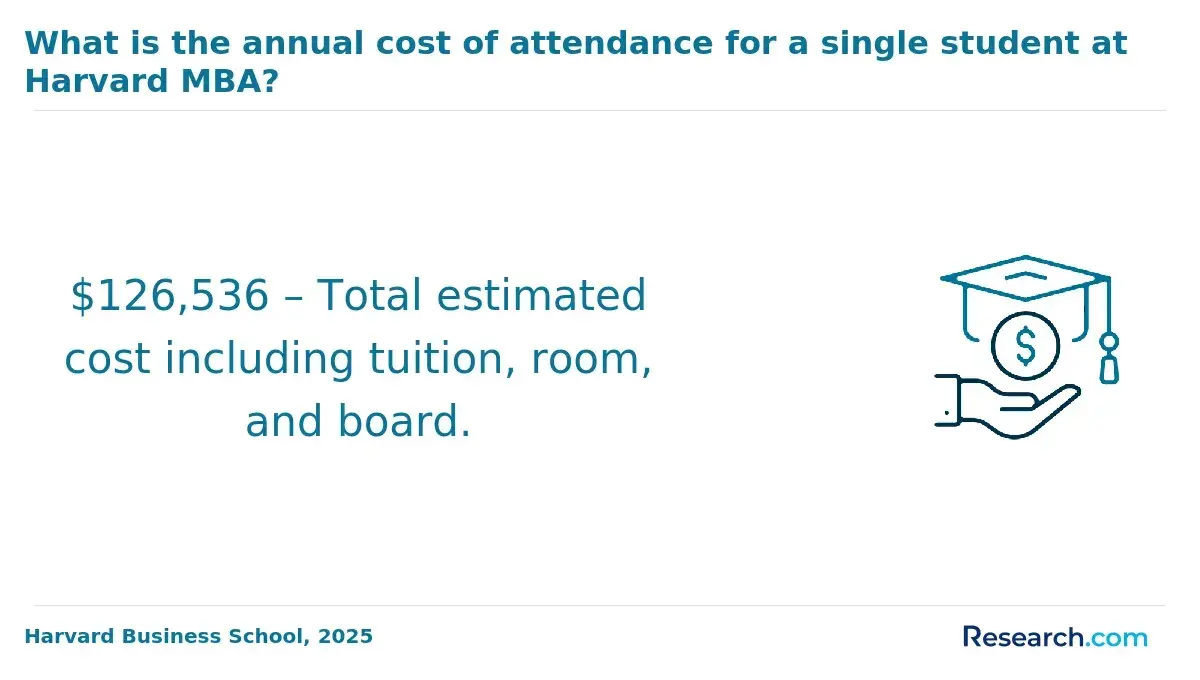
Financing an MBA should begin before you apply. A smart funding plan considers the total cost of attendance, available scholarships, employer support, borrowing limits, repayment timeline, and how quickly the degree is likely to support your career goals.
- Scholarships and fellowships. Ask each school about merit awards, need-based funding, diversity scholarships, professional association scholarships, and application deadlines.
- Employer tuition assistance. Some employers reimburse tuition or sponsor MBA study, but policies may include grade requirements, annual caps, or post-graduation work commitments.
- Federal or private student loans. Compare interest rates, repayment terms, deferment options, and long-term debt burden before borrowing.
- Part-time enrollment. Working while studying can reduce opportunity cost, though it may lengthen the time to completion.
- Affordable program comparison. Lower-cost programs can improve ROI if they still offer credible accreditation, relevant curriculum, and effective career support.
If cost control is a priority, compare the cheapest online MBA programs with your career goals, accreditation expectations, and employer recognition requirements. The lowest tuition is not always the best value, but excessive borrowing without a clear outcome plan is a common mistake.
Is an Executive MBA Right for Accelerating Your Career?
An Executive MBA is designed for experienced professionals who want to strengthen strategic leadership while continuing to work. It usually differs from a traditional MBA by assuming that students already have substantial professional experience and can bring real organizational challenges into class discussions.
This format may fit managers, directors, entrepreneurs, and senior professionals preparing for broader leadership responsibilities. It may be less appropriate for early-career students who need foundational business training, internships, or entry-level recruiting access.
| Traditional MBA | Executive MBA |
| Often serves early- to mid-career professionals, including career changers. | Usually serves experienced professionals already in management or leadership roles. |
| May offer internships, career exploration, and full-time recruiting pipelines. | Often emphasizes immediate workplace application and executive-level problem-solving. |
| Can be full-time, part-time, online, hybrid, or accelerated. | Often structured for working professionals through weekend, hybrid, or online delivery. |
| May focus on broad business foundations and specialization options. | Often focuses on leadership, strategy, governance, organizational change, and executive decision-making. |
Professionals comparing value and flexibility can review affordable online executive MBA programs, but should also confirm cohort quality, faculty access, leadership curriculum, and executive career support.
Pursue an MBA on Your Terms: Online MBA Programs Without GMAT Requirements
Online MBA programs without GMAT requirements can be useful for experienced professionals who have strong work histories but do not want standardized testing to delay enrollment. These programs may waive tests based on professional experience, prior academic performance, graduate coursework, quantitative background, or other evidence of readiness.
Test waivers can improve access, but they should not be the main reason to choose a school. When evaluating an online MBA with no GMAT requirements, check accreditation, faculty qualifications, student support, concentration options, career services, graduate outcomes, and total cost. A no-GMAT policy is convenient only if the program still supports your career goals.
Common Mistakes to Avoid When Planning MBA Careers
| Common Mistake | Why It Can Hurt You | Better Approach |
| Choosing a program without checking accreditation. | Accreditation can affect credibility, employer confidence, and academic quality signals. | Verify institutional accreditation and business school accreditation before applying. |
| Looking only at tuition. | Fees, travel, lost income, interest, and weak career support can change the real cost. | Compare total cost and expected career value, not tuition alone. |
| Assuming an MBA guarantees a promotion. | Employers still evaluate performance, experience, leadership, and business results. | Use the MBA to build evidence of impact through projects, internships, and measurable achievements. |
| Picking a specialization without researching jobs. | A concentration may sound attractive but may not match hiring requirements in your target market. | Review job postings, speak with alumni, and ask employers which skills matter. |
| Ignoring career services until graduation. | Recruiting often starts early, especially for competitive industries. | Meet career advisors early and build a networking plan in the first term. |
| Relying only on rankings. | Rankings may not reflect your industry, budget, location, or preferred format. | Use rankings as one input alongside curriculum, outcomes, cost, and employer fit. |
| Assuming all online MBAs offer the same value. | Online programs differ in accreditation, interaction, faculty access, reputation, and career support. | Ask about live classes, cohort structure, employer engagement, and alumni outcomes. |
References
- AACSB International. (2025). Business education and MBA program overview. AACSB International
- Coursera. (2025). Business degree salary and career guide. Coursera business salary guide
- Graduate Management Admission Council. (2025). Corporate recruiters survey: 2025 summary report. GMAC survey summary
- Graduate Management Admission Council. (2025). 2025 Corporate Recruiters Survey Report & Application Trends. GMAC Corporate Recruiters Survey Report
- National Center for Education Statistics. (2025). Business degrees and completions. NCES
- O*NET Resource Center. (2025). Management occupations summary. O*NET Resource Center
- Pathwise. (2025). Careers in business administration: Roles, pay, outlook. Pathwise business administration careers
- SHRM. (2025). Human resource career paths and salary data. SHRM
- U.S. Bureau of Labor Statistics. (2025). Occupational Outlook Handbook. BLS management occupations
- U.S. Bureau of Labor Statistics. (2025, April 3). Occupational Employment and Wage Statistics: Management Occupations. BLS OEWS management occupations
- U.S. Bureau of Labor Statistics. (2025). Occupational Employment and Wage Statistics: Chief Executives. BLS chief executives
- U.S. Bureau of Labor Statistics. (2025). Business and financial occupations. BLS business and financial occupations
- U.S. Bureau of Labor Statistics. (2025). Management analysts. BLS management analysts
Key Insights
- An MBA is most valuable when it is tied to a specific career goal, not pursued as a general promise of advancement.
- Finance, marketing, healthcare management, information technology, and entrepreneurship are practical MBA specializations, but the best choice depends on your target role and prior experience.
- Salary potential can be strong in management careers, but an MBA does not guarantee a promotion, executive role, or wage increase.
- Technology fluency is becoming essential for MBA graduates, especially in analytics, AI-enabled decision-making, cybersecurity risk, digital transformation, and IT management.
- Networking, mentoring, internships, consulting projects, and career services can be as important as coursework for post-MBA outcomes.
- Before enrolling, compare accreditation, curriculum, total cost, employer connections, alumni outcomes, format, and career support.
- Accelerated, executive, online, and no-GMAT MBA options can work well for the right student, but convenience should never replace program quality and career fit.
- The best MBA decision is evidence-based: define your goal, study job requirements, estimate ROI, speak with alumni, and choose the program that closes the gap between where you are and where you want to go.
Other Things You Should Know About MBA Careers
In 2027, MBA graduates can expect an average starting salary ranging from $85,000 to $125,000 annually. Factors influencing this include industry, location, and individual experience. High-demand sectors, like tech and finance, often offer salaries on the higher end of this spectrum.
Obtaining an MBA can accelerate career advancement by increasing leadership opportunities and enhancing strategic decision-making skills. By 2027, MBA holders may qualify for mid-to-senior management roles faster due to their advanced business acumen and expanded professional networks.
In 2027, top emerging career opportunities for MBA graduates include roles in data analytics, sustainable business management, and tech-driven finance. These areas rapidly expand as businesses prioritize digital transformation and sustainable practices, offering MBAs significant growth potential in innovative and strategic positions.


