
2027 List of Best Online Colleges

Co-Founder and Chief Data Scientist
Choosing an online college is no longer a backup plan for students who cannot attend campus. It is now a mainstream route for working adults, military students, parents, career changers, and traditional students who want more control over schedule, cost, and location. The harder question is not whether online college can work; it is how to identify an accredited program that fits your goals, budget, learning style, and career plans.
This guide explains how to compare the best online colleges, what makes an online program credible, which degree fields are commonly available online, how costs and financial aid work, and what questions to ask before enrolling. It also includes a ranked list of online colleges, practical decision factors, common mistakes to avoid, and key insights to help you choose with confidence.
Quick Answer: What Makes an Online College Worth Considering?
The best online colleges are accredited institutions that offer recognized degrees, transparent tuition, strong academic support, flexible course formats, reliable technology, and career services for remote learners. A good online college should also publish clear admissions requirements, explain transfer credit rules, support financial aid access, and provide the same academic standards expected from campus-based programs.
For many students, online college is most useful when it reduces commuting and housing costs, allows continued employment, and provides access to a degree that would otherwise be difficult to complete. It is less suitable for students who need frequent in-person structure, extensive hands-on training, or a program that requires local clinical or licensure placements the school cannot support.
Key things you should know about the best online colleges
- Nearly 100% of public four-year institutions offered fully online programs, with the share of public universities reporting at least half of their students enrolled in distance education rising to 82% in 2025.
- Online learning is treated as a major access strategy by 85% of institutions, especially for students who cannot relocate or attend full-time on campus.
- The University of Florida Online remains one of the lower-cost public options listed here, with in-state undergraduate tuition at $129 per credit and out-of-state undergraduate tuition at $553 per credit.
- Common online degree choices include Business Administration, Computer Science, Psychology, Nursing, Healthcare Administration, Accounting, Management Information Systems, and Education-related fields.
- Accreditation, student support, transfer credit policies, licensure alignment, and total cost matter more than convenience alone.
Affordable Online Colleges & Degree Programs With High Acceptance Rates
Online colleges often build their largest program portfolios around fields that translate well to digital learning and have broad career demand. Before choosing a school, compare not only the college but also the specific major, curriculum, internship or clinical expectations, and career services attached to that program.
1. Business Administration
A business administration degree is a flexible option for students who want a broad foundation in how organizations operate. Coursework commonly covers finance, marketing, operations, leadership, accounting, and strategy. This path can fit students aiming for entry-level business roles, management-track positions, entrepreneurship, or later graduate study such as an MBA.
2. Psychology
A psychology degree introduces students to human behavior, cognition, development, research methods, mental health concepts, and social behavior. It can support careers in human services, research assistance, case management, human resources, and nonprofit work. Students who want to become licensed counselors, psychologists, or clinical professionals should plan for graduate education and verify state requirements early.
3. Computer Science
A computer science degree focuses on programming, algorithms, software design, data structures, computing theory, systems, and problem-solving. It can prepare graduates for software development, data, cybersecurity, artificial intelligence, and technology operations roles. Students should compare programs based on project work, coding languages, career support, and opportunities to build a portfolio.
4. Social Work
A social work degree prepares students to serve individuals, families, and communities through advocacy, case management, policy awareness, and intervention strategies. Because social work careers can involve licensure, field placements, and state-specific requirements, online students should confirm whether the program supports supervised experience in their location.
5. Nursing
Online nursing programs are often designed for licensed nurses completing an RN-to-BSN or pursuing graduate study. While lectures and assignments may be online, clinical requirements usually require approved in-person experiences. Students should verify accreditation, state authorization, clinical placement support, and eligibility for licensure or advancement before enrolling.
6. Healthcare Administration
A healthcare administration degree trains students to manage healthcare organizations, departments, services, and operations. Coursework may include healthcare finance, policy, ethics, law, quality improvement, and strategic planning. This path is best for students interested in the business and leadership side of healthcare rather than direct patient care.
7. Management
A management degree emphasizes leadership, organizational behavior, decision-making, team development, planning, and workplace operations. It is often a practical choice for working adults who already have industry experience and want credentials for supervisory or administrative roles.
8. Management Information Systems
A Management Information Systems degree connects business strategy with technology systems. Students learn how organizations use databases, analytics, enterprise systems, cybersecurity practices, and digital tools to make decisions. MIS can be a strong fit for students who want business-facing technology roles without pursuing a purely programming-focused computer science path.
9. Accounting
An accounting degree teaches financial reporting, auditing, taxation, managerial accounting, and analysis of financial information. It can lead to roles in accounting, auditing, finance, compliance, and consulting. Students interested in CPA eligibility should check credit-hour requirements and state board rules before selecting a program.
10. Special Education
A special education degree focuses on instructional methods, assessment, inclusive classrooms, individualized education plans, and support for students with disabilities or learning differences. Because teaching roles are regulated by state licensure systems, students should confirm whether an online program meets certification requirements in the state where they plan to teach.
11. Economics
An economics degree develops quantitative reasoning, policy analysis, market interpretation, and research skills. Students study microeconomics, macroeconomics, econometrics, and resource allocation. Graduates may pursue roles in finance, consulting, public policy, analytics, research, or graduate study.
12. MBA – Marketing
An MBA in Marketing combines graduate-level business training with brand strategy, consumer behavior, market research, digital marketing, and campaign planning. It is most useful for students who already have some professional experience and want to move into marketing leadership, brand management, product marketing, or growth-focused roles.
13. Supply Chain Management
A supply chain management degree focuses on logistics, procurement, inventory control, supplier relationships, operations, and the movement of goods and services. It can prepare students for roles in logistics analysis, operations coordination, procurement, and supply chain planning across industries.
14. Communication & PR
A communication and public relations degree teaches students how to create messages, manage media relationships, write for different audiences, respond to crises, and shape public perception. Graduates may pursue roles in public relations, corporate communication, media strategy, nonprofit communication, or digital content.
Online Degree Fields: Which One Fits Your Goal?
| Degree field | Best for students who want | Important caution |
| Business Administration | A broad credential that applies across industries | Choose a concentration if you want a clearer career target |
| Psychology | Human behavior, research, or helping-profession foundations | Clinical roles usually require graduate study and licensure |
| Computer Science | Software, systems, data, cybersecurity, or AI-related work | Portfolio quality and technical practice matter heavily |
| Nursing | Healthcare advancement or RN-to-BSN completion | Clinical and licensure requirements may not be fully online |
| Accounting | Financial reporting, auditing, tax, or compliance careers | CPA rules vary by state |
| Education or Special Education | Teaching or school-based support roles | Licensure alignment must be checked before enrollment |
- 2027 Best Online Colleges
- What is the state of online higher education?
- How to Choose an Online College
- What are the requirements for attending online colleges?
- What are the advantages of attending online colleges?
- What are the challenges of attending online colleges?
- How do the costs of attending online colleges compare to attending traditional colleges?
- Will employers recognize my online degree?
- What types of financial aid do online colleges accept?
- How can students verify the legitimacy of an online college?
- How do online colleges protect student data and privacy?
- What factors should students consider when choosing between online colleges?
- How do online colleges support student well-being and community engagement?
- Can online colleges fast-track your path to lucrative careers?
- How do online colleges balance cost and quality to deliver value?
- How can accelerated online programs fast-track my academic journey?
- How do accelerated programs enhance online education accessibility?
- What are the career services and job placement opportunities provided by online colleges?
- What is the importance of accreditation for online degrees?
- Can online colleges support the pursuit of advanced doctoral degrees?
- Is online college worth it?
- How can students find the most affordable online colleges?
2027 Best Online Colleges
The schools below are online colleges and universities with established distance learning options, broad program availability, student support resources, and recognized accreditation. Use the list as a starting point rather than a final decision. The best choice depends on your major, state, transfer credits, schedule, financial aid package, and career goal.
How do we rank schools?
Research.com rankings are developed through institutional data review and analysis by our research team. For more detail about how rankings are assembled, see our methodology section. Data sources used for this type of evaluation include:
- IPEDS database
- Peterson’s database
- Distance Learning Licensed Data Set, College Scorecard database
- National Center for Education Statistics
1. University of Florida – Online
- Location: Gainesville, Florida
- Cost per credit: Undergrad, in-state: $129; Undergrad, out-of-state: $553
- Application fee: $30
University of Florida Online, commonly known as UF Online, offers 25 undergraduate majors and 11 minors in areas such as computer science, advertising, psychology, environmental management, and sport management. Its Gators Online Advantage emphasizes flexibility, academic reputation, affordability, networking, and access to research-oriented resources.
UF Online uses both synchronous and asynchronous learning formats. The university receives more than $700 million in research funds per year and employs 5,000 faculty members. Students can also use Gator Pathways, a network that connects learners with academic options through employer partners. The University of Florida is accredited by the Southern Association of Colleges and Schools (SACS) Commission on Colleges to award bachelor, master including master’s degree in psychology online, specialist, engineer, doctoral, and professional degrees.
2. University of Central Florida
- Location: Orange County, Florida
- Cost per credit: Undergrad, in-state: $179; Undergrad, out-of-state: $716
- Application fee: $30
University of Central Florida Online has more than 25 years of experience delivering online degrees. The public university offers over 100 undergraduate and graduate programs in fields such as healthcare, education, engineering, and criminal justice. Students can pursue bachelor’s, master’s, doctoral, and graduate certificate options online.
UCF Online assigns success coaches who help students understand systems, manage school alongside work, and access university resources. Courses may use synchronous and asynchronous formats. UCF is accredited by the Southern Association of Colleges and Schools Commission on Colleges (SACSCOC) to award degrees at the associate, baccalaureate, master’s, specialist, and doctoral levels.
3. Purdue University
- Location: West Lafayette, Indiana
- Cost per credit: In-state: $270-$1,300; Out-of-state: $270-$1,430
- Application fee: $60
Purdue University (PU) Online brings together online programs from across the Purdue system, including Purdue University, Purdue University Fort Wayne, Purdue Global, and Purdue University Northwest. Its catalog includes online bachelor’s programs, minors, certificates, graduate programs, and post-graduate options.
Students can study fields such as communication, agriculture, law, veterinary medicine, and technology. Purdue online learners study with experienced faculty and earn degrees aligned with campus-based academic standards. Purdue is accredited by the Higher Education Commission, and some programs hold additional field-specific accreditation. Admission requirements differ by program but may include high school GPA, SAT or ACT scores, and advanced placement exam scores.
4. Florida International University
- Location: Miami, Florida
- Cost per credit: Undergrad, in-state: $229; Undergrad, out-of-state: $346
- Application fee: $30
Florida International University (FIU) Online offers more than 100 fully online degree programs and tracks plus 1,500 fully online courses. FIU Online uses the same faculty and curricula as campus programs, and online degrees match the on-campus degree. Courses are structured for working professionals, but they are not self-paced.
FIU Online is often considered by students researching cyber security schools online. It has 1,400 instructors teaching 1,500 classes and is accredited by more than 18 accrediting bodies, including the Accreditation Board for Engineering and Technology, the Commission on Collegiate Nursing Education (CCNE), and the National Center of Academic Excellence in Cyber Defense Education designated by NSA and DHS.
5. University of Minnesota
- Location: Minneapolis, Minnesota
- Cost per credit: Approximately $419 for undergraduate
- Application fee: $55
University of Minnesota Online provides online programs designed to match the rigor of campus-based study. The university serves both traditional students and working adults. Because 66% of online students are employed full-time, UM Online emphasizes support for learners balancing school with work. Online learners pay in-state tuition rates regardless of where they live. The school offers more than 100 online programs, including bachelor's, master's, and doctoral degrees, minors, certificates, and licensing courses.
UM Online includes programs from all five campuses. Students can access support through live chat, and the university also offers professional development courses that may apply toward certificates or degrees. Online program areas include business administration, electrical and computer engineering, and health management. The University of Minnesota is accredited by the Higher Learning Commission.
6. Indiana University Online
- Location: Bloomington, Indiana
- Cost per credit: Undergrad, in-state: Approximately $250; Undergrad, out-of-state: $350
- Application fee: $65
Indiana University Online offers more than 200 online programs, including certificates, associate degrees, bachelor’s degrees, master’s degrees, and doctorates. Areas of study include applied science, business, computing technology, humanities, and education. Courses are developed and taught by the same faculty connected to IU campuses.
Online students are assigned a home campus that manages advising, financial aid, and administrative support, while students may take online courses from any IU campus. Learners follow the home campus academic calendar for fall, spring, and summer terms. IU Online is accredited by the Higher Learning Commission and may require SAT or ACT scores and a minimum GPA for first-year admission.
7. Utah State University
- Location: Logan, Utah
- Cost per credit: Undergrad, in-state: $345; Undergrad, out-of-state: $382
- Application fee: $50
Utah State University Online offers more than 70 online degrees and over 600 online credit courses. Students may use USU Online for career entry, reentry into the workforce, or professional advancement. Advisors help students refine applications and review prior credits for possible transfer.
USU Online offers undergraduate and graduate certificates, endorsements, associate degrees, bachelor’s degrees, master’s degrees, and doctoral degrees. The university also offers online professional education licensures. USU Online is accredited by the Northwest Commission on Colleges and Universities, Department of Education, and National Council for State Authorization Reciprocity Agreements.
8. Colorado State University – Global
- Location: Aurora, Colorado
- Cost per credit: $350 for undergraduate
- Application fee: $25
Colorado State University – Global is a 100% online university built for adult and career-focused learners. It provides 24/7 academic support, career coaching, experienced faculty, and student success counselors. Program areas include business management, healthcare management, information technology, project management, and criminal justice.
CSU Global is a public non-profit institution with fixed tuition through its Tuition Guarantee. Programs are designed around industry alignment and career readiness. CSU Global states that, unlike 85% of similar four-year universities, it does not charge student fees. CSU Global holds Regional Accreditation from the Higher Learning Commission.
9. Arizona State University
- Location: Tempe, Arizona
- Cost per credit: Undergrad: $561-$661; Certificate: $543-$1,099
- Application fee: $70
Arizona State University Online offers more than 300 undergraduate and graduate programs and certificates in fields including engineering, nursing, management, psychology, and anthropology. Undergraduate students may also choose from online minors. Most courses are asynchronous and run in six- to eight-week formats, with fall, spring, and summer start options.
ASU Online supports students through tutors, career advisors, time management coaching, counseling, childcare guidance, eldercare guidance, and personal finance guidance. ASU Online is accredited by the Higher Learning Commission.
10. Penn State World Campus
- Location: University Park, Pennsylvania
- Cost per credit: $620-$677 for undergraduate
- Application fee: $65
Founded in 1988, Penn State World Campus is one of the earlier large-scale providers of online higher education. It offers more than 175 degree and certificate programs in business, education, engineering, technology, and healthcare. About 78% of online students enroll in programs specifically designed to prepare them for their current or future careers, and the most popular fields sought by these learners remain business, health professions, and computer science (Statista, 2025).
Penn State World Campus uses tools such as chat, video conferencing, email, discussion boards, and social media to support online learning. Online and campus courses follow the same academic expectations. Penn State World Campus is accredited by the Middle States Commission on Higher Education.
11. Southern New Hampshire University
- Location: Manchester, New Hampshire
- Cost per credit: Undergrad, in-state: $320; Undergrad, out-of-state: $320
- Application fee: $20
Southern New Hampshire University (SNHU) offers online undergraduate and graduate programs in accounting and finance, art and design, criminal justice, business, engineering, education, and other fields. The university has more than 200 online programs, including certificates, associate programs, and accelerated bachelor’s-to-master’s options. Some graduate courses use undergraduate tuition rates.
SNHU online students can access academic and technical support, honor societies, clubs, and volunteer opportunities connected to the online student community. The university uses rolling admission, and applicants submit required documents showing high school completion. SNHU has regional accreditation from the New England Commission of Higher Education.
12. Liberty University
- Location: Lynchburg, Virginia
- Cost per credit: Undergrad, in state: $390-$455; Undergrad, out of state: $390-$455
- Application fee: $50
Liberty University Online offers fully online bachelor’s, master’s, and doctoral degrees. Established in 1985, Liberty University Online is one of the earlier online education providers and operates as a Christian college. It accepts military tuition assistance, financial aid, and veteran benefits. Undergraduate and graduate programs use eight-week course formats.
Liberty University Online also offers certificates and associate degrees. Program options include bachelor’s studies in biblical and theological studies and a master’s in religious leadership. Applicants submit an application and high-school self-certification form, while transfer students submit postsecondary transcripts. Student services include academic advising, online library resources, and technical support. Liberty University is accredited by the Southern Association of Colleges and Schools Commission on Colleges.
13. University of Maryland Global Campus
- Location: Adelphi, Maryland
- Cost per credit: Undergrad, in-state: $306; Undergrad, out-of-state: $499
- Application fee: $75
University of Maryland Global Campus offers career-oriented online programs with flexible study options and comparatively affordable tuition. As one of the largest public online schools in the nation, UMGC serves undergraduate and graduate students who often balance work and education. Students receive electronic textbooks and online library access, and alumni have lifetime access to career services.
UMGC offers more than 125 degrees and certificates. First-year students must submit a high school GED or diploma when applying. Undergraduate programs use eight-week sessions. UMGC is accredited by the Middle States Commission on Higher Education.
14. University of West Florida
- Location: Pensecola, Florida
- Cost per credit: Undergrad, in state: $219; Undergrad, out of state: $342-$648
- Application fee: $30
University of West Florida Online offers online programs in nursing education, criminal justice, accounting, business, health sciences, and other fields. Courses are organized for working students who need scheduling flexibility, and rolling admissions allow students to apply throughout the year.
UWF Online is accredited by the Southern Association of Colleges and Schools Commission on Colleges. Degree and certificate applicants submit an online application and transcripts. Some programs require ACT or SAT scores, and program-specific requirements may be separate from general university requirements.
15. University of Massachusetts Global
- Location: Irvine, California
- Cost per credit: Undergrad, in-state: $500; Undergrad, out-of-state: $500
- Application fee: $85
University of Massachusetts Global is a private nonprofit online university with more than 80 undergraduate and graduate degree programs. The top three objectives among online college students currently earning their online degree are to start a new career to earn more money (35%), to start a new career more aligned with their interests (24%), and to get a first professional/salaried job (14%) (Statista, 2025). UMass Global supports students through enrollment coaches, academic advisors, career services, and alumni support.
UMass Global offers flexible learning options for working students. Programs are available through four online schools in areas such as business and professional studies, arts and sciences, nursing health professions, and education. Applicants submit transcripts, and minimum GPA requirements vary by program. UMass Global is accredited by WASC Senior College and University Commission.
16. Thomas University
- Location: Thomasville, Georgia
- Cost per credit: Undergrad, in-state: $450; Undergrad, out-of-state: $450
- Application fee: $50
Thomas University is a private, nonprofit, regionally accredited university with a personalized learning model. It offers online bachelor’s and graduate degrees in fields such as medical laboratory science, computer systems management, nursing, and supply chain management. Online learners can use online library services and attend tutoring by Zoom.
Thomas University allows applicants with credits from two-year colleges to apply up to 90 credits toward a bachelor’s degree. Students may also access scholarships and financial aid. The university awards advanced placement for law enforcement training, military service, and other learning experiences. Applicants submit an application, official transcripts, and a GPA of 2.0 or higher.
17. Thomas Edison State University
- Location: Trenton, NJ
- Cost per credit: Undergrad, in state: $399; Undergrad, out of state: $519
- Application fee: $50
Thomas Edison State University (TESU) offers online associate, bachelor’s, and master’s programs in business, sciences, arts, social sciences, homeland and security management, nursing, and other areas. Online certificate programs are also available. Students may choose asynchronous or synchronous courses depending on the program.
TESU is a public institution that provides online advising and financial assistance. Students may transfer up to 90 credits from other regionally accredited colleges and universities. TESU is accredited by the Middle States Commission on Higher Education.
18. Cleary University
- Location: Howell, Michigan
- Cost per credit: Undergrad, in-state: $735; Undergrad, out of state: $735
- Application fee: $35
Cleary University offers all of its classes on-campus online. Adult learners ages 24 and older are automatically allowed to take all of their courses online, making the university a potential fit for working adults and students managing family responsibilities.
Cleary students can access virtual library resources, IT support, and computer skills video tutorials. Undergraduate program areas include business, accounting, and finance. Most students receive financial aid or scholarships. Cleary University is accredited by The Higher Learning Commission.
19. Texas Tech University
- Location: Lubbock, Texas
- Cost per credit: Undergrad, in-state: $395; Undergrad, out-of-state: $425-$804
- Application fee: $75
Texas Tech University is a public research university with online and regional site programs for students seeking degree completion or career advancement. The university offers bachelor’s, master’s, and doctorate programs for lifelong learners.
Program areas include plant and soil science, petroleum engineering, wind energy, education, arts, science, and technology. Students can access support for financial aid, academics, and IT concerns. Texas Tech University is accredited by the Southern Association of Colleges and Schools Commission on Colleges (SACSCOC) to award baccalaureate, master’s, and doctorate degrees.
20. Arizona State University – Skysong
- Location: Scottsdale, Arizona
- Cost per credit: Undergrad: $561-$661; Certificate: $543–$1,099
- Application fee: $70
Arizona State University – Skysong offers 134 undergraduate, 117 graduate, and 33 certificate programs. Students can choose from specializations such as complex science systems, sustainable food policy and tourism, environmental sustainability, digital media, business, and engineering.
ASU-Skysong serves learners interested in technology, entrepreneurship, corporate engagement, and education connected to workforce preparation. Online students may apply for financial aid and scholarships. ASU-Skysong is accredited by the Higher Learning Commission.
What Online Graduates Often Value Most
- Online study made it possible to continue working full time while earning a degree. Strong instructor communication and an active online classroom helped me stay engaged instead of feeling like I was studying alone. -Emily
- The ability to study after my children were asleep changed what was possible for me. I could keep my family routine while moving toward a credential that mattered for my future. -Marcus
- My online program exposed me to classmates from different places and professional backgrounds. It improved how I communicate, solve problems, and collaborate in digital environments. -Anita
What is the state of online higher education?
Demand for online education is growing, and online learning is now a core part of many colleges’ long-term enrollment strategy. Even before the pandemic, many American Association of State Colleges and Universities (AASCU) member institutions already had fully online programs. From 76%, the proportion of institutions offering five or more fully online programs reached an all-time high of 84% by the start of 2025 (Capranos, 2025).
Online education is also tied to access. Colleges and universities are expanding online offerings because 85% of institutions believe one major strategic outcome of online learning is expanding student access to programs. Research has also examined how online learning can support increased success among minority students. These trends in online education show that online delivery is no longer a temporary solution but a permanent part of higher education planning.
How to Choose an Online College
There is no single best online college for every student. A strong fit depends on your intended major, prior credits, learning style, state requirements, work schedule, financial aid eligibility, and career plan. Some students prioritize public research universities. Others need online colleges for military students, generous transfer credit, or accelerated formats.
Start with the program, not the school name. A university may be excellent overall but weak in your target major, or it may offer a program that does not meet licensure rules in your state. The right choice should support your academic goal and your practical life constraints.
Students comparing online colleges and universities should look at program availability, course delivery style, accreditation, support services, and outcomes. Whether you are considering HR degrees online, computer science, psychology, nursing, or another field, use this process:
- Define your goal first. Decide whether you need a degree for career entry, promotion, licensure, graduate school, or personal development.
- Confirm the exact program. Before choosing an online college, verify that the school offers your major, concentration, or certification pathway online.
- Create a realistic shortlist. Compare schools that match your academic goals, budget, schedule, location, and transfer credit situation.
- Review support for online learners. Look for advising, tutoring, library access, technical help, disability services, career coaching, and mental health resources.
- Speak with admissions and program advisors. Ask direct questions about cost, transfer credits, course format, graduation timeline, internship or clinical requirements, and outcomes.
Online College Decision Checklist
| Factor | What to ask | Why it matters |
| Accreditation | Is the institution accredited by a recognized agency? | It affects financial aid, transfer credits, employer recognition, and graduate school eligibility. |
| Program fit | Does the online program match my intended career or licensure path? | A school can be legitimate but still not be the right program for your goal. |
| Total cost | What will I pay after tuition, fees, books, technology, and transfer credits? | The cheapest listed tuition is not always the lowest final cost. |
| Course format | Are classes asynchronous, synchronous, self-paced, or cohort-based? | Your schedule and learning style should match the delivery model. |
| Student support | Can online students access tutoring, advising, library help, and career services? | Support quality can affect persistence and completion. |
| Outcomes | What do graduates do after completion? | Career alignment matters when evaluating return on investment. |
What are the requirements for attending online colleges?
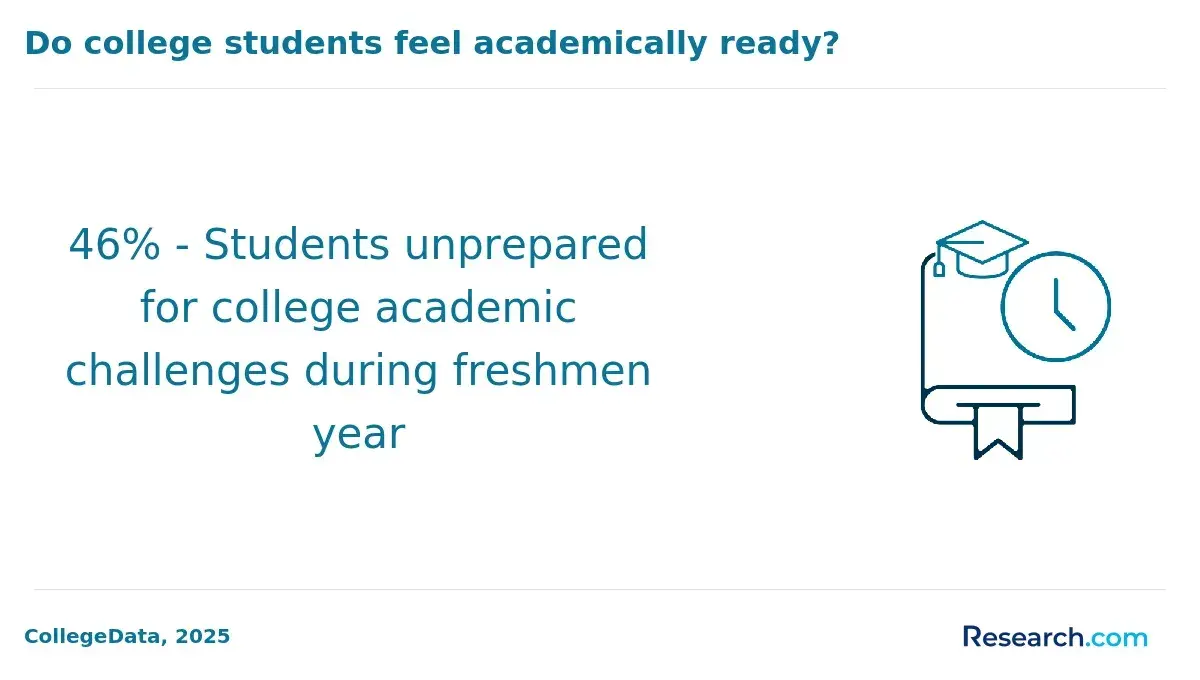
Online colleges usually require the same academic readiness as campus programs plus reliable access to technology. Requirements vary by level, program, and institution, but most students should prepare for the following:
- Technology access: A dependable internet connection and a computer that can run the school’s learning platforms, video tools, and required software.
- Academic background: A high school diploma or GED for undergraduate programs, and a relevant bachelor’s degree for most graduate programs.
- Application documents: An application form, transcripts, and, depending on the program, recommendation letters, test scores, essays, or a personal statement.
- Digital skills: Comfort using email, a learning management system, video conferencing, file uploads, discussion boards, and online research tools.
- Time management: The ability to plan weekly study time, meet deadlines, complete readings, participate in discussions, and prepare for exams without daily in-person reminders.
What are the advantages of attending online colleges?
Online college can be a strong option when flexibility, location independence, and continued employment are priorities. The advantages are most meaningful when the program is accredited, well-supported, and aligned with your career goal.
- Flexible scheduling: Many online programs allow students to study outside standard classroom hours, which helps learners manage work, caregiving, military service, or other obligations.
- Broader program access: Students can consider schools beyond commuting distance, including institutions that offer specialized degrees not available locally.
- Potential cost savings: Online students may reduce or avoid relocation, commuting, housing, parking, and some campus-based expenses.
- Digital workplace preparation: Online learning builds comfort with collaboration platforms, file sharing, virtual communication, and independent project management.
- More control over pacing: Some programs offer asynchronous or self-paced options that allow students to organize study time around personal productivity patterns.
What are the challenges of attending online colleges?
Online learning is convenient, but it is not automatically easier. Students should be honest about the discipline, technology access, and self-direction required. Research such as the study by Mphekeleli Besele highlights several common barriers:
- Technology problems: Unstable internet, platform issues, outdated devices, or software compatibility can interrupt classes and assignments.
- Less spontaneous interaction: Without face-to-face contact, some students feel disconnected from classmates, instructors, and campus culture.
- High self-discipline demands: Online students must manage deadlines, readings, exams, and projects with less external structure.
- Hands-on learning limits: Programs in healthcare, science, engineering, education, and similar fields may require labs, practicums, clinicals, or fieldwork that cannot be fully replicated online.
- Digital literacy gaps: Students who are uncomfortable with learning platforms, cloud tools, or virtual communication may need extra preparation before starting.
How do the costs of attending online colleges compare to attending traditional colleges?
Online college can cost less than campus-based study, but the savings depend on the school, tuition model, fees, credits transferred, and living situation. According to a report by EducationData.org, for public 4-year colleges, an online degree can be approximately $31,165 cheaper than its in-person counterpart. Private institutions charge on average $60,593 for an online degree versus $185,252 for an in-person degree. These differences are often connected to reduced transportation, campus meal plan, and housing expenses.
Online instruction may also have a lower cost per credit hour at some public and private institutions. For a student seeking an affordable psychology degree, an online format may be financially practical if the school is accredited, transfer credits are accepted, and total fees remain manageable.
Online vs. Campus Cost Factors
| Cost category | Online college | Campus college |
| Tuition | May be lower, flat-rate, or the same as campus depending on the school | Often varies by residency, program, and institution type |
| Housing | Often avoidable if students remain at home | Can be a major expense for residential students |
| Transportation | Usually reduced | May include commuting, parking, or relocation |
| Technology | Requires reliable computer and internet access | Still needed, but campus labs may be available |
| Fees | Can include technology, online course, or proctoring fees | Can include campus, activity, facility, and service fees |
Will employers recognize my online degree?
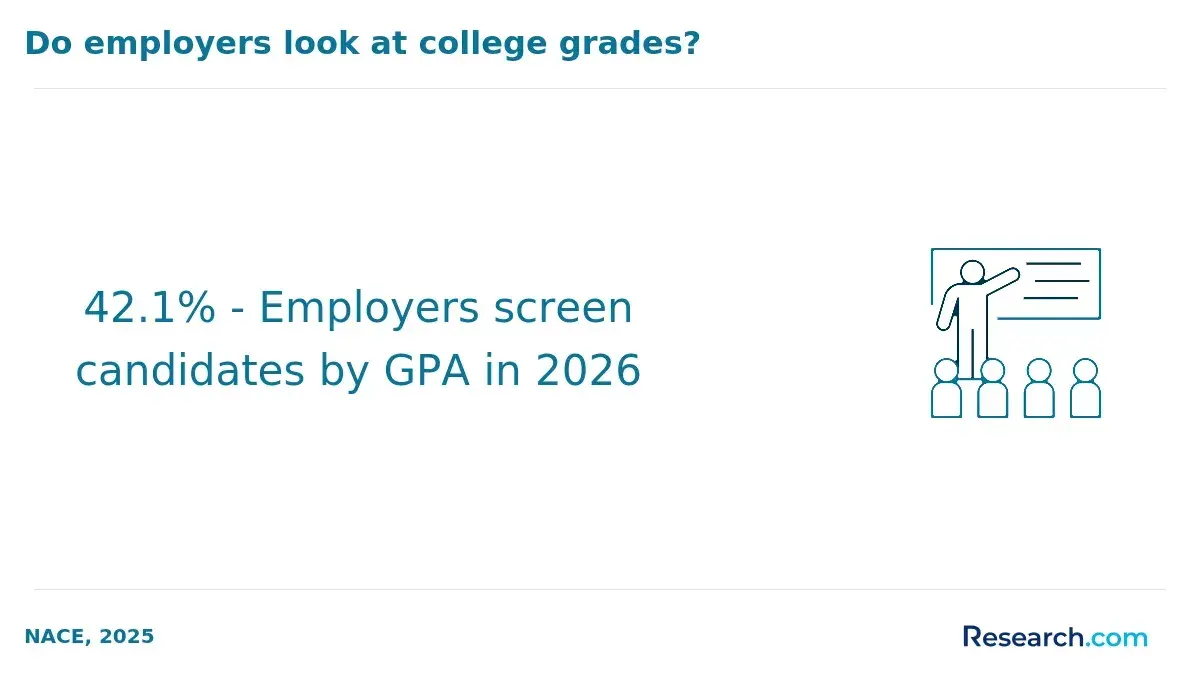
Employers are more likely to recognize an online degree when it comes from an accredited institution with a clear academic reputation and relevant program quality. In many cases, the diploma does not emphasize whether courses were completed online or on campus. What matters most is whether the institution is legitimate, the program is credible, and the graduate can demonstrate relevant skills.
Recent survey findings suggest growing acceptance of online education. Post-pandemic data show that 84% of adults believe employers are more accepting of online degrees now than before, and 72% consider online education to be more reputable. Students planning graduate study may also consider an online master’s degree program if it comes from an accredited institution and fits their career path.
What types of financial aid do online colleges accept?
Accredited online colleges often participate in the same major financial aid systems as campus-based institutions. This matters because student debt totals $1.727 trillion in the United States, and students should avoid borrowing more than necessary. Aid options may include:
- Federal loans: Subsidized and unsubsidized loans are common forms of student aid for eligible students.
- Private loans: Banks and other lenders may offer loans, often used when federal aid does not cover total costs.
- Grants: Need-based awards such as the Pell Grant do not require repayment when eligibility conditions are met.
- Scholarships: Merit-based, need-based, identity-based, employer-sponsored, or talent-based awards can reduce out-of-pocket cost.
- Work-study programs: Eligible students may receive part-time employment opportunities to help pay education expenses.
- Military aid: Benefits such as the GI Bill may support veterans, service members, and eligible family members.
How can students verify the legitimacy of an online college?
Students should verify an online college before submitting an application fee, financial aid information, or transcripts. Start by confirming institutional accreditation through a recognized agency, checking whether the school is eligible for federal financial aid, and reviewing public information about graduation, retention, cost, and student outcomes. Students using federal aid may also research online colleges that accept fafsa, since FAFSA participation generally requires recognized eligibility standards.
Legitimacy Checks Before You Enroll
- Confirm the institution’s accreditation with an official accreditor, not only the school’s marketing page.
- Check whether the program itself needs specialized accreditation for your field.
- Review state authorization if you live outside the school’s home state.
- Ask whether the program meets licensure requirements in your state, if applicable.
- Read the refund policy, transfer credit policy, and tuition terms before signing an enrollment agreement.
- Be cautious of schools promising guaranteed jobs, extremely fast degrees with little work, or pressure to enroll immediately.
How do online colleges protect student data and privacy?
Online colleges handle large amounts of sensitive student information, including academic records, financial aid data, identity documents, and login credentials. Reputable institutions use security practices such as encrypted communication, multi-factor authentication, monitored learning platforms, access controls, and regular audits. They should also explain how student data is collected, stored, shared, and protected under applicable federal and state privacy rules.
When comparing institutions, ask about secure login procedures, proctored exam privacy, third-party software policies, and how quickly the school responds to suspected data incidents. This is worth checking even when evaluating low-barrier options such as online colleges with no application fee.
What factors should students consider when choosing between online colleges?
Choosing an online college should involve more than comparing tuition and program lists. Accreditation is the first filter. Students should prioritize accredited institutions, including reputable non profit online colleges, because accreditation can affect financial aid access, transferability, employer recognition, and graduate school options.
Next, evaluate the student experience. Strong online programs provide tutoring, academic advising, online library resources, disability services, technical support, and career counseling. Technology also matters: a reliable learning management system, virtual labs where appropriate, and responsive support can make the difference between a manageable program and a frustrating one.
Program format is another major consideration. Asynchronous courses offer schedule flexibility, while synchronous courses provide live interaction but require attendance at set times. Cohort-based programs may improve structure and peer connection, while self-paced formats require greater independence.
Finally, review outcomes carefully. Ask for job placement information, graduation rates, student satisfaction data, alumni pathways, internship availability, and average starting salary information if the school publishes it. Outcomes are not guarantees, but they help you judge whether the program has a track record of supporting students with goals like yours.
How do online colleges support student well-being and community engagement?
Strong online colleges recognize that remote learners need more than recorded lectures. Many provide counseling referrals, wellness workshops, peer communities, online clubs, virtual study groups, mentorship programs, and student success coaching. These resources help reduce isolation and support students who are balancing school with work or family duties.
Community support is especially important in intensive formats such as an accelerated bachelor’s degree, where students may complete more work in less time and need structured guidance to stay on pace.
Can online colleges fast-track your path to lucrative careers?
Online colleges can shorten the path to employment or promotion when they offer accelerated calendars, transfer credit, prior learning assessment, employer-aligned projects, and career-focused curricula. However, speed should not be the only goal. A fast program is only valuable if it is accredited, respected, and connected to skills employers actually use.
Students seeking rapid career movement may compare programs designed for the highest paying job with the shortest amount of time. Before enrolling, confirm whether the program provides career coaching, portfolio support, internships, certifications, or employer partnerships relevant to the target role.
How do online colleges balance cost and quality to deliver value?
The best-value online colleges are not always the cheapest. Value comes from the relationship between total cost, academic quality, student support, graduation likelihood, and career usefulness. A lower tuition rate may not save money if credits do not transfer, required courses are unavailable, or support is weak.
To judge value, compare accreditation, faculty qualifications, technology quality, student services, program reputation, and transparent tuition and fee structures. Students primarily focused on price can start with cheapest online bachelors degree options, but they should still verify quality and career fit.
How can accelerated online programs fast-track my academic journey?
Accelerated online programs compress the academic calendar so motivated students can complete courses more quickly than in traditional semester formats. These programs may use shorter terms, year-round enrollment, transfer-friendly policies, and intensive assignments. They can reduce time to completion and may lower total costs if students finish sooner.
Acceleration works best for students with strong time management, stable schedules, and clear goals. It is riskier for students already stretched by work, caregiving, or limited study time. To compare options, review our guide to the fastest degree programs.
How do accelerated programs enhance online education accessibility?
Accelerated programs can make higher education more accessible by helping students finish credentials faster and return to the workforce sooner. Some models use condensed courses, frequent start dates, focused skill modules, and structured advising. Programs such as an online associate degree in 6 months show how short-format study can appeal to students who need rapid progress.
Still, students should examine academic workload carefully. A shorter timeline usually means heavier weekly demands, not less work. Ask how many hours per week are expected, whether courses overlap, and what happens if you need to pause.
What are the career services and job placement opportunities provided by online colleges?
Career support is one of the most important differences between a basic online program and a strong one. Online students should have access to career services comparable to those offered on campus. Look for:
- Career counseling: One-on-one guidance to clarify goals, select career paths, and plan next steps.
- Resume and interview preparation: Workshops or coaching for resumes, cover letters, LinkedIn profiles, portfolios, and interview practice.
- Job search support: Job boards, employer connections, hiring events, and placement assistance where available.
- Internships and work placements: Opportunities to gain applied experience, especially in business, healthcare, education, technology, and public service fields.
- Alumni networks: Graduate connections that may lead to mentorship, referrals, and industry insight.
What is the importance of accreditation for online degrees?
Accreditation is one of the most important protections for online students. It indicates that an institution has been reviewed against recognized academic and administrative standards. Accreditation can influence whether employers respect the degree, whether credits transfer, whether graduate schools consider the credential, and whether students can receive federal financial aid.
Programmatic accreditation may also matter in fields such as nursing, education, counseling, business, engineering, and social work. Students should verify both institutional and program-level accreditation when their career path requires licensure or professional certification. Researching accredited online universities can help narrow the field to legitimate options.
Can online colleges support the pursuit of advanced doctoral degrees?
Yes, many online colleges now offer doctoral pathways for professionals who want advanced research, leadership, or specialized practice credentials without leaving full-time employment. Online doctoral programs may combine remote coursework with research supervision, applied projects, residencies, or dissertation support.
Students should be especially cautious at the doctoral level. Compare faculty expertise, dissertation completion support, research expectations, residency requirements, and career relevance. For students interested in shorter doctoral formats, review options for doctorate programs.
Is online college worth it?
Online college can be worth it when the program is accredited, affordable relative to your goals, manageable with your schedule, and connected to a credential that improves your career or academic options. Online degrees, on average, are less expensive than traditional in-person degrees; public 4-year colleges charge around $31,165 less for an online degree, and students may also save on transportation and campus-based expenses. The average public university student borrows $32,637 to attain a bachelor’s degree, so cost control matters.
The lifetime median return on investment (ROI) for a bachelor’s degree holder is 287.7%. Educational attainment is also tied to earnings and employment outcomes: bachelor's degree holders earn a median weekly income of $1,432, while those with some college, no degree, earn $935. The unemployment rate is 2.2% for bachelor's degree holders compared to 5.5% for those with less than a high school diploma. Students seeking higher-level leadership roles may consider an online doctoral degree in leadership, noting that doctoral degree earners report a median weekly income of $2,083 with only a 1.0% unemployment rate.
Who should consider online college?
- Working adults who need to keep earning income while studying.
- Students who cannot relocate or commute regularly.
- Parents, caregivers, military students, and career changers who need flexible scheduling.
- Students with transfer credits who want to finish a degree efficiently.
- Learners comfortable with independent work, digital tools, and written communication.
Who may be better served by campus-based study?
- Students who need daily structure and frequent in-person interaction.
- Learners in programs requiring extensive labs, studios, clinicals, or fieldwork not supported locally.
- Students who want a residential college experience, campus activities, and in-person networking.
- Students without reliable internet, a suitable device, or a quiet place to study.
How can students find the most affordable online colleges?
Affordability requires looking beyond the advertised tuition rate. A school with a low cost per credit may still be expensive if it charges high fees, accepts few transfer credits, or requires extra terms to complete the degree. Use these steps to compare real cost:
- Compare tuition rates: Review per-credit prices, flat-rate tuition, residency rules, and whether the school appears among cheapest online colleges USA options.
- Identify extra fees: Ask about technology fees, online course fees, graduation fees, proctoring fees, textbooks, software, and lab materials.
- Search for scholarships and grants: Prioritize aid that does not require repayment before borrowing loans.
- Review transfer credit policies: Generous transfer rules can reduce both time and cost, especially for students with prior college coursework.
- Ask about payment plans: Monthly payment options may help students avoid larger loan balances.
Common Mistakes to Avoid When Choosing an Online College
| Mistake | Why it can hurt you | Better approach |
| Choosing based only on tuition | Fees, transfer limits, and weak support can increase total cost | Compare total program cost and completion timeline |
| Ignoring accreditation | Credits may not transfer and employers may question the degree | Verify institutional and programmatic accreditation |
| Assuming online means self-paced | Many programs have fixed weekly deadlines or live sessions | Ask whether courses are asynchronous, synchronous, or cohort-based |
| Overlooking licensure rules | The degree may not qualify you for teaching, counseling, nursing, or social work licensure in your state | Confirm state eligibility before enrolling |
| Not checking support services | Online students may struggle without advising, tutoring, or tech help | Ask what services are available specifically to remote learners |
| Borrowing without an ROI plan | Debt can become difficult if the credential does not support your income goal | Compare costs with likely career outcomes and advancement paths |
Questions to Ask Before Enrolling in an Online College
- Is the institution accredited, and is my specific program accredited if my field requires it?
- Will this program meet licensure or certification requirements in my state?
- How many of my previous credits will transfer, and how will they apply to my degree plan?
- What is the full cost of the program, including fees, books, software, and technology?
- Are classes live, asynchronous, self-paced, or cohort-based?
- How many hours per week should I expect to study?
- What support is available for tutoring, advising, career planning, library research, and technical problems?
- What are the graduation, retention, and job outcome indicators for students in this program?
- Can online students access internships, clinical placements, practicums, or employer networks?
- What happens if I need to pause enrollment or reduce my course load?
Key Insights
- The best online college is the one that fits your program goal, budget, schedule, state requirements, and learning style—not simply the highest-ranked or cheapest school.
- Accreditation is nonnegotiable. It affects financial aid, transfer credits, licensure eligibility, employer trust, and graduate school options.
- Online college can reduce costs, especially by avoiding housing and commuting expenses, but students should compare total program cost rather than tuition alone.
- Course format matters. Asynchronous programs offer flexibility, synchronous courses provide live interaction, and accelerated programs require stronger time management.
- Students in licensure fields such as nursing, education, counseling, social work, and accounting should verify state-specific requirements before applying.
- Strong online colleges provide advising, tutoring, technical support, library access, career services, and community-building opportunities for remote learners.
- Online college is most worthwhile when it leads to a recognized credential, supports completion, and improves career or academic options without creating unmanageable debt.
References:
- American Association of State Colleges and Universities. (2025). Student success initiatives. https://www.aascu.org/
- Capranos, D. (2025). Online Program Management and Market Trends 2025. Statue Graduate Services. https://www.statuegraduateservices.com/reports/online-program-management-market-trends-2025/
- CareerOneStop. (2026). Education and training finder. https://www.careeronestop.org/ExploreCareers/education-training/education-training.aspx
- EDUCAUSE. (2025). Student success and online learning. https://www.educause.edu/focus-areas-and-initiatives/student-success
- Federal Student Aid. (2025). Choosing a school. https://studentaid.gov/resources/prepare-for-college/choosing-schools
- National Center for Education Statistics. (2025). Fast Facts: Distance learning. https://nces.ed.gov/fastfacts/display.asp?id=80
- National Student Clearinghouse Research Center. (2025). Persistence and retention. https://nscresearchcenter.org/snapshotreport-persistence-retention/
- Online Learning Consortium. (2025). Quality framework for online education. https://onlinelearningconsortium.org/about/quality-framework-five-pillars/
- Statista. (2025). Primary motivation for students to enroll in an online degree program in the United States in 2025. https://www.statista.com/statistics/944439/top-reasons-for-enrolling-in-online-degree-programs-us/
Other Things You Should Know About the Best Online Colleges
In 2027, several colleges were recognized for their unique online programs, including Southern New Hampshire University for their project-based learning, Arizona State University for their adaptive learning platforms, and University of Florida for offering a wide range of interdisciplinary degrees. These colleges stood out for program innovation that caters to diverse student needs.
Colleges in the 2027 Best Online Colleges list are ranked based on criteria such as academic quality, faculty credentials, technological infrastructure, student support services, and graduation rates. Each institution is evaluated on its ability to provide effective and accessible online education.
Institutions on the 2027 Best Online Colleges list were recognized based on several factors including program diversity, faculty credentials, student support services, technology integration, affordability, and graduation rates. These elements collectively highlight the commitment of each college to provide quality online education and enhance the learning experience.
Admission requirements for top online colleges in 2027 typically include a high school diploma or GED, minimum GPA, standardized test scores like the SAT or ACT, personal essays, and letters of recommendation. Some programs may also require relevant work experience or specific prerequisite coursework.


