
2027 Best Georgia Psychology Degrees Online

Co-Founder and Chief Data Scientist
Choosing a psychology degree in Georgia is not just a question of which school has the strongest reputation. The better question is which program fits your career goal, budget, preferred learning format, and licensing plan. Georgia has psychology options from associate-level study through doctoral training, including clinical psychology, industrial-organizational psychology, cognitive science, school psychology, counseling-related pathways, and research-focused programs.
This guide is written for students comparing Georgia psychology programs, working adults considering online study, and future psychologists who need to understand the difference between a bachelor’s degree, master’s degree, PhD, PsyD, and licensure-focused training. You will learn what these programs usually include, how long they take, what they may cost, which careers they can lead to, and how to evaluate whether a psychology degree in Georgia is worth the investment for your goals.
Quick Answer: Are Georgia Psychology Degree Programs Worth Considering?
Yes, a Georgia psychology degree can be a strong option if you choose the right level of study for your intended career. A bachelor’s degree can prepare you for entry-level roles in human services, research support, business, education, and graduate study. A master’s degree may support roles in applied psychology, industrial-organizational work, counseling-adjacent fields, or doctoral preparation. To become a fully licensed psychologist in Georgia, however, students typically need a doctoral degree, supervised experience, and successful completion of licensing requirements.
What are the benefits of enrolling in the Georgia psychology degree programs?
- Multiple career directions: Psychology graduates in Georgia can pursue paths in counseling-related services, research, education, human resources, organizational consulting, clinical practice, and community mental health.
- Competitive earnings for advanced roles: The median salary for psychologists in Georgia is $101,643 per year, while salary outcomes vary significantly by specialization, education level, licensure, employer, and location.
- Flexible study formats: Online psychology degrees can help working adults and students with family responsibilities continue their education without relocating, although clinical and licensure-focused programs often include in-person practicum, internship, or residency requirements.
What can I expect from enrolling in Georgia psychology degree programs?
A psychology program in Georgia usually starts with the scientific study of behavior, mental processes, development, cognition, emotion, social interaction, and research methods. At the undergraduate level, students build broad knowledge across the discipline. At the graduate level, coursework becomes more specialized and may include supervised practice, laboratory research, assessment training, statistics, ethics, and a thesis, dissertation, practicum, or internship.
Strong programs do more than teach theory. They help students learn how to evaluate evidence, read peer-reviewed research, design studies, interpret data, communicate findings, and apply psychological knowledge ethically. Students may also work with faculty on research projects, complete field placements, participate in labs, or prepare for graduate admissions and professional licensing.
Students should also expect psychology coursework to address culture, identity, socioeconomic context, trauma, bias, and access to mental health services. These topics matter because psychologists and psychology-trained professionals often work with people from different backgrounds and must understand how environment and lived experience affect behavior and mental health.
Where can I work with a Georgia psychology degree?
A psychology degree can lead to different work settings depending on the degree level. Bachelor’s graduates may work in case management support, behavioral health administration, research assistance, human resources, student services, nonprofit programs, and sales or customer insights roles. Master’s graduates may move into more specialized applied roles, particularly in industrial-organizational psychology, research, program evaluation, or mental health-related environments depending on credentialing rules. Doctoral graduates who meet licensure requirements can pursue psychologist roles in clinical, counseling, school, research, academic, government, healthcare, correctional, or private practice settings.
Common employers include hospitals, community mental health organizations, schools, colleges, universities, research centers, government agencies, consulting firms, corporations, correctional facilities, nonprofit organizations, rehabilitation centers, and private practices. The best fit depends on whether the student wants to provide direct services, conduct research, work in business settings, support students, or pursue an academic career.
How much can I make with a Georgia psychology degree?
Psychology earnings in Georgia depend heavily on job title, licensure, specialization, employer type, and experience. In 2024, highly specialized psychologists earned an average annual salary of $117,750, school psychologists averaged $84,940 annually, and clinical and counseling psychologists earned an average of $106,600 per year.
Another salary estimate listed for 2024 places the annual average salary for psychologists in Georgia at $101,912. Because salary sources use different job groupings and collection methods, students should treat these numbers as planning benchmarks rather than guaranteed outcomes. A bachelor’s degree alone generally does not qualify a graduate for psychologist licensure, so students seeking psychologist-level earnings should plan for graduate or doctoral education.
- 2027 Best Georgia Psychology Degrees
- Key Findings
- Here’s What Graduates Have to Say About Their Georgia Psychology Degrees
- How long does it take to complete a Georgia psychology degree program?
- How does an online Georgia psychology program compare to an on-campus program?
- What is the average cost of a Georgia psychology degree program?
- What are the financial aid options for students enrolling in a Georgia psychology degree program?
- What are the prerequisites for enrolling in a Georgia psychology degree program?
- What courses are typically in a Georgia psychology degree program?
- What types of specializations are available in Georgia psychology degree programs?
- How do you choose the best Georgia psychology degree program?
- How can students in Georgia leverage psychology careers for high earnings?
- What career paths are available for graduates of Georgia psychology degree programs?
- What specialized research opportunities are available in Georgia psychology programs?
- How can I evaluate the return on investment of my psychology degree in Georgia?
- Is Pursuing Advanced Specializations Beneficial for Your Psychology Career in Georgia?
- Are online doctorate programs in psychology a valuable option?
- Can I Fast Track My Psychology Degree in Georgia?
- What is the job market for graduates with a Georgia psychology degree?
- What kind of technology tools do you need to succeed in an online psychology degree program in Georgia?
- What are the emerging trends in Georgia's psychology field that students should be aware of?
- What Are the Best Online Options for Psychology Students in Georgia?
- How can I identify cost-effective and reputable online PsyD programs in Georgia?
- How can I ensure the quality and accreditation of my online psychology program in Georgia?
- The Rise of Business Psychology in Georgia: Opportunities for Graduates
2027 Best Georgia Psychology Degrees
How do we rank schools?
This guide uses institutional and program information from established education data sources, including the IPEDS database from the National Center for Education Statistics, Peterson’s database, including the Distance Learning Licensed Data Set, and cost and outcome information from the College Scorecard. Research.com’s ranking process is explained in greater detail in our methodology. Students should still verify tuition, delivery format, accreditation, admissions requirements, and licensure alignment directly with each school before applying.
1. BA or BS in Psychology Emory University
The Emory University undergraduate psychology major is designed for students who want a research-based understanding of behavior and mental processes. The BA route is better suited for students who want broad interdisciplinary flexibility, while the BS route is more appropriate for students planning for graduate research, health-related study, or stronger scientific and quantitative preparation.
- Program Length: 4 years
- Required Credits to Graduate: ~120
- Annual Tuition: $59,920
- Accreditation: Southern Association of Colleges and Schools Commission on Collegs (SACSCOC)
2. PhD in Psychology (Cognitive and Computational Sciences) Emory University
The Emory University PhD in Psychology with a Cognitive and Computational Sciences concentration is intended for students interested in advanced research on perception, memory, learning, language, emotion, and conceptual representation. The program connects psychology with cognitive science, neuroscience, neuropsychology, and computer science, making it a strong fit for students who want to study cognition through multiple scientific methods.
- Program Length: ~2 to 3 years
- Required Credits to Graduate: ~60
- Annual Tuition: $46,800
- Accreditation: Southern Association of Colleges and Schools Commission on Collegs (SACSCOC)
3. BS in Psychology University of Georgia
The University of Georgia BS in Psychology gives students a broad foundation in psychological science within a liberal arts setting. Students can explore topics such as psychological disorders, child development, social behavior, memory, neuroscience, workplace violence, prejudice, and primate cognition. This degree may work well for students planning graduate study in clinical practice, counseling, psychiatry, teaching, research, or related professional fields.
- Program Length: 4 years
- Required Credits to Graduate: ~120
- Annual Tuition: $11,180 (in-state); $30,220 (out-of-state)
- Accreditation: Southern Association of Colleges and Schools Commission on Collegs (SACSCOC)
4. PhD in Clinical Psychology University of Georgia
The University of Georgia’s PhD in Clinical Psychology uses a clinical science model and emphasizes research, evidence-based practice, and cognitive-behavioral approaches. Students who want doctoral preparation for clinical research, academic work, or professional practice should review the program’s practicum, dissertation, internship, and accreditation details carefully.
- Program Length: ~3 to 6 years
- Required Credits to Graduate: 66
- Annual Tuition: $8,878 (in-state); $25,186 (out-of-state)
- Accreditation: American Psychological Association (APA); Psychological Clinical Science Accreditation System (PCSAS)
5. BS in Psychology Georgia Institute of Technology
The Georgia Institute of Technology BS in Psychology is a strong choice for students who want a technical, quantitative, and experimental approach to psychology. The curriculum emphasizes science and mathematics, and students can shape their coursework around interests such as research, health-related fields, technology, business, and graduate school preparation.
- Program Length: 4 years
- Required Credits to Graduate: 122
- Annual Tuition: $10,258 (in-state); $31,370 (out-of-state)
- Accreditation: Southern Association of Colleges and Schools Commission on Collegs (SACSCOC)
6. PhD in Industrial/Organizational Psychology Georgia Institute of Technology
The Georgia Institute of Technology PhD in Industrial/Organizational Psychology focuses on applying psychological research methods to workplace and organizational problems. Students study employee behavior, organizational effectiveness, productivity, workplace systems, and evidence-based interventions in business, industry, government, and other employment settings.
- Program Length: ~4 to 6 years
- Required Credits to Graduate: ~60
- Cost per Credit: $586
- Accreditation: Southern Association of Colleges and Schools Commission on Collegs (SACSCOC)
7. PhD in Clinical Psychology Georgia State University
The Georgia State University PhD in Clinical Psychology is built around a scientist-practitioner approach. It integrates psychology with areas such as medicine and public health and includes options connected to clinical psychology, neuropsychology, and community-focused practice. The program is suitable for students who want rigorous research training alongside applied clinical preparation.
- Program Length: ~4 to 6 years
- Concentrations: Clinical Psychology (CLG); Clinical-Neuropsychology (CLN); Clinical-Community (CLC)
- Required Credits to Graduate: ~60
- Tuition (semester): $4,776; $15,108 (out-of-state)
- Accreditation: American Psychological Association (APA)
8. PhD in Psychology (Cognitive Sciences Concentration) Georgia State University
The Georgia State University PhD in Psychology with a Cognitive Sciences concentration brings together experimental psychology, neuroscience, philosophy, computer science, and translational science. Students may work in areas such as cognitive psychology, cognitive neuroscience, social cognition, language development, psycholinguistics, and comparative cognition. Research methods may include EEG, MRI and fMRI, TMS, DTI, eye-tracking, virtual reality, neurogenomics, and cognitive neuroinformatics.
- Program Length: ~6 to 7 years
- Required Credits to Graduate: ~60
- Tuition (semester): $4,776 (in-state); $15,108 (out-of-state)
- Accreditation: Southern Association of Colleges and Schools Commission on Collegs (SACSCOC)
9. BS or BA in Psychology Georgia State University
The Georgia State University BA and BS in Psychology introduce students to the study of behavior, relationships, research methods, and psychological theory. The BS includes more science and math coursework and may appeal to students preparing for clinical, health, or graduate study. The BA offers broader room to combine psychology with social science areas such as economics, political science, or gerontology.
- Program Length: 4 years
- Concentrations: General; Community Psychology; Pre-Medicine (BS only)
- Required Credits to Graduate: ~120
- Tuition (semester): $4,474 (in-state); $13,993 (out-of-state)
- Accreditation: Southern Association of Colleges and Schools Commission on Collegs (SACSCOC)
10. MA in Industrial-Organizational Psychology Valdosta State University
The Valdosta State University MA in Industrial-Organizational Psychology is designed for students seeking applied preparation for workplace and organizational roles. A notable feature is Azalea Consulting, a faculty-led, student-powered consulting agency that gives students opportunities to work on practical organizational challenges while building collaboration, communication, and consulting skills.
- Program Length: ~ 2 to 3 years
- Required Credits to Graduate: 60
- Tuition (semester): $$6,208 (in-state); $18,106 (out-of-state)
- Accreditation: Southern Association of Colleges and Schools Commission on Collegs (SACSCOC)
Key Findings
- Georgia psychology programs commonly include foundational coursework in research methods, cognitive psychology, developmental psychology, statistics, abnormal psychology, and social behavior.
- Students can pursue specializations such as clinical psychology, cognitive science, industrial-organizational psychology, school psychology, counseling psychology, neuropsychology, and related applied fields.
- Career options vary by degree level. Bachelor’s graduates usually qualify for entry-level or support roles, while licensed psychologist roles generally require doctoral education and state licensure.
- Projected job growth until 2032 includes 14.5% for clinical, counseling, and school psychologists, 13.9% for psychology teachers, postsecondary, and 13.7% for all other psychologists.
- Salary figures vary by source and role. Highly-specialized psychologists averaged $115,220 annually in 2024, and the estimated annual average salary for psychologists in Georgia is $110,480 in 2025. Nicholls, GA is listed as the highest-paying city for psychologists in Georgia, with an average salary of $262,417 annually in 2024.
Here’s What Graduates Have to Say About Their Georgia Psychology Degrees
My psychology degree helped me understand behavior in a more practical and evidence-based way. The online format made it possible to keep working while studying, and the coursework gave me a stronger foundation for counseling-related work. Jane
The program strengthened my research skills and helped me connect psychological theory with real people and real settings. Internships and research assignments were especially useful because they gave me experience I could discuss with employers. Alex
Studying psychology online gave me enough flexibility to manage school, work, and personal responsibilities. The most valuable parts of the program were the research projects, presentations, and faculty feedback that helped shape my career direction.Timothy
How long does it take to complete a Georgia psychology degree program?
The timeline depends on the degree level, enrollment status, transfer credits, and whether the program includes fieldwork, thesis, dissertation, or internship requirements. A bachelor’s degree typically takes four years of full-time study. A master’s degree often takes two to three years. A PhD in psychology may take five to seven years because students must complete advanced coursework, research training, comprehensive exams, and a dissertation.
| Degree level | Typical time commitment | Best for |
| Associate degree | Often about 2 years | Students starting in psychology who may transfer into a bachelor’s program |
| Bachelor’s degree | Usually 4 years | Entry-level employment, graduate school preparation, research assistant roles, human services support, business-related roles |
| Master’s degree | Commonly 2 to 3 years | Applied psychology, I/O psychology, research support, doctoral preparation, some credential-dependent roles |
| PhD or PsyD | Often 5 to 7 years for a PhD | Psychologist licensure preparation, clinical practice, research, academia, advanced consulting, specialized assessment |
How does an online Georgia psychology program compare to an on-campus program?
Online and campus-based psychology programs can cover similar academic content, but the experience is different. Online programs usually offer more scheduling flexibility, which can be valuable for working adults, parents, military-affiliated students, and students who cannot commute. Campus programs may provide easier access to labs, faculty offices, student organizations, research teams, and in-person networking.
Advanced psychology degrees with non-clinical concentrations can be among the best degrees to earn online for students who need flexibility. Clinical, counseling, school psychology, and licensure-focused programs require extra caution. As with nursing programs online, students must confirm whether the program includes required in-person practica, internships, residencies, supervision hours, and state licensure alignment.
| Factor | Online psychology program | On-campus psychology program |
| Schedule flexibility | Usually stronger, especially for asynchronous coursework | More structured, with set class and campus times |
| Research access | Varies by program; may require virtual or arranged placements | Often easier access to labs and faculty research teams |
| Clinical training | May still require in-person fieldwork or residencies | Often more integrated with local practicum and internship networks |
| Networking | Requires more intentional effort through online events and faculty contact | More organic through campus activities and face-to-face interaction |
| Best fit | Working students, remote learners, students with family or location constraints | Students who want campus resources, lab immersion, and in-person community |
What is the average cost of a Georgia psychology degree program?
Based on the programs highlighted in this guide, the average total tuition is approximately $17,896 for in-state students and around $55,972 for out-of-state students. On a semester basis, the average is $4,474 for in-state students and $13,993 for out-of-state students. These figures apply to the listed programs and should not be treated as a statewide average for every psychology degree in Georgia.
When comparing costs, look beyond tuition. Fees, books, technology, commuting, housing, internship travel, background checks, exam costs, and lost income from reduced work hours can change the real price of attendance.
What are the financial aid options for students enrolling in a Georgia psychology degree program?
Psychology students in Georgia may be able to reduce costs through a combination of institutional, federal, state, employer, and private funding. The right mix depends on financial need, academic record, residency, program level, enrollment status, and employer benefits.
- Scholarships: Schools may offer awards based on academic performance, financial need, major, leadership, research interests, or service background.
- Grants: Federal, state, and institutional grants are typically need-based and do not need to be repaid when eligibility requirements are met.
- Work-study programs: Eligible students may earn money through approved part-time employment while enrolled.
- Federal loans: Direct Subsidized and Unsubsidized Loans can help cover eligible education costs and usually offer borrower protections not always available with private loans.
- Private loans: Private loans may fill funding gaps, but students should compare interest rates, repayment terms, and co-signer requirements carefully.
- Employer tuition assistance: Some employers help pay for degrees related to workforce development, counseling support, HR, leadership, training, or organizational behavior.
What are the prerequisites for enrolling in a Georgia psychology degree program?
Admissions requirements depend on the degree level and the competitiveness of the school. Always check the program’s current catalog because test policies, prerequisite courses, and application materials can change.
Bachelor’s Degree
- A high school diploma or equivalent is generally required.
- Some institutions may ask for SAT or ACT scores.
- Applicants may need prior coursework in English, mathematics, science, or other general education areas.
Master’s Degree
- Applicants need a bachelor’s degree from an accredited institution.
- Some programs prefer psychology or closely related undergraduate preparation.
- GRE scores may be required by some schools.
- Programs may expect prior coursework in psychology, statistics, or research methods.
Doctoral Degree (PhD)
- A master’s degree in psychology or a related field is usually required.
- Research experience, strong grades, and faculty fit can be especially important.
- GRE scores are commonly required for admission.
- Letters of recommendation, a statement of purpose, writing samples, interviews, and research alignment may be part of the process.
Students who want to become licensed psychologists should plan for doctoral study. While there are career routes for those exploring how to become a therapist without a degree, independent psychologist practice in the United States generally requires a terminal PhD or PsyD, supervised experience, and state licensure. In Georgia, salary potential may also vary by location; as of 2024, Nicholls is listed as the highest-paying city for psychologists in Georgia at $262,417.
What courses are typically in a Georgia psychology degree program?
Coursework varies by school and degree level, but many programs from online associate psychology degrees through doctoral programs include a combination of theory, research, methods, and applied content.
- Introduction to Psychology: A broad overview of major topics such as learning, cognition, biological bases of behavior, development, personality, social behavior, and mental health.
- Research Methods in Psychology: Training in study design, measurement, ethics, data collection, and interpretation of psychological research.
- Abnormal Psychology: Study of psychological disorders, diagnostic concepts, symptoms, treatment approaches, and the social context of mental illness.
- Cognitive Psychology: Examination of perception, memory, attention, language, reasoning, decision-making, and problem-solving.
- Developmental Psychology: Study of physical, cognitive, social, and emotional development from infancy through later adulthood.
- Statistics for Psychology: Quantitative tools for analyzing psychological data, evaluating evidence, and understanding published research.
- Ethics in Psychology: Professional standards related to research, confidentiality, informed consent, assessment, treatment, and responsible practice.
What types of specializations are available in Georiga psychology degree programs?
Specialization matters because it influences coursework, fieldwork, licensure preparation, salary potential, and work setting. Students should choose a concentration based on the kind of problems they want to solve, not only the title of the degree.
- Clinical Psychology: Focuses on assessment, diagnosis, treatment, psychopathology, evidence-based interventions, and clinical research. This path usually requires doctoral training for psychologist licensure.
- Counseling Psychology: Emphasizes personal, social, emotional, vocational, and developmental concerns. Graduates may work in counseling-related settings depending on degree level and licensure.
- Industrial-Organizational (I/O) Psychology: Applies psychology to workplace performance, selection, leadership, training, motivation, employee well-being, and organizational systems. This area can overlap with business, HR, analytics, and leadership roles; students comparing related graduate options may also review masters in organizational leadership salary considerations.
- School Psychology: Prepares students to support students’ learning, behavior, emotional needs, and school-based interventions in collaboration with families and educators.
- Cognitive Sciences: Studies perception, memory, language, attention, decision-making, and cognition, often using computational or neuroscience methods. Students interested in data-heavy work may also compare psychology training with analytics degree online options.
- Neuropsychology: Examines the relationship between brain function and behavior, including brain injury, neurodevelopmental conditions, assessment, and rehabilitation. Students evaluating this path should also review the neuropsychologist job outlook.
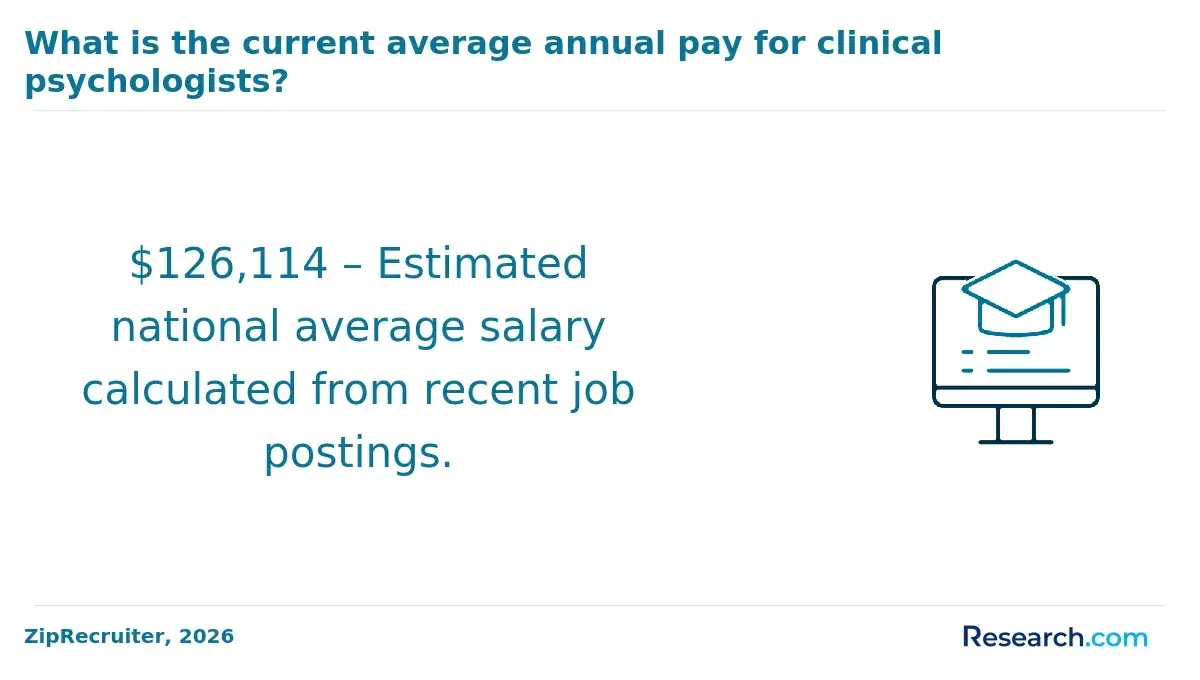
For students asking whether is psychology a good degree, the answer depends on the target role. The financial return is usually stronger when the degree leads to licensure, a marketable specialization, research skills, or a business-relevant applied role. As of writing, psychologists in Georgia earn an annual average salary of $101,912 in 2024.
How do you choose the best Georgia psychology degree program?
The best program is the one that matches your career goal, learning needs, budget, and credentialing requirements. A prestigious program that does not support your intended licensure path or research interest may be a poor fit, while a less expensive program with strong advising, practicum access, and faculty alignment may be the smarter choice.
| Decision factor | What to check | Why it matters |
| Accreditation | Institutional accreditation and, when relevant, APA or NASP-related program recognition | Accreditation can affect licensure, transfer credits, employer recognition, and financial aid eligibility |
| Licensure alignment | Whether the program meets Georgia requirements for your target credential | Not all psychology degrees qualify graduates for psychologist licensure |
| Faculty fit | Faculty research areas, clinical specialties, publications, and mentoring style | Graduate psychology training often depends heavily on advisor match |
| Practicum and internship access | Field placement sites, supervision support, and local partnerships | Clinical, counseling, and school psychology pathways require supervised experience |
| Total cost | Tuition, fees, living costs, travel, books, technology, and lost income | Sticker tuition rarely shows the full cost of attendance |
| Career outcomes | Graduate school placement, employment, licensure pass rates, alumni roles | Outcomes help show whether the program supports your intended next step |
| Learning format | Online, hybrid, campus-based, full-time, part-time, synchronous, asynchronous | The format must fit your schedule and any required in-person training |
Questions to ask before applying
- Does this program prepare students for my intended career, or will I need another degree afterward?
- If I want licensure, does the curriculum meet Georgia requirements?
- What practicum, internship, lab, or research experiences are available?
- How many students receive funding, assistantships, scholarships, or tuition support?
- What are the program’s graduation, placement, and licensure outcomes?
- Can online students access advising, library resources, research support, and career services?
- Are transfer credits accepted, and how many can count toward the degree?
- What is the realistic total cost from enrollment through graduation?
How can students in Georgia leverage psychology careers for high earnings?
Students who want stronger earning potential should connect their education plan to a specific job market. Clinical psychology, industrial-organizational psychology, neuropsychology, forensic psychology, school psychology, and postsecondary teaching can offer different financial pathways, but they also require different levels of education, licensing, supervision, and experience.
Industrial-organizational psychology may appeal to students who want to work with businesses on selection, assessment, training, leadership, employee engagement, and organizational performance. Neuropsychology may fit students interested in brain-behavior assessment in healthcare or research settings. Forensic psychology can connect psychology with legal systems, while school psychology addresses educational and developmental needs.
Students comparing high-income possibilities should review this broader guide to the highest paying psychologist roles. The most strategic approach is to choose a specialization early, build relevant research or field experience, pursue required credentials, and compare salary potential with the cost and length of training.
What career paths are available for graduates of Georgia psychology degree programs?
Psychology graduates can work in many fields, but the job title available after graduation depends on degree level and licensure status. A bachelor’s graduate may not be eligible for the same roles as a licensed doctoral-level psychologist.
| Career path | Main responsibilities | Typical education or credential consideration |
| Clinical Psychologist | Assess, diagnose, and treat mental, emotional, and behavioral disorders | Typically requires doctoral education, supervised experience, and licensure |
| School Psychologist | Support student learning, behavior, assessment, intervention, and family-school collaboration | Requires specialized graduate preparation and credentialing |
| Industrial-Organizational Psychologist | Apply psychology to hiring, leadership, performance, training, motivation, and organizational systems | Often requires graduate training in I/O psychology |
| Counseling Psychologist | Help clients address emotional, interpersonal, developmental, and life adjustment concerns | Usually requires advanced training and licensure for independent practice |
| Research Psychologist | Design studies, analyze data, publish findings, and contribute to psychological science | Often requires graduate or doctoral research training |
| Human Resources or Organizational Specialist | Use behavioral science to support hiring, employee development, training, and workplace culture | Bachelor’s or master’s degree may be relevant depending on role |
A Note on Licenses
To become licensed as a psychologist in Georgia, individuals typically need a doctoral degree in psychology from an accredited institution. This may be a PhD or PsyD, and students should understand PsyD and PhD in Psychology key differences before choosing a doctoral path.
After doctoral study, candidates must complete supervised experience requirements and pass the Examination for Professional Practice in Psychology (EPPP). Once eligible, they can apply through the Georgia Board of Psychology.
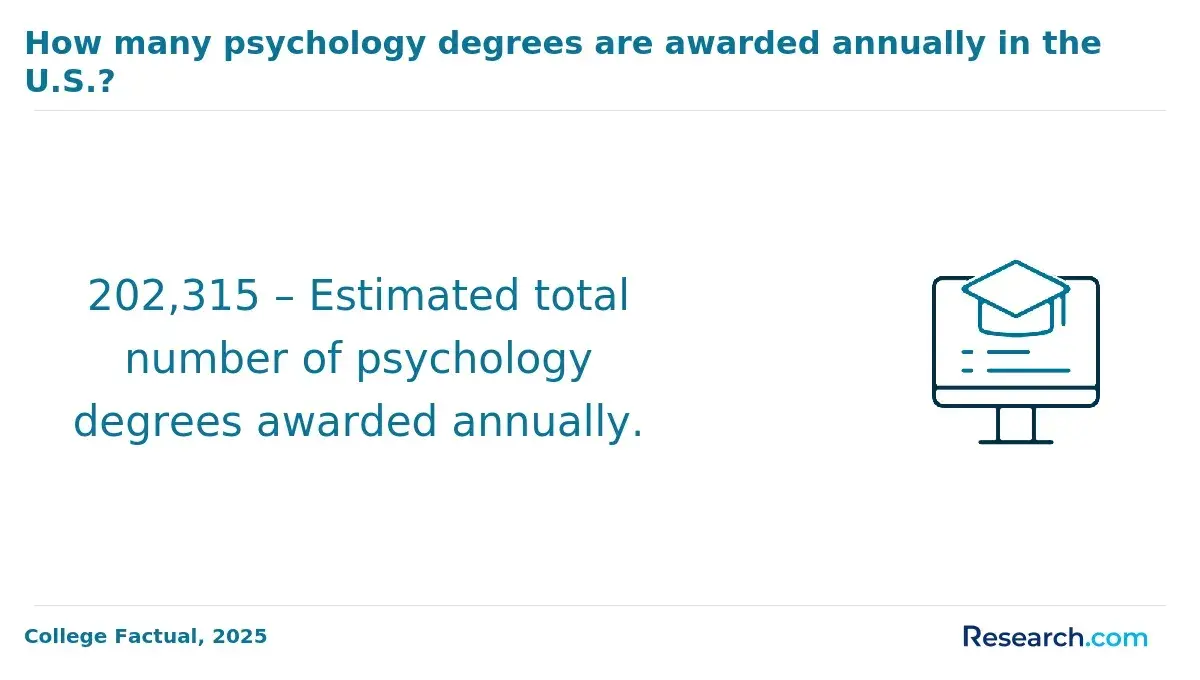
Licensed psychologists must also follow the Rules and Regulations of the State of Georgia, including continuing education. The requirement listed here is 40 continuing education (CE) credits every two years. In 2024, as of writing, Georgia had 2,542 active psychologist licenses.
What specialized research opportunities are available in Georgia psychology programs?
Many Georgia psychology programs offer research opportunities through faculty labs, interdisciplinary centers, clinical science teams, cognitive science groups, developmental research projects, and applied organizational research. Students may study topics such as cognition, neuroscience, child development, workplace behavior, mental health interventions, assessment, language, community psychology, and brain-behavior relationships.
Graduate students should evaluate research fit before applying. Review faculty publications, lab websites, current grants, student conference presentations, thesis and dissertation topics, and whether students are expected to join a specific mentor’s lab. Students interested in developmental research can also compare Georgia options with broader information on top developmental psychology PhD programs.
How can I evaluate the return on investment of my psychology degree in Georgia?
To evaluate ROI, compare the total cost of the degree with the realistic career outcome it supports. A lower-cost program may offer better value if it leads to the same credential, licensure eligibility, or job outcome. A more expensive program may be worthwhile if it provides strong funding, high-quality supervision, research opportunities, or access to specialized placements.
Consider tuition, fees, books, technology, relocation, commuting, internship costs, licensing exam expenses, continuing education, and the years spent out of the full-time workforce. Students considering graduate school should also compare costs against national benchmarks, including the cost of masters in psychology in USA.
| ROI question | Why it matters |
| Will this degree qualify me for the job I want? | A bachelor’s degree may not lead to psychologist licensure, while doctoral training may be required for independent practice. |
| How much debt will I need? | Debt affects the real financial return of the degree. |
| Does the program provide funding or assistantships? | Graduate funding can substantially change affordability. |
| Are graduates passing licensing exams? | Licensure outcomes are crucial for clinical, counseling, and school psychology pathways. |
| Do alumni work in roles I want? | Alumni outcomes show whether the program has a track record in your target field. |
Is Pursuing Advanced Specializations Beneficial for Your Psychology Career in Georgia?
Advanced specialization can be valuable when it gives you skills that employers, healthcare systems, schools, courts, universities, or organizations need. Neuropsychology, clinical science, cognitive science, forensic psychology, industrial-organizational psychology, and school psychology can all lead to more focused career opportunities, but each path has different training expectations.
Students should not choose a specialization simply because it sounds advanced. They should confirm required credentials, supervised hours, research expectations, and job availability. Students interested in brain-behavior work may want to compare campus and neuropsychology online programs while paying close attention to clinical training and licensure requirements.
Are online doctorate programs in psychology a valuable option?
Online doctoral programs can be useful for students who need flexibility, especially in non-clinical or research-oriented areas. However, any student pursuing a licensure-focused doctorate must verify whether the program satisfies Georgia licensing requirements, provides approved supervised training, and holds the appropriate accreditation for the intended career path.
Accredited PhD psychology programs online may offer rigorous coursework and research preparation, but online delivery does not eliminate the need for practicum, internship, dissertation, residency, or supervision requirements. Before enrolling, ask the school where students complete field training and whether graduates have become licensed in Georgia.
Can I Fast Track My Psychology Degree in Georgia?
Accelerated psychology programs may help motivated students finish sooner through transfer credits, condensed courses, year-round enrollment, or combined bachelor’s-to-master’s pathways. These options can reduce time in school, but they are not always the best choice for students who need strong research experience, clinical exposure, or time to prepare for graduate admissions.
Before choosing a faster route, confirm that the program is accredited, accepted by graduate schools, and appropriate for your career path. Students exploring online accelerated options can review fast track psychology degree online pathways while comparing cost, workload, and transfer policies.
What is the job market for graduates with a Georgia psychology degree?
The job market for Georgia psychology graduates depends on specialization and degree level. Until 2032, projected job growth is estimated at 10.5% for Clinical, Counseling, and School Psychologists, with an average of 150 annual openings.
Psychology Teachers, Postsecondary, are projected to see a 6.4% growth rate, with around 60 annual openings. Psychologists in other fields are projected to see 4.5% growth, with approximately 70 annual openings. These projections suggest opportunities for trained psychology professionals, but students should remember that entry-level psychology graduates and licensed doctoral psychologists compete in very different labor markets.
What kind of technology tools do you need to succeed in an online psychology degree program in Georgia?
Online psychology students need more than a laptop and internet connection. They must be comfortable learning through digital platforms, accessing research databases, joining video sessions, submitting assignments online, and sometimes using statistical or data analysis software.
- Learning Management System: Platforms such as Canvas, Blackboard, or Moodle are commonly used for lectures, assignments, grades, discussions, and course announcements.
- Video Conferencing Tools: Zoom, Microsoft Teams, or Google Meet may be used for live classes, advising, presentations, group work, and faculty meetings.
- Digital Research Databases: PsycINFO, JSTOR, Google Scholar, and library databases help students find peer-reviewed articles and research literature.
- Statistical Software: Programs such as SPSS, R, or Microsoft Excel may be required for research methods, statistics, thesis, or dissertation work.
- Collaboration Tools: Google Docs, Slack, Trello, and similar platforms can support group projects, file sharing, and team communication.
- Virtual Libraries and E-books: Online library access is essential for completing readings, literature reviews, and research assignments without relying only on physical materials.
What are the emerging trends in Georgia's psychology field that students should be aware of?
Psychology education and practice continue to change as mental health needs, technology, employer expectations, and service delivery models evolve. Students should choose programs that prepare them for current practice conditions rather than only traditional classroom theory.
- Telehealth services: Virtual therapy and online counseling tools have expanded access to care, especially for people who face transportation, scheduling, or geographic barriers.
- Workplace mental health: Employers are paying more attention to employee well-being, burnout, leadership, productivity, and organizational culture, which increases the relevance of I/O psychology and workplace mental health training.
- Diversity and inclusion: Psychology students need cultural competence and training in how race, ethnicity, socioeconomic status, trauma, disability, and identity affect mental health and access to care.
- Forensic psychology interest: Legal and correctional settings may require psychological assessment, expert consultation, and behavioral expertise. Students considering this area can compare options such as forensic psychology master's online accredited programs.
- Technology and AI in research and practice: Artificial intelligence, machine learning, and large-scale data analysis are increasingly relevant in psychological research, assessment support, and outcome prediction, though ethical oversight remains essential.
- Early intervention and prevention: Schools, healthcare systems, and community organizations continue to emphasize prevention, screening, and early support for children, adolescents, and families.
What Are the Best Online Options for Psychology Students in Georgia?
The best online psychology option depends on the student’s goal. A bachelor’s student may prioritize transfer credits, affordability, and graduate school preparation. A master’s student may need applied training, research methods, or a specialization such as I/O psychology. A doctoral student must focus heavily on accreditation, supervised practice, residency requirements, and licensure alignment.
Students interested in doctoral practice-oriented training can compare an online PSYD program with hybrid and campus-based alternatives. The key is to confirm that online flexibility does not come at the expense of required clinical training, supervision, or state eligibility.
How can I identify cost-effective and reputable online PsyD programs in Georgia?
A cost-effective PsyD program is not simply the lowest-priced option. It must also provide the training, supervision, accreditation, and licensure preparation needed for the student’s intended state and career. Students should compare tuition, fees, residency travel, practicum support, internship placement, faculty credentials, completion rates, and licensing outcomes.
Budget-conscious students can begin by reviewing cheapest PsyD online programs, but they should verify every program’s accreditation, Georgia licensure alignment, and supervised practice structure before applying.
How can I ensure the quality and accreditation of my online psychology program in Georgia?
To check quality, confirm institutional accreditation, programmatic accreditation when relevant, faculty qualifications, course sequence, supervised training arrangements, student support, graduation outcomes, and licensure compatibility. Do not rely only on marketing language or rankings.
Students comparing counseling-related graduate training may also review online masters degree in clinical mental health counseling options to understand how accreditation, fieldwork, and professional preparation are evaluated in adjacent mental health programs.
The Rise of Business Psychology in Georgia: Opportunities for Graduates
Business psychology, often connected with industrial-organizational psychology, applies behavioral science to workplace problems. In Georgia, this field can be relevant to employers in healthcare, technology, education, logistics, government, consulting, and corporate services that need stronger hiring systems, leadership development, employee engagement, training, and organizational change strategies.
What is Business Psychology?
Business psychology uses psychological research to improve how organizations select, train, support, and lead people. Professionals in this area may analyze employee motivation, workplace culture, team performance, leadership behavior, organizational design, and mental health at work.
Why Pursue Business Psychology in Georgia?
Students who enjoy psychology but do not want a clinical career may find business psychology appealing. It allows them to apply behavioral science in organizations, consulting firms, HR departments, training teams, leadership programs, and employee wellness initiatives. It may also be a practical path for students interested in measurable workplace outcomes rather than therapy or clinical assessment.
Educational Pathways
Students can prepare through I/O psychology, organizational psychology, human resources, leadership, analytics, or a specialized business psychology degree. Strong programs usually combine psychology, statistics, organizational behavior, leadership, research design, and consulting skills.
Career Opportunities
- Human Resources Consultant: Helps organizations improve hiring, employee relations, engagement, and workplace problem-solving.
- Organizational Development Specialist: Designs and evaluates strategies to improve business systems, culture, and performance.
- Corporate Trainer: Builds training programs, leadership development initiatives, and employee learning materials.
- Employee Wellness Coordinator: Supports workplace mental health, well-being programs, stress management, and employee support initiatives.
The Future of Business Psychology in Georgia
As employers place more attention on employee well-being, adaptive leadership, retention, and organizational effectiveness, business psychology may become more valuable for graduates who can combine people skills with data-driven decision-making. Students interested in this path should build skills in statistics, assessment, communication, consulting, and organizational strategy.
Common Mistakes to Avoid When Choosing a Georgia Psychology Degree
- Choosing a program without checking accreditation: Accreditation can affect financial aid, transfer credits, graduate admissions, and licensure eligibility.
- Assuming every psychology degree leads to licensure: Licensed psychologist roles generally require doctoral training and state approval.
- Looking only at tuition: Fees, fieldwork travel, books, software, residency requirements, and lost work hours can change the true cost.
- Ignoring practicum and internship requirements: Clinical, counseling, and school psychology students must know where and how supervised training is completed.
- Choosing online study without checking in-person obligations: Many online programs still require campus visits, local placements, internships, or residencies.
- Relying only on rankings: Rankings can be useful, but faculty fit, licensing outcomes, cost, and specialization matter more for many students.
- Assuming salary outcomes are guaranteed: Earnings depend on education level, license, employer, specialization, experience, and location.
References
- Indeed. (2024). Psychologist salary in Georgia. Retrieved February 13, 2024, from Indeed.
- College Factual. (2025). 2025 Psychology Degree Guide. https://www.collegefactual.com/majors/psychology/
- National Center for Education Statistics. (2024). College navigator. NCES. Retrieved February 13, 2024, from NCES.
- Projections Central. (2024). Long-term occupational projections (2020-2030). PMP. Retrieved February 13, 2024, from PMP.
- U.S. Bureau of Labor Statistics. (2024). Occupational Employment and Wage Statistics: May 2023 National Occupational Employment and Wage Estimates. https://www.bls.gov/oes/current/oes_nat.htm
- ZipRecruiter. (2026). Salary: Clinical Psychologist (Feb, 2026). https://www.ziprecruiter.com/Salaries/Clinical-Psychologist-Salary
Key Insights
- A Georgia psychology degree can be valuable, but the right program depends on your goal: entry-level work, graduate study, research, I/O psychology, counseling-related work, school psychology, or licensed psychologist practice.
- Degree level matters. A bachelor’s degree can open many support and applied roles, but psychologist licensure typically requires a doctoral degree, supervised experience, and passing required exams.
- Online psychology programs can be practical for working students, but licensure-focused programs often require in-person practica, internships, residencies, or supervised experience.
- Compare total cost, not just tuition. Include fees, technology, books, travel, fieldwork expenses, licensing costs, and time away from work.
- Specialization drives outcomes. Clinical psychology, I/O psychology, neuropsychology, school psychology, cognitive science, and business psychology lead to different training requirements and job markets.
- Before enrolling, verify accreditation, Georgia licensure alignment, faculty fit, field placement support, transfer policies, and graduate outcomes directly with the school.
Other Things You Should Know About the Best Georgia Psychology Degrees
Internships are crucial in online psychology programs as they provide real-world experience, bridging theoretical knowledge and practical skills. In Georgia, institutions prioritize internship placements as they enhance employability and prepare students for state licensure requirements. Look for programs with strong partnerships with local clinics and mental health facilities.
Top online psychology degree programs in Georgia in 2027 distinguish themselves through robust curricula, strong faculty credentials, and opportunities for practical experience. Additionally, they offer flexibility, a wide array of specializations, and have high graduation and job placement rates, ensuring comprehensive education and career readiness.
In 2027, Georgia students pursuing online psychology degrees may access various financial aid options. Scholarships can include those from professional associations like the Georgia Psychological Association and institutional awards offered by universities. Students should also explore federal financial aid through the Free Application for Federal Student Aid (FAFSA).
To enroll in an online psychology degree program in Georgia in 2027, applicants generally need a high school diploma or GED, sometimes alongside specific coursework in psychology or social sciences. Some programs may also require SAT or ACT scores as part of the admission process.


