
2027 Most Affordable Online Bachelor’s Degrees from Reputable Universities

Co-Founder and Chief Data Scientist
Choosing an affordable online bachelor’s degree is a cost, quality, and career decision. Tuition is rising, public institutions saw a 3.4% increase to $11,950 in-state tuition and fees for the 2025-26 academic year, and students are under more pressure to avoid unnecessary debt while still earning a credential employers respect. The best choice is not simply the cheapest program. It is the accredited program that fits your schedule, accepts the most transfer credit, supports your career goal, and keeps total costs predictable.
This guide is designed for working adults, transfer students, first-time college students, military learners, caregivers, and anyone comparing affordable online bachelor’s degree programs. You will learn which degree fields commonly offer flexible online options, how to compare tuition and fees, what accreditation means, how financial aid works, and how to decide whether an online bachelor’s degree is worth the investment.
Quick Answer: What Is the Best Way to Find an Affordable Online Bachelor’s Degree?
The best way to find an affordable online bachelor’s degree is to start with accredited public universities, compare total program cost rather than tuition alone, verify transfer credit policies, and choose a major that connects clearly to your career goal. Online programs can be less expensive than campus-based options, but students should still check technology fees, proctoring costs, residency requirements, textbook expenses, and whether the program meets licensure or certification requirements in their state.
- An affordable online bachelor's degree can reduce costs, with online programs often costing $31,165 less than in-person degrees at public 4-year colleges.
- Online learning can help students continue working, manage family obligations, and complete coursework with more scheduling flexibility.
- Bachelor’s degree holders report higher median weekly earnings of $1,432 compared with workers whose highest credential is a high school diploma.
Affordable Quick Online Degree Programs With High Acceptance Rates
The following degree areas are commonly available online and may be practical for students who want an accessible bachelor’s program with flexible scheduling. Acceptance rates, tuition, transfer policies, and graduation requirements vary by institution, so students should compare individual programs before applying.
1. Business Administration
An online business administration degree gives students a broad foundation in management, marketing, finance, operations, human resources, and strategy. It is often a good fit for students who want a versatile credential that can apply across industries. Some programs allow concentrations in entrepreneurship, international business, organizational behavior, project management, or related areas.
2. Psychology
An online psychology degree introduces students to human behavior, cognition, emotion, mental health, research methods, developmental psychology, and social relationships. Graduates may use the degree for entry-level roles in human resources, social services, healthcare support, and community organizations. Students who want to become licensed psychologists or counselors should plan for graduate study, because a bachelor’s degree alone is usually not enough for clinical licensure.
3. Counseling
A counseling-related bachelor’s program can prepare students to understand communication strategies, helping relationships, ethical practice, psychological theories, and common mental health concerns. This path may support roles in social services, case management support, behavioral health settings, or human resources. Students seeking independent counseling licensure should confirm graduate degree and state licensing requirements before enrolling.
4. Computer Science
Online computer science programs usually combine theory and applied technical training. Students may study programming, algorithms, data structures, software development, computer systems, databases, cybersecurity, artificial intelligence, machine learning, or software engineering. This major can be demanding, so applicants should consider whether the program provides tutoring, coding support, career projects, and access to current development tools.
5. Accounting
Accounting bachelor’s programs focus on financial reporting, auditing, taxation, managerial accounting, budgeting, and the legal and ethical responsibilities of accounting work. Graduates may pursue roles in public accounting firms, corporate finance teams, government agencies, or small business accounting. Students who plan to become CPAs should verify that the program’s credits align with their state’s CPA education requirements.
6. Nursing
Online nursing options often serve licensed nurses who want to complete an RN-to-BSN pathway, although some schools also offer pre-licensure or hybrid formats. Coursework may include anatomy, physiology, pharmacology, nursing theory, healthcare ethics, lifespan care, leadership, and healthcare administration. Clinical or practicum requirements may require in-person attendance, so students should confirm placement expectations before enrolling.
7. Healthcare Administration
A healthcare administration degree prepares students for nonclinical management roles in hospitals, clinics, insurance organizations, long-term care, and health systems. Common topics include healthcare law, policy, finance, ethics, leadership, quality improvement, and organizational management. This degree is often best for students who want to work on the business and operations side of healthcare.
8. Social Work
Students interested in advocacy, social justice, case support, and community services may consider an online social work pathway. A bachelor’s-level social work education can support entry-level human services roles, while advanced clinical or independent practice typically requires graduate education and state licensure. Students should check whether the program includes field education and whether those placements can be completed locally.
9. Finance
Online finance programs teach students how to evaluate financial information, understand markets, assess risk, plan investments, and support financial decisions for individuals or organizations. Courses may cover corporate finance, banking, financial markets, investment principles, valuation, and risk management. This major can be especially useful for students interested in analyst, banking, financial planning, or corporate finance roles.
10. Marketing
An online marketing degree focuses on consumer behavior, branding, advertising, digital marketing, market research, analytics, and sales strategy. Students should look for programs that include portfolio projects, campaign planning, data tools, and exposure to current digital platforms. Marketing can be a strong option for students who want a mix of creativity, communication, and business analysis.
Key Findings
- Private institutions charge an average of $60,593 for online degrees and $185,252 for in-person degrees.
- Online education is gaining credibility: 72% of respondents view it as more reputable than it was five years ago.
- Affordability is a major driver of enrollment, with 77% of students choosing online colleges because of cost.
- People whose highest credential is a high school diploma had an unemployment rate of 5.2% in January 2025.
- Microlearning, open educational resources (OER), and competency-based education (CBE) may help reduce the cost of earning college credit.
- Most Affordable Online Bachelor’s Degree Programs for 2027
- Average Tuition Costs for Online Bachelor’s Degrees
- Hidden Fees in Online Degree Programs
- How Online Programs Can Lower Costs Without Lowering Quality
- Financial Aid for Affordable Online Bachelor’s Degrees
- Employer Recognition of Accredited Online Degrees
- How to Verify Online University Accreditation
- How to Choose the Best Affordable Online Bachelor’s Degree
- How Accreditation Affects Career and Graduate School Options
- Admission Requirements for Affordable Online Bachelor’s Programs
- Is an accelerated bachelor's degree right for you?
- How can additional credentials enhance my career prospects?
- How can my affordable online bachelor’s degree facilitate a swift transition to advanced studies?
- Can I transfer credits from an online associate degree to an affordable online bachelor’s degree?
- How do industry partnerships and internships enhance career readiness in affordable online bachelor’s degree programs?
- Is my affordable online bachelor’s degree a smart investment for career success?
- Common Challenges in Affordable Online Education
- Earnings With an Affordable Online Bachelor’s Degree
- Online Education Trends That May Affect Affordability
- Dual Degree Advantages
- Student Support Services for Online Bachelor’s Students
How do we rank schools?
Because tuition, completion time, and institutional quality all affect the value of an online degree, our ranking process uses multiple education data sources rather than relying on advertised price alone. Research.com reviews information from the IPEDS database, Peterson's database, the College Scorecard database, and The National Center for Education Statistics. These sources help evaluate online bachelor’s programs using transparent education data. For more information, see Research.com's methodology page.
Most Affordable Online Bachelor’s Degree Programs for 2027
The schools below include low-cost online bachelor’s degree options, but the best program for you depends on residency, transfer credits, program availability, fees, financial aid, and career fit. Always confirm current tuition, accreditation, and degree requirements directly with the university before applying.
| School | Listed online cost | Best for students who want |
| University of Florida | In-state: $112; Out-of-state: $150 | A large public university with many online major choices |
| Winston-Salem State University | In-state: $114.90; Out-of-state: $461.08 | Health, education, and interdisciplinary online options |
| Great Basin College | In-state: $117.25; Out-of-state: $172 | Applied bachelor’s programs and flexible online study |
| Brigham Young University-Idaho | For affiliates: $125; For non-affiliates: $156 | Stackable certificates, associate-level progress, and bachelor’s completion |
| Georgia Southwestern State University | Fixed rate for all online students: $169.33 | Business and criminal justice degrees with a single online rate |
| Fort Hays State University | Fixed rate for all online students: $226.88 | A broad menu of online majors from a public university |
| American Public University | Fixed rate for all online students: $285 | Large online program selection and adult learner flexibility |
| Oregon Institute of Technology | Fixed rate for all online students: $281 | Applied technology, management, and healthcare-related programs |
| Thomas Edison State University | In-state, part-time: $399; Out-of-state, part-time: $ 519; In-state full-time term: $3,579; Out-of-state full-time term: $4,639 | Adult learners and transfer students seeking bachelor’s completion options |
| Western Governors University | Flat rate per six-month term: $3,475 | Competency-based online learning with a term-based tuition model |
1. University of Florida
Cost per credit:
- In-state: $112
- Out-of-state: $150
Located in Gainesville, Florida, the University of Florida is a senior member of the State University System of Florida. Founded in 1906, the university offers online learners access to virtual career fairs and exclusive job postings. The University of Florida is accredited by the Southern Association of Colleges and Schools (SACS) Commission on Colleges. Its online bachelor’s options combine comparatively low listed tuition with a large public university reputation.
Online bachelor’s degree programs:
- B.S. Advertising and Persuasive Messaging
- B.A. Anthropology
- B.A. Biology
- B.A./B.S. Business Administration
- B.H.S. Communication Sciences and Disorders
- B.S. Computer Science
- B.A. Criminology
- B.A. Digital Arts and Sciences
- B.A. Education Sciences
- B.S. Environmental Management
- B.S. Fire and Emergency Services
- B.A. Geography
- B.A. Geography-Environmental Geosciences
- B.A. Geology
- B.S. Health Education
- B.S. Journalism: Sports and Media
- B.S. Media Production, Management, and Technology
- B.S. Microbiology and Cell Science
- B.A. Sociology
- B.S. Sport Management
- B.S. Tourism, Hospitality, and Event Management
2. Winston-Salem State University
Cost per credit:
- In-state: $114.90
- Out-of-state: $461.08
The Winston-Salem State University belongs to the University of North Carolina system. The university offers programs in social science, humanities, health science, and STEM fields, with online options that may appeal to students seeking career-connected bachelor’s completion pathways. Winston-Salem State University is accredited by the Southern Association of Colleges and Schools Commission on Colleges.
Online bachelor’s degree programs:
- B.S. Clinical Laboratory Science
- B.S. Nursing (RN-BSN)
- Bachelor of Interdisciplinary Studies, Concentration in Integrative Studies
- B.S. Birth to Kindergarten Education
3. Great Basin College
Cost per credit:
- In-state: $117.25
- Out-of-state: $172
Great Basin College, based in Elko, Nevada, provides fully online bachelor of arts, bachelor of science, and bachelor of applied science programs. Its online delivery is structured for students who need access to coursework outside a traditional campus schedule. Great Basin College is accredited by the Northwest Commission on Colleges and Universities.
Online bachelor’s degree programs:
- B.A. English
- B.A. Social Science
- B.S. Nursing
- B.A.S. Digital Information Technology Emphasis
- B.A.S. Human Services
- B.A.S. Land Surveying/Geomatic Emphasis
- B.A.S. Management and Supervision
4. Brigham Young University-Idaho
Cost per credit:
- For affiliates: $125
- For non-affiliates: $156
Brigham Young University-Idaho uses a stackable structure in which students complete a certificate and an associate’s degree before moving into upper-level coursework in a selected field. This model can help students earn shorter credentials along the way, which may be useful if they need to pause before finishing the bachelor’s degree. Brigham Young University-Idaho is accredited as a Higher Educational Institution by the Northwest Commission on Colleges and Universities (NWCCU).
Online bachelor’s degree programs:
- B.S. Applied Business Management
- B.S. Applied Communication
- B.S. Applied Health
- B.S. Applied Technology
- B.S. Marriage and Family Studies
- B.S. Professional Studies
5. Georgia Southwestern State University
Cost per credit:
- Fixed rate for all online students: $169.33
Georgia Southwestern State University offers online bachelor’s programs designed for students who need scheduling flexibility, including adult learners balancing work and family. Its online degrees are selected to support learning outcomes through distance education. Georgia Southwestern State University is accredited by the Commission on Colleges of the Southern Association of Colleges and Schools.
Online bachelor’s degree programs:
- B.B.A. Accounting
- B.B.A. Management
- B.B.A. Marketing
- B.B.A. Human Resources
- B.S. Criminal Justice
6. Fort Hays State University
Cost per credit:
- Fixed rate for all online students: $226.88
Fort Hays State University (FHSU), located in Kansas, offers 60 fully accredited online degrees in areas such as accounting, agriculture, communication studies, environmental studies, computer science, international business economics, medical diagnostics, and hospitality. FHSU is accredited by the Higher Learning Commission of the North Central Association of Colleges and Schools.
Online bachelor’s degree programs:
- B.B.A. Accounting
- B.S. Agricultural Business
- B.S. Agricultural Leadership
- B.S. Business Education Business Teacher Licensure
- B.S. Business Education Corporate Communication
- B.S. Business Education Talent Development
- B.S. Communication Sciences and Disorders
- B.A. Communication Studies
- B.S. Computer Science
- B.S./B.A. Criminal Justice
- B.S. Education Early Childhood Unified
- B.S. Education Elementary
- B.S. Education Elementary with Special Education Minor
- B.S. Education Spanish
- B.S. Geosciences Geography
- B.S. Geosciences Geology
- B.S. Geosciences Environmental Geosciences
- B.S. Health Studies
- B.A. History
- B.S. Health and Human Performance
- B.S./B.A. Information Networking and Telecommunications
- B.S./B.A. Information Networking and Telecommunications Computer Networking and Telecommunications
- B.S./B.A. Information Networking and Telecommunications Cybersecurity
- B.S./B.A. Information Networking and Telecommunications Health Informatics
- B.S./B.A. Information Networking and Telecommunications Web and Mobile Application Development
- B.B.A. Management Information Systems
- B.B.A. International Business and Economics
- B.B.A. Management
- B.B.A. Management Entrepreneurship
- B.B.A. Management Human Resource Management
- B.B.A. Management Operations Management
- B.S. Management Information System
- B.B.A. Marketing
- B.S. Medical Diagnostic Imaging
- B.A. Foreign Languages
- B.A. Music
- B.S. Nursing RN to BSN
- B.A./B.S. Organizational Leadership
- B.A. Philosophy
- B.A. Political Science
- B.S. Psychology Bachelor of Social Work
- B.A. Sociology
- B.S. Technology Leadership
- B.S. Tourism and Hospitality Management
7. American Public University
Cost per credit:
- Fixed rate for all online students: $285
The American Public University (APU) is part of the American Public University System (APUS). The university offers bachelor of science, bachelor of applied science, bachelor of arts, and engineering options. A standard bachelor’s degree typically requires 120 semester hours, while the engineering bachelor’s requires 128 semester hours. APU is accredited by the Higher Learning Commission (HLC).
Online bachelor’s degree programs:
- B.S. Accounting
- B.A Business
- B.B.A. Business Administration
- B.S. Business Analytics
- B.A. Communication
- B.S. Computer Technology
- B.A. Criminal Justice
- B.S. Criminal Justice
- B.S. Cybersecurity
- B.S. Data Science
- B.E. Electrical Engineering
- B.A. Emergency and Disaster Management
- B.A. English
- B.A. Entrepreneurship
- B.S. Environmental Science
- B.S. Fire Science Management
- B.A. General Studies
- B.A. Government Contracting and Acquisition
- B.S. Healthcare Administration
- B.S. Health Information Management
- B.A.S. Health Sciences
- B.A. History
- B.A. Homeland Security
- B.A. Hospitality Management
- B.A. Human Development and Family Studies
- B.A. Human Resource Management
- B.S. Information Technology
- B.S. Information Technology Management
- B.A. Intelligence Studies
- B.A. International Relations and Global Security
- B.S. Legal Studies
- B.A. Management
- B.A. Marketing
- B.S. Mathematics
- B.A. Middle Eastern Studies
- B.A. Military History
- B.S. Natural Sciences
- B.S. Nursing
- B.A. Philosophy
- B.A. Political Science
- B.A. Psychology
- B.S. Public Health
- B.A. Religion
- B.A. Retail Management
- B.A. Reverse Logistics Management
- B.A. Security Management
- B.A. Sociology
- B.S. Space Studies
- B.S. Sports Management
- B.S. Sports and Health Sciences
- B.A. Supply Chain Management
- B.A.S Technical Management
- B.A. Transportation and Logistics Management
8. Oregon Institute of Technology
Cost per credit:
- Fixed rate for all online students: $281
Oregon Institute of Technology, also known as Oregon Tech, is a public polytechnic university focused on technical and applied science fields. Oregon Tech’s Center for Academic Resources and Engagement Services provides access services, career services, peer consulting or tutoring, and testing services. Oregon Institute of Technology is accredited by the Northwest Commission on Colleges and Universities.
Online bachelor’s degree programs:
- B.S. Applied Psychology
- B.S. Business Management
- B.S. Healthcare Management
- B.S. Health Informatics
- B.S. Information Technology
- B.S. Operations Management
- B.A.S. Technology and Management
9. Thomas Edison University
Cost per credit:
- In-state, part-time: $399
- Out-of-state, part-time: $ 519
Fixed rate per six-month term for full-time students:
- In-state: $3,579
- Out-of-state: $4,639
Thomas Edison State University is one of the country’s long-standing institutions focused on adult learners. It offers 31 online bachelor’s degree programs, including bachelor of arts, bachelor of science, and bachelor of science in business administration options. Thomas Edison University is accredited by the Middle States Commission on Higher Education.
Online bachelor’s degree programs:
- B.A. Communications
- B.A. Computer Science
- B.A. Criminal Justice
- B.A. English
- B.A. International Studies
- B.A. History
- B.A. Liberal Studies
- B.A. Mathematics
- B.A. Psychology
- B.A. Sociology
- B.S. Data Science and Analytics
- B.S. Electrical Technology
- B.S. Electronics Systems Engineering Technology
- B.S. Energy Systems Technology
- B.S. Homeland Security and Emergency Management
- B.S. Information Technology
- B.S. Nuclear Energy Engineering Technology
- B.S. Nuclear Engineering Technology
- B.S. Radiation Protection/Health Physics
- B.S. Technical Studies
- B.S. Cybersecurity
- B.S. Nursing (BSN)
- B.S. Organizational Leadership
- B.S. Professional Studies
- B.S.B.A. Accounting
- B.S.B.A. Accounting/CPA
- B.S.B.A. Computer Information Systems
- B.S.B.A. Entrepreneurship
- B.S.B.A. Finance
- B.S.B.A. Healthcare Management
- B.S.B.A. Human Resources Management/Organizational Management
- B.S.B.A. General Management
- B.S.B.A. Marketing
- B.S.B.A. Operations Management
10. Western Governors University
- Flat rate per six-month term: $3,475
Western Governors University is a fully online university that uses a competency-based model. Instead of progressing only by accumulating credit hours, students move forward by demonstrating mastery of required knowledge and skills. Students may complete as many courses as they can within a six-month term while paying the fixed term rate. WGU is accredited by the Northwest Commission on Colleges and Universities (NWCCU), an institutional accreditor in a seven-state region that includes WGU’s headquarters in Utah.
Online bachelor’s degree programs:
- B.S.B.A. Accounting
- B.S.B.A. Healthcare Management
- B.S.B.A. IT Management
- B.S.B.A. Human Resource Management
- B.S.B.A. Business Management
- B.S. Health Information Management
- B.S.B.A. Marketing
- B.S. Health Services Coordination
- B.S. Nursing (Pre-licensure)
- B.S. Nursing (RN to BSN)
- B.S. Network Operations and Security
- B.S. Data Management/Data Analytics
- B.S. Information Technology
- B.S. Cybersecurity and Information Assurance
- B.S. Software Development
- B.S. Computer Science
- B.S. Cloud Computing
- B.A. Special Education (Mild to Moderate)
- B.S. Science Education (Secondary Earth Science)
- B.S. Science Education (Secondary Physics)
- B.A. Elementary Education
- B.S. Science Education (Middle Grades)
- B.S. Science Education (Secondary Chemistry)
- B.S. Science Education (Secondary Biological Science)
What Students Often Value in Affordable Online Bachelor’s Programs
-
: "
"Earning my affordable online bachelor's degree not only saved me a fortune but allowed me to balance work and studies seamlessly. The flexibility of online learning let me tailor my schedule, and the cost-effectiveness ensured I graduated with a valuable degree debt-free. It's a game-changer for anyone seeking an affordable and convenient path to higher education." - Nala
"
-
: "
"Studying online made my dream of a bachelor's degree a reality. The cost savings were substantial, but what stood out was the interactive nature of the online courses. Engaging with peers from diverse backgrounds broadened my perspectives, creating a rich learning environment. Online education was the key to both affordability and a fulfilling academic experience." - Simon
"
-
: "
"Choosing an affordable online bachelor's program allowed me to continue working while earning my degree. The practical, real-world applications of the coursework were immediately evident in my job. The online format made learning accessible, and the cost-effectiveness meant I could invest in my education without financial strain. I'm grateful for the doors this affordable online degree has opened for my career." - Gin
"
What are the average tuition costs for online bachelor’s degrees?
College Board data published in 2024 shows a major cost difference between online and in-person study. Public 4-year colleges charge $19,170 less for online degrees than in-person degrees. Private institutions charge an average of $43,350 for online degrees and $62,520 for in-person degrees. For public universities, the average online degree cost is $11,610, compared with $30,780 for an in-person degree. The cheapest online degree programs can fall well below these averages, especially when students qualify for in-state rates or bring transfer credits.
Are there hidden fees associated with online degree programs?
Yes. Some online bachelor’s programs advertise low tuition but add required fees that raise the total price. This is why cost remains an important factor even when a program appears affordable at first glance.
| Possible fee | What it may cover | Question to ask before enrolling |
| Technology fees | Learning platforms, digital tools, or online student systems | Is this charged per course, per credit, or per term? |
| Exam proctoring fees | Remote or in-person monitoring for tests | Are proctored exams required, and who pays for them? |
| Residency fees | Required campus visits, labs, intensives, or clinical sessions | Will I need to travel, and how often? |
| Graduation costs | Diploma processing, ceremony participation, cap, or gown | Are these optional or mandatory? |
| Material fees | Software, digital resources, textbooks, or course-specific supplies | Can I use open educational resources or lower-cost alternatives? |
How can online degree programs reduce education costs without compromising quality?
Online bachelor’s programs can lower costs when schools design them efficiently, accept transfer credits, use digital resources wisely, and support students who need to keep working while studying. Lower cost does not automatically mean lower quality, but students must verify accreditation, faculty support, course design, and career outcomes.
- Lower operating expenses: Online programs may require less physical classroom space and campus infrastructure, which can allow some schools to offer lower tuition. Students can also compare online colleges with no application fee to reduce upfront costs.
- Access to established universities: Many public and private universities now offer online bachelor’s options, allowing students to earn a degree from a recognized institution without relocating or paying for campus living costs.
- Ability to keep working: Online learning can make it easier to remain employed while completing coursework, which may reduce reliance on loans.
- Focused program design: Some online programs use streamlined course sequences, prior learning assessment, or transfer-friendly policies to help students avoid paying for unnecessary credits.
What types of financial aid are available for affordable online bachelor’s degrees?
Online bachelor’s students may qualify for federal, state, institutional, and private aid if they attend an eligible accredited institution. Students should compare the net price after aid rather than judging programs by sticker price alone.
- Federal aid: Many online students begin by completing the FAFSA. This determines eligibility for federal grants, loans, and work-study opportunities at participating institutions.
- Institutional scholarships and discounts: Some universities offer online-specific scholarships, grants, employer partnerships, military benefits, or tuition discounts.
- State aid: Students attending public institutions may qualify for state grants or residency-based tuition benefits. This can be especially relevant when comparing the best online colleges available in a student’s home state.
- Private scholarships and grants: Foundations, employers, professional associations, and community organizations may provide awards based on need, merit, field of study, military affiliation, or career goals.
Are employers likely to recognize and value affordable online degrees from accredited institutions?
Yes, many employers recognize online degrees when they are earned from accredited institutions. According to the NACE Job Outlook 2024 study, 87% of employers had hired new graduates with an online degree or credential. Employer acceptance is especially strong when the school is accredited, the program matches the job field, and the graduate can demonstrate relevant skills, projects, internships, or work experience. Accredited online options such as the best online human resources degree can be credible when the program aligns with industry expectations.
How can students verify the accreditation status of affordable online universities?
Students should verify accreditation before applying, paying fees, or transferring credits. Accreditation affects financial aid eligibility, employer recognition, transferability, graduate school admission, and licensure in regulated fields.
- Start with the university website. Look for institutional accreditation information on the school’s official accreditation or consumer information page.
- Confirm through recognized databases. Use official directories from the U.S. Department of Education or the Council for Higher Education Accreditation (CHEA).
- Contact the accreditor. If anything is unclear, ask the listed accrediting agency to confirm the school’s current status.
- Ask admissions specific questions. Request written confirmation of institutional accreditation, programmatic accreditation if needed, and whether the program meets licensure requirements in your state.
How to choose the best affordable online bachelor’s degree program?
The best affordable online bachelor’s program is the one that combines low total cost, recognized accreditation, strong student support, flexible delivery, and a major that supports your career plan. Start with reputable online colleges, but do not rely on rankings alone.
- Define your goal. Decide whether you need a bachelor’s degree for entry into a field, promotion, licensure, graduate school, or career change.
- Shortlist accredited schools. Remove any institution that cannot clearly document recognized accreditation.
- Calculate total cost. Include tuition, fees, books, software, travel, proctoring, and graduation charges.
- Check transfer credit rules. Ask for an unofficial transfer evaluation before committing when possible.
- Compare program format. Decide whether you prefer asynchronous courses, live classes, competency-based learning, accelerated terms, or part-time pacing.
- Review student support. Look for advising, tutoring, library access, writing support, technical help, disability services, and career services.
- Assess career alignment. Review curriculum, internships, capstones, industry certifications, and employer partnerships.
- Ask about outcomes carefully. Graduation rates, employment data, and salary information can be useful, but they do not guarantee individual results.
- Speak with current students or alumni. Their experience may reveal workload expectations, faculty responsiveness, and hidden costs.
- Get answers in writing. Save emails about tuition, transfer credits, residency requirements, and licensure preparation.
The chart below summarizes common reasons students enroll in online colleges:
The Impact of Accreditation on Online Degree Programs and Career Prospects
Accreditation is a quality assurance process that signals whether an institution or program meets recognized education standards. For online students, it is one of the most important safeguards because it can affect aid eligibility, employer trust, credit transfer, graduate admission, and professional licensure.
Why accredited online programs matter
Students in fields such as business administration, computer science, nursing, accounting, education, and social work should pay close attention to both institutional and programmatic accreditation. A school may be institutionally accredited, while a specific program may also need specialized accreditation for licensure or certification pathways. This is especially important for nursing, teaching, counseling, social work, engineering, and accounting-related goals.
How to verify accreditation
Students can verify accreditation through the U.S. Department of Education’s Database of Accredited Postsecondary Institutions and Programs (DAPIP) and recognized accreditor directories. It is also wise to ask whether the program is approved for students in your state, because online programs do not always meet every state’s licensing rules.
What happens if you choose a non-accredited program?
A non-accredited program can create serious problems. Employers may reject the degree, other colleges may refuse transfer credits, graduate schools may deny admission, and licensing boards may not accept the coursework. The lower tuition may not be worth the risk if the credential cannot be used for your intended career.
How accreditation affects career options
Accredited programs are more likely to be accepted by employers because they have gone through external quality review. In regulated fields, accreditation may be essential. In non-licensed fields, it still matters because it helps employers and graduate schools understand that the degree came from a recognized institution.
Choosing an accredited online degree
Students comparing options such as an accelerated online business management degree should confirm accreditation before focusing on speed or price. A faster program is only valuable if the credential is accepted for your next step.
What are the general admission requirements of affordable online bachelor's degree programs?
Admission requirements vary by school and major, but most affordable online bachelor’s programs require proof of high school completion or an equivalent credential. Programs such as the cheapest criminal justice degree online may also request transcripts and other application materials.
- Academic records: Applicants usually submit a high school diploma, GED, or previous college transcripts. Some programs may require a minimum GPA or test scores.
- Application documents: Schools may ask for an online application, official transcripts, letters of recommendation, a personal statement, or a resume.
- Technology readiness: Students typically need reliable internet, a computer that meets program requirements, and comfort using a learning management system.
- Transfer credit review: Programs such as an online bachelors in social work may accept prior college credits, work-based learning, or associate degree coursework, reducing time and cost.
Is an accelerated bachelor's degree right for you?
An accelerated bachelor's degree can be useful if you want to graduate faster and can handle a compressed workload. These programs often require strong time management, consistent weekly study hours, and fewer interruptions. They may not be ideal for students with unpredictable work schedules, heavy caregiving responsibilities, or limited academic preparation in the subject.
How can additional credentials enhance my career prospects?
Certificates, micro-credentials, and industry-recognized training can help students show specialized skills beyond the bachelor’s curriculum. Employers may value online certificate programs when they demonstrate current technical, management, healthcare, data, or communication skills. The best add-on credential is one that aligns directly with the job postings you are targeting.
How can my affordable online bachelor’s degree facilitate a swift transition to advanced studies?
An affordable online bachelor’s degree can create a pathway to graduate or professional study if it comes from an accredited institution and includes the prerequisites required for your field. Students who want to move quickly into advanced education should ask whether bachelor’s credits articulate into master’s programs, whether graduate courses can be taken early, and whether the degree supports specialized options such as 1 year doctoral programs.
Can I transfer credits from an online associate degree to an affordable online bachelor’s degree?
Many accredited online bachelor’s programs accept credits from recognized associate degree programs, especially when schools have articulation agreements. A fast track associates degree online may help students complete general education or lower-division requirements before transferring. However, credit acceptance is never automatic, so students should request a transfer evaluation and confirm maximum transfer limits before enrolling.
How do industry partnerships and internships enhance career readiness in affordable online bachelor’s degree programs?
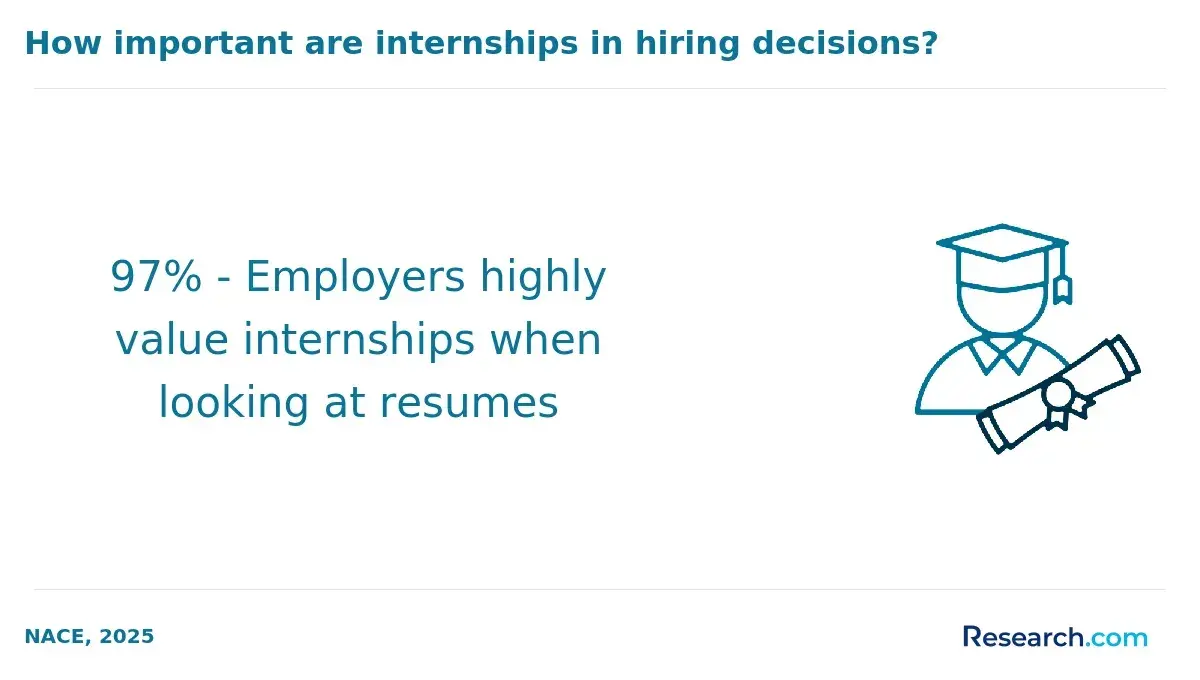
Internships, employer projects, mentorships, and industry partnerships help online students apply classroom learning to workplace problems. These experiences can be especially valuable for students who do not already work in their target field. When comparing the most affordable online colleges for working adults, ask whether internships are available remotely, locally, or through employer-sponsored projects.
Is my affordable online bachelor’s degree a smart investment for career success?
An affordable online bachelor’s degree can be a smart investment when the total cost is manageable, the school is accredited, the major connects to real career opportunities, and the credential helps you qualify for jobs, promotions, or graduate study. To evaluate ROI, compare tuition and fees with your likely career path, not just with the highest salaries in the field. Some students may target fields represented by 100k earning degree programs, but no degree can guarantee a specific salary.
Are there common challenges reported by students pursuing affordable online education?
Online learning can be flexible, but it is not effortless. Students in programs such as affordable medical billing and coding online training and bachelor’s degrees often report similar challenges.
| Challenge | Why it happens | Better strategy |
| Time management | Work, family, and school deadlines compete for attention | Create a weekly study schedule and block non-negotiable coursework time |
| Technical problems | Internet outages, outdated devices, or unfamiliar platforms interrupt learning | Test systems early, keep backup access, and contact tech support immediately |
| Limited interaction | Online courses may lack casual classroom conversations | Join discussions, form study groups, and attend virtual events, especially in people-facing fields such as hospitality degrees |
| Self-discipline | Asynchronous courses require students to manage their own pace | Use goals, reminders, accountability partners, and a dedicated study space, particularly in structured fields such as cheap online public relations degree programs |
| Online assessments | Remote exams and digital submissions may feel unfamiliar | Practice with the testing platform, review proctoring rules, and plan for deadlines |
How much can I earn with an affordable online bachelor’s degree?
Bachelor’s degree holders can earn around $1,541 per week, compared with $916 per week for workers with only a high school diploma. The BLS also reports that more education is associated with lower unemployment. In 2024, people without a diploma had the highest unemployment rate at 6.2%.
Earnings vary widely by major, occupation, location, experience, and industry. Engineering, computer science, and business-related degrees often lead to different salary outcomes than many social science or humanities pathways. Use salary data as one part of your decision, but do not assume that any online bachelor’s degree will produce a guaranteed income.
What are the latest trends in online education that might impact affordability?
Several trends may affect the cost and structure of online bachelor’s programs. These changes can help some students save money, but the value depends on how each school implements them.
- Microlearning modules: Short, focused learning units may help students build specific skills without paying for unrelated content, although they may not always carry degree credit.
- Open Educational Resources (OER): Free or low-cost textbooks and course materials can reduce out-of-pocket expenses when instructors adopt them.
- Competency-Based Education (CBE): CBE allows students to progress by demonstrating mastery rather than spending a fixed amount of time in class. Fast learners or experienced professionals may be able to finish sooner.
- Artificial Intelligence (AI): AI tools are increasingly used for personalized feedback, adaptive practice, tutoring support, and administrative guidance. Students should still check academic integrity policies before using AI in coursework.
What are the advantages of earning a dual degree alongside an online bachelor’s degree?
A dual degree can be valuable when the two fields strengthen each other and lead to a clear career advantage. It can also increase workload and cost, so students should compare the added benefit with the extra time required.
- Expanded career options: Combining complementary fields, such as business administration and computer science, may support roles that require both technical and management knowledge.
- Broader skill development: Students can build analytical, communication, technical, and leadership skills across two disciplines.
- Potential cost efficiency: Some schools allow overlapping courses, which may reduce the time needed compared with earning two separate degrees.
- Larger network: Dual degree students may interact with faculty, peers, and professionals in two academic communities.
- Stronger marketability: A carefully chosen dual degree can signal interdisciplinary preparation for complex roles.
What student support services are available for affordable online bachelor’s degree programs?
Student support can determine whether an affordable online bachelor’s program is truly manageable. Low tuition is less valuable if students cannot get advising, tutoring, technical help, or career guidance when they need it.
Strong online programs often provide academic advising, career counseling, technical support, virtual library access, writing centers, tutoring, disability services, orientation modules, mental health resources, and job search assistance. Career services may include résumé reviews, interview preparation, networking events, internship guidance, and job placement support.
When comparing programs, ask how support is delivered, whether services are available outside standard business hours, and whether online students receive the same access as campus students. Students who want a broader comparison can review the top 10 online colleges that emphasize affordability and student success.
Common Mistakes to Avoid When Choosing an Affordable Online Bachelor’s Degree
| Mistake | Why it can hurt you | What to do instead |
| Choosing the lowest tuition without checking fees | Extra charges can make a “cheap” program more expensive than expected | Request a full cost estimate for the entire degree |
| Ignoring accreditation | Your degree may not be accepted by employers, graduate schools, or licensing boards | Verify accreditation through recognized databases before applying |
| Assuming online means self-paced | Many online programs still have weekly deadlines and fixed terms | Ask whether courses are asynchronous, synchronous, self-paced, or cohort-based |
| Overlooking transfer credits | You may pay to repeat courses you already completed | Get a transfer evaluation before committing |
| Forgetting licensure rules | Some degrees may not meet requirements in your state | Contact the licensing board before enrolling in regulated fields |
| Relying only on rankings | A highly ranked school may not fit your budget, schedule, or career goal | Use rankings as a starting point, then compare fit and outcomes |
Questions to Ask Before You Enroll
- Is the institution accredited by a recognized accreditor?
- Does the program have specialized accreditation or approval if my field requires it?
- What is the total cost after fees, books, software, and travel?
- How many of my transfer credits will apply to the degree?
- Are courses asynchronous, synchronous, accelerated, or competency-based?
- Will I need internships, labs, clinicals, practicums, or campus visits?
- What support services are available to online students?
- What career outcomes does the school report, and how are those outcomes measured?
- Can I study part time without losing financial aid eligibility?
- Will the degree prepare me for graduate study, licensure, or certification if needed?
References:
- CollegeData. (2025). Transition to College: 13 thihngs students say about it. https://www.collegedata.com/resources/transition-to-college/transition-to-college-survey-results
- Deloitte. (2025). 2025 Gen Z and Millennial Survey: Growth and the pursuit of money, meaning, and well-being. https://www.deloitte.com/content/dam/assets-shared/docs/campaigns/2025/2025-genz-millennial-survey.pdf
- Education Dynamics. (2025). Engaging the Modern Learner: Preferences & Behaviors Shaping Higher Ed. https://insights.educationdynamics.com/modern-learner-report-2025.html
- Eisenberg, D., Lipson, S. K., Heinze, J., & Zhou, S. (2025). The Healthy Minds Study 2024-2025. The Healthy Minds Network. https://healthymindsnetwork.org/wp-content/uploads/2025/09/2024-2025_HMS-National-Data-Report_Student.pdf
- U.S. Bureau of Labor Statistics. (2025, August 28). Fastest Growing Occupations. Occupational Outlook Handbook. https://www.bls.gov/ooh/fastest-growing.htm
Key Insights
- The cheapest online bachelor’s degree is not always the best value; the right choice balances total cost, accreditation, transfer credit, support, and career fit.
- Accreditation should be verified before enrollment because it affects financial aid, credit transfer, employer recognition, licensure, and graduate school options.
- Online programs can reduce costs through lower tuition, transfer-friendly policies, OER materials, flexible schedules, and competency-based models, but hidden fees can still add up.
- Students should compare the full degree price, not just the cost per credit, and should ask about technology fees, proctoring, residency requirements, textbooks, and graduation charges.
- Bachelor’s degree holders often earn more than workers with only a high school diploma, but salary outcomes depend heavily on field, location, experience, and job market conditions.
- Working adults and transfer students can often improve ROI by choosing accredited programs that accept prior credits and provide strong advising, tutoring, and career services.
Other Things You Should Know About Affordable Online Bachelor’s Degrees
In 2027, Southern New Hampshire University, University of Florida, and University of Central Florida are among the top institutions offering affordable online bachelor's degrees from reputable universities. These programs provide quality education at competitive prices, making higher education more accessible.
In 2027, students enrolling in affordable online bachelor's degree programs may access federal aid, scholarships, and grants. Eligibility often depends on financial need, academic performance, or specific fields of study. Always check the university's financial aid office for available programs and application deadlines.
To confirm the legitimacy of an affordable online bachelor's degree program in 2027, students should check accreditation status on databases like CHEA and the U.S. Department of Education, review faculty qualifications, scrutinize the program's curriculum, and research student and alumni reviews to gauge its quality and reputation.


