
2027 Best BSN to MSN Programs in Florida: Online & Campus

Co-Founder and Chief Data Scientist
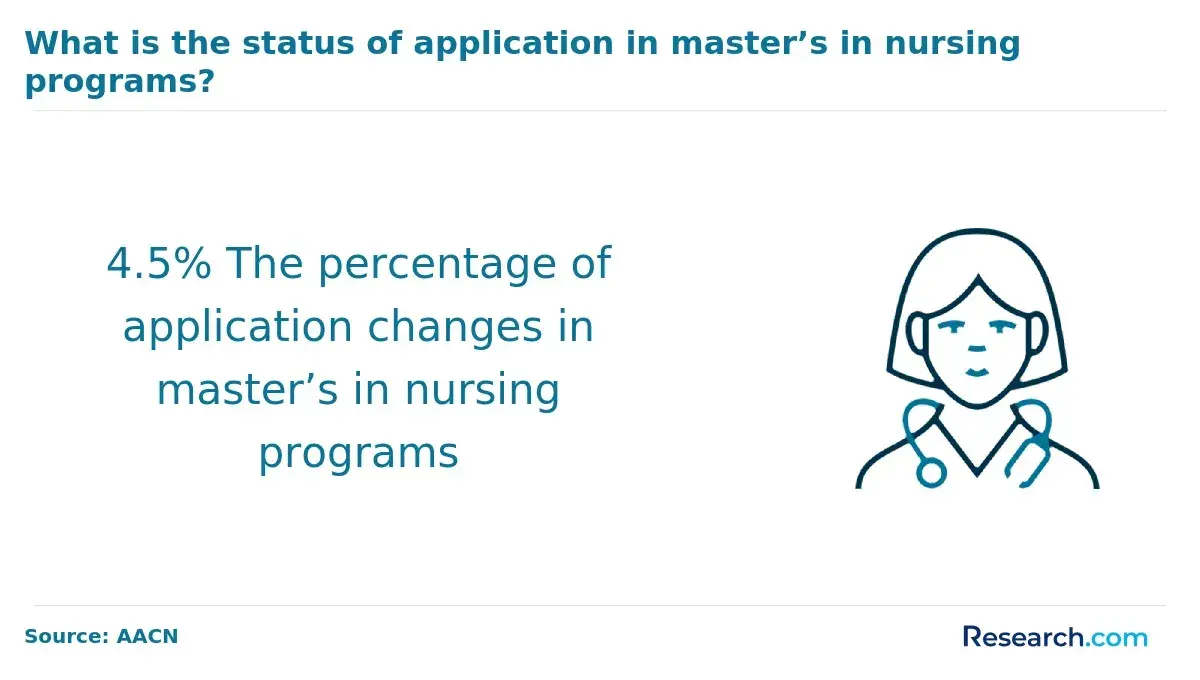
Florida’s growing demand for advanced nursing roles presents challenges for many BSN-prepared nurses seeking MSN programs that balance flexibility with academic quality. With the state’s healthcare sector projecting a 26% increase in advanced practice nurses by 2030, competition for reputable graduate programs is intensifying, making informed program selection more important than ever.
This article examines the best BSN to MSN options, both online and on campus, highlighting emerging trends and future workforce needs. Developed by career planning experts, it offers strategic insights to help nurses select programs that align with evolving healthcare landscapes and career ambitions.
Key Benefits of BSN to MSN Programs in Florida
- Flexible online and on-campus BSN to MSN programs in Florida cater to working nurses, supporting career advancement without interrupting employment, aligning with the state's projected 15% nursing workforce growth by 2030.
- Programs emphasize leadership, specialty certifications, and advanced clinical skills, addressing Florida's increasing demand for nurse practitioners and healthcare administrators in diverse care settings.
- Access to Florida's robust healthcare network and experienced faculty fosters practical experience and professional networking, positioning graduates for emerging roles in telehealth and interdisciplinary care models.
- What is a BSN to MSN program in Florida?
- How do campus-based programs compare to online BSN to MSN programs?
- What are the admission requirements for BSN to MSN programs in Florida?
- What specializations are available in BSN to MSN programs in Florida?
- What courses are included in a BSN to MSN program in Florida?
- How long does it take to complete a BSN to MSN program in Florida?
- How much do BSN to MSN programs cost in Florida?
- What financial aid options are available to BSN to MSN students in Florida?
- What jobs can BSN to MSN graduates pursue in Florida?
- What is the average salary of BSN to MSN graduates in Florida?
What is a BSN to MSN program in Florida?
A BSN to MSN pathway in Florida offers registered nurses with a Bachelor of Science in Nursing an efficient way to advance their education and expertise, targeting leadership, specialized, or advanced practice roles. These programs are carefully structured to build on the foundational knowledge gained during the BSN, emphasizing graduate-level coursework and clinical experiences tailored to complex healthcare environments.
By focusing on advanced topics like healthcare policy, nursing leadership, and evidence-based practice, they provide a clear trajectory for nurses aiming to expand their roles within the state's healthcare system. This approach supports nurses pursuing roles in administration, education, and advanced clinical specialties aligned with Florida's evolving healthcare needs.
With innovations in flexible learning options, the Florida accelerated BSN to MSN track often blends online and campus experiences to accommodate working professionals seeking to balance education with career demands. Future trends suggest these programs will increasingly incorporate technology-driven simulations and interprofessional collaboration to enhance clinical readiness.
Nurses considering specialization can also explore nuanced fields where role distinctions such as the difference between FNP and AGNP may influence their career path. Overall, these programs are designed to prepare nurses for a wide array of impactful positions, including advanced practice registered nurse roles and specialized clinical care, meeting the growing demands of Florida's healthcare workforce.
How do campus-based programs compare to online BSN to MSN programs?
Recent data shows that nearly 70% of nurses pursuing graduate education choose online BSN to MSN programs for their flexibility in balancing work, family, and school. This rising preference reflects broader trends that highlight the evolving needs of nursing professionals amid increasing healthcare demands.
When comparing campus-based BSN to MSN programs Florida nurses consider, key differences become clear in how these formats support students' learning and career advancement.
- Learning Format and Structure: Campus-based programs rely on scheduled in-person lectures and direct campus access, promoting immediate engagement with faculty and peers. Online formats, however, offer asynchronous coursework allowing nurses to study independently, which suits those managing irregular shifts but may reduce spontaneous interaction.
- Schedule Flexibility: Campus programs follow fixed class times that can be challenging for nurses with demanding schedules. Online programs enable students to set their own pace within deadlines, providing essential flexibility especially for working professionals seeking to advance without pausing their careers.
- Clinical and Practicum Experiences: On-campus students typically complete supervised clinical hours through established local partnerships, benefiting from hands-on mentorship. Online students arrange practicums locally, granting geographic freedom but requiring stronger self-direction to meet program standards.
- Faculty Interaction and Peer Collaboration: Immediate feedback and networking opportunities mark campus settings, while online students depend on virtual office hours and discussion boards, which may delay responses but can accommodate diverse schedules. Peer collaboration moves from spontaneous study groups on campus to scheduled video forums online.
- Technology Requirements and Learning Tools: Online learners must have reliable internet and tech proficiency, navigating learning management systems independently. Campus students access on-site resources but increasingly integrate digital tools to enrich traditional learning environments.
- Cost Considerations: Although tuition costs between formats in Florida can be comparable, online programs may reduce expenses related to commuting and housing. This can make online study more accessible for nurses balancing financial and time commitments.
- Ideal Student Profiles: Campus-based programs fit students valuing structured environments and immediate campus access, while online programs attract self-motivated learners who need flexible schedules. Nurses seeking advanced roles may also consider salary variations, as factors influencing Psych NP salary by state highlight the importance of choosing a path that aligns with personal and professional goals.
What are the admission requirements for BSN to MSN programs in Florida?
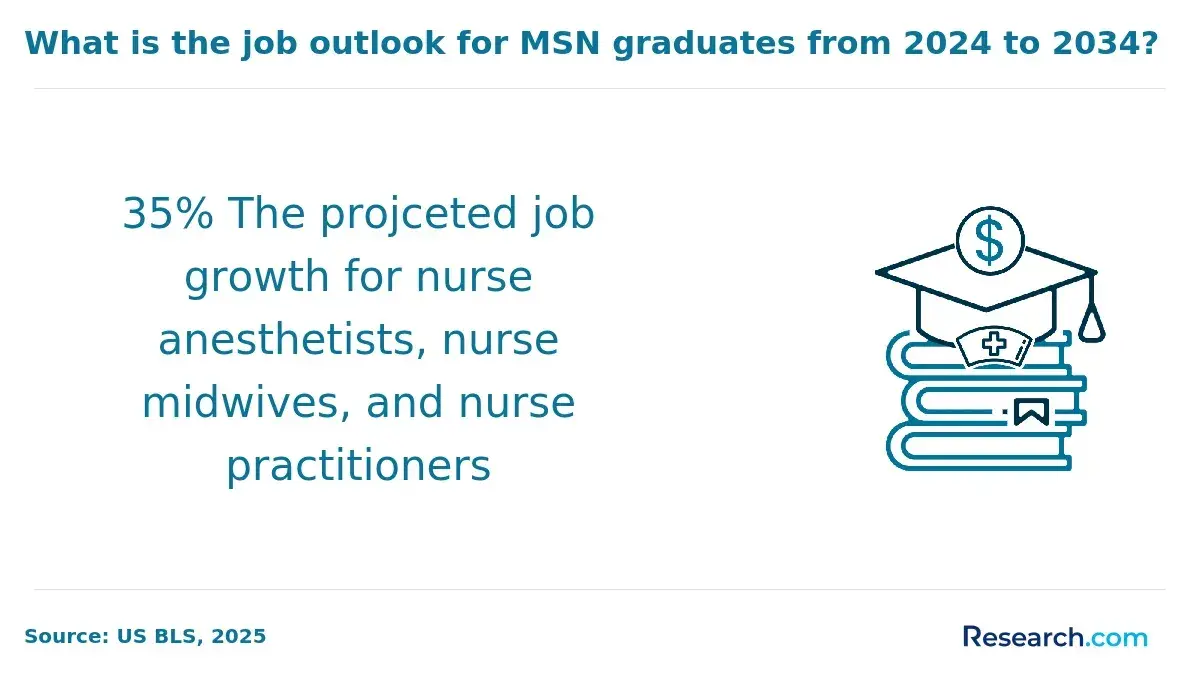
Florida has seen a steady rise in applications to MSN programs, driven by increasing demand for advanced nursing roles like nurse practitioners and educators. This growth suggests expanding opportunities for BSN-prepared nurses aiming to advance their careers through graduate education.
Candidates should be prepared to meet several key admission criteria typically required across Florida's MSN programs to remain competitive and ready for rigorous study. These include the following:
- Educational Prerequisites: Applicants must hold a Bachelor of Science in Nursing (BSN) from an accredited institution, generally maintaining a minimum cumulative GPA around 3. 0, though some programs may impose higher academic standards based on competitiveness.
- Active RN Licensure: A current, unencumbered Registered Nurse (RN) license in Florida is essential, confirming eligibility to practice nursing within the state throughout the program.
- Clinical Experience: Most programs require at least one to two years of professional nursing experience, ensuring candidates have practical skills and readiness for advanced coursework and specialization.
- Standardized Tests: While GRE scores are not universally mandated, certain competitive or specialty-focused tracks may request them to better gauge applicants' academic preparedness.
- Letters of Recommendation: Typically, two to three letters are needed to highlight candidates' professional competence and academic potential from supervisors or faculty.
- Personal Statement or Essay: Applicants should submit a detailed statement outlining their career goals, motivation for further education, and how the MSN degree aligns with their professional development.
- Interviews and Additional Assessments: Some programs may incorporate interviews, writing samples, or situational judgment tests to evaluate communication skills and suitability for advanced nursing roles.
What specializations are available in BSN to MSN programs in Florida?
BSN to MSN programs in Florida offer nurses a broad spectrum of advanced specialization options tailored to evolving healthcare needs. As these programs continue to adapt, they increasingly blend innovative online learning with essential clinical practice to prepare nurses for future challenges.
Below are key specializations that reflect current trends and emerging priorities in the field.
- Nurse Practitioner (NP) Tracks: These popular pathways focus on advanced clinical skills across diverse populations, such as Family, Pediatric, and Psychiatric-Mental Health NPs. The curriculum integrates diagnostic expertise and patient management through both rigorous coursework and extensive hands-on practicum experiences.
- Clinical Nurse Specialist (CNS): CNS programs emphasize leadership in clinical expertise and quality improvement within specialized patient groups or healthcare settings, combining evidence-based practice with consultative roles to improve care outcomes.
- Nurse Educator: Preparing nurses to become educators, these tracks focus on curriculum design, instructional strategies, and academic leadership to foster the next generation of nursing professionals in both educational and clinical environments.
- Nurse Administrator/Leader: This specialization develops skills in organizational leadership, policy development, and financial oversight, positioning nurses for management roles that influence healthcare delivery systems and nursing workforce strategies.
- Emerging and Other Specializations: Responding to technological and societal shifts, programs also feature Nursing Informatics for healthcare technology integration, Public Health Nursing emphasizing population health, and Clinical Research centered on trial management and evidence-based advancements.
What courses are included in a BSN to MSN program in Florida?
Florida BSN to MSN programs typically span 36 to 48 credit hours and can be completed in 18 to 24 months, offering a focused path to advanced nursing roles. These programs balance essential theory with practical skills to prepare nurses for leadership, clinical, and educational positions. The curriculum blends core studies with electives tailored to emerging healthcare demands and specialization trends.
Key courses often include:
- Advanced Pathophysiology: Explores complex disease processes and their impact on patient care, enabling nurses to assess and manage intricate health conditions effectively, a critical skill in advanced nursing practice.
- Advanced Pharmacology: Delivers knowledge of drug mechanisms, interactions, and therapeutic use, equipping nurses to make informed medication decisions across diverse patient populations and settings.
- Health Assessment: Enhances skills in comprehensive physical examination, diagnostic reasoning, and clinical decision-making, essential for accurate patient evaluation and treatment planning.
- Nursing Research: Focuses on evidence-based practices by teaching critical analysis of studies, statistical applications, and research proposal development, fostering improved patient outcomes through research-informed care.
- Leadership and Management: Prepares nurses for administrative roles by developing strategic planning, ethical leadership, and organizational skills necessary for effective healthcare team coordination and policy development.
- Clinical Specialization Electives: Offers advanced expertise in diagnostic techniques and patient management within specific populations, aligning with roles like Nurse Practitioners or clinical specialists.
- Education-Focused Electives: Guides nurses through curriculum design, instructional methods, and student evaluation, preparing them to become effective nurse educators.
- Administrative Electives: Covers healthcare finance, quality improvement, and human resources, tailored to the needs of nursing leadership and healthcare administration.
Choosing the right blend of core and elective courses allows registered nurses to tailor their learning and career trajectory. Considering the best BSN to NP degree program options can illuminate trends in specialization and flexible delivery methods integral to modern FL MSN program curriculum advancements.
How long does it take to complete a BSN to MSN program in Florida?
The average completion time for full-time BSN to MSN students nationally is about two years, a figure that closely mirrors the experience of many learners in Florida. This timeframe supports the diverse needs of working nurses who seek to advance their careers while managing other professional and personal responsibilities.
Below is an overview of typical program durations and key factors influencing how long it takes to finish a BSN to MSN program in Florida.
- Full-time enrollment: Students studying full-time usually complete the program within 18 to 24 months. This option demands a more intensive course load but allows for faster progression toward advanced nursing roles.
- Part-time enrollment: Designed for those balancing work and study, part-time students often take between 2 and 3 years to finish. This extended timeline provides flexibility without compromising the quality of education or clinical experience.
- Specialization choice: Certain nursing specialties require more clinical hours or additional coursework, which can lengthen program duration. For example, fields like nurse anesthesia or nurse practitioner tracks may have more rigorous clinical requirements compared to leadership-focused pathways.
- Clinical requirements: The amount and intensity of clinical practice needed vary by program and specialization, affecting how quickly students can complete necessary hours and competencies.
- Transfer credits: Students who bring graduate-level coursework credits can potentially shorten their time to degree completion. This prior learning recognition reduces redundancy and expedites academic progress.
- Course load per semester: Taking a heavier load of courses can accelerate completion but may necessitate careful time management, especially for practicing nurses balancing clinical hours and work.
How much do BSN to MSN programs cost in Florida?
Tuition for BSN to MSN programs in Florida typically ranges from $12,000 to $25,000 for in-state students, while out-of-state learners may face costs between $30,000 and $45,000. These figures reflect ongoing trends where residency status dramatically influences program affordability.
Exploring the various components of program expenses reveals important considerations for future nursing professionals.
- Tuition Differences: In-state tuition is notably lower due to Florida's state funding policies, making it more accessible for residents. Out-of-state tuition tends to be substantially higher, often nearly double, reflecting the additional costs for non-residents.
- Mandatory Fees: Besides tuition, students should anticipate fees covering technology access, clinical supplies, and course materials. These fees vary by program format and could increase with specialized course requirements.
- Additional Expenses: Books and specialized equipment required for clinical practice generally add $1,000 to $2,000 to the total cost. Online programs may reduce commuting and campus fees but often include technology fees and demand reliable digital access.
- Financial Aid Opportunities: Scholarships, grants, loans, and employer tuition reimbursement programs are common and can greatly reduce out-of-pocket expenses. Flexible payment plans are increasingly offered, helping students manage costs over time.
- Cost Variation by Program Type: Programs focusing on nurse practitioner tracks or nurse educator roles may have different credit loads and associated costs. Online versus campus-based options also influence expenses and potential savings, highlighting the importance of aligning choices with individual career goals and financial situations.
What financial aid options are available to BSN to MSN students in Florida?
Financial support for nurses advancing from BSN to MSN in Florida is evolving, with growing opportunities tailored to meet diverse educational and professional goals. Exploring available options reveals practical and innovative aid sources that can lessen the financial burden while enhancing career prospects.
- Federal Grants and Loans: Completing the FAFSA enables access to Pell Grants and Federal Supplemental Educational Opportunity Grants (FSEOG) that do not require repayment. Federal Direct Loans are also available, often featuring flexible repayment plans suited to healthcare professionals' needs.
- State Grants: Florida offers specialized funding such as the Florida Nurse Scholarship and Nurse Education Scholarship Program, encouraging those who commit to serving in the state's healthcare system after graduation.
- Scholarships: Numerous nursing associations and professional organizations provide scholarships that recognize academic merit, leadership, and dedication to nursing specialties, further supporting students financially during their studies.
- Employer Tuition Assistance: Hospitals and healthcare employers in Florida frequently offer tuition reimbursement or assistance programs, reducing out-of-pocket expenses. These benefits usually require verifying eligibility and service commitments but can be a significant aid.
- Loan Forgiveness Programs Initiatives like the Nurse Corps Loan Repayment Program and Florida State Loan Repayment Program provide partial or full forgiveness in exchange for work in underserved or critical shortage areas, making this option highly attractive.
- Assistantships and Work-Study Opportunities: Some MSN programs offer assistantships or paid clinical roles that provide practical experience alongside stipends or tuition reductions, easing financial pressure while building skills.
With these options, registered nurses seeking financial aid for BSN to MSN programs in Florida can strategically combine resources to achieve their goals. Exploring emerging trends like flexible employer support and innovative scholarship criteria can further enhance access to quality education, including pathways through online FNP programs.
What jobs can BSN to MSN graduates pursue in Florida?
Advancing from a BSN to an MSN in Florida opens doors to diverse nursing careers that shape patient care and healthcare systems alike. Exploring these roles reveals a dynamic future for nurses ready to take on leadership and specialized clinical responsibilities.
Florida BSN to MSN career opportunities include:
- Nurse Practitioner (NP): NPs provide direct patient care in settings like hospitals and clinics, diagnosing and treating acute and chronic conditions. They often focus on specialties such as family health or geriatrics, playing a vital role in increasing access to primary and specialty care. Nurses interested in pediatrics may find value in consulting the ranking of easiest pediatric nurse practitioner online programs when considering their education pathways.
- Clinical Nurse Specialist (CNS): CNSs improve patient outcomes by leading evidence-based practices and mentoring staff, typically within hospital units or specialized care centers. Their role expands beyond direct care into education and system-wide quality improvements.
- Nurse Educator: These professionals shape future nursing generations through curriculum development and clinical instruction in academic and healthcare settings, ensuring a skilled nursing workforce aligned with evolving healthcare needs.
- Nurse Administrator/Leader: Administrators manage nursing operations, policies, staffing, and budgeting within organizations such as hospitals and public health agencies. Their leadership is critical to enhancing care delivery and organizational efficiency.
- Emerging Roles: New career paths like nurse informaticists and nurse health coaches blend technology and patient education to promote better health outcomes. These innovative options reflect the expanding scope and high paying nursing jobs in Florida for BSN to MSN graduates, responding to healthcare's rapid evolution.
What is the average salary of BSN to MSN graduates in Florida?
MSN-prepared nurses in Florida earn an average annual salary between $95,000 and $110,000, reflecting their advanced clinical skills and leadership roles. This salary range offers a compelling incentive for BSN nurses considering further education to expand their career opportunities. Moving into specialized and higher-level positions typically results in noticeable salary improvements.
Here is a breakdown of average salaries by advanced nursing roles and factors influencing earnings:
- Nurse Practitioners: These professionals command about $105,000 per year, benefiting from direct patient care responsibilities and often working with greater autonomy. The demand for nurse practitioners remains strong, particularly in primary and specialty care.
- Clinical Nurse Specialists: Making around $95,000 annually, clinical nurse specialists focus on improving patient outcomes through expert consultation and education within specific clinical settings. Their salaries reflect their specialized knowledge and impact on quality care.
- Nurse Educators: Typically earning between $80,000 and $90,000, nurse educators play a critical role in training the next generation of nurses. With evolving healthcare needs, their importance and compensation may continue to rise.
- Nurse Administrators/Leaders: Often earning from $100,000 to $115,000, these roles encompass management and operational duties. As healthcare systems grow more complex, leadership expertise is increasingly valued and rewarded.
- Factors Affecting Salary: Location within Florida significantly affects earnings, with urban centers like Miami and Orlando offering higher pay than rural areas. Experience, certifications, and specialization in fields such as family practice or psychiatric nursing further boost compensation.
- Salary Growth Over Time: Nurses with an MSN can expect salaries to increase as they gain clinical experience and assume leadership roles. Pursuing additional certifications, doctoral education, or expertise in emerging specialties may lead to greater financial rewards and career advancement in the evolving healthcare landscape.
What Graduates of BSN to MSN Programs in Florida Say About Their Degree
- Completing my BSN to MSN program online while living in Florida allowed me to balance work and study seamlessly. The flexibility to learn from home meant I could maintain my full-time job and still advance my education. Now, as a school nurse at Coral Springs Elementary, I'm able to directly impact children's health and well-being daily. The program's focus on community health really prepared me to address the unique needs of Florida's diverse student population. This journey has truly made me more confident and fulfilled in my career. Jewel
- Enrolling in the hybrid BSN to MSN program in Florida was a turning point in my nursing career. The on-campus sessions provided valuable hands-on experiences, while the online components gave me the flexibility I needed. Since graduating, my role as an MSN-prepared registered nurse at Tampa General Hospital has expanded significantly, allowing me to take on leadership responsibilities and improve patient care protocols. The program's alignment with Florida's healthcare standards made the transition into advanced nursing roles smoother than I expected. I'm proud to contribute to the state's healthcare system with new expertise and confidence. Franlyn
- The on-campus BSN to MSN program I completed in Florida sparked a deep sense of personal and professional growth. Studying in-person at the University of Florida facilitated rich discussions about local healthcare challenges and solutions. After graduation, I started working at Miami Lakes Community School, where I'm passionate about promoting wellness initiatives among young students. The experience taught me how to integrate Florida's cultural diversity into effective health strategies and made me aware of my calling to serve my community on a broader scale. This program didn't just give me a degree; it gave me purpose. Cielo
Related Articles for Nearby States
- 2027 Best BSN to DNP Programs in Georgia: Online & Campus
- 2027 Best BSN to DNP Programs in Alabama: Online & Campus
- 2027 Best BSN to DNP Programs in South Carolina: Online & Campus
- 2027 Best BSN to DNP Programs in Mississippi: Online & Campus
- 2027 Best BSN to DNP Programs in Tennessee: Online & Campus
- 2027 Best BSN to DNP Programs in North Carolina: Online & Campus
- 2027 Best BSN to DNP Programs in Louisiana: Online & Campus
- 2027 Best BSN to DNP Programs in Kentucky: Online & Campus
- 2027 Best BSN to DNP Programs in Arkansas: Online & Campus
- 2027 Best BSN to DNP Programs in Virginia: Online & Campus
References:
- What to Expect in Online Nursing School: A Guide | WCU https://westcoastuniversity.edu/blog/what-to-expect-in-online-nursing-school
- MSN Programs in Florida | EveryNurse.org https://everynurse.org/msn-degree/florida/
- BSN to MSN: Everything You Need To Know https://www.usa.edu/blog/bsn-to-msn/
- Salary in Florida - FL for MSN-Educated Nurse Practitioners and More https://www.msnedu.org/florida/florida-salary/
- Most Affordable Online NP Programs (2026): Comprehensive https://www.npschools.com/rankings/all-affordable-online-np-programs
- Nurse Salary https://nursinglicensemap.com/resources/nurse-salary/
- Florida BSN to MSN Programs Guide https://nursingdegreeguide.com/program-directory/bsn-to-msn/florida/
- Top BSN to MSN Programs in Florida https://www.best-bsn-to-msn.com/in/florida/
- BSN to MSN Move: Is It Worth It? | Nurse.com School Directory https://www.nurse.com/schools/msn-degree/moving-from-bsn-to-msn-worth-it/
Other Things You Should Know About the Best BSN to MSN Programs in Florida
In Florida, most BSN to MSN programs are designed to be completed in approximately 1.5 to 3 years, depending on whether students attend full-time or part-time. The duration can also vary based on specific program structures and specializations.
BSN to MSN programs in Florida can be worth pursuing in 2027 for nurses seeking advanced roles and opportunities in leadership or specialized fields. These programs increase earning potential and offer diverse career paths by preparing nurses for roles as nurse practitioners, educators, or administrators.
Yes, a BSN to MSN is worth it in Florida for nurses aiming to advance their careers. The state offers diverse MSN programs that prepare graduates for leadership, education, and specialized clinical roles. Florida's growing healthcare industry increases demand for advanced practice nurses, improving job prospects and salary potential. Additionally, many programs offer flexible online and campus options tailored to working professionals.
Graduates benefit from enhanced skills, greater professional autonomy, and eligibility for certifications such as nurse practitioner or nurse educator. Investing in a BSN to MSN can yield long-term career growth and contribute positively to patient care quality in Florida's dynamic healthcare environment.


