
2027 Best BSN to MSN Programs in Missouri: Online & Campus

Co-Founder and Chief Data Scientist
Many registered nurses with a BSN in Missouri face challenges selecting the ideal MSN program to advance their careers amid numerous options. In Missouri, the demand for advanced practice nurses is expected to grow by 15% over the next decade, highlighting the importance of specialized education.
This article, crafted by career planning experts, evaluates the best online and campus-based BSN to MSN programs available in Missouri. It offers practical guidance to help nurses make informed decisions, balancing flexibility, quality, and career goals.
Key Benefits of BSN to MSN Programs in Missouri
- Flexible scheduling of online BSN to MSN programs allows working RNs in Missouri to balance career and study, essential as 60% of nurses here work full-time.
- On-campus programs foster hands-on clinical experiences and networking, crucial for advancing into leadership roles in Missouri's growing healthcare sector.
- Both formats align with Missouri's high demand for MSN-prepared nurses, projected to grow 15% by 2030, accelerating career mobility and salary potential.
- What is a BSN to MSN program in Missouri?
- How do campus-based programs compare to online BSN to MSN programs?
- What are the admission requirements for BSN to MSN programs in Missouri?
- What specializations are available in BSN to MSN programs in Missouri?
- What courses are included in a BSN to MSN program in Missouri?
- How long does it take to complete a BSN to MSN program in Missouri?
- How much do BSN to MSN programs cost in Missouri?
- What financial aid options are available to BSN to MSN students in Missouri?
- What jobs can BSN to MSN graduates pursue in Missouri?
- What is the average salary of BSN to MSN graduates in Missouri?
What is a BSN to MSN program in Missouri?
A BSN to MSN pathway in Missouri offers registered nurses a targeted route to advance their education and clinical expertise beyond the foundational BSN degree. These programs build directly on your prior knowledge, blending graduate-level coursework with hands-on clinical training to prepare you for roles requiring deeper specialization or leadership within healthcare. Many nurses choose this route to move into advanced practice, nursing education, or administrative careers that demand an MSN credential.
The flexibility of online and campus options within Missouri's best BSN to MSN bridge programs in Missouri allows working nurses to balance continuing education with professional responsibilities. The structure of these advanced nursing degree programs equips you to pursue diverse career outcomes, including becoming an advanced practice registered nurse (APRN), healthcare leader, or clinical specialist. With Missouri's evolving healthcare needs, roles such as nurse practitioner or nurse anesthetist are in demand, and programs tailor their curriculum to meet these specialties.
For example, exploring the psychiatric nurse practitioner career path highlights a promising avenue for MSN graduates seeking to impact mental health services. These programs cultivate skills in patient care, leadership, and education, positioning you to make significant contributions across healthcare settings in Missouri.
How do campus-based programs compare to online BSN to MSN programs?
Enrollment in online nursing graduate programs has surged by more than 40% over the past five years, reflecting a clear trend toward flexible learning among working professionals. This shift invites a deeper look into campus vs online BSN to MSN programs Missouri to understand which format best suits individual goals and lifestyles.
Both pathways offer unique advantages and challenges to registered nurses poised to advance their careers.
- Learning Format and Structure: Campus programs provide face-to-face lectures and hands-on campus activities fostering immediate interaction, while online BSN to MSN program format comparisons highlight asynchronous coursework that allows nurses to study on their own schedules from any location.
- Schedule Flexibility: On-campus students follow fixed class times with commuting obligations, limiting flexibility. Online learners benefit from greater control, accessing content anytime, ideal for those balancing work and family commitments.
- Clinical and Practicum Experiences: Campus-based programs coordinate clinical work locally with frequent faculty oversight. Online programs arrange clinical placements near students' homes paired with virtual or occasional in-person supervision, maintaining essential hands-on training.
- Faculty Interaction and Peer Collaboration: In-person settings foster real-time engagement and peer networking. Online students connect through digital platforms such as video calls and discussion boards, requiring self-motivation to sustain academic relationships.
- Technology Requirements and Learning Tools: Campus learners use traditional classroom resources, while online students rely heavily on learning management systems and multimedia tools, demanding comfort with technology.
- Cost Considerations: Online programs often reduce commuting, housing, and some campus fees but vary in tuition. Campus programs might offer scholarships tied to residency and on-campus participation, necessitating a thorough evaluation of total costs including technology and clinical fees.
- Ideal Student Profiles: Structured learners who value direct mentorship and immersive environments may thrive on-campus. Those who prioritize flexibility and geographic independence, while comfortably managing self-directed learning, often prefer online study.
As you weigh options, remember the evolving landscape also affects career pathways-whether you aspire to advanced roles like a psychiatric nurse practitioner or other specialties, aligning the program format with your life demands and learning style is key.
What are the admission requirements for BSN to MSN programs in Missouri?
Missouri has experienced steady growth in MSN enrollments, reflecting the rising demand for nurse practitioners and clinical nurse specialists, projected to grow faster than average through 2030. This trend signals increasing opportunities for advanced nursing roles in the state's evolving healthcare system. To prepare for this challenging yet rewarding path, understanding BSN to MSN program requirements is essential.
Successful applicants typically need to meet several key criteria before advancing in their nursing careers:
- Educational Prerequisites: A Bachelor of Science in Nursing (BSN) from an accredited institution is required, usually with a minimum cumulative GPA around 3.0, though some programs may have higher standards.
- Licensure: An active registered nurse (RN) license valid in Missouri is mandatory to ensure readiness for graduate-level responsibilities.
- Work Experience: Most programs expect at least one year of clinical experience as an RN in a healthcare setting, which demonstrates practical expertise and professional maturity.
- Standardized Tests: The GRE is not universally required but may be requested for competitive tracks or specialized concentrations.
- Letters of Recommendation: Typically, two to three references from academic or professional sources help validate your qualifications and commitment.
- Personal Statement or Essay: A compelling essay outlining your goals, motivations, and fit for the program plays a central role in your application.
- Interviews or Additional Assessments: Some programs include interviews or evaluations to assess communication skills and professional demeanor.
What specializations are available in BSN to MSN programs in Missouri?
When advancing your nursing career through a BSN to MSN program in Missouri, selecting the right specialization is crucial for aligning your passions and professional goals. Missouri programs offer a diverse range of focused tracks designed to deepen expertise and leadership in your chosen area.
Consider these popular specializations:
- Nurse Practitioner Tracks: These are designed to sharpen your diagnostic and treatment skills across lifespan care. Options include Family Nurse Practitioner, Adult-Gerontology, Pediatric, and Psychiatric-Mental Health, preparing you to provide primary and specialty healthcare services.
- Clinical Nurse Specialist (CNS): This track enhances your ability to improve patient outcomes through advanced clinical practice and consultation. It focuses on complex patient management, quality improvement, and system-level healthcare changes.
- Nurse Educator: Tailored for those passionate about teaching, this specialization teaches curriculum development and educational theory. You'll gain the tools to inspire and train future nurses effectively in academic or clinical environments.
- Nurse Administrator/Leader: Concentrating on healthcare management, this track prepares you for leadership roles. Coursework covers finance, organizational behavior, strategic planning, and policy, equipping you to drive improvements in healthcare delivery.
- Emerging Specializations: These include cutting-edge areas such as Health Informatics, Evidence-Based Healthcare, Public Health Nursing, and Population Health. They blend technology, research, and community health strategies to impact broader healthcare outcomes.
I spoke with a nurse who graduated from a Missouri BSN to MSN program about her specialization choice. She explained how balancing family life with the intensive clinical hours in her Nurse Practitioner track was both challenging and rewarding. Her program's flexible online components allowed her to manage coursework during unpredictable shifts, while mentorship from experienced faculty helped her gain confidence in applying complex clinical skills. Reflecting back, she found the process demanding but deeply fulfilling, knowing each step was preparing her to meet the evolving needs of her patients with greater expertise and compassion.
What courses are included in a BSN to MSN program in Missouri?
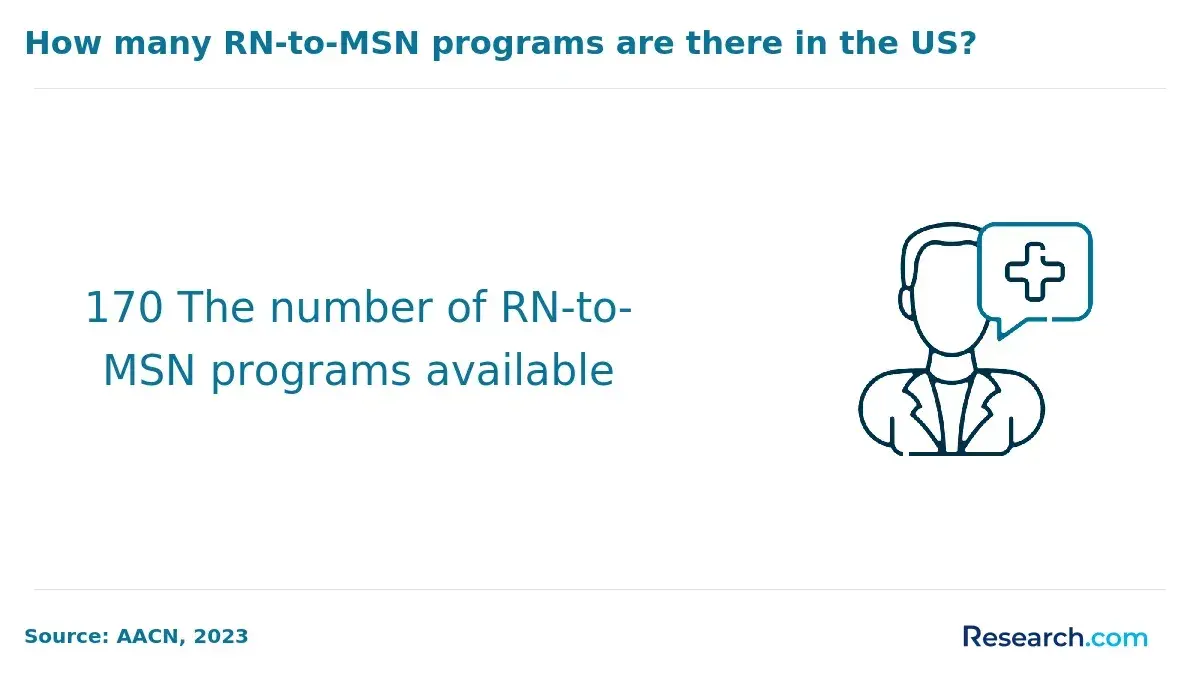
Most BSN to MSN nursing courses in Missouri require between 30 to 45 credit hours and can be completed in 18 to 36 months, depending on the student's pace. This timeline offers flexibility for working nurses aiming to advance their careers without pausing their professional lives.
To understand what knowledge you'll gain, consider the essential courses that shape your advanced practice skills and leadership abilities.
- Advanced Pathophysiology: This course deepens your understanding of complex disease processes and how they affect the human body, equipping you to accurately assess and respond to challenging clinical conditions.
- Advanced Pharmacology: Focused on pharmacodynamics and pharmacokinetics, it prepares you to safely manage medications across diverse patient populations, an essential skill in advanced nursing practice.
- Advanced Health Assessment: You'll learn comprehensive physical and psychosocial evaluation techniques, improving your diagnostic precision and patient care planning.
- Nursing Research and Evidence-Based Practice: This course helps you critically analyze current research and apply evidence-based interventions, enhancing the quality of care and patient outcomes.
- Leadership and Management in Nursing: Covering healthcare leadership theories and practical administration strategies, this course prepares you to advocate for policy changes and lead teams effectively.
Electives build on these foundations, letting you tailor your program toward clinical, educational, or administrative roles. Typical options include:
- Advanced Clinical Practice: Sharpen your diagnostic and patient management skills within specialized care settings to become a skilled advanced practice nurse.
- Health Care Informatics: Learn to leverage technology and data systems to improve healthcare delivery and patient safety, a growing area within modern nursing.
- Teaching and Curriculum Development: Designed for future nurse educators, this course covers adult learning theories and techniques for creating effective nursing curricula.
- Policy and Advocacy: Gain the knowledge to influence healthcare regulations, enhance ethical standards, and lead advocacy efforts within the health system.
These courses together prepare you not just for advanced clinical roles but also to become a leader and innovator in Missouri's healthcare landscape. For those exploring different pathways, including clinical specialties, investigating the cheapest online acute care nurse practitioner programs can offer valuable options to advance your education affordably and effectively.
How long does it take to complete a BSN to MSN program in Missouri?
On average, registered nurses pursuing a BSN to MSN program in Missouri complete their degrees within 2 to 3 years, depending on various personal and academic factors. This timeframe balances advancing expertise with maintaining professional and personal responsibilities, setting the stage for meaningful growth in nursing careers.
Below are key points to consider regarding the length of these programs and what affects completion time:
- Full-time enrollment: Most full-time students finish the program in about 18 to 24 months, benefiting from intensive coursework and a steady, focused approach without extended breaks.
- Part-time enrollment: Balancing work and study commitments, part-time students often take up to 3 years to complete their MSN due to a lighter course load each semester and the need to accommodate other responsibilities.
- Specialization choice: The selected nurse specialty significantly affects duration; for instance, advanced practice tracks like nurse practitioner or nurse anesthetist pathways include additional clinical hours and practicum experiences, which may lengthen the program.
- Transfer credits: Some institutions accept transfer credits from graduate-level courses completed previously, allowing students to bypass certain requirements and shorten overall time to graduation.
- Course load flexibility: Programs offering flexibility enable students to take fewer classes per semester, which helps manage work-life balance but naturally extends the time spent in the program.
These factors, combined with individual pacing and the availability of clinical placements, create a personalized timeline unique to each student's journey toward advanced nursing roles.
Reflecting on a graduate's experience, he shared that completing his BSN to MSN while working full-time as a registered nurse was a demanding yet rewarding path. Juggling night shifts with study sessions required meticulous time management and resilience, especially when preparing for clinical practicums that tested both knowledge and stamina. The unpredictable nature of healthcare sometimes meant rearranging courses or clinical hours, but each challenge strengthened his commitment.
He recalled moments of doubt when exhaustion hit, yet the support from peers and mentors, along with a clear vision of advancing his nursing impact, fueled his perseverance. Ultimately, the journey shaped not only his expertise but also his confidence in navigating complex healthcare environments with an advanced degree earned through dedication and adaptive effort.
How much do BSN to MSN programs cost in Missouri?
Graduate nursing education costs in Missouri typically range broadly, with in-state tuition for BSN to MSN programs averaging between $12,000 and $25,000 for the full degree. Out-of-state students often face higher tuition, usually between $20,000 and $40,000, reflecting residency differences and program choices.
Here's a breakdown of key cost factors you should consider when evaluating your options:
- Tuition (In-State vs. Out-of-State): In-state students benefit from significantly lower tuition, often saving thousands compared to out-of-state peers. Keep in mind that out-of-state rates can nearly double the cost, so residency status plays a major role in overall affordability, especially for BSN to FNP students completing extensive clinical training.
- Additional Fees: Beyond tuition, expect charges for technology use, clinical supplies, lab fees, and textbooks. These can add several thousand dollars to your budget, so factor them in early to avoid surprises.
- Course Delivery Format: Online MSN programs usually offer lower per-credit fees and reduce costs related to commuting and housing. Campus-based programs often have higher tuition but provide more direct access to clinical resources and networking opportunities.
- Financial Aid Options: Don't overlook federal loans, scholarships, employer tuition assistance, and state grants. Exploring these aid sources can substantially reduce your out-of-pocket expenses and make your degree more attainable.
- Indirect Costs: Clinical placements may require transportation and time commitments that carry their own costs. Planning ahead for these expenses helps balance your schedule and finances effectively.
What financial aid options are available to BSN to MSN students in Missouri?
Financing your MSN education in Missouri involves exploring diverse financial aid avenues that can ease the journey toward advanced nursing roles. To make the most of these opportunities, here are several key options to consider as a BSN to MSN student.
- Federal Grants and Scholarships: Although limited direct federal grants exist for graduate nursing students, options like the Federal Pell Grant may be available if you qualify. The Health Resources and Services Administration (HRSA) also offers specialized scholarships such as the Nurse Corps Scholarship Program, rewarding service commitments in high-need areas.
- State Grants and Scholarships: Missouri provides targeted scholarships through the Department of Higher Education & Workforce Development and nursing associations. Programs like the Missouri State Scholars and local healthcare organizations also support nurses advancing their education within the state, adding valuable financial aid for BSN to MSN students in Missouri.
- Employer Tuition Assistance: Many Missouri healthcare employers offer tuition reimbursement or assistance plans. These often require maintaining employment or tenure but can significantly reduce out-of-pocket costs for continuing your education in an accredited BSN to MSN program.
- Student Loans: Federal student loans such as Direct Unsubsidized Loans and Grad PLUS Loans remain a reliable source, offering competitive interest rates and flexible repayment options suited to nursing students.
- Loan Forgiveness Programs: Programs like the National Health Service Corps Loan Repayment and Missouri Primary Care Loan Repayment encourage service in underserved areas by forgiving portions of student debt, easing financial burdens for nurses in advanced roles.
- Assistantships and Work-Study Opportunities: While less common at the graduate nursing level, some Missouri universities provide assistantships or work-study roles. These positions offer tuition waivers or stipends and may involve assisting faculty with clinical or research projects.
Exploring a combination of these options can be crucial when comparing the best online nurse practitioner program pathways or on-campus alternatives tailored to your career goals.
What jobs can BSN to MSN graduates pursue in Missouri?
Graduates who pursue BSN to MSN nursing careers in Missouri unlock a broad range of advanced roles that not only deepen clinical expertise but also expand leadership potential. These opportunities allow nurses to advance patient care while contributing to the healthcare system in meaningful ways.
Here are some promising career paths for Missouri MSN graduates to consider:
- Nurse Practitioner (NP): NPs diagnose and manage both acute and chronic conditions, providing primary and specialized care. They typically work in outpatient clinics, hospitals, or community health centers, collaborating closely with healthcare teams to deliver patient-centered services.
- Clinical Nurse Specialist (CNS): Focused on improving patient outcomes, CNS professionals offer expert consultation, lead quality assurance efforts, and promote evidence-based practices. They are often found in hospital units and specialty clinics, driving clinical improvements and staff education.
- Nurse Educator: These educators shape the future of nursing by teaching students and providing continuing education to practicing nurses. Their roles are commonly based in academic institutions, community colleges, or healthcare organizations where they develop curriculum and lead clinical learning experiences.
- Nurse Administrator or Nurse Leader: These leaders manage nursing teams, coordinate patient care services, and oversee budgets and policies. They work within hospital administration, healthcare systems, or long-term care facilities to ensure efficient, compliant, and high-quality care delivery.
- Emerging Roles: Newer positions include nurse informaticists who blend nursing science with technology to optimize healthcare data, and nurse researchers who advance nursing knowledge through academic and clinical studies. These roles may be housed in research centers, technology firms, or public health organizations.
If you're exploring the best BSN to MSN programs in Missouri, also consider programs that offer specialization options aligning with these career paths. Many nurses benefit from enrolling in an affordable online RN to FNP degree program as a practical way to advance into the nurse practitioner role with flexibility suited to working professionals.
What is the average salary of BSN to MSN graduates in Missouri?
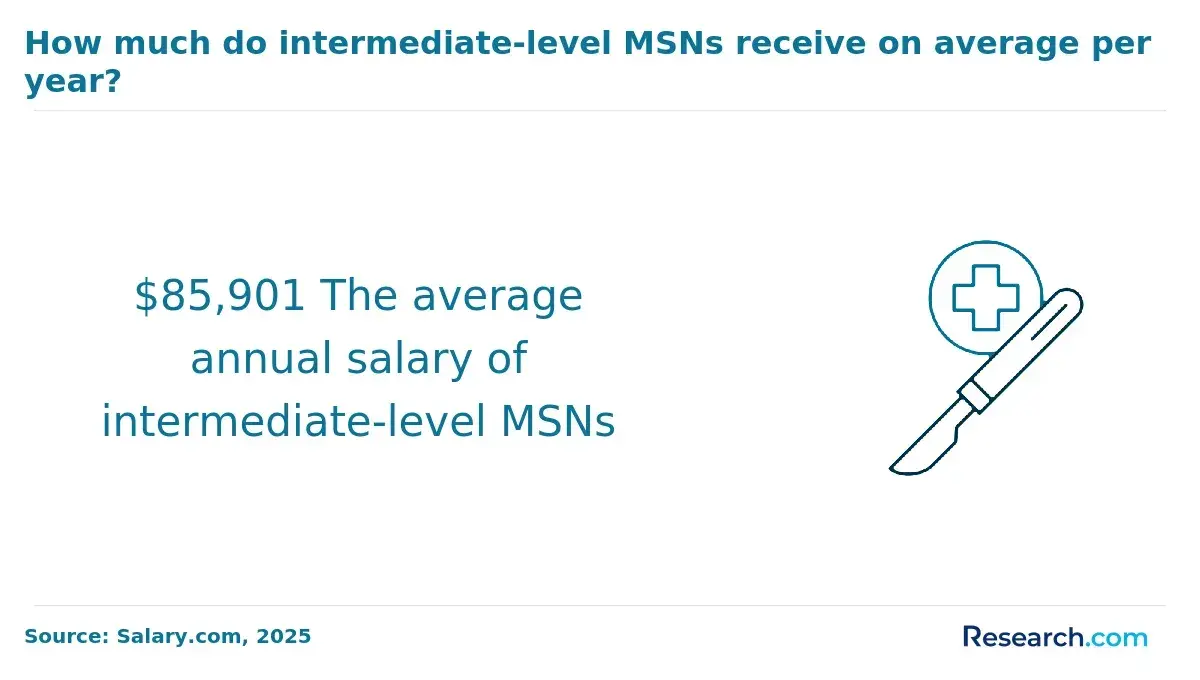
Registered nurses in Missouri with a Master of Science in Nursing (MSN) typically earn an average annual salary of around $90,000. This represents a significant boost compared to many BSN-level roles, reflecting the advanced skills and responsibilities MSN-prepared nurses take on.
Let's explore how these salaries vary by role and what factors influence earning potential in this rewarding career path.
- Nurse Practitioners: Often at the top of the pay scale, nurse practitioners in Missouri earn between $95,000 and $110,000 annually. Their high earning potential reflects their critical clinical responsibilities and demand in the healthcare system.
- Clinical Nurse Specialists: These specialized nurses generally make between $85,000 and $100,000 per year, depending on their area of expertise. Their role in improving patient care through focused knowledge contributes to their competitive salaries.
- Nurse Educators: Typically earning $75,000 to $90,000 annually, nurse educators' salaries vary by academic setting and experience level. Their contribution to training future nurses makes this a highly valued role despite the relatively lower salary range.
- Nurse Administrators/Leaders: With earnings from $80,000 to $105,000, these professionals manage teams and operations, which demands both clinical insight and leadership skills, justifying their mid-to-high salary bracket.
- Experience: As you grow in your MSN role, your salary often increases steadily. Nurses with several years of advanced practice experience tend to command higher pay, rewarding their expertise and proven competencies.
- Location: Urban centers like St. Louis and Kansas City usually offer better salaries due to higher demand and cost of living. Choosing the right location can be a strategic move for maximizing your salary growth.
- Specialization: Focusing on high-demand areas such as family practice, psychiatric-mental health, or acute care can significantly enhance your earning power. Targeting these specialties aligns your skills with market needs.
- Salary Growth Over Time: With continued education, certifications, and leadership opportunities, MSN-prepared nurses in Missouri can expect ongoing salary increases. Investing in your advancement opens doors to both higher pay and greater professional fulfillment.
What Graduates of BSN to MSN Programs in Missouri Say About Their Degree
- Completing the hybrid BSN to MSN program in Missouri opened doors I hadn't imagined before. The flexibility of online coursework allowed me to continue working while advancing my education, and now I've started a rewarding job at Lincoln Elementary School where I get to make a difference every day. Being able to blend clinical expertise with leadership skills prepared me well for the unique challenges our local schools face, especially in fostering health education and wellness in children from diverse backgrounds. This journey has truly deepened my passion for supporting young minds and building a healthier community. Carine
- Transitioning to an MSN-prepared registered nurse through the on-campus program enriched my professional outlook and sharpened my clinical decision-making skills. After graduation, I secured a role at Jefferson Middle School, where I apply evidence-based practices and take pride in mentoring new nurses in the district. Missouri's healthcare environment, with its emphasis on rural and urban healthcare accessibility, challenged me to think critically about resource allocation and patient education. This program was a pivotal step in elevating my career and expanding my impact on patient care. Hayes
- The personal growth I experienced while pursuing my online BSN to MSN program in Missouri was profound. Studying at my own pace, I balanced family obligations and coursework, which made the achievement even more meaningful. Now working at Crestwood High School, I feel empowered to advocate for better mental health resources for students, drawing on both the academic foundation and community insights I gained through the program. Missouri's strong network of healthcare professionals and educators provided invaluable support throughout my journey. Mireya
Related Articles for Nearby States
- 2027 Best BSN to MSN Programs in Kansas: Online & Campus
- 2027 Best BSN to MSN Programs in Iowa: Online & Campus
- 2027 Best BSN to MSN Programs in Nebraska: Online & Campus
- 2027 Best BSN to MSN Programs in Arkansas: Online & Campus
- 2027 Best BSN to MSN Programs in Oklahoma: Online & Campus
- 2027 Best BSN to MSN Programs in Illinois: Online & Campus
- 2027 Best BSN to MSN Programs in Kentucky: Online & Campus
- 2027 Best BSN to MSN Programs in Tennessee: Online & Campus
- 2027 Best BSN to MSN Programs in Indiana: Online & Campus
- 2027 Best BSN to MSN Programs in South Dakota: Online & Campus
References:
- Nursing, M. S. (Nurse Practitioner) https://www.slu.edu/nursing/degrees/graduate/nursing-nurse-practitioner-ms.php
- MSN Programs in Missouri - Nurse Executive Prep https://nurseexecutiveprep.com/msn-programs-in-missouri/
- BSN to MSN Move: Is It Worth It? | Nurse. com School Directory https://www.nurse.com/schools/msn-degree/moving-from-bsn-to-msn-worth-it/
- Average Registered Nurse Salary in Missouri https://www.incrediblehealth.com/salaries/rn/mo
- Master of Science in Nursing https://sonhs.umkc.edu/academics/master-of-science-in-nursing.html
- Types of Aid | SoutheastHEALTH College of Nursing & Health Sciences https://www.sehcollege.edu/admissions/financial-aid/types-of-aid/
- Earn a Master of Science in Nursing at Mizzou Nursing School https://nursing.missouri.edu/academic-programs/master-of-science-nursing/
- Salary in Missouri - MO for MSN-Educated Nurse Practitioners and More https://www.msnedu.org/missouri/missouri-salary/
- MSN - Nurse Educator https://online.mobap.edu/msn-nurse-ed/
- Nurse Salary https://nursinglicensemap.com/resources/nurse-salary/
Other Things You Need to Know About BSN to MSN Programs in Missouri
The top BSN to MSN programs in Missouri for 2027 include the University of Missouri-Columbia, Maryville University, and Saint Louis University. These programs offer diverse specializations, flexible learning options, and are known for their comprehensive curriculum and strong clinical partnerships.
An MSN in Missouri allows nurses to pursue advanced clinical roles and leadership positions that a BSN cannot offer. While a BSN prepares nurses for general nursing practice, an MSN provides specialized knowledge in areas such as nurse practitioner, nurse educator, or nurse administrator roles. MSN graduates can perform advanced assessments, diagnose illnesses, and prescribe treatments, which are beyond the scope of a BSN. Moreover, an MSN credential is often required for management roles and teaching positions in nursing schools. It also enhances opportunities for higher salaries, research involvement, and policy development within healthcare settings.
The hardest part of an MSN program in Missouri is managing the rigorous academic workload alongside clinical requirements. Students often find balancing coursework, clinical hours, and professional responsibilities challenging. Time management becomes essential as MSN programs demand critical thinking and advanced nursing skills development. Clinical placements can be particularly difficult due to limited availability and the need to meet specific hours. Additionally, mastering specialized subjects such as pathophysiology, pharmacology, and healthcare policy requires strong dedication. However, these challenges prepare students for the advanced roles they seek in nursing practice and leadership.


