
2027 Credit Requirements for a Geoscience Degree Explained

Co-Founder and Chief Data Scientist
Many students aiming for a geoscience degree struggle to understand the specific credit requirements needed to graduate on time. This confusion can delay entry into a field where job growth is projected at 5% through 2030, according to the U. S. Bureau of Labor Statistics. Geoscience roles in environmental consulting and energy sectors demand efficient academic planning to meet both core and elective credits.
This article clarifies credit criteria, transfer policies, and course sequencing to help students navigate their degree path effectively and enter the geoscience workforce with confidence.
Key Things to Know About Credit Requirements for Geoscience Degrees
- Total credit requirements for geoscience degrees typically align with a four-year program, balancing core science courses and practical fieldwork components essential for industry readiness.
- Transfer credits or recognized prior learning can significantly reduce coursework, allowing students to focus on advanced topics and potentially shorten their degree completion time.
- Credit structures influence academic progression, affecting tuition costs and graduation timelines; efficient credit planning supports timely entry into the geoscience workforce, where demand grows steadily.
How Many Credits Are Required for a Geoscience Degree?
Carefully planning credit accumulation is essential for managing the duration and successful completion of a geoscience degree. Knowing credit hour requirements for geoscience degree programs helps students schedule their coursework strategically and understand how long it may take to graduate. Below is an overview of typical credit ranges by degree level.
- Undergraduate (Bachelor's) degree: Typically requires approximately 120 to 130 credit hours. These credits include general education courses covering subjects like mathematics, chemistry, and physics, along with foundational and upper-level geoscience major classes. This total reflects the standard geoscience degree credits needed for graduation at the undergraduate level.
- Graduate (Master's) degree: Usually consists of about 30 to 40 credit hours focusing on advanced geoscience studies. These credits often combine coursework, research projects, and thesis requirements to deepen specialized knowledge in the field.
- Doctoral degree: Demands a more flexible credit range centered on original research and dissertation work rather than structured classes. This level emphasizes independent investigation beyond formal coursework.
For students seeking to explore related fields online, some may also consider programs like an AI degree online to complement their geoscience expertise or expand their career options.
How Many Core and Elective Credits Are Required for a Geoscience Degree?
Balancing core credit requirements and electives in a geoscience degree is crucial for efficient academic planning and aligning studies with career goals. This balance also affects how well students adapt to evolving industry demands, with data showing that tailored coursework can significantly enhance job prospects.
Below is an overview of credit distribution typical in geoscience programs that helps clarify what students can expect in terms of core versus elective course commitments.
- Core courses: Typically, students complete between 60 and 80 credit hours of core credit requirements for geoscience degree programs. These courses cover foundational subjects such as mineralogy, sedimentology, structural geology, and geophysics, providing essential scientific knowledge and practical skills needed for technical roles in Earth sciences.
- Electives: Electives usually account for about 30 to 50 credit hours. These offer opportunities to explore complementary fields like environmental science, GIS (geographic information systems), or oceanography. Selecting electives aligned with current industry trends can enhance versatility and employability in areas like energy, environmental consulting, and hazard assessment.
Students aiming to accelerate their education or specialize further might explore options similar to a fast track social work degree online approach, where strategic course selection and planning are key to efficient degree completion.
Do Online Geoscience Programs Require the Same Number of Credits?
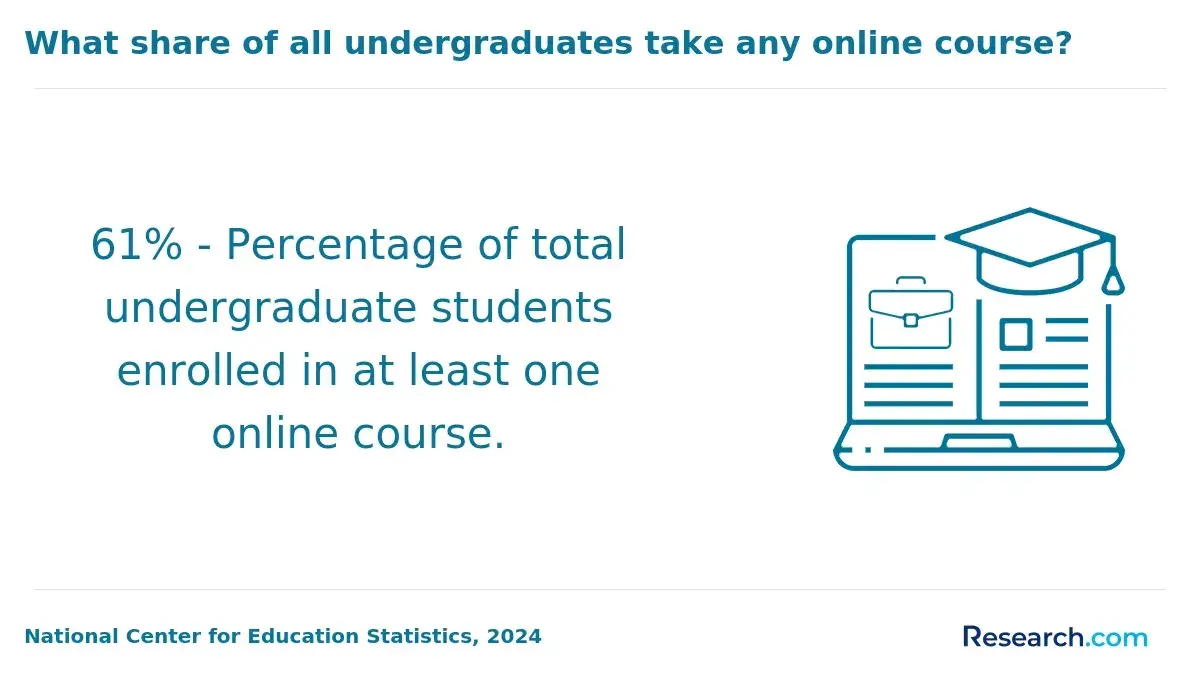
Being aware of credit requirements in both online and on-campus geoscience programs is crucial for effective academic planning and accurate program comparison. This knowledge helps students estimate their workload and timeline to degree completion more realistically. Notably, online STEM fields, including geoscience, have experienced enrollment growth exceeding 10% annually, signaling increasing acceptance of remote education in scientific disciplines.
Several factors merit consideration regarding online geoscience credit requirements:
- Typical Credit Load: Online bachelor's degree programs in geoscience usually require between 120 and 130 semester credits, mirroring traditional campus degrees to ensure comparable academic standards and professional preparation.
- Course Structure and Pacing: Online offerings often provide flexible scheduling options, including self-paced study, but may also feature synchronous labs or fieldwork sessions that impact planning and time management.
- Credit Transfer Policies: Acceptance of transfer credits can vary and significantly influence the total credits needed to graduate, affecting both duration and cost of the program.
- Graduation Timeline Alignment: Credit accumulation in online formats generally aligns with standard timelines; however, pacing options allow some students to accelerate or extend their studies to fit personal circumstances.
- Balance of Theory and Practice: Online geoscience programs must carefully integrate theoretical coursework with hands-on components like labs or fieldwork, which can influence credit distribution and course sequencing.
One graduate of an online geoscience degree shared his experience after I asked for his impressions on whether online programs require the same number of credits. He emphasized that while the credit requirements matched those of on-campus students, the flexibility of online study was a "huge advantage" during a busy period in his life. Tackling complex subjects remotely demanded strong discipline, especially when managing occasional live labs on weekends.
He found that completing all credits online allowed him to balance work, family, and education without compromising the depth or quality of his learning. His story highlights that fulfilling credit requirements online is feasible and often more adaptable to individual circumstances.
How Many Credits Are Required in Accelerated Geoscience Programs?
Knowing the credit requirements of accelerated geoscience programs is crucial for students who want to finish their degrees quicker while maintaining academic quality. Clear insight into these requirements supports effective planning and realistic goal-setting.
Below are key points to consider about credits in accelerated geoscience studies:
- Credit Loads for Accelerated Programs: Undergraduate accelerated tracks usually demand between 120 and 130 credits, aligning with traditional programs but completed in a shorter timeframe. Graduate accelerated paths typically require 30 to 45 credits, depending on the specialty and depth of study.
- Structure of Credits: Credits are divided between essential core courses and electives. Accelerated formats often prioritize core coursework to ensure foundational knowledge, which can limit the availability of elective options compared to standard pacing.
- Effect of Fast-Paced Curriculum: Shortened program timelines mean students handle more coursework simultaneously each term. This intensified pace requires strong organization and time management to successfully manage heavier academic loads.
- Use of Transfer Credits: Many accelerated programs allow acceptance of transfer credits, which can reduce the total credits needed to graduate. Early assessment of transfer policies can help students optimize their accelerated degree path.
How Many Transfer Credits Are Accepted Toward a Geoscience Degree?
Knowing how many transfer credits are accepted can significantly affect a student's ability to accelerate their geoscience degree and manage academic planning effectively. Approximately 40% of students enrolling in bachelor's geoscience programs arrive with some transfer credits, emphasizing the role of clear transfer policies. Below is an overview of typical credit acceptance across degree levels.
- Associate degrees: These programs usually accept the majority of general education credits, allowing students to transfer foundational coursework easily and focus on geoscience-specific classes later.
- Bachelor's degrees: Institutions commonly permit 60 to 75 semester credits to be transferred, which may cover electives and some core requirements, provided they align with the program's standards.
- Master's and professional degrees: Transfer credits become more limited, often restricted to 6 to 12 credits related closely to core geoscience topics, ensuring advanced coursework meets rigorous standards.
- Doctoral programs: Transfer credits are accepted sparingly and usually for highly specialized or research-relevant courses, reflecting the emphasis on original, advanced study.
- Accelerated programs: These tend to have strict transfer credit limits, emphasizing completion of intensive, institution-specific coursework over previously earned credits.
- Application toward requirements: Accepted credits generally count toward electives or core courses but must satisfy each institution's policies to contribute toward graduation.
When discussing transfer credits with a geoscience graduate, she reflected on her experience navigating the process. "I found it challenging to determine which of my previous credits would count toward my degree, and it required detailed conversations with academic advisors," she said. Her persistence paid off as she managed to transfer many applicable credits, which reduced her course load in later semesters.
She emphasized the importance of staying organized and proactive, sharing that "understanding transfer policies early helped me plan effectively and avoid unexpected setbacks." This firsthand insight highlights the practical considerations and positive impact that clear credit transfer policies have on student progress in geoscience programs.
Can Work Experience Count Toward Geoscience Degree Credits?
Prior learning assessment (PLA), or credit for experience, enables students to earn academic credit for relevant professional work done outside traditional classrooms. Typically, qualifying experience must be directly related to geoscience, such as roles involving practical fieldwork or laboratory analysis. Below are examples of transferable work experience in geoscience programs that often qualify for credit.
- Documentation and Verification: Universities require detailed proof like job descriptions, supervisor confirmations, or portfolios to evaluate experience rigorously. Faculty review these materials against specific course outcomes to determine eligibility for credit.
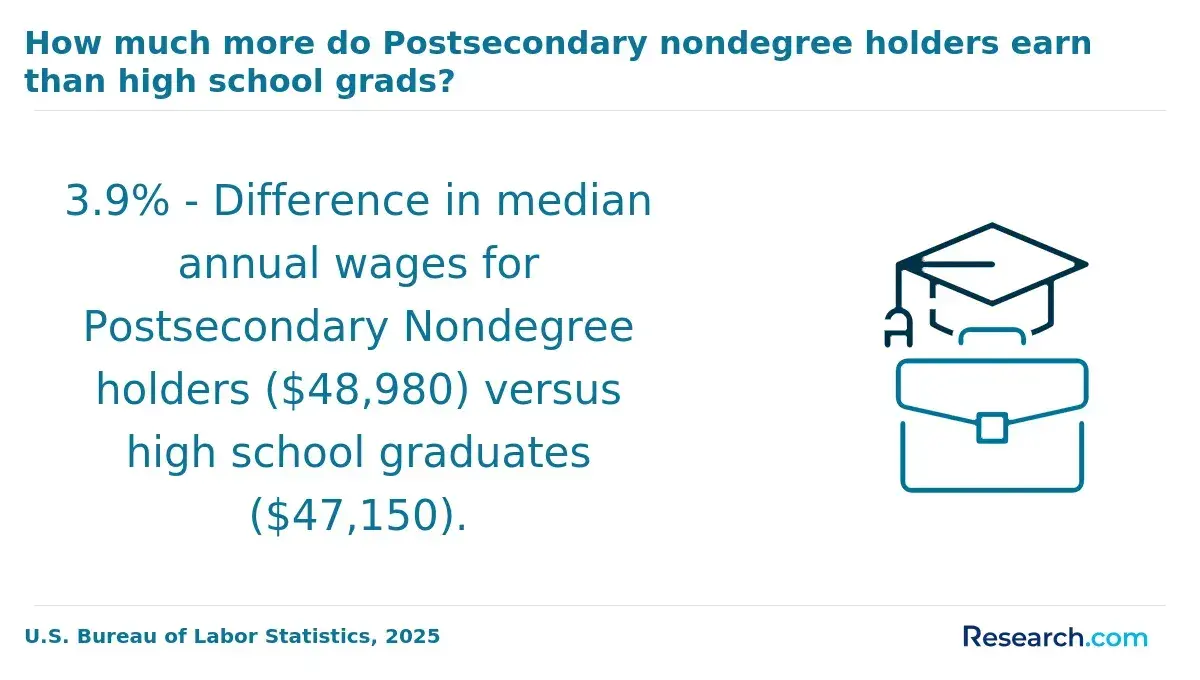
- Credit Limits and Impact: Institutions usually cap credits earned through work experience at 15 to 30 credit hours, limiting how much they can accelerate degree completion. Nonetheless, earning PLA credits can notably reduce time-to-degree and lower tuition costs by exempting certain courses.
- Program Flexibility: Both online and campus-based programs offer PLA options, making it easier for adult learners and career changers with relevant experience to advance. However, foundational courses may not always be eligible, meaning some degree requirements must still be completed traditionally.
Examples of qualifying experiences that demonstrate practical geoscience application include geological fieldwork, environmental consulting, mineral exploration, GIS mapping, hydrology, and laboratory roles. Accurately counting work experience for geoscience degree credits requires thorough preparation and understanding of institutional policies.
Those exploring degree options should also consider their broader academic path, including transfer policies and credit requirements to complete their program efficiently. Additionally, prospective students might find it helpful to compare programs, including online marriage and family therapy programs, to understand varied acceptance of prior professional experience.
Do Licensure Requirements Affect Credit Hours in a Geoscience Degree?
Licensure requirements can significantly impact the total credit hours needed to complete a geoscience degree. Many states and licensing boards set specific educational standards, often requiring accredited programs to include additional coursework, practical field experiences, or internships to meet these standards. For example, some boards mandate a minimum number of hours in applied geoscience courses, or documented supervised fieldwork, which may extend a student's time-to-degree beyond the typical load.
This extension can lead to extra semesters or summer courses, thus increasing tuition costs. Both on-campus and online programs may structure curricula to address these licensure prerequisites, but students should confirm that their chosen program aligns with the licensing board requirements in the state where they intend to practice. Aligning degree plans early helps manage the impact of licensure on geoscience credit hours effectively.
The relationship between licensure, accreditation, and credit requirements is crucial for planning an efficient academic pathway. Accreditation bodies ensure programs adequately prepare graduates for professional licensure, meaning degrees without proper accreditation might require additional coursework after graduation to qualify for licensing. Variations between state boards and their requirements make it essential for students to research their local licensure policies in advance.
While aligning degree credits with licensure demands can simplify the path to becoming a licensed professional, it may also present challenges related to balancing heavier credit loads and increased costs. Prospective students interested in the best bachelor degrees in geoscience should carefully evaluate how these licensure credit requirements fit their academic and career goals.
How Do Universities Calculate Credits for a Geoscience Degree?
A credit hour measures the time a student spends in direct instruction, typically defined as one hour of lecture per week over a semester of about 15 weeks. Understanding credit calculations is essential for students planning their geoscience degree to ensure timely completion of all program requirements.
- Lecture courses: These generally assign one credit per hour spent in weekly class sessions. They form the bulk of credit hours and foundational knowledge in geoscience degree credit hour requirements.
- Laboratories: Labs often involve hands-on activities and can assign one or two credits for several hours of weekly participation. These credits supplement lectures by developing practical skills.
- Practicums and clinics: Credits are awarded based on total hours of fieldwork, internships, or clinical experiences, reflecting extended hands-on learning integrated into the curriculum.
- Capstone and project-based courses: These credits correspond to estimated workloads for research, writing, and presentations, offering a culminating academic experience.
University credit calculations for geoscience programs can vary by level; graduate courses often require more depth and independent study per credit hour compared to undergraduate programs. Additionally, online and on-campus formats maintain the same credit values, though contact hours and course delivery differ. Accreditation standards help ensure credit consistency and facilitate credit transfers across institutions.
For students exploring degree options, resources such as the easiest bachelor degree to get online provide useful insights into flexible learning paths.
How Do Geoscience Degree Credit Requirements Affect Graduation Timelines?
Degree programs in geoscience typically require students to complete between 120 and 140 total credits, which include both mandatory core classes and elective courses. This total credit load has a direct impact on how long it takes to finish the program, influencing students' academic planning and time-to-degree. Several important factors shape these graduation timelines:
- Core credit requirements: These include essential courses in geology, chemistry, and physics that provide foundational knowledge. Since they are compulsory, completing them can demand significant time and careful scheduling.
- Elective credits: Electives offer opportunities to specialize but can increase the total credits needed. Poor management of elective choices may lead to extended program duration.
- Transfer credits: Accepting prior coursework from other institutions can reduce the number of required classes, potentially shortening the path to graduation.
- Accelerated formats: Some schools provide intensive terms or summer sessions that let students earn credits faster. These options are especially beneficial in online programs where pacing can be more flexible.
- Prior learning assessments: Recognizing previous professional experience or certifications through credit-by-exam or portfolio reviews can substitute for some classes, helping to reduce total credits needed.
Both traditional campus programs and online geoscience degrees incorporate these factors, but online formats often allow more adaptable scheduling, enabling students to progress more quickly if desired. Meanwhile, on-campus students may face more rigid course sequences, which can affect how swiftly they accumulate credits, especially when course availability is limited.
Do More Credits Lead to Better Career and Salary Outcomes for Geoscience Graduates?
Completing additional academic credits in a geoscience degree can open doors to career progression, leadership roles, and specialist positions with higher earning potential in select fields. These benefits often depend on the relevance and focus of the extra coursework rather than the mere volume of credits earned.
More credits may boost salary or career advancement in cases such as:
- Specialized concentrations: Taking extra courses in areas like hydrogeology or geographic information systems enhances expertise and marketability for niche roles.
- Licensure and certification preparation: Credits that fulfill requirements for professional licenses or technical certifications increase eligibility for higher-paying positions.
- Technical skill development: Advanced classes that build practical skills in data analysis, environmental assessment, or project management support roles in energy, consulting, or mining sectors.
- Leadership readiness: Additional coursework in management, communication, or economics can prepare graduates for supervisory or administrative careers.
However, extra credits may add little value in these circumstances:
- Lack of relevance: Credits unrelated to core geoscience knowledge or skills often do not enhance job prospects or salary potential.
- Extended time to graduation: Delays caused by accumulating unnecessary courses may lead to increased debt without proportional career benefits.
- Emphasis on experience: Many employers prioritize hands-on work experience and advanced degrees over a higher number of undergraduate credits.
- Non-technical roles: Positions that focus on practitioner skills or specialized graduate study may not reward extra undergraduate coursework.
Labor market trends reveal that while breadth in academic credits supports technical and research roles, practical experience and recognized credentials often weigh more heavily in salary determinations. A targeted credit load aligned with career goals offers the most efficient path to improved outcomes.
What Graduates Say About The Credit Requirements for Their Geoscience Degree
- Matthew: "As a graduate of a traditional geoscience degree, I found the option to take extra credits, including some online, pivotal for broadening my skill set without overwhelming my finances. The cost per credit was transparent and affordable, making it easier to justify investing in further education. This commitment to continued learning had a measurable impact on my career, enabling me to participate in more complex projects and take on leadership roles. "
- Zamir: "The cost efficiency of earning additional credits through an online geoscience program was a significant advantage for me, especially since traditional programs often exceed $400 per credit. Reflecting on my experience, the flexibility to complete credits remotely allowed me to tailor my learning to my professional schedule. These additional credits enhanced my resume and opened doors to specialized roles that would have been out of reach otherwise. "
- Louie: "Enrolling in an online geoscience degree program gave me the flexibility to take extra credits at my own pace, which was crucial while balancing work and family. Although the cost per credit was quite reasonable compared to traditional programs, I appreciated how every extra credit I earned directly contributed to advancing my expertise and job opportunities. This pathway truly transformed my career prospects and gave me confidence in the industry. "
Other Things You Should Know About Geoscience Degrees
For 2027, a geoscience degree usually requires around 120 credit hours. This includes core geoscience courses, electives, general education requirements, and typically 10-15 credit hours of lab or fieldwork. Always verify specific requirements with the institution you’re considering as variations may exist.
Interdisciplinary credits from related fields such as environmental science, geography, or biology can sometimes fulfill elective or even core credit requirements. However, acceptance depends on the specific program's curriculum and advising policies. It is important to verify with the department whether such credits align with degree objectives.
References
- Transfer Guide https://coursetransfer.northcarolina.edu/guide/2025-2026/1038
- Education Requirements https://www.americangeosciences.org/licensure/education/
- Online Geosciences Degree https://www.snhu.edu/online-degrees/bachelors/bs-in-geosciences
- Environmental Geoscience https://programs.usask.ca/arts-and-science/environmental-geosciences/bsc-honours-enviro-geosci.php
- Transferring in Credits https://geology.pitt.edu/undergraduate/geology-bs/transferring-credits
- Geology Accelerated Masterâs Program https://www.utpb.edu/academics/programs/geology/amp-in-geology
- Prospective Graduate Students https://www.colorado.edu/geologicalsciences/degree-programs/graduate-program/prospective-graduate-students
- Geological Sciences https://vancouver.calendar.ubc.ca/faculties-colleges-and-schools/faculty-science/bachelor-science/geological-sciences
- Graduate Programs https://www.uaeu.ac.ae/en/catalog/graduate/programs/bachelormaster-accelerated-option-in-geosciences.shtml
- Geoscientists | APEGA https://www.apega.ca/apply/membership/professional-member/work-experience/geoscientists


