
2027 How to Become an Education Policy Analyst: Education, Salary, and Job Outlook

Co-Founder and Chief Data Scientist
If you want a career that connects research, public decision-making, and education outcomes, becoming an education policy analyst can be a strong fit. Education policy analysts study how laws, funding models, accountability systems, school programs, and institutional practices affect students, educators, families, and communities.
The role matters because education decisions are increasingly driven by evidence: graduation rates, enrollment patterns, achievement gaps, workforce needs, budget constraints, and program results. Analysts help turn that evidence into recommendations that school districts, government agencies, nonprofits, think tanks, colleges, and private organizations can use.
This guide explains the credentials, skills, career paths, salary considerations, internships, workplaces, challenges, and advancement strategies involved in this field. It is designed for students, career changers, educators, researchers, and public policy professionals who want a practical view of what it takes to enter and grow in education policy analysis.
What are the benefits of becoming an education policy analyst?
- Education policy analysts earned a median salary of around $75,000 in 2023, reflecting a solid income for those influencing crucial educational reforms.
- Job growth is projected at 8% through 2025, faster than average, driven by increasing demand for evidence-based educational strategies.
- This career offers the chance to impact education systems nationally, blending research with policy to improve learning outcomes and equity nationwide.
What credentials do you need to become an education policy analyst?
Most education policy analyst roles require at least a bachelor’s degree, and many competitive positions prefer or require a master’s degree. There is no single mandatory major, but employers usually look for evidence that you can analyze data, understand education systems, write clearly, and evaluate policy trade-offs.
Common education pathways
- Bachelor's degree: A bachelor’s degree in education, public policy, political science, economics, sociology, statistics, or a related social science can prepare you for entry-level research and policy support roles. At this stage, prioritize coursework in statistics, research methods, economics, education law, public administration, and writing.
- Master's degree: Many analysts earn a graduate degree in education policy, public policy, public administration, education leadership, economics, or a related field. A master’s program can help you build stronger skills in policy evaluation, causal research, budgeting, program assessment, and stakeholder communication.
- Ph.D.: A Ph.D. is most useful if you want to lead major research studies, work in academia, direct research teams, or specialize in advanced quantitative or qualitative methods. It is not required for every analyst role, but it can be valuable for senior research and evidence-building positions.
- Certifications for education policy analysts in the US: Formal licenses are generally not required for education policy analysts. However, certificates in data analytics, program evaluation, public administration, grant writing, or statistical software can strengthen your profile, especially if your degree did not include extensive technical training.
- Continuous learning: Education policy changes with legislation, court decisions, demographic shifts, funding priorities, accountability systems, and technology. Strong analysts keep learning through professional associations, conferences, short courses, research networks, and hands-on projects.
- Flexible education options: If you are balancing school with work or family responsibilities, online and accelerated programs may help you move faster. Some students compare fast paced online degrees when planning a practical route into the field.
How to make your credentials more competitive
Degrees matter, but employers also evaluate your portfolio. Try to graduate with policy briefs, research papers, data projects, internship experience, and examples of writing for nonacademic audiences. A candidate who can explain a complex funding formula clearly may stand out more than one who only lists coursework.
| Credential level | Best for | What to build while enrolled |
| Bachelor’s degree | Research assistant, policy coordinator, program assistant, data support roles | Statistics, writing samples, internships, spreadsheet skills, basic policy analysis |
| Master’s degree | Policy analyst, evaluation analyst, government or nonprofit research roles | Program evaluation, advanced methods, budget analysis, stakeholder-facing reports |
| Ph.D. | Research leadership, academia, senior evaluation roles, specialized policy research | Original research, publications, advanced methods, grant experience, team leadership |
What skills do you need to have as an education policy analyst?
Education policy analysts need a mix of technical, writing, political, and interpersonal skills. The job is not only about finding patterns in data; it is also about explaining what those patterns mean, what actions are realistic, and who may be affected by a policy choice.
- Data Analysis: Use spreadsheets, statistical software, dashboards, and public datasets to identify trends in enrollment, outcomes, funding, staffing, and program performance.
- Research Methods: Design surveys, interviews, focus groups, case studies, literature reviews, and quantitative studies that produce credible evidence rather than convenient assumptions.
- Policy Evaluation: Assess whether existing policies are working, who benefits, who may be left out, and what unintended consequences could follow from a proposed change.
- Cost-Benefit Analysis: Compare financial costs, implementation demands, and likely social benefits so decision-makers can judge whether a policy is feasible and worth pursuing.
- Legal and Ethical Awareness: Recognize issues related to civil rights, student privacy, disability accommodations, equity, access, and fair use of education data.
- Technical Writing: Produce clear policy briefs, memos, reports, literature summaries, grant narratives, and executive summaries that busy readers can act on.
- Presentation: Translate complex findings for school boards, legislators, agency leaders, nonprofit executives, educators, families, and community partners.
- Collaboration: Work with people who may disagree about priorities, including researchers, administrators, teachers, advocates, elected officials, funders, and students.
- Adaptability: Stay current as political priorities, budgets, education technology, labor needs, and public expectations shift.
Technical skills versus judgment skills
Strong analysts need both. Technical skills help you produce reliable findings; judgment skills help you interpret those findings responsibly. For example, a dataset may show that one program has higher test scores, but a careful analyst asks whether the students served, funding levels, selection criteria, and local context make the comparison fair.
| Skill area | Why it matters | How to demonstrate it |
| Quantitative analysis | Many policy questions depend on measurable outcomes and resource allocation | Include data projects, charts, regression work, or evaluation reports in your portfolio |
| Qualitative research | Interviews and field evidence explain how policies are experienced in real settings | Show interview protocols, coded themes, case studies, or community research summaries |
| Writing for decision-makers | Policy recommendations must be concise, credible, and usable | Prepare short memos, one-page briefs, and executive summaries |
| Stakeholder communication | Education policy affects many groups with different interests | Highlight presentations, public meetings, facilitation work, or cross-team projects |
What is the typical career progression for an education policy analyst?
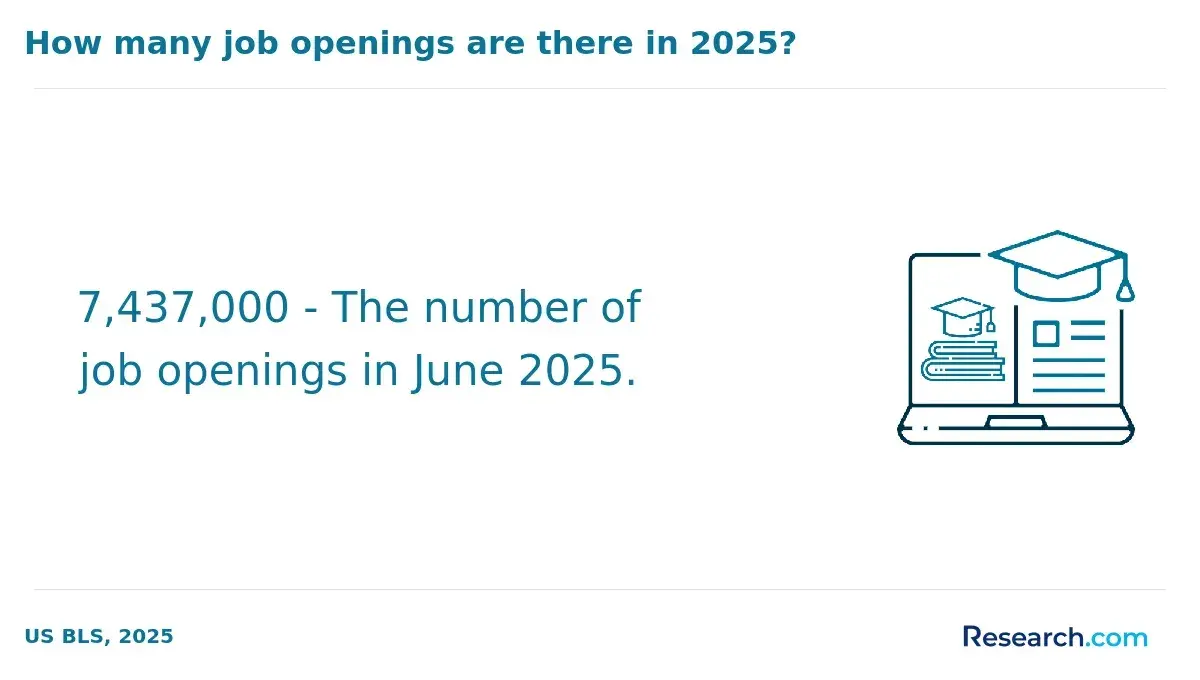
Education policy careers usually begin with research support, data coordination, or program work, then move into independent analysis, project leadership, and eventually management or senior advisory roles. The pace of advancement depends on your education level, technical skills, writing ability, network, and sector.
- Start as a research assistant or policy coordinator, where you may collect data, review literature, prepare meeting materials, support surveys, and draft sections of policy briefs. Typically, these positions require a bachelor's degree and one to two years of experience.
- Advance to a junior policy analyst, focusing on a defined issue such as early childhood education, school finance, teacher workforce, accountability, student success, or higher education access. At this level, you may own smaller research tasks and contribute recommendations.
- Progress into senior roles such as senior policy analyst or policy director. These jobs often involve leading projects, supervising staff, advising decision-makers, managing timelines, reviewing evidence, and presenting findings. Many employers prefer a master's degree plus substantial experience.
- Move into leadership positions such as executive director or improvement specialist, where the focus shifts from producing analysis to setting strategy, aligning stakeholders, overseeing implementation, and measuring organizational impact.
- Build a specialization in education equity, higher education policy, early childhood education, school finance, assessment, special education, workforce development, or data systems. You can also move laterally into government relations, nonprofit management, or education consulting.
Typical progression by responsibility
| Career stage | Main responsibility | What helps you move up |
| Entry level | Support research, data collection, scheduling, and brief preparation | Accuracy, reliability, writing basics, spreadsheet fluency, willingness to learn |
| Early analyst | Conduct analysis, draft findings, and support recommendations | Stronger methods, independent judgment, clear memos, subject-matter knowledge |
| Senior analyst | Lead projects, frame research questions, brief stakeholders, mentor staff | Project management, advanced analysis, credibility with decision-makers |
| Director or executive | Set strategy, manage teams, secure funding, influence policy agendas | Leadership, public communication, policy networks, record of measurable impact |
How much can you earn as an education policy analyst?
Education policy analyst pay varies widely because the title appears across government agencies, nonprofits, universities, think tanks, consulting firms, foundations, and private companies. Salary also depends on location, degree level, technical specialization, years of experience, and whether the role involves management or advanced research.
Regarding Education Policy Analyst Salary 2025, the average pay in the United States is reported around $100,949 annually, equating to about $48.53 per hour. However, this figure can differ depending on the source, with some placing the average closer to $65,126 per year.
Entry-level positions typically offer salaries near $49,000, while experienced professionals can earn upwards of $94,000. In high-cost areas like San Francisco, salaries sometimes exceed $200,000, though these are exceptional cases and not representative of national averages.
What affects salary most
- Experience level: Entry-level roles usually focus on support tasks, while higher-paying jobs often require independent analysis, stakeholder management, and project leadership.
- Education: Advanced degrees such as a master's or doctorate, especially in relevant fields, can significantly increase earnings when paired with applied research and policy experience.
- Technical specialization: Skills in federal education programs, data analysis, program evaluation, finance, and statistical methods can improve salary potential.
- Sector: Government, nonprofits, universities, foundations, consulting firms, and private organizations may use different pay structures and promotion paths.
- Location: Geographic location plays a major role, especially in large policy hubs and high-cost metropolitan areas.
The Education Policy Analyst Average Pay United States should be treated as a range rather than a single guaranteed figure. Before accepting an offer, compare the salary with benefits, job security, remote-work flexibility, pension or retirement options, cost of living, workload, and advancement potential.
If you are still choosing an undergraduate pathway, you may want to compare degree options carefully. Some readers start by reviewing what is the easiest bachelors degree, but for this career, the better question is whether the program helps you build research, writing, statistics, and policy analysis skills.
What internships can you apply for to gain experience as an education policy analyst?
Internships are one of the best ways to test whether education policy analysis fits you. They also help you build work samples, learn policy language, understand how organizations make decisions, and meet professionals who can recommend you for future roles.
- EdTrust (nonprofits): Interns may contribute to collaborative data projects and research focused on equity and opportunity gaps for students of color and low-income families. This type of placement can strengthen skills in data analytics, data management, policy research, and advocacy-oriented communication.
- State Higher Education Executive Officers Association (SHEEO - government agencies): This internship focuses on college attainment, student success, and finance policy. Participants may gain experience in data analysis, survey administration, report drafting, and higher education governance.
- National Center for the Improvement of Educational Assessment (corporations and industry groups): Interns may work on educational measurement and assessment policy, large research projects, student engagement data, and advanced research methods using tools such as R or SAS.
- Think tanks, advocacy organizations, and youth policy institutes: These settings can expose interns to education reform research, policy briefs, communications strategy, outreach campaigns, media editing, and both quantitative and qualitative research.
How to choose the right internship
Choose internships based on the kind of policy work you want to understand, not only the organization’s name. A government placement may teach you how rules and budgets are made. A nonprofit role may emphasize advocacy and equity. A think tank may focus on research design and publication. A school district may give you direct exposure to implementation challenges.
| Internship setting | Best for learning | Useful work samples to produce |
| Government agency | Legislation, compliance, budgets, public administration | Policy memos, fiscal summaries, legislative research |
| Nonprofit or advocacy group | Equity issues, public messaging, community impact | Issue briefs, data summaries, advocacy reports |
| Think tank or research center | Research design, evaluation, publication standards | Literature reviews, charts, methods notes, report sections |
| School district or higher education office | Implementation, student data, local decision-making | Program evaluations, dashboard summaries, needs assessments |
For those interested in higher education policy internships, these opportunities can help clarify whether you prefer finance, student success, access, governance, assessment, or institutional research. They also make it easier to discuss your interests in interviews with specific examples.
As you plan your education and early career, it may also help to compare long-term earning potential across fields. Researching the best majors to make money can provide context, but your internship choices should still align with the policy problems you want to solve.
How can you advance your career as an education policy analyst?
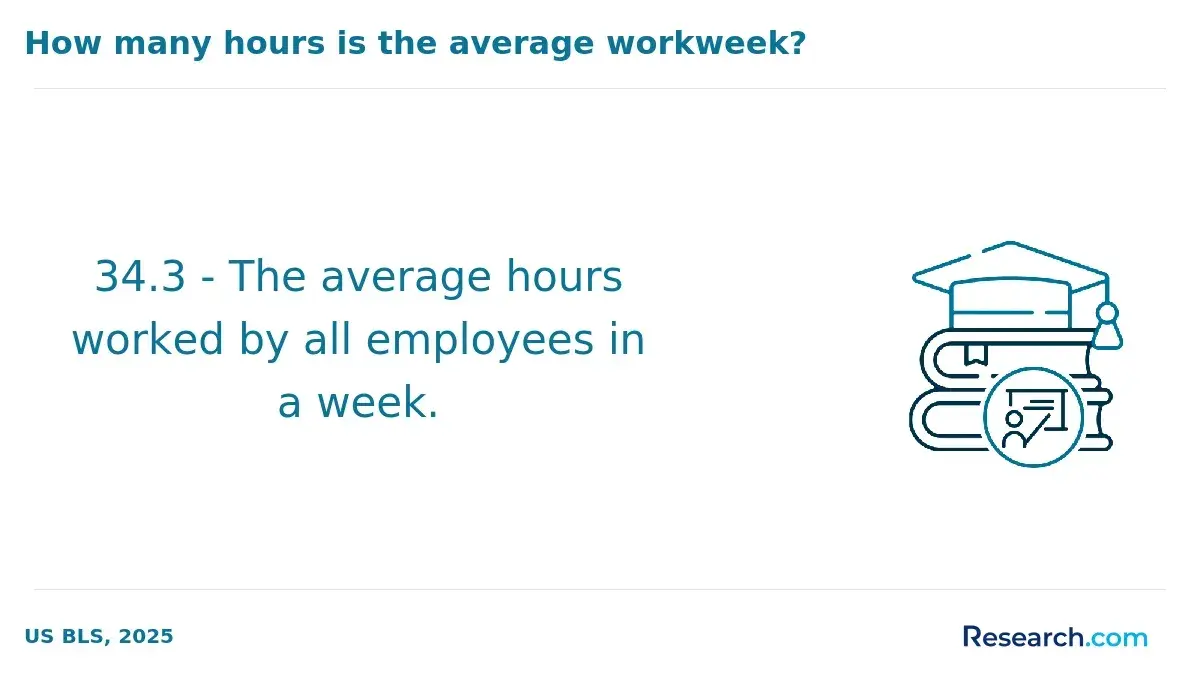
Career advancement in education policy comes from becoming more trusted with harder questions. Employers promote analysts who can produce reliable evidence, explain trade-offs, manage projects, anticipate political and implementation risks, and communicate with people outside the research team.
- Further education: Earning a master's or doctorate in education policy, public policy, public administration, economics, education leadership, or a related discipline can open doors to senior research, management, and leadership roles. Courses in statistics, law, finance, program evaluation, and data visualization are especially useful.
- Certification programs: Optional certificates in data analytics, program assessment, public administration, project management, or statistical tools can strengthen your resume when they fill a specific skill gap. They are most valuable when paired with applied work samples.
- Networking: Conferences, research meetings, policy briefings, and professional groups can connect you with mentors, collaborators, hiring managers, and subject-matter experts. Organizations such as the American Educational Research Association can be useful for learning current research and meeting professionals across sectors.
- Mentorship: Experienced analysts can help you understand which roles are truly analytical, which skills your target employers value, and how to navigate politically sensitive work. Mentorship can also improve your writing, presentation style, and career strategy.
Practical ways to move into senior roles
- Develop a recognizable policy specialty, such as school finance, higher education access, workforce pathways, accountability, assessment, special education, or early childhood education.
- Build a portfolio of concise, decision-ready work: one-page briefs, executive summaries, dashboards, literature reviews, and evaluation reports.
- Volunteer for cross-functional projects where you work with finance, legal, communications, program, or government relations teams.
- Learn to explain uncertainty honestly. Senior analysts are expected to say what the evidence supports, what it does not show, and what risks remain.
- Track the impact of your work. Promotions are easier to justify when you can show how your analysis improved a program, informed a funding decision, clarified compliance, or shaped a recommendation.
Where can you work as an education policy analyst?
Education policy analysts work wherever education decisions require evidence. Some roles focus on national legislation or federal programs; others focus on state funding formulas, district implementation, higher education strategy, philanthropy, research, or private-sector products and services.
- Government Agencies: Federal departments like the U.S. Department of Education employ analysts to research and evaluate national education programs. State and local governments, including Chicago's municipal offices, use analysts to interpret laws, assess programs, and recommend reforms. Legislative bodies may hire analysts to provide research supporting education bills.
- Nonprofit Organizations and Think Tanks: Advocacy groups such as the Center for American Progress work on education reform and public policy priorities, while research institutes like RAND Corporation focus on data-driven policy analysis. Foundations like the Bill & Melinda Gates Foundation fund research and may employ analysts to assess grant outcomes.
- Educational Institutions: Universities, colleges, and large school districts offer roles in policy research, institutional research, program evaluation, compliance, and student success strategy. Education policy careers in higher education may involve enrollment, affordability, completion, transfer pathways, financial aid, or governance.
- Private Sector: Education consulting firms such as McKinsey advise schools, agencies, and organizations on strategy and operations. EdTech companies like Pearson may work with analysts to align products with policy standards, evaluate outcomes, or understand market and regulatory requirements. Corporations with education-focused initiatives may also hire analysts to manage partnerships and assess impact.
Choosing a workplace by career goal
| Work setting | Good fit if you want to | Possible trade-off |
| Government | Work close to laws, budgets, regulations, and public accountability | Processes can be slow and politically constrained |
| Nonprofit or advocacy group | Focus on equity, reform, public engagement, and issue campaigns | Funding cycles and grant priorities may affect stability |
| Think tank or research institute | Produce rigorous reports and influence public debate | Publication timelines and methodological standards can be demanding |
| School district or university | Work close to implementation and student outcomes | Urgent operational needs may compete with long-term research |
| Consulting or private sector | Solve varied client problems and build broad strategy experience | Workload, travel, and client demands may be intense |
Careers in education policy often reward specialization. Some analysts focus on K-12 equity, higher education finance, early childhood systems, special education, assessment, or workforce pathways. If you are considering advanced study to deepen your expertise, you may compare options such as 1 year phd programs online, while carefully reviewing academic quality, accreditation, research expectations, and career relevance.
What challenges will you encounter as an education policy analyst?
Education policy analysis can be meaningful, but it is not simple. Analysts work with incomplete evidence, competing stakeholder priorities, limited budgets, political pressure, and policies that affect real students and educators. Understanding these challenges early can help you build realistic expectations.
- Heavy workload: Analysts often manage multiple deadlines, datasets, meetings, literature reviews, and briefing requests at the same time. During legislative sessions, grant cycles, budget periods, or major reform efforts, the pace can intensify.
- Emotional intensity: Education policy debates often involve equity, school closures, funding gaps, disability rights, testing, discipline, teacher workload, and student opportunity. The work requires empathy without losing analytical clarity.
- Competitive job market: Many candidates are drawn to mission-driven education work. To stand out, you need relevant experience, strong writing samples, technical skills, and a clear policy focus.
- Policy shifts: Education priorities can change quickly after elections, court rulings, budget decisions, leadership changes, or proposals such as Project 2025. Analysts must monitor developments without overreacting to every headline.
- Regulatory complexity: Education policy intersects with civil rights laws, student privacy requirements, disability protections, funding rules, accreditation standards, and state accountability systems. Small details can have major consequences.
- Industry changes: Declining college enrollments, new education technologies, workforce-aligned programs, remote learning, demographic changes, and public concerns about affordability all create new policy questions.
Common mistakes to avoid
- Relying only on quantitative data without asking how policies are implemented in real classrooms, campuses, or communities.
- Writing reports that are technically accurate but too long or unclear for decision-makers to use.
- Ignoring political feasibility, budget limits, staffing capacity, or legal constraints when making recommendations.
- Assuming one policy solution will work the same way across different states, districts, institutions, or student populations.
- Presenting evidence with more certainty than the research supports.
What tips do you need to know to excel as an education policy analyst?
To excel as an education policy analyst, you need to become the person others trust for clear evidence, careful interpretation, and practical recommendations. The best analysts are rigorous without being inaccessible and mission-driven without ignoring constraints.
- Deepen your expertise in research methods and data analysis by mastering tools like SPSS and Excel. If your role requires more advanced work, build additional skills in statistical programming, data visualization, survey design, and evaluation methods. Comfort with both numerical and descriptive data helps you identify patterns and explain what they mean.
- Improve your ability to communicate complex findings clearly. Concise policy briefs, well-structured memos, and persuasive presentations can influence legislators, agency staff, district leaders, nonprofit executives, and community partners. Use plain language, define technical terms, and lead with the decision the reader needs to make.
- Build meaningful networks by participating in conferences, webinars, research groups, and professional associations such as the American Educational Research Association. Strong networks can help you learn about emerging issues, find mentors, identify job openings, and collaborate on projects.
- Maintain a commitment to ongoing education through advanced degrees, certificates, workshops, and interdisciplinary experiences. Education policy draws from economics, law, sociology, political science, statistics, public administration, and education practice, so broad learning is an advantage.
Habits that separate strong analysts from average ones
- Frame the policy question before opening the dataset. Know what decision the analysis is meant to inform.
- Check data quality before drawing conclusions. Missing values, inconsistent definitions, and selection bias can distort findings.
- Write for the audience. A technical appendix and a superintendent briefing should not read the same way.
- Offer options, not just critiques. Decision-makers need feasible next steps, trade-offs, and implementation considerations.
- Stay nonpartisan when the role requires it. Credibility depends on separating evidence from personal preference.
- Keep learning from educators and students. Policy analysis is stronger when it reflects lived implementation realities.
How do you know if becoming an education policy analyst is the right career choice for you?
Education policy analysis may be a good career choice if you enjoy research, care about education outcomes, and want your work to inform real decisions. It is especially well suited to people who like asking why systems produce certain results and what evidence-based changes might improve them.
- Passion for Education Equity: You are motivated by questions of access, fairness, opportunity, and outcomes across different student groups and communities.
- Analytical and Communication Skills: You enjoy working with research and data, but you also like writing reports, explaining findings, and shaping arguments that influence policy debates.
- Adaptability: You can work in environments where laws, budgets, leadership priorities, and public opinion change. You are comfortable engaging with stakeholders who may not agree with one another.
- Educational Background: The field typically requires at least a bachelor's degree in education, public policy, or a related field; many roles prefer a master's degree and relevant experience in policy analysis.
- Long-term Career Vision: You are interested in steady demand around issues such as school funding, equity, student success, accountability, and higher education access, with entry points in government, nonprofits, research organizations, and educational institutions.
- Personal Engagement: You feel energized by research projects, advocacy volunteering, education reform discussions, or the question, “There’s got to be a better way.”
Signs this career may not fit you
- You want quick, visible results from every project. Policy change can be slow and indirect.
- You dislike writing. Even highly technical analysts must explain findings clearly.
- You prefer certainty. Education evidence often comes with limitations, competing interpretations, and political constraints.
- You do not enjoy working with multiple stakeholders. The role often requires collaboration across agencies, schools, communities, and organizations.
If you want an affordable way to begin preparing for this career, explore low cost online universities for working students. As you compare programs, look beyond tuition alone and review accreditation, research coursework, statistics requirements, internship access, faculty expertise, and career support.
What Professionals Who Work as an Education Policy Analyst Say About Their Careers
- : "Working as an education policy analyst offers remarkable job stability given the consistent demand for data-driven decision-making in the public sector. The salary potential is competitive, especially for those who specialize in federal education programs or large research institutions. I find the work rewarding because it feels like directly influencing meaningful reforms for future generations. — Ulises"
- : "The challenges of navigating complex regulatory environments and diverse stakeholder interests make the role of an education policy analyst uniquely engaging. Every day brings new puzzles that require both analytical rigor and creative problem-solving skills. This dynamic pace keeps me motivated and constantly learning within the field. — Wayne"
- : "Career growth in education policy analysis is supported by numerous professional development programs and certifications focused on data analytics and policy evaluation. I appreciate how employers value continued education, enabling me to deepen my expertise and take on leadership roles. It's a profession that truly encourages lifelong learning and advancement. — Colin"
Other Things You Should Know About Becoming an Education Policy Analyst
Yes, staying informed about the latest legislation, reforms, and trends in education is essential for education policy analysts. Policy environments evolve rapidly, and analysts must continuously update their knowledge to provide relevant recommendations. Regular reading of policy reports and educational research is part of their professional routine.
In 2027, education policy analysts are expected to see steady demand as educational institutions and government agencies continue to seek expertise in policy advising and data analysis to improve educational systems. Job opportunities are likely to grow moderately, reflecting broader trends in educational reform and administration.
References
- How to Become an Education Policy Analyst | Drexel University https://drexel.edu/soe/resources/career-path/education-policy-analyst/
- Is education policy causing the deficit in ‘essential’ employability skills? - FED Education https://fed.education/is-education-policy-causing-the-deficit-in-essential-employability-skills/
- How to excel as a policy analyst: tips for public servants https://apolitical.co/solution-articles/en/career-story-how-to-excel-as-a-policy-analyst-2
- Education Policy Initiative Internship – UC|CSU Collaborative https://ca-diverse-learning.org/programs/education-policy-initiative-internship/
- Jobs in Education Policy: Career and Salary Information | Resilient Educator https://resilienteducator.com/teaching-careers/education-policy-analyst/
- What is an Education Policy Analyst? – Top Education Degrees https://www.topeducationdegrees.org/faq/what-is-an-education-policy-analyst/
- Exploring the Impact of Careers in Education Policy - JHU School of Education https://education.jhu.edu/news/exploring-the-impact-careers-education-policy/
- Education Analytics | Internship Program https://www.edanalytics.org/ea-internship-program


