
2027 Credit Requirements for a Corrections Degree Explained

Co-Founder and Chief Data Scientist
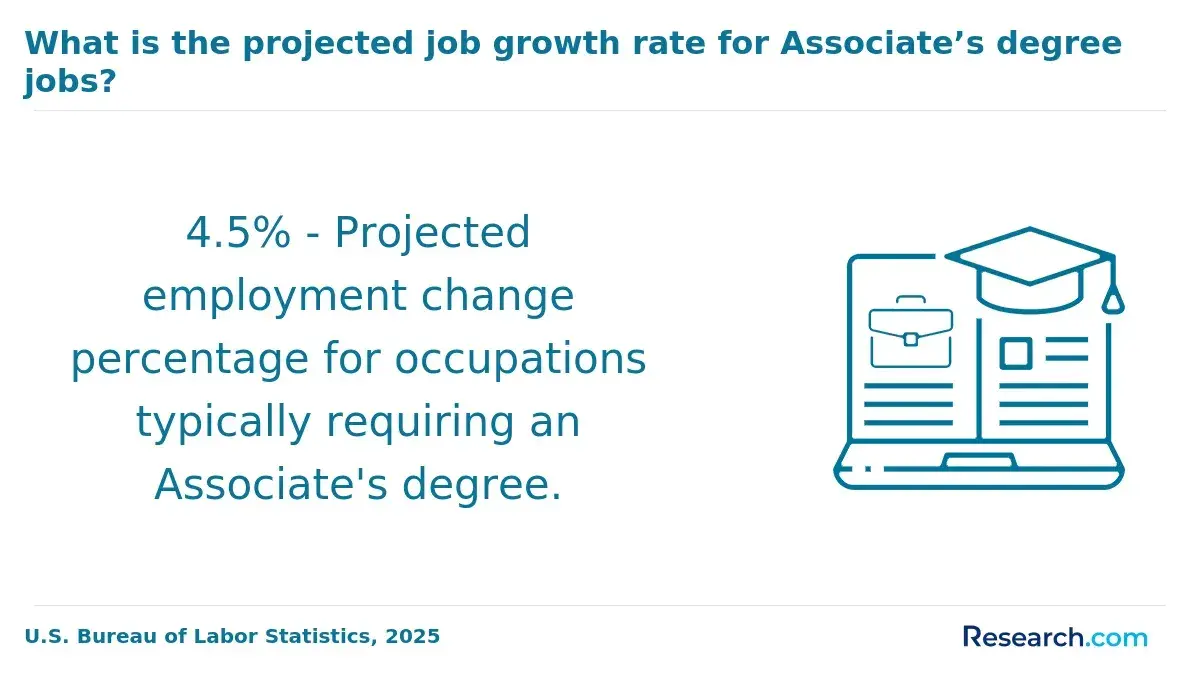
Students pursuing a corrections degree often struggle with understanding how many credits are needed to graduate and which courses transfer between institutions. This confusion can delay career entry in a field expected to grow by 8% through 2031, according to the U. S. Bureau of Labor Statistics. Proper academic planning is vital since corrections professionals require both foundational and specialized knowledge to meet job demands. This article clarifies typical credit requirements, transfer policies, and course sequencing to help students navigate their education efficiently and enter the workforce on time with the credentials needed.
Key Things to Know About Credit Requirements for Corrections Degrees
- Total credit requirements for corrections degrees typically align with standard undergraduate program lengths, affecting time to completion and job market entry.
- Transfer credits and prior learning assessments can significantly reduce required coursework, accelerating academic progress and lowering overall costs.
- Credit structures influence academic pacing, tuition fees, and graduation timelines, making early planning essential for managing educational and career goals.
How Many Credits Are Required for a Corrections Degree?
Knowing credit expectations is essential for effective academic planning and managing time-to-degree completion in corrections programs. Students benefit from understanding how many credits are required and how these hours are distributed within their curriculum.
Below is an overview of typical credit hour requirements for corrections degree programs by level.
- Associate Degree: Typically requires approximately 60 to 70 credits. These credits cover general education requirements alongside introductory courses specific to corrections and criminal justice, providing foundational knowledge for entry-level positions.
- Bachelor's Degree: Usually demands between 120 and 130 credits. This includes a blend of general education, core major coursework focused on corrections theory and practice, plus electives that explore specialized topics such as rehabilitation or law enforcement.
- Master's Degree: Often requires 30 to 45 credits, focusing on advanced study and research. Credits generally encompass core courses, electives, and may include a thesis or capstone project emphasizing corrections topics.
Credit hour requirements for corrections degree programs assist students in mapping out their semesters to balance course load effectively and anticipate program duration. Accurate knowledge of total credits needed to graduate corrections program supports appropriate time and financial resource budgeting. For those interested in related graduate opportunities, exploring MSW programs can provide additional insight into advanced social work education connected to corrections careers.
How Many Core and Elective Credits Are Required for a Corrections Degree?
Balancing core and elective credits is essential for students in corrections degree programs to build both foundational expertise and personalized skills suited to their career goals. Many programs allocate around 60% to 75% of total credits to core courses, ensuring comprehensive knowledge in key areas, while electives provide flexibility and depth in specialized topics. Recent studies on corrections degree coursework show students generally complete about 30-35 credits of electives, which complements core learning and enhances career readiness.
The typical credit distribution is outlined as follows:
- Core courses: Usually comprising 60% to 75% of the total program credits (for example, 72 to 90 credits in a 120-credit degree), core course credit requirements in corrections degree include essential subjects such as criminal justice fundamentals, correctional institutions management, rehabilitation methods, and legal studies related to incarceration. These courses build the practical skills and theoretical understanding directly applicable to a career in corrections.
- Elective credits: Representing roughly 25% to 40% of the program, electives allow students to tailor their education to specific interests or roles, such as substance abuse counseling, forensic psychology, or community-based corrections. Elective credits versus core credits in corrections programs provide vital opportunities to explore interdisciplinary areas and broaden expertise, which can enhance employability and long-term career flexibility.
Students looking to accelerate their academic path while maximizing relevant course work may also consider a fast track psychology degree as a complementary option to supplement their corrections degree knowledge.
Do Online Corrections Programs Require the Same Number of Credits?
Knowing how credit requirements compare between online and on-campus corrections programs is vital for effective academic planning and evaluating program options. This awareness helps students anticipate workload and graduation timelines accurately. Notably, online enrollment in criminal justice-related fields has increased by 20% over the last five years, signaling growing acceptance of digital learning methods.
Key points to consider include:
- Credit range consistency: Online corrections degrees usually demand between 60 and 120 credits, mirroring traditional formats-associate programs near 60 credits and bachelor's programs around 120 credits, ensuring equivalent academic rigor.
- Course structure and delivery differences: While the total credits align, online coursework often uses varied assessment styles and interactive formats that differ from in-person classes, requiring adaptable learning strategies.
- Pacing and scheduling flexibility: Many online programs offer options like self-paced or fixed-term courses, which can influence how quickly students complete their credits and stay on track for graduation.
- Transfer credit policies: Acceptance of prior academic credits can reduce the overall course load, easing the path to meeting credit requirements regardless of format.
How Many Credits Are Required in Accelerated Corrections Programs?
Grasping the credit requirements of accelerated corrections programs is essential for students aiming to graduate sooner while maintaining academic quality. This knowledge helps them manage course loads and understand how their credits translate within these fast-paced structures.
Below are key factors related to credits in these programs:
- Credit requirements by program level: Accelerated undergraduate corrections degrees typically demand 30 to 60 credits, while graduate-level programs often require between 30 and 36 credits. Professional certificates or specialized tracks usually involve fewer credits but focus on core learning objectives.
- Distribution of core and elective credits: These programs generally prioritize a core curriculum that accounts for 75% to 85% of the total credits, ensuring depth in essential knowledge. Electives make up the remainder, allowing some flexibility to pursue interests relevant to corrections and criminal justice.
- Pace and academic workload: Because accelerated programs condense the schedule, students frequently handle heavier credit loads per term or attend continuous year-round sessions. This rapid pace demands effective time management and dedication due to faster course progression.
- Transfer credits and evaluation: Many accelerated corrections programs accept transfer credits from prior studies, potentially shortening the time to degree completion. Early verification of transfer policies helps students maximize credit acceptance and avoid redundant coursework.
How Many Transfer Credits Are Accepted Toward a Corrections Degree?
Knowing how many transfer credits are accepted when pursuing a corrections degree can significantly affect a student's academic plan and overall expenses. With roughly 60% of learners in corrections-related programs transferring credits, clarity on credit policies helps prevent unnecessary course repetition and shortens time to graduation.
Here's how transfer credit acceptance typically breaks down across degree levels.
- Associate Degree: These programs commonly accept up to half of the total credits from previous institutions. However, students may need to complete foundational corrections courses at the new school to meet accreditation standards.
- Bachelor's Degree: Transfers usually range from 60% to 75% of credits, covering both core requirements and electives. Some essential corrections-specific courses often must be taken on campus to maintain program integrity.
- Master's and Professional Degrees: Transfer limits tighten here, often allowing only 30% to 50% of credits to move forward. Critical graduate-level corrections classes generally need to be completed within the awarding institution.
- Doctoral Programs: These programs impose stricter controls on transfer credits with a focus on original research submissions, typically permitting very limited credit transfer.
- Accelerated Programs: Accelerated tracks might customize transfer allowances to help enable quicker degree completion. Credits transferred tend to apply more to general education or electives rather than specialized corrections coursework.
Can Work Experience Count Toward Corrections Degree Credits?
Prior learning assessment (PLA) allows students to earn college credit by demonstrating knowledge and skills gained through professional work experience rather than traditional coursework. For corrections degree programs, this credit for experience typically includes roles related to law enforcement and correctional facility work.
Below are common examples of eligible work experience and how universities approach awarding credit for them.
- Correctional Officer Experience: Universities often accept documented time spent as a correctional officer, provided applicants submit detailed job descriptions and employer verification. PLA reviewers assess whether this experience aligns with course outcomes, usually capping credits earned through this method to between 15 and 30 credit hours.
- Juvenile Detention Supervision: Experience supervising juvenile detention involves unique skills that can qualify for credit. Schools may require portfolios or competency exams to confirm applicable knowledge and abilities before awarding credit.
- Case Management in Rehabilitation: Roles involving offender case management and rehabilitation planning may count toward degree credit after thorough evaluation of the relevancy and depth of work conducted.
- Offender Assessment and Rehabilitation: Practical experience assessing and providing rehabilitation services is also considered. The documentation process can be extensive, often demanding multiple forms of evidence including employer letters and detailed work samples.
Using professional experience credits for corrections degree programs can shorten time-to-degree completion and reduce tuition expenses by decreasing required coursework. However, students should be aware that preparing PLA materials might be time-consuming and that credits earned may not transfer smoothly if changing institutions.
For those seeking flexible learning options, many programs offering credit for experience are available both online and on campus, and it's worthwhile to explore affordable online MFT programs as part of broader academic planning.
Do Licensure Requirements Affect Credit Hours in a Corrections Degree?
Licensure requirements often influence the total credit hours necessary to complete a corrections degree as many states or licensing boards impose specific mandates to ensure graduates are professionally prepared. These requirements commonly include completing particular core courses, clinical hours, or supervised practical experiences that go beyond standard academic curricula.
Because of these stipulations, credit hour adjustments for corrections licensure programs are frequent, causing some students to complete additional coursework to meet both theoretical and hands-on skill demands. This necessity can extend the overall time-to-degree and increase tuition costs, especially impacting students in online programs where residency or in-person practical hours must also be factored in.
The impact of licensure requirements on corrections degree credits highlights how academic programs align with professional standards to maintain accreditation and foster job readiness. Both online and campus-based programs must navigate varying licensure rules that differ by state or licensing board, which can lead to discrepancies in credit requirements. Some states may demand more clinical practice or specialized training, complicating educational planning and transfer policies for students. Despite these challenges, aligning degree credits with licensure standards has clear benefits, offering smoother professional certification and improved employment prospects.
Prospective students considering a 4 year degree in corrections should carefully evaluate how these credit hour adjustments affect their educational path. Awareness of the impact of licensure requirements on corrections degree credits helps students select programs that optimize efficiency while meeting all necessary professional criteria.
How Do Universities Calculate Credits for a Corrections Degree?
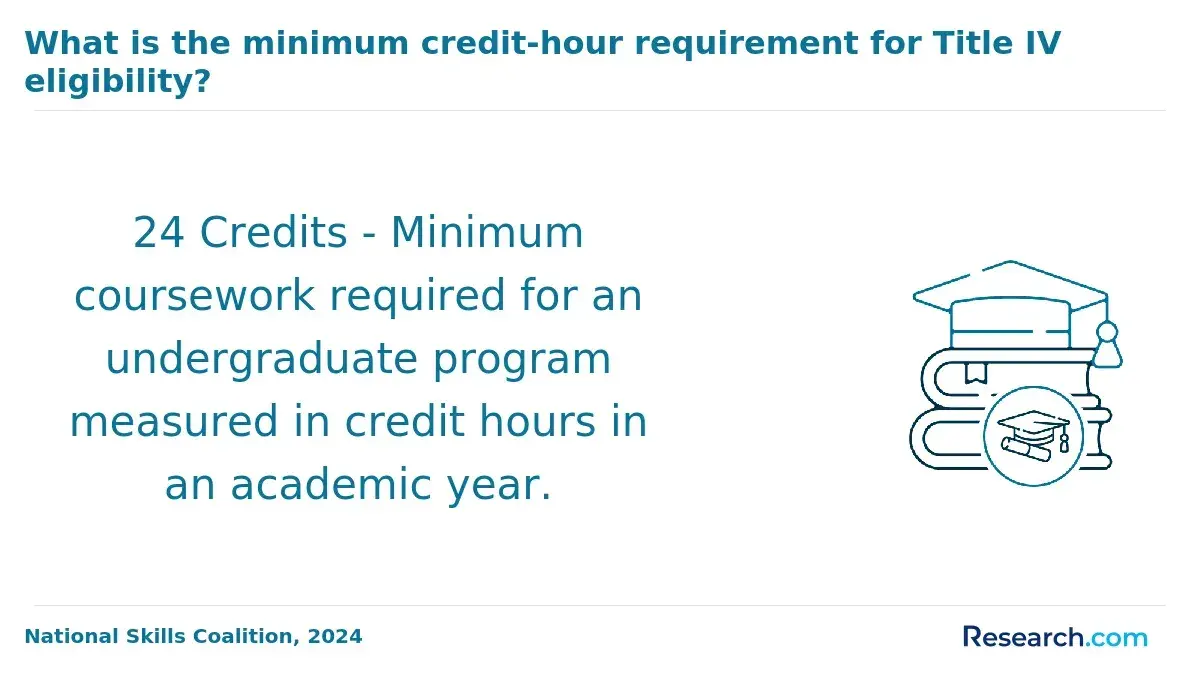
A credit hour represents one hour of lecture time per week over a semester, usually about 15 weeks, and is the standard measure universities use to quantify academic workload. Understanding how universities determine credit hours for corrections degree programs is essential for students to effectively plan their studies and ensure timely graduation.
- Lectures: These courses typically award one credit hour for each hour spent in class weekly. Lecture credits form the core of a corrections degree, covering foundational knowledge and skills required in the field.
- Labs and Practicums: Labs often involve hands-on learning with additional hours outside scheduled class time, but they usually offer fewer credit hours relative to the time spent. Practicums provide practical experience and contribute critical applied learning credits toward the degree.
- Clinicals and Capstone or Project-Based Courses: These variable-credit courses demand significant outside work and real-world application, often reflecting a mix of field experience and research or project completion.
- Undergraduate vs. Graduate Programs: Credit calculation processes for corrections degree programs differ with graduate courses generally requiring fewer credit hours but expecting a higher time commitment per credit. Undergraduate programs may require around 120 credit hours combining general education and specialized courses.
- Online and On-Campus Study: Credit allocations can vary because online programs might factor in asynchronous learning, while on-campus courses rely more on direct contact hours.
Students seeking a streamlined path to earning credits may also consider exploring easy associate degrees as alternative or complementary options.
How Do Corrections Degree Credit Requirements Affect Graduation Timelines?
Degree programs in corrections typically require students to complete a specific total number of credit hours, which directly impacts how long earning the degree will take. This total often ranges from 60 to 120 credits depending on whether it is an associate, bachelor's, or master's program. Several elements influence how quickly students can finish, including the type and number of credits needed.
Key factors affecting graduation timelines include:
- Required Core Credits: These essential courses focus on corrections, criminal justice, and related fields, forming the backbone of the degree. Completing these core credits is mandatory and often dictates the minimum duration of the program.
- Elective Requirements: Students must also complete a set number of elective credits, which allow for some customization but may lengthen study time if course availability or choice is limited.
- Transfer Credits: Credits accepted from previous college work can reduce the remaining coursework needed, potentially shortening the time to graduate, especially for those with prior relevant education.
- Accelerated Formats: Some programs offer faster-paced courses through online or year-round scheduling, enabling students to complete requirements more quickly than traditional semester timelines.
- Prior Learning Assessment (PLA): This method awards credit for relevant work experience or military service, decreasing the total credits required and often speeding up program completion.
Each factor can either speed up or delay progress toward a corrections degree. Online programs often provide greater flexibility in pacing, which can hasten graduation, while rigid on-campus programs with preset course offerings and schedules may extend the timeframe. Careful consideration of credit needs, transfer options, and accelerated pathways is essential for students aiming to finish efficiently.
Do More Credits Lead to Better Career and Salary Outcomes for Corrections Graduates?
Completing additional academic credits can sometimes enhance career progression, leadership prospects, and qualification for specialized or better-paid positions in corrections-related fields. However, the benefit largely depends on how those credits align with industry demands and professional requirements.
- Advanced concentrations: Credits focused on specialized areas like leadership, counseling, or forensic psychology help build expertise valued for supervisory or niche roles that often come with higher salaries.
- Licensure and certification preparation: Extra coursework supporting state-required certifications or training hours strengthens eligibility for roles with increased responsibility and pay.
- Technical skill development: Classes that boost practical, applied knowledge tend to be favored by employers who value hands-on experience alongside formal education.
- General electives without focus: Earning extra credits in unrelated subjects usually does not affect salary growth or job advancement significantly.
- Extended academic timelines: Some employers prefer candidates who complete their degree within standard timeframes rather than through prolonged study.
- Experience over credits: Professional experience and relevant workforce skills often have greater influence on career advancement and pay than the sheer number of academic credits.
Labor market trends in corrections emphasize versatile professionals who combine academic credentials with practical expertise. While more credits can be valuable when strategically chosen to enhance core competencies or meet certification standards, earning credits beyond degree requirements without a clear career purpose may have limited impact on earnings or position.
What Graduates Say About The Credit Requirements for Their Corrections Degree
- Ever: "The flexibility of the online corrections degree program truly accommodated my busy work schedule, allowing me to complete credits at my own pace without sacrificing quality. Considering the average cost of attendance per credit was reasonable, it made continuing my education financially feasible. Earning extra credits opened new professional doors, helping me secure a supervisory role within the department much faster than I anticipated."
- Westin: "Reflecting on my experience, balancing work and studies was challenging, but the option to earn credits online alleviated much of the pressure. The cost per credit was an important factor for me, and this program's affordability allowed me to invest in my education without overwhelming debt. Completing additional credits positively impacted my career growth, providing the knowledge and credentials needed for specialized assignments."
- Arlen: "From a professional standpoint, the corrections degree program's credit flexibility ensured I could meet requirements without interrupting my career trajectory. The relatively low cost per credit was a decisive factor that justified returning to school. The accumulation of extra credits not only enhanced my expertise but also contributed to my promotion into a management position within corrections. "
Other Things You Should Know About Corrections Degrees
Typical elective courses in a 2027 corrections degree program may include subjects like criminal psychology, juvenile justice, or conflict resolution. These electives allow students to tailor their education to specific career interests within the corrections field while fulfilling the credit requirements.
Yes, many corrections degree programs enforce minimum GPA standards to ensure academic progress alongside credit completion. Typically, a cumulative GPA of 2.0 or higher is required for credits to count toward the degree, though some institutions may set higher thresholds for core corrections courses. Falling below the required GPA may necessitate retaking courses or may delay graduation.
In 2027, corrections degree programs commonly require courses like Introduction to Criminal Justice, Criminology, Ethics in Criminal Justice, Correctional Systems and Practices, and Rehabilitation and Reentry. These courses equip students with the necessary knowledge and skills for a career in the corrections field.
References
- The Effectiveness of Education and Employment Programming for Prisoners | American Enterprise Institute - AEI https://www.aei.org/research-products/report/the-effectiveness-of-education-and-employment-programming-for-prisoners/
- Criminal Justice, Criminology, Corrections, and the Community Concentration, B.S. https://catalog.newhaven.edu/preview_program.php
- Corrections Leadership Development - UC https://www.usu.edu/degrees-majors/corrections-leadership-development_uc
- Career readiness program aims to reduce barriers and launch college experience for future Alabama correctional officers https://www.accs.edu/blog/2024/06/11/career-readiness-program-aims-to-reduce-barriers-and-launch-college-experience-for-future-alabama-correctional-officers/
- #1 ECTS Credit Calculator in the World https://www.successcribe.com/ects-credit-calculator/
- Online Criminal Justice Degree | Accredited Programs | SNHU https://www.snhu.edu/online-degrees/bachelors/bs-in-criminal-justice
- Certificate of Completion in Corrections https://www.mesacc.edu/programs/map/corrections-ccl
- Correctional Education https://www.ashland.edu/correctional-education
- Active Courses - Recruit Training Program (also known as Correction Recruit Training Program) https://www.nationalccrs.org/new-york-state-department/recruit-training-program
- Westchester Community College https://catalog.sunywcc.edu/preview_program.php


