
2027 Best Nursing Schools in California – Accredited ADN, BSN, MSN Programs

Co-Founder and Chief Data Scientist
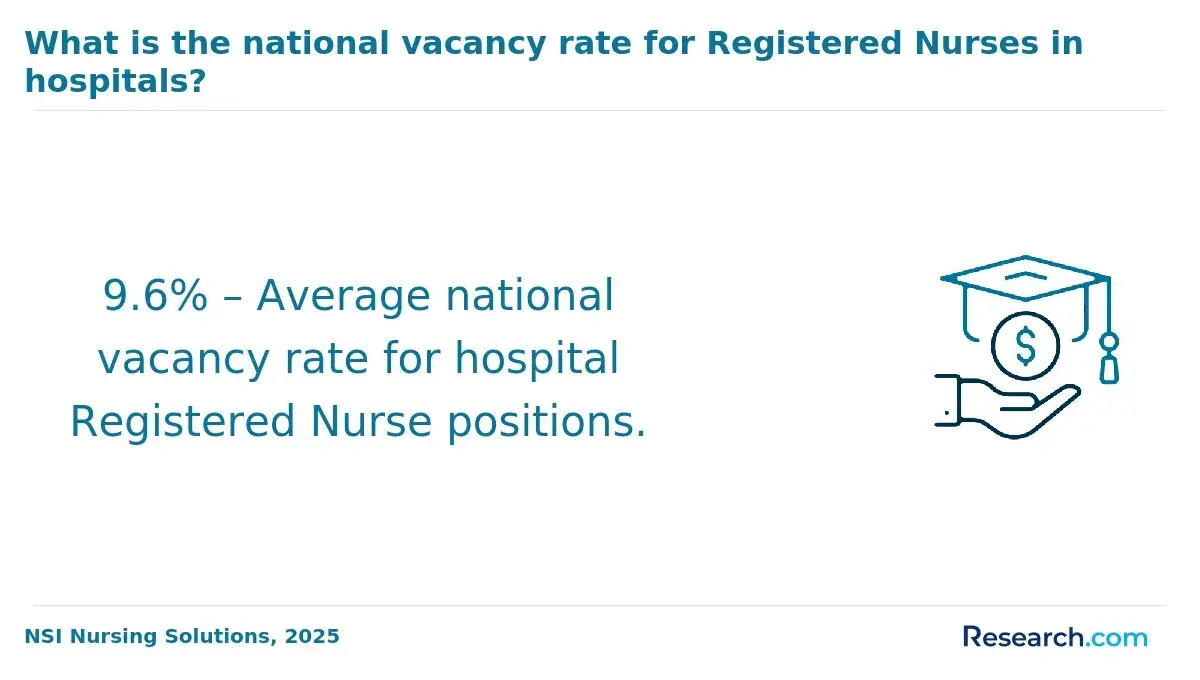
Choosing a nursing school in California is not only about finding a recognizable name. Prospective students have to weigh admission competitiveness, clinical placement access, tuition, accreditation, online flexibility, licensure requirements, and long-term career goals. The decision matters because California continues to face serious nursing workforce pressure, including Southern California hospital nurse vacancy rates above 30% and an estimated shortage of about 36,000 licensed nurses.
This guide is designed for future nurses comparing ADN, BSN, RN-to-BSN, RN-to-MSN, MSN, and advanced practice pathways in California. It explains what top programs offer, how long they take, what they cost, how online and campus options differ, what licensing steps follow graduation, and how to evaluate whether a nursing program is a good fit for your career plans.
Quick Answer: Are California Nursing Schools Worth It?
For students who are prepared for a demanding academic and clinical path, nursing school in California can lead to strong employment options and high earning potential. California is the top-paying state for registered nurses, with RNs earning an average annual wage of $133,340. However, the best choice depends on more than salary. Students should confirm accreditation, NCLEX preparation, clinical placement support, total cost, transfer credit policies, and whether the program matches their intended license or specialty.
Key benefits of earning a nursing degree in California
- A nursing credential can lead to work in hospitals, outpatient clinics, public health agencies, schools, long-term care facilities, and advanced practice settings.
- California offers some of the strongest nurse wages in the country, including a mean annual wage of $133,340 for registered nurses.
- Online and hybrid nursing programs can help working adults continue their education while managing employment, caregiving, or military responsibilities.
What should students expect from the best nursing schools in California?
The best nursing schools in California combine classroom learning, simulation training, supervised clinical practice, and preparation for state licensure. Students should expect rigorous science coursework, patient care labs, faculty feedback, and clinical rotations that expose them to real healthcare environments. Because California has a reported shortage of about 36,000 licensed nurses, strong programs focus not only on graduation but also on workforce readiness.
Clinical access is especially important. Some California hospitals reduced nursing student placements during the COVID-19 pandemic, and many of those opportunities have not fully returned. Before enrolling, students should ask how the school secures clinical sites, whether placements are guaranteed, how far students may need to travel, and whether online students receive help arranging local clinical experiences.
| Program type | Best for | Typical outcome | Decision point |
| ADN | Students seeking a faster, lower-cost route into registered nursing | Eligibility pathway toward RN licensure after meeting state requirements | Check whether credits transfer smoothly into an RN-to-BSN program |
| BSN | Students who want a four-year nursing degree and broader clinical, leadership, and public health preparation | Preparation for RN practice and future graduate study | Compare total cost, NCLEX support, and clinical placement depth |
| RN-to-BSN | Licensed RNs with an ADN or nursing diploma | Bachelor’s-level advancement while continuing to work | Look for flexible scheduling and employer tuition support |
| RN-to-MSN | Experienced RNs aiming for leadership, education, or advanced practice preparation | Graduate-level nursing credential | Confirm prerequisites, specialty options, and required in-person components |
| MSN or doctoral pathway | Nurses pursuing nurse practitioner, nurse midwife, nurse anesthetist, educator, executive, or research roles | Advanced clinical, leadership, teaching, or research preparation | Verify California Board of Registered Nursing alignment and certification requirements |
Where can California nursing graduates work?
Graduates of strong California nursing programs can pursue roles across a wide healthcare labor market. California employs more than 325,000 nurses, and the state leads the nation in employment levels for this profession. Hospitals remain a major employer, particularly in areas where vacancy rates exceed 30%, but they are not the only option.
Nurses also work in outpatient care centers, physician offices, public health departments, community clinics, schools, correctional health programs, telehealth teams, home health agencies, and long-term care facilities. Metropolitan regions such as Los Angeles-Long Beach-Anaheim have substantial demand, while rural and underserved areas may offer distinct opportunities for students interested in community-based care.
How much can graduates of California nursing schools earn?
Nursing salaries in California are competitive, but earnings vary by role, region, experience, schedule, union environment, specialty, and employer. Registered nurses in California earn a mean annual wage of $133,340. In high-paying metropolitan areas such as San Francisco-Oakland-Hayward, nurses earn a mean annual wage of $164,760. Advanced practice roles can pay more, with nurse anesthetists in Southern California reporting mean annual wages of $246,510.
| Role | Reported wage information | What affects earnings |
| Registered Nurse | Median hourly wage of $63.78 and annual mean wage of $133,340 | Location, shift differentials, hospital system, experience, specialty, and certifications |
| Nurse Anesthetist | Median hourly wage of $113.04 and annual mean wage of $246,510 | Advanced practice preparation, anesthesia setting, experience, and regional demand |
| Nurse Midwife | Median hourly wage of $85.48 and annual mean wage of $169,530 | Women’s health setting, clinical scope, certification, and employer type |
| Nurse Practitioner | Median hourly wage of $75.56 and annual mean wage of $158,130 | Specialty, practice setting, prescribing authority, and patient population |
| LPN/LVN | Median hourly wage of $31.78 and annual mean wage of $69,930 | Facility type, experience, schedule, and bridge education |
| Medical and Health Services Manager | Median hourly wage of $63.41 and annual mean wage of $145,090 | Management experience, degree level, organization size, and leadership responsibility |
- 2027 Best Nursing Schools in California
- How long do nursing programs in California take?
- Online vs. on-campus nursing schools in California
- How much do top California nursing schools cost?
- Financial aid options for California nursing students
- Prerequisites for California nursing programs
- Common nursing school courses
- Student life and support for nursing students in California
- Nurse practitioner programs in California
- Licensure and certification after graduation
- Career paths after nursing school in California
- Accreditation and regulatory standards
- Nursing vs. pharmacy careers in California
- LPN requirements in California
- Transitioning into advanced practice nursing
- Career advancement for LPNs
- Allied healthcare options for nurses
- Nurse midwife education requirements
- Scholarship opportunities for nursing students
- Career advancement after earning a nursing degree
- Online nursing programs for working professionals
- Steps to secure a California nursing license
- Job market for graduates of California nursing schools
2027 Best Nursing Schools in California
The best nursing school for one student may not be the best for another. A recent high school graduate may prioritize a traditional BSN with campus labs and structured advising, while a licensed RN may need an online or hybrid bridge program such as an RN to MSN online degree. Use this list as a starting point, then compare each school’s accreditation, cost, clinical placement process, NCLEX preparation, and fit with your intended career path.
How do we rank schools?
Research.com rankings are developed through research and data analysis by our editorial and data teams. To understand how schools are evaluated, review our ranking methodology. Sources used in this ranking include:
- IPEDS database
- Peterson’s database
- Distance Learning Licensed Data Set, College Scorecard database
- National Center for Education Statistics
1. University of California, Los Angeles BSN Program
The University of California, Los Angeles offers a Bachelor of Science in Nursing program for students preparing for professional registered nursing practice. The program integrates nursing theory, clinical practice, patient care concepts, and healthcare leadership so students can build the academic and practical foundation needed for entry into nursing.
- Program Length: 4 years
- Tracks/concentrations: None
- Cost: $18,187.95 (resident), $50,761.95 (non-resident)
- Credits to completion: 128
- Accreditation: Commission on Collegiate Nursing Education (CCNE)
2. American University of Health Sciences BSN Program
The Bachelor of Science in Nursing program at the American University of Health Sciences prepares students for nursing responsibilities through coursework in patient advocacy, leadership, healthcare systems, and clinical decision-making. Supervised clinical rotations allow students to apply classroom concepts in healthcare settings under professional guidance.
- Program Length: 4 years
- Tracks/concentrations: None
- Cost: $112,455
- Credits to completion: 189
- Accreditation: Commission on Collegiate Nursing Education (CCNE)
3. California Baptist University RN to BSN Program
California Baptist University offers an RN-to-BSN pathway for registered nurses who already hold an associate degree in nursing or a nursing diploma. The curriculum builds on prior RN preparation with coursework commonly focused on leadership, community health, nursing research, and evidence-based care.
- Program Length: 12 to 16 months
- Tracks/concentrations: None
- Cost per Credit: $545
- Credits to completion: 60
- Accreditation: Commission on Collegiate Nursing Education (CCNE)
4. Grossmont College ADN Program
The Associate Degree in Nursing program at Grossmont College is designed to prepare students for safe, competent patient care. Students typically study nursing fundamentals, medical-surgical care, pharmacology, maternal-child nursing, and mental health nursing while completing clinical experiences that help translate theory into practice.
- Program Length: 2 years
- Tracks/concentrations: None
- Cost per Credit: $233.75
- Credits to completion: 60
- Accreditation: Commission on Collegiate Nursing Education (CCNE)
5. University of San Francisco RN to MSN Program
The University of San Francisco offers an RN-to-MSN program for registered nurses seeking graduate-level preparation. The program blends online coursework with in-person clinical experiences and is structured for working professionals pursuing advancement in healthcare leadership, education, or specialized nursing practice.
- Program Length: 2 years
- Tracks/concentrations: None
- Cost per Credit: $1,225
- Credits to completion: 68
- Accreditation: Commission on Collegiate Nursing Education (CCNE)
What nursing graduates say about their programs
"My nursing program was demanding, but clinical rotations helped me move from textbook knowledge to real patient care. Working with classmates and instructors during stressful weeks made the experience manageable." -Jessica
"The online format made it possible to keep studying while caring for my family. Webinars, simulations, and regular instructor communication helped me stay connected even though I was not always on campus." -Amir
"Nursing school changed how I think under pressure. The combination of science, clinical practice, and personal discipline prepared me for the responsibilities I now carry as a nurse." -Emily
Key Findings for California Nursing Students
- Southern California hospitals are facing severe staffing pressure, with nurse vacancy rates above 30%; before the COVID-19 pandemic, the average vacancy rate was only 6%.
- California has a shortage of about 36,000 licensed nurses, according to the UC San Francisco Health Workforce Research Center on Long-Term Care.
- A California legislative proposal seeks to invest $300 million over five years to double nursing school capacity, although final allocation details have not yet been determined.
- Clinical placement shortages remain a major issue because many hospitals reduced the number of students accepted for hands-on training during the pandemic, and those placements have not fully returned.
- Nursing remains highly competitive among applicants, with some schools receiving more than 55,000 applications.
- Burnout is a serious workforce concern, with nearly half of nurses reporting burnout symptoms and many considering leaving the profession or retiring earlier than planned.
How long do nursing programs in California take?
Program length depends on the credential, the student’s prior education, transfer credits, enrollment pace, and clinical scheduling. Traditional BSN programs such as those at the University of California, Los Angeles and the American University of Health Sciences typically take 4 years. ADN programs, such as the Grossmont College ADN, commonly take 2 years.
Bridge programs can be shorter for licensed nurses. California Baptist University’s RN-to-BSN program takes 12 to 16 months, while the University of San Francisco RN-to-MSN pathway takes 2 years and combines online coursework with in-person clinical experiences. Students should ask whether prerequisites are included in the advertised timeline or must be completed before admission.
| Pathway | Typical length from listed programs | Who it serves |
| ADN | 2 years | Students seeking an associate-level nursing route |
| Traditional BSN | 4 years | First-time college students or transfer students pursuing bachelor’s-level preparation |
| RN-to-BSN | 12 to 16 months | Licensed RNs with prior nursing education |
| RN-to-MSN | 2 years | RNs moving toward graduate-level nursing roles |
How do online nursing schools in California compare with on-campus programs?
Online and hybrid nursing programs can be a practical choice for licensed nurses, career changers completing non-clinical coursework, and working professionals pursuing graduate education. Programs such as online master's in nursing programs often deliver lectures, assignments, discussions, and some simulations through digital platforms. However, nursing cannot be completed entirely through reading and video lectures because clinical competencies require supervised practice.
On-campus programs provide more direct access to skills labs, faculty, peer study groups, simulation centers, and local clinical partnerships. They may be especially useful for first-time nursing students who need structured support. Online students should verify how clinical placements are arranged, whether travel is required, and whether the program meets California licensing expectations.
| Factor | Online or hybrid nursing program | On-campus nursing program |
| Flexibility | Often better for working adults and students with family responsibilities | Usually follows a more fixed weekly schedule |
| Clinical training | May require local placement coordination or periodic campus visits | Often tied to established regional clinical sites |
| Peer interaction | Built through discussion boards, video meetings, and group projects | More frequent face-to-face interaction |
| Best fit | Licensed nurses advancing their credentials or students who need schedule flexibility | Students who want hands-on campus support and a traditional learning environment |
What is the average cost of the best nursing schools in California?
Costs vary widely by institution, residency status, program level, and number of credits. UCLA’s BSN program lists a cost of $18,187.95 for residents and $50,761.95 for non-residents, while the American University of Health Sciences BSN program lists a total cost of $112,455. California Baptist University’s RN-to-BSN program costs $545 per credit, and the University of San Francisco RN-to-MSN program costs $1,225 per credit.
Students should compare total cost, not just tuition. Fees, textbooks, uniforms, background checks, immunizations, testing, transportation to clinical sites, parking, and lost work hours can materially change affordability. Licensed RNs seeking a lower-cost bridge option may also compare the cheapest online RN-to-BSN program options before committing.
Cost questions to ask before enrolling
- Is the published cost tuition-only, or does it include fees and required materials?
- Are clinical-related expenses included?
- Does the school charge different tuition for residents and non-residents?
- Can transfer credits reduce the number of required credits?
- Does the program qualify for federal financial aid?
- Does your employer offer tuition reimbursement?
What financial aid options are available for California nursing students?
Financial aid can come from schools, government programs, healthcare employers, foundations, and professional associations. Students should complete all required aid applications early and confirm whether awards are renewable, need-based, merit-based, service-based, or tied to work in underserved areas.
- Scholarships: Nursing schools, hospitals, foundations, and professional associations may award funding based on grades, financial need, service commitments, specialty interests, or student background.
- Grants: Federal and state grants may be available for students with demonstrated financial need and generally do not require repayment.
- Student loans: Federal student loans can help cover program costs, while private loans may carry different interest rates and repayment protections.
- Work-study programs: Some students qualify for part-time work opportunities that help offset education costs.
- Loan forgiveness or repayment programs: Nurses who work in underserved areas may qualify for programs that reduce student loan debt after meeting service requirements.
What prerequisites are required for California nursing programs?
Prerequisites differ by credential level and school. Competitive programs often require strong grades in science courses, completed prerequisite coursework, exam scores, healthcare experience, references, and documentation such as CPR certification or immunization records. Always verify requirements directly with the school and the California Board of Registered Nursing when licensure is involved.
Associate Degree in Nursing prerequisites
- High school diploma or GED
- Prerequisite courses, commonly anatomy, physiology, microbiology, and sometimes nutrition or psychology
- TEAS exam scores
- CPR certification
Bachelor of Science in Nursing prerequisites
- High school diploma or GED with solid preparation in science and math
- College-level prerequisites similar to ADN requirements, often with additional chemistry and statistics
- SAT or ACT scores for recent high school graduates
- Minimum GPA, often around 3.0 on a 4.0 scale
Master of Science in Nursing prerequisites
- BSN from an accredited nursing program
- Current unrestricted RN license
- Minimum GPA, often 3.0 or higher
- Letters of recommendation and a personal statement
- Clinical experience for certain specializations
Doctor of Nursing Practice or PhD prerequisites
- Master’s degree in nursing or a related health field, although some programs offer BSN-to-DNP or BSN-to-PhD options
- Active RN license and, for some clinical doctoral programs, APRN licensure
- Research proposal or research interest statement, especially for PhD applicants
- Advanced clinical experience for DNP pathways
- Minimum GPA and GRE scores if required by the school
What courses are typically included in California nursing programs?
Nursing curricula are designed to build clinical judgment, scientific knowledge, communication skills, and safe patient care habits. Students interested in the broader value of the profession can also review the competitive benefits for nurses. Across ADN, BSN, and MSN pathways, common course areas include:
- Anatomy and Physiology – Structure and function of major human body systems.
- Microbiology for Health Professions – Pathogens, immune response, infection prevention, and safe clinical practice.
- Pharmacology – Medication actions, dosage calculations, patient safety, and administration principles.
- Nursing Fundamentals – Foundational patient care, hygiene, documentation, and essential procedures.
- Medical-Surgical Nursing – Care for adults with acute and chronic conditions.
- Pediatric Nursing – Nursing care for infants, children, and adolescents.
- Maternal and Newborn Nursing – Pregnancy, labor, delivery, postpartum care, and newborn health.
- Mental Health/Psychiatric Nursing – Assessment, therapeutic communication, and care for patients with mental health conditions.
- Community and Public Health Nursing – Preventive care, population health, community assessment, and health promotion.
- Nursing Leadership and Management – Team coordination, delegation, healthcare policy, and administrative readiness.
What is student life and support like for nursing students in California?
Nursing school support can make a major difference because the workload is intense and clinical schedules can be stressful. Useful services include academic advising, tutoring, simulation lab access, mental health counseling, NCLEX preparation, career coaching, peer mentoring, and help securing clinical documents such as background checks and immunization records.
Students should also look for practical cost support. Some schools and professional organizations may help students access discounts on books, professional development, equipment, uniforms, scrubs, and wellness resources. Career fairs and employer networking events can be especially valuable for students preparing to enter hospital systems, outpatient care, or specialty practice.
Support is also important for students pursuing graduate pathways such as online BSN to FNP programs, where mentorship, specialty advising, and clinical placement guidance can directly affect progress toward advanced practice goals.
What distinguishes nurse practitioner programs in California?
Nurse practitioner programs in California are designed for registered nurses seeking advanced clinical responsibilities. These programs usually emphasize assessment, diagnosis, treatment planning, evidence-based practice, interdisciplinary collaboration, and specialty-focused clinical training. Students should confirm that a program’s clinical hours, specialty track, and certification preparation align with California Board of Registered Nursing requirements.
What are the post-graduation licensure and certification requirements in California?
Graduating from nursing school is not the same as being licensed. RN candidates must complete an approved program, meet required clinical and application standards, and pass the NCLEX-RN before receiving licensure. Advanced practice nurses must meet additional education, certification, and regulatory requirements for their specialty. Nurses considering family practice roles should verify whether options such as online FNP programs satisfy California-specific expectations.
What career paths are available after graduating from a California nursing school?
Nursing graduates can move into bedside care, specialty clinical roles, leadership, education, advanced practice, public health, or healthcare administration. Some nurses later combine clinical experience with business training, including pathways associated with the best business schools in California, to pursue management and operations roles.
- Registered Nurses: RNs provide direct patient care in hospitals, clinics, physician offices, and community settings. They earn a median hourly wage of $63.78 and an annual mean wage of $133,340.
- Nurse Anesthetists: These advanced practice nurses provide anesthesia-related care with surgical and procedural teams. They earn a median hourly wage of $113.04 and an annual mean wage of $246,510.
- Nurse Midwives: Nurse midwives provide women’s health services, family planning care, prenatal care, and childbirth-related care. They earn a median hourly wage of $85.48 and an annual mean wage of $169,530.
- Nurse Practitioners: NPs deliver primary or specialty care and may serve as a patient’s main healthcare provider. They earn a median hourly wage of $75.56 and an annual mean wage of $158,130.
- Licensed Practical and Licensed Vocational Nurses: LPNs/LVNs provide basic nursing care and may use the role as a first step toward RN education. They earn a median hourly wage of $31.78 and an annual mean wage of $69,930.
- Medical and Health Services Managers: Nurses with leadership and administrative skills may move into management roles. These professionals earn a median hourly wage of $63.41 and an annual mean wage of $145,090.
How do accreditation and regulatory standards affect nursing education in California?
Accreditation and state approval matter because they influence licensure eligibility, transferability, graduate school admission, employer confidence, and access to financial aid. Students should confirm that a nursing program is properly accredited and aligned with California regulatory requirements before enrolling. Nurses planning doctoral study can compare advanced options such as the best online DNP programs after verifying their professional goals and licensure needs.
How does nursing compare with pharmacy as a California healthcare career?
Nursing and pharmacy both support patient care, but they require different strengths and training pathways. Nursing centers on direct patient assessment, hands-on care, care coordination, education, and clinical decision-making. Pharmacy focuses more heavily on medication therapy, drug safety, dispensing systems, patient counseling, and regulatory compliance. Students comparing healthcare careers can review how to become a licensed pharmacist in California to understand the pharmacy route.
What are the LPN requirements in California?
Students pursuing practical nursing must complete an approved practical nursing program with classroom and supervised clinical components. After graduation, candidates must pass the NCLEX-PN and satisfy California documentation, clinical hour, and application requirements. Review the full LPN requirements in California before choosing a program.
How can nurses transition to advanced practice roles in California?
Moving into advanced practice generally requires graduate education, specialized clinical preparation, national certification, and state recognition for the intended role. Nurses should choose a program based on the population they want to serve, such as family practice, women’s health, anesthesia, psychiatric care, or midwifery. For a detailed pathway, review how to become a nurse practitioner in California.
What are the career advancement pathways for LPNs in California?
LPNs and LVNs can advance by completing bridge education, preparing for RN licensure, gaining specialty experience, or moving into supervisory roles where permitted. Bridge programs can help practical nurses build on prior training while expanding their scope and long-term earning potential. Students comparing practical nursing routes can review the best online LPN programs in California and confirm that any program meets California requirements.
What allied healthcare roles can nurses move into in California?
Nurses who want to broaden their career options can use their clinical background in allied healthcare, quality improvement, case management, healthcare technology, patient care administration, compliance, or revenue cycle roles. For nurses interested in administrative and technical healthcare work, learning how to become a medical biller and coder in California can clarify one possible non-bedside direction.
What are the nurse midwife education requirements in California?
Nurse midwives need advanced education built on registered nursing preparation. The pathway typically includes a BSN, RN experience, an accredited nurse-midwifery program, specialized coursework in women’s health and perinatal care, and supervised clinical training. Prospective students should review California licensure expectations and the detailed nurse midwife education requirements in California before applying.
What scholarship opportunities are available for California nursing students?
Scholarships can reduce the cost of nursing education, especially for students willing to serve communities with limited healthcare access. Many awards have deadlines, minimum GPA requirements, residency rules, or service commitments, so students should read the fine print before accepting funding.
- Song-Brown Healthcare Workforce Training Act: Administered by the California Healthcare Workforce Policy Commission, this program supports nursing students in programs focused on training for underserved communities.
- California Office of Statewide Health Planning and Development Scholarships (OSHPD): OSHPD offers funding options for students who commit to working in underserved areas after graduation, including scholarships and loan repayment opportunities.
- Health Professions Education Foundation Scholarships: HPEF offers BSN and ADN scholarship programs intended to help address California’s nursing shortage by supporting students committed to medically underserved communities.
- Kaiser Permanente Nursing Scholarship Program: These scholarships support students at California universities and emphasize leadership, diversity, and nursing career development.
- Foundation for California Community Colleges Scholarships: Community college nursing students may find scholarship support for ADN study or progression into baccalaureate and graduate nursing education.
- California Nurses Association Scholarships: CNA scholarships may support students focused on advocacy, labor organizing, public health, or policy-related nursing interests.
Students researching how to become an RN in California should build a funding plan early and track scholarship deadlines alongside program application deadlines.
How can nurses advance their careers in California after earning a degree?
Career advancement in nursing is usually built through experience, further education, specialty credentials, leadership opportunities, and strong professional networks. The right next step depends on whether the nurse wants more clinical authority, higher pay, less bedside work, a teaching role, or a management position.
- Earn an advanced degree: MSN and DNP programs can support movement into nurse practitioner, nurse midwife, nurse anesthetist, educator, executive, or advanced clinical roles.
- Add specialty certifications: Credentials in areas such as critical care, oncology, or emergency nursing can demonstrate focused expertise.
- Use continuing education strategically: California requires continuing education for license renewal, but nurses can also use CE to prepare for specialty transitions.
- Move into leadership: Charge nurse, nurse manager, director, and administrator roles require communication, staffing, budgeting, and quality improvement skills.
- Teach or mentor: Experienced nurses may support students, precept new hires, or pursue academic roles.
- Explore non-clinical work: Nurses can move into consulting, policy, informatics, case management, utilization review, or healthcare technology roles.
Are online nursing programs in California suitable for working professionals?
Many working adults choose online nursing programs in California because they need flexible coursework while remaining employed. These programs are often a strong fit for licensed nurses pursuing BSN or graduate-level education. They may be less ideal for students who need extensive in-person skills practice, prefer face-to-face instruction, or live far from approved clinical sites. Always confirm in-person requirements before enrolling.
What steps are required to secure a nursing license in California?
Licensure requires more than completing coursework. Graduates must verify program completion, apply through the appropriate regulatory process, register for and pass the NCLEX-RN when pursuing RN licensure, submit required documentation, pay fees, and complete background checks. Detailed guidance is available in our overview of nursing license requirements in California.
What is the job market like for graduates of California nursing schools?
California nursing graduates enter a market with strong demand but real workplace pressures. Nurse vacancy rates above 30% in some hospitals and a statewide shortage of about 36,000 nurses suggest substantial need for qualified professionals. At the same time, burnout, staffing ratios, clinical placement bottlenecks, and regional cost of living can affect the day-to-day reality of nursing careers.
Graduates of accredited programs, including students completing an online bachelor in nursing, should evaluate employment options by looking at orientation support, nurse residency programs, patient ratios, scheduling expectations, union environment, specialty training, and long-term advancement opportunities.
Common mistakes to avoid when choosing a nursing school in California
| Mistake | Why it matters | Better approach |
| Choosing based only on name recognition | A well-known school may not be the best fit for your budget, schedule, or clinical needs | Compare accreditation, outcomes, support, and total cost |
| Ignoring clinical placement policies | Clinical delays can slow graduation and licensure preparation | Ask how placements are secured and whether travel is required |
| Focusing only on tuition | Fees, supplies, exams, uniforms, transportation, and lost work time can add substantial cost | Calculate the full cost of attendance |
| Assuming every online program meets California requirements | Licensure rules can vary by state and program approval status | Confirm California Board of Registered Nursing alignment before enrolling |
| Skipping accreditation verification | Accreditation can affect licensure, transfer credits, graduate admission, and employer acceptance | Check institutional and programmatic accreditation directly |
| Assuming salary outcomes are guaranteed | Pay depends on location, employer, specialty, experience, and schedule | Use wage data as a benchmark, not a promise |
Addressing California’s clinical placement challenges in nursing education
Clinical placement access is one of the biggest practical issues for nursing students in California. Hospitals reduced the number of students accepted for hands-on training during the pandemic, and many placements have not fully returned. This creates competition for required clinical hours, especially in high-demand metro areas and rural regions with fewer healthcare facilities.
Prospective students should prioritize programs with established healthcare partnerships, transparent placement processes, and advising support for clinical documentation. Hybrid programs may help students complete coursework flexibly, but they still need reliable clinical arrangements. Students looking for additional options can also review the easiest nursing schools to get into while still verifying accreditation and clinical quality.
Key Insights
- California nursing schools can offer strong career value, but students should judge programs by accreditation, clinical placement support, licensure alignment, cost, and outcomes—not reputation alone.
- Program timelines vary widely: ADN programs can take 2 years, traditional BSN programs commonly take 4 years, RN-to-BSN programs may take 12 to 16 months, and RN-to-MSN programs can take 2 years.
- California’s nursing labor market is strong but strained, with nurse vacancy rates above 30% in some Southern California hospitals and a reported shortage of about 36,000 licensed nurses.
- Registered nurses in California earn an average annual wage of $133,340, but actual earnings depend on region, experience, specialty, employer, and schedule.
- Online nursing programs can work well for licensed nurses and working professionals, but students must confirm clinical requirements and California licensure compatibility before enrolling.
- Clinical placements are a critical decision factor because limited hands-on training slots can delay progress toward graduation and licensure.
- The best nursing school is the one that fits your current credential level, finances, learning style, location, and long-term career plan.
Related Articles for Nearby States
- 2027 Best Nursing Schools in Nevada – Accredited ADN, BSN, MSN Programs
- 2027 Best Nursing Schools in Oregon – Accredited ADN, BSN, MSN Programs
- 2027 Best Nursing Schools in Arizona – Accredited ADN, BSN, MSN Programs
- 2027 Best Nursing Schools in Idaho – Accredited ADN, BSN, MSN Programs
- 2027 Best Nursing Schools in Utah – Accredited ADN, BSN & MSN Programs
- 2027 Best Nursing Schools in Washington – Accredited ADN, BSN, MSN Programs
- 2027 Best Nursing Schools in New Mexico – Accredited ADN, BSN, MSN Programs
- 2027 Best Nursing Schools in Colorado – Accredited ADN, BSN, MSN Programs
- 2027 Best Nursing Schools in Montana – Accredited ADN, BSN, MSN Programs
- 2027 Best Nursing Schools in Wyoming – Accredited ADN, BSN, MSN Programs
References:
- American Association of Colleges of Nursing. (2025). The essentials: Core competencies for professional nursing education. https://www.aacnnursing.org/essentials
- American Association of Colleges of Nursing. (2025). Standards for accreditation of baccalaureate and graduate nursing programs. https://www.aacnnursing.org/ccne-accreditation/accreditation-resources/standards-procedures-guidelines
- American Association of Colleges of Nursing. (2026). Financial aid and scholarships for nursing students. https://www.aacnnursing.org/Students/Financial-Aid
- Health Resources and Services Administration. (2026). Nursing workforce projections and supply trends. https://bhw.hrsa.gov/data-research/projecting-health-workforce-supply-demand
- National Council of State Boards of Nursing. (2025). NCLEX examination overview. https://www.ncsbn.org/exams
- National Council of State Boards of Nursing. (2026). Nursing regulation and licensure requirements. https://www.ncsbn.org/nursing-regulation
- U.S. Bureau of Labor Statistics. (2026). Registered nurses. Occupational Outlook Handbook. https://www.bls.gov/ooh/healthcare/registered-nurses.htm
- U.S. Bureau of Labor Statistics. (2026). Occupational employment and wage statistics: Registered nurses. https://www.bls.gov/oes/current/oes291141.htm
- U.S. Department of Education. (2026). Accreditation and postsecondary nursing education programs. https://www.ed.gov/accreditation
Other Things You Should Know About Nursing Schools in California
In 2027, top nursing schools in California accredited for ADN, BSN, and MSN programs include the University of California, Los Angeles (UCLA), University of San Francisco, and San Diego State University. These institutions are renowned for their robust curricula, comprehensive clinical training, and emphasis on evidence-based practice.
In 2027, accredited nursing programs in California typically require students to complete a minimum of 800 clinical hours. These hours must be supervised by licensed professionals and cover various healthcare settings such as hospitals, clinics, and community health agencies.
Nursing schools provide extensive support to help students prepare for the NCLEX-RN exam, which is crucial for becoming a licensed registered nurse. This support often includes comprehensive review courses that cover the exam's content areas, such as pharmacology, patient care, and health assessment. Many schools offer practice exams and simulation labs that mimic the NCLEX-RN testing environment, allowing students to become familiar with the exam format and time constraints. Faculty members are typically available for one-on-one tutoring and study sessions, offering personalized guidance and strategies for tackling challenging topics. Additionally, some nursing programs integrate NCLEX-RN preparation into their curriculum, ensuring that students build the necessary knowledge and skills throughout their studies. Online resources, study groups, and workshops are also commonly provided to enhance exam readiness. By offering these various forms of support, nursing schools aim to equip their students with the confidence and competence needed to successfully pass the NCLEX-RN and embark on their professional nursing careers.


