
2027 Best Nursing Schools in Georgia – Accredited ADN, BSN, MSN Programs

Co-Founder and Chief Data Scientist
Choosing a nursing school in Georgia is not just a question of which program is cheapest or closest to home. You also need to know whether the program fits your current credential, prepares you for Georgia licensure, offers realistic clinical placement support, and leads to the role you actually want. This guide is designed for prospective nursing students, working LPNs and RNs, career changers, and nurses considering BSN, MSN, DNP, or specialty pathways in Georgia.
Below, you will find a decision-focused review of nursing degree options, online versus campus formats, program costs, timelines, admissions expectations, career paths, salary information, Georgia licensure considerations, and the factors that matter most before enrolling.
Quick Answer: Is a Nursing Degree in Georgia Worth It?
A nursing degree can be a strong investment if you choose an accredited program, understand the clinical and licensure requirements, and select the degree level that matches your career goal. In Georgia, nursing graduates can work in hospitals, clinics, long-term care, schools, public health, telehealth, insurance, informatics, education, and advanced practice roles. However, the “best” program depends on whether you are starting from scratch, already hold an LPN or RN license, or want an advanced practice role such as nurse practitioner, nurse midwife, or nurse educator.
What are the benefits of getting a nursing degree?
- A nursing credential can qualify you for work across multiple healthcare settings, including hospitals, outpatient care, long-term care, home health, schools, government agencies, and non-clinical healthcare organizations.
- Online and hybrid nursing programs may reduce commuting, housing, campus-based fees, and scheduling barriers, especially for working adults. Clinical requirements still must be completed in approved healthcare settings.
- With a nursing degree, you can make a median annual salary of at least $76,376 in GA, although actual earnings vary by role, location, employer, shift, specialty, and experience.
What can I expect from a nursing degree?
A nursing degree combines science, clinical judgment, patient care, communication, ethics, and leadership. The curriculum is demanding because nurses are expected to make safe decisions in high-pressure environments, document accurately, collaborate with physicians and other professionals, and support patients and families through complex health situations.
- Core concepts: A BSN curriculum typically goes beyond bedside skills. Students study clinical reasoning, evidence-based practice, nursing informatics, health assessment, leadership, quality improvement, ethics, and population health.
- Career mobility: Many supervisory, administrative, public health, and specialty positions prefer or require a BSN. A BSN can also prepare nurses for graduate study, including master’s degree in nursing programs.
- Career options: BSN-prepared nurses may pursue roles in direct patient care, care coordination, case management, quality improvement, informatics, consulting, healthcare sales, education, and leadership.
- Earning potential: Salaries differ by employer, region, degree level, and specialty. In general, advanced education and high-demand specialties may improve earning potential, but no program can guarantee a specific salary.
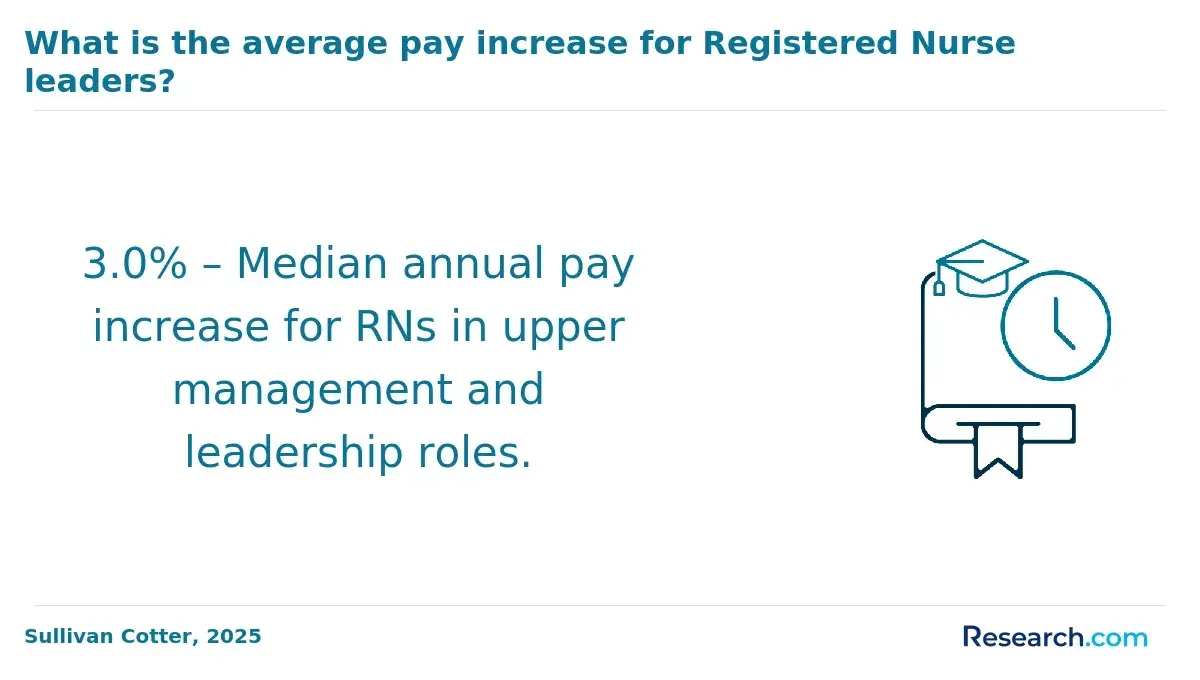
- Professional expectations: A BSN degree is increasingly viewed as a common standard in nursing practice. By early 2025, over 72% of the national nursing workforce held a BSN or higher, as more states introduced legislation modeled after New York’s "BSN in 10" law to enhance patient outcomes.
- Skills developed: Students build competence through classroom study, skills labs, simulation, and supervised clinical experiences. Common skill areas include patient assessment, medication administration, care planning, communication, documentation, leadership, community health, and care for children, adults, and older adults.
- Specialty exposure: Nursing can lead to fields such as acute care, adult-gerontology, family care, neonatal nursing, pediatrics, psychiatric-mental health, women’s health, public health, and community-based care.
Where can I work with a nursing degree?
Your workplace options depend on your license, degree level, specialty preparation, geographic location, and long-term career plan. Some nurses remain in direct patient care for decades, while others move into leadership, education, informatics, insurance, policy, research, or advanced practice.
Common nursing work settings
| Setting | Examples of roles | Best fit for |
| Hospitals and healthcare facilities | Emergency nurse, ICU nurse, pediatric nurse, geriatric nurse, cardiac nurse, oncology nurse, neonatal nurse | Students who want fast-paced clinical care, shift work options, and specialty exposure |
| Academic institutions | Nurse educator, professor, academic dean, nurse researcher | Nurses interested in teaching, curriculum design, simulation, or research |
| Community and public health | Public health nurse, school nurse, community health nurse | Nurses who want prevention-focused, population-based, or school-based work |
| Clinical leadership | Chief nursing officer, director of nursing, nurse manager | Experienced nurses who want staffing, operations, quality, and policy responsibilities |
| Non-clinical healthcare | Informatics nurse, insurance case manager, pharmaceutical educator, legal nurse consultant | Nurses seeking alternatives to bedside care while using clinical knowledge |
| Advanced practice | Nurse practitioner, nurse midwife, nurse anesthetist | RNs prepared to complete graduate education, certification, and state regulatory requirements |
Non-bedside options to consider
- Technology and informatics: Nurses can work with electronic health records, clinical data, workflow improvement, and healthcare technology implementation.
- Pharmaceuticals: Some nurses move into medication education, research support, sales, or patient programs. Students comparing related healthcare credentials may also review online pharmacy technician certification options.
- Insurance and utilization review: Nurses may evaluate claims, coordinate care, review medical necessity, or help develop health policies.
- Legal consulting: Experienced nurses may support attorneys as expert witnesses, medical record reviewers, or clinical researchers.
- Interdisciplinary care: Some nurses pursue additional preparation in social services, behavioral health, or case management. Students interested in combining clinical care and social support may compare nursing pathways with online LCSW degree options.
How much can I make with a nursing degree?
Nursing salaries are not fixed. Pay depends on your degree, license, years of experience, specialty, shift differential, employer, region, union or non-union environment, and whether you work in direct care, advanced practice, education, or administration. The figures below should be treated as salary snapshots, not guarantees.
- The RN median pay in 2025 was $89,010 per year or $42.80 per hour.
- The salary range for a Registered Nurse is from $60,143 to $78,405 per year.
- According to Salary.com, the average RN salary in Georgia is $71,030 as of March 2026.
- Best Nursing Schools in Georgia for 2027
- How long does it take to complete a nursing degree program?
- How does an online nursing degree compare to an on-campus program?
- What is the average cost of a nursing degree program?
- What are the financial aid options for students enrolling in a nursing degree program?
- What are the prerequisites for enrolling in a nursing degree program?
- What courses are typically in a nursing degree program?
- What types of specializations are available in nursing degree programs?
- How does one choose the best nursing degree program?
- What career paths are available for graduates of nursing degree programs?
- What healthcare trends in Georgia should nursing graduates be aware of?
- What are the professional networking opportunities for nursing students in Georgia?
- What are the key requirements for obtaining a nursing license in Georgia?
- What is the job market outlook for nursing careers in Georgia?
- What are the challenges and opportunities in nursing education in Georgia?
- What sets Georgia nursing programs apart from those in other states?
- What complementary career opportunities can nurses explore in Georgia?
- What are the nurse midwife education requirements in Georgia?
- What accreditation and regulatory factors should I consider for advanced nursing roles in Georgia?
- What distinguishes nurse practitioner programs in Georgia?
- What online nursing programs in Georgia are available to students?
- How can LPNs transition to becoming registered nurses in Georgia?
- What are the specific steps to meet LPN requirements in Georgia?
Best Nursing Schools in Georgia for 2027
How do we rank schools?
A nursing degree is a major academic, financial, and professional commitment. Our ranking is intended to help students compare Georgia nursing programs using available public data, program information, accreditation details, and practical decision factors.
The list below is based on analysis conducted by our research team using our research methodology. Sources used in the ranking process include:
- IPEDS database
- Peterson's database, including the Distance Learning Licensed Data Set
- The College Scorecard database
- The National Center for Education Statistics
Georgia nursing program comparison
| School | Program type | Format and length | Cost and credits | Accreditation |
| South University | Bachelor of Science in Nursing, RN to BSN | 4 quarters; multiple locations and online, with availability varying by state | $245 /credit hour; 180 Credits + 150 clinical hours | Commission on Collegiate Nursing Education (CCNE) |
| Georgia Southwestern State University | RN-BSN | 100% online; full-time or part-time; most students finish in 1-2 years | $169.33 /credit hour; 120 credit hours | Commission on Collegiate Nursing Education (CCNE), Accreditation Commission for Education in Nursing (ACEN) |
| Emory University’s Nell Hodgson Woodruff School of Nursing | Distance-accelerated BSN | 1 year of full-time study; limited to 30 students per cohort | $1,706 /credit hour; 48 credits | Commission on Collegiate Nursing Education (CCNE) |
| Georgia State University | R.N. to B.S.N. | 3 semesters online | Total BS cost (2 semesters): Georgia residents: $10,268; Non-Georgia Residents: $29,306; 30 credits | Commission on Collegiate Nursing Education (CCNE) |
| Columbus State University | MSN offered jointly with Georgia Southwestern University | 100% online; 2 years; local clinical completion | In-state: $301.00/credit hour; out-of-state: $817.00/credit hour; 36 credits + 765 clinical hours | Commission on Collegiate Nursing Education (CCNE) |
| Chamberlain University | MSN with RN-BSN to MSN and Accelerated RN to MSN options | 2 years; online; part-time or full-time options | $555/credit hour; 30 credits for Accelerated MSN option | Commission on Collegiate Nursing Education (CCNE) |
| Albany State University | Associate of Science in Nursing | Hybrid Track; 6 semesters; weekly campus visits and clinical experiences | $10,910 total program cost; 70 credits | Accreditation Commission for Education in Nursing (ACEN) |
| Kennesaw State University Wellstar School of Nursing | MSN and certificate options | 2 years; online coursework with precepted clinical experiences | $438.00/credit hour (online); 40 credits | Commission on Collegiate Nursing Education (CCNE) |
| Middle Georgia State University | MSN: Adult/Gerontology Acute Care Nurse Practitioner - AGACNP | 5 semesters | In-state: $488.00/credit hour; out-of-state: $983.00/credit hour; 43 credits | Accreditation Commission for Education in Nursing (ACEN) |
| The University of West Georgia's Tanner Health System School of Nursing | Doctorate in Nursing Education | 100% online; 4 years fulltime | $25,380 total program cost (fulltime); 60 credits | Commission on Collegiate Nursing Education (CCNE) |
1. South University
South University offers an RN to BSN pathway for licensed registered nurses who want to expand their professional preparation and qualify for broader nursing opportunities. The curriculum covers nursing research, community health, physical assessment, ethical and legal issues, and illness and disease management. Students should confirm state availability before applying because online and location-based offerings may not be open to residents of every U.S. state.
- Program Length: 4 quarters
- Tracks/concentrations: several electives
- Tuition Cost: $245 /credit hour
- Required Credits to Graduate: 180 Credits + 150 clinical hours
- Accreditation: Commission on Collegiate Nursing Education (CCNE)
2. Georgia Southwestern State University
Georgia Southwestern State University’s online RN-BSN program is built for working registered nurses who need flexibility while completing a bachelor’s degree. Students may attend full-time or part-time, and most complete the program in 1-2 years. Coursework includes five non-clinical courses, two clinical courses, and a practicum. The Prior Learning Assessment (PLA) option may help eligible students satisfy selected nursing course requirements.
- Program Length: 1-2 years
- Tracks/concentrations: N/A
- Tuition Cost: $169.33 /credit hour
- Required Credits to Graduate: 120 credit hours
- Accreditation: Commission on Collegiate Nursing Education (CCNE), Accreditation Commission for Education in Nursing (ACEN)
3. Emory University
Emory University’s distance-accelerated BSN is designed for students who already hold a bachelor’s degree from an accredited institution and want an intensive path into nursing. The program can be completed in one year of full-time study and combines online learning with clinical rotations at on-campus and local sites. Because each cohort is limited to 30 students, applicants should be prepared for a selective process.
- Program Length: 1 year
- Tracks/concentrations: N/A
- Tuition Cost: $1,706 /credit hour
- Required Credits to Graduate: 48 credits
- Accreditation: Commission on Collegiate Nursing Education (CCNE)
4. Georgia State University
Georgia State University’s R.N. to B.S.N. program serves registered nurses who already hold an associate degree or nursing diploma. The program can be completed in three semesters and is structured to strengthen nurses’ preparation for complex healthcare environments. Georgia State also offers nursing education across multiple levels, from associate through doctoral study.
- Program Length: 3 semesters online
- Tracks/concentrations: N/A
- Tuition Cost: total BS cost (2 semesters): Georgia residents: $10,268; Non-Georgia Residents: $29,306
- Required Credits to Graduate: 30 credits
- Accreditation: Commission on Collegiate Nursing Education (CCNE)
5. Columbus State University
The MSN program offered jointly by Columbus State University and Georgia Southwestern University is intended for registered nurses with a BSN who want graduate-level preparation in leadership, education, or informatics. The program is 100% online, can be completed in two years of full-time study, and includes 765 clinical hours completed locally.
- Program Length: 2 years
- Tracks/concentrations: Leadership, Education, Informatics
- Tuition Cost: In-state: $301.00/credit hour; out-of-state: $817.00/credit hour
- Required Credits to Graduate: 36 credits + 765 clinical hours
- Accreditation: Commission on Collegiate Nursing Education (CCNE)
6. Chamberlain University
Chamberlain University offers online MSN pathways for registered nurses seeking graduate advancement, including RN-BSN to MSN and Accelerated RN to MSN options. The program includes nine specialty tracks and allows part-time or full-time study. Students should compare specialty availability, clinical expectations, and state authorization requirements before enrolling.
- Program Length: 2 years
- Tracks/concentrations: 9 tracks
- Tuition Cost: $555/credit hour
- Required Credits to Graduate: 30 credits (Accelerated MSN option)
- Accreditation: Commission on Collegiate Nursing Education (CCNE)
7. Albany State University
Albany State University’s ASN program offers a hybrid option for students seeking an entry-level RN pathway. The “working professional” track includes weekly campus visits for lectures, testing, and clinical experiences, with additional coursework completed online. Clinical experiences may take place in facilities such as Phoebe Putney Memorial Hospital. The program prepares students for the NCLEX-RN exam and future academic progression.
- Program Length: 6 semesters
- Tracks/concentrations: N/A
- Tuition Cost: $10,910 total program cost
- Required Credits to Graduate: 70 credits
- Accreditation: Accreditation Commission for Education in Nursing (ACEN)
8. Kennesaw State University
Kennesaw State University’s Wellstar School of Nursing offers MSN and certificate options for nurses who want graduate-level clinical, education, or leadership preparation. The curriculum emphasizes evidence-based practice, healthcare technology, informatics, and precepted clinical experiences. Tracks include Family Nurse Practitioner, Leadership in Nursing - Nursing Education, and Leadership in Nursing - Nursing Administration.
- Program Length: 2 years
- Tracks/concentrations: Family Nurse Practitioner, Leadership In Nursing - Nursing Education, Leadership In Nursing - Nursing Administration
- Tuition Cost: $438.00/credit hour (online)
- Required Credits to Graduate: 40 credits
- Accreditation: Commission on Collegiate Nursing Education (CCNE)
9. Middle Georgia State University
Middle Georgia State University’s MSN in Adult/Gerontology Acute Care Nurse Practitioner prepares nurses for advanced practice in acute and sub-acute settings. The curriculum includes health promotion, disease management, pharmacologic and non-pharmacologic interventions, Lean Management skills, and Six Sigma principles. Graduates may work in areas such as Oncology, Palliative Care, and Trauma.
- Program Length: 5 semesters
- Tracks/concentrations: Adult/Gerontology Acute Care Nurse Practitioner
- Tuition Cost: In-state: $488.00/credit hour; out-of-state: $983.00/credit hour
- Required Credits to Graduate: 43 credits
- Accreditation: Accreditation Commission for Education in Nursing (ACEN)
10. University of West Georgia
The University of West Georgia’s Doctorate in Nursing Education is a fully online doctoral program for nurses preparing for educator roles. The program includes 60 semester hours and emphasizes theory, analysis, knowledge generation, and application in nursing education. Program outcomes align with the Core Competencies of Nurse Educators by the National League for Nursing (2025). The university participates in SARA and the Nurse Licensure Compact (eNLC), but students should still confirm state eligibility before applying.
- Program Length: 4 years fulltime
- Tracks/concentrations: N/A
- Tuition Cost: $25,380 total program cost (fulltime)
- Required Credits to Graduate: 60 credits
- Accreditation: Commission on Collegiate Nursing Education (CCNE)
Students who already hold a non-nursing bachelor’s degree may also compare direct entry MSN programs for non-nursing majors, which offer another route into graduate nursing education.
What graduates say about online nursing study
-
: "
As a single parent, I thought going back to school would be out of reach. Online coursework gave me enough flexibility to keep caring for my children while completing my nursing degree. It was still difficult, but the format made it possible. I now work as a NICU nurse, and the decision changed my family’s future. Chrissy
"
-
: "
Because I lived in a remote area, my local nursing school options were limited. Online learning connected me with classmates from different communities and helped me build cultural awareness. That experience now helps me as a school nurse working with children from many backgrounds. Janet
"
-
: "
I wanted public health nursing, but the traditional programs I first reviewed did not match my goals. The online program I chose offered community health coursework, and the format helped me move through the degree faster than I expected. Today I work in public health and use that training every day. Jack
"
Key Findings
- The average in-state public tuition for nursing programs was $9,700, and out-of-state private tuition was $38,800.
- Registered Nursing majors' average tuition for in-state public colleges was $6,401 and out-of-state private colleges was $31,035.
- According to recent World Health Organization projections for 2030, there is a global shortage of 4.5 million nurses, with approximately 81% concentrated in low- and middle-income countries.
- In 2025, the International Council of Nurses estimated a global shortage of thirteen million nurses.
- It is reported that 100,000 nurses have been lost since 2020, and it is predicted that up to 600,000 could be lost by 2027. These shortages are considered a “global health emergency” by the International Council of Nurses.
- According to Salary.com, the average RN salary in Georgia is $81,392 as of January 2025. The salary range for a Registered Nurse job is from $72,590 to $94,842 per year.
- About 193,100 openings for registered nurses are projected each year, on average, over the decade.
- 60% of RNs work in hospitals, 18% in ambulatory care, 7% in nursing and residential care facilities, 5% in government, and 3% in educational services.
- Registered nurses usually take one of three education paths: a bachelor’s degree in nursing, an associate’s degree in nursing, or a diploma from an approved nursing program.
How long does it take to complete a nursing degree program?
Your timeline depends on your starting point, transfer credits, enrollment status, program format, clinical placement schedule, and whether you need to prepare for a licensure or certification exam after graduation.
| Pathway | Typical full-time length | Typical part-time length | Best for |
| Associate Degree in Nursing (ADN) | 2 years | 3-4 years | Students seeking an RN pathway with a shorter undergraduate timeline |
| Bachelor of Science in Nursing (BSN) | 4 years | 5-6 years | First-time college students or students seeking broader long-term mobility |
| Accelerated BSN for RNs | 1-2 years | Varies by program | Licensed RNs completing a bachelor’s degree |
| Master of Science in Nursing (MSN) | 1.5-2 years | 2-3 years | BSN-prepared nurses seeking graduate-level roles |
| RN-to-MSN programs for nurses with BSN | 1.5-2 years | Varies by program | RNs pursuing faster graduate progression |
| Nurse Practitioner Programs | 2-3 years | 3-4 years | Nurses preparing for advanced clinical practice |
Timeline factors students often overlook
- Licensing exams: NCLEX-RN preparation and testing can extend the overall time before employment as an RN.
- Clinical scheduling: Clinical placements depend on site availability, preceptor availability, background checks, immunizations, and program approval.
- Prerequisites: Missing science courses can delay admission by one or more terms.
- Graduate prerequisites: Some MSN programs require a BSN, while others accept ADN-prepared nurses with additional qualifications.
- Program intensity: Accelerated and online programs can save calendar time but often require more weekly study hours and stronger self-management.
How does an online nursing degree compare to an on-campus program?
Online and on-campus nursing programs can both lead to strong outcomes when they are accredited, state-authorized, and aligned with licensure requirements. The difference is not usually the academic standard; it is the way coursework, labs, interaction, scheduling, and clinical experiences are delivered.
| Factor | Online or hybrid nursing degree | On-campus nursing program |
| Best fit | Working adults, rural students, caregivers, and students needing scheduling flexibility | Students who prefer structured schedules, in-person labs, and campus community |
| Course delivery | Lectures, assignments, discussions, and some exams may be completed online | Classes usually meet at set times on campus |
| Clinical hours | Usually completed at approved healthcare facilities near the student, if permitted by the program | Often arranged with facilities near the campus |
| Interaction | Uses video meetings, discussion boards, messaging, and virtual collaboration tools | Offers more face-to-face time with instructors, peers, labs, and simulation centers |
| Structure | May be asynchronous, synchronous, or mixed; requires strong time management | More predictable weekly schedule but less flexible for work or family obligations |
| Risk to check | State authorization, clinical placement support, technology requirements, and licensure alignment | Commute time, campus fees, relocation, and limited clinical site flexibility |
Before choosing an online program, ask whether the school will help secure clinical sites, whether Georgia residents are eligible, and whether graduates meet Georgia Board of Nursing requirements.
What is the average cost of a nursing degree program?
Nursing school costs vary widely because degree level, institution type, residency status, online fees, clinical fees, supplies, and transfer credits all affect the final price. Tuition is only one part of the cost; students should also budget for books, uniforms, lab equipment, background checks, health requirements, testing, licensure fees, transportation to clinical sites, and lost income if reducing work hours.
- 2025–26 average tuition (College Board, 2025): In-state public tuition: $12,010; out-of-state private tuition: $44,820
- Registered Nursing majors average tuition (DataUSA, 2025): In-state public colleges: $7,125; Out-of-state private colleges: $34,860 (see the following figure).
What are the financial aid options for students enrolling in a nursing degree program?
Start with aid that does not have to be repaid, then compare loans carefully. Some students can combine federal aid, institutional scholarships, employer reimbursement, state programs, and private scholarships. Always confirm eligibility, deadlines, enrollment requirements, service commitments, and repayment terms.
| Aid option | Who it may help | What to check before accepting |
| Federal Pell Grants | Undergraduate students with exceptional financial need | Eligibility, annual limits, and satisfactory academic progress rules |
| Federal Direct Loans | Undergraduate and graduate students who need borrowing support | Interest, repayment plan, total debt, and whether the loan is subsidized or unsubsidized |
| Institutional scholarships and aid | Students admitted to a specific nursing program | Application deadlines, GPA requirements, renewal rules, and whether awards apply to online programs |
| Employer tuition assistance | Working CNAs, LPNs, RNs, or healthcare employees | Work commitments, grade requirements, reimbursement timing, and covered expenses |
| State grants and scholarships | Students meeting Georgia or other state eligibility rules | Residency rules, service obligations, and eligible institutions |
| Private scholarships | Students with specific backgrounds, goals, specialties, or community service records | Legitimacy, deadlines, essay requirements, and whether awards are renewable |
| AANP scholarships and grants | Nurse practitioner students | Membership, program level, specialty focus, and application criteria |
| NONPF scholarships | Underrepresented minority students pursuing NP education | Eligibility standards and required documentation |
| Residency programs | New NPs or specialty trainees | Stipends, service expectations, specialty requirements, and post-completion opportunities |
| TEACH Grant | Graduate students who commit to teaching at high-need schools after graduation | Service obligation terms and consequences if requirements are not met |
What are the prerequisites for enrolling in a nursing degree program?
Admissions requirements differ by school and degree level. Entry-level ADN and BSN programs usually focus on academic readiness and prerequisite science courses, while RN-to-BSN, MSN, and advanced practice programs also evaluate licensure, clinical experience, and prior nursing education.
Common academic requirements
- High school diploma or GED: Entry-level programs typically require proof of secondary education or equivalent completion.
- Minimum GPA: Many programs set a minimum GPA, often ranging from 2.5 to 3.0. Some schools separately review science GPA.
- Standardized tests: Some programs may request ACT, SAT, TEAS, or other entrance exam scores, although requirements vary and some schools are moving away from standardized testing.
Common science prerequisites
- Biology: Programs commonly require biology with lab and may also require microbiology, anatomy, and physiology.
- Chemistry: Introductory chemistry with lab is often required, and some BSN programs may require additional chemistry coursework.
Other possible requirements
- English composition: Nursing students must demonstrate clear written communication for documentation, patient education, and academic work.
- Additional coursework: Statistics, psychology, sociology, nutrition, computer skills, or human development may be required.
- Healthcare experience: Volunteering, CNA work, LPN experience, or other patient-care exposure can strengthen an application, even when not required.
- References: Some programs request letters from instructors, supervisors, or healthcare professionals.
- Compliance documentation: Background checks, drug screening, immunization records, CPR certification, and health forms are common before clinical placement.
What courses are typically in a nursing degree program?
BSN and pre-licensure nursing programs are designed to build clinical judgment gradually. Students usually begin with sciences and foundational care concepts before moving into specialty nursing, population health, leadership, research, and clinical practice.
Foundational science courses
- Anatomy and Physiology: Teaches body systems, structure, and function so nurses can assess patients and understand clinical findings.
- Chemistry: Helps students understand medication action, lab values, treatment principles, and safety issues.
- Human Development: Covers growth and health needs from prenatal development through older adulthood.
- Microbiology: Focuses on microorganisms, infection control, immune response, and disease prevention.
Nursing-specific courses
- Fundamentals of Nursing: Introduces patient assessment, safety, communication, infection control, mobility, hygiene, vital signs, and basic care skills.
- Medical-Surgical Nursing: Covers nursing care for common and complex adult health conditions across medical and surgical settings.
- Pharmacology: Teaches medication classes, actions, adverse effects, interactions, dosage safety, and administration principles.
- Pathophysiology: Explains abnormal body processes so students can connect symptoms, diagnoses, complications, and interventions.
- Maternal-Neonatal Nursing: Focuses on pregnancy, labor, postpartum care, newborn care, and women’s health.
- Pediatric Nursing: Addresses child development, family-centered care, pediatric illnesses, and age-specific communication.
- Community and Mental Health Nursing: Covers population health, mental health conditions, public health principles, prevention, and community-based care.
Advanced and professional courses
- Leadership and Management: Prepares nurses for delegation, quality improvement, patient safety, advocacy, and team coordination.
- Nursing Informatics: Covers clinical technology, documentation systems, healthcare data, and communication tools.
- Research Methods: Helps students evaluate evidence and apply research findings to clinical decisions.
- Electives: Some programs include options in gerontology, critical care, pain management, informatics, or community health.
What types of specializations are available in nursing degree programs?
Many undergraduate nursing programs do not award formal specialties, but they expose students to multiple patient populations and care settings. Specialization often develops through clinical experience, employer training, certifications, graduate education, or advanced practice preparation.
Clinical specialties
- Cardiovascular nursing: Care for patients with heart and vascular conditions, including chronic disease management and procedure-related care.
- Critical care nursing: Work with seriously ill patients in ICUs who require close monitoring and advanced interventions.
- Emergency nursing: Provide rapid assessment and treatment in emergency departments and other urgent-care environments.
- Geriatric nursing: Support older adults with chronic illness, mobility issues, cognitive changes, medication management, and functional needs.
- Neuroscience nursing: Care for patients with stroke, spinal cord injury, dementia, seizures, and other neurological conditions.
- Oncology nursing: Support patients receiving cancer treatment, including chemotherapy, symptom management, education, and emotional care.
- Operating room nursing: Assist surgical teams, maintain sterile technique, prepare equipment, and support patient safety during procedures.
- Pediatric nursing: Care for infants, children, and adolescents while addressing developmental and family-centered needs.
Community and population-based specialties
- Home healthcare nursing: Provide skilled care in patients’ homes, including medication management, wound care, chronic disease support, and patient teaching.
- Occupational health nursing: Promote workplace safety, manage work-related health issues, and support employee wellness.
- Public health nursing: Focus on prevention, immunizations, health education, environmental concerns, and social determinants of health.
- School nursing: Care for students, manage chronic conditions, respond to injuries, and support health promotion in schools.
- Telehealth nursing: Use digital platforms to assess, educate, triage, and support patients remotely.
Advanced practice specialties
Advanced practice roles require graduate education, clinical hours, certification, and compliance with state rules.
- Clinical Nurse Specialist: Provides expert clinical guidance in areas such as wound care, gerontology, mental health, or quality improvement.
- Nurse Anesthetist: Administers anesthesia and manages pain during procedures and surgeries.
- Nurse Midwife: Provides reproductive, prenatal, birth, and postpartum care.
- Nurse Practitioner: Diagnoses and treats health conditions, often in primary care or specialty settings.
How does one choose the best nursing degree program?
The best nursing program is the one that is accredited, affordable for your situation, approved for your licensing goal, realistic for your schedule, and strong in the clinical area you want to enter. A highly ranked program may still be a poor fit if it cannot support your clinical placement, does not accept your transfer credits, or does not meet your state’s requirements.
Questions to ask before applying
| Decision area | Questions to ask | Why it matters |
| Accreditation | Is the program accredited by CCNE or ACEN? | Accreditation affects program quality, transfer options, graduate admissions, and sometimes certification or employer eligibility. |
| Licensure alignment | Does the program meet Georgia requirements for my intended license or certification? | Online programs may not automatically qualify graduates in every state. |
| Clinical placement | Does the school arrange clinical placements, or must I find my own site and preceptor? | Clinical access can delay graduation if responsibilities are unclear. |
| Total cost | What is the full cost after tuition, fees, books, equipment, exams, travel, and lost work time? | Sticker tuition rarely reflects the true cost of completing the degree. |
| Schedule | Can I realistically handle the weekly workload while working or caregiving? | Flexible does not mean easy; nursing programs require consistent study time. |
| Outcomes | What are graduation rates, NCLEX pass rates, certification pass rates, and job support services? | These indicators help you judge whether students complete the program and move into practice. |
| Support | Are tutoring, advising, simulation support, writing help, and career services available? | Support services can be especially important in accelerated, hybrid, and online formats. |
Common mistakes to avoid
- Choosing on tuition alone: A cheaper program can become expensive if credits do not transfer, clinicals are difficult to secure, or completion takes longer than expected.
- Ignoring accreditation: Always verify institutional and programmatic accreditation before enrolling.
- Assuming online means fully remote: Nursing programs usually require in-person labs, simulations, clinicals, or proctored assessments.
- Overlooking state authorization: Confirm that Georgia residents can enroll and that the program supports your licensing pathway.
- Not checking clinical placement policies: Some schools provide placement support, while others expect students to identify sites or preceptors.
- Relying only on rankings: Rankings are useful starting points, but your decision should also consider fit, cost, schedule, licensure, and support.
What career paths are available for graduates of nursing degree programs?
Nursing careers range from bedside care to advanced practice, education, leadership, technology, research, and policy. Your options depend on your license level, degree, specialty certifications, and experience.
Direct patient care roles
- Registered Nurse: Provides patient care, assessment, medication administration, education, care coordination, and documentation in hospitals, clinics, long-term care, home healthcare, and other settings.
- Travel Nurse RN/Travel Nurse: Takes temporary assignments in different locations. Before accepting assignments, review travel nurse requirements because licensing rules vary by state and may depend on compact participation.
Advanced practice and specialty roles
- Certified Nurse Midwife: Provides pregnancy, birth, postpartum, reproductive, and women’s health services.
- Certified Registered Nurse Anesthetist: Administers anesthesia and manages pain for procedures and surgery.
- Family Nurse Practitioner: Provides care to individuals and families across the lifespan.
- Gerontological Nurse Practitioner: Focuses on health needs of older adults.
- Health Policy Nurse: Works on healthcare access, policy development, advocacy, and systems improvement.
- Intensive Care Unit Nurse: Cares for patients with life-threatening or unstable conditions.
- Neonatal Intensive Care Nurse: Provides specialized care for critically ill newborns.
- Nurse Practitioner: Evaluates, diagnoses, and treats health conditions within the scope permitted by education, certification, and state regulation.
- Nursing Administrator: Manages nursing operations, staffing, quality, budgets, compliance, and patient care systems.
- Pain Management Nurse: Supports patients with acute or chronic pain through assessment, medication support, education, and care planning.
- Psychiatric Nurse Practitioner: Diagnoses and treats mental health conditions. Nurses interested in research-heavy mental health careers may also compare doctoral options such as the best psychology PhD programs.
- Registered Nurse First Assistant: Assists surgeons during complex procedures.
Education, informatics, and specialized practice
- Clinical Nurse Specialist: Provides expert nursing guidance in a defined specialty area.
- Informatics Nurse: Uses healthcare technology and data systems to improve documentation, workflow, safety, and patient care delivery.
- Nurse Educator: Teaches nursing students, new nurses, or practicing clinicians in academic or clinical settings.
What healthcare trends in Georgia should nursing graduates be aware of?
Georgia nursing graduates should pay attention to healthcare access, rural workforce needs, telemedicine growth, facility expansion, and demand for nurses prepared for advanced and specialized care. These trends affect where jobs are available, which specialties may be harder to staff, and what employers may expect from new graduates.
Advanced practice preparation is one area to watch. Nurses interested in critical care, emergency settings, or complex acute cases may compare online acute care nurse practitioner programs to understand how graduate training can support acute care specialization.
Technology is also reshaping nursing work. Electronic documentation, remote monitoring, telehealth, data-informed quality improvement, and simulation-based education are increasingly common. Nurses who are comfortable with technology and patient communication across digital platforms may have more flexibility in both clinical and non-clinical roles.
What are the professional networking opportunities for nursing students in Georgia?
Networking helps nursing students learn about specialties, clinical expectations, job openings, mentorship, and professional standards. Students should begin building relationships before graduation, especially during clinical rotations.
- Nursing associations: Organizations such as the Georgia Nurses Association and Georgia Association for Nursing Education can connect students with events, continuing education, mentors, and policy updates.
- Clinical placements: Clinical rotations are not only training experiences; they are also opportunities to meet nurse managers, preceptors, physicians, and healthcare administrators.
- Conferences and seminars: State and national nursing events can expose students to new practice trends, specialty areas, and hiring organizations.
- Mentorship programs: School-based mentor programs can help students choose specialties, prepare for interviews, and understand workplace expectations.
- Job fairs and career events: Nursing schools, hospitals, and healthcare systems often host recruiting events where students can compare employers and ask about residency programs or new graduate support.
What are the key requirements for obtaining a nursing license in Georgia?
Future nurses in Georgia generally need to complete an approved nursing program, pass the NCLEX exam, submit required documentation, complete background check requirements, and pay state fees. Applicants may need transcripts, proof of clinical competencies, and other documentation required by the Georgia Board of Nursing. For a step-by-step overview, review Research.com’s guide to the nursing license in Georgia.
What is the job market outlook for nursing careers in Georgia?
Georgia’s nursing job market is influenced by healthcare infrastructure investment, telehealth expansion, rural access needs, and demand for experienced clinicians and advanced practice nurses. Opportunities exist in urban hospitals, outpatient care, long-term care, public health, specialty practices, and leadership roles. Students comparing broader healthcare options may also find it useful to explore how to be a pharmacist in Georgia.
What are the challenges and opportunities in nursing education in Georgia?
Nursing education in Georgia can be competitive. Programs may have limited seats, selective admissions, required science prerequisites, clinical placement constraints, and high academic expectations. Students balancing work, caregiving, or long commutes may find the workload especially challenging.
At the same time, Georgia students have more flexible pathways than in the past. Online and hybrid programs, LPN-to-RN bridges, RN-to-BSN programs, graduate nursing tracks, simulation-based learning, scholarships, and employer tuition support can make nursing education more accessible. Students researching how to become an RN in Georgia should compare more than admissions requirements; they should also evaluate clinical support, licensure alignment, cost, and completion timelines.
The strongest applicants usually plan early. Completing prerequisites with strong grades, gaining healthcare experience, preparing for entrance exams, speaking with advisors, and applying to multiple appropriate programs can improve the odds of admission.
What sets Georgia nursing programs apart from those in other states?
Georgia nursing programs often combine state-specific clinical preparation with flexible progression routes for working students. Many programs emphasize simulation, community health, rural access, culturally responsive care, and partnerships with healthcare employers. Students who want a practical entry point into nursing may begin by comparing best online LPN programs in Georgia before moving into RN or BSN pathways.
What complementary career opportunities can nurses explore in Georgia?
Nurses who want alternatives to traditional bedside care can move into healthcare administration, education, case management, informatics, legal consulting, public health, quality improvement, or revenue-cycle-related roles. Clinical knowledge can also support adjacent careers. For example, nurses interested in documentation, coding, billing, or insurance workflows may review how to become a medical biller and coder in Georgia.
What are the nurse midwife education requirements in Georgia?
Nurses pursuing midwifery in Georgia generally need graduate-level nursing preparation, clinical training in obstetrics and perinatal care, and certification aligned with state requirements. Programs typically emphasize prenatal care, birth, postpartum care, reproductive health, evidence-based practice, and patient education. For a detailed pathway, see Research.com’s guide to nurse midwife education requirements in Georgia.
What accreditation and regulatory factors should I consider for advanced nursing roles in Georgia?
Advanced nursing students should verify both program accreditation and regulatory alignment before enrolling. Accreditation from recognized nursing bodies supports program quality, while Georgia-specific compliance affects licensure or practice eligibility. Students should also check state authorization, clinical hour requirements, certification eligibility, and whether credits will transfer if they later pursue another degree. Nurses considering advanced clinical practice can review how to become a nurse practitioner in Georgia.
What distinguishes nurse practitioner programs in Georgia?
Nurse practitioner programs in Georgia prepare RNs for advanced assessment, diagnosis, treatment planning, evidence-based care, leadership, and clinical decision making. Many programs include simulation, precepted clinical experiences, and specialty tracks aligned with patient population needs. Students comparing options should look closely at accreditation, certification pass preparation, clinical placement support, and state approval. For program comparisons, explore nurse practitioner programs in Georgia.
What online nursing programs in Georgia are available to students?
Georgia students can find online and hybrid options at several degree levels, including RN-to-BSN, MSN, bridge, and specialty programs. Because online nursing programs still require clinical experiences, students should confirm state authorization, clinical placement policies, accreditation, and licensure alignment. For a focused list, visit online nursing programs in Georgia.
How can LPNs transition to becoming registered nurses in Georgia?
LPNs can advance to RN status through bridge programs that build on existing practical nursing experience while adding RN-level theory, clinical judgment, and supervised practice. These programs may be campus-based, hybrid, or partly online, but clinical requirements must still be completed in approved settings. Working LPNs should compare admission requirements, prerequisite credits, clinical schedules, NCLEX-RN preparation, and employer tuition assistance. One option to review is a 2 semester LPN to RN program online.
What are the specific steps to meet LPN requirements in Georgia?
Overcoming barriers to entry in Georgia nursing programs
Admission to Georgia nursing programs can be competitive, especially when programs have limited seats, strict science prerequisites, minimum GPA thresholds, entrance exams, and clinical capacity limits. Students can improve their chances by building an application plan rather than applying at the last minute.
Start by identifying programs that match your academic profile and timeline. Community colleges and smaller state universities may offer more accessible entry points, and some students begin with easiest nursing schools to get into before progressing to advanced degrees. Healthcare experience as a CNA, volunteer, medical assistant, or LPN can also strengthen your application and confirm that nursing is the right fit.
If academics are your main barrier, complete prerequisites early, repeat weak science courses if appropriate, prepare for exams such as the TEAS, and meet with advisors before applying. Applicants should also track deadlines, request transcripts early, prepare references, and apply to more than one program when possible.
Key Insights
- The best Georgia nursing program is the one that matches your current credential, career goal, budget, schedule, and licensure requirements—not simply the one with the lowest tuition or highest name recognition.
- Accreditation matters. Look for nursing programs accredited by CCNE or ACEN and verify that the program supports your intended Georgia licensure or certification pathway.
- Online nursing programs can be flexible, but they are not fully remote in most cases. Clinicals, labs, simulations, background checks, and state authorization still matter.
- ADN, BSN, RN-to-BSN, MSN, NP, and doctoral pathways serve different goals. Choose the shortest responsible route to your target role, not the longest or most expensive route by default.
- Clinical placement support is one of the most important questions to ask. A program that leaves students to find their own sites may create delays, especially in competitive specialties.
- Salary data should be viewed as a range, not a promise. Degree level, specialty, employer, location, shift, and experience all affect earnings.
- Georgia nursing students should plan early for prerequisites, financial aid, NCLEX preparation, licensure documents, and career networking.
- Nurses who want long-term flexibility can use their clinical background to move into advanced practice, education, informatics, public health, leadership, case management, or related healthcare careers.
Related Articles for Nearby States
- 2027 Best Nursing Schools in South Carolina: Accredited ADN, BSN, MSN Programs
- 2027 Best Nursing Schools in Florida – Accredited ADN, BSN, MSN Programs
- 2027 Best Nursing Schools in Alabama – Accredited ADN, BSN, MSN Programs
- 2027 Best Nursing Schools in Tennessee – Accredited ADN, BSN, MSN Programs
- 2027 Best Nursing Schools in North Carolina – Accredited ADN, BSN, MSN Programs
- 2027 Best Nursing Schools in Mississippi – Accredited ADN, BSN, MSN Programs
- 2027 Best Nursing Schools in Kentucky – Accredited ADN, BSN, MSN Programs
- 2027 Best Nursing Schools in Virginia – Accredited ADN, BSN, MSN Programs
- 2027 Best Nursing Schools in Louisiana – Accredited ADN, BSN, MSN Programs
- 2027 Best Nursing Schools in West Virginia – Accredited ADN, BSN, MSN Programs
References:
- Campaign for Action. (2025). Progress toward the 80% BSN goal: 2025 regional dashboard. https://campaignforaction.org/resource/tracking-progress-on-nursing-education/
- College Board. (2025). Trends in College Pricing and Student Aid 2025. https://research.collegeboard.org/trends/college-pricing
- DataUSA. (2025). Nursing. Retrieved from https://datausa.io/profile/cip/nursing
- International Council of Nurses. (2025). High-income countries’ reliance on international recruitment risks global health: New data. https://www.icn.ch/news/high-income-countries-reliance-international-recruitment-risks-global-health-new-data
- National League for Nursing. (2025). Core competencies for nurse educators. https://www.nln.org/education/nurse-educator-competencies
- O*NET Resource Center. (2026). Registered nurses: Career outlook and requirements. https://www.onetonline.org/link/summary/29-1141.00
- U.S. Bureau of Labor Statistics. (2025). Occupational Outlook Handbook: Registered Nurses. https://www.bls.gov/ooh/healthcare/registered-nurses.htm
- Robert Wood Johnson Foundation. (2026). Nursing education and healthcare workforce reports. https://www.rwjf.org/en/insights/our-research.html
- Salary.com. (2026). *Registered Nurse (RN), Level 1 salary in Georgia*. https://www.salary.com/research/salary/alternate/registered-nurse-rn-level-1-salary/ga
- U.S. Bureau of Labor Statistics. (2026). Registered nurses: Occupational outlook handbook. https://www.bls.gov/ooh/healthcare/registered-nurses.htm
- U.S. Department of Education. (2026). Accredited postsecondary nursing programs. https://www.ed.gov
Other Things You Should Know About Nursing Schools in Georgia
For 2027, top nursing schools in Georgia include Emory University's Nell Hodgson Woodruff School of Nursing, known for its high-ranking BSN and MSN programs. Georgia State University and the University of Georgia also offer excellent, accredited nursing programs with strong clinical training and academic support.
ADN programs in Georgia typically require applicants to have a high school diploma or GED, completion of prerequisite courses like anatomy and microbiology, and a minimum GPA (often around 2.5). Some schools may also require TEAS exam scores for admission in 2027.
In 2027, Georgian nursing schools integrate simulation-based learning extensively. High-fidelity simulators, standardized patients, and virtual reality technologies are used to imitate real-life healthcare scenarios, allowing students to develop critical thinking, decision-making, and technical skills in a controlled environment before they undertake clinical placements.


