
2027 How to Become a Licensed Counselor (LPC) in Oregon

Co-Founder and Chief Data Scientist
Becoming a Licensed Professional Counselor (LPC) in Oregon is a structured process: you need graduate-level counseling education, supervised clinical experience, a licensing exam, and ongoing renewal. The decision matters because Oregon needs qualified mental health professionals across community agencies, schools, hospitals, private practices, addiction treatment programs, and rural service areas.
This guide is for prospective counseling students, career changers, out-of-state counselors considering Oregon licensure, and current helping professionals comparing counseling with related fields such as psychology, social work, school counseling, substance abuse counseling, and marriage and family therapy. You will learn the Oregon LPC pathway, how to compare programs, what salary and job outlook data suggest, which specializations may fit your goals, and what mistakes to avoid before investing in a graduate degree.
Quick Answer: How Do You Become an LPC in Oregon?
To become an LPC in Oregon, you typically complete a bachelor’s degree, earn a master’s or doctoral degree in counseling or a related field, complete supervised internship and post-graduate clinical experience, pass the National Counselor Examination (NCE) or the National Clinical Mental Health Counselors Examination (NCMHCE), apply through the Oregon Board of Licensed Professional Counselors and Therapists, and renew your license with continuing education. Supervised experience generally ranges between 2,400 and 4,000 hours, depending on your graduate preparation and board requirements.
Key Things to Know on How to Become an LPC in Oregon
- You begin with a bachelor’s degree, then complete a master’s or doctoral counseling-related program that covers core areas such as counseling theory, ethics, human development, assessment, diagnosis, and supervised practice.
- Oregon LPC candidates generally complete between 2,400 and 4,000 hours of supervised experience, depending on the program and licensing pathway.
- The Oregon counseling license costs $230 initially, and renewal costs $225 annually.
- Oregon LPCs who work in substance abuse, behavioral disorder, and mental health counseling earn a median annual wage of $53,710.
- About 42,000 substance abuse, behavioral disorder, and mental health counseling openings are expected each year over the next decade.
- Top Licensed Counselor Programs in Oregon for 2027
- Steps to Become a Licensed Counselor in Oregon
- Counseling Specializations in Oregon
- Licensed Counselor Salary Range in Oregon
- Job Outlook and Career Growth for Oregon Counselors
- Types of Counseling Jobs in Oregon
- Advanced Courses That Can Strengthen an LPC Career
- Alternative Careers for Licensed Counselors
- Networking and Professional Associations for Oregon Counselors
- Substance Abuse Counseling as a Career Focus
- Using Social Work Knowledge in Counseling Practice
- Psychology Licensure as an Alternative Path
- Common Challenges for Oregon Counselors
- Why Academic Quality Matters
- Self-Care Strategies for Counselors
- Dual Licensure and Career Flexibility
- Common LPC Licensure Pitfalls
- Cultural Competence in Oregon Counseling
- LPC Exam Preparation
- Interdisciplinary Collaboration in Counseling
- Ethical Guidelines for Oregon Counselors
- Continuing Education and Specialization
- Next Steps for Future Oregon Counselors
- Counselors and Oregon’s Mental Health Crisis
Top Licensed Counselor Programs in Oregon for 2027
The best counseling program for you is not always the most recognizable school. For LPC preparation, the most important questions are whether the curriculum aligns with Oregon licensure requirements, whether the program includes supervised clinical training, how practicum and internship placements work, and whether the degree fits your preferred setting, such as mental health counseling, school counseling, or doctoral-level psychology training.
How do we rank schools?
Research.com evaluates schools with a data-informed methodology designed to help students compare programs more clearly before committing to a major financial and career investment. The ranking process uses established education data sources, including the IPEDS database, Peterson's database, the College Scorecard database, and The National Center for Education Statistics. These sources help support comparisons of Oregon LPC-related programs. You can review the full ranking approach on Research.com’s methodology page.
| School | Program Mentioned | Best Fit | What to Verify Before Applying |
| Southern Oregon University | Master of Science in Clinical Mental Health Counseling | Students seeking a counseling-focused graduate path for public or private mental health settings | Licensure alignment, supervised placement structure, current tuition, credit requirements, and accreditation status |
| University of Oregon | PhD in Counseling Psychology | Students interested in doctoral-level training, research, clinical practice, and psychology-oriented career options | Whether the psychology pathway matches your intended license, practice goals, and timeline |
| George Fox University | Master’s Degree in School Counseling | Students planning to work with children and adolescents in public or private school environments | School counseling credential requirements, field placement options, and whether the program leads to your target role |
| Lewis and Clark College | Professional Mental Health Counseling | Students who want a theory-based and clinically applied counseling education | Clinical supervision model, internship support, licensure preparation, and specialization opportunities |
| Oregon State University | Master of Counseling in Clinical Mental Health Counseling | Students who prefer a hybrid online model with clinical mental health preparation | Campus or residency requirements, practicum placement responsibilities, and Oregon LPC alignment |
1. Southern Oregon University
Southern Oregon University offers a Master of Science in Clinical Mental Health Counseling program built around ethical practice, cultural awareness, and preparation for mental health service delivery in public and private settings. The curriculum emphasizes the counselor’s role in the therapeutic relationship while introducing students to major counseling theories, research-informed approaches, and applied clinical skills.
- Program Length: Confirm with the school before applying.
- Tracks/concentrations: Review current program options with the department.
- Cost per Credit: Check the university’s latest tuition schedule.
- Required Credits to Graduate: Verify with the official program page.
- Accreditation: Confirm current accreditation and Oregon licensure alignment.
2. University of Oregon
The University of Oregon offers a PhD in Counseling Psychology based on a generalist scientist-practitioner training model. This route is different from a master’s-level LPC path because it is more research-intensive and can prepare graduates for broader psychological practice, academic, leadership, and advanced clinical roles. Students comparing counseling and psychology may also want to review affordable psychology options, including Research.com’s guide to the cheapest online degree in psychology.
- Program Length: Confirm the expected doctoral timeline with the university.
- Tracks/concentrations: Ask about available research and clinical focus areas.
- Cost per Credit: Review current graduate tuition and funding information.
- Required Credits to Graduate: Verify directly with the program.
- Accreditation: Confirm accreditation, internship expectations, and psychology licensure relevance.
3. George Fox University
George Fox University offers a master’s degree in School Counseling for students who want to support children and adolescents in public or private school settings. This type of program is most appropriate for future school counselors rather than students whose primary goal is private clinical mental health practice.
- Program Length: Confirm with George Fox University.
- Tracks/concentrations: Review school counseling options and endorsements.
- Cost per Credit: Check the latest tuition information.
- Required Credits to Graduate: Verify with the official catalog.
- Accreditation: Confirm whether the program meets the credentialing requirements for your intended school counseling role.
4. Lewis and Clark College
Lewis and Clark College offers a Professional Mental Health Counseling program that prepares students to integrate counseling theory with clinical intervention skills. The program includes coursework in areas such as counseling theory, human development, and career counseling, which are important foundations for future practice.
- Program Length: Confirm the current completion timeline.
- Tracks/concentrations: Ask the department about current specialization options.
- Cost per Credit: Review the college’s most recent tuition and fee schedule.
- Required Credits to Graduate: Verify with the program office.
- Accreditation: Confirm current accreditation and licensure preparation details.
5. Oregon State University
Oregon State University offers a hybrid online Master of Counseling in Clinical Mental Health Counseling program. The program is designed to prepare students for LPC licensure and clinical work across different settings, with an emphasis on empathy, advocacy, leadership, and social justice in counseling practice.
- Program Length: Confirm current full-time and part-time options.
- Tracks/concentrations: Ask about available clinical mental health focus areas.
- Cost per Credit: Check Oregon State University’s current tuition information.
- Required Credits to Graduate: Verify in the official program materials.
- Accreditation: Confirm current accreditation and Oregon LPC eligibility.
How to Choose an Oregon LPC Program
Before applying, compare programs by licensure fit, not just reputation. A strong program should prepare you for supervised practice, help you understand Oregon licensing steps, provide field placement support, and offer coursework aligned with the type of clients you hope to serve.
| Decision Factor | Why It Matters | Question to Ask |
| Licensure alignment | A counseling degree should support your intended Oregon license pathway. | Does this program meet Oregon LPC education requirements? |
| Clinical placement support | Practicum and internship quality affect your readiness for supervised practice. | Does the school arrange placements or must students find their own? |
| Format | Hybrid, online, and campus programs differ in flexibility and field requirements. | Are there in-person residencies, campus weekends, or local placement rules? |
| Specialization | Your coursework can influence your first job and long-term niche. | Can I focus on addiction, trauma, school counseling, family systems, or another area? |
| Total cost | Tuition is only part of the financial commitment. | What are the total costs, including fees, books, travel, background checks, and exam expenses? |
Steps to Become a Licensed Counselor in Oregon
Oregon’s LPC process is manageable when you treat it as a sequence of decisions: choose the right graduate program, complete supervised clinical training, document your experience carefully, pass the required exam, submit a complete application, and keep your license active through renewal and continuing education.
Oregon LPC Pathway at a Glance
| Stage | What You Need to Do | Practical Tip |
| Undergraduate education | Complete a bachelor’s degree. A related major is helpful but not always mandatory. | Psychology, social work, human services, or similar fields can make graduate coursework easier. |
| Graduate education | Earn a master’s or doctoral degree in counseling or a related field. | Confirm the program includes coursework required by Oregon before enrolling. |
| Clinical training | Complete supervised internship and clinical experience. | Keep organized records from the beginning; missing documentation can delay licensure. |
| Post-graduate supervision | Complete one to three years of supervised experience, generally between 2,400 and 4,000 hours. | Make sure your supervisor meets Oregon’s requirements before counting hours. |
| Examination | Pass the NCE or NCMHCE. | Use practice exams and study plans aligned with the exam you choose or are assigned. |
| Application and fees | Submit your Oregon application and pay required licensing costs. | The initial licensing fee is $230, and the annual renewal fee is $225. |
| Renewal | Renew annually and complete continuing education requirements. | Oregon requires at least 40 hours of continuing education every two years. |
Educational Requirements
Your graduate education is the foundation for licensure. Oregon LPC candidates should choose programs that cover core counseling content and include supervised practice experiences that prepare them for post-graduate clinical work.
- Earn a bachelor’s degree: Your undergraduate major does not always have to be counseling-related, but majors such as psychology, social work, human services, or family studies can help you build relevant background knowledge.
- Complete a master’s or doctoral degree: You need graduate preparation in counseling or a related field. Students considering broader clinical or research careers may also compare counseling programs with online psychology doctorate programs. Your coursework should include subjects such as counseling theory, human growth and development, ethics, assessment, diagnosis, and clinical practice.
- Finish supervised practicum or internship experience: Graduate programs typically include hands-on training under qualified supervision so students can apply counseling skills in real client-service settings.
Licensing Requirements
After graduation, you move from academic preparation into supervised professional practice. This stage is where many candidates lose time if they do not track hours correctly or confirm supervisor eligibility.
- Complete supervised post-graduate experience: Oregon candidates commonly need one to three years of supervised experience, with total supervised hours generally ranging from 2,400 to 4,000 hours.
- Pass a licensing exam: Candidates must pass the National Counselor Examination (NCE) or the National Clinical Mental Health Counselors Examination (NCMHCE).
- Submit fees and application materials: Oregon’s initial licensing fee is $230, and the annual renewal fee is $225. Because fees can change, applicants should verify current requirements through the Oregon Board of Licensed Professional Counselors and Therapists before submitting materials.
Renewal Requirements
Licensure is not a one-time event. Oregon LPCs must keep their professional knowledge current and maintain good standing with the licensing board.
- Complete at least 40 hours of continuing education every two years.
- Renew the license annually and pay the required renewal fee.
Guidance for Out-of-State Counselors Seeking Oregon Licensure
Licensed counselors moving to Oregon may be able to apply through licensure by reciprocity. This does not mean automatic approval. The board reviews whether your existing license, education, experience, and examination history meet Oregon standards or are substantially equivalent.
- Verify your current license: Submit proof of an active, unrestricted counseling license from another jurisdiction.
- Compare requirements: Confirm whether your education, supervision, and exam history satisfy Oregon’s standards.
- Apply for Oregon licensure: Complete the Oregon LPC application and submit required fees and documentation.
- Wait for board review: Do not begin practicing as an Oregon LPC until the Oregon Board of Licensed Professional Counselors and Therapists approves your license.
Counseling Specializations in Oregon
Yes, Oregon counselors can build expertise in several practice areas. Specialization can help you focus your training, choose better internships, serve specific populations, and position yourself for jobs that match your clinical interests.
| Specialization | Typical Client Needs | Good Fit If You Want To... |
| Mental Health Counseling | Depression, anxiety, trauma, emotional distress, and other psychological concerns | Provide individual or group therapy in community, clinical, or private practice settings |
| Marriage and Family Therapy | Relationship conflict, family communication, parenting concerns, and couple dynamics | Work with couples and families using systems-based approaches |
| School Counseling | Academic planning, student wellness, social concerns, and career development | Support students in K-12 settings; compare this path with school and career counseling roles |
| Addiction Counseling | Substance use, relapse prevention, recovery planning, and behavioral addiction concerns | Work in treatment centers, community programs, correctional settings, or integrated care |
| Rehabilitation Counseling | Disability, vocational adjustment, independence, and quality-of-life support | Help clients with physical, mental, or developmental disabilities pursue personal and work goals |
Specialization is especially relevant because workforce shortages affect mental health access. According to recent Kaiser Family Foundation data, 54% of the U.S. population in 2025 lived in a mental health workforce shortage area, and some states needed up to 900 additional practitioners to address the gap.
Licensed Counselor Salary Range in Oregon
As of March 2026, licensed counselors in Oregon, including LPCs working in substance abuse, behavioral disorder, and mental health counseling, earn a median annual wage of $69,660. Earnings vary by specialization, work setting, location, credentials, experience, and whether the counselor works in an agency, school, hospital, group practice, or private practice.
| Counseling Role or Category | Oregon Salary Information Stated | How to Interpret It |
| Substance abuse, behavioral disorder, and mental health counselors | Median annual wage of $69,660 as of March 2026 | This figure is useful for LPCs focused on clinical mental health, addiction, or behavioral health roles. |
| Rehabilitation counselors | Average annual salary of $58,340 as of May 2025 | This path may appeal to counselors interested in disability support, vocational rehabilitation, and independence planning. |
| Educational, guidance, and career counselors | Average annual salary of about $74,210 as of May 2025 | This category is most relevant to school, college, and career counseling roles. |
| Entry-level counselors | Annual earnings may fall between $39,850 and $54,740 | New professionals should plan for lower early-career earnings while they build experience and credentials. |
| Higher-end counselor earnings | Average annual salary can reach up to $85,898 | Higher earnings may reflect experience, specialization, location, leadership, or practice setting. |
Salary data should not be treated as a guaranteed outcome. Your earnings may differ based on your employer, caseload, reimbursement environment, specialty, supervision status, and ability to build a referral network.
Job Outlook and Career Growth for Oregon Counselors
Oregon’s counseling labor market is expected to grow, especially in mental health and substance use treatment. BLS data anticipates 18% growth through 2032 for licensed counselors in Oregon, which is faster than the average growth rate across all industries.
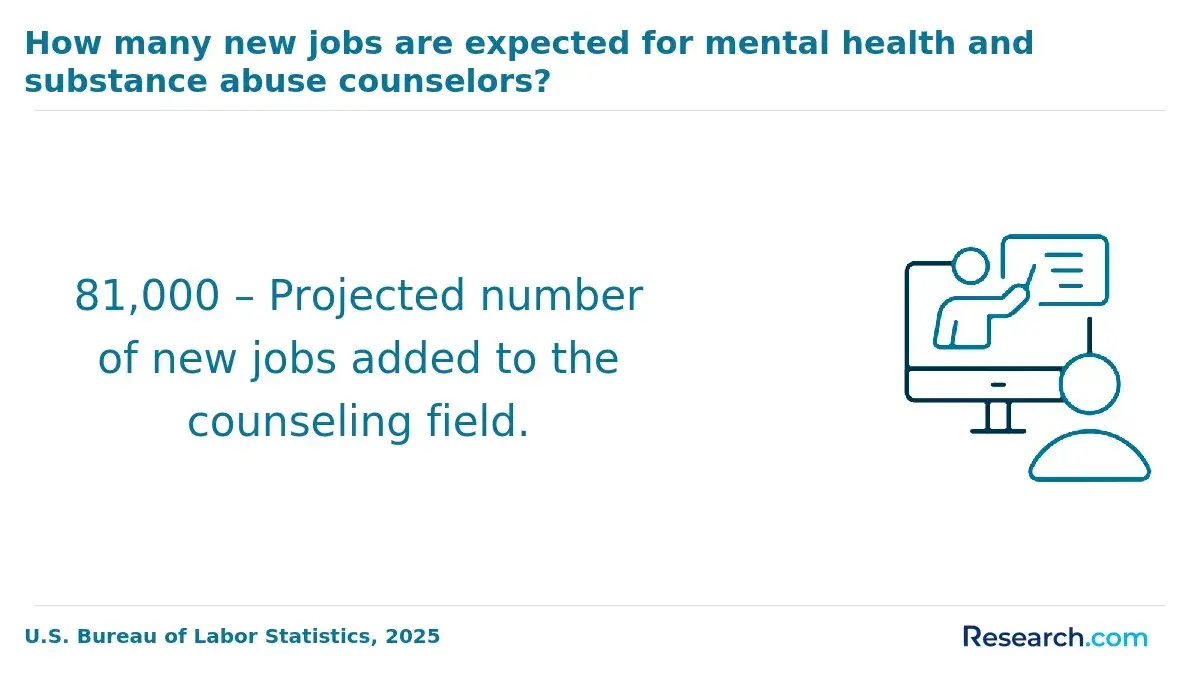
- About 42,000 substance abuse, behavioral disorder, and mental health counseling positions are projected to open each year over the next decade.
- Some openings will come from new demand, while others will result from workers retiring or moving into different occupations.
- Demand is expected to increase as more people seek help for mental health and addiction-related concerns.
- Rising needs among young people and individuals with behavioral disorders continue to support demand for qualified counselors.
- The opioid crisis contributes to ongoing demand for professionals trained in opioid use disorder treatment and recovery support.
Current Trends Affecting Oregon LPC Careers
- Teletherapy is now part of mainstream care: Online counseling can expand access, especially in rural areas, but counselors must follow confidentiality, technology, and state practice rules.
- Employers value evidence-based practice: Training in trauma-informed care, addiction treatment, crisis response, and integrated behavioral health can strengthen job prospects.
- Documentation standards matter: Agencies and healthcare settings often require careful treatment planning, progress notes, risk assessment, and coordination with other providers.
- Workforce shortages create opportunity but also pressure: High need can mean more openings, but it can also mean heavier caseloads and a greater risk of burnout.
Types of Counseling Jobs in Oregon
Oregon LPCs and counseling-trained professionals can work in many settings. The best option depends on your preferred population, tolerance for crisis work, desired schedule, supervision needs, and whether you want school, healthcare, community, or private practice work.
| Career Path | Primary Focus | Common Work Settings |
| Rehabilitation Counseling | Helping clients manage disability, personal barriers, physical challenges, or substance-related concerns while improving independence | Rehabilitation agencies, community organizations, workforce programs, and healthcare settings |
| Gambling Counseling | Supporting clients with gambling addiction and related financial, relational, and emotional consequences | Addiction treatment programs, community mental health, and specialized recovery services |
| Genetic Counseling | Guiding individuals and families who face genetic risk or diagnosis | Hospitals, specialty clinics, and healthcare systems |
| Youth Counseling | Helping children and adolescents address bullying, family stress, emotional issues, and behavioral concerns | Schools, youth agencies, community clinics, and private practices |
| Guidance Counseling | Assisting students with academic planning, personal development, and career decisions | Middle schools, high schools, colleges, and career centers |
| Marriage and Family Therapy | Supporting couples and families through relational distress and major life transitions | Family clinics, private practices, and community agencies; compare this with broader counseling and therapy careers |
| School Counseling | Helping students with academic, social, emotional, and career-related needs | K-12 schools and education systems |
| Substance Abuse Counseling | Helping clients address addiction, recovery, relapse prevention, and co-occurring mental health needs | Treatment centers, hospitals, correctional settings, and community behavioral health programs |
BLS data cited in the original analysis indicates that hospitals and medical centers are among the top employers of licensed counselors.
Advanced Courses That Can Strengthen an LPC Career in Oregon
Advanced coursework can help an Oregon LPC move from generalist practice into a more focused clinical niche. This can be especially useful if you want to work with trauma, grief, addiction, couples, families, or complex mental health needs.
| Advanced Course Area | What It Builds | Why It May Help Your Career |
| Advanced Counseling Theories and Interventions | Deeper understanding of major counseling models and intervention planning | Helps counselors refine a clinical style and choose interventions more intentionally |
| Grief and Loss Counseling | Skills for supporting bereavement, divorce, job loss, and major transitions | Useful for private practice, hospice, community mental health, and crisis-support settings |
| Trauma-Informed Counseling | Recognition and treatment of trauma responses, including approaches such as EMDR and Cognitive Processing Therapy | Relevant across clinical mental health, addiction treatment, schools, and healthcare |
| Couples and Family Therapy | Family systems theory, relationship assessment, and relational intervention strategies | Expands practice beyond individual counseling into couple and family work |
| Substance Abuse Counseling | Addiction theory, treatment planning, group facilitation, and prevention strategies | Supports work in a high-need specialty connected to mental health and recovery services |
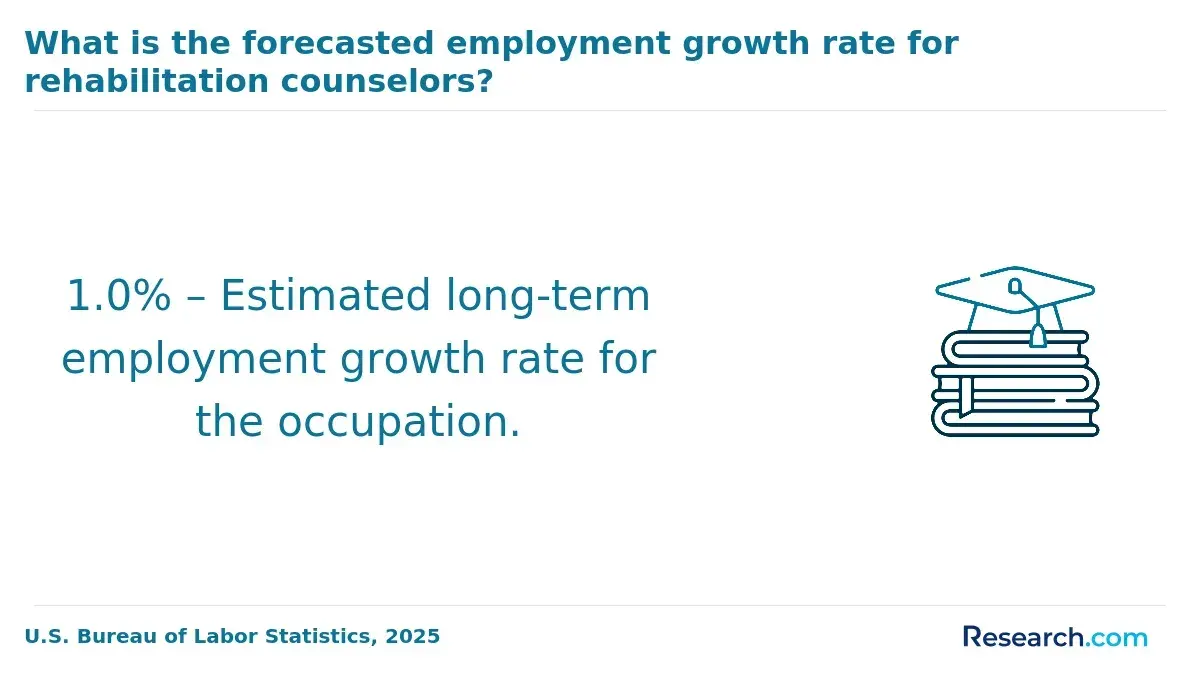
Oregon has around 4,000 licensed counselors, according to the Oregon Mental Health Regulatory Agency. In that environment, focused training can help distinguish your clinical profile, although it does not guarantee higher pay or faster advancement.
Alternative Careers for Licensed Counselors
A counseling background can lead to roles beyond traditional therapy. These options may appeal to professionals who want to use communication, assessment, conflict resolution, and behavior-change skills in education, business, community programs, or leadership.
- Career Coach Consultant: Helps clients clarify career goals, identify barriers, and create practical plans for advancement or transition.
- Human Resources Professional: Uses counseling-related skills to support employee relations, conflict mediation, staff development, wellness efforts, and training programs.
- Life Coach: Works with clients on personal goals such as relationships, habits, wellness, motivation, and work-life balance. This role is not the same as clinical counseling and may not require LPC licensure.
- Community Service Manager: Coordinates social service programs, supervises teams, responds to community needs, and manages program outcomes.
- Post-secondary Education Administrator: Supports student services, advising, counseling-related programming, academic planning, and campus wellness initiatives.
These roles may offer more administrative, educational, or consultative work than direct clinical practice. They can be good alternatives if you enjoy helping people but want less exposure to crisis counseling or intensive clinical caseloads.
Networking and Professional Associations for Oregon Counselors
Professional networking is not just about finding jobs. It can help Oregon counselors find supervisors, referral partners, continuing education, ethical consultation, peer support, and updates on licensing or practice changes.
- Oregon Counseling Association (ORCA): A professional organization for counselors in Oregon and a potential source of community, advocacy, and professional development.
- Local chapter events: Smaller events can help newer counselors meet supervisors, agency leaders, private practitioners, and peers in their region.
- Annual conferences: State, regional, and national conferences offer training, research updates, ethics education, and opportunities to present work.
- Online communities: Professional forums and virtual groups can help counselors outside major metro areas access consultation and resources.
Networking is especially valuable during the supervised experience stage because the quality of your supervisor, placement, and professional references can shape your early career options.
How Can Specializing in Substance Abuse Counseling Boost My Career in Oregon?
Substance abuse counseling can be a strong specialization for Oregon LPCs because addiction treatment often overlaps with trauma, family stress, behavioral health, crisis care, and co-occurring mental health concerns. Focused training can help counselors use evidence-based interventions, facilitate recovery groups, support relapse prevention, and coordinate care with medical or community providers. If this path interests you, review the specific pathway in Research.com’s guide on how to become a substance abuse counselor in Oregon.
How Can Social Work Knowledge Strengthen Counseling Practice in Oregon?
Social work knowledge can make counseling more practical and systems-aware. Many clients need more than therapy; they may also need housing support, benefits navigation, school advocacy, healthcare referrals, or crisis resources. Counselors who understand social service systems can coordinate care more effectively and advocate for clients facing barriers outside the therapy room. To compare social work career options with counseling practice, see Research.com’s article on what you can do with a master’s in social work.
Is Psychology Licensure a Viable Alternative for Career Advancement in Oregon?
Psychology licensure can be a better fit than LPC licensure for professionals who want doctoral-level assessment, research, teaching, supervision, leadership, or advanced clinical responsibilities. The psychology route has different academic, clinical, and licensing requirements, so it should not be treated as a simple upgrade from counseling. If you are deciding between these paths, compare timelines, scope of practice, cost, and career goals using Research.com’s guide on how to become a psychologist in Oregon.
What Challenges Do Counselors Commonly Face in Oregon?
Oregon counselors may face heavy caseloads, complex documentation demands, rural access gaps, technology-related confidentiality concerns, and pressure to keep up with changing ethical and regulatory expectations. New counselors can also struggle to find qualified supervision, maintain work-life boundaries, or choose the right specialization. If you are still deciding which academic route fits your goals, Research.com’s guide to different types of counseling degrees can help you compare options before enrolling.
How Does Academic Excellence Influence Counseling Practice in Oregon?
A strong academic program does more than help you qualify for licensure. It shapes how you assess clients, select interventions, understand ethics, document care, and work with diverse populations. High-quality programs also provide supervised experience, faculty mentoring, and professional networks that can support your transition into practice. Students comparing Oregon programs may also want to explore Research.com’s overview of good colleges for psychology in Oregon when considering adjacent mental health career pathways.
How Can Self-Care Strategies Boost Your Effectiveness as a Counselor in Oregon?
Counselors cannot provide consistent care if they ignore burnout, compassion fatigue, secondary trauma, or chronic stress. Effective self-care includes realistic caseload boundaries, consultation, supervision, peer support, reflective practice, time away from clinical work, and ongoing training in trauma stewardship. Counselors who understand related helping professions may also gain useful perspectives on boundaries and community-based support; Research.com’s guide on how to become a social worker in Oregon can help you compare those professional demands.
Can Dual Licensure Expand Your Career Opportunities in Oregon?
Dual licensure or complementary credentials can broaden the populations you serve and the settings where you work. For example, combining counseling expertise with behavioral analysis knowledge may support roles in education, developmental services, autism-related care, or interdisciplinary treatment teams. Dual credentialing requires additional time, cost, supervision, and regulatory compliance, so it is best for professionals with a clear career reason. To explore one adjacent credential, see Research.com’s guide on how to become a behavior analyst in Oregon.
Common Mistakes When Pursuing an LPC License in Oregon
Many LPC delays are avoidable. The most common problems involve choosing the wrong program, miscounting supervised hours, overlooking fees, delaying exam preparation, or assuming that online coursework automatically meets Oregon requirements.
| Mistake | Why It Causes Problems | Better Approach |
| Choosing a program without checking licensure alignment | A degree may be reputable but still fail to meet every Oregon LPC requirement. | Ask the program and the Oregon board how coursework maps to LPC requirements before enrolling. |
| Focusing only on tuition | Total cost may include fees, books, travel, exams, background checks, and unpaid practicum time. | Estimate the full cost of attendance and the cost of completing supervised requirements. |
| Assuming online means fully remote | Some online or hybrid programs require campus visits, residencies, or local clinical placements. | Confirm all in-person requirements before applying. |
| Using an unapproved or poorly documented supervisor | Hours may be delayed or rejected if supervision does not meet requirements. | Confirm supervisor qualifications and keep detailed signed records. |
| Waiting too long to prepare for the exam | The NCE or NCMHCE requires focused preparation, not last-minute review. | Build a study plan with practice exams, content review, and time management. |
| Assuming salaries are guaranteed | Pay depends on setting, region, experience, specialty, and credentials. | Compare actual job postings and talk with Oregon counselors in your target specialty. |
If your priority is shortening the timeline while staying compliant, review Research.com’s guide to the fastest way to become a counselor in Oregon.
How Can Cultural Competence Improve Counseling Outcomes in Oregon?
Cultural competence helps counselors build trust, reduce misunderstandings, and adapt treatment to the client’s identity, values, language, community, and lived experience. In Oregon, this matters across urban, rural, school, healthcare, tribal, immigrant, and underserved communities. Strong cultural responsiveness includes humility, ongoing education, awareness of power dynamics, and willingness to consult or refer when a client’s needs fall outside the counselor’s competence. In school settings, cultural competence is especially important for student support; Research.com’s guide on becoming a school counselor in Oregon explains that path in more detail.
How Can Targeted Exam Preparation Improve LPC Licensing Success in Oregon?
A structured exam plan can reduce uncertainty and help candidates prepare for the NCE or NCMHCE more efficiently. Start by confirming which exam applies to your situation, then review official content outlines, schedule study blocks, take practice exams, and focus extra time on weak areas. Candidates should also track application deadlines and board requirements so exam preparation fits the overall licensing timeline. For a deeper review, see Research.com’s resource on Oregon LPC license requirements.
How Can Interdisciplinary Collaboration Enhance Your Impact as a Counselor in Oregon?
Many client concerns are too complex for one professional to address alone. Oregon LPCs often collaborate with physicians, nurses, social workers, teachers, school administrators, case managers, legal professionals, and addiction specialists to coordinate care and reduce gaps in support.
In schools, collaboration can help identify students who need early intervention. In healthcare, LPCs may support patients dealing with both physical and mental health conditions. In legal or social service contexts, counselors may help clients navigate custody disputes, safety planning, community resources, or access barriers.
Some counselors choose to deepen their systems-based work through a related specialty such as marriage and family therapy. If that direction interests you, Research.com explains the pathway in its guide on how to become a marriage and family therapist in Oregon.
Interdisciplinary collaboration can improve client outcomes, but it also requires clear consent, confidentiality protections, role clarity, and careful documentation.
Ethical Guidelines for Oregon Counselors
Oregon counselors must follow ethical and professional standards established by the Oregon Board of Licensed Professional Counselors and Therapists. These standards address confidentiality, informed consent, professional competence, boundaries, conflicts of interest, record-keeping, client autonomy, and responsible use of technology.
Ethics are especially important in telehealth, crisis counseling, work with minors, mandated reporting, and interdisciplinary care. Counselors must understand how state requirements interact with federal privacy laws such as HIPAA and should pursue regular ethics training to stay current.
Violating ethical rules can lead to disciplinary consequences, including fines or license suspension. For new counselors, the safest approach is to consult supervisors, document carefully, avoid dual relationships that could harm clients, and seek legal or board guidance when uncertain.
How Continuing Education and Specialization Can Affect an Oregon LPC Career
Continuing education helps Oregon LPCs keep their skills current, meet renewal requirements, and adapt to changing client needs. Specialization can also make your practice more focused, but it should be chosen strategically rather than based on trends alone.
- Ongoing learning: Workshops, courses, and conferences help counselors stay current with ethical rules, clinical techniques, telehealth practices, and evidence-based care.
- Certifications and specialization: Focused training in grief counseling, trauma, addiction, or family systems can help you serve specific client populations more effectively.
- Earning potential: Specialized LPCs may be able to pursue higher-fee niches or advanced roles, but compensation still depends on setting, experience, location, and demand.
If grief counseling is one area you are considering, Research.com’s guide on how to become a grief counselor explains the training and experience that can help counselors support clients coping with loss.
Next Steps for Individuals Interested in Becoming a Counselor in Oregon
If you are serious about becoming an Oregon counselor, start by choosing your target role. Clinical mental health counseling, school counseling, substance abuse counseling, marriage and family therapy, social work, and psychology can all involve helping people, but they have different education requirements, licensing rules, scopes of practice, and career outcomes.
- Decide which client population and work setting interest you most.
- Compare Oregon programs by licensure alignment, accreditation, clinical placement support, cost, and format.
- Contact admissions and ask how the program prepares students for Oregon LPC requirements.
- Estimate the full timeline, including graduate school, supervised experience, exam preparation, and licensing review.
- Speak with practicing Oregon counselors about caseloads, pay, supervision, and realistic early-career expectations.
- Review Research.com’s guide on how to become a licensed mental health counselor in Oregon if your primary goal is clinical mental health practice.
What Is the Role of Counselors in Oregon’s Mental Health Crisis?
Oregon, like many states, faces significant mental health needs connected to substance abuse, anxiety, depression, homelessness, and limited access to care in some communities. LPCs help address these needs by providing therapy, crisis support, assessment, treatment planning, referrals, and coordinated care for individuals, families, and groups.
Demand is especially important in underserved rural areas, where clients may have fewer local providers. Teletherapy can help expand access, but it also requires attention to privacy, technology, emergency planning, and state practice rules.
The estimated 42,000 substance abuse, behavioral disorder, and mental health counseling openings expected over the next decade show that counseling can be both a service-focused career and a practical workforce opportunity. Counselors who develop skills in addiction treatment, trauma-informed care, crisis response, and culturally responsive practice may be especially well positioned to serve high-need communities.
If you want to focus on addiction and co-occurring mental health concerns, a substance abuse counselor degree can help you understand relevant academic pathways and specialty preparation.
Key Insights
- Oregon LPC licensure requires graduate counseling education, supervised clinical experience, an approved exam, board application, annual renewal, and continuing education.
- Supervised experience generally ranges from 2,400 to 4,000 hours, so candidates should plan for a multi-year process after graduate study.
- Program choice matters. Before enrolling, verify licensure alignment, accreditation, practicum structure, internship support, total cost, and whether the format fits your life.
- Oregon counseling salaries vary by specialty: stated figures include a median annual wage of $69,660 for substance abuse, behavioral disorder, and mental health counselors as of March 2026, $58,340 for rehabilitation counselors, and about $74,210 for educational, guidance, and career counselors as of May 2025.
- Career opportunities are strongest for counselors who combine core clinical competence with focused skills in areas such as addiction, trauma, school counseling, grief, family systems, or integrated behavioral health.
- The biggest licensing mistakes are choosing a poorly matched program, misdocumenting supervision hours, underestimating total cost, and delaying exam preparation.
- Counseling can be rewarding, but it is demanding. Long-term success depends on ethical practice, cultural competence, supervision, peer support, continuing education, and sustainable self-care.
Related Articles for Nearby States
- 2027 How to Become a Licensed Counselor (LPC) in Washington
- 2027 How to Become a Licensed Counselor (LPC) in California
- 2027 How to Become a Licensed Counselor (LPC) in Idaho
- 2027 How to Become a Licensed Counselor (LPC) in Nevada
- 2027 How to Become a Licensed Counselor (LPC) in Montana
- 2027 How to Become a Licensed Counselor (LPC) in Utah
- 2027 How to Become a Licensed Counselor (LPC) in Wyoming
- 2027 How to Become a Licensed Counselor (LPC) in Arizona
- 2027 How to Become a Licensed Counselor (LPC) in Colorado
- 2027 How to Become a Licensed Counselor (LPC) in New Mexico
References:
- A closer look at the mental health provider shortage. (n.d.). www.counseling.org. https://www.counseling.org/publications/counseling-today-magazine/article-archive/article/legacy/a-closer-look-at-the-mental-health-provider-shortage
- Board of Licensed Professional Counselors and Therapists: Apply for a license: State of Oregon. (n.d.). Apply for a License: Board of Licensed Professional Counselors and Therapists. https://www.oregon.gov/oblpct/pages/apply.aspx
- Careersinpsychology.org. (2026). Oregon counselor license 2026: Requirements & salary. https://careersinpsychology.org/how-to-become-a-licensed-counselor-in-oregon/
- Kaiser Family Foundation. (2025). Mental Health Care Health Professional Shortage Areas (HPSAs). https://www.kff.org/other/state-indicator/mental-health-care-health-professional-shortage-areas-hpsas/
- National Institute of Mental Health. (2025). Mental health workforce demand. https://www.nimh.nih.gov
- National Center for O*NET Development. (2025). Counselor wage and job data. https://www.onetonline.org
- Oregon Board of Licensed Professional Counselors and Therapists. (2025). Licensure requirements for professional counselors. https://www.oregon.gov/oblpct
- Oregon Board of Licensed Professional Counselors and Therapists. (2025). Examination requirements for licensure. https://www.oregon.gov/oblpct
- Oregon Workforce and Talent Development Board. (2025). Behavioral health talent assessment report. https://www.oregon.gov/workforceboard
- U.S. Bureau of Labor Statistics. (2025). Occupational Employment and Wage Statistics. https://www.bls.gov/oes/current/oes_or.htm
Other Things You Should Know About Being an LPC in Oregon
To become a Licensed Professional Counselor (LPC) in Oregon in 2027, you must complete a master's degree in counseling, accumulate 2,400 hours of supervised work experience, pass the National Counselor Examination (NCE), and submit an application to the Oregon Board of Licensed Professional Counselors and Therapists for review.
In Oregon, Licensed Professional Counselors must complete 40 hours of continuing education every two years, including 6 hours in ethics, for license renewal in 2027. These hours must be documented and can include workshops, seminars, or approved online courses.


