
2027 Best Online Certifications That Pay Well

Co-Founder and Chief Data Scientist
If you are trying to move into a better-paying role without committing to a full degree, an online certification can be a practical next step. The best choice depends on your current experience, the industry you want to enter, how quickly you need a credential, whether the certificate prepares you for a recognized exam, and whether employers in your target field actually value it.
This guide explains which online certifications can lead to stronger earning potential, what each program typically covers, how online certificates compare with in-person training, and how to evaluate cost, time commitment, financial aid, return on investment, and career fit before enrolling. It is designed for working adults, career changers, recent high school graduates, and professionals who want a focused credential that can improve their resume without spending years in school.
Quick Answer: Which Online Certifications Pay Well?
Online certifications that may support higher-paying career paths include cybersecurity, project management, paralegal studies, human resources, HVAC technician training, dental assisting, medical billing and coding, medical records technology, computer science, and bookkeeping or accounting technology. Among the options covered in this guide, information security/cybersecurity has the highest listed average income at $121,159, followed by computer science-related software developer roles at $77,890 and project management at $77,098.
A certification is most valuable when it is tied to a specific job skill, recognized by employers, aligned with your experience level, and connected to a clear hiring pathway. It should not be chosen based on salary alone.
Key Findings About Online Certifications That Pay Well
- Online certifications can help learners build job-specific skills in less time than many degree programs, especially in fields such as healthcare administration, legal support, technology, skilled trades, accounting, and human resources.
- High-value online certification areas include medical records technology, information security/cybersecurity, computer science, project management, paralegal studies, bookkeeping/accounting technology, medical billing and coding, dental assisting, HVAC technology, and human resources.
- The strongest online certifications usually offer flexible scheduling, lower relocation and commuting costs, preparation for recognized credentials, and practical skills that can be used immediately in the workplace.
Affordable Quick Online Degree Programs With High Acceptance Rates
Some learners use certifications on their own, while others pair them with short online degree pathways. The degree areas below are common options for adults who want flexible study, broad career preparation, and the possibility of adding specialized certificates along the way.
Business Administration
Online business administration programs introduce students to core business functions such as finance, marketing, operations, organizational leadership, and management. They can be useful for learners who want a broad foundation before specializing in project management, human resources, accounting, entrepreneurship, or operations.
Computer Science
Online computer science programs usually cover programming, software engineering concepts, algorithms, data structures, systems, and problem-solving with technology. Graduates may pursue roles such as software developer, software engineer, database administrator, systems analyst, or related technical positions, depending on their portfolio, experience, and local job market.
Accounting
Online accounting programs focus on financial accounting, managerial accounting, taxation, auditing, accounting information systems, cost analysis, compliance reporting, and data-driven decision-making. These programs can prepare students for roles in public accounting, corporate accounting, financial analysis, payroll, bookkeeping, or management accounting.
Healthcare Administration
Online healthcare administration programs teach students how healthcare organizations operate. Coursework often includes healthcare policy, finance, quality improvement, compliance, leadership, and service delivery. Graduates may work in hospitals, insurance organizations, physician practices, long-term care settings, public health agencies, or community health organizations.
Nursing
Online nursing programs often combine remote coursework with required clinical or in-person components. Common subjects include anatomy, physiology, pharmacology, patient care, and clinical practice. These programs may help current nurses advance their education or help eligible students prepare for nursing roles, but learners should always confirm licensure and clinical placement requirements in their state.
Management
Online management programs help students strengthen leadership, communication, team development, strategic planning, organizational behavior, human resource management, and decision-making skills. These programs can be useful for professionals moving from individual contributor roles into supervisory or managerial positions.
Management Information Systems
Online management information systems programs combine business strategy with technology. Students commonly study databases, systems analysis, cybersecurity, analytics, IT planning, and digital transformation. This path can fit learners who want to work at the intersection of business operations and information technology.
Economics
Online economics programs emphasize economic theory, statistics, quantitative analysis, market behavior, and policy evaluation. Students learn how to interpret economic data, evaluate incentives, and understand how markets and institutions influence business and public decisions.
Special Education
Online special education programs prepare educators to support students with disabilities and diverse learning needs. Coursework often includes inclusive instruction, behavior support, assessment, individualized education plans, collaboration with families, and legal or ethical issues in special education. State licensure rules vary, so students should confirm whether an online program meets local requirements.
- Top 10 online certifications that pay well for 2027
- What online certification programs usually cover
- Online certification vs. in-person certification
- How certifications can improve career opportunities
- How online certifications can support a career change
- Types of online certifications by industry
- How to choose the right certification for your goals
- Average cost of online certifications
- Typical completion time for online certifications
- Financial aid and scholarship options
- Certifications with strong earning potential
- Combining online certifications with dual degrees
- How to evaluate certification ROI
- Using certifications with accelerated online degree completion programs
- Whether to combine certifications with accelerated degree programs
- Career support services in online certification programs
- Online certifications compared with traditional degrees
- Prerequisites for industry-specific certifications
- Career prospects after earning an online certification
- How often professionals should renew or update certifications
- Industries where online certifications may lead to higher-paying roles
- How adults can choose a cost-effective online certification
What are the top 10 online certifications that pay well for 2027?
The online certifications below are strong options because they connect to defined job functions, recognized skill sets, and career paths where employers often look for practical preparation. The listed average incomes come from the original cited sources and should be treated as general benchmarks, not guaranteed outcomes. Actual pay depends on employer, location, experience, industry, credentials, and job performance.
How do we rank schools and programs?
Choosing a certification or degree program involves cost, quality, flexibility, career relevance, and institutional credibility. To help learners compare options more clearly, Research.com evaluates programs using comprehensive higher education data and program-level factors. Data sources include:
- The Integrated Postsecondary Education Data System (IPEDS) database
- Peterson’s database, including the Distance Learning Licensed Data Set
- College Scorecard database
- National Center for Education Statistics
Our evaluation also considers factors such as graduation rate, student-faculty ratio, and program focus. More details about the ranking process are available on our methodology page.
| Certification Area | Listed Average Income | Best Fit For | Decision Note |
| Information Security/Cybersecurity | $121,159 | Technology professionals, IT support workers, and analytical career changers | Often strongest for learners who can build hands-on labs, projects, or IT experience alongside the certificate. |
| Computer Science | (Software Developer) $77,890 | Learners interested in programming, systems, software, or technical problem-solving | A certificate may help, but employers often expect demonstrable coding ability and a portfolio. |
| Project Management | $77,098 | Professionals who coordinate teams, budgets, schedules, and deliverables | Best for people with some workplace experience who want to formalize leadership and planning skills. |
| Paralegal | $67,634 | Detail-oriented learners interested in legal research, writing, and case support | Useful for entering legal support roles, especially when paired with strong writing and research skills. |
| Human Resources | $63,366 | Professionals interested in recruiting, employee relations, benefits, compliance, or workforce planning | Can be valuable for administrative workers moving into HR or HR professionals seeking advancement. |
| HVAC Technician | $49,601 | Hands-on learners interested in skilled trades and building systems | Online coursework may need to be paired with in-person lab work, apprenticeship, or local licensing requirements. |
| Dental Assistant | $46,501 | Learners interested in patient care, dental office support, and clinical assisting | Check whether the program meets state rules and prepares students for relevant dental assisting exams. |
| Medical Billing and Coding | $45,914 | Healthcare administrative learners who prefer records, coding, billing, and compliance work | Strongest programs prepare students for recognized coding or billing credentials. |
| Bookkeeper/Accounting Technology | (Bookkeeper) $43,857 | Organized learners interested in accounting systems, payroll, records, and financial transactions | Software skills and accuracy matter as much as the certificate name. |
| Medical Records Technician | $42,578 | Healthcare data, records, and information management learners | Good fit for detail-oriented students who want healthcare work without direct clinical care. |
1. Paralegal
Average Income: $67,634
Online paralegal certificate programs prepare students to assist attorneys with legal research, document preparation, case organization, client communication, and procedural support. This path can fit learners who write clearly, manage details well, and are comfortable working with deadlines and confidential information.
- Practical legal skills: Programs commonly introduce legal research, legal writing, litigation procedures, ethics, real estate law, and other areas used in legal offices.
- Flexible study format: Online delivery can make it easier for working adults to complete coursework without relocating or following a traditional campus schedule.
- Lower indirect costs: Students may avoid housing, commuting, parking, and relocation costs that often come with campus-based study.
- Professional credibility: A paralegal certificate can show employers that a candidate has completed structured legal training.
- Broader legal support options: Graduates may seek roles in law firms, corporate legal departments, government offices, legal aid organizations, and other legal environments.
2. Medical Records Technician
Average Income: $42,578
An online medical records technician certification can prepare learners for healthcare information roles that focus on accurate patient data, electronic records, coding support, and communication with insurers or payers. This option may appeal to students who want to work in healthcare but prefer administrative and data-focused responsibilities over direct patient care.
Common course or skill areas include:
- Electronic Health Records (EHRs)
- Health Information Classification System
- Communication with insurers or payers
- Technical skills
Medical records technicians help keep patient records accurate, organized, secure, and current. Their work may include data entry, code classification, database updates, quality checks, and coordination with clinical, financial, and insurance teams.
Because healthcare organizations rely heavily on accurate documentation, this role requires attention to detail, confidentiality, compliance awareness, and comfort using electronic systems.
3. Computer Science
Average Income: (Software Developer) $77,890
Online certificates in computer science can help learners build foundations in programming, software development, computing logic, and technical problem-solving. They are often useful for people who want to test their interest in technology, add technical skills to an existing career, or prepare for further study.
Many computer science certificate programs cover programming languages, software development practices, basic theory, data structures, systems concepts, and problem-solving methods. Some certificates also focus on a specific technical skill, such as web development, databases, analytics, or software tools.
Potential career directions may include:
- Software Developer
- Business analyst
- Operations Manager
- Other roles that require computer science or technical systems knowledge
For technology roles, the certificate alone is rarely enough. Learners should also build projects, practice coding consistently, document work in a portfolio, and prepare for technical interviews.
4. Bookkeeper/Accounting Technology
Average Income: (Bookkeeper) $43,857
Bookkeeping and accounting technology certificates train students to record transactions, use accounting software, reconcile accounts, support payroll, prepare financial reports, and maintain organized financial records. This option is practical for learners who are detail-oriented, comfortable with numbers, and interested in business operations.
An online certificate in bookkeeping or accounting technology may support:
- Focused accounting and bookkeeping experience
- Career advancement into finance or office administration roles
- Professional recognition in small business, nonprofit, or corporate settings
- Improved earning potential when combined with experience and software proficiency
- Stronger understanding of accounting processes and financial documentation
Before enrolling, compare whether the program teaches current accounting software, payroll concepts, tax basics, and financial reporting skills that match the jobs you want.
5. Medical Billing and Coding
Average Income: $45,914
An online certificate program in medical billing and coding prepares students to translate healthcare services into standardized codes, process claims, support reimbursement, and follow compliance rules. This path is a strong fit for learners who want healthcare-related work that is administrative, detail-heavy, and documentation-focused.
Typical coursework includes medical terminology, coding systems, billing procedures, insurance processes, healthcare compliance, and documentation standards. Strong programs may also prepare students for industry-recognized credentials such as Certified Professional Coder (CPC) or Certified Billing and Coding Specialist (CBCS).
Students should ask whether exam preparation, practice coding exercises, and career support are included. A low-cost program that does not prepare students for recognized certification exams may have weaker career value.
6. Dental Assistant
Average Income: $46,501
Online dental assistant certificate programs introduce students to dental terminology, dental anatomy, oral pathology, infection control, patient care, chairside assisting, radiography concepts, and administrative support. Because dental assisting can involve clinical duties, students should verify whether online coursework must be combined with in-person labs, externships, or state-specific requirements.
The Dental Assisting National Board (DANB) offers several dental assistant certifications. The Certified Dental Assistant (CDA) credential is widely recognized in the United States and consists of three exams that candidates may take individually or in different combinations.
This path may be a good fit for learners who want patient-facing healthcare work in a dental office setting and are comfortable with both clinical support and administrative responsibilities.
7. Heating, Ventilation, and Air Conditioning (HVAC) Technician
Average Income: $49,601
Online HVAC technician certificate programs teach the principles behind heating, ventilation, air conditioning, refrigeration, electrical systems, diagnostics, safety, and system maintenance. HVAC work is hands-on, so students should confirm whether a program includes labs, local partnerships, apprenticeships, or preparation for industry exams.
Some programs help students prepare for recognized certifications such as HVAC Excellence or North American Technician Excellence (NATE). These credentials can support employability, but requirements may vary by state, employer, and type of HVAC work performed.
HVAC training may suit learners who prefer technical problem-solving, field work, mechanical systems, and practical trade skills over office-based roles.
8. Human Resources
Average Income: $63,366
Online human resources certificate programs teach the core functions of HR, including employee relations, recruitment, benefits, talent management, compliance, workplace communication, organizational development, and training. This pathway can be especially useful for administrative professionals, managers, or business graduates who want to move into people operations.
Some courses are approved by the Human Resources Professional Association and may count toward HR certificates. These courses may be offered in a virtual classroom format.
HR programs may also strengthen skills in HR management, talent planning and acquisition, workplace health and safety, intercultural competency, and communication. The Society for Human Resource Management offers SHRM-Certified Professional and SHRM-Senior Certified Professional certifications, which assess how well candidates apply HR knowledge in workplace situations.
HR certificates are often most valuable when paired with communication skills, discretion, conflict management ability, and understanding of employment policies.
9. Project Management
Average Income: $77,098
Online project management certificate programs train learners to plan, organize, monitor, and complete projects. These programs may be valuable for professionals in business, construction, healthcare, technology, finance, education, operations, or nonprofit work.
Many programs cover key areas of project management, including:
- Foundational project management principles
- The role and responsibilities of project managers
- Strategic project planning frameworks
- Project management methodologies
This certification area is often strongest for people who already coordinate teams, timelines, budgets, vendors, or deliverables and want a formal credential to support advancement.
10. Information Security/Cybersecurity
Average Income: $121,159
An online information security or cybersecurity certificate can help learners build skills in protecting systems, networks, applications, and data. Cybersecurity certificates may fit IT professionals seeking specialization, career changers with strong technical aptitude, or students who want to move toward security operations, risk management, or compliance roles.
Common cybersecurity certifications include:
- Certified Information Systems Security Professional (CISSP)
- Certified Ethical Hacker (CEH)
- CompTIA Security+
- Certified Information Security Manager (CISM)
These credentials focus on different experience levels and job functions. For example, some are more appropriate for entry-level security knowledge, while others are better suited to professionals with significant IT or security experience.
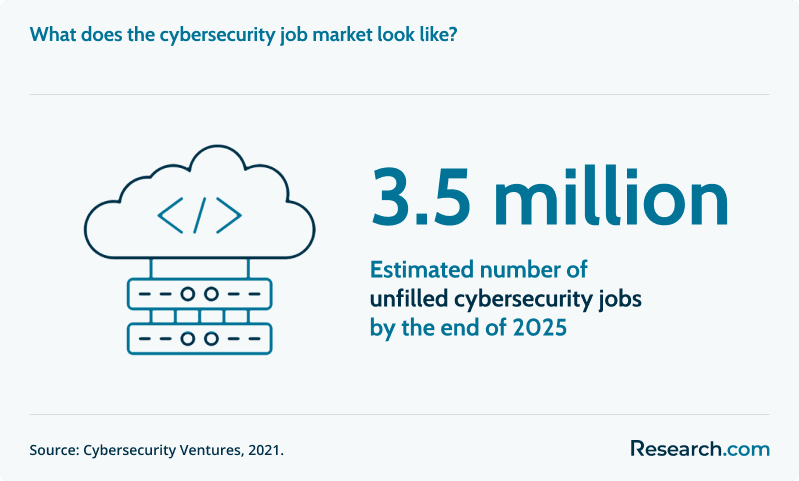
According to Cybersecurity Ventures, there will be 3.5 million unfilled cybersecurity jobs by the end of 2025. This forecast underscores why security skills remain a major focus for employers, though individual job outcomes still depend on experience, technical ability, location, and employer needs.
Cybersecurity certificate programs commonly include:
- Risk assessment and management: Training in identifying vulnerabilities, assessing threats, and recommending risk-reduction strategies.
- Security technologies: Instruction in tools, protocols, and systems used to monitor, defend, and manage secure environments.
- Cryptography and identity management: Coverage of secure authentication, encryption concepts, access control, and security issues related to cloud and Internet of Things (IoT) systems.
What does an online certification program cover?
Online certification programs usually focus on job-ready knowledge rather than broad general education. A good program combines theory, applied exercises, practice tools, assessments, and sometimes supervised hands-on work. The exact format depends on the field: coding, cybersecurity, dental assisting, HVAC, and healthcare records programs may require more practice-based learning than purely administrative certificates.
Most programs are designed to help students perform specific workplace tasks. For example, a medical billing and coding program may teach coding systems and claims workflows, while a project management certificate may focus on scheduling, stakeholder communication, budgeting, and risk tracking.
| Program Component | What It Should Do | Why It Matters |
| Core coursework | Teach the terminology, tools, laws, methods, or systems used in the field | Builds the foundation needed for entry-level performance or advancement |
| Applied assignments | Use case studies, labs, projects, simulations, or practice documents | Helps students prove they can use the material, not just pass quizzes |
| Exam preparation | Align coursework with recognized industry exams when relevant | Improves the usefulness of the certificate in fields where third-party credentials matter |
| Instructor support | Provide feedback, office hours, discussion, or coaching | Reduces the risk of getting stuck in a self-paced program with little guidance |
| Career resources | Offer resume help, interview preparation, job boards, or employer connections | Can help students translate the credential into job applications |
What are the benefits of obtaining certifications online versus in-person?
Online certifications are often attractive because they can reduce commuting, relocation, housing, and scheduling barriers. They may be especially helpful for working adults, caregivers, military learners, rural students, and people who need to study outside standard classroom hours.
In-person programs may still be better for students who need direct lab access, face-to-face coaching, local employer connections, or supervised practice. This is especially important in hands-on fields such as HVAC, dental assisting, and some healthcare pathways.
| Factor | Online Certification | In-Person Certification |
| Schedule | Often more flexible, with asynchronous or evening options | Usually follows a set classroom or lab schedule |
| Location | Can be completed from home if no in-person labs are required | Requires travel to campus or a training site |
| Hands-on training | May use simulations, virtual labs, or local externships | Often provides immediate access to equipment and instructors |
| Networking | May include virtual discussions, alumni groups, or online events | Can provide more direct peer and instructor interaction |
| Best for | Self-directed learners who need flexibility | Learners who benefit from structure and hands-on supervision |
Costs vary by school, location, program type, and student living situation. The following cost examples show common expenses associated with online and in-person learning:
| Online Instruction | Estimated Cost | In-Person Instruction | Estimated Cost |
| Rental | $1,504 per month | Housing | $1,513 per month |
| Food and groceries | $345 per month | Campus meal plan | $562 per month |
| Internet | $50 per month | Campus Computer Lab | Free |
| Electricity and heat | $175 per month | Parking permit | $269 per semester |
| Online learning fee | $25-$100 per semester | Health services plan | $2,000 yearly |
| Books | $1,295 yearly | Transportation costs | $1,425 yearly |
| Books and supplies | $1,295 yearly | ||
| Room furniture | $970 | ||
| Used car | $7,000-$11,000 |
How do online certifications enhance career opportunities?
Online certifications can improve career opportunities by documenting specific skills, helping candidates qualify for entry-level roles, supporting promotion into specialized work, or showing employers that a professional is committed to continued learning. They may be especially useful when a job posting asks for a particular tool, credential, technical skill, coding system, or industry framework.
Certifications can also help learners stand out from applicants whose education ended with a General Educational Development (GED), particularly when the certificate is connected to a recognized occupational skill. However, a certificate does not automatically produce a job offer. Employers may still expect experience, licensing, portfolios, references, or exam-based credentials.
A Statista survey published in 2023 found that 82% of respondents identified their chosen field of study as one of their top three considerations, while 74% named tuition and fees as a major factor when choosing online education. These findings reflect a practical reality: students want programs that are both career-relevant and financially manageable.
How can online certifications help you transition into a new career?
Online certifications can make a career change more manageable by giving learners a structured way to build new skills before leaving their current field. They are often shorter and less expensive than full degrees, which can reduce risk for adults who are testing a new career direction.
- Faster skill building: Many certificates can be completed in weeks or months, allowing career changers to learn role-specific concepts without a multi-year commitment. Some learners also explore the best associate degree in 6 months online when they want a broader academic foundation.
- Credibility in a new field: A recognized certificate can help explain your career pivot and show that you have taken concrete steps to prepare for a new role.
- Lower-cost exploration: A certificate can be a financially cautious way to test a field before investing in a degree or major career change.
- New professional connections: Some programs include peer groups, instructor access, employer events, or professional communities that can help career changers build a network.
- Applied learning: Programs with projects, labs, simulations, or case work can help learners practice job tasks before applying for new roles.
What types of online certifications are available for different industries?
Online certifications are available across many industries, including technology, healthcare, business, legal services, skilled trades, marketing, accounting, human resources, and project management. The right option depends on whether you need entry-level preparation, advancement training, licensure support, exam preparation, or specialization.
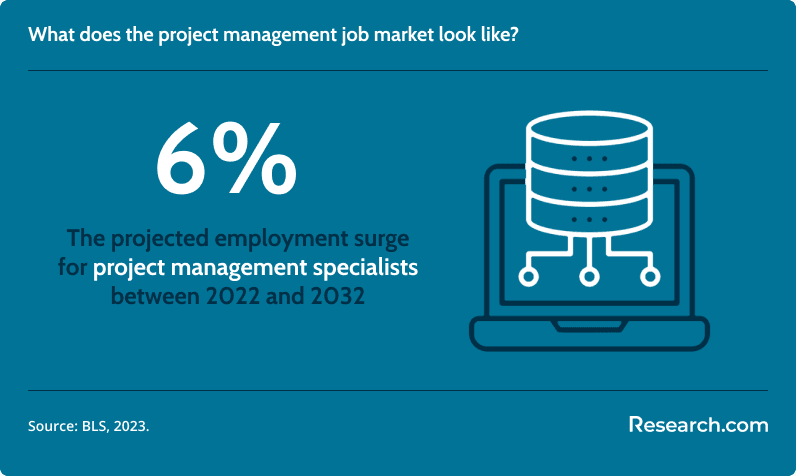
According to the 2023 report from the U.S. Bureau of Labor Statistics, employment for project management specialists is projected to grow by 6% from 2022 to 2032, which is faster than the average for all occupations.
| Industry | Common Online Certification Areas | Best For |
| Technology | Cybersecurity, computer science, cloud, programming, IT support | Learners who can build technical projects and keep skills current |
| Healthcare Administration | Medical billing and coding, medical records, healthcare administration | Detail-oriented learners interested in healthcare systems and documentation |
| Legal Services | Paralegal studies, legal assistant training | Students with strong writing, research, and organizational skills |
| Business | Project management, human resources, bookkeeping, accounting technology | Professionals who want advancement or a defined business specialization |
| Skilled Trades | HVAC technician training and related technical certificates | Hands-on learners who can complete any required in-person practice |
How do you choose the best online certification program for your career goals?
The best online certification is the one that connects your current background to a realistic next job. A high salary figure is not enough. You also need to know whether employers recognize the credential, whether you meet prerequisites, whether the program prepares you for required exams, and whether the cost makes sense compared with likely career benefits.
- Identify the exact job titles you want, not just the broad industry.
- Review job postings to see which certifications, software tools, licenses, or exams employers mention repeatedly.
- Separate entry-level certificates from advanced credentials that require prior work experience.
- Compare curriculum, instructor support, hands-on practice, career services, and exam preparation.
- Check whether the provider is accredited, institutionally recognized, or connected to a reputable industry organization.
- Estimate total cost, including fees, books, exam vouchers, software, equipment, and renewal expenses.
- Ask whether credits can transfer into a degree program if you decide to continue studying.
- Talk with professionals in the field before enrolling.
- Compare completion time with your work schedule and personal responsibilities.
- Choose a program that gives you evidence of skill, such as a portfolio, lab record, externship, practicum, or exam eligibility.
Questions to Ask Before Enrolling
| Question | Why It Matters |
| Is the certificate recognized by employers in my target field? | A credential has limited value if hiring managers do not know or respect it. |
| Does the program prepare me for an external certification exam? | Some industries value third-party credentials more than school-issued certificates. |
| Are there state licensing or in-person requirements? | Online coursework may not be enough for fields with clinical, trade, or licensure rules. |
| What is included in the advertised tuition? | Books, exam fees, software, supplies, and background checks may increase total cost. |
| What career support is available? | Resume help, interview coaching, and employer connections can improve job-search readiness. |
| Can credits apply to a future degree? | Transferable credits may improve long-term value if you later pursue a diploma or degree. |
What is the average cost of online certifications?
The average cost of online certifications varies widely by provider, field, length, exam requirements, and whether the program is offered by a college, professional association, private training company, or employer partner. Advertised tuition may not include registration fees, course materials, textbooks, software subscriptions, background checks, uniforms, supplies, certification exams, or renewal fees.
When comparing programs, calculate total out-of-pocket cost instead of focusing only on tuition. Also consider the opportunity cost of time away from work, the likelihood that the credential will help you qualify for a target role, and whether the program gives you skills you can demonstrate.
How much time does it typically take to complete an online certification?
Many online certification programs are designed to be completed in a few months, although timelines vary by subject, course load, format, and whether hands-on requirements are included. Self-paced programs may be faster for experienced learners, while cohort-based programs may provide more structure but take longer.
Short programs can speed up a job search when they are well matched to your goals. However, speed should not be the only priority. A very fast certificate that lacks employer recognition, practical assignments, or exam preparation may not deliver strong value. Some learners stack certificates over time or combine them with quick degrees that pay well to build broader career options.
Are there financial aid or scholarship options available for online certifications?
Financial aid availability depends on the provider, program type, accreditation status, and whether the certificate is part of an eligible academic program. Some certificate programs do not qualify for traditional federal financial aid, while others may offer institutional aid, employer support, payment plans, or workforce funding.
- Scholarships through certificate programs: Some schools or training providers offer internal scholarships or discounts.
- Professional organization incentives: Industry associations may provide member discounts, exam vouchers, or training support.
- Government benefits: Eligible learners may be able to use workforce development funds, veterans benefits, or other government-supported education benefits depending on program rules.
Before enrolling, ask the provider for a written breakdown of tuition, fees, refund policies, payment deadlines, and whether any aid must be repaid.
What certifications make the most money?
The certifications that make the most money depend on industry, role, experience, location, and employer demand. In this guide, information security/cybersecurity has the highest listed average income at $121,159, followed by computer science-related software developer roles at $77,890 and project management at $77,098.
To compare certifications for careers that pay well, look beyond the average salary. Check job postings, prerequisites, exam difficulty, renewal requirements, experience expectations, and whether entry-level openings are available in your area or through remote work.
Is Combining Online Certifications with Dual Degrees Beneficial?
Combining an online certification with a dual degree can be useful when the certificate provides immediate job skills and the degree supports long-term advancement. For example, a student pursuing business and information systems may add a cybersecurity or project management certificate to show specialized readiness for technical business roles.
This approach can also increase cost and workload, so it is not automatically the best choice. Learners should compare career requirements, time commitment, tuition, transfer rules, and return on investment before combining credentials. If you are considering a broader academic path, review options for dual degree programs online and compare them with shorter certificate-only routes.
How can you evaluate the return on investment of online certifications?
To evaluate ROI, compare the full cost of the certificate with the realistic career benefit it may provide. This means looking at tuition, fees, exam costs, books, software, supplies, time commitment, renewal requirements, and the likelihood that the credential will help you qualify for a target role.
A practical ROI review should include:
- The jobs you can apply for after completion
- The experience those jobs require
- The listed average income for the field
- The total program cost
- The time needed to complete the program
- Whether the certificate prepares you for an industry-recognized exam
- Whether credits can apply to future education
- Whether employers in your area mention the credential in job postings
In some cases, a certificate is the most cost-effective route. In others, a broader credential, such as a masters degree in one year, may be more appropriate for leadership, specialized, or advanced professional goals.
Can online certifications complement accelerated online degree completion programs?
Yes. Online certifications can complement accelerated online degree completion programs when the certificate adds a specific, marketable skill and the degree provides broader academic preparation. This can work well for adults who want both short-term employability and long-term advancement potential.
For example, a learner completing a business degree might add a project management or HR certificate, while a student in an IT-focused pathway might add cybersecurity training. The key is alignment. A certificate should strengthen the degree path rather than distract from it. To compare structured options, explore accelerated online degree completion programs.
Should I Combine Online Certifications with Accelerated Degree Programs?
Combining certifications with accelerated degree programs can make sense if you need both a recognized academic credential and a specialized skill set. This is common for adults who want to finish school quickly while improving their resume for a specific role.
However, the combined path can become expensive or overwhelming if the certificate and degree do not support the same career goal. Before enrolling in both, compare workload, transfer credits, financial aid, employer expectations, and whether one credential may be enough. Students who want a shorter academic pathway can also review fast associate degree programs online.
Do online certification programs include career support services?
Some online certification programs include career support, but services vary significantly. Strong programs may offer resume reviews, mock interviews, portfolio feedback, job-search workshops, employer events, mentorship, alumni communities, or direct connections with hiring partners.
Career support is especially important for career changers, first-time job seekers, and learners entering competitive fields. Ask whether support is included in tuition, whether it continues after completion, and whether the program publishes placement information or employer partnerships. Learners seeking an affordable academic credential alongside training may also compare options for a cheap associate degree online.
Are Online Certifications as Valuable as Traditional Degrees?
Online certifications and traditional degrees serve different purposes. Certifications are usually shorter and more focused on specific job skills, tools, or industry exams. Degrees provide broader academic training, general education, and a more comprehensive credential that some employers require for advancement.
An online certification may be enough for certain entry-level, technical, administrative, or skill-based roles. A degree may be necessary for professions with formal education requirements, licensure expectations, or management pathways. Many professionals use both: a degree for long-term credibility and certificates for current, specialized skills. Learners who want a faster degree route can compare accelerated degree programs online.
| Option | Best Use | Potential Limitation |
| Online certification | Building targeted skills quickly for a specific job function | May not replace degree, licensure, or experience requirements |
| Traditional degree | Meeting broad education requirements and supporting long-term advancement | Usually takes more time and may cost more |
| Certification plus degree | Combining academic foundation with specialized, employer-relevant skills | Requires careful planning to avoid unnecessary cost and workload |
What are the prerequisites for enrolling in industry-specific online certifications?
Prerequisites vary by field, provider, and credential level. Some beginner certificates require only a high school diploma or basic computer skills, while advanced certifications may require previous coursework, professional experience, or a degree.
- Competency-based certification programs: These programs assess whether you can demonstrate specific skills. Eligibility may depend on prior training, experience, or successful completion of required modules.
- Technical certifications: Credentials such as CompTIA A+, Cisco Certified Network Associate (CCNA), and CompTIA Security+ may not always have formal prerequisites, but relevant coursework or hands-on experience can improve readiness.
- Business certificates: Some online business certificates may require a bachelor's degree or professional experience, especially when the coursework is designed for managers or experienced professionals.
Always read the admissions and exam eligibility rules before paying. A program may allow enrollment even if you are not yet qualified for the industry exam you hoped to take.
What are the career prospects after completing an online certification?
Career prospects after an online certification depend on the credential, the employer market, your experience, and how well the program matches job requirements. A certificate can strengthen a resume, support a promotion, or help an applicant enter a new field, but it is not a job guarantee.
Professional certifications can be especially helpful when employers use them as evidence of skill, readiness, or commitment to the field. For example, an online paralegal certificate may support legal assistant or paralegal job searches. The job outlook for paralegals and legal assistants is expected to grow by 4% between 2022 and 2032.
How often should professionals update their certifications in fast-moving fields?
Professionals in rapidly changing fields should review certification renewal rules regularly. Technology, cybersecurity, healthcare compliance, HR, and project management practices can change quickly, and employers may expect workers to keep credentials active.
In IT, for example, CompTIA A+ certification is valid for three years and can be renewed through CompTIA’s continuing education program for an additional three years. Renewal requirements may include continuing education, fees, retesting, or professional development activities.
Do not wait until a credential expires to plan renewal. Add renewal deadlines, continuing education requirements, and costs to your calendar as soon as you earn the certification.
What industries offer the highest-paying jobs with online certifications?
Industries with strong earning potential for certified professionals include technology, cybersecurity, project management, healthcare administration, finance, legal support, and skilled trades. Some of these fields overlap with accessible academic pathways, including some of the easiest college majors, but ease should never be the only reason to choose a career route.
Technology is one of the clearest areas where certifications can matter. Cybersecurity, cloud computing, software development, and data-related roles often require current technical skills. Credentials such as Certified Information Systems Security Professional (CISSP), Certified Ethical Hacker (CEH), CompTIA Security+, and Certified Information Security Manager (CISM) may help professionals demonstrate specialized knowledge.
Healthcare also offers certification-based opportunities, particularly in medical billing and coding, medical records, healthcare administration, and health information roles. These jobs require accuracy, confidentiality, compliance awareness, and comfort working with digital systems.
Project management is another strong certification area because organizations in IT, construction, healthcare, finance, and operations need professionals who can manage schedules, budgets, stakeholders, risks, and deliverables.
Business, finance, marketing, accounting, and human resources also offer certification pathways that can support career movement into specialist or managerial roles. The best option depends on the job you want, the skills employers request, and whether a certificate can fill a clear gap in your resume.
How to Choose a Cost-Effective Certification from Online Colleges for Adults
Adults choosing an online certification often need a program that is affordable, flexible, credible, and directly connected to career goals. The lowest tuition is not always the best value. A slightly more expensive program may be worth it if it includes exam preparation, instructor support, career services, transferable credits, or hands-on learning.
Start by comparing total cost, not just tuition. Include books, supplies, exam fees, technology requirements, background checks, renewal fees, and any required travel for labs or externships. Then compare those costs with the jobs the program may help you pursue.
Accreditation and institutional credibility also matter. Programs offered by accredited colleges or respected professional organizations may carry more weight with employers than unfamiliar training providers. Adults who need flexible and affordable options can compare online colleges for adults to find programs that fit both budget and career plans.
Common Mistakes to Avoid When Choosing an Online Certification
| Mistake | Why It Can Hurt You | Better Approach |
| Choosing based only on advertised salary | Salary depends on experience, location, employer, and job level. | Compare job postings, prerequisites, and entry-level opportunities. |
| Ignoring accreditation or provider reputation | Employers may not value unknown or low-quality credentials. | Verify institutional credibility and industry recognition before enrolling. |
| Assuming online always means fully remote | Some healthcare, dental, and trade programs may require labs or externships. | Ask about in-person requirements and local placement options. |
| Overlooking exam and renewal fees | The total cost may be higher than advertised tuition. | Request a full cost sheet before committing. |
| Selecting a certificate that does not match job postings | You may earn a credential employers are not asking for. | Review real job ads in your target area before choosing. |
| Assuming a certificate replaces experience | Many roles still require practical skills or prior work history. | Build projects, volunteer experience, internships, labs, or portfolio evidence. |
References
- CompTIA. (n.d.) How Long Does the CompTIA A+ Certification Last? Retrieved from https://www.comptia.org/faq/a/how-long-does-the-a-certification-last
- Hanson, M. (2023, August 23). Cost of Online Education vs. Traditional Education. Education Data. URL: https://educationdata.org/cost-of-online-education-vs-traditional-education
- Kang, E., & Lee, H. (2021). Employee Compensation Strategy as Sustainable Competitive Advantage for HR Education Practitioners. Sustainability, 13(3), 1049. URL: https://www.mdpi.com/2071-1050/13/3/1049
- Morgan, S. (2021). Cybersecurity Jobs Report: 3.5 Million Unfilled Positions In 2025. Cybersecurity Ventures. Retrieved from https://cybersecurityventures.com/jobs-report-2021
- Salary.com. (2023). Bookkeeper Salary in the United States. Retrieved from https://www.salary.com/research/salary/benchmark/bookkeeper-salary
- Salary.com. (2023). Dental Assistant Salary in the United States. Retrieved from https://www.salary.com/research/salary/benchmark/dental-assistant-salary
- Salary.com. (2023). Information Systems and Cyber Security Salary in the United States. Retrieved from https://www.salary.com/research/salary/posting/information-systems-and-cyber-security-salary
- Salary.com. (2023). Medical Billing Coding Salary in the United States. Retrieved from https://www1.salary.com/Medical-Billing-Coding-Salary.html
- Salary.com. (2023). Medical Records Technician Salary in the United States. Retrieved from https://www.salary.com/research/salary/alternate/medical-records-technician-salary
- Salary.com. (2023). Project Management Specialist Salary. Retrieved from https://www.salary.com/research/salary/recruiting/project-management-specialist-salary
- Salary.com (2023). Paralegal I Salary in the United States. Retrieved from https://www.salary.com/research/salary/benchmark/paralegal-i-salary
- Salary.com (2023). Software Developer. Retrieved from https://www.salary.com/research/salary/alternate/software-developer-i-salary
- U.S. Bureau of Labor Statistics. (2023, September 6). Paralegals and Legal Assistants. Occupational Outlook Handbook. https://www.bls.gov/ooh/legal/paralegals-and-legal-assistants.htm#tab-6
- U.S. Bureau of Labor Statistics. (2023). Project Management Specialists. Retrieved from https://www.bls.gov/ooh/business-and-financial/project-management-specialists.htm#tab-6
- Salary.com. (2023). HVAC Technician Salary in the United States. Retrieved from https://www.salary.com/research/salary/listing/hvac-technician-salary
- Salary.com. (2023. Human Resources Generalist I Salary in the United States. Retrieved from https://www.salary.com/research/salary/benchmark/human-resources-generalist-i-salary
Key Insights
- The highest listed average income in this guide is for information security/cybersecurity at $121,159, but the best certification is still the one that matches your experience, target role, and employer expectations.
- Online certifications are most valuable when they prepare you for a specific job function, recognized industry exam, portfolio skill, or advancement opportunity.
- Do not compare programs by tuition alone. Include fees, books, software, exam costs, renewal costs, supplies, and any in-person requirements.
- Career changers should choose certificates that provide applied projects, hands-on practice, career support, and clear links to entry-level job postings.
- Online learning can reduce commuting and relocation costs, but hands-on fields such as HVAC and dental assisting may still require labs, externships, or state-specific steps.
- A certification can complement a degree, especially in business, technology, healthcare administration, and project management, but stacking credentials only makes sense when each one supports the same career goal.
- Before enrolling, verify accreditation, employer recognition, exam alignment, transfer credit options, and career services. These factors often determine whether a certificate delivers real value.
Other things you should know about online certifications
In 2027, the Google Professional Data Engineer certification is highly lucrative for those without a degree, offering strong earnings potential. Data Engineers transform data into actionable insights, a skill in high demand across industries.
In 2027, selecting a certification depends on factors like industry demand, individual career goals, and relevant skills. Research certifications in tech, healthcare, and finance, as they often yield lucrative opportunities. Confirm the program’s credibility, course content, and instructors’ qualifications before enrolling.
Yes, industries like IT, healthcare, and finance offer high salaries for certified professionals in 2027. For instance, certifications in cloud computing, project management, and cybersecurity are highly sought after, with roles in these areas often commanding lucrative salaries.
In 2027, some of the online certification courses offering high salaries include Google’s Professional Data Engineer, AWS Certified Solutions Architect, and Certified Information Systems Security Professional (CISSP). These certifications are recognized for their capacity to significantly enhance earning potential in the tech industry.


