2027 Environmental Science Specializations With the Strongest Long-Term Momentum

Co-Founder and Chief Data Scientist
Facing tightening regulatory demands and escalating climate risks, environmental science professionals must select specializations that promise durable employability and adaptability. However, the proliferation of online and hybrid degree options complicates identifying which fields genuinely align with evolving labor market needs. A 2024 report from the National Center for Education Statistics shows a 40% growth in adult learners enrolling in flexible environmental science programs, indicating a shift toward balancing continued education with workforce commitments.
Understanding these enrollment patterns reveals which specializations support career mobility without sacrificing in-depth expertise. This article reviews the environmental science specializations with the strongest long-term momentum to guide strategic academic and professional decisions.
Key Things You Should Know
- Specializations integrating remote sensing and GIS command 28% higher median starting salaries, yet require steep upfront training costs and scarce advanced certification programs, limiting access for nontechnical entrants according to 2024 BLS data.
- Employers increasingly prioritize candidates with demonstrated policy translation skills amid rising climate regulation complexity, causing workforce demand shifts that disadvantage pure ecological research backgrounds during hiring cycles.
- Emerging waste-to-resource management specialization faces significant regional labor shortages; slower academic program growth relative to demand leads to prolonged job placement times despite strong sectoral growth forecasts from EPA workforce analyses.
Which environmental science specializations show the strongest long-term career momentum?
Environmental data science consistently ranks among the highest demand environmental science specializations in North America due to its integration of advanced analytics, GIS, and remote sensing. Employers prioritize candidates proficient in programming languages such as Python and R who can develop predictive models and manage complex datasets to inform policy decisions. This specialization's sustainable job market is underscored by a Bureau of Labor Statistics projection of roughly 8,500 annual openings from 2024 through 2034.
Effective climate change adaptation and mitigation planning requires cross-sector expertise, combining environmental science with urban planning and economic analysis. Professionals navigate intricate regulatory environments and stakeholder interests, often balancing scientific data with political and economic realities.
Water resources management remains a critical focus within long-term career growth in environmental science specializations due to increasing scarcity and contamination challenges. Positions typically require hydrology and environmental chemistry know-how, with licensure or certification frequently necessary for career progression in utilities and regulatory agencies.
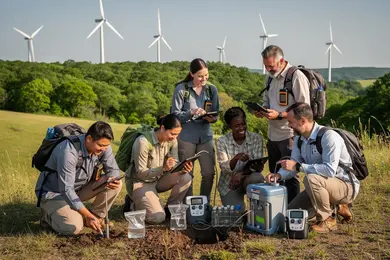
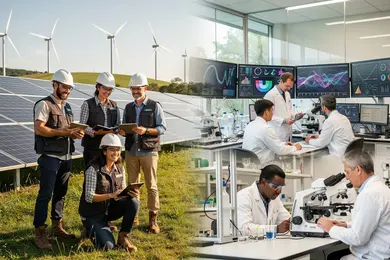
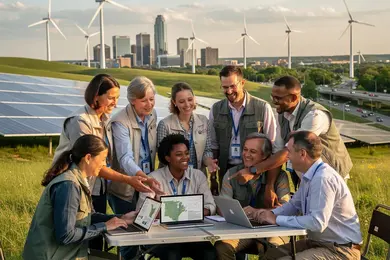
The expansion of renewable energy projects is driving demand for environmental impact assessors skilled in regulatory compliance and risk analysis, though candidates frequently face pressing project deadlines that complicate balancing ecological preservation with energy production goals.
Prospective specialists should consider combining environmental science fundamentals with training in quantitative skills or policy to maximize employability. For individuals evaluating educational pathways, reviewing online environmental health and safety programs accredited can provide targeted options aligned with these specific demands.
What degree levels best prepare students for high-growth environmental science specialties?
For high-growth careers in environmental science degree programs for high-growth careers, a bachelor's degree remains the practical foundation for most roles involving compliance, data management, and fieldwork, especially in industries adjusting to evolving regulatory frameworks. For example, the EU's regulatory surge since 2022, including CSRD and ESRS, has increased demand for practitioners with solid undergraduate grounding in environmental policy, chemistry, and statistics capable of navigating these requirements. Employers targeting sustainability reporting or environmental compliance in financial services or manufacturing typically prioritize bachelor's degrees supplemented by relevant certifications over broader theoretical training.
A master's degree becomes a differentiator for positions demanding advanced sustainability strategy, environmental modeling, or interdisciplinary integration across sectors. These roles require mastery of quantitative analysis and regulatory interpretation aligned with developments like the EU Taxonomy and Nature Restoration Law. Professionals with master's qualifications often access higher consulting, policy-making, or leadership positions where nuanced critical thinking outweighs generalist expertise.
PhD-level education is ordinarily reserved for research-focused or academic paths in environmental science specialties. For most career pivots, the heightened time and financial investment of doctoral programs produce limited immediate employability benefits outside this narrow focus. Prospective students must weigh these tradeoffs carefully when selecting the best degree levels for environmental science specialties in the United States.
Practical skills, data fluency, and legal knowledge continue to dominate employer expectations across the field. Students aiming for role clarity and sector relevance may also explore supplementary pathways such as the speech language pathologist career model for insights into strategic career transitions.
How do online environmental science programs compare to campus programs for these specializations?
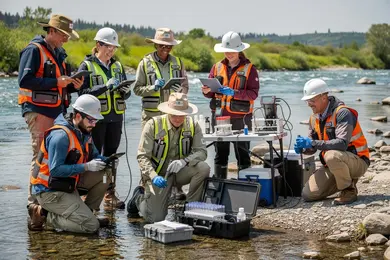
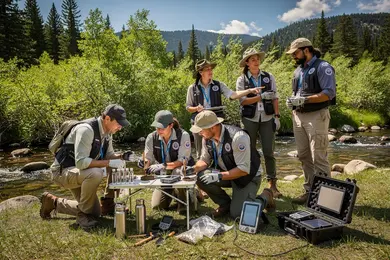
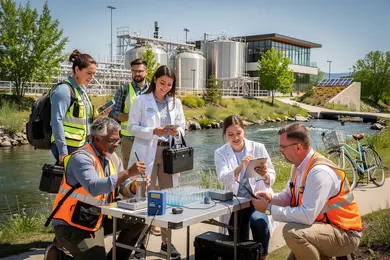
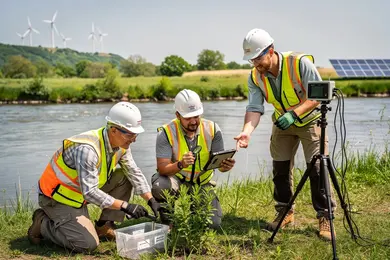
Online environmental science degree programs vs campus programs reveal a critical divide in practical readiness. While online formats deliver theoretical knowledge and greater schedule flexibility, they frequently lack the embedded laboratory and field components essential for specialties like climate adaptation and physical risk assessment. Employers prioritize candidates with hands-on skills in data collection, geospatial analysis, and environmental monitoring-competencies more reliably developed within campus programs offering direct access to equipment and supervised research experiences.
Distance learners often encounter obstacles securing internships and fieldwork necessary for mastering applied skills. For instance, a climate risk analyst role demands both climate modeling software proficiency and in-person site evaluations-capabilities more naturally integrated into on-campus curricula. Although some online programs attempt to bridge this gap by partnering with regional labs or agencies for localized practicum opportunities, these arrangements remain inconsistent and hinge on student initiative and employer collaboration.
Comparing online and campus environmental science specializations must involve weighing financial and time savings against employability risks. The Bureau of Labor Statistics reports a median annual wage of $80,060 for environmental scientists specializing in these fields, reflecting market premiums on tangible experience gained within immersive program formats. Prospective students should consider hybrid pathways or programs embedding definitive field components to mitigate skill deficits that hinder advancement in competitive sectors like environmental consulting, government planning, and sustainability management.
Those seeking accelerated credentials may explore options such as an accelerated exercise science degree online, but similar rigor and applied learning requirements persist across environmental science disciplines, underscoring the importance of program design in career outcomes.
What core coursework and skills are essential in leading environmental science specializations?
Advanced environmental science core coursework and practical skills must prioritize technical precision and regulatory fluency to meet employer expectations effectively. Core studies in environmental chemistry, ecology, geospatial analysis, and environmental policy form the backbone, while quantitative skills in statistics and data modeling enable robust lifecycle assessments (LCA) and environmental impact analyses. Practical proficiency in Geographic Information Systems (GIS) is indispensable across sectors like urban planning and sustainability consulting, where spatial accuracy drives decision-making.
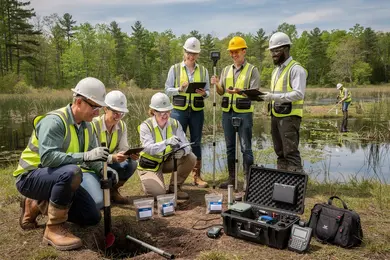
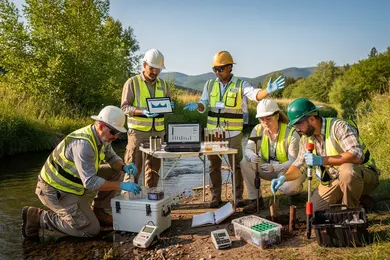
Specializations centered on sustainability assessment apply these competencies directly, requiring expertise in LCA software and ISO 14040/44 standards to measure environmental footprints within manufacturing or supply chains. As the field requires, hands-on laboratory experience in environmental sampling and pollutant analysis ensures graduates can meet rigorous air, water, and soil quality assessment demands. Regulatory knowledge of federal and state frameworks, such as the Clean Air Act, is often a critical differentiator during hiring.
Soft skills including project management and technical communication enhance the ability to translate complex data into actionable insights for policymakers and stakeholders, a necessity for interdisciplinary collaboration. For those seeking to pivot careers, combining these specialized proficiencies with an understanding of applied sustainability tools offers clearer pathways to employability than more narrowly focused roles, which risk limiting long-term growth.
Given the Bureau of Labor Statistics projects a modest 4% growth in environmental scientist roles from 2024 to 2034, strategic choices in curriculum and skill development must balance depth and versatility. Working professionals might explore flexible learning options like a computer science degree online to complement environmental data analysis capabilities.
How can students verify accreditation and program quality in environmental science degrees?
Accreditation directly influences the credibility and employability of environmental science graduates. Regional accreditors like the Higher Learning Commission or Middle States Commission ensure academic standards and federal aid eligibility, while specialized accreditation from bodies such as the Association for Environmental Studies and Sciences (AESS) signals discipline-specific rigor. Without these, students risk earning credentials that lack recognition by employers or qualifying agencies.
Graduate employment data reflects labor market realities, with sectors like environmental policy seeing roughly 8,500 annual openings, indicating stable replacement demand. Evaluating programs by their graduate placement rates and employer connections offers a more realistic measure of how curricula align with job requirements, especially in roles tied to environmental permitting or sustainability compliance.
Practical verification requires contacting alumni embedded in government, nonprofits, or consulting firms to understand how coursework translates to workforce demands. Critical curriculum elements include climate modeling, GIS, and environmental regulation, while program flexibility-such as internships or research options-can significantly improve job readiness.
Students often misinterpret accreditation jargon or overlook licensure eligibility tied to certain programs, potentially restricting advancement. Direct confirmation from the registrar or accreditation liaison reveals current institutional status and flags any probation concerns that may affect degree validity. Relying on official U.S. Department of Education or Council for Higher Education Accreditation databases is essential to avoid unaccredited providers or diploma mills.
What are typical admission requirements and program lengths for environmental science specializations?
Admission to environmental science programs hinges on quantifiable STEM preparation and relevant practical experience. Undergraduate entry typically requires a high school diploma with coursework in biology, chemistry, physics, and math, while graduate programs demand a related bachelor's degree, a minimum 3.0 GPA, letters of recommendation, and often GRE scores. Specializations such as environmental health may necessitate additional background in toxicology or epidemiology, which narrows applicant pools and raises admission standards.
Degree duration varies by level and modality: associate degrees take around 2 years, bachelor's programs around 4 years, master's degrees from 1.5 to 3 years, and doctoral studies extend 4 to 6 years depending on research demands. Part-time or online formats lengthen timelines but offer flexibility. Working professionals often select accelerated or part-time master's pathways to maintain employment while updating qualifications.
Realistically, advanced degrees correlate with improved earning potential and access to specialized roles. For example, environmental health specialists reported 90th percentile wages near $135,000 according to the Bureau of Labor Statistics. Employers prioritize candidates with applied regulatory knowledge and hands-on experience, making internships and capstone projects critical for program competitiveness and post-graduation employability.
Prospective students should weigh the extended time and financial commitment of graduate study against the practical benefits of quicker entry into higher-level consultancy or regulatory positions that bachelor's-only graduates rarely access swiftly.
What entry-level and advanced job roles align with in-demand environmental science tracks?
Positions in environmental science increasingly demand strong technical acumen, particularly in geospatial analysis and environmental data science, which have emerged as the fastest-growing specializations projected for 2026. Entry-level roles, such as GIS technician or environmental data analyst, typically require competence in tools like ArcGIS, Python, and R, with starting salaries ranging from $50,000 to $65,000. These jobs emphasize interpreting spatial data for practical applications, including land use planning and pollution monitoring.
Advanced roles-geospatial scientist, environmental informatics manager, or remote sensing specialist-command salaries exceeding $90,000 and expect mastery of machine learning methods to analyze satellite imagery and develop predictive models. Employers seek candidates who combine advanced degrees with certifications and hands-on internships in data science or remote sensing technologies, reflecting real-world skill requirements beyond theoretical knowledge.
Prospective students must critically assess program offerings, especially access to internships and specialized software training, as these factors significantly influence employability and practical readiness. Transitioning professionals should anticipate ongoing upskilling to stay current with evolving geospatial tools and maintain relevance in this competitive labor market.
These specialists are increasingly embedded in multidisciplinary teams managing regulatory compliance, making communication skills essential alongside technical expertise. Understanding these tradeoffs can guide informed decisions about educational investments and career strategies in environmental science fields.
- Entry-level salaries typically range from $50,000 to $65,000
- Advanced roles exceed $90,000 with specialized expertise
- Hands-on training and internships are critical for employability
- Continuous technical upskilling is necessary for long-term success
- Communication skills complement domain-specific abilities in interdisciplinary settings
What salary ranges and earning potential exist in top environmental science specialties?
Environmental science salaries vary significantly based on interdisciplinary skills and market demands, with top roles requiring a blend of technical and financial expertise. Environmental engineers command $70,000 to $110,000 annually, owed to their hands-on role in developing ecological solutions. Meanwhile, policy and regulatory experts earn approximately $60,000 to $95,000, shaped by their ability to navigate compliance complexities for organizations.
A pivotal salary premium exists for professionals integrating environmental data with financial acumen, particularly in green finance and corporate sustainability, where compensation is 15% to 25% above that of traditional analysts. For instance, a sustainability analyst may start near $75,000 but can surpass $120,000 by acquiring skills in financial modeling and securing relevant certifications. This shift responds to growing employer demand for fluency in ESG metrics within investment and risk frameworks.
Conversely, field ecologists and conservation scientists often face lower salaries-typically $50,000 to $80,000-reflecting limited funding and narrower niche markets in nonprofit and government sectors. This disparity highlights the practical tradeoff: purely scientific roles may have a restricted salary ceiling unless augmented by cross-disciplinary capabilities.
Employers emphasize the ability to translate environmental impact into economic value. Professionals without skills in finance, accounting, or regulatory communication risk stagnation despite technical proficiency, underscoring the necessity of bridging these domains for wage advancement in environmental science specialties.
What is the long-term job outlook for major environmental science specialization areas?
The demand for environmental science specializations diverges sharply based on industry needs and emerging cross-sector roles. Notably, biodiversity and conservation analytics are rapidly gaining traction as they intersect ecological data with financial decision-making, especially within sustainable finance. Professionals with skills in modeling biodiversity impacts on investment portfolios are increasingly rare, reflecting a shift away from traditional fieldwork toward interdisciplinary expertise blending data science, finance, and policy.
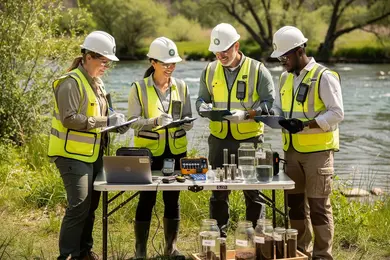
Water resources management offers steadier growth, driven by regulatory pressures and climate adaptation strategies. Success in this area requires proficiency in hydrological modeling and watershed management, with technical mastery of GIS and remote sensing software key to standing out. Students must balance foundational environmental science courses with these technical competencies to maintain employability.
Environmental health and toxicology face more volatile hiring environments due to funding fluctuations and bureaucratic constraints. Entry-level openings frequently demand internships plus advanced degrees, with regulatory knowledge and collaborative skills critical to navigating this competitive landscape.
Real-world hiring increasingly favors candidates who combine environmental specialization with quantitative analytics and communication skills. For example, conservation analytics specialists who can translate modeling results into actionable financial risk assessments are filling a niche absent in conventional curricula, emphasizing targeted skill-building such as machine learning and risk analysis.
How can prospective students choose the right environmental science specialization for their goals?
Specialization choices within environmental science significantly shape career trajectories based on sector demands and skill sets. Sustainability assessment suits candidates targeting corporate sustainability or policy roles that require lifecycle analysis and systems thinking to reconcile economic with ecological objectives. In contrast, ESG data and reporting aligns better with financial markets and consulting, where expertise in data management and regulatory compliance is highly sought after; for example, asset management firms increasingly hire ESG specialists to adjust investment portfolios for climate-related mandates.
Environmental data science demands proficiency in programming, statistical modeling, and geospatial analytics, essential for roles at research institutions or technology-focused environmental monitoring companies. The ability to process large datasets enhances employability in predictive analytics, but candidates must verify that programs provide deep computational training. Climate risk management appeals to professionals working in insurance, infrastructure, or urban planning, requiring skills to interpret climate models and develop risk mitigation strategies often at the intersection of economics and engineering.
Pragmatic evaluation of programs should prioritize graduate employment outcomes and alignment with industry certifications to balance specialization depth with analytical flexibility amid shifting workforce needs. Each pathway involves tradeoffs: for instance, intensive technical training may limit policy versatility, while broader coursework might dilute niche expertise crucial for certain employers.
Other Things You Should Know About Environmental Science
Environmental science offers solid long-term stability if you focus on specializations aligned with regulatory compliance, renewable energy, or climate adaptation, as these sectors have consistent funding and legislative support. However, areas dependent on fluctuating government budgets or grant cycles, like certain conservation projects, may face periodic instability. Prioritize programs that emphasize applied skills and data analysis to improve employability across shifting job markets.
Research positions typically demand advanced degrees and yield slower career growth but contribute to foundational knowledge, often within academic or government institutions. Applied consulting roles prioritize practical problem-solving and client management skills, support quicker income advancement, and may involve unpredictable workloads and travel. For those seeking immediate employability and clear return on investment, consulting-focused training and internships are a better fit.
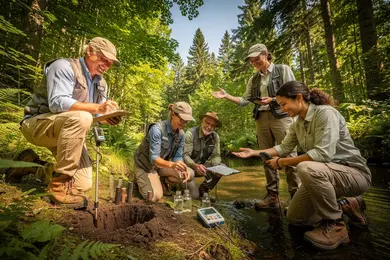
Specializations in field-based roles like ecology or environmental restoration require significant time outdoors and can involve strenuous physical activity, often dictating irregular hours. In contrast, data-heavy tracks such as environmental modeling or GIS analysis have more predictable office schedules but demand strong technical proficiency and continuous software skill updates. Students should select specializations that align with their tolerance for physical versus cognitive workload demands, as this affects both program choice and job satisfaction.
References
- Higher Education Accreditation | North American Association for Environmental Education https://naaee.org/programs/higher-education-accreditation
- 10 careers you can have with an environmental science degree - SMWC https://www.smwc.edu/10-careers-you-can-have-with-an-environmental-science-degree-blog-july-20/
- Environmental Science - ABET https://www.abet.org/accreditation/new-and-developing-program-areas/environmental-science/
- Majors related to the environment with good job prospects? https://talk.collegeconfidential.com/t/majors-related-to-the-environment-with-good-job-prospects/2083576
- 2025 Most Affordable Online Environmental Science Degrees https://www.onlineu.com/most-affordable-colleges/environmental-science-degrees