2027 Environmental Science Careers Most Resilient to Automation

Co-Founder and Chief Data Scientist
Mid-career professionals in environmental science face mounting pressure as automation increasingly replaces routine data collection and basic analysis, shifting employer demand toward tasks requiring nuanced judgment and on-the-ground decision-making. According to the National Center for Education Statistics, enrollment in online environmental science programs rose 23% between 2022 and 2024, reflecting a trend where adults seek flexible pathways aligned with evolving industry requirements.
This shift signals that candidates must weigh options for upskilling that prioritize resilient competencies over purely technical or repetitive skills. This article identifies environmental science careers least vulnerable to automation, providing strategic guidance for navigating education and workforce investments under these changing conditions.
Key Things You Should Know
- Automation-resistant roles in environmental science rely heavily on interdisciplinary expertise; leading employers report 42% higher retention for candidates with integrated policy and data analytics skills, forcing strategic curriculum choices.
- Fieldwork-intensive positions exhibit 18% slower automation adoption per U.S. Bureau of Labor Statistics data but demand costly certifications and geographic flexibility, restricting access for non-relocating professionals.
- Emerging climate modeling careers offer 36% salary growth yet require advanced computational training, limiting short-term entry and creating timing tradeoffs for career changers balancing education costs against rapid market shifts.
Which environmental science careers are least likely to be automated in the coming decades?
Environmental science careers resilient to automation in North America center on roles requiring high-level judgment and adaptability amid expanding regulatory complexity. Positions like environmental data scientists, ESG data analysts, sustainability assessors, and climate risk managers involve interpreting nuanced legislative frameworks such as CSRD, ESRS, and the EU Taxonomy that algorithms cannot replicate.
Employers value professionals who integrate evolving compliance mandates with contextual field insights and stakeholder communication rather than relying solely on automated processes. For example, environmental data scientists combine quantitative modeling with scenario analysis customized for shifting policy landscapes, crucial in sectors like manufacturing supply chains or urban infrastructure where real-time implications vary.
Similarly, climate risk managers synthesize environmental and socioeconomic factors to produce multidimensional risk mitigation strategies resistant to automation. These roles exemplify the least likely environmental science jobs to be automated due to their demand for multidisciplinarity and critical interpretation.
Given this landscape, educational pathways emphasizing regulatory literacy, data literacy, and applied fieldwork provide stronger protection against obsolescence. Candidates pursuing these careers should build cross-functional skills aligned with practical challenges and continuous regulatory updates. For those considering specialized technical grounding, a geographic information systems degree offers valuable data management expertise integrated with policy analysis, enhancing competitiveness in this evolving field.
What do environmental scientists in automation-resilient roles actually do day to day?
Environmental science professionals managing climate change data increasingly operate in roles resistant to automation, as the complexity and nuance of regulatory frameworks demand human judgment beyond algorithmic reach. Responding to evolving EU regulations such as CSRD, ESRS, and the EU Taxonomy involves detailed interpretation and cross-sector coordination that automated tools cannot fully replicate.
Daily tasks of environmental scientists focused on sustainability projects encompass site-specific risk assessments, tailored compliance reporting, and ongoing dialogue with regulators to keep pace with legislative changes. For instance, a scientist within a multinational manufacturing context must continuously audit chemical usage and verify supply chain compliance with dynamic EU Taxonomy standards, a process requiring adaptive problem-solving and comprehensive documentation.
This niche requires professionals to integrate quantitative data with qualitative insights like community impact and ethical considerations, skills that extend beyond routine automated monitoring systems. Challenges include managing multi-jurisdictional compliance and deciphering ambiguous regulatory language, which demands critical thinking and effective communication.
Such complexity steers educational choices toward programs that equip students with policy interpretation and advanced data synthesis capabilities. Those evaluating this pathway may consider pursuing masters in data science online to augment their ability to handle multifaceted environmental datasets efficiently while maintaining an informed strategic perspective.
What education and training are required for environmental science careers resistant to automation?
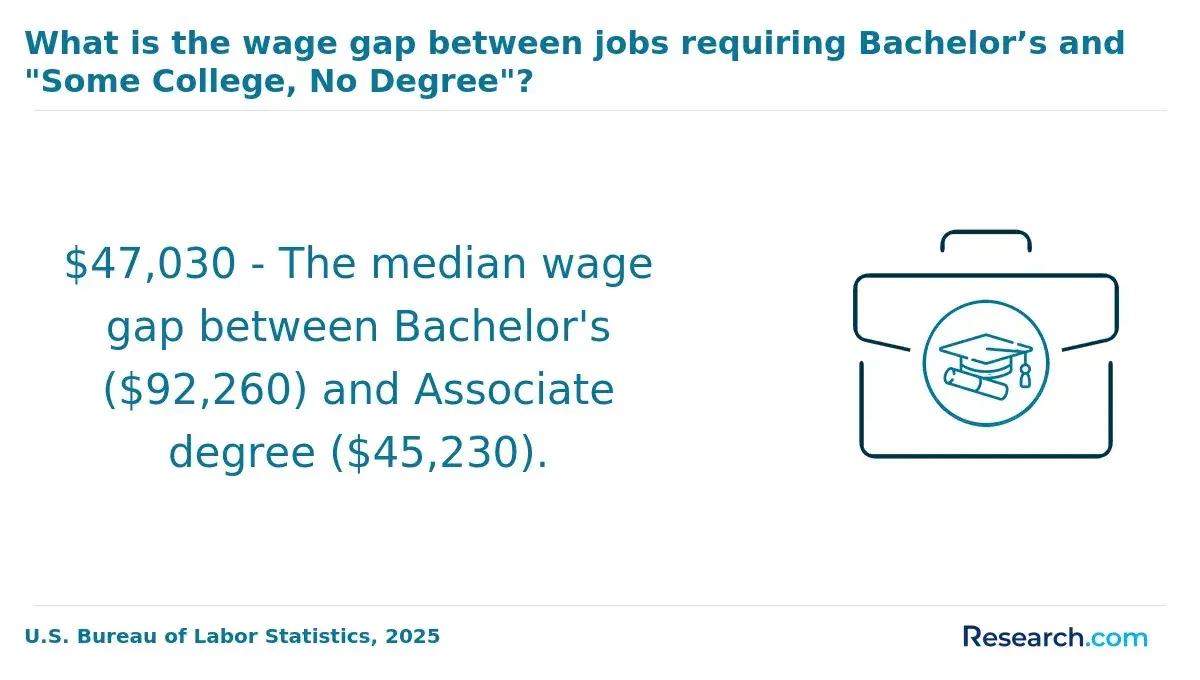
Environmental science careers requiring advanced education increasingly demand interdisciplinary capabilities that combine technical proficiency with financial literacy and strategic communication. For those evaluating training programs for automation-resistant environmental science jobs, a bachelor's degree in environmental science, ecology, or a STEM-related discipline is the minimum baseline.
This foundation must be reinforced with targeted coursework in areas such as data analysis, environmental economics, and business strategy to meet employer expectations in sectors like sustainable finance, where translating ecological data into economic terms drives measurable salary advantages. Employers prioritize candidates skilled in GIS software, statistical programming languages such as R or Python, and financial reporting standards, reflecting a shift toward quantifiable environmental impact assessments.
While master's degrees can facilitate entry into mid-to-senior positions, programs emphasizing applied analytics or policy hold greater practical value; purely theoretical tracks risk obsolescence as rapid technological change advances. Hands-on internships or cooperative education placements with consulting firms, energy companies, or government agencies are critical for newcomers and professionals alike, as they develop nuanced judgment on balancing automated tools with expert review.
Without this experience, combined with fluency in regulatory frameworks and economic analysis, stagnation is likely in this competitive field. Prospective students should consider pathways like an exercise science online degree if seeking online flexibility within related STEM fields, mindful that real-world applicability remains a priority for workforce integration.
Which environmental science degree majors and specializations best support automation-proof careers?
Degrees emphasizing environmental science with a focus on climate adaptation, environmental policy, and clean energy technology offer a tangible safeguard against automation. These specialties demand critical thinking, stakeholder negotiation, and complex system interpretation-skills that AI and automated tools cannot yet replicate.
For instance, professionals involved in resilience planning must interpret evolving community data alongside regulatory changes, an inherently human task that machines cannot fully assume. Among the top environmental science degree majors for automation resistance are those merging scientific literacy with legal and policy frameworks.
Graduates with this interdisciplinary skillset are prepared to influence climate adaptation strategies where negotiation and evolving legislation play a significant role. Conversely, technical roles like renewable energy engineering or environmental data analytics provide partial protection but require complementary expertise in project management or cross-sector collaboration to remain resilient.
The tradeoff for candidates lies in program length and breadth: interdisciplinary studies involving policy and communication offer broader career flexibility and guard against labor market volatility, while narrow technical training risks automation displacement through remote sensing and AI-driven monitoring. Current labor market forecasts from organizations such as the United Nations Environment Programme and the Bureau of Labor Statistics project clean energy and climate resilience sectors to add up to 24 million jobs globally in the next decade, confirming sustained demand for these roles. Students evaluating options should consider programs that balance depth and adaptability. For those interested in expanding their qualifications, options like an online library science masters also reflect the evolving landscape of interdisciplinary expertise applicable across fields.
How do online environmental science programs compare with campus programs for these career paths?
Choosing between online and campus environmental science programs hinges on the nature of required skills and employer expectations. On-site training offers critical hands-on experience, such as sampling techniques and lab equipment use, essential for roles like water quality analysts.
Employers often favor graduates from campus-based programs because these graduates demonstrate practical competencies in data collection and regulatory compliance that online formats struggle to replicate consistently. Meanwhile, online programs cater to professionals balancing work with study, offering flexible schedules and remote projects.
However, the quality and intensity of virtual simulations vary, making it necessary to assess accreditation, internship availability, and employer connections before enrollment. For example, a policy development role might be attainable through online education, whereas field-oriented positions demand direct, physical training environments.
Labor market data reinforces this distinction: environmental scientists earned a median wage of $78,980 with job growth projected at 7.3% over a decade. This demand favors candidates who combine theoretical knowledge with applied skills, often found in campus and hybrid programs. Decision-makers should also evaluate logistical factors such as access to field sites and technological resources, as hybrid approaches that blend online coursework with in-person labs or internships may best align with employer priorities in environmental science.
What accreditation should environmental science programs have to lead to stable, long-term careers?
Accreditation from recognized bodies like ABET directly influences job market viability for environmental science graduates by aligning education with employer and regulatory expectations. For example, water treatment facilities prioritize technologists trained through accredited programs because these graduates demonstrate verified competence in environmental regulations and technical applications, reducing costly onboarding delays.
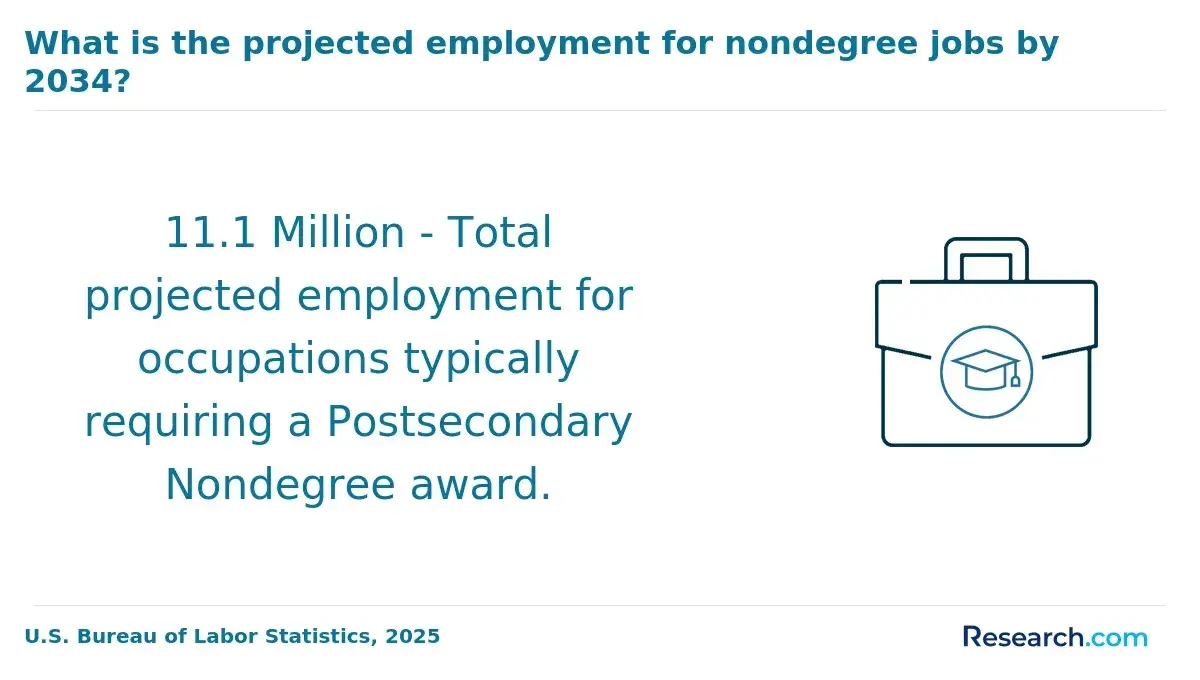
Occupational data shows environmental engineering technologists held 12,900 U.S. jobs with projected growth at +1.2% and about 1,100 annual openings through 2034. This steady demand favors candidates whose credentials assure hands-on experience and mastery of data analysis, often missing from non-accredited curricula.
Licensure prerequisites further restrict access to advanced roles, as state agencies commonly require ABET-accredited program graduation for certification eligibility. Without this, progression stalls and job mobility narrows, particularly where changing environmental policies demand ongoing expertise.
Program accreditation also ensures the curriculum remains current with emerging challenges like climate modeling and renewable resource management, a critical advantage as automation reduces routine monitoring positions. Graduates lacking such adaptive training risk becoming obsolete in a workforce increasingly reliant on technological proficiency.
What is the typical salary range for environmental science jobs least at risk from automation?
Environmental science roles least susceptible to automation typically command salaries between $60,000 and beyond $90,000, a range shaped by the demand for advanced judgment and strategic decision-making. For example, sustainability engineers earn an average of $85,817, leveraging expert skills in sustainable infrastructure design and stakeholder coordination-tasks that machines cannot easily replicate due to their complexity and adaptive requirements.
Salary variation closely aligns with sector and geography. Professionals engaged in urban infrastructure or energy sectors often see compensation at the higher end, reflecting the integration of critical sustainable systems.
In contrast, routine positions like field data collection generally offer lower pay and face greater automation risk, which directly impacts long-term job security and growth. Those transitioning into environmental science should focus on cultivating competencies such as data synthesis, interdisciplinary collaboration, and comprehensive regulatory knowledge.
Employers increasingly expect proficiency in real-time problem-solving and flexible design thinking-skills vital for maintaining a competitive edge amid evolving green technologies. Practical workforce planning must account for the need for continual skill enhancement and strategic positioning in markets where salary growth remains robust. This entails weighing the initial investment in education or certification against long-term resilience in compensation, especially given the pace of technological and regulatory change.
What is the job outlook for environmental science careers resilient to AI and automation?
Automation reshapes environmental science roles but does not eliminate the need for skilled technicians who handle unpredictable, site-specific challenges. Renewable energy technicians, for instance, perform installation and maintenance tasks that automated systems cannot reliably replace, especially in remote or variable conditions.
This results in steady demand fueled by continued investments in solar, wind, and other low-carbon technologies. Demand projections align with a 14% employment growth rate for environmental technicians through 2030, outpacing many occupational averages.
Salaries range approximately from $40,000 to $60,000 globally, with some regions offering higher wages due to labor shortages and infrastructure expansion. Employers value hybrid skill sets combining technical installation, real-time environmental monitoring, and enforcement of safety protocols over purely academic qualifications.
Certifications and demonstrable field competence often outweigh theoretical degrees that do not translate directly to workplace requirements. Geographic flexibility significantly enhances job prospects, as rural and underserved areas invest heavily in renewable infrastructure growth. Continuous upskilling is essential to maintain resilience in this evolving sector, particularly through training that integrates electrical, mechanical, and environmental competencies.
Are licenses or professional certifications needed for the most automation-resilient environmental roles?
Licenses and certifications are decisive filters in environmental science hiring, especially for positions involving regulatory authority or technical judgment that automation struggles to replicate. For example, environmental engineers engaged in site remediation or air and water quality management typically must hold state-specific professional engineering (PE) licenses to validate their work legally.
Similarly, designations such as Certified Environmental Professional (CEP) or Registered Environmental Manager (REM) distinguish candidates with expertise in complex tasks like site investigation or risk assessment, areas where human oversight remains critical. Roles centered on workplace hazard evaluation, such as those in industrial hygiene or occupational health, often require certifications from agencies like the Board of Certified Safety Professionals (BCSP).
These credentials empower independent analysis of subtle human factors beyond automated systems. Conversely, positions focused on data collection or environmental monitoring may not mandate formal certification but expect proficiency to interpret automated outputs accurately, reflecting a tradeoff between credentialing and technical skill.
Employers, particularly in government agencies, prioritize certified candidates because these qualifications reduce liability and ensure compliance enforcement capability. This preference means that licensing exams and renewal commitments, though adding upfront cost and time, create a durable career advantage by anchoring roles resistant to outsourcing or automation.
The U.S. Bureau of Labor Statistics forecasts median salaries near $80,060 for environmental science careers with steady employment growth around 4% over the decade, yielding roughly 8,500 openings annually. The concentration of certification requirements in highly regulated sectors reveals practical pathways for enduring career stability amid shifting labor market demands.
How can students choose a reputable environmental science program aligned with future-proof careers?
Programs emphasizing interdisciplinary training with practical application reduce vulnerability to automation in environmental science roles, which rank among the lowest-risk occupations for AI displacement through 2026. Prioritizing curricula that integrate data analysis, field research, policy evaluation, and environmental systems modeling alongside communication skills cultivates adaptable problem-solvers sought by employers.
Real-world exposure through internships or cooperative education with government agencies, environmental consultancies, or NGOs critically shapes workforce entry. For instance, a student aiming for climate adaptation roles within federal agencies benefits from established program partnerships that offer direct regulatory and assessment experience; lacking this can delay employment or force candidates into less specialized positions.
Degree level tradeoffs matter: bachelor's programs offer broad foundational knowledge, while master's or professional degrees provide targeted specialization that supports faster progression in domains like environmental policy or resource management. Incorporating emerging technologies such as GIS and remote sensing into training significantly strengthens employability, given their increasing importance and the need for expert interpretation beyond automated outputs.
Verify accreditation and faculty expertise through recent published research and applied projects to ensure alignment with current environmental challenges, such as data from agencies like the U.S. Environmental Protection Agency or National Science Foundation. This focus mitigates risks of outdated instruction and equips graduates to navigate evolving sector demands. Ultimately, selecting programs with interdisciplinary fluency, hands-on experience, and robust professional networks enhances resilience against automation-driven displacement and supports sustainable career trajectories.
Other Things You Should Know About Environmental Science
Specializing deeply allows for expertise in niche areas such as hydrology but may limit flexibility. Maintaining broad expertise enhances adaptability, enabling careers in diverse roles such as environmental consulting. In 2027, balance is key as automation impacts specialized and broad knowledge differently.
Students must focus on interdisciplinary skill sets combining environmental expertise with data literacy, GIS proficiency, and regulatory knowledge. Prioritizing practical experience through internships or cooperative education programs enhances employability more than solely theoretical coursework. Balancing soft skills like communication with technical abilities is critical since automation cannot replace stakeholder engagement or policy negotiation tasks in this field.
Deep specialization can lead to expertise in niche roles less vulnerable to automation, like advanced environmental modeling or regulatory compliance. However, it may reduce flexibility in a shifting job market where cross-functional knowledge is increasingly valued. Broad expertise allows agility but risks commoditization of skills that automation can replicate. Students should weigh personal career goals and employer demand trends when selecting specialization depth.
Employers often require certifications, portfolio evidence of project management, and multiyear experience alongside formal degrees for roles least at risk from automation. This increases time-to-hire and upfront educational costs. Prospective professionals must evaluate the financial and temporal commitment to certifications and continuous learning versus entering general environmental science roles that may have faster entry but higher automation exposure.
References
- Top 10 Sustainability Careers for the Future | Tomorrow University https://www.tomorrow.university/blog/top-10-tech-and-ai-careers
- AI Automation Risk: Science Jobs — willitreplace.me https://willitreplace.me/category/science
- How to Get Into a Career in Environmental Sciences - Association of Learning https://associationoflearning.com/blog/how-to-get-into-a-career-in-environmental-sciences/
- Top 5 Future Smart Automation Careers in Manufacturing - SACA https://www.saca.org/2020/10/29/top-5-future-smart-automation-careers-in-manufacturing/
- Four Key Certifications to Enhance Your Environmental Remediation Career - The Planet Group https://www.theplanetgroup.com/blog/enhancing-your-career-in-environmental-remediation-four-key-certifications
- What Can You Do With an Environmental Science Degree? https://willamette.edu/academics/college/environmental-science/career-options
- What does a nursing assistant do? https://apexlearning.org.uk/uk-jobs-automation-risk-2025-2030/
- 19 AI-Resilient Science Jobs Ranked by Resilience 2026 | AI Resilience Report https://www.airesilience.org/all-careers/rankings/ai-resilient-careers/life-physical-and-social-science-occupations-19-0000
- Will Environmental Scientists and Specialists, Including Health be replaced? https://willrobotstakemyjob.com/environmental-scientists-and-specialists-including-health
- Online Environmental Science Degrees: Compare Schools https://www.degreesforgood.org/online-degrees/environmental-science/