
2027 Most Affordable Psychology Degree Programs Online

Co-Founder and Chief Data Scientist
A note from the author, Imed Bouchrika, PhD, career planning expert:
The continual increase in college expenses, including within psychology programs, places many students in the challenging position of seeking financial assistance to complete their degrees. However, this should not discourage individuals from pursuing their career aspirations in this field. After all, there is a pressing demand for psychology professionals in various industries.
I developed this guide to support aspiring psychologists in finding affordable online psychology degree programs that suit their financial preferences. This guide will also discuss the differences between psychology BS and BA degrees and offer insights into the career opportunities available upon graduation.
What are the benefits of getting an affordable online psychology degree?
- Earning an online psychology degree opens doors to careers such as counseling, case management, and behavioral health technology, among others.
- Online psychology programs offer cost-effective alternatives to traditional education, often with flexible pacing options.
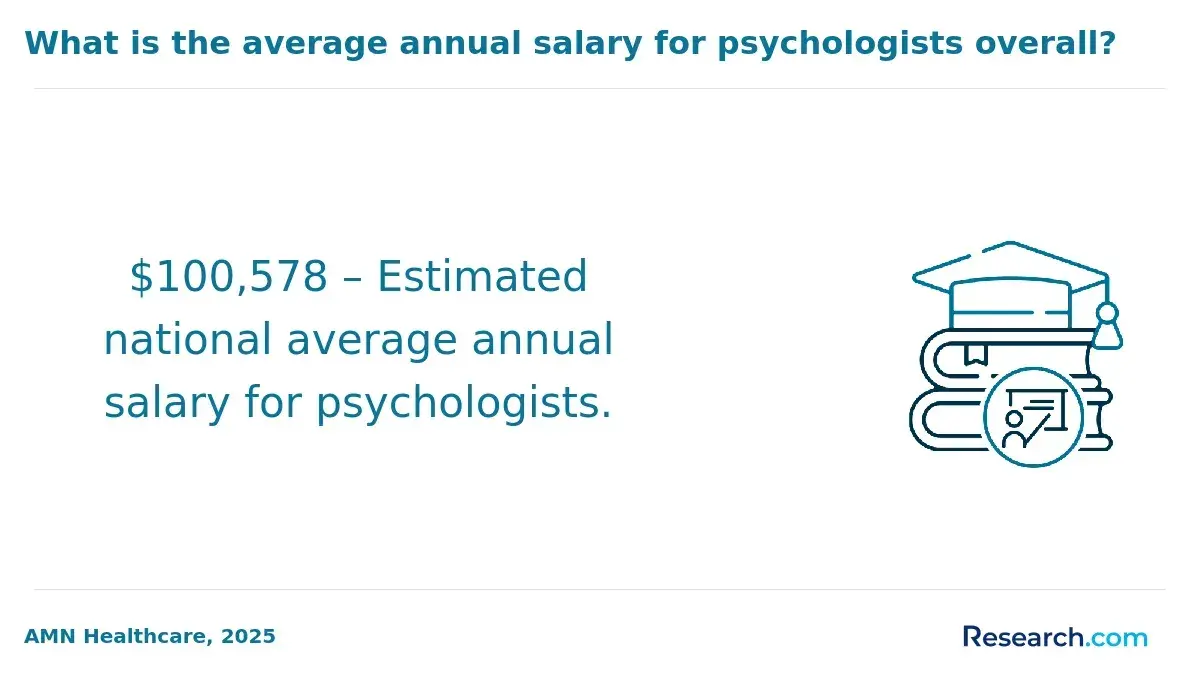
- The median annual salary for psychologists in the United States is $85,330.
What can I expect from an affordable online psychology degree?
An affordable online psychology degree offers a comprehensive exploration of the human mind and behavior. Students can expect to learn about perception, memory, emotions, and mental disorders. With a broad curriculum covering developmental psychology, clinical psychology, social psychology, and abnormal psychology, online psychology degree programs can be a stepping stone to diverse career prospects. Alongside major and general knowledge courses, these programs foster critical thinking, communication, research, and ethical understanding skills which are crucial for engaging with diverse personalities and communities in the field.
Furthermore, online psychology programs typically employ a mix of live and pre-recorded classes. This way, the program can accommodate full-time and part-time schedules to suit individual preferences. While clinical requirements may require in-person practicum or internship hours, arrangements can be made near students' residences or preferred facilities.
Where can I work with an affordable online psychology degree?
With an affordable online psychology degree, graduates can explore employment opportunities across various sectors. Online psychology degree graduates can work in hospitals, schools, mental health agencies, rehabilitation centers, nonprofits, businesses, government agencies, and research institutions. Moreover, psychology majors can apply their skills in different fields such as marketing, human resources, and media and communications.
Given the multidisciplinary nature of psychology, specializing in specific branches through graduate studies allows for versatile career paths in diverse sectors. Furthermore, enterprising learners can establish their own private practices. As such, these professionals can attend to communities lacking access to traditional healthcare services and governmental support.
How much can I make with an affordable online psychology degree?
According to 2024 data from the United States Bureau of Labor Statistics (US BLS), psychologists earn a median annual salary of $85,330. This is much higher than the national average for all workers, which is $46,310. Excluding senior and managerial positions, the highest-paid psychologists, based on median annual salaries, are:
- Industrial-organizational psychologists - $139,280
- Psychologists (all other types) - $106,420
- Clinical and counseling psychologists - $90,130
- School psychologists - $81,500.
Meanwhile, the industries that provide the highest median annual salaries for psychologists are:
- Government institutions - $106,690
- Hospitals - $101,030
- Ambulatory healthcare services - $92,170
- Elementary and secondary schools - $81,620
- Most Affordable Psychology Degree Programs Online for 2027 List of Programs
- How long does it take to complete an online psychology program? Completion Timeline
- How does an online degree in psychology compare to an on-campus program? Online vs. On-Campus
- What is the average cost of an online psychology program? Average Cost
- What financial aid options are available for students pursuing online psychology degrees? Financial Aid
- What are the prerequisites for enrolling in online psychology degrees? Program Prerequisites
- What courses are typically found in an online psychology program? Program Courses
- What types of specializations are available in online psychology programs? What types of specializations are available in online psychology programs?
- How to choose the best online psychology program? How to choose the best online psychology program?
- What career paths are available for graduates of online psychology programs? What career paths are available for graduates of online psychology programs?
- How can I ensure the quality and accreditation of an online psychology degree program? How can I ensure the quality and accreditation of an online psychology degree program?
- Can an online psychology degree open doors to behavior analysis careers? Can an online psychology degree open doors to behavior analysis careers?
- How do I secure professional licensure after an affordable online psychology degree? How do I secure professional licensure after an affordable online psychology degree?
- What are the most common challenges and solutions in pursuing an affordable online psychology degree? What are the most common challenges and solutions in pursuing an affordable online psychology degree?
- What is the job market for graduates with an online psychology degree? What is the job market for graduates with an online psychology degree?
- What key soft skills will I develop in an online psychology program? What key soft skills will I develop in an online psychology program?
- How to Choose the Right Psychology Specialization for Your Career Goals How to Choose the Right Psychology Specialization for Your Career Goals
- How can I transition into forensic psychology with an online degree? How can I transition into forensic psychology with an online degree?
- What career opportunities are available in neuropsychology? What career opportunities are available in neuropsychology?
- How to leverage an online psychology degree for career advancement How to leverage an online psychology degree for career advancement
- Why consider a combined PsyD and masters program? Why consider a combined PsyD and masters program?
- What is the future of telepsychology in online psychology careers? What is the future of telepsychology in online psychology careers?
Most Affordable Online Psychology Degree Programs for 2027
Choosing an online psychology degree is not just a tuition comparison. You also need to know whether the school is accredited, whether the schedule fits your life, how transfer credits affect completion time, and whether the degree supports your next step, whether that is graduate school, human services work, behavioral health, counseling preparation, research, or another people-focused career.
This guide is designed for students who want a lower-cost psychology degree online without sacrificing academic quality. It explains how affordable online psychology programs compare, what they typically cost, how long they take, what courses and specializations are available, and how to evaluate career value before enrolling.
Quick answer: What is the most affordable online psychology degree?
The most affordable online psychology degree depends on your residency status, transfer credits, program format, and career goal. Public universities often offer the lowest per-credit rates for in-state students, while some online-focused institutions may be competitive for students who need flexible pacing. Before choosing the cheapest option, confirm institutional accreditation, total fees, transfer policies, and whether the program prepares you for graduate study or licensure pathways if those are part of your plan.
How this ranking was developed
Our team evaluates affordability and program quality using a transparent ranking methodology. Data sources include the IPEDS database, Peterson’s database, the College Scorecard database, and The National Center for Education Statistics. These sources help compare online psychology programs using available information on tuition, institution type, accreditation, enrollment, and student outcomes.
Affordable online psychology programs at a glance
| Rank | School and Program | Credits | Time to Completion | Listed Tuition or Cost | Accreditation |
| 1 | Aspen University Bachelor of Arts in Psychology and Addiction Studies | 120 | Two to three years | $24,900 | Distance Education Accrediting Commission, Council for Adult and Experiential Learning |
| 2 | Bellevue University Bachelor’s Degree in Psychology | 127 | Three to four years | $440/credit | Higher Learning Commission |
| 3 | Fayetteville State University Online Psychology Program | 120 | Four years | $931.50/semester (in-state), $1,681.50 $2,931.50/semester (out-of-state) | Southern Association of Colleges and Schools Commission on Colleges |
| 4 | Florida International University Bachelor of Arts in Psychology | 120 | Four years | $228.81 (in-state), $345.87 (out-of-state) | Southern Association of Colleges and Schools Commission on Colleges |
| 5 | Fort Hays State University Online Bachelor’s in Psychology | 120 | Three and a half years (18 credit hours/semester) | $27,225 | Higher Learning Commission |
| 6 | Chadron State College Bachelor of Arts in Psychological Sciences | 120 | Four years | $299 | Higher Learning Commission |
| 7 | Middle Georgia State University Bachelor of Science in Psychology | 120 | Three to four years | $131 | Southern Association of Colleges and Schools Commission on Colleges |
| 8 | North Carolina Central University Bachelor’s Degree in Psychology | 120 | Four years | $123.67 (in-state), $726.84 (out-of-state) | Southern Association of Colleges and Schools Commission on Colleges |
| 9 | Northern Kentucky University Psychological Science Major | 120 | Four years | $275 | Southern Association of Colleges and Schools Commission on Colleges |
| 10 | Ohio University Bachelor’s Degree in Psychology Online | 120 | Four years | $307 (in-state), $312 (out-of-state) | American Psychological Association (APA), Higher Learning Commission |
1. Aspen University Bachelor of Arts in Psychology and Addiction Studies
Aspen University offers an online bachelor’s program that connects psychology with addiction studies. The curriculum is built for students who want a foundation in human behavior, sociology, addiction theory, and general education while studying in a distance-learning format. This option may appeal to learners interested in behavioral health, substance abuse support roles, or graduate study in counseling-related fields.
- Time to completion: Two to three years
- Required credits: 120
- Annual tuition/Cost per credit: $24,900
- Accreditation: Distance Education Accrediting Commission, Council for Adult and Experiential Learning
2. Bellevue University Bachelor’s Degree in Psychology
Bellevue University provides online psychology study through both synchronous and asynchronous coursework. Students can choose psychology pathways that include Bachelor of Arts and Bachelor of Science options, as well as Applied Professional Psychology tracks in aging studies, industrial and organizational psychology, and foundations of counseling. The program also offers student support through counselors and coaches, which can be useful for adult learners returning to school.
- Time to completion: Three to four years
- Required credits: 127
- Annual tuition/Cost per credit: $440/credit
- Accreditation: Higher Learning Commission
3. Fayetteville State University Online Psychology Program
Fayetteville State University offers an online psychology degree completion option for students who need flexible scheduling. Its asynchronous format can help working adults, caregivers, and transfer students manage coursework around other commitments. The program emphasizes knowledge of human behavior and prepares students for roles across fields that value research literacy, communication, and behavioral insight.
- Time to completion: Four years
- Required credits: 120
- Annual tuition/Cost per credit: $931.50/semester (in-state), $1,681.50 $2,931.50/semester (out-of-state)
- Accreditation: Southern Association of Colleges and Schools Commission on Colleges
4. Florida International University Bachelor of Arts in Psychology
Florida International University has delivered more than 1,500 fully online courses for over 20 years. Its online undergraduate psychology offerings include BA degrees in psychology and applied behavior analysis. The psychology curriculum uses research-based methods, making it a practical choice for students who want preparation for graduate study, behavioral services, or human-centered professional roles.
- Time to completion: Four years
- Required credits: 120
- Annual tuition/Cost per credit: $228.81 (in-state), $345.87 (out-of-state)
- Accreditation: Southern Association of Colleges and Schools Commission on Colleges
5. Fort Hays State University Online Bachelor’s in Psychology
Fort Hays State University offers an online bachelor’s in psychology with BA and BS pathways. Students complete general education, psychology core courses, electives, and either foreign language coursework for the BA or math and science coursework for the BS. The program also includes internship opportunities through partnerships, which can strengthen a student’s resume before graduation.
- Time to completion: Three and a half years (18 credit hours/semester)
- Required credits: 120
- Annual tuition/Cost per credit: $27,225
- Accreditation: Higher Learning Commission
6. Chadron State College Bachelor of Arts in Psychological Sciences
Chadron State College provides an online Bachelor of Arts in Psychological Sciences for students who want a broad foundation in behavior and mental processes. The program can support students preparing for graduate school, community service roles, education-adjacent work, or other careers that benefit from understanding cognition, development, and social behavior.
- Time to completion: Four years
- Required credits: 120
- Annual tuition/Cost per credit: $299
- Accreditation: Higher Learning Commission
7. Middle Georgia State University Bachelor of Science in Psychology
Middle Georgia State University offers an online Bachelor of Science in Psychology with eight-week course formats and continuous admissions. This structure can help students enter the program at multiple points during the year. The curriculum is designed to build an understanding of the mind and behavior while preparing students for graduate-level psychology coursework.
- Time to completion: Three to four years
- Required credits: 120
- Annual tuition/Cost per credit: $131
- Accreditation: Southern Association of Colleges and Schools Commission on Colleges
8. North Carolina Central University Bachelor’s Degree in Psychology
North Carolina Central University delivers its online psychology program through modular formats and consistent online learning rubrics. The program emphasizes critical thinking, problem-solving, and interactive learning. Students may also benefit from networking opportunities that connect coursework with employers, communities, and professional development resources.
- Time to completion: Four years
- Required credits: 120
- Annual tuition/Cost per credit: $123.67 (in-state), $726.84 (out-of-state)
- Accreditation: Southern Association of Colleges and Schools Commission on Colleges
9. Northern Kentucky University Psychological Science Major
Northern Kentucky University offers a psychological science major that covers foundational psychology and more advanced topics such as human memory and information processing. The program is structured for students who want a flexible path while building analytical, research, and communication skills that apply across many fields.
- Time to completion: Four years
- Required credits: 120
- Annual tuition/Cost per credit: $275
- Accreditation: Southern Association of Colleges and Schools Commission on Colleges
10. Ohio University Bachelor’s Degree in Psychology Online
Ohio University offers an online bachelor’s degree in psychology through asynchronous coursework. Students take courses that introduce counseling, sports psychology, psychological disorders, and research opportunities. The program can also support students interested in areas related to child development and other applied psychology paths.
- Time to completion: Four years
- Required credits: 120
- Annual tuition/Cost per credit: $307 (in-state), $312 (out-of-state)
- Accreditation: American Psychological Association (APA), Higher Learning Commission
What Graduates Say About Affordable Online Psychology Degrees
- James: "My online psychology program made it possible to keep my full-time job while earning my degree. The schedule was manageable, the learning platform was straightforward, and my instructors were responsive when I needed help."
- Dan: "I was unsure about studying psychology online at first, but the program gave me a flexible and affordable way to finish my degree from home. The classes were demanding, but the faculty support made the experience worthwhile."
- Sylvia: "Online study allowed me to pursue psychology while working and caring for my family. I could move through coursework at a pace that fit my responsibilities, and the professors helped me stay on track."
Key Findings
- Affordable online psychology programs can be a strong option for students who need flexibility, but the lowest posted tuition is not always the lowest total cost.
- Most bachelor’s programs listed here require 120 credits, although Bellevue University lists 127 credits.
- Online and campus psychology programs often cover similar academic material, but they differ in scheduling, networking, student support, and day-to-day learning experience.
- Students who plan to become licensed psychologists should expect graduate or doctoral study after the bachelor’s degree and should verify state-specific licensing requirements early.
- Transfer credits, accelerated courses, and asynchronous formats can shorten or simplify the path, but they can also increase weekly workload.
How Long Does It Take to Complete an Affordable Online Psychology Program?
Online psychology degree timelines vary by credential level, transfer credit, enrollment intensity, and program format. Undergraduate psychology students can often finish in two to four years depending on the degree type and prior credits. Graduate psychology programs may take between one and six years, depending on whether the student pursues a master’s degree, doctorate, licensure track, or research-intensive pathway.
| Degree Level | Typical Completion Time | Best For |
| Associate Degree | Two years | Students testing interest in psychology or planning to transfer into a bachelor’s program |
| Bachelor’s Degree | Three to four years | Students seeking entry-level roles or preparation for graduate school |
| Master’s Degree | One to two years | Students pursuing specialized roles, counseling-related pathways, research, or doctoral preparation |
| Doctorate Degree | Four to six years | Students aiming for psychologist licensure, advanced clinical practice, research, or academia |
Several factors can change the timeline. Transfer credits may reduce the number of courses you need to take. Asynchronous courses can help students study around work, while accelerated terms may allow faster completion. Part-time enrollment usually extends the timeline, but it can be the most realistic option for students balancing school with employment or caregiving.
Bridge programs can also shorten the total time required by combining multiple academic stages. In nursing, for example, the cheapest RN to BSN program can help students move into a higher credential, while RN-to-MSN options combine undergraduate and graduate study. Similar acceleration trade-offs can appear in psychology pathways, including online psychology degree Florida programs and comparable programs in other states: you may finish sooner, but the weekly workload can be heavier.
How Does an Affordable Online Psychology Degree Compare to an On-Campus Program?
Online and campus-based psychology degrees often share core courses, assignments, faculty expectations, and academic outcomes. The biggest differences are how students attend class, interact with peers, use campus resources, and manage costs. Statista reports that 47% of students in higher education agreed that the quality of online instruction in higher education is the same as the quality of in-person instruction in the United States.
| Factor | Online Psychology Degree | On-Campus Psychology Degree | Decision Tip |
| Learning environment | Courses use learning management systems, virtual classrooms, educational apps, videos, live sessions, discussion boards, and sometimes digital simulations. | Students attend classes in classrooms, labs, viewing rooms, and other campus spaces. | Choose online if you are comfortable learning independently; choose campus if you need in-person structure. |
| Schedule flexibility | Many programs offer asynchronous coursework, which allows students to complete assignments from any location with reliable internet. | Students usually follow a set weekly schedule and must be available on campus. | Online formats are often better for working adults and caregivers. |
| Cost | Online students may avoid commuting, parking, housing, and meal plan costs, though technology and online learning fees may apply. | Campus students may pay for facility use, transportation, rent, food, parking, and other location-based expenses. | Compare total cost, not tuition alone. |
| Networking | Students build relationships through virtual groups, forums, online communities, and collaborative assignments. | Students can meet classmates, faculty, and study groups in person more easily. | Online students should be intentional about networking from the first term. |
Many institutions now offer online psychology degrees. The 2025 chart below, sourced from NCES, shows that private for-profit institutions in the United States had the highest percentage of students (54%) in exclusive distance education courses next to public universities (27%).
What Is the Average Cost of an Affordable Online Psychology Program?
An online psychology program from a public institution can cost around $54,183, while a traditional undergraduate degree costs $85,348 on average. At private institutions, a traditional program costs around $185,252, while an online program usually costs around $60,593.
These figures show why online psychology programs can be financially attractive, but students should still calculate the full cost of attendance. Online tuition may be lower, yet additional expenses such as technology fees, online learning fees, ebook charges, and course materials can add to the bill. Even so, online learners often avoid major campus-related costs such as transportation, parking, university housing, meal plans, lab fees, and some supplies.
How to estimate your real program cost
- Multiply the per-credit price by the number of credits you still need after transfer evaluation.
- Add mandatory online, technology, graduation, transcript, and course-specific fees.
- Include books, software, proctoring, internet, and equipment costs.
- Subtract scholarships, grants, employer tuition assistance, military benefits, and other aid that does not need to be repaid.
- Compare total net cost across at least three schools before applying.
What Financial Aid Options Are Available for Online Psychology Students?
Students in accredited online psychology programs may qualify for many of the same financial aid options available to campus students. Eligibility depends on the institution, enrollment status, program level, financial need, and aid rules.
| Aid Type | How It Works | What to Check |
| Federal Aid | Federal loans, grants, and work-study programs are administered through the United States Department of Education. The FAFSA helps determine eligibility for Pell Grants, Direct Loans, and Federal Work-Study. | Confirm that the school participates in federal student aid programs. |
| Grants and Scholarships | Psychology students may receive awards from colleges, nonprofits, private organizations, and professional groups based on merit, financial need, background, or career interest. | Prioritize awards that do not require repayment. |
| Institutional Aid | Colleges may offer tuition discounts, scholarships, grants, or aid tied to academic achievement, leadership, or need. | Ask whether online students receive the same institutional aid as campus students. |
| State Aid | States may offer grants, scholarships, or loan forgiveness programs for eligible residents and students in approved programs. | Rules vary by state, so check residency, program, and enrollment requirements. |
| Private Aid | Private loans and employer tuition assistance can help cover remaining costs, but private student loans often carry higher interest rates. | Use private loans only after reviewing federal, state, institutional, and scholarship options. |
| Assistantships and Fellowships | Graduate and postgraduate psychology students may receive teaching or research assistantships, fellowships, stipends, or related support. 77% of doctorate psychology students leverage assistantships and similar types of aid to help offset their cost of education. | Ask whether online or hybrid graduate students are eligible. |
What Are the Prerequisites for Enrolling in Affordable Online Psychology Programs?
Admission requirements depend on the degree level and school. Undergraduate psychology programs usually focus on high school completion and transcripts, while graduate programs evaluate prior college performance, academic fit, professional goals, and readiness for advanced study. Requirements can apply across general psychology, universities that offer criminal psychology, forensic psychology, and industrial-organizational psychology pathways.
Undergraduate psychology program requirements
- High school diploma or equivalent: Most psychology BS and BA programs require proof of high school completion or an equivalent credential.
- Official transcripts: Schools may review grades in subjects such as math, science, and English.
- Standardized test scores: Some institutions ask for ACT or SAT scores, while others use test-optional policies.
- Additional materials: Applicants may need recommendation letters, a personal essay, or documentation of workshops, seminars, or relevant experience.
Graduate psychology program requirements
- Bachelor’s degree: Applicants generally need a completed bachelor’s degree, preferably from an accredited institution, especially if they plan to pursue licensure.
- Official transcripts: Graduate schools use transcripts to review academic preparation and any minimum GPA requirement.
- Standardized test scores: Some programs still request GRE or GMAT scores, although others waive them.
- Resume or CV: Schools may ask for a resume to evaluate work history, research experience, service, or related skills.
- Recommendation letters: Applicants commonly submit letters from instructors, supervisors, employers, or professional colleagues.
- Personal statement or essay: This document explains the applicant’s goals, motivation, and fit with the program.
For the educational background of psychologists in the United States, Zippia reports that the most common psychology degrees are bachelor’s degrees at 47%.
What Courses Are Typically Found in an Affordable Online Psychology Program?
Undergraduate psychology programs usually take a broad approach. Students study the major branches of psychology, research methods, statistics, human development, mental processes, and social behavior. Some content may overlap with related counseling-oriented degrees, including Christian counseling masters programs.
| Common Course | What Students Learn | Why It Matters |
| Introduction to Psychology | Major theories, branches, concepts, and applications of psychology. | Builds the foundation for all later psychology coursework. |
| Psychology Research | Research design, statistics, data collection, interpretation, and ethical methods. | Helps students evaluate evidence instead of relying on opinion. |
| General Psychology | Core concepts related to behavior, thought, mental health, diagnosis, and treatment approaches. | Gives students a broad overview of the field. |
| Cognitive Psychology | Perception, memory, learning, attention, and information processing. | Useful for students interested in brain-behavior relationships, learning, or research. |
| Clinical Psychology | Applied psychological principles in hospitals, clinics, and community health settings. | Introduces students to clinical systems, though licensure requires advanced education. |
| Developmental Psychology | Human development across the lifespan, including child development, adulthood, and aging. | Important for education, family services, healthcare, and counseling-related paths. |
| Social Psychology | Attitudes, identity, influence, group behavior, and social interaction. | Applies to business, community work, public health, and organizational settings. |
| Abnormal Psychology | Types, causes, symptoms, and treatments of psychological disorders. | Common preparation for mental health, counseling, or clinical graduate study. |
| Industrial-organizational Psychology | Workplace behavior, ethics, motivation, leadership, and team productivity. | An industrial-organizational psychology course can support HR, consulting, and workforce development goals. |
What Specializations Are Available in Affordable Online Psychology Programs?
Some bachelor’s programs offer concentrations, while graduate programs such as the most affordable PhD psychology programs often allow deeper specialization. Choosing a concentration matters because it can shape internships, research projects, graduate school options, and long-term career direction.
| Specialization | Focus Area | Who Should Consider It |
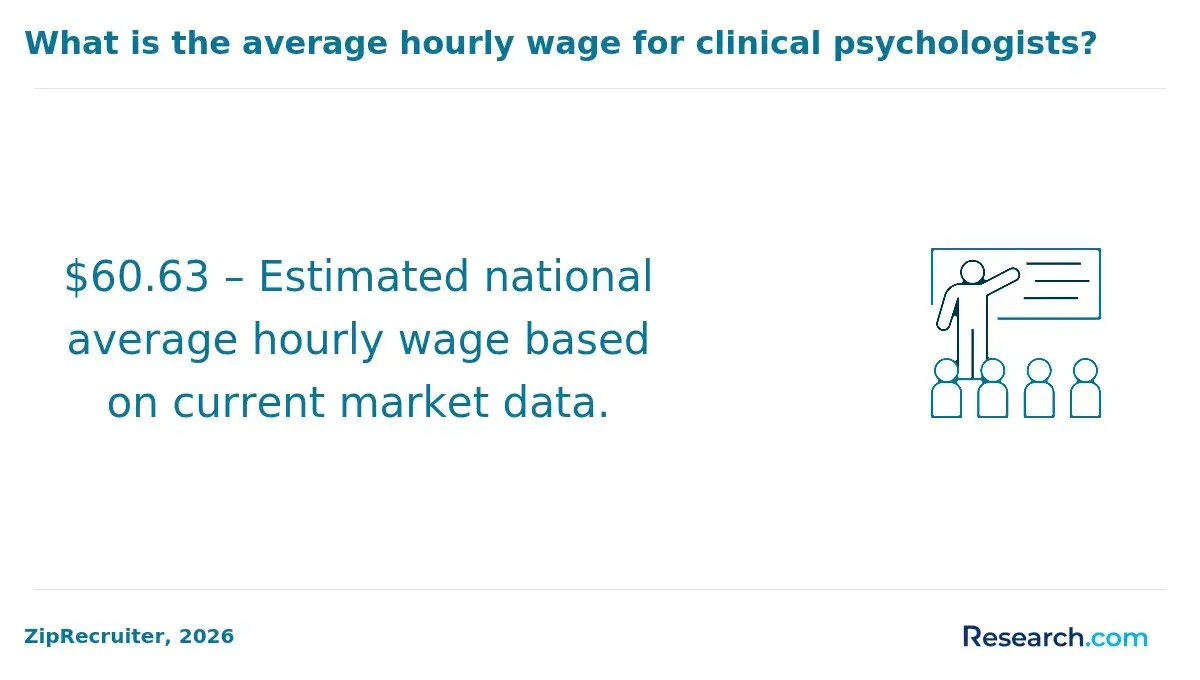
| Clinical Psychology | Psychological disorders, assessment, research methods, and clinical or counseling field experiences. Zippia reports that there are currently more than 83,994 clinical psychologists employed across the United States. | Students interested in mental health assessment, therapy, or doctoral-level clinical pathways. |
| School Psychology | Academic success, learning needs, and social-emotional development in school settings. | Students who want to work with children, families, educators, and school systems. |
| Developmental Psychology | Cognitive, emotional, and social development across the lifespan. | Students interested in child development, aging, family support, or lifespan research. |
| Forensic Psychology | Psychology within legal, criminal justice, court, and correctional contexts. | Students drawn to law, criminal behavior, victim services, or justice-related assessment. |
| Child Psychology | Children’s behavior, development, emotion, and mental health from infancy through adolescence. | Students who want to support children in clinical, school, social service, or research settings. |
| Neuropsychology | Connections between brain function, cognition, behavior, and neurological conditions. | Students interested in brain injury, rehabilitation, cognitive assessment, or advanced clinical research. |
| Health Psychology | How biological, behavioral, and psychological factors influence health and illness. | Students interested in healthcare, prevention, chronic illness, public health, or patient behavior. |
| Industrial-organizational Psychology | Human behavior at work, including motivation, hiring, productivity, leadership, and employee well-being. | Students considering HR, workforce analytics, organizational development, or consulting. |
How to Choose the Best Affordable Online Psychology Program
The best affordable online psychology program is the one that fits your academic goal, budget, schedule, and future credential requirements. A low-cost program can be a poor choice if credits do not transfer, support is weak, or the curriculum does not prepare you for graduate school or licensure. In addition to comparing the cheapest online bachelor's degree options, review the factors below.
- Accreditation: Confirm institutional accreditation and any relevant program recognition. Information from the APA and regional accrediting agencies can help students understand quality standards. Accreditation is especially important for students who may pursue graduate study or state licensure later.
- Licensure alignment and EPPP preparation: Aspiring licensed psychologists eventually need to meet state requirements and pass the Examination for Professional Practice in Psychology (EPPP). If licensure is your goal, ask graduate programs about EPPP pass rates, supervised experience, and state board alignment.
- Format and flexibility: Compare asynchronous, synchronous, part-time, full-time, accelerated, and bridge options. Flexibility is valuable, but it should not come at the cost of support or manageable workload.
- Specializations: Choose a program that offers coursework or concentrations aligned with your target field, such as counseling preparation, applied behavior analysis, forensic psychology, or industrial-organizational psychology.
- Faculty and reputation: Review faculty credentials, student support, research opportunities, internship availability, and graduate outcomes.
- Transfer policies: Ask for a formal transfer credit evaluation before enrolling. A program with a slightly higher per-credit price may cost less overall if it accepts more of your previous credits.
- Student support: Look for online tutoring, writing help, library access, advising, career services, mental health resources, and technical support.
Questions to ask before enrolling
- Is the institution accredited by a recognized accreditor?
- How many of my credits will transfer, and will they apply to major requirements or only electives?
- What is the total cost after tuition, fees, books, and technology charges?
- Are online students eligible for the same scholarships and support services as campus students?
- Does the program include research, internships, practica, or field experience?
- If I plan to pursue licensure, what additional degree and supervised experience will I need?
- What percentage of students complete the program, continue to graduate school, or find relevant employment?
What Career Paths Are Available for Graduates of Affordable Online Psychology Programs?
A psychology degree can lead to many career paths, but the available roles depend heavily on degree level, specialization, work experience, state rules, and whether the graduate has completed licensure requirements. Many psychology career options begin outside the title “psychologist,” especially for bachelor’s degree holders.
Entry-level psychology jobs for undergraduate degree holders
- Behavioral health technicians: Support individuals with mental health or substance abuse concerns by helping implement treatment plans and tracking progress in psychiatric hospitals, residential treatment facilities, outpatient clinics, or community mental health centers.
- Human resources assistants: Help with recruiting, onboarding, benefits administration, employee relations, and workforce documentation in corporate, healthcare, government, and education settings.
- Social and human service assistants: Connect individuals and families with services, support resources, and community programs in nonprofits, public agencies, healthcare facilities, and social service organizations.
- Case managers: Assess client needs, coordinate care plans, monitor service use, and help clients navigate healthcare, behavioral health, or social support systems.
- Research assistants: Help conduct studies, collect data, manage records, and support analysis under the supervision of researchers in universities, healthcare organizations, research centers, or public agencies.
Intermediate psychology jobs for graduate degree holders
- Licensed professional counselors: Provide counseling and mental health support to individuals with emotional or psychological concerns in private practices, schools, clinics, hospitals, or community agencies.
- Clinical case managers: Coordinate services for people with mental health or substance abuse needs in hospitals, mental health centers, community health organizations, and social service agencies.
- Behavior analysts: Study behavior patterns and design interventions for individuals with behavioral challenges or developmental disabilities in schools, autism centers, healthcare organizations, or therapy clinics.
- Research coordinators: Manage research activities, data collection, project timelines, and compliance procedures for universities, healthcare organizations, research institutions, or government agencies.
- Forensic evaluators: Assess people involved in legal cases, evaluate competency or mental health status, and may contribute expert information in courts, corrections, law enforcement, or consulting settings.
Advanced psychology jobs for postgraduate degree holders
- University professors or researchers: Teach, mentor students, publish research, and contribute to the development of psychological science in colleges, universities, research institutions, and public agencies.
- Health psychologists: Apply psychological principles to health behavior, illness prevention, treatment adherence, and patient well-being in hospitals, clinics, public health agencies, or private practices.
- Psychology consultants: Advise organizations, schools, healthcare systems, public agencies, or communities on behavior, mental health, training, assessment, and program design.
- Psychologists in private practice: Provide assessment, counseling, or therapy services to clients in independent or group practice settings, subject to state licensure requirements.
- Directors of behavioral health services: Lead behavioral health programs, supervise teams, manage compliance, and oversee service delivery in hospitals, clinics, and community health centers.
How Can I Verify the Quality and Accreditation of an Online Psychology Degree?
Start by confirming that the institution is accredited by a recognized accrediting agency. Then review whether the psychology program’s curriculum, faculty qualifications, student services, and graduate outcomes match your goal. Accreditation matters for transfer credits, financial aid eligibility, graduate admissions, employer confidence, and professional licensure pathways.
Students should also look at faculty credentials, internship or research access, student support, graduation outcomes, and whether the program clearly explains limits for licensure preparation. If speed is a priority, compare standard online options with an accelerated psychology degree online, but make sure the faster timeline does not reduce academic support or field experience.
Can an Online Psychology Degree Lead to Behavior Analysis Careers?
Yes, an online psychology degree can introduce behavior modification, learning theory, assessment, and applied behavior concepts that support later study in applied behavior analysis. A bachelor’s degree alone may prepare students for support roles, while advanced credentials or a master’s degree are often needed for more specialized behavior analysis positions.
Students interested in clinical, school, autism services, community, or behavioral intervention settings should compare programs for applied behavior analysis coursework, practicum availability, and certification alignment. To understand advanced career options, review what can you do with a masters in behavior analysis.
How Do I Secure Professional Licensure After an Affordable Online Psychology Degree?
Licensure is controlled by state boards, so requirements vary. A bachelor’s degree in psychology is usually not enough to become a licensed psychologist. Students commonly need graduate or doctoral education, supervised clinical experience, exams, and ethics requirements before independent practice.
Before enrolling, contact your state licensing board and ask whether the degree pathway you are considering meets educational requirements. Also ask the school about supervised clinical hours, practicum placement support, state authorization, exam preparation, and graduate licensure outcomes. Students who need advanced preparation can compare masters of psychology programs to identify options that align with their career and licensing goals.
What Are the Most Common Challenges in an Affordable Online Psychology Degree?
Online psychology programs can lower barriers, but they also require planning and self-management. The most common problems are not usually the course topics themselves; they are time management, isolation, technology issues, and choosing a program without understanding long-term credential requirements.
| Common Challenge | Why It Happens | Better Strategy |
| Falling behind in asynchronous courses | No fixed classroom meeting time can make deadlines easier to miss. | Create a weekly study calendar and treat course blocks like work shifts. |
| Limited peer connection | Online students may not naturally meet classmates before or after class. | Join discussion groups, virtual study sessions, student organizations, and faculty office hours. |
| Technology problems | Courses depend on reliable internet, software, webcams, and learning platforms. | Test all systems before the term starts and save technical support contacts. |
| Choosing based only on tuition | A low per-credit rate may hide fees or poor transfer credit acceptance. | Compare total net cost after fees, aid, and transfer evaluation. |
| Misunderstanding licensure | Students may assume any psychology degree leads directly to psychologist licensure. | Confirm state requirements before choosing a program or specialization. |
Students interested in faster advanced pathways may also compare options such as accelerated PsyD programs, but accelerated doctoral study should be evaluated carefully for clinical training quality, workload, and licensure alignment.
What Is the Job Market for Graduates With an Affordable Online Psychology Degree?
According to US BLS data, employment of psychologists from 2024 to 2034 is projected to grow by 6%. This is higher than the collective average of all US occupations, which is 3%. That does not mean every psychology graduate is guaranteed a psychologist role, but it does indicate continued demand for trained professionals in psychology-related fields.
Over the same period, the BLS projects an average of around 12,900 job openings for psychologists each year. Employment is expected to increase from 204,300 to an estimated 216,000 in 2034. The highest projected growth in employment is from clinical and counseling psychologists, with 84,800 projected positions in 2034, followed by school psychologists with 67,700 employment.
The chart below displays psychology jobs with the highest levels of employment.
What Key Soft Skills Will I Develop in an Online Psychology Program?
Psychology programs develop more than content knowledge. Students also practice skills that transfer to healthcare, education, social services, business, research, and management.
- Emotional intelligence: Students learn to recognize emotional patterns and understand how feelings affect behavior and relationships.
- Active listening: Coursework and discussions help students gather information carefully and respond with empathy.
- Critical thinking: Students evaluate research, evidence, claims, and data before reaching conclusions.
- Communication: Psychology students learn to explain complex ideas clearly to different audiences.
- Problem-solving: Programs encourage students to identify behavioral or mental health challenges and consider practical, ethical solutions.
How to Choose the Right Psychology Specialization for Your Career Goals
Start with the work you want to do, not just the course title that sounds interesting. Clinical or counseling psychology may appeal to students interested in mental health treatment, but these paths usually require advanced degrees and licensure. Social psychology can fit students drawn to group behavior, persuasion, identity, and community dynamics. Neuropsychology and health psychology may suit students interested in healthcare and the brain-behavior relationship.
Market demand also matters, but it should not be the only factor. Industrial-organizational psychology and forensic psychology can lead to specialized career paths, while school psychology remains important as mental health needs in education receive greater attention. Students comparing types of majors in psychology should map each specialization to required degrees, licenses, field experience, and likely employers.
The best way to test a specialization is through experience. Look for internships, volunteer work, research assistantships, job shadowing, or related employment before committing to a graduate pathway. Early exposure can confirm whether the work fits your strengths and expectations.
How Can I Transition Into Forensic Psychology With an Online Degree?
Forensic psychology combines psychology with courts, corrections, law enforcement, victim services, and criminal justice systems. An online psychology degree can provide the foundation in human behavior, research, abnormal psychology, and assessment concepts, but specialized forensic roles often require graduate study and relevant field experience.
Students interested in this path should look for coursework in criminal behavior, assessment, trauma, ethics, and legal systems. They should also seek internships or volunteer opportunities in courts, correctional programs, victim advocacy organizations, or justice-related agencies. To compare graduate options, review the cheapest masters in forensic psychology programs.
What Career Opportunities Are Available in Neuropsychology?
Neuropsychology focuses on how the brain affects cognition, emotion, behavior, and functioning. Professionals in this area may work with people who have brain injuries, neurological disorders, developmental conditions, or cognitive changes. Common settings include hospitals, rehabilitation centers, research institutions, and private practice.
A bachelor’s degree in psychology can introduce core concepts, but most neuropsychology roles require advanced graduate or doctoral training. A master’s degree may provide early exposure, while doctoral-level preparation is commonly needed for clinical neuropsychology practice. Students can explore neuropsychology careers to learn more about roles, credentials, and outlook.
This field may be a strong fit for students who enjoy assessment, neuroscience, cognitive rehabilitation, research, and clinical problem-solving.
How to Use an Online Psychology Degree for Career Advancement
Earning the degree is only one part of the career strategy. Students who get the most value from an online psychology program usually combine coursework with experience, networking, credentials, and a clear plan for graduate study or industry transition.
Pursue targeted certifications and specialized coursework
A general psychology degree can support many roles, but added preparation in behavioral analysis, substance abuse counseling, forensic psychology, research methods, or human resources can make your background more focused. Choose add-ons that match the job postings or graduate programs you plan to pursue.
Build experience before graduation
Internships, practica, volunteer work, research labs, crisis lines, schools, community centers, and mental health organizations can help students turn academic knowledge into practical skills. Even when fieldwork is not required, experience can strengthen graduate applications and resumes.
Network intentionally as an online student
Online learners should use virtual events, alumni groups, faculty office hours, psychology associations, and career services. Networking can lead to internships, references, research projects, and job leads.
Consider further education when your goal requires it
Clinical psychology, counseling, school psychology, neuropsychology, and many research careers require graduate education. An associate degree in psychology online can be an early step, while a bachelor’s degree often serves as the bridge to master’s or doctoral study.
Apply psychology skills outside traditional psychology roles
Psychology graduates can also move into human resources, marketing, case management, healthcare administration, customer experience, training, research support, and nonprofit work. Skills in behavior, communication, data interpretation, and motivation are valuable in many industries.
Why Consider a Combined PsyD and Master’s Program?
A combined PsyD and master’s program can shorten the path for students who know they want advanced clinical training. These programs may integrate master’s-level coursework, doctoral study, clinical practica, mentorship, and research into one planned sequence. The potential advantage is efficiency; the potential risk is committing to a demanding pathway before fully confirming career fit.
Students comparing a PsyD and masters combined pathway should ask about licensure outcomes, practicum placements, accreditation, total cost, time commitment, and whether credits apply if they decide not to finish the doctoral portion.
What Is the Future of Telepsychology in Online Psychology Careers?
Telepsychology has expanded how mental health and behavioral services are delivered. Secure video platforms, digital assessment tools, mobile health resources, and remote consultation models are changing how clients access care. Online psychology students should expect technology, privacy, digital ethics, and remote communication to become increasingly relevant in psychology-related work.
Students interested in this area should look for coursework or training that addresses telehealth ethics, client privacy, data security, digital assessment limits, and technology-supported intervention. Those seeking faster graduate preparation may compare an accelerated masters in psychology, but they should still verify clinical training quality and state-specific requirements.
Common Mistakes to Avoid When Choosing an Affordable Online Psychology Degree
- Choosing the lowest tuition without calculating total cost: Fees, transfer credit loss, books, and technology costs can change the real price.
- Ignoring accreditation: Accreditation can affect financial aid, transfer credits, graduate admissions, and licensure pathways.
- Assuming online automatically means easier: Online psychology courses still require reading, writing, research, statistics, exams, and consistent participation.
- Waiting too long to plan for graduate school: Students who want clinical, counseling, school psychology, or neuropsychology careers should plan prerequisites early.
- Overlooking field experience: A low-cost degree is more valuable when paired with internships, research, volunteering, or related work.
- Assuming all psychology degrees lead to licensure: Licensure depends on state rules, degree level, supervised hours, exams, and approved training.
- Relying only on rankings: Rankings help narrow options, but your best program depends on transfer credits, schedule, cost, specialization, and career goal.
Key Insights
- The best affordable online psychology degree is not always the cheapest advertised program; it is the accredited option with the strongest fit for your budget, credits, schedule, and career plan.
- Most online bachelor’s psychology programs take three to four years, but transfer credits and accelerated formats can change the timeline significantly.
- Online psychology degrees can reduce commuting, housing, and campus-related expenses, but students should still budget for technology, books, and online course fees.
- A bachelor’s in psychology can support entry-level roles in behavioral health, human services, HR, research support, and case management, but licensed psychologist roles usually require advanced graduate or doctoral education.
- Students planning careers in counseling, clinical psychology, school psychology, forensic psychology, neuropsychology, or behavior analysis should verify graduate requirements and state licensure rules before choosing a program.
- Strong online students build structure, seek field experience, use faculty support, and network intentionally rather than treating flexibility as a reason to study passively.
References:
- ABD Guide. (2024). Photography Occupations, Career Overview & ROI. https://allbachelordegrees.com/degrees/arts-and-design/digital-photography/photography-degree-career-overview-and-roi/
- US BLS. (2025). Psychologists. https://www.bls.gov/ooh/life-physical-and-social-science/psychologists.htm
- Zippia. (n.d.). Best Colleges and Majors for Psychologists. https://www.zippia.com/psychologist-jobs/education/
Other Things You Should Know About Affordable Online Psychology Degrees
Yes, many universities offer scholarships for affordable online psychology degree programs in 2027. These can include merit-based scholarships, need-based aid, and specialized scholarships for psychology students. It's important to check with individual institutions for available opportunities and application deadlines.
To find affordable online psychology degree programs in 2027, use education comparison websites, review college rankings for affordability, and check accredited institutions. Inquire about financial aid and scholarships, and read student reviews to ensure value for cost.
To enroll in an affordable online psychology degree program in 2027, students typically need a high school diploma or equivalent. Additional requirements might include standardized test scores, a minimum GPA, letters of recommendation, and a personal statement. Specific requirements can vary by institution, so it is important to check the admission criteria for each program.
Affordable online psychology programs typically require no on-campus visits, allowing students to complete coursework remotely. However, check specific program details, as some may include occasional optional workshops or networking events, particularly for graduate programs, which can enhance learning experiences.


