
2027 Business Management Careers: Guide to Career Paths, Options & Salary

Co-Founder and Chief Data Scientist
A note from the author, Imed Bouchrika, PhD, career planning expert:
Business management is one of the most flexible education and career paths available, but that flexibility can make it harder to evaluate. With thousands of business programs in the U.S. alone and a wide range of specializations, costs, and formats, many students struggle to tell the difference between a degree that simply sounds good and one that actually supports a career goal.
This 2026 guide is for students, career changers, and working professionals who want a practical answer: what business management careers look like, what employers expect, which education paths make sense, and when the investment is likely to pay off. You will also learn how to compare programs, spot common mistakes, choose a specialization, and decide whether this path fits your goals and working style.
Quick answer: Is business management a good career path?
Yes, business management can be a strong career path if you want a role that combines leadership, problem-solving, planning, and cross-functional work. It is broad by design, so it can lead to jobs in operations, finance, marketing, human resources, logistics, consulting, entrepreneurship, and executive leadership.
The path tends to be most worthwhile when you choose an accredited program, build real experience while studying, and specialize in an area employers actually hire for. A general business degree can help you get started, but internships, certifications, measurable leadership experience, and a focused skill set usually make candidates more competitive.
Business management at a glance: what you should know first
- Business is one of the most popular fields of study in the U.S., with around 375,000 business-related degrees awarded annually.
- Business-related roles can offer strong pay potential, with a reported median annual wage of $122,090 for professionals in this field.
- Job prospects are favorable: business and financial occupations are projected to grow faster than average from 2024 to 2034, with about 1.1 million annual openings expected.
- A bachelor’s degree is the most common credential among business managers, with 65% holding this qualification.
- Senior leadership roles such as CEO, CFO, and COO can be among the highest-paying positions in business management, with annual salaries ranging from $150,000 to over $500,000.
- Why business management remains a practical career choice
- Career outlook for business management graduates
- Skills business managers need to compete
- In-demand business management specializations
- How to begin a business management career
- How to move into higher-level business management roles
- Alternative career paths for business managers
- How to choose a business management program
- Whether a DBA is worth considering
- Emerging trends shaping business management
- How to transition into business management
- How to evaluate the return on a business management degree
- How economics can strengthen business management skills
- Challenges modern business managers face
- Ways to accelerate your business management career
- Benefits of an affordable online business management degree
- Business management specializations to compare
- How accelerated MBA programs can support advancement
- How to decide if business management fits you
What graduates say about business management careers
-
: "
My business management degree gave me flexibility I did not expect. I started in a large organization and learned finance, operations, and workplace systems. Later, I used those same management and marketing skills to open a small bakery. The biggest value was not one class — it was learning how to solve problems, make decisions, and build something sustainable. - Sarah
"
-
: "
I wanted work that would not feel repetitive. Business management led me into product management at a technology startup, where I study markets, coordinate with different teams, and help shape decisions. The pace is demanding, but it is rewarding because I can see the impact of my work. - Mark
"
-
: "
I began in engineering, but I wanted a wider business perspective. Management consulting gave me that. I now help clients across industries diagnose problems and improve performance. The variety, analytical challenge, and direct client impact are what make the career satisfying. - Cora
"
Why pursue a career in business management?
Business management appeals to people who want mobility, variety, and the chance to influence how organizations perform. Managers are needed in nearly every industry because companies must coordinate people, budgets, technology, products, customers, and performance targets. If you enjoy working through problems, guiding teams, and making decisions under uncertainty, this path can be a strong fit.
The field has also changed. Today’s managers are expected to lead hybrid teams, respond to disruption, use data responsibly, and make decisions that account for financial, ethical, and social pressures. Research on modern leaders highlights the need for leadership skills that reflect post-pandemic organizational realities, including greater social awareness and adaptability.
Pay can be another reason students consider business management, but income varies widely by role, industry, geography, and experience. Recent data reports a median annual wage of $76,850 for professionals in this field, compared with $46,310 for all occupations. That said, not every business role is high-paying, and early-career salaries are usually much lower than senior management compensation.
The chart below shows projected job growth for several business and financial roles through 2032.
What is the career outlook for graduates of business management?
The career outlook is generally positive for business management graduates, especially for those who pair business fundamentals with analytics, technology, or industry-specific knowledge. Business and financial occupations are projected to grow faster than average from 2024 to 2034, with about 1.1 million openings expected each year.
Because business management is a broad field, outcomes depend heavily on the direction you choose. Graduates may move into operations management, supply chain roles, logistics careers, project management, retail management, ecommerce, consulting, or leadership positions in finance, marketing, and human resources.
| Education or career stage | Typical opportunities | Best fit for |
| Certificate or associate-level preparation | Administrative support, customer service, sales, retail supervision, bookkeeping support | Students seeking quicker entry into the workforce or a lower-cost first credential |
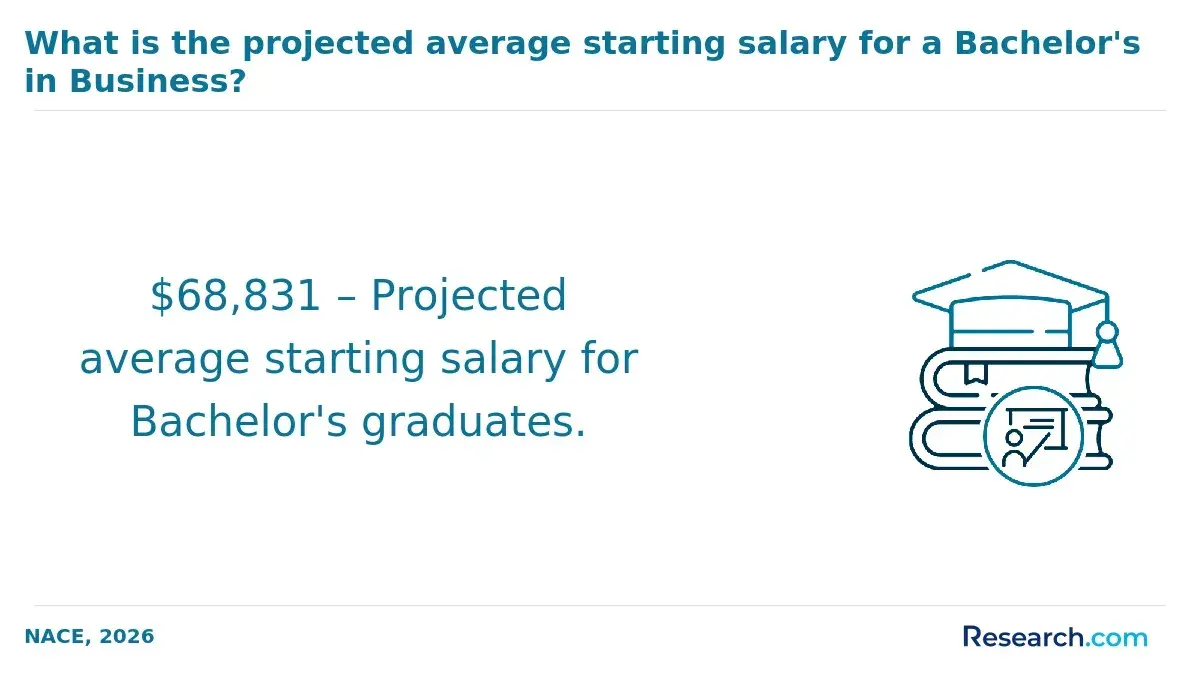
| Bachelor’s degree | Business analyst, HR specialist, marketing coordinator, operations associate, management trainee | Students who want access to a wider range of entry-level professional roles |
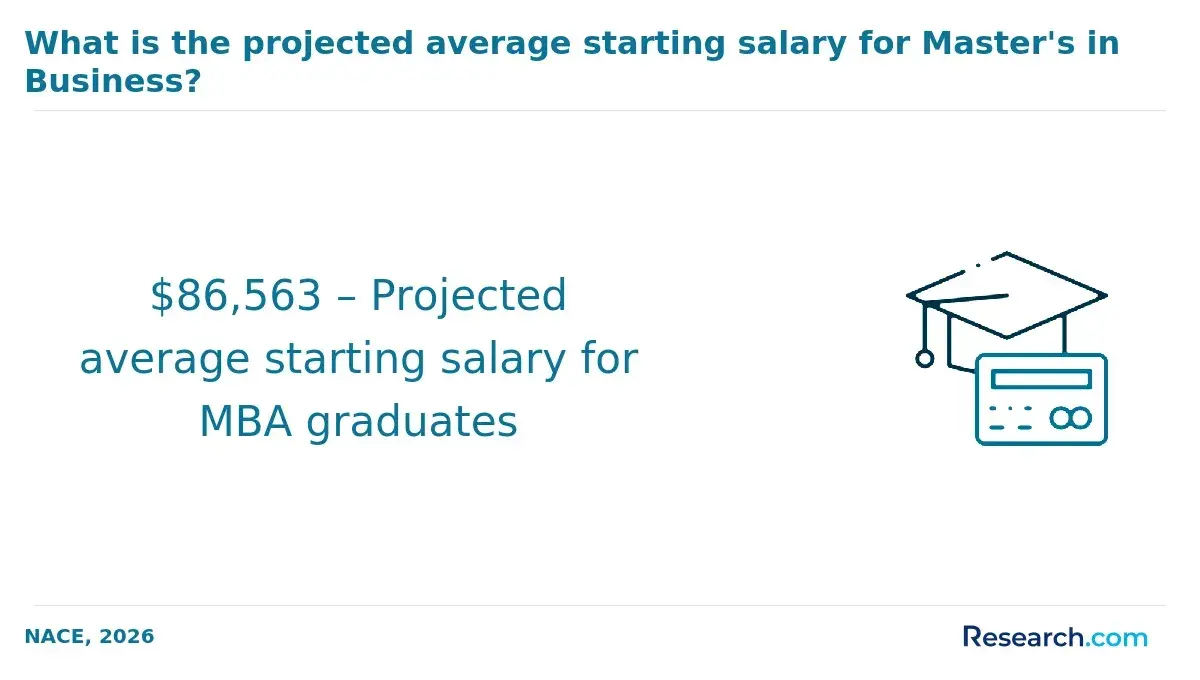
| Master’s degree or MBA | Operations manager, business development manager, consultant, senior analyst, department manager | Professionals pursuing promotion, a career change, or leadership roles |
| Doctorate or DBA | Executive leadership, business professor, corporate strategist, senior consultant | Experienced professionals interested in applied research, teaching, or high-level strategy |
What skills do business managers need?
Business managers are measured by results: team performance, operational efficiency, customer outcomes, financial discipline, and execution. Strong candidates can do more than supervise people. They can translate business goals into action and keep work moving when priorities change.
- Leadership. Managers guide teams, set expectations, create accountability, and keep people working toward shared goals.
- Decision-making. Strong managers compare options, assess risks, use evidence, and act even when information is incomplete.
- Communication. Managers explain priorities, delegate work, give feedback, negotiate, and resolve conflict clearly.
- Strategic thinking. Business management requires connecting daily tasks to long-term goals and market conditions.
- Adaptability. Managers must respond quickly when technology, customer behavior, staffing, or regulation changes.
- Financial acumen. Understanding budgets, margins, reports, and performance metrics improves decision quality.
- Data literacy. Employers increasingly expect managers to use dashboards, KPIs, and evidence instead of relying only on instinct.
- People management. Hiring, coaching, performance review, motivation, and conflict resolution are central in most management roles.
Which business management specializations are most in demand?
Specialization helps business management graduates stand out. Employers often hire for a specific function or industry need, not for a broad business background alone. A targeted concentration can make your degree more useful in the job market.
| Specialization | What it focuses on | Common industries |
| Supply Chain Management | Logistics, sourcing, inventory, supplier coordination, distribution, and process efficiency | Manufacturing, retail, ecommerce, transportation, consumer goods |
| Marketing Management | Brand strategy, digital marketing, customer acquisition, campaign performance, and market research | Technology, retail, media, professional services, consumer products |
| Financial Management | Budgeting, forecasting, investment analysis, risk management, and financial planning | Banking, corporate finance, insurance, investment, consulting |
| Human Resource Management | Recruitment, employee relations, workforce planning, compliance, compensation, and training | Healthcare, education, corporate services, government, technology |
| Healthcare Management | Healthcare operations, compliance, budgets, staffing, patient services, and organizational performance | Hospitals, clinics, insurance, public health, healthcare systems |
Your best option depends on your strengths. Analytical students often prefer finance, operations, or business analytics. People-oriented students may do better in HR or organizational leadership. Students who enjoy systems, logistics, and efficiency usually fit supply chain or operations roles.
How do you start a business management career?
There are multiple entry points into business management, and the degree is only one part of the plan. Employers also look for practical experience, leadership evidence, communication skills, and a clear target role. If you are still mapping your path, it helps to understand how to get a business degree and what each credential level can realistically lead to.
Recent data shows that a bachelor’s degree is the most common credential among business managers, with 65% holding this qualification. Associate degrees are also represented, with 14% and 12% of business managers holding these credentials. That means a bachelor’s degree is a common standard, but certificates and associate degrees can still help you reach entry-level roles or serve as stepping stones.
Step-by-step path to enter business management
- Pick a realistic target role, such as business analyst, operations coordinator, sales supervisor, HR assistant, or management trainee.
- Choose the education level that matches your timeline and budget: certificate, associate degree, bachelor’s degree, or graduate degree.
- Look for programs that include projects, internships, employer connections, or case-based learning.
- Build experience through part-time work, internships, student organizations, volunteer leadership, or small business projects.
- Learn the tools used in your target area, such as spreadsheets, project management software, CRM platforms, dashboards, or HR systems.
- Create a resume that highlights measurable outcomes, not just classes completed.
- Use informational interviews to learn what employers in your industry value most.
What can I do with an associate degree in business management?
An associate degree can prepare you for entry-level roles in office support, retail, sales, administrative operations, and customer-facing work. It can also reduce the cost of a bachelor’s degree later if your credits transfer cleanly.
Administrative Assistant
Administrative assistants keep offices organized and support daily operations. Tasks often include scheduling meetings, handling correspondence, answering phones, maintaining files, preparing documents, and coordinating appointments. The role calls for attention to detail, organization, and professional communication.
Median Annual Pay: $44,080
Customer Service Representative
Customer service representatives help customers resolve product, service, account, and billing issues. Because support now happens across phone, email, chat, social media, and web platforms, digital communication skills matter more than ever.
Median Annual Pay: $41,190
Sales Associate
Sales associates help customers evaluate products or services, answer questions, process purchases, and support sales goals. These roles can strengthen communication, persuasion, and customer insight skills that are useful later in management.
Median Annual Pay: $46,310
What can I do with a bachelor’s degree in business management?
A bachelor’s degree usually creates access to more professional and supervisory opportunities than an associate degree. Depending on your experience and concentration, it can prepare you for analyst, coordinator, specialist, trainee, and junior management roles.
Business Analyst
Business analysts examine how an organization works, identify inefficiencies, interpret data, and recommend improvements. They often collaborate with managers, finance teams, technology staff, and operations leaders to turn business needs into workable solutions.
Median Annual Pay: $95,290
Human Resources Specialist
Human resources specialists support hiring, onboarding, training, performance management, employee relations, and compliance with labor rules and internal policies. This role is a good fit for students interested in people, workplace culture, and organizational development.
Median Annual Pay: $64,240
Marketing Coordinator
Marketing coordinators support campaigns that promote products or services. Work may include market research, social media coordination, content planning, campaign tracking, and performance analysis.
Median Annual Pay: $68,230
How can you advance in business management?
Advancement usually comes from a mix of education, experience, specialization, and visible results. A higher degree can help, but promotions often depend on whether you can lead teams, improve processes, manage budgets, and solve meaningful business problems.
Practical ways to move up
- Take on cross-functional projects that expose you to finance, operations, marketing, product, or HR.
- Track measurable outcomes such as cost savings, revenue growth, process improvement, customer satisfaction, or faster delivery.
- Develop expertise in a specific area such as project management, finance, business analytics, supply chain, or people operations.
- Ask for stretch assignments that involve supervising others, managing vendors, coordinating budgets, or presenting to senior leaders.
- Consider graduate study or certifications when they align with your target role and employer expectations.
What can I do with a master’s degree in business management?
A master’s degree, including an MBA, can help professionals move toward leadership, consulting, strategy, operations, or specialized management work. It is most useful when the curriculum builds practical skills you can use right away and connects you to a relevant professional network.
Business Development Manager
Business development managers look for growth opportunities, build partnerships, evaluate markets, and work with sales, marketing majors, and product teams to expand business activity. Negotiation, communication, and strategic thinking are essential in this role.
Median Annual Pay: $120,000
Operations Manager
Operations managers oversee the systems that keep organizations functioning. Their responsibilities may include resource planning, process improvement, quality control, staffing coordination, and performance monitoring.
Median Annual Pay: $122,860
Management Consultant
Management consultants help organizations analyze problems and improve strategy, operations, finances, or organizational design. Their work often includes research, interviews, data analysis, recommendations, and implementation support.
Median Annual Pay: $95,290
What kind of job can I get with a doctorate in business management?
A doctorate in business management can support teaching, applied research, consulting, executive decision-making, and high-level strategy roles. It is usually best for experienced professionals who have a specific reason to pursue doctoral study.
Corporate Strategist
Corporate strategists study markets, competitors, internal capabilities, and long-term risks to help organizations choose growth priorities. Doctoral-level training can be helpful when a role requires advanced analysis and research.
Median Annual Pay: $96,220
Business Professor
Business professors teach college or university courses, conduct research, publish scholarly work, advise students, and contribute to academic programs. A doctorate is commonly expected for full-time faculty positions.
Median Annual Pay: $108,060
Executive Leadership
Doctoral study may also support senior leadership roles such as CEO, COO, or CFO, especially when paired with years of management experience. These roles require strategic judgment, financial oversight, organizational leadership, and accountability for long-term performance.
Median Annual Pay: $100,090
Can you get a business management job with just a certificate?
Yes, a certificate can help you qualify for some entry-level roles in retail, bookkeeping support, office administration, sales, or junior supervision. It can also be useful if you already have work experience and want targeted business training. Still, for many management-track positions, a certificate alone will not carry the same weight as a degree plus experience.
Which certification is best for business management?
The best certification depends on your target role. A project manager, consultant, and business analyst do not need the same credential, so it makes more sense to choose a certification that matches the job you want than to collect certificates without a plan.
| Certification | Best for | What it signals to employers |
| Project Management Professional (PMP) Certification | Project managers and managers responsible for complex initiatives | Ability to plan, lead, monitor, and close projects effectively |
| Certified Management Consultant (CMC) Certification | Consultants and advisors who help organizations improve performance | Professional competence in advising organizations and solving business problems |
| Certified Business Analysis Professional (CBAP) Certification | Business analysts and process improvement professionals | Ability to identify needs, define requirements, and connect solutions to business goals |
Project Management Professional (PMP) Certification. The PMP certification is a widely recognized credential for project management roles. It signals that you can lead projects from planning through execution, monitoring, and closure.
Certified Management Consultant (CMC) Certification. The CMC credential is intended for professionals who advise organizations on strategy, performance, operations, and problem-solving.
Certified Business Analysis Professional (CBAP) Certification. The CBAP credential is designed for business analysts who want to show skill in identifying business needs, gathering requirements, and supporting solutions that align with organizational goals.
What are the alternative career options for business managers?
A business management background does not lock you into a traditional department-manager role. The same skills can support entrepreneurship, consulting, project leadership, public service, finance, logistics, and specialized advisory work. The right alternative depends on whether you want more autonomy, deeper industry focus, technical work, or public impact.
Entrepreneurship
Business managers may use their knowledge of customers, operations, finance, and marketing to launch a company, buy a franchise, start a consulting practice, or grow a small business. This path offers independence, but it also brings financial risk and demands resilience.
Project Management
Project managers coordinate people, budgets, deadlines, and deliverables to complete defined initiatives. This is a strong path for people who like structure, planning, stakeholder communication, and measurable results.
Supply Chain Management
Supply chain managers oversee the movement of goods, services, inventory, suppliers, and distribution. This field suits professionals who enjoy systems thinking, logistics, cost control, and operational efficiency.
Private Consultancy
Experienced managers can advise companies, nonprofits, individuals, or public agencies. Consultants may focus on public relations, marketing, finance, operations, organizational design, or growth strategy. Success in this path depends on both expertise and the ability to win client trust.
Public Service
Management skills can transfer into government administration, policy implementation, agency operations, elected office support, or public-sector consulting. Public servants often manage budgets, programs, teams, stakeholders, and community outcomes.
Financial Management
Financial managers focus on budgeting, forecasting, investment analysis, risk management, and financial strategy. This option is especially strong for business managers who are comfortable with numbers and financial reporting.
What should you look for when choosing a business management program?
Choosing a program should be a decision about fit, not prestige alone. An affordable, accredited, career-aligned, and flexible program is often more valuable than a higher-priced option that does not match your goals.
| Factor | Why it matters | Questions to ask |
| Accreditation | Accreditation can affect credit transfer, employer recognition, and in some cases financial aid eligibility. | Is the institution properly accredited? Does the business school have additional business accreditation? |
| Curriculum | The coursework should support your target role instead of only covering general theory. | Does the program include analytics, finance, operations, leadership, communication, and applied projects? |
| Format | Online, hybrid, and campus formats come with different trade-offs for flexibility, structure, and networking. | Can I complete the program while balancing work and family responsibilities? |
| Cost | Tuition is only part of the total expense; fees, books, travel, and lost work time also matter. | What is the full cost after aid, transfer credits, and employer tuition support? |
| Career support | Internships, employer connections, resume help, and alumni networks can influence outcomes. | What career services are available to online and campus students? |
| Specialization options | Concentrations can make your degree more focused and more marketable. | Can I specialize in analytics, supply chain, HR, finance, marketing, or healthcare management? |
Some students intentionally look for a lighter academic load or a more manageable path into the field. If that describes you, compare options such as the easiest business major, but still make sure the curriculum supports the career you want.
Should you pursue a DBA for advanced career growth?
A Doctor of Business Administration can make sense for experienced professionals who want to apply research to business problems, move into executive advisory work, teach, or deepen strategic leadership skills. It is not an entry-level credential. In most cases, it has the most value after you have substantial work experience.
Before enrolling, consider whether the program’s research model, faculty expertise, dissertation requirements, time commitment, and cost fit your goals. If you need a flexible and lower-cost option, compare DBA programs online and check whether the format works with your schedule.
What trends are reshaping business management in 2026?
Business management is being reshaped by technology, changing employee expectations, and pressure to make better decisions faster. Managers who understand these shifts are better positioned for long-term growth.
- Data-driven management. Leaders are expected to use dashboards, KPIs, and evidence-based analysis to guide decisions.
- Artificial intelligence and automation. AI can help with forecasting, customer service, scheduling, and process automation, but managers must understand the limits and risks of these tools.
- Digital transformation. Organizations continue to redesign workflows, customer experiences, and internal systems around digital tools.
- Remote and hybrid leadership. Managers need systems that support communication, accountability, and team culture across distance.
- Sustainability and social responsibility. Business decisions are increasingly evaluated through environmental, ethical, and stakeholder-impact lenses.
- Agile and cross-functional work. Many organizations now expect managers to lead flexible teams that solve problems across departments.
If you want to move quickly while still building market-relevant skills, a shorter graduate path may be worth comparing. A 1 year MBA program can be appealing if it includes leadership, analytics, operations, and digital strategy.
How can you transition into business management from another field?
Business management is accessible to career changers because many skills transfer well. Teachers, engineers, healthcare workers, military professionals, nonprofit staff, retail supervisors, and technical employees may already have experience with coordination, planning, communication, budgeting, training, or problem-solving.
Here are practical ways to make the switch:
- Translate your experience. Reframe past work around leadership, process improvement, customer outcomes, project ownership, and measurable results.
- Close knowledge gaps. If you have limited training in accounting, finance, marketing, or operations, structured study can help. One option is an online MBA no GMAT.
- Build a portfolio. Document projects, reports, presentations, process changes, team leadership, or cost-saving improvements.
- Network with purpose. Talk with alumni, professional associations, former supervisors, and managers in the industry you want to enter.
- Find a mentor. A mentor can explain promotion patterns, hiring expectations, and common mistakes in your target field.
- Gain business experience before changing titles. Volunteer work, committee leadership, freelance projects, internships, or part-time roles can help prove readiness.
Is a business management degree worth the investment?
A business management degree can be worth it when it improves access to jobs, promotion potential, earnings, or a career transition. It may not be worth it if the program is overpriced, weakly connected to employers, misaligned with your goals, or unlikely to improve your opportunities.
To judge value, compare tuition, fees, time away from work, transfer credit options, employer tuition benefits, scholarship availability, likely salary range, and the kinds of jobs graduates actually get. Graduate students should be especially careful about total cost and opportunity cost. If you are budgeting for MBA study, review the online MBA cost and compare it against your expected career outcomes.
Common mistakes to avoid
- Choosing a program for reputation alone without checking accreditation and outcomes.
- Comparing tuition only and ignoring books, fees, travel, technology, and lost work time.
- Assuming every online business program has the same employer recognition or support services.
- Picking a broad degree when your target role really needs analytics, finance, HR, supply chain, or healthcare training.
- Waiting until after graduation to build experience, network, or create a portfolio of work.
- Assuming a degree guarantees a raise. Outcomes still depend on role, location, industry, experience, and performance.
Can economics strengthen business management skills?
Yes. Economics can improve how you interpret markets, evaluate incentives, understand pricing behavior, assess business cycles, and make resource allocation decisions. That can be especially useful in finance, strategy, consulting, public policy, analytics, and executive work.
If you want a credential that adds analytical depth to your management background, compare options such as the most affordable online economics degree. The best choice is the one that supports your actual career direction, not just one that adds another line to your résumé.
What challenges do modern business managers face?
Modern managers work in a more complex environment than earlier generations. They have to balance financial goals, employee expectations, technology adoption, compliance, customer experience, and ethical responsibility while still delivering results.
- Technology disruption. Managers must adopt digital tools without creating unnecessary risk or confusion.
- Regulatory pressure. Compliance expectations vary by industry and can affect hiring, data use, finance, healthcare, and operations.
- Talent retention. Managers need to motivate employees, reduce turnover, and build healthy team culture.
- Hybrid work complexity. Communication, accountability, collaboration, and performance management all require more deliberate systems.
- Data overload. Managers must know which metrics matter and avoid decisions based on incomplete or misleading information.
- Industry-specific change. Some sectors, especially healthcare, require focused knowledge. In those cases, targeted programs such as healthcare administration masters fast track programs online may be more useful than a generalist path.
How can you fast-track a business management career?
There is no guaranteed shortcut to leadership, but you can shorten the timeline by choosing focused education, gaining experience early, and building proof that you can handle responsibility. The goal is to become credible before you apply for higher-level roles.
- Consider accelerated education. If speed matters, compare options such as the fastest online business degree. Make sure the faster path still offers accreditation, learning quality, and career support.
- Get experience early. Internships, part-time jobs, freelance work, and volunteer leadership help you show real business judgment.
- Start networking before you need a job. Attend industry events, join business organizations, and connect with mentors who can explain hiring expectations.
- Specialize in high-demand areas. Digital transformation, analytics, project management, supply chain, and strategic leadership can improve competitiveness.
- Ask for leadership opportunities sooner. Team lead, project coordinator, committee chair, training lead, and shift supervisor roles can help prove management readiness.
- Document outcomes. Keep records of process improvements, revenue contributions, cost reductions, customer results, and productivity gains.
- Stay current. Keep learning about digital business, sustainability, remote work, and management technology so your skills do not stall.
What are the benefits of an affordable online business management degree?
An affordable online business management degree can lower cost while preserving flexibility. That matters for working adults, parents, military students, and career changers who cannot step away from work for a full-time campus program.
Online study can also let you apply lessons at work right away. Courses in communication, leadership, operations, finance, marketing, and problem-solving often connect directly to current workplace responsibilities. Still, affordability should never be the only criterion. Check accreditation, transfer rules, student support, faculty access, and career services before enrolling.
If cost is the main issue, compare the cheapest business administration degree online options and judge total value rather than the lowest advertised tuition.
What specializations should you compare in business management?
The strongest specialization is the one that fits both your strengths and the labor market. Business analytics is one practical option because many organizations want managers who can interpret data and make evidence-based decisions. Students interested in that direction can review online MBA business analytics programs to compare cost, curriculum, and flexibility.
Other specializations worth considering include finance, HR management, supply chain, healthcare management, entrepreneurship, marketing, and operations. Choose the field you want to work in every day, not just the title that sounds most impressive.
Can accelerated MBA programs help your business management career?
Accelerated MBA programs can help experienced professionals who want advanced business training quickly. These programs condense coursework into a shorter timeline, so they demand strong time management and a clear career objective.
They can be useful for people seeking promotion, a career change, or more leadership credibility without spending several years in school. Before enrolling, compare workload, accreditation, networking opportunities, employer recognition, and total cost. Looking at the shortest online MBA programs can help you understand how accelerated formats differ in pace, delivery, and curriculum.
Is business management the right career for you?
Business management may be a good fit if you like leading people, improving systems, making decisions, and working toward measurable goals. It can also be a strong choice if you want a flexible career that can move across industries.
It may be a poor fit if you dislike ambiguity, avoid conflict, prefer highly independent technical work, or do not want responsibility for team outcomes. Management roles often bring pressure, competing priorities, and difficult conversations.
| Business management may fit you if... | You may want another path if... |
| You enjoy coordinating people and resources. | You prefer work with little collaboration or oversight responsibility. |
| You can make decisions using incomplete information. | You need highly predictable tasks and clear answers every time. |
| You like solving operational, financial, or strategic problems. | You are not interested in budgets, performance metrics, or organizational goals. |
| You are willing to keep learning as technology and markets change. | You want a career where your skills rarely need updating. |
| You can communicate clearly with different stakeholders. | You dislike negotiation, feedback, or conflict resolution. |
A broad business background can help, but a focused plan is usually better. If you want to explore education and career pathways in more detail, review our business career guide before you enroll.
References
- NACE. (2026). Winter 2026 Salary Survey Executive Summary. NACE
- National Center for Education Statistics (2024, May). Undergraduate Degree Fields. NCES
- Times Higher Education (2026). Top Business Schools Ranked in the US 2026. Times Higher Education
- U.S. Bureau of Labor Statistics (2025, August 28). Business and Financial Occupations. U.S. Bureau of Labor Statistics.
- U.S. Bureau of Labor Statistics (2025, August 28). Management Occupations. U.S. Bureau of Labor Statistics
- Zippia. (2025, January 8). Business Manager Demographics and Statistics [2026]: Number Of Business Managers In The US. Zippia.
Key insights
- Business management is a flexible pathway into operations, finance, marketing, HR, logistics, consulting, entrepreneurship, and executive leadership.
- A bachelor’s degree is the most common credential among business managers, but certificates, associate degrees, master’s degrees, and doctorates can all make sense depending on your stage and goal.
- Specialization matters. Business analytics, supply chain, finance, HR, healthcare management, and operations can make a general business background more marketable.
- The value of a business management degree depends on accreditation, cost, career support, transfer policies, experience opportunities, and alignment with your target role.
- Employers want proof of results. Internships, leadership projects, measurable outcomes, and practical tool skills can matter as much as coursework.
- AI, data analytics, digital transformation, hybrid work, and sustainability are shaping what managers need to know in 2026.
- Do not choose a program based only on tuition, speed, or rankings. Compare total cost, flexibility, student support, and graduate career relevance before enrolling.
Other Things You Should Know About Business Management Careers
Essential skills for success in business management careers in 2027 include leadership, strategic thinking, adaptability, and digital literacy. With the rapid technological advancements, professionals must also possess a strong understanding of data analysis and be capable of fostering innovation within their teams.
The top growing industries for business management careers in 2027 include technology, healthcare, and renewable energy. These sectors are expanding rapidly, creating increased demand for skilled managers to navigate complex business environments and drive strategic growth initiatives.


