
2027 Teaching Careers: Guide to Career Paths, Options & Salary

Co-Founder and Chief Data Scientist
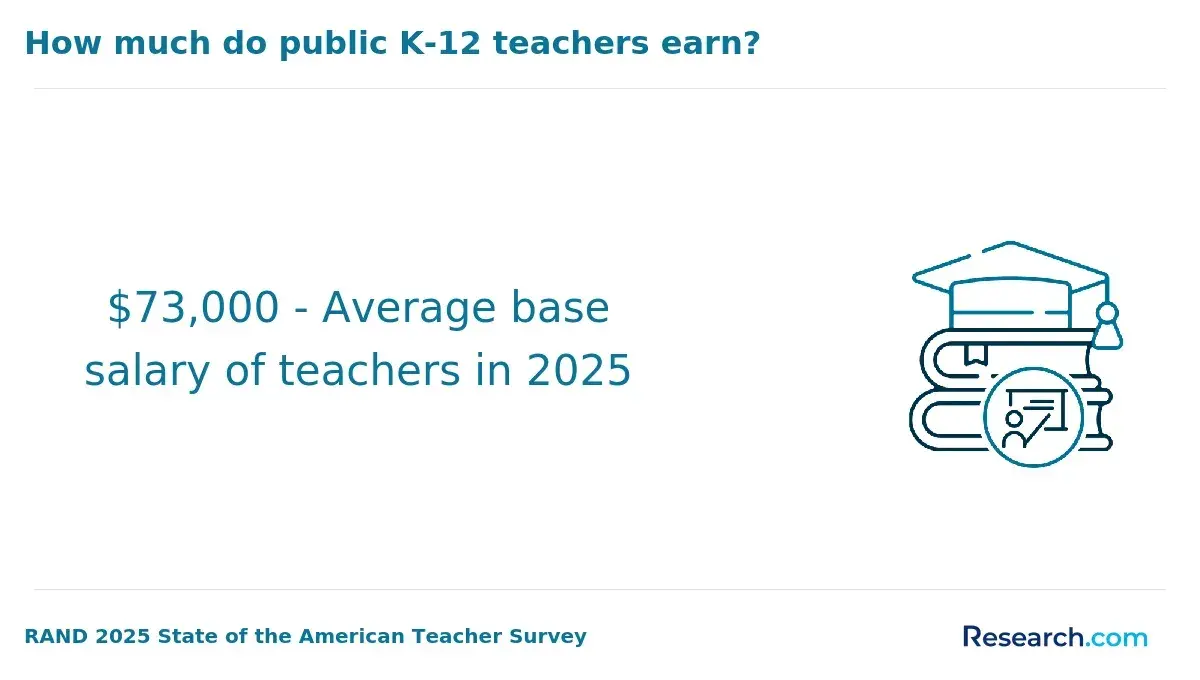
Choosing a teaching career in 2026 means weighing purpose, pay, licensing rules, workload, career mobility, and the changing role of technology in schools. Teachers remain central to how communities prepare children, teenagers, and adults for work, citizenship, and lifelong learning. At the same time, the profession continues to face a hard reality: educators often report heavy workloads, stress, and pay that can lag behind other fields requiring similar education and experience. Research from the Economic Policy Institute has documented a persistent teacher pay penalty.
The latest available occupational data cited in this guide shows that elementary and middle school teachers earn an average yearly wage of $63,100, similar to riggers, heating and air conditioning installers, clerks, and loan interviewers (Data USA, 2025). Secondary school teachers also average $63,100 (Data USA, 2025), comparable to tax preparers, steel workers, earth drillers, and machine mechanics. The comparison matters because teaching usually requires a degree, state licensure, ongoing professional development, and substantial unpaid preparation outside classroom hours.
Pay is only one part of the decision. Many educators stay because the work is meaningful: they help students build confidence, master essential skills, and imagine better futures. This guide explains what teaching careers look like, how to enter the field, which degrees and credentials matter, how salaries and job outlook differ by level, what skills schools expect, and how teachers can move into leadership, postsecondary education, counseling, training, policy, or other education-adjacent roles.
Teaching Careers Table of Contents
- Why choose a teaching career?
- Teaching career outlook, salary, and demand
- Skills teachers need to succeed
- How to begin a teaching career
- How teachers can advance their careers
- How schools can retain and support teachers
- Education paths for teacher career growth
- Alternative careers for teachers
- Online doctoral programs and teaching advancement
- Leadership opportunities for teachers
- Master’s degrees in early childhood education
- Interdisciplinary degrees for educators
- How to choose an affordable advanced degree
- Specialized graduate degrees for teaching careers
- Accessible routes to advanced teaching roles
- Benefits of earning a teaching degree online
- Mental health challenges in teaching
- Technology and the future of teaching careers
Quick Answer: Is Teaching a Good Career Path?
Teaching can be a strong career choice for people who want mission-driven work, enjoy explaining ideas, can manage groups, and are prepared for state licensure requirements, emotional labor, and ongoing professional learning. It is not the best fit for everyone. Teachers often face stress, administrative demands, and compensation concerns, even though the work can provide long-term stability, community impact, and pathways into administration, curriculum design, counseling, higher education, corporate training, and education policy.
| Teaching career question | Practical answer |
| Do you need a degree? | Yes. Most public school teaching roles require at least a bachelor’s degree and a state-issued license or certification. Some early childhood and assistant roles may accept lower credentials depending on the employer and state. |
| Can non-education majors become teachers? | Often, yes. Many states offer alternative certification routes for people with bachelor’s degrees in other subjects. |
| Is teaching financially competitive? | Teaching salaries can exceed the average for all occupations, but teachers often earn less than professionals with similar education and experience in other fields. |
| Where is advancement most common? | Teachers often move into principal roles, instructional coaching, curriculum leadership, postsecondary administration, counseling, higher education, training and development, or education consulting. |
| What should you check first? | Verify state licensure rules, program accreditation, student teaching requirements, total degree cost, local salary schedules, and whether your preferred specialization is in demand. |
Why pursue a career in teaching?
People enter teaching for different reasons, but the strongest motivations tend to be relational and purpose-based. A 2024 study found that many teachers connect job satisfaction to their daily interactions with students, the trust they build, and the chance to help “raise a whole generation.” Some educators describe students and colleagues as a kind of extended family, which points to the deep social connection that can make the profession rewarding.
That sense of impact helps explain why many educators remain in classrooms despite difficult conditions. Teachers often work beyond contracted hours, buy classroom materials with personal funds, adapt to shifting policy requirements, and support students through academic, social, and emotional challenges. These issues are especially visible in under-resourced schools and communities where funding gaps affect supplies, staffing, and support services.
A teaching career is most likely to feel sustainable when your motivation goes beyond liking a subject. You need patience, emotional steadiness, strong organization, and a realistic understanding of school systems. The profession can be deeply meaningful, but it also requires boundaries, resilience, and a willingness to keep learning.
| Teaching may fit you if... | You may want another path if... |
| You enjoy helping people understand difficult ideas. | You want a role with minimal emotional labor. |
| You can manage structure, routines, and long-term planning. | You dislike administrative work, documentation, and meetings. |
| You are willing to meet licensure and continuing education rules. | You want to avoid state credentialing requirements. |
| You value community impact and student growth. | Your top priority is maximizing early-career salary. |
| You can stay calm when students, parents, policies, or workloads become challenging. | You prefer work with predictable boundaries and little after-hours preparation. |
Teaching Career Outlook
The teaching labor market is uneven. Some districts struggle to fill roles, particularly in hard-to-staff subjects, high-need schools, rural areas, special education, bilingual education, and STEM-related areas. The U.S. has also long used programs that allow qualified foreign teachers to work in accredited primary and secondary institutions when schools need additional staffing.
National projections differ by education level. For kindergarten and elementary school teachers, projected demand from 2024 to 2034 is a 2% decline (Bureau of Labor Statistics, 2025). For high school teachers, the projection for the same period is also a 2% decline (BLS, 2025). Postsecondary teachers, by contrast, are projected to grow faster than average at 12% during that 10-year period.
These figures should not be read as a guarantee that jobs will be easy or difficult to find in every location. Teacher hiring depends heavily on state budgets, district enrollment, retirements, turnover, subject area, certification area, and local shortages. Even when national growth looks flat or negative, vacancies can still occur because teachers retire, change schools, move into administration, or leave the profession.
| Role | Salary | Demand |
| Preschool Teachers | $30,210 | 15% |
| Kindergarten and Elementary School Teachers | $61,350 | 4% |
| High School Teachers | $61,820 | 5% |
| Postsecondary School Teachers | $79,640 | 12% |
| Total, all occupations | $45,760 | 5% |
How to interpret teacher salary and outlook data
- Use national figures as a starting point, not a promise. Local salary schedules, union contracts, state funding, and years of service can change actual earnings.
- Check shortage areas before choosing a specialization. Special education, bilingual education, math, science, and career and technical education may have different demand than general elementary education, depending on the state.
- Look at total compensation. Benefits, retirement plans, summer pay structure, loan forgiveness eligibility, and tuition assistance can affect the real value of a teaching job.
- Consider mobility. A license in one state may not automatically transfer to another without additional requirements.
Required Skills for Teaching
Teaching requires more than subject knowledge. Educators must design lessons, explain concepts clearly, assess learning, manage classroom behavior, communicate with families, use school technology, document student progress, follow district policies, and collaborate with colleagues. Modern teachers also need comfort with technology in the classroom, including learning management systems, digital assessments, video tools, and communication platforms.
Teacher preparation expectations vary. About 73% of teachers believe a bachelor’s degree is enough for entry-level roles, while 11% believe new hires should have at least a post-baccalaureate certificate and another 11% believe a master’s degree is necessary. In practice, the required credential depends on the state, school type, subject, grade level, and whether the role is public, private, charter, or postsecondary.
The most successful teachers combine instructional skill, emotional awareness, subject competence, and practical classroom management. They also understand pedagogy in education, or the principles behind how students learn and how teachers choose appropriate instructional methods.
Essential skills for teachers
- Instruction: Explaining new material in ways students can understand and apply.
- Learning strategies: Selecting teaching approaches that fit the lesson goal, student readiness, and classroom context.
- Speaking: Communicating directions, feedback, and concepts clearly.
- Critical thinking: Evaluating student needs, lesson effectiveness, and possible solutions to classroom problems.
- Active listening: Paying attention to what students, families, and colleagues say before responding.
- Reading comprehension: Understanding curriculum standards, student records, policies, research, and academic materials.
- Coordination: Adjusting instruction and classroom routines in response to students and colleagues.
- Monitoring: Tracking student performance and modifying instruction when progress stalls.
- Social perceptiveness: Noticing student reactions, group dynamics, and signs of confusion or distress.
- Writing: Producing lesson plans, reports, feedback, emails, and instructional materials for different audiences.
Institutional Efforts for Higher Ed Faculty Development Access

Teachers also handle substantial non-instructional work. They create slides, handouts, assessments, rubrics, diagrams, activities, and digital materials. They supervise students outside the classroom, collaborate with grade-level or department teams, communicate with administrators, and often work with families through school events or organizations such as the National Parent Teacher Association (National PTA).
General professional skills for teaching
- Education and training: Applying current teaching methods and strategies to curriculum design, instruction, assessment, and student support.
- Service orientation: Understanding how to respond professionally to student, parent, colleague, and community needs.
- Administrative ability: Managing records, gradebooks, lesson documentation, school procedures, district standards, and classroom systems.
- Safety awareness: Following policies that protect students, staff, data, and facilities.
- Concern for others: Responding to student needs with empathy while maintaining professional boundaries.
- Leadership: Guiding a classroom, facilitating discussions, setting expectations, and modeling responsible behavior.
- Self-control: Staying composed during conflict, criticism, disruptions, or stressful school situations.
- Stress tolerance: Managing pressure without allowing it to harm instruction, relationships, or personal well-being.
Teachers increasingly use interactive whiteboards, projectors, scanners, cameras, microphones, video conferencing platforms, spreadsheets, presentation tools, and learning management systems. Technology does not replace strong teaching, but it does expand what teachers are expected to manage. Digital fluency is now part of professional readiness.
| Skill area | What it looks like in practice | Why it matters |
| Classroom management | Setting routines, redirecting behavior, and keeping students engaged. | Learning suffers when the classroom environment is chaotic. |
| Assessment literacy | Using quizzes, projects, observations, and data to judge progress. | Teachers need evidence before changing instruction or recommending interventions. |
| Family communication | Explaining progress, concerns, and next steps to parents or guardians. | Student support is stronger when school and home communication is clear. |
| Digital instruction | Using online platforms, multimedia tools, and digital feedback systems. | Schools increasingly expect teachers to blend in-person and technology-supported learning. |
| Professional judgment | Balancing student needs, policy requirements, ethical standards, and available resources. | Teachers make frequent decisions that affect student safety, equity, and learning. |
How to Start Your Career in Teaching
The standard route into public school teaching is to earn a bachelor’s degree, complete an approved teacher preparation program, pass required exams, complete supervised teaching or fieldwork, and obtain a state-issued teaching license or certification. Some early childhood, assistant, and childcare roles may require less than a bachelor’s degree, while postsecondary teaching often requires a graduate degree.
Teaching can also be a launchpad for other education careers. The table below shows common teaching-related paths by level, including roles that may become available as educators gain experience and credentials.
| Preschool Path | Kindergarten and Elementary School Path | High School Path | Postsecondary Path | |
| Teaching and caring for children younger than five while supporting early development. | Helping young learners build foundational academic, social, and safety skills while involving families in learning. | Preparing teenagers for college, careers, technical pathways, and adult responsibilities while monitoring progress. | Teaching college-level learners and preparing them for employment, graduate study, or professional advancement. | |
| Entry Level Jobs | Preschool Teacher ($30,210/year) | Assistant Kindergarten and Elementary School Teacher ($43,945/year) | Teaching Assistant ($29,360/year) | Instructor ($55,199/year) |
| Junior Management Jobs | Assistant Head Preschool Teacher ($38,461/year) | Kindergarten and Elementary School Teacher ($61,350/year) | High School Teacher ($61,820/year) | Associate Professor ($158,377/year) |
| Middle Management Jobs | Head Preschool Teacher ($38,656/year) | Kindergarten and Elementary School Assistant Principal ($84,595/year) | High School Assistant Principal ($84,595/year) | Professor ($185,240/year) |
| Senior Management Jobs | Preschool and Childcare Center Directors ($47,310/year) | Kindergarten and Elementary School Principal ($$84,595/year) | High School Principal ($$84,595/year) | Dean ($147,699/year) |
What can you do with an associate degree in teaching?
An associate degree can support entry into early childhood education, childcare, and classroom support roles. It generally does not qualify someone for full public school teacher licensure by itself, but it can be a lower-cost first step before transferring into a bachelor’s program.
Preschool Teacher
Preschool teachers work with children age five and younger. They introduce early academic and social skills such as letters, numbers, colors, routines, cooperation, and classroom behavior. Many work in childcare centers, private preschools, or public school settings. Some follow a year-round schedule, while others work a traditional 10-month academic calendar.
Median salary: $30,210
Childcare Worker
Childcare workers supervise children, support daily routines, encourage healthy development, help with hygiene, organize meals, and maintain a safe environment. They may work in childcare centers, private homes, or their own homes. Part-time schedules and irregular hours are common.
Median salary: $27,490
Teacher Assistant
Teacher assistants support licensed teachers by reinforcing lessons, helping individuals or small groups, supervising students, taking attendance, organizing materials, and assisting with classroom records. Many employers prefer candidates with college coursework, and an associate degree can strengthen an application.
Median salary: $29,360
What can you do with a bachelor’s degree in teaching?
A bachelor’s degree is the main entry credential for licensed K-12 public school teaching. Most candidates complete a teacher preparation program that includes field experience or student teaching and then apply for state licensure. Public school teachers must have a state-issued license or certification.
Kindergarten and Elementary School Teacher
Kindergarten and elementary teachers teach core subjects, introduce school routines, help children develop social skills, create lesson plans, assess progress, and communicate with families. They prepare students for later academic work by building foundations in reading, writing, mathematics, science, and social development.
Median salary: $61,350
Middle School Teacher
Middle school teachers usually work with students in sixth through eighth grade. They teach specific subjects, design lessons, assess learning, communicate with parents or guardians, and supervise students during school activities. Public school roles generally require state licensure or certification.
Median salary: $61,320
High School Teacher
High school teachers teach academic subjects, career-related content, or vocational skills. They prepare students for graduation, standardized tests, college, technical training, or employment. Their work may include grading, lesson planning, student advising, and extracurricular support outside normal school hours. Public school roles require a state-issued license or certification, usually tied to the subject taught.
Median salary: $61,820
Can you become a teacher with only a certificate?
A certificate alone is usually not enough for a licensed public school teaching role. State certification typically requires at least a bachelor’s degree. However, people with non-education bachelor’s degrees may qualify through alternative certification or licensure routes. For example, someone who completed a creative writing degree online and wants to teach English may be able to pursue the appropriate state certification pathway.
Step-by-step path to becoming a teacher
- Choose your grade level and subject area. Requirements differ for preschool, elementary, middle school, high school, special education, and postsecondary teaching.
- Check state licensure rules early. Each state sets its own exams, coursework, student teaching, background check, and renewal requirements.
- Select an accredited teacher preparation program. Make sure the program is approved for the license you want.
- Complete fieldwork or student teaching. Supervised classroom experience is essential for licensure and job readiness.
- Pass required exams. These may include content exams, pedagogy exams, or performance assessments.
- Apply for certification or licensure. Submit transcripts, test scores, background information, and any state-required documentation.
- Prepare a teaching portfolio. Include lesson plans, assessment examples, classroom management philosophy, and evidence of student engagement.
- Apply strategically. Target districts and schools that match your subject, grade level, certification, and preferred community.
How can I advance my career in teaching?
Career advancement in education often requires graduate study, specialized credentials, leadership experience, or a move into administration, instructional coaching, counseling, curriculum development, higher education, or policy. A master’s degree can help teachers qualify for leadership roles or specialized positions, while a doctorate is more common for postsecondary faculty, senior administration, research, and system-level leadership.
What can you do with a master’s in teaching or education?
A master’s degree can support advancement into roles that involve school leadership, curriculum planning, student services, instructional improvement, or postsecondary administration. In some districts, graduate education may also affect salary placement, but teachers should verify local salary schedules before assuming a pay increase.
Elementary, Middle School, and High School Principal
Principals oversee school operations, manage staff, guide curriculum implementation, evaluate teachers, communicate with families, coordinate safety procedures, handle budgets, and set school priorities. These roles usually require significant teaching or administrative experience, often five years or more. Principals in public and private schools commonly work year-round.
Median salary: $98,420
Postsecondary Education Administrator
Postsecondary education administrators manage academic departments, student services, admissions, records, faculty support, or institutional programs. Many roles prefer a master’s degree, though some positions may consider bachelor’s degree holders with relevant experience. Backgrounds in management, social science, or student support can be useful; for example, a traditional or online psychology degree may support work in advising, student affairs, or related services.
Median salary: $96,910
What can you do with a doctorate in teaching or education?
A doctorate can support careers in higher education, research, policy, superintendent-level leadership, advanced administration, and specialized consulting. It is not necessary for every teacher, so the decision should be tied to a specific goal rather than a general desire to “move up.”
Postsecondary Teacher
Postsecondary teachers work in community colleges, universities, professional schools, and other higher education settings. They teach courses, assess student learning, revise curriculum, advise students, participate in committees, and stay current in their academic field. A master’s degree may qualify candidates for some community college or part-time university roles, while many full-time university faculty positions expect a doctorate.
Median salary: $79,640
Which certification is best for teaching?
The most important credential for K-12 public school teaching is the state-issued license or certificate required for your grade level and subject area. There is no single “best” certification for every teacher. The right one depends on where you plan to work, whom you want to teach, and whether you are pursuing general education, special education, bilingual education, a subject-area license, administration, or another specialization. College instructors typically do not need a K-12 teaching certificate.
Strategies for Retaining and Empowering Teachers in the Field
Teacher retention is not only an individual responsibility. Schools, districts, and policymakers shape whether educators feel supported enough to stay. Workload, compensation, leadership quality, mental health support, planning time, classroom resources, and career mobility all influence whether teachers remain in the profession.
- Meaningful professional development: Training should be practical, relevant, and connected to classroom realities. Advanced study, peer learning, workshops, and programs such as an online masters in early childhood education can help teachers specialize and grow without leaving the profession.
- Mentorship and peer support: New teachers need structured guidance from experienced educators. Mentorship reduces isolation, improves classroom practice, and helps early-career teachers navigate school culture.
- Workload and wellness protections: Schools can reduce burnout by limiting unnecessary paperwork, protecting planning time, providing counseling or wellness resources, and addressing chronic understaffing.
- Recognition that feels concrete: Appreciation matters, but symbolic praise is not enough. Teachers benefit from fair compensation, leadership opportunities, bonuses where available, and respectful school cultures.
- Clear advancement routes: Teachers are more likely to stay when they can see a future. Instructional coaching, department leadership, mentoring, curriculum roles, and graduate study create career ladders that do not always require leaving the classroom.
Retention improves when teachers are treated as professionals with expertise, not just as classroom coverage. Supportive leadership, usable resources, and realistic workloads can make the difference between long-term commitment and early exit.
What Other Educational Paths Can Teachers Pursue for Career Advancement?
Teachers who want to grow professionally can pursue several educational routes: master’s degrees in curriculum and instruction, education leadership, special education, literacy, English as a second language, counseling, educational technology, library science, child development, or higher education administration. Some educators choose shorter certificate programs instead of full degrees when they need a targeted skill rather than a new credential. Teachers comparing options can review resources on the easiest masters degree for teachers, but “easy” should never be the only factor. Accreditation, licensure alignment, cost, transferability, and career fit matter more.
| Education option | Best for teachers who want... | What to verify before enrolling |
| Master’s in education or teaching | Stronger instructional skills, possible salary schedule movement, or preparation for leadership. | Accreditation, state approval, practicum requirements, and district salary rules. |
| Master’s in educational leadership | Assistant principal, principal, coordinator, or district-level roles. | Whether the program meets administrator licensure requirements in your state. |
| Graduate certificate | A focused credential in literacy, STEM, special education, ESL, or educational technology. | Whether credits can transfer into a future degree. |
| Doctor of Education or PhD | Research, senior administration, postsecondary teaching, policy, or system leadership. | Dissertation expectations, residency requirements, faculty fit, and total time to completion. |
| Non-education graduate degree | A transition into counseling, library science, HR, public policy, training, or another field. | Licensure rules, field experience requirements, and whether the degree supports your intended role. |
Alternative Career Options for Teachers
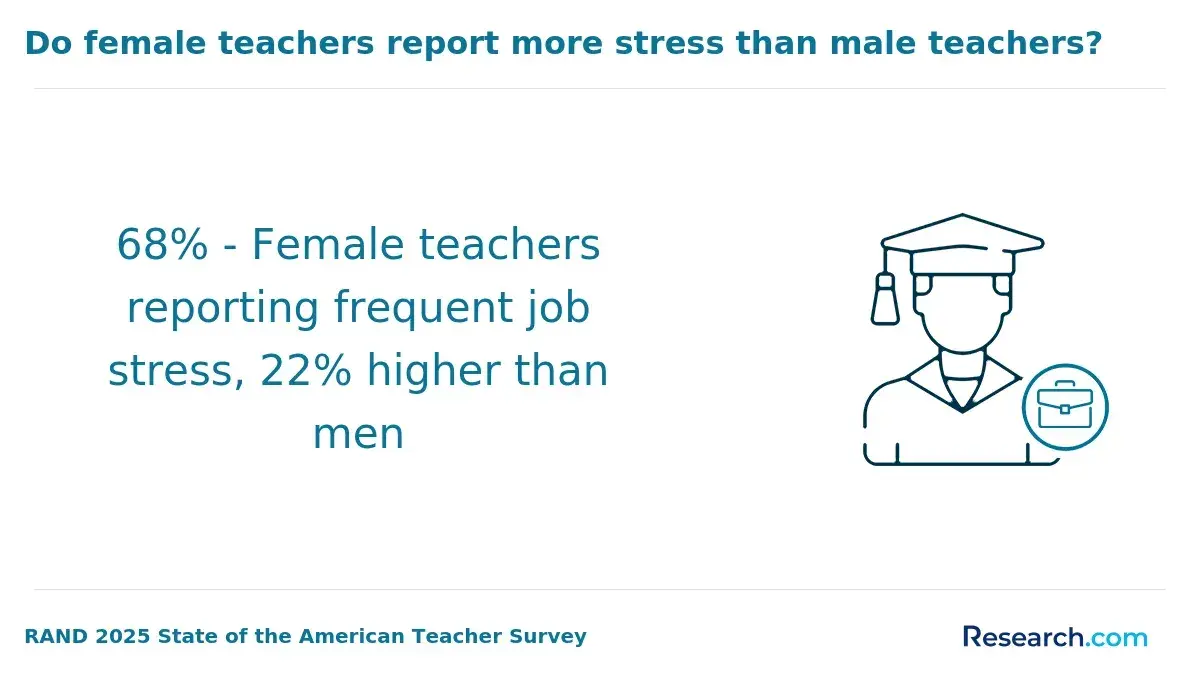
Not every teacher remains in classroom teaching for an entire career. Workload, stress, pay, policy changes, and burnout can push educators to consider other fields. Teacher burnout statistics show that around 44% of K-12 educators very often or always feel job burnout, compared with 35% of postsecondary educators. The good news is that teaching builds transferable skills: communication, planning, facilitation, leadership, public speaking, conflict management, data interpretation, and training design.
Former teachers may move into counseling, advising, corporate training, human resources, curriculum development, educational technology, nonprofit work, public relations, museum education, publishing, or public policy. Some help students evaluate the best majors in college, while others leave education entirely but continue using their instructional and organizational strengths.
| Occupation | Description | Entry-Level Education | Median Annual Salary |
| Human Resources Managers | Oversee administrative and workforce processes for organizations. Teachers’ experience with planning, documentation, communication, and conflict management can transfer well. | Bachelor’s Degree | $126,230 |
| Public Relations Specialists | Manage messaging and public image for organizations or clients. Teachers who have handled school events, family communication, and community relations may already have useful experience. | Bachelor’s Degree | $62,800 |
| Training and Development Managers | Design and manage programs that improve employee skills. Teachers’ background in lesson planning, curriculum design, assessment, and group facilitation is directly relevant. | Bachelor’s Degree | $120,130 |
| School and Career Counselors and Advisors | Support academic, social, and career planning. Teachers who understand student development may transition into counseling roles with the right graduate preparation. | Master's Degree | $60,510 |
| Top Executives | Set strategy and guide organizations toward long-term goals. Teachers with leadership, operations, and administrative experience may move into management over time. | Bachelor’s Degree | $98,980 |
Subject specialization can also shape a career pivot. Social science teachers may move into research or nonprofit work. History teachers may work in museums, archives, or cultural organizations. Educators interested in law can explore paralegal work; online paralegal programs may help teachers build legal research and documentation skills for that transition.
Well-known figures such as Sting, Jack Ma, and Steve Wozniak were once teachers before succeeding in other fields. Their examples do not mean every teacher will follow the same path, but they show that teaching experience can develop communication, discipline, and leadership skills that remain valuable beyond the classroom.
Can advanced online doctoral programs fast-track your teaching career?
An online doctorate may help experienced educators move toward leadership, policy, research, or higher education roles, but it is not an automatic shortcut. The value depends on the program’s accreditation, rigor, faculty support, dissertation structure, relevance to your goal, and whether employers in your target field recognize the credential. Fast-track options can be appealing for working educators who need flexibility, but shorter timelines should be evaluated carefully. Educators comparing accelerated options can explore online doctor of education programs while checking admission standards, residency expectations, and total cost.
How can teachers harness leadership opportunities to accelerate their careers?
Teachers do not have to wait for an administrator title to build leadership experience. Department chair roles, mentoring new teachers, leading professional learning communities, coordinating curriculum projects, supervising student activities, serving on school improvement teams, and presenting professional development can all demonstrate leadership capacity. Educators interested in system-level change may consider advanced study, including a PhD leadership online program, if it aligns with their career goals and budget.
How Can a Master's in Early Childhood Education Elevate Your Career?
A master’s in early childhood education can help teachers deepen expertise in early development, family engagement, assessment, intervention, and curriculum for young learners. It may support roles such as lead teacher, program director, early childhood specialist, consultant, curriculum coordinator, or policy advisor. Before enrolling, compare programs by accreditation, field experience requirements, licensing relevance, and cost. Educators exploring this path can review what can I do with a degree in early childhood education.
Can advanced interdisciplinary degrees enhance your teaching career?
Interdisciplinary study can broaden a teacher’s career options when it supports a clear professional goal. For example, an online masters degree in library science can prepare educators for school library, research support, information literacy, resource curation, and digital learning roles. Other interdisciplinary areas, such as psychology, technology, leadership, public policy, or instructional design, can also help teachers move into specialized education roles or adjacent industries.
What Should Educators Consider When Choosing an Affordable Advanced Degree Program?
Cost matters, but the cheapest option is not always the best value. Teachers should compare total tuition, fees, books, travel or residency costs, transfer credit policies, employer tuition assistance, financial aid eligibility, and whether the degree actually supports licensure or advancement. Some programs, such as cheap master's in library science online options, may reduce cost while still supporting career goals, but affordability should be weighed against accreditation, faculty quality, student support, and outcomes.
| Question to ask | Why it matters |
| Is the institution accredited? | Accreditation affects financial aid, credit transfer, employer acceptance, and licensure eligibility. |
| Does the program meet my state’s licensure requirements? | Online programs may not automatically satisfy certification or administrator licensure rules in every state. |
| What is the total cost, not just tuition? | Fees, books, technology, travel, and lost work time can change affordability. |
| Can I transfer credits or receive credit for prior learning? | Transfer policies can reduce both time and cost. |
| Will my employer recognize or reward the degree? | Some districts tie salary increases to approved credits or degrees; others do not. |
| What support does the program offer working teachers? | Advising, flexible scheduling, field placement help, and faculty access can affect completion. |
How Can Specialized Graduate Degrees Impact My Teaching Career?
Specialized graduate degrees can help teachers move into roles that require deeper expertise, such as child development, literacy intervention, special education, curriculum design, instructional technology, assessment, or leadership. A focused program may also improve classroom practice by introducing evidence-based strategies and stronger data use. For educators interested in early learning and developmental expertise, a child development masters degree may be relevant.
Accessible Pathways to Advanced Teaching Roles
Advancing in education often requires additional credentials, but teachers do not always need the most expensive or longest route. The right pathway depends on whether you want to stay in the classroom, specialize, become an administrator, teach at the college level, or transition into another education-related field.
Affordable online master’s degrees
Online graduate programs can help working educators study while continuing to teach. Some cheapest masters degree online options may reduce tuition costs compared with traditional campus programs. However, teachers should still verify accreditation, licensure alignment, field placement requirements, and employer recognition before enrolling.
Graduate certificate programs
Certificates can be useful when a teacher needs a specific skill set, such as literacy coaching, STEM instruction, special education, English language learning, instructional technology, or school leadership foundations. They are often shorter than full degrees and may allow credits to transfer into a later master’s program.
Fellowships and scholarships for educators
Funding can reduce the need for debt. Examples include:
- The Fulbright Distinguished Awards in Teaching Program, which supports teachers who study or conduct research abroad.
- The TEACH Grant Program, which provides aid for teachers preparing for high-need fields.
Accelerated master’s programs
Some institutions offer pathways that combine bachelor’s and master’s study or shorten the time needed for graduate completion. These programs can save time and money, but teachers should confirm that the accelerated format still meets licensure or career requirements.
Employer-sponsored tuition assistance
School districts, charter networks, private schools, and education employers may offer partial or full tuition reimbursement, especially for high-need areas such as special education, bilingual education, or administration. Teachers should ask about approved programs, grade requirements, service commitments, and reimbursement timing.
Alternative certification pathways
Career changers and teachers seeking new endorsements may use alternative certification routes. Programs such as Teach For America or state-run certification pathways may allow candidates to teach while completing requirements, but expectations vary widely by state and placement.
What are the benefits of pursuing a teaching degree online?
Online teaching degrees can offer flexibility for working adults, career changers, rural students, and current educators who cannot relocate. A strong online program should provide structured coursework, qualified faculty, field placement support, student teaching guidance, licensure preparation, and meaningful interaction. Online learning can also help teachers become more comfortable with the digital tools now common in classrooms. Prospective students can compare teaching degree online options, but they should confirm that the program is approved for the state and role they want.
| Online teaching degree advantage | Potential drawback to check |
| Flexible scheduling for working students. | Fieldwork and student teaching still require in-person placement. |
| No need to relocate for coursework. | Some programs may not meet licensure rules outside their home state. |
| Often easier to balance with employment or family responsibilities. | Self-paced or asynchronous formats require strong time management. |
| Exposure to digital teaching tools. | Technology requirements and online fees may add costs. |
| Access to more program choices. | Quality varies, so accreditation and outcomes must be verified. |
What are the mental health challenges faced by teachers in today's educational environment?
Teaching can be emotionally rewarding and emotionally draining at the same time. Teachers manage student needs, curriculum expectations, family communication, behavior challenges, testing pressures, and administrative requirements while often taking work home. These demands can affect mental health, especially when support systems are weak.
- High stress: Teachers often juggle deadlines, large classes, lesson planning, grading, meetings, and unexpected student needs.
- Burnout: Extended stress, limited resources, and insufficient support can lead to exhaustion, detachment, and reduced effectiveness.
- Work-life imbalance: Grading, planning, emails, and documentation can spill into evenings, weekends, and breaks.
- Emotional fatigue: Teachers frequently support students dealing with anxiety, grief, family issues, poverty, bullying, or behavioral concerns.
- Isolation: Remote, hybrid, or high-pressure school environments can reduce peer support and increase feelings of disconnection.
Ways teachers can protect their well-being
- Set boundaries around after-hours work. Decide when you will grade, respond to messages, and stop working for the day.
- Use available support. Seek mentoring, employee assistance programs, counseling, union resources, or peer groups when needed.
- Document workload concerns. Clear records can help when asking administrators for support or adjustments.
- Prioritize sustainable systems. Simple routines for grading, classroom management, and communication reduce daily decision fatigue.
- Recognize when a role is not sustainable. Changing schools, grade levels, subjects, or education roles can sometimes preserve a long-term career.
The Role of Technology in Modern Teaching Careers
Technology now shapes nearly every teaching role. Educators use digital gradebooks, learning management systems, online assessments, video tools, accessibility software, artificial intelligence tools, and communication platforms. Technology can improve feedback, personalize practice, and expand access, but it also creates challenges around privacy, academic integrity, screen fatigue, unequal access, and teacher workload.
Virtual classrooms and online teaching
The COVID-19 pandemic accelerated the use of virtual classrooms and online learning platforms. Many teachers now support students through in-person, remote, or hybrid models. Remote teaching can expand access, but it requires clear communication, strong digital lesson design, and strategies for keeping students engaged when they are not physically in the room.
Interactive learning tools and educational technology
Learning management systems, classroom response tools, digital quizzes, interactive apps, and collaborative platforms can help teachers deliver lessons, track progress, and provide faster feedback. Tools such as Google Classroom, Kahoot!, and Quizlet can support engagement when they are tied to clear learning goals rather than used as add-ons.
Personalized learning and AI integration
Artificial intelligence and machine learning tools can help analyze student progress, recommend practice, generate draft materials, and identify patterns in learning gaps. Teachers still need to evaluate accuracy, protect student privacy, avoid overreliance on automated outputs, and ensure that AI-supported instruction remains equitable and human-centered.
Professional development through technology
Teachers can now access webinars, online courses, virtual conferences, microcredentials, and remote graduate programs. These options can make continuing education more flexible. Educators looking for faster entry routes may research the easiest teaching degree, but they should still prioritize program quality and licensure alignment over speed alone.
The future of teaching: hybrid learning models
Hybrid learning combines face-to-face instruction with online resources. It can support flexible access, differentiated learning, and continuity during disruptions. Teachers who can design coherent hybrid lessons, manage digital platforms, and build relationships across formats will be better prepared for evolving school models.
Impact on teacher-student interaction
Technology can improve teacher-student interaction by enabling faster feedback, video conferences, digital tutoring, and progress monitoring. It can also make engagement harder if students lack reliable devices, internet access, quiet study space, or motivation in online settings. Effective teachers use technology as a tool, not a substitute for relationships, structure, and strong instruction.
Common Mistakes to Avoid When Planning a Teaching Career
- Choosing a program without checking licensure alignment. A degree is not enough if it does not meet your state’s certification rules.
- Focusing only on tuition. Fees, student teaching logistics, lost work hours, books, and testing costs can change the total price.
- Assuming all online programs work in every state. State authorization and licensure requirements vary.
- Ignoring local salary schedules. Pay depends on district, years of experience, degree level, and contract terms.
- Choosing a specialization without checking demand. Some teaching areas have stronger local hiring prospects than others.
- Underestimating workload. Lesson planning, grading, communication, meetings, and documentation extend beyond classroom instruction.
- Relying only on rankings. Program fit, accreditation, field placement support, and outcomes are more important than a single ranking position.
- Assuming salary outcomes are guaranteed. National medians do not predict your exact earnings.
Is teaching the right career for you?
Teaching is not usually the fastest route to high earnings, and education is not typically grouped with the highest paying degrees. Still, it can be the right career for people who want meaningful work, enjoy learning, can build relationships, and are willing to meet the professional demands of schools.
The job can be stressful. Teachers may work evenings or weekends, handle difficult classroom situations, navigate district policies, and manage expectations from students, parents, colleagues, and administrators. Pay may not match other professions requiring comparable education. For that reason, anyone considering teaching should evaluate both the mission and the working conditions.
Teaching also does not have to mean staying in the same classroom forever. Educators can move into leadership, counseling, curriculum, technology, higher education, administration, training, policy, or other fields. The best path depends on your strengths, credentials, financial goals, and tolerance for the realities of school work.
Key Insights
- Teaching is purpose-driven but demanding. The work can be deeply meaningful, yet it requires emotional stamina, organization, and realistic expectations about workload.
- Licensure should guide your education choices. Before enrolling in any program, confirm that it meets certification requirements in the state and subject area where you want to teach.
- Salary varies by role, location, and credential. National data is useful, but district salary schedules and local labor markets matter more for personal planning.
- Graduate education can open doors, but only when it matches a goal. A master’s or doctorate is most valuable when tied to administration, specialization, postsecondary teaching, counseling, leadership, or another defined career move.
- Teachers have transferable skills. Communication, training, planning, leadership, and assessment experience can support careers in HR, corporate training, counseling, public relations, policy, and other fields.
- Technology is now part of teacher readiness. Educators need digital fluency, AI awareness, privacy judgment, and the ability to teach effectively across in-person, online, and hybrid settings.
- Burnout is a real career risk. Sustainable teaching requires boundaries, supportive leadership, manageable workloads, and access to mental health and peer support.
- The best teaching path is intentional. Choose your grade level, subject, degree, certification, and advancement plan based on licensure rules, cost, demand, and long-term career fit.
References:
- Bureau of Labor Statistics. (2025. Postsecondary teachers. BLS.
- Bureau of Labor Statistics. (2025). Kindergarten and elementary school teachers. BLS.
- Bureau of Labor Statistics. (2025). High school teachers. BLS.
- Bureau of Labor Statistics. (2025). Preschool teachers. BLS.
- Bureau of Labor Statistics. (2025). Childcare workers. BLS.
- Bureau of Labor Statistics. (2025). Teacher assistants. BLS.
- Bureau of Labor Statistics. (2025). Elementary, middle, and high school principals. BLS.
- Bureau of Labor Statistics. (2025). Postsecondary education administrators. BLS.
- EDUCAUSE. (2025). Findings From The 2025 Teaching and Learning Workforce Report. https://events.educause.edu/-/media/files/events/webinar/2025/web2513/slides.pdf
- Learning Policy Institute. (2025, July). An Overview of Teacher Shortages: 2025 Fact Sheet. https://learningpolicyinstitute.org/media/4764/download?inline&file=Teacher_Shortages_Overview_2025_FACTSHEET.pdf
- Steiner, E. D., Levine, P. R., Doan, S., & Woo, A. (2025). Teacher WellBeing, Pay, and Intentions to Leave in 2025. RAND. https://www.rand.org/pubs/research_reports/RRA1108-16.html
Other Things You Should Know About Teaching Careers
Teachers in 2027 can advance their careers by pursuing further education, such as a master's or doctoral degree, gaining certifications in specialized areas, taking on leadership roles within schools, or transitioning into educational administration or policy-making positions.
In 2027, teacher salary expectations will vary based on geographic location, education level, and experience. However, overall salaries are expected to remain competitive, as districts aim to attract qualified educators. Many states also offer incentives such as signing bonuses or loan forgiveness programs to further improve compensation packages.
Essential skills for teachers include instructing, critical thinking, active listening, social perceptiveness, coordination, monitoring, writing, and proficiency with technological tools and administrative duties.
Teachers can advance their careers by obtaining advanced degrees such as a Master's or Doctorate in Education, pursuing additional certifications, or taking on leadership roles like becoming a department head or school principal. Participation in professional development programs and joining educational organizations can also enhance career prospects.
In 2027, teaching professionals can explore new certifications like the Digital Education Specialist credential, provided by the National Education Association, focusing on virtual classroom skills. This certification prepares teachers for modern technological integration, essential in today's evolving educational landscape.


