
2027 Healthcare Administration Careers: Guide to Career Paths, Options & Salary

Co-Founder and Chief Data Scientist
Healthcare administration is the business, operations, policy, finance, technology, and people-management side of healthcare. If you want to work in healthcare without becoming a clinician, this field can put you close to patient care while focusing on systems, staffing, compliance, quality, budgets, and organizational leadership.
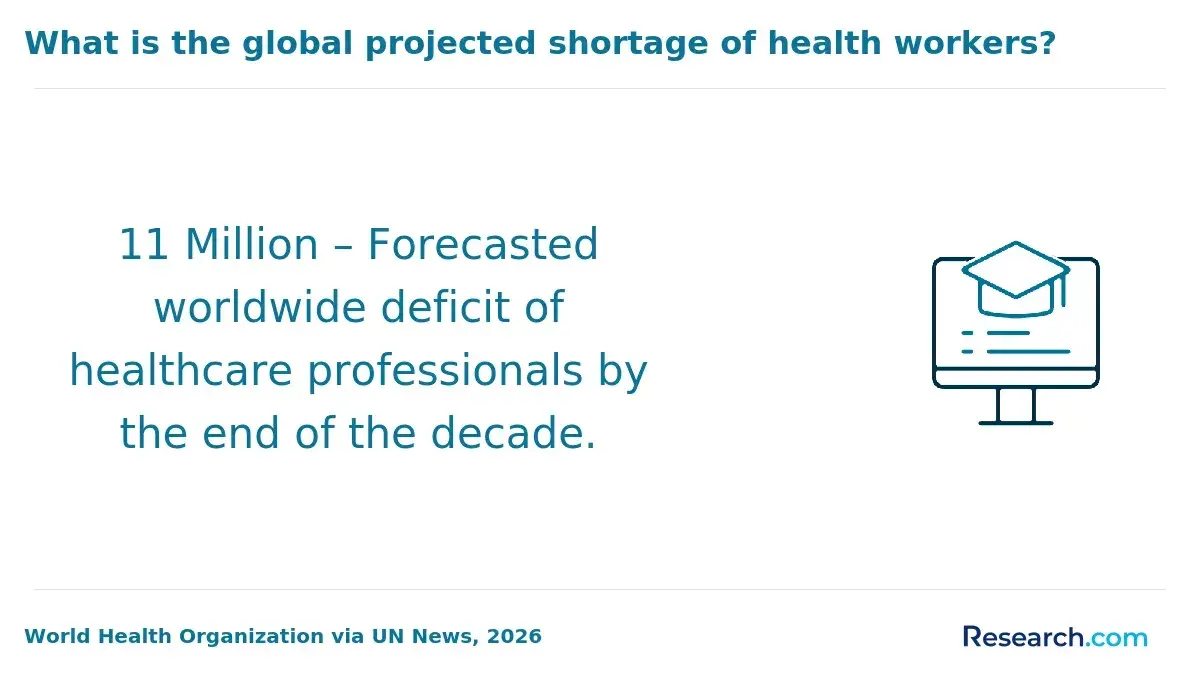
The field matters because healthcare organizations are becoming larger, more regulated, more data-driven, and more complex to run. Between 1975 and 2024, the number of people working as healthcare administrators increased by over 3,200%. In 2024, physicians were outnumbered by administrators over ten to one. Demand has also been shaped by staffing shortages, digital health expansion, insurance complexity, and the ongoing need for operational support in hospitals, clinics, public health agencies, and long-term care organizations. The need for additional administrative personnel remains a major issue across the healthcare labor market.
This guide is for students, career changers, and early-career professionals comparing healthcare administration careers. You will learn what healthcare administrators do, which degrees and certificates fit different goals, what skills employers value, how salaries vary by role, and what questions to ask before choosing an education pathway. If you are setting long-term career goals, use this article as a practical roadmap rather than a simple list of job titles.
Healthcare Administration Careers Table of Contents
- Why pursue a career in healthcare administration?
- Healthcare administration career outlook
- Required skills for healthcare administrators
- How to start your career in healthcare administration
- How can I advance my career in healthcare administration?
- Alternative career options for healthcare administrators
- What role does technology play in healthcare administration?
- How can entry-level professionals advance in healthcare administration?
- What legal and regulatory challenges must healthcare administrators navigate?
- What is the financial return on educational investments in healthcare administration?
- Can a background in biology enhance your career prospects in healthcare administration?
- What ethical challenges do healthcare administrators face?
- What are the most affordable educational pathways for a career in healthcare administration?
- What are the admission requirements for accelerated healthcare administration programs?
- What are the accelerated pathways in healthcare administration?
- Why is continuous professional development important in healthcare administration?
- How does public health education enhance healthcare administration?
- How can online accelerated programs reshape career trajectories in healthcare administration?
Quick answer: Is healthcare administration a good career path?
Healthcare administration can be a strong career path for people who want to work in healthcare operations, management, policy, finance, compliance, or technology rather than direct clinical care. A certificate or associate degree may help with entry-level administrative roles, but a bachelor’s degree is commonly the starting point for analyst, specialist, and coordinator positions. A master’s degree is often useful for management advancement, while a doctorate is more relevant for senior executive, academic, research, or high-level policy roles.
The field offers multiple routes, but it is not a guaranteed shortcut to leadership. Advancement usually depends on education, healthcare experience, communication skills, data literacy, leadership ability, and knowledge of regulation and reimbursement systems.
| Career goal | Typical education route | Best fit |
| Start quickly in healthcare office work | Certificate or associate degree | Students seeking billing, claims, records, or coordinator roles |
| Build a long-term administrative career | Bachelor’s degree in healthcare administration | Future analysts, specialists, supervisors, and program coordinators |
| Move into management | Master’s in health administration, health management, public health, or business | Professionals pursuing department, operations, analytics, or consulting roles |
| Compete for executive or academic roles | Doctorate in healthcare administration or a related field | Senior leaders, researchers, faculty members, and policy specialists |
Why pursue a career in healthcare administration?
Healthcare administration attracts people who want their work to affect patient access, organizational performance, and community health without working as physicians, nurses, or other clinical providers. The work can be demanding because administrators often balance financial limits, staffing pressures, regulatory rules, and patient needs at the same time.
1. Healthcare administrators help healthcare organizations function safely and efficiently
Hospitals, clinics, physician groups, public health offices, insurance organizations, and long-term care facilities depend on administrative systems. Administrators help coordinate staffing, patient records, scheduling, billing, compliance, vendor relationships, facility operations, and service delivery. When those systems fail, patients may wait longer, staff may burn out faster, and organizations may face financial or legal risk.
2. Healthcare administrators support institutional improvement
Administrators review workflows, document procedures, evaluate performance against standards, and help translate strategy into policy. They may support staff training, quality improvement initiatives, budgeting, accreditation preparation, patient safety programs, and operational redesign. Their work can shape how quickly a healthcare organization adapts to new rules, technologies, and patient expectations.
3. Healthcare administrators are essential during public health crises
The COVID-19 pandemic highlighted how much healthcare systems rely on nonclinical leadership. Administrators helped manage emergency staffing schedules, supply shortages, patient flow, telehealth rollout, infection-control logistics, financial disruption, and communication across departments. Future crises may look different, but healthcare organizations will continue to need leaders who can coordinate people, resources, data, and policy under pressure.
4. Healthcare administration skills transfer across many settings
A healthcare administration background can lead to work in hospitals, clinics, government agencies, consulting firms, insurance companies, health technology vendors, nonprofits, academic medical centers, and corporate health programs. The same skill set can also apply to human resources, operations, risk management, finance, sales, training, and business strategy.
This flexibility matters because career exploration is important for professionals who want to test different paths before committing to a specialty. Healthcare administrators often build transferable experience in communication, reporting, compliance, budgeting, project coordination, and team leadership.
5. Healthcare administration can offer meaningful earning potential
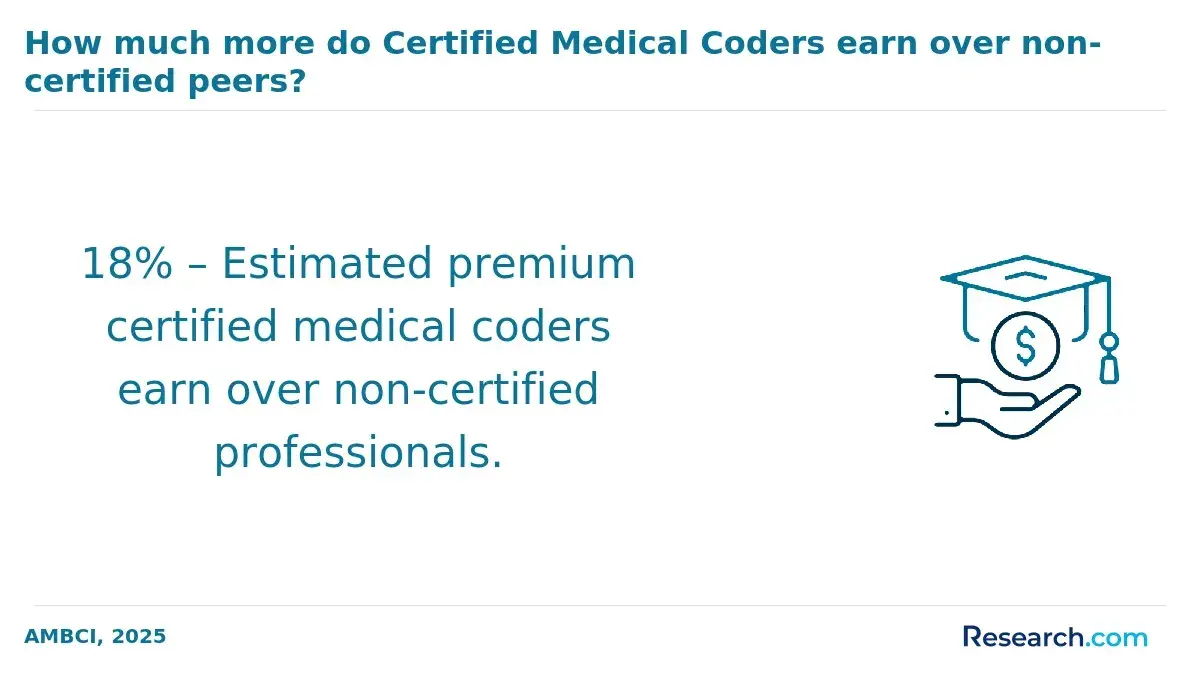
Health administrators earn an average of $71,277 annually (Payscale, n.d.). The 90th percentile earns around $117,000 (Payscale, n.d.). Higher earnings are more likely for professionals who combine healthcare experience with management ability, data skills, advanced education, and knowledge of finance, compliance, or operations. Salaries vary by employer, region, role, credentials, and years of experience, so students should treat salary figures as benchmarks rather than guarantees.
Healthcare administration career outlook
According to the U.S. Bureau of Labor Statistics (2025), employment in healthcare occupations is projected to grow by 9% between the years 2024 and 2034. For management positions in this field, the projected growth during the same period is much higher at 29%. This outlook reflects the broader expansion of healthcare services, aging populations, administrative complexity, digital recordkeeping, value-based care models, and the need for managers who can coordinate clinical and business operations.
Required skills for healthcare administrators
Healthcare administration careers sit between healthcare delivery and business management. Strong candidates understand patient experience, workflows, data, finance, regulation, and communication. The best skill mix depends on the job: a billing coordinator needs different strengths than a facility director, compliance leader, or health analytics consultant.
Core technical skills
- Patient service orientation. Administrators may not provide clinical treatment, but their decisions affect patient access, wait times, billing clarity, privacy, and overall experience. Understanding patient needs helps administrators design better processes.
- Project management. Healthcare organizations regularly launch technology upgrades, quality initiatives, staffing plans, compliance reviews, and facility improvements. Administrators need to plan timelines, assign responsibilities, manage budgets, track risks, and communicate progress. Learning the basics of project management can be valuable for this work.
- Records and database management. Entry-level administrators often work with medical records, claims files, patient documentation, scheduling systems, or reporting databases. Accuracy, confidentiality, and organization are essential.
- Technical writing and reporting. Administrators convert data, policies, incidents, budgets, and operational updates into reports for supervisors, regulators, boards, and staff teams. Clear writing helps prevent misunderstandings and supports better decisions.
- Business and healthcare trend awareness. Healthcare leaders need to understand reimbursement changes, staffing models, digital health tools, patient expectations, regulatory updates, and financial pressures. Trend awareness helps organizations remain responsive rather than reactive.
Essential workplace skills
- Communication. Administrators work with clinicians, executives, support staff, patients, vendors, and insurers. They need to listen carefully, explain policies clearly, and coordinate across teams that may have different priorities.
- Time management. Administrative work often includes urgent issues, recurring reports, staff coordination, meetings, compliance tasks, and patient-facing problems. Professionals who understand how to increase productivity can help reduce delays and improve workflows.
- Leadership and management. According to a survey, this is the topmost skill affecting healthcare administration jobs salary (Payscale, n.d.). Leadership becomes more important as professionals move from task execution to supervising people, managing budgets, resolving conflicts, and setting operational priorities.
| Skill area | Why it matters | How to build it |
| Healthcare operations | Helps administrators understand scheduling, patient flow, staffing, and service delivery | Internships, entry-level coordinator roles, operations projects |
| Finance and reimbursement | Supports budgeting, billing, claims, and revenue-cycle decisions | Coursework, billing experience, financial management certification |
| Compliance and ethics | Reduces legal, privacy, accreditation, and patient-safety risks | Compliance training, policy review, quality assurance work |
| Data literacy | Improves reporting, forecasting, quality improvement, and resource planning | Analytics courses, spreadsheet practice, EHR reporting experience |
| People leadership | Prepares professionals for supervisory and management roles | Mentorship, team projects, conflict-resolution training |
How to start your career in healthcare administration
Many professionals begin with office, records, claims, billing, scheduling, or coordinator roles and then move into analyst, specialist, supervisor, or manager positions. A certificate or associate degree may be enough for some entry-level jobs, but a bachelor’s degree in healthcare administration is usually the stronger foundation for long-term growth. Currently, over 300 higher education institutions offer a bachelor’s in arts or science in healthcare administration (AUPHA, 2024).
What can I do with an associate degree in healthcare administration?
An associate degree can help students qualify for administrative support roles, especially in claims, records, scheduling, billing, and office coordination. These jobs can be useful stepping stones because they expose workers to patient information systems, insurance processes, documentation rules, and day-to-day healthcare operations.
Claims representatives
Claims representatives help customers understand and access health and life insurance benefits. They review policies, evaluate claims, resolve questions, and communicate with clients or providers. Time management, accuracy, and interpersonal skills are important. Some professionals enter this path after training in billing and coding.
Median Annual Salary: $42, 575
Health information officers
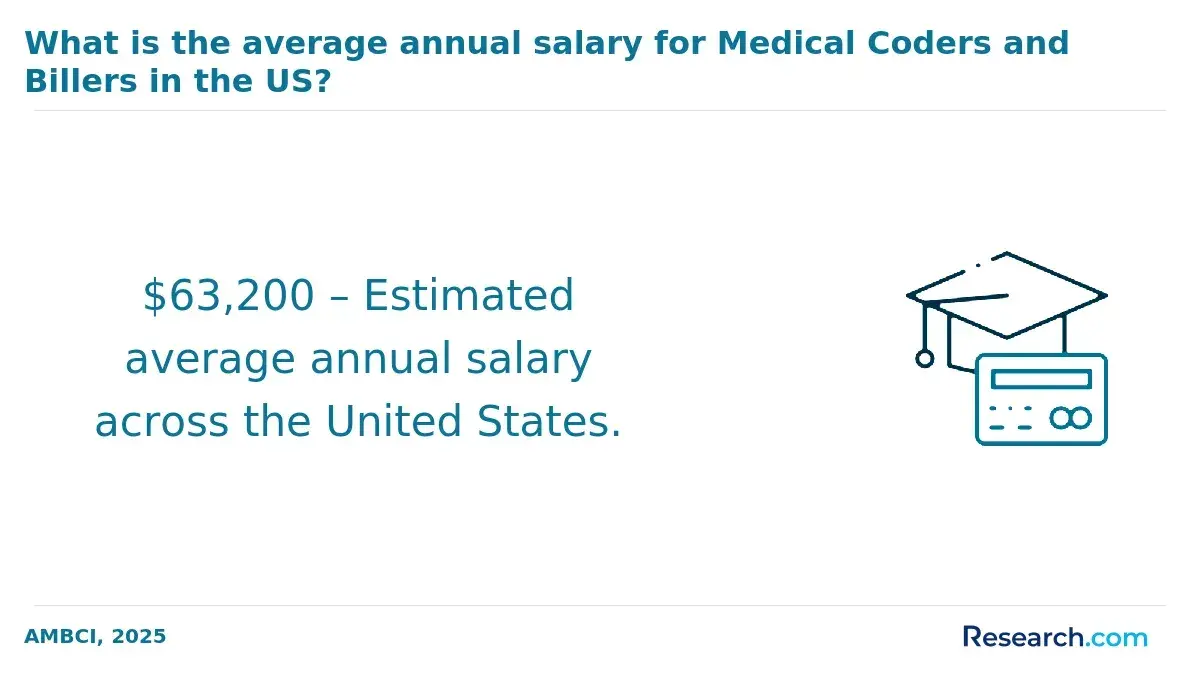
Health information officers organize, code, maintain, and distribute medical information within healthcare organizations. They must understand documentation rules, privacy expectations, and the technology systems used to store and retrieve patient data.
Median Annual Salary: $63,200
Medical staff coordinators
Medical staff coordinators manage schedules, support provider communication, and help align staffing needs with patient care demands. They often serve as a key point of contact between administrative teams and patient care professionals.
Median Annual Salary: $51,097
What can I do with a bachelor’s degree in healthcare administration?
A bachelor’s degree can prepare students for roles that require more analysis, policy knowledge, program coordination, and organizational decision support. It is often the point where students move beyond front-office tasks into systems improvement, public health, reporting, and administrative planning.
Public health analysts
Public health analysts study issues that affect community health and safety. They may conduct research, evaluate programs, develop policy recommendations, and communicate findings to public agencies, healthcare organizations, or community groups. Problem-solving, writing, project coordination, and communication are central to the role.
Median Annual Salary: $70,060
Health systems specialists
Health systems specialists help evaluate, design, plan, and improve healthcare programs and services. They need a detailed understanding of organizational structures, job functions, quality standards, healthcare regulations, and operational processes.
Median Annual Salary: $78,766
Knowledge management specialists
Knowledge management specialists support information sharing across healthcare organizations, research teams, and professional communities. They review data and sector trends, identify knowledge gaps, and recommend ways to improve practices, training, and decision-making.
Median Annual Salary: $64,398
Can you get a healthcare administration job with just a certificate?
Yes, a certificate can help you qualify for some entry-level administrative jobs, especially in areas such as billing, coding, scheduling, medical office support, or records management. However, a certificate alone may limit advancement if employers require a degree for analyst, supervisor, or management roles. If you want healthcare administration to become a long-term career rather than a first job, compare certificate, associate, and bachelor’s options before enrolling.
| Education level | What it can help with | Potential limitation |
| Certificate | Fast entry into focused administrative areas such as billing, coding, or office support | May not meet requirements for many analyst or management roles |
| Associate degree | Broader preparation for claims, records, scheduling, and coordinator jobs | May require further education for advancement |
| Bachelor’s degree | Better foundation for analyst, specialist, program, and supervisory tracks | Takes more time and costs more than short certificate training |
| Master’s degree | Can support movement into management, consulting, analytics, and leadership | Best value usually comes after gaining relevant experience |
| Doctorate | Can support executive, research, academic, or advanced policy roles | Not necessary for most healthcare administration jobs |
How can I advance my career in healthcare administration?
Career growth usually comes from combining practical experience with targeted education. A master’s degree in health administration can help professionals move toward junior and mid-level management. Students often compare an MBA and an MHA. An MBA provides broader business training that can transfer across industries, while an MHA focuses more directly on healthcare systems, policy, operations, finance, and leadership.
Professionals who want to pursue executive leadership, research, policy, or academic work may consider a doctorate degree in healthcare administration. A doctorate is not required for most administrative roles, so it should be chosen only after weighing time, cost, career goals, and expected return.
What can I do with a master’s in healthcare administration?
Many students ask, “What can I do with a masters in medical science and healthcare administration?” The answer depends on experience, specialization, and employer needs, but master’s graduates often compete for consulting, analytics, department management, and operations leadership roles.
Healthcare business solutions advisors
Healthcare business solutions advisors help organizations solve operational and financial problems. They may evaluate workflows, recommend business strategies, support executive decisions, and identify ways to improve efficiency or profitability. A master’s degree can strengthen credibility for advisory and consulting roles.
Median Annual Salary: $81,638
Health analytics consultants
Health analytics consultants collect, organize, interpret, and present healthcare data. They use evidence to guide decisions about resources, quality improvement, patient outcomes, staffing, and operations. Data visualization, reporting, and stakeholder communication are especially important.
Median Annual Salary: $87,061
Clinical department managers
Clinical department managers oversee the business and operational functions of a department. They may supervise staff, review budgets, approve plans, coordinate marketing or outreach efforts, and help implement long-term strategies.
Median Annual Salary: $74,417
What kind of job can I get with a doctorate in healthcare administration?
A doctorate can be useful for professionals aiming for senior leadership, complex systems management, healthcare policy, consulting, teaching, or research. It is most valuable when paired with substantial healthcare experience.
Materials management directors
Materials management directors oversee procurement, supplier relationships, equipment planning, and cost-effective purchasing. They analyze usage data, compare vendor proposals, negotiate contracts, and help ensure that clinical teams have the supplies and technology they need.
Median Annual Salary: $89,101
Healthcare facility directors
Healthcare facility directors manage the physical and operational environment of healthcare organizations. Their responsibilities may include facility planning, maintenance, budget oversight, safety, patient comfort, regulatory compliance, and coordination with clinical and administrative leaders.
Median Annual Salary: $169,669
Healthcare compliance directors
Healthcare compliance directors help organizations meet accreditation standards, privacy rules, healthcare laws, internal policies, and ethical expectations. They may design training, audit procedures, investigate concerns, and advise leaders on legal and regulatory risk.
Median Annual Salary: $106,438
Which certification is best for healthcare administration?
Certification is not always required for healthcare administration roles, but it can help professionals demonstrate focused expertise. The best credential depends on your specialty. For example, a medical office manager may choose a management credential, while a finance-focused administrator may prefer a healthcare financial certification.
| Certification | Best for | Key details |
| Certified Medical Manager | Medical office managers and practice administrators | Offered by the Professional Association of Health Care Office Management; requires at least 12 post-secondary education credits and two years of experience |
| Certified Healthcare Administrative Professional | Administrative professionals in healthcare settings | Offered by the Association for Healthcare Administrative Professionals; details are outlined in its candidate handbook |
| Certified Healthcare Financial Professional | Professionals working with healthcare finance and operations | Offered by Healthcare Financial Management Association; candidates complete HFMA Business of Health Care and HFMA Operational Excellence Assessment |
| Certified Professional in Healthcare Quality | Quality, patient safety, and performance improvement professionals | Offered by the National Association for Healthcare Quality and fully accredited by the National Commission for Certifying Agencies |
The Certified Medical Manager exam covers revenue management, risk management, human resources, finance, contract management, business management, technology and data management, clinical performance reporting, patient clinical education, and practice marketing. The Certified Healthcare Administrative Professional exam covers clerical, grammar, healthcare governance, healthcare regulatory, and software topics. The Certified Healthcare Financial Professional pathway includes a first module that takes 14 to 20 hours and a second module that takes three hours. The Certified Professional in Healthcare Quality exam covers organizational leadership, health data analytics, performance and process improvement, and patient safety.
Alternative career options for healthcare administrators
Graduates of a healthcare administration degree program are not limited to hospital administration. Their combination of business, healthcare, communication, compliance, and operations knowledge can apply to several related careers.
What else can a healthcare administrator do?
Human resource officers
Healthcare administration graduates can move into human resources in healthcare or other industries. They may interview candidates, coordinate onboarding, monitor performance processes, support training, and help manage compensation and benefits.
Median Annual Salary: $75,767
Health insurance sales representatives
Health insurance sales representatives use healthcare knowledge and communication skills to help individuals or organizations understand insurance products. This path can appeal to professionals who want more direct client interaction and broader business networking.
Median Annual Salary: $59,000
Risk managers
Healthcare risk managers focus on areas such as operational risk, clinical and patient safety risk, strategic risk, financial risk, human capital risk, legal and regulatory risk, technology risk, and hazard risk. A healthcare administration background can help professionals understand these domains in medical organizations, and the same risk-management mindset can transfer to other industries.
Median Annual Salary: $104,863
What role does technology play in healthcare administration?
Technology now shapes nearly every part of healthcare administration. Administrators do not need to be software engineers, but they do need to understand how digital systems affect patient access, documentation, billing, compliance, staffing, reporting, and decision-making.
Electronic health records
Electronic health records help organizations store, update, retrieve, and share patient information. Administrators support EHR workflows, training, privacy controls, documentation standards, reporting, and coordination among providers.
Data analytics
Healthcare administrators use data to identify trends, forecast demand, evaluate performance, monitor quality indicators, and allocate resources. Strong analytics skills can improve staffing plans, cost management, patient outcomes, and executive decision-making.
Telehealth and remote monitoring
Telehealth expanded rapidly after the COVID-19 pandemic. Administrators help manage scheduling, compliance, patient communication, billing workflows, provider training, and technology adoption for remote care models.
Automation and AI
Automation and AI-supported tools can assist with scheduling, reminders, claims review, documentation, chat support, and workflow routing. Administrators must evaluate these tools carefully because speed and efficiency must be balanced with privacy, bias, accuracy, staff readiness, and patient trust.
Healthcare management software
Healthcare organizations use software for supply chains, billing, scheduling, human resources, credentialing, compliance tracking, reporting, and inventory management. Administrators often act as the bridge between vendors, IT teams, clinicians, and operational staff.
How can entry-level professionals advance in healthcare administration?
Entry-level professionals should treat their first roles as skill-building platforms. Even a front-desk, claims, records, or scheduling job can lead to advancement if you learn the systems behind the work and document measurable results.
- Build operational range. Volunteer for projects involving scheduling, billing, quality improvement, patient experience, reporting, or compliance.
- Find a mentor. A manager, department director, or senior analyst can explain how promotion decisions are made and which skills matter most in your organization.
- Use certifications strategically. Industry-recognized healthcare certifications can strengthen your resume when they match your target role.
- Track accomplishments. Keep a record of process improvements, reports completed, error reductions, training responsibilities, and systems learned.
- Consider graduate education at the right time. A master’s degree can be more valuable after you understand which branch of healthcare administration you want to pursue.
What legal and regulatory challenges must healthcare administrators navigate?
Healthcare administrators work in one of the most regulated sectors of the economy. They may need to understand privacy rules, accreditation expectations, billing requirements, employment laws, patient safety standards, emergency preparedness, licensing requirements, contract obligations, and state or local healthcare regulations. The exact rules depend on the employer and role.
Compliance is not only a legal function. It affects hiring, documentation, claims, technology, patient communication, quality reporting, vendor selection, and facility operations. Students who want a lower-cost path into this area can compare options such as the cheapest online healthcare management degree, but they should verify accreditation, curriculum, and whether the program includes compliance, ethics, finance, and healthcare law coursework.
What is the financial return on educational investments in healthcare administration?
The return on a healthcare administration degree depends on cost, time to completion, prior experience, target job, local labor market, employer tuition benefits, and whether the credential helps you qualify for higher-responsibility work. A low-cost program is not automatically the best choice if it lacks accreditation, career support, relevant coursework, or transfer pathways. An expensive program is not automatically worth it if salary outcomes are uncertain.
Before enrolling, compare tuition, fees, books, technology costs, lost work time, transfer credit policies, employer reimbursement, financial aid, and likely career outcomes. Students considering shorter entry routes can also use resources on the average cost of medical billing and coding program to benchmark certificate expenses against longer degree options.
| Cost factor | Why it matters | Question to ask |
| Tuition and fees | Directly affects total debt and payback period | What is the full program cost, not just per-credit tuition? |
| Transfer credits | Can shorten time and reduce cost | How many prior credits will the school accept? |
| Accreditation | Affects credibility, transferability, and employer recognition | Is the institution properly accredited? |
| Schedule flexibility | Determines whether you can keep working while enrolled | Are courses asynchronous, evening-based, or accelerated? |
| Career alignment | Improves the chance that the degree supports your target role | Does the curriculum match operations, analytics, compliance, finance, or leadership goals? |
Can a background in biology enhance your career prospects in healthcare administration?
A biology background can be useful in healthcare administration because it helps professionals understand scientific reasoning, clinical terminology, research methods, and evidence-based decision-making. This can be especially helpful in quality improvement, public health, clinical operations, research administration, policy analysis, and health technology settings.
However, biology alone may not prepare someone for budgeting, compliance, human resources, reimbursement, or organizational leadership. Biology graduates who want to move into administration should add business, healthcare management, data, or policy training. They can also compare broader science-related options, including the highest paying jobs in biology, before deciding whether healthcare administration is the best fit.
What ethical challenges do healthcare administrators face?
Healthcare administrators make decisions that affect patients, staff, budgets, and community access. Ethical pressure often appears when there is no perfect option and leaders must weigh competing responsibilities.
- Balancing cost and quality of care. Administrators must control expenses while protecting patient safety and service quality. Budget decisions about staffing, equipment, and programs can have real patient consequences.
- Protecting patient privacy and data security. Digital systems improve access to information, but they also increase responsibility for privacy, cybersecurity, staff training, and proper data use.
- Allocating limited resources during emergencies. Public health crises can force difficult choices involving beds, staff, vaccines, equipment, or treatment access.
- Managing conflicts of interest. Vendor relationships, pharmaceutical partnerships, insurance contracts, and business incentives require transparency and strong internal controls.
- Promoting equitable access. Administrators may need to address disparities linked to income, geography, race, disability, language, insurance status, or transportation barriers.
What are the most affordable educational pathways for a career in healthcare administration?
Affordable pathways usually start with a clear career target. If you want an entry-level role quickly, a certificate or associate degree may cost less and take less time. If you want management potential, a bachelor’s degree may be the better long-term investment. If you already have a bachelor’s degree and healthcare experience, a targeted master’s program may be more efficient than starting over.
Students interested in population health, community programs, or public-sector leadership can compare options such as the cheapest MPH programs. Regardless of degree type, look for institutional accreditation, transparent tuition, transfer credit policies, financial aid, employer tuition assistance, and courses that match your target career.
What are the admission requirements for accelerated healthcare administration programs?
Accelerated healthcare administration programs commonly expect applicants to have a completed undergraduate degree and a strong academic record in a related field such as business, healthcare, public administration, or another relevant discipline. Some programs may require a minimum GPA, prerequisite coursework in statistics or management, professional experience, recommendation letters, a resume, and a statement of purpose. Standardized test policies vary, and some programs use test-optional admissions.
Because accelerated formats move quickly, admissions committees often look for evidence that applicants can manage intensive coursework. Students comparing fast-track models may also review similar structures in other health fields, such as PharmD fast track programs, while remembering that healthcare administration admissions requirements will differ by institution.
What are the accelerated pathways in healthcare administration?
Accelerated healthcare administration programs are designed for students who want to complete a degree faster than a traditional schedule allows. For graduate students, 1-year MHA programs can provide concentrated training in health systems management, policy, finance, organizational leadership, and operations.
An accelerated program can reduce time in school and may lower total education costs, but the pace can be intense. These programs are often best for motivated students with strong time-management skills, relevant experience, and a clear reason for needing a faster credential. Working professionals should confirm workload expectations before enrolling.
Why is continuous professional development important in healthcare administration?
Healthcare administration changes as regulations, technology, reimbursement models, patient expectations, and staffing conditions change. Continuous professional development helps administrators stay current and remain effective in leadership, compliance, finance, quality improvement, and operations roles.
Professional development can include certifications, workshops, conferences, employer training, graduate coursework, healthcare technology training, leadership coaching, or specialized programs. Some students seeking shorter career-oriented options may compare 2-year medical degrees that pay well, especially if they want a practical route into healthcare before deciding on a longer administration pathway.
Continuous learning also signals initiative. Administrators who update their skills are often better prepared to lead teams, respond to operational challenges, evaluate new tools, and move into specialized areas such as healthcare compliance, analytics, risk management, or quality improvement.
How does public health education enhance healthcare administration?
Public health education gives healthcare administrators a broader view of population health, prevention, community needs, health equity, epidemiology, program planning, and policy. This background can be valuable for administrators working in public agencies, nonprofit health organizations, community clinics, hospitals with outreach programs, or emergency preparedness roles.
Students who want to combine administration with community health strategy can explore interdisciplinary options such as the most affordable online public health degrees. Public health training is especially useful when the goal is to design programs that improve outcomes beyond individual patient visits.
How can online accelerated programs reshape career trajectories in healthcare administration?
Online accelerated programs can help working adults complete healthcare administration training more quickly while maintaining employment. These programs often combine flexible course delivery with focused curricula in management, policy, finance, operations, and health systems leadership.
The main advantage is speed and flexibility. The main risk is overload. Before enrolling, confirm accreditation, weekly workload, faculty access, internship or capstone requirements, transfer credit rules, and whether the format fits your work and family responsibilities. Students researching this route can review fast track online degrees in healthcare administration.
Common mistakes to avoid when choosing a healthcare administration pathway
- Choosing a program without checking accreditation. Accreditation affects credibility, transfer credit, financial aid eligibility, and employer recognition.
- Looking only at tuition. Fees, books, technology costs, travel, lost work hours, and time to completion can change the real cost.
- Assuming every online program fits every goal. Online degrees can be effective, but students should verify curriculum, support services, practicum expectations, and employer acceptance.
- Getting a graduate degree too early. A master’s degree may have stronger value after you gain experience and know which specialization you want.
- Ignoring data and technology skills. Healthcare administration is increasingly shaped by EHRs, analytics, automation, telehealth, and digital compliance.
- Relying only on rankings. Rankings can be useful, but program fit, cost, accreditation, outcomes, schedule, and curriculum matter more for individual decision-making.
- Assuming salaries are guaranteed. Salary depends on employer, region, role, credentials, experience, and performance.
Work at the intersection of health and business
Healthcare administration is a practical path for people who want to improve healthcare systems through management rather than direct clinical practice. Administrators help organizations manage budgets, staff teams, comply with regulations, adopt technology, improve patient experience, and respond to operational disruption.
Students who want a non-clinical role in healthcare should compare healthcare administration degrees with related paths in public health, business, health informatics, medical billing and coding, human resources, and project management. Many programs are now offered through e-learning and can be completed fully online, but the best option depends on your career goal, current experience, budget, and preferred pace.
Key Insights
- Healthcare administration is a non-clinical healthcare career with broad reach. Administrators influence staffing, patient access, budgets, compliance, data systems, quality improvement, and organizational strategy.
- The job outlook is strong, but advancement is competitive. The U.S. Bureau of Labor Statistics (2025) projects 9% growth for healthcare occupations and 29% growth for management positions in this field between 2024 and 2034.
- Education level should match the role you want. Certificates and associate degrees can support entry-level work, bachelor’s degrees often fit analyst and specialist roles, master’s degrees can support management, and doctorates are most relevant for executive, academic, or research goals.
- Technology skills are becoming essential. EHRs, analytics, telehealth, automation, AI tools, and healthcare management software increasingly shape administrative decisions.
- Program choice should be based on fit, not speed alone. Before enrolling, compare accreditation, total cost, transfer credits, schedule, curriculum, career support, and likely return on investment.
- Ethics and compliance are central to the profession. Healthcare administrators must balance cost, quality, privacy, equity, resource limits, and regulatory obligations.
References:
- AMBCI. (2025). How Much Do Medical Coder and Billers Make? https://ambci.org/medical-billing-and-coding-certification-blog/how-much-do-medical-coder-and-billers-make
- Association of University Programs in Health Administration. (2024). AUPHA Directory of Programs. https://www.aupha.org/resourcecenter/directoryofprograms
- Delta Technical College. (2025). Medical Coding Enrollment and Outcomes 2024-2025. https://www.deltatechnicalcollege.com/programs/medical-coding-training/enrollment-and-outcomes/
- Nurse.org. (2026). Medical Billing and Coding Salary by State. https://nurse.org/healthcare/medical-billing-coding-salary/
- Physicians Advocacy Institute. (2024) New study highlights the dramatic rise in healthcare administrators. https://physiciansadvocacyinstitute.org/News-Events/News/New-Study-Highlights-the-Dramatic-Rise-in-Healthcare
- Robert Half. (2025). 2026 Nonclinical Healthcare Salary Trends. https://www.roberthalf.com/us/en/insights/research/nonclinical-healthcare-salary-trends
- UN News. (2026). Global health systems 'at risk' as funding cuts bite, warns WHO. https://news.un.org/en/story/2026/02/1166869
- U.S. Bureau of Labor Statistics. (2025). Occupational Outlook Handbook: Healthcare. https://www.bls.gov/ooh/healthcare/
- U.S. Bureau of Labor Statistics. (2025). Occupational Outlook Handbook: Medical and Health Services Managers. https://www.bls.gov/ooh/management/medical-and-health-services-managers.htm
- U.S. Bureau of Labor Statistics. (2025). Nursing Assistants and Orderlies. Occupational Outlook Handbook. https://www.bls.gov/ooh/healthcare/nursing-assistants.htm
Other Things You Should Know About Healthcare Administration Careers
In 2027, beneficial certifications for healthcare administrators include the Certified Healthcare Administrative Professional (cHAP), Certified Professional in Healthcare Information and Management Systems (CPHIMS), and Fellow of the American College of Healthcare Executives (FACHE), all of which enhance career prospects and demonstrate expertise.
In 2027, the salary outlook for healthcare administration careers remains promising. According to the Bureau of Labor Statistics, the median annual salary for medical and health services managers is expected to exceed $110,000. Salaries vary based on factors such as location, experience, and the type of healthcare facility.
Essential skills for healthcare administrators include patient care, project management, database management, technical writing, business trend awareness, communication, time management, and leadership. These skills help them manage the various aspects of healthcare facilities effectively.
In 2027, healthcare administrators are primarily responsible for overseeing the daily operations of medical facilities. This includes managing budgets, ensuring compliance with healthcare laws, implementing policies, and leading staff. They are crucial for the efficient delivery of healthcare services within facilities.
To enter healthcare administration in 2027, a bachelor's degree in healthcare administration or a related field is typically required. Many positions prefer candidates with a master's degree, such as a Master of Health Administration (MHA) or MBA with a healthcare focus.
The demand for healthcare administrators is growing due to the increasing complexity of healthcare systems, the rising number of healthcare facilities, and the ongoing need for efficient management of healthcare services. The COVID-19 pandemic has also highlighted the critical role of healthcare administrators in managing health crises and ensuring the continuity of care.


