
2027 How to Become an Occupational Therapist in Kansas

Co-Founder and Chief Data Scientist
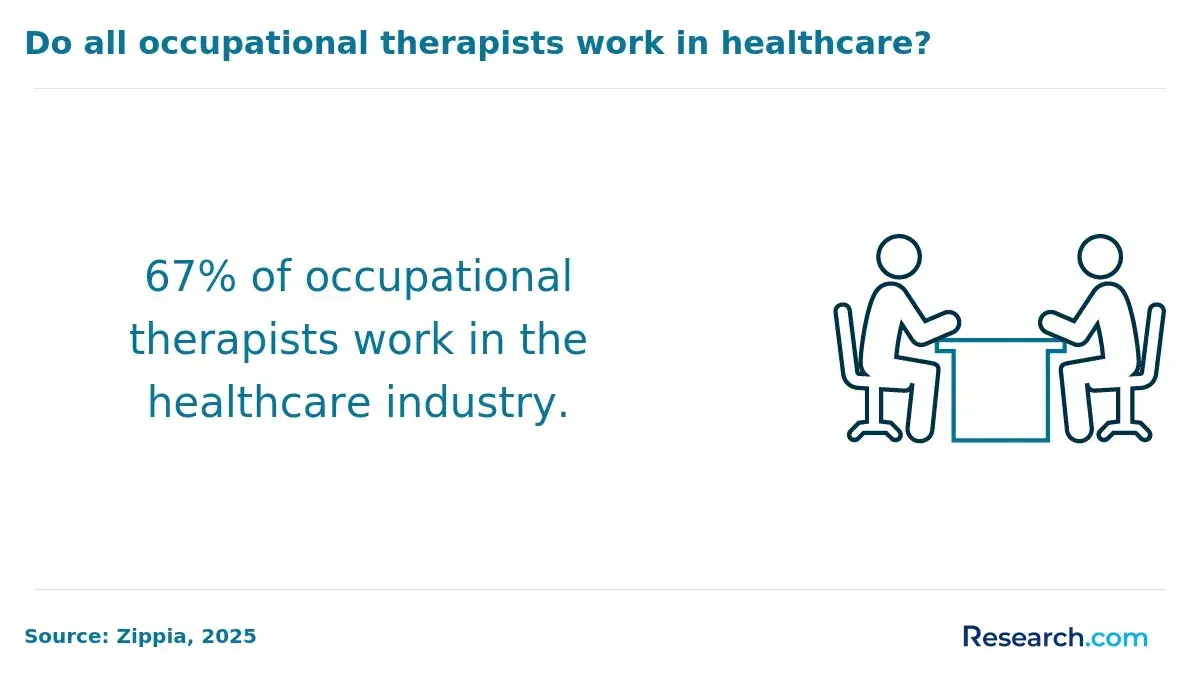
Occupational therapy in Kansas presents an exciting career path, blending healthcare with hands‑on impact. With over 1,200 occupational therapists serving the state and an employment growth rate projected at 20% through 2030, the demand for qualified professionals is strong. This expanding field offers rewarding opportunities in diverse settings, from schools to rehabilitation centers, making it a promising choice for those eager to foster independence and well-being in individuals of all ages.
This article explores the essential steps to becoming an occupational therapist in Kansas. Crafted by experts in career planning, it guides readers through educational requirements, licensure, and professional insights. Explore this practical roadmap to uncover everything needed to launch a successful occupational therapy career in the Sunflower State.
Key Things to Know About Becoming an Occupational Therapist in Kansas
- Earn a Master’s or Doctorate in Occupational Therapy from an ACOTE-accredited program; Kansas has several respected institutions offering these pathways to meet state standards.
- Pass the NBCOT (National Board for Certification in Occupational Therapy) exam required for Kansas licensure, essential for practicing legally within the state’s healthcare system.
- Complete supervised fieldwork and adhere to Kansas Board of Healing Arts continuing education requirements to maintain your license and stay current with industry advances.
- What are the education requirements to become an occupational therapist in Kansas?
- How do you get a state license to practice occupational therapy in Kansas?
- How often do you need to renew an OT license in Kansas?
- What continuing education is required for OT license renewal in Kansas?
- How much does it cost to become an occupational therapist in Kansas?
- What financial aid options are available for OT students in Kansas?
- Can out-of-state occupational therapists work in Kansas?
- Can pursuing additional certifications strengthen your occupational therapy practice in Kansas?
- What skills do you need to be a successful occupational therapist in Kansas?
- What specializations are available for occupational therapists in Kansas?
- What is the average salary of an occupational therapist in Kansas?
What are the education requirements to become an occupational therapist in Kansas?
Formal education lays the foundation for occupational therapists to skillfully address the physical, emotional, and developmental challenges faced by their patients. This journey equips students with critical scientific insights, clinical reasoning, and hands-on expertise to provide effective support throughout an individual’s life. Exploring the path to becoming a therapist in Kansas reveals a series of education milestones designed to build strong professionals.
Here are the essential education steps to meet Kansas occupational therapist degree requirements:
- Earn a Bachelor’s Degree: Begin with a bachelor’s degree, ideally including courses in biology, psychology, or health sciences to prepare for graduate study. Maintaining a competitive GPA, typically around 3.2 or higher, is important to secure admission into occupational therapy programs.
- Complete an Accredited Master’s or Doctoral Program: Take the next step by enrolling in an ACOTE-accredited occupational therapy program. Many in Kansas now pursue a Doctor of Occupational Therapy (OTD) at institutions like the University of Kansas Medical Center, reflecting the national move toward doctoral-level training that usually spans three years.
- Fulfill Supervised Fieldwork Requirements: Gain invaluable experience through at least six months of Level II Fieldwork under licensed supervision. This immersive clinical training fortifies practical skills and professional readiness.
- Obtain Professional References and Pass a Background Check: Prospective therapists must provide at least one professional reference and pass a criminal background check to ensure ethical qualifications.
- Pass the National Certification Exam (NBCOT-OTR): Successfully passing this exam is crucial to earn the occupational therapy license in Kansas. Preparation for this milestone is an adventure in itself, testing knowledge and readiness to serve diverse populations.
If you're curious about timelines, also explore how long does it take to train for medical billing and coding — it offers perspective on related healthcare training durations.
How do you get a state license to practice occupational therapy in Kansas?
Securing a state license to practice occupational therapy in Kansas is a crucial step that affirms your professional credibility and ensures you meet the legal requirements necessary to serve patients safely and effectively. This credential not only protects public health but also establishes your standing in a competitive healthcare landscape.
Below is a clear outline of the key steps involved in navigating the Kansas occupational therapy licensure requirements and becoming a licensed practitioner.
- Complete an Accredited Occupational Therapy Program: Graduation from a program accredited by the Accreditation Council for Occupational Therapy Education (ACOTE) is mandatory. This ensures your education aligns with national standards, covering both coursework and clinical training essential for competent practice.
- Fulfill Supervised Fieldwork Requirements: Practical experience under supervision is vital. You must complete at least six months of hands-on fieldwork guided by a licensed occupational therapist, which sharpens your clinical skills and real-world readiness.
- Pass the NBCOT Examination: The National Board for Certification in Occupational Therapy exam must be passed with a minimum score, validating your knowledge and readiness to provide safe, evidence-based care in Kansas.
- Submit a State License Application: Applying to the Kansas State Board of Healing Arts involves providing personal and educational documentation, including official transcripts and exam results, and paying the application fee. This step formally initiates your licensing process.
- Provide Professional References: At least one licensed occupational therapist must vouch for your competency and professionalism, a critical endorsement for your application.
- Complete a Criminal Background Check: Ensuring patient safety, all applicants must undergo and pass a rigorous background screening before licensure is granted.
- Verify Licensure from Other States (if applicable): If licensed elsewhere, you need to have your credentials and history verified by previous boards to demonstrate good standing with no disciplinary issues.
For those curious about certification differences in related health fields, such as a certified professional coder vs certified billing and coding specialist certification comparison, exploring such distinctions can broaden your understanding of healthcare certifications and their unique pathways.
How often do you need to renew an OT license in Kansas?
Keeping an occupational therapy license current in Kansas is more than just a bureaucratic step; it’s a vital practice for upholding professional integrity and ensuring that therapists stay informed about new methods and regulations. This ongoing commitment to renewal helps occupational therapists deliver the best care possible by staying connected to evolving industry standards and maintaining accountability within their practice.
In Kansas, occupational therapists renew their licenses every two years, specifically by March 31st of each odd-numbered year. This biennial renewal rhythm encourages continuous professional growth and adherence to state requirements. While details on grace periods or penalties for late renewal are scarce, it is understood that meeting this deadline is essential to avoid interruptions in legal eligibility to practice.
A key component of this process involves completing 40 hours of continuing education, allowing therapists to integrate fresh knowledge and skills regularly. This well-structured schedule plays a crucial role in preventing lapses that could affect both an OT’s ability to work and their professional credibility.
When I spoke with an occupational therapist from Kansas who graduated from a local school, he shared that the renewal process felt both straightforward and thoughtfully designed. “I appreciated having a clear deadline every two years, which pushed me to stay engaged with current practices and complete my continuing education steadily,” he explained.
He also mentioned that balancing work commitments with continuing education hours sometimes required careful planning but ultimately reinforced his sense of professional responsibility. “There’s a quiet satisfaction in knowing I’m not just practicing but evolving,” he reflected, highlighting how renewal isn’t just a requirement but a meaningful checkpoint in his career journey.
What continuing education is required for OT license renewal in Kansas?
Continuing education is a vital part of staying sharp and effective as an occupational therapist in Kansas. It helps maintain professional competence, meet stringent state standards, and keep pace with ever-evolving therapeutic techniques and regulations. Embracing these learning opportunities ensures that therapists deliver the most relevant and impactful care to their patients while navigating the dynamic healthcare environment.
- Number of Hours Required Occupational: therapists and occupational therapy assistants (OTAs) must complete 40 hours of continuing education every two years. These hours are submitted during the license renewal process, which happens in odd-numbered years, ensuring professionals remain well-informed about the latest in occupational therapy practice.
- Acceptable Course Topics or Formats: There is flexibility in how hours can be earned, allowing both live webinars and self-study options. Up to 20 hours may be completed via self-study programs, such as offerings from OT Potential, as long as the education is relevant and advances practical expertise.
- Reporting and Documentation Procedures: To renew a license, proof of completed continuing education must be provided at or before the time of renewal in odd-numbered years. Keeping accurate records is essential to demonstrate compliance and smooth the renewal process.
- Additional Requirements for OTAs: Occupational therapy assistants share the same requirement of 40 hours every two years with occupational therapists, underscoring a unified standard of continuing education and professional growth across the field.
- Initial Licensure and Renewal Exemptions: New licensees who obtain their license within one year of renewal are exempt from submitting continuing education evidence for that cycle. Those licensed more than a year but less than two years before renewal must complete at least 20 hours, easing newcomers into the continuing education rhythm.
Exploring continuing education not only satisfies Kansas occupational therapy continuing education requirements but also invites professionals to enrich their skills boldly and thoughtfully. If you're curious about broader healthcare training pathways, consider learning more about what is medical billing and coding as part of understanding the healthcare landscape.
How much does it cost to become an occupational therapist in Kansas?
The cost of becoming an occupational therapist in Kansas varies depending on educational choices, exam fees, and licensing requirements. Being aware of these expenses helps students navigate the financial landscape with greater confidence and control.
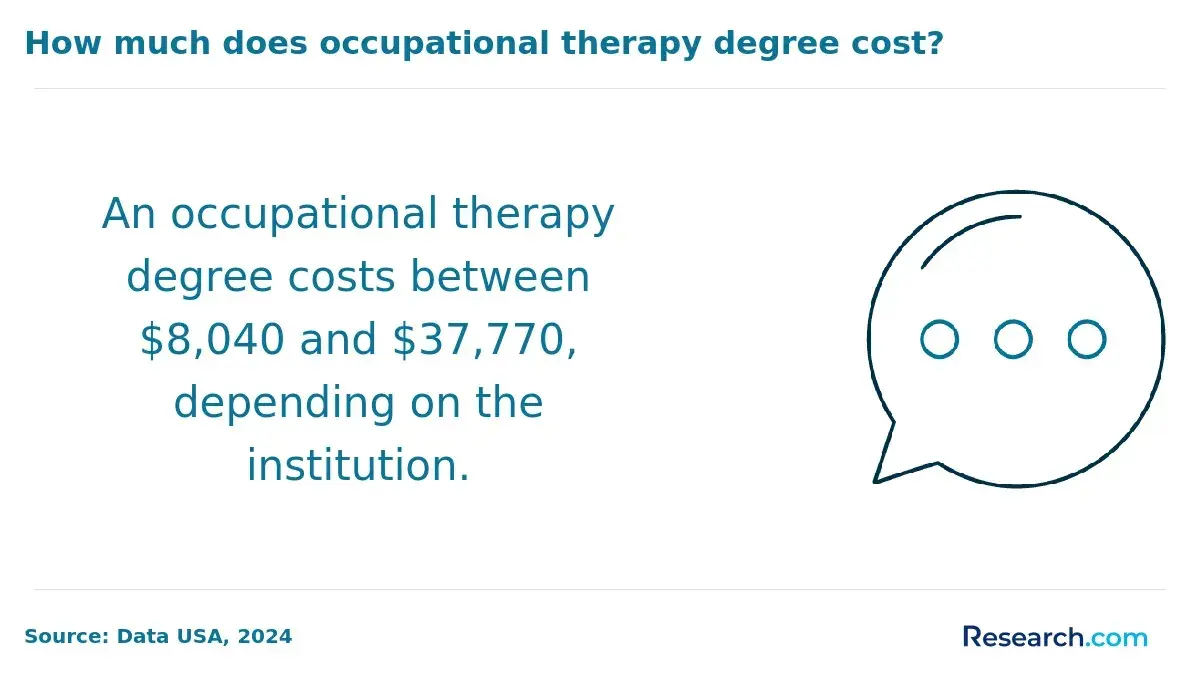
- Tuition and Program Fees: Tuition at a public university like the University of Kansas Medical Center for an in-state student in the Doctor of Occupational Therapy program hovers around $68,000 for three years, covering most academic fees but excluding books and living costs.
- Certification Examination (NBCOT): Passing the NBCOT exam is essential for licensure, and the exam fee is approximately $515, with additional costs possible for study materials or retakes.
- State Licensure Application Fees: After certification, applying for a Kansas state license generally requires paying around $100–$150, plus fingerprinting and background check fees tied to the licensure process.
- Background Checks and Immunizations: Clinical participation often requires criminal background checks and immunization verifications, collectively costing about $185 based on similar programs, covering vaccines and health screenings.
- Professional Memberships and Other Fees: Many students invest in memberships like the American Occupational Therapy Association for networking and resources, costing about $75 annually. Additional expenses can include CPR certification, uniforms, and travel for clinical rotations, which add to the overall budget.
What financial aid options are available for OT students in Kansas?
Affording the cost of occupational therapy education in Kansas can feel like a daunting adventure, but financial aid options open many doors for aspiring therapists. These resources help alleviate the burden of tuition and living expenses, enabling students to focus more on mastering their craft and less on financial stress.
Here’s a clear map of the financial aid available to OT students in Kansas.
- Federal Grants and Loans: These include the Federal Pell Grant, Supplemental Educational Opportunity Grant, Work-Study, and Direct Loans, accessible through FAFSA. Priority is given to students demonstrating financial need, offering essential support for both tuition and daily costs during the program.
- State-Based Financial Aid: The Kansas Board of Regents provides state grants and scholarships like the EMERGE program, which benefits Kansas National Guard members by covering credits toward their OT degrees. Residency and service commitments are key qualifiers here.
- University Scholarships and Awards: Many Kansas universities offer targeted scholarships like the Jennings Nadine Hardesty and Kit Reed Scholarships at KU, or the Saint Luke’s College Dean’s Scholarship at Rockhurst University. These often reward academic excellence, leadership, or financial need within OT programs.
- Professional and Association Scholarships: Organizations such as the Kansas Occupational Therapy Association and the American Occupational Therapy Foundation sponsor scholarships for active student members. These awards typically recognize academic achievement and leadership, sometimes requiring participation in professional events.
- External and Community Scholarships: Outside sources like the Gloria Scammahorn Memorial Endowed Scholarship and Newman Regional Health grants provide additional funding. These often require Kansas residency and service in local healthcare, helping students stay connected to their communities.
- Work-Study and Assistantships: Federal Work-Study jobs and graduate assistantships allow students to earn while learning, reducing financial pressures. These positions are awarded based on financial need or merit, and often connect students directly with their academic programs.
Can out-of-state occupational therapists work in Kansas?
Out-of-state occupational therapists are welcome to bring their skills to Kansas, but they can’t jump straight into practice without first obtaining a Kansas license. Unlike some other states, Kansas does not offer automatic reciprocity and isn’t part of the Occupational Therapy Licensure Compact, which means therapists must apply through an endorsement process.
This involves submitting proof of a current, good-standing license from another state, along with documentation like transcripts and exam passage. The Kansas Board of Healing Arts reviews each case carefully, sometimes waiving certain requirements based on the applicant’s credentials and experience.
One occupational therapist from Kansas who graduated locally shared her insights on this journey. She recalled how navigating the endorsement process initially felt like embarking on a complex adventure, with the help of detailed guidance from the licensing board.
“It wasn’t always straightforward,” she reflected, “especially coordinating verification from other states took patience. But it really ensured that every therapist practicing here meets a high standard.” Her story highlights how, despite hurdles, the process builds confidence in Kansas’s commitment to safe and effective care.
Can pursuing additional certifications strengthen your occupational therapy practice in Kansas?
Expanding your credentials through targeted certifications can refine your practical expertise and open new avenues for patient care. Complementary certifications not only broaden your treatment options but also enhance your professional credibility in specialized areas. For example, obtaining training that addresses direct caregiving techniques can diversify your service offerings and improve patient outcomes. Explore how to become a caregiver in Kansas to acquire skills that may further benefit your practice.
What skills do you need to be a successful occupational therapist in Kansas?
Becoming a successful occupational therapist in Kansas requires a unique blend of skills that empower professionals to help clients regain independence, improve their quality of life, and foster effective collaboration within healthcare teams. These skills are vital for navigating the diverse and dynamic healthcare environments across the state, from urban hospitals to rural community centers.
As of 2024, with over 1,000 occupational therapists employed statewide, mastering these competencies is essential for both client success and professional growth. Here are some key skills that define outstanding occupational therapists in Kansas:
- Communication Skills – Clear and empathetic communication allows therapists to establish trust, explain treatment plans, and engage clients and families in meaningful ways, ensuring therapy goals are understood and embraced.
- Clinical Reasoning and Problem-Solving – The ability to analyze complex situations and tailor interventions to individual needs enables therapists to adapt effectively in diverse clinical settings and optimize client outcomes.
- Attention to Detail – Precise documentation and keen observation are crucial for tracking progress, adjusting treatments, and maintaining compliance with ethical and regulatory standards in Kansas healthcare.
- Physical and Emotional Stamina – Given the physically demanding nature of therapy work, sustaining energy and emotional resilience supports long-term effectiveness and prevents burnout.
- Cultural Competence and Advocacy – Respecting cultural diversity and advocating for client rights ensure inclusive, person-centered care that aligns with Kansas’ varied communities.
What specializations are available for occupational therapists in Kansas?
Specializing enriches occupational therapy careers by allowing practitioners to deepen their expertise in specific populations, conditions, or practice areas. This focus sharpens skills and opens unique opportunities to make a meaningful difference in people’s lives across Kansas. Below are some intriguing occupational therapy specializations that highlight the diverse paths within the field.
- Pediatrics: Pediatric occupational therapy Kansas practitioners work with children to develop essential skills for daily living and learning success. They typically practice in schools, hospitals, and specialized clinics, focusing on enhancing motor, cognitive, and social abilities in kids with developmental delays or disabilities.
- Geriatrics: Specialists in geriatric occupational therapy support older adults striving to maintain independence and a high quality of life. Their work often takes place in nursing homes, assisted living facilities, and home health environments, helping manage challenges like reduced mobility and cognitive changes.
- Mental Health: Occupational therapists in mental health offer vital support to individuals coping with mental health conditions, helping them engage in meaningful activities and manage symptoms. These therapists often work in psychiatric hospitals, community mental health centers, or private practices.
- Hand Therapy: Focused on rehabilitating hand and upper limb injuries or conditions, specialists use specialized techniques such as splinting and exercises. Their settings usually include outpatient clinics and rehabilitation centers dedicated to restoring hand function.
- Rehabilitation: Rehabilitation occupational therapy helps patients recover skills after injuries or illnesses that affect daily activities. Practitioners work in hospitals and rehab centers, guiding patients toward regaining strength, mobility, and independence.
For those exploring pathways linked to healthcare credentials, understanding the bachelors degree vs medical billing and coding certificate comparison can provide valuable context on choosing the right educational route alongside specialized occupational therapy training.
What is the average salary of an occupational therapist in Kansas?
The average occupational therapist salary in Kansas is shaped by several dynamic factors including experience, workplace setting, and location. Each of these elements influences how much an occupational therapist can expect to earn while navigating their career in this diverse state. Here are the key factors that affect the Kansas occupational therapist salary range:
- Years of Experience: Entry-level occupational therapists generally start with an annual salary near $59,330, but with dedication and time, this figure can grow significantly. Experienced therapists often reach salaries around $118,820, reflecting the premium placed on seasoned professionals who bring advanced skills and expertise.
- Type of Employer: Where you work matters. Hospital-based occupational therapists earn roughly $84,168 annually, benefiting from higher hourly wages compared to other settings like schools or private practices. Different facilities come with varied salary structures and benefits, shaping overall compensation beyond just the base pay.
- Geographic Location Within Kansas: Urban centers tend to offer higher salaries due to increased demand and higher costs of living, while rural areas might pay less but often balance this with lower expenses. Exploring specific cities or regions can reveal important differences in the occupational therapist salary range across Kansas.
- Specializations and Certifications: Additional credentials in fields like neurological rehabilitation or pediatrics can elevate earning potential. Specialized therapists often access premium salaries by meeting unique patient needs, especially in hospitals.
Aspiring professionals might also consider exploring opportunities related to the best accredited medical billing and coding schools online with financial aid to support their educational journey efficiently.
What Do Occupational Therapists in Kansas Say About Their Career?
- Anastasia: "Completing my occupational therapy degree at Wichita State University provided a strong foundation grounded in both theory and practical skills tailored to our community’s needs. Starting my career in a local Kansas school allowed me to see firsthand the impact OT services have on children's academic and social development. The chance to contribute directly to students' well-being and help them overcome daily challenges is incredibly rewarding. Kansas offers a unique blend of close-knit communities and school districts eager to support OTs, making every day meaningful and fulfilling."
- Ling: "After graduating from Fort Hays State University, I began my occupational therapy career working in academic settings across Kansas. The professional growth opportunities here are significant, with many chances for continuing education and leadership roles within schools. I’ve found the collaborative environment fosters meaningful connections with educators and families, which is vital for student success. Living and working in Kansas has also deepened my appreciation for the diverse rural and urban populations I serve, offering unique challenges that keep my work engaging and impactful."
- Candace: "Pursuing occupational therapy through the University of Kansas was a transformative experience that shaped my passion for community-focused care. Working in Kansas schools has not only allowed me to support students' developmental goals but has also helped me grow personally by understanding the rich cultural fabric of the region. The role encourages innovative approaches tailored to the needs of children in both rural and suburban environments, which I find incredibly inspiring. Being part of a profession that truly changes lives in this state is an honor I cherish deeply."
Related Articles for Nearby States
- 2027 How to Become an Occupational Therapist in Nebraska
- 2027 How to Become an Occupational Therapist in Oklahoma
- 2027 How to Become an Occupational Therapist in Missouri
- 2027 How to Become an Occupational Therapist in Colorado
- 2027 How to Become an Occupational Therapist in Iowa
- 2027 How to Become an Occupational Therapist in Arkansas
- 2027 How to Become an Occupational Therapist in Texas
- 2027 How to Become an Occupational Therapist in South Dakota
- 2027 How to Become an Occupational Therapist in Wyoming
- 2027 How to Become an Occupational Therapist in Minnesota
References:
- OT Compact States 2023 https://www.alliedtravelcareers.com/blog/ot-compact-states-2023/
- States that Require or Don’t Require NBCOT Certification for Occupational Therapy License Renewal | Requirements List – OT Dude https://www.otdude.com/ot-practice/states-that-require-or-dont-require-nbcot-certification-for-occupational-therapy-license-renewal/
- What the Occupational Therapy Licensure Compact Means for OTs | Vivian Community Hub https://www.vivian.com/community/allied-health/what-the-occupational-therapy-licensure-compact-means-for-ots/
- Occupational Therapy Assistant | Washburn University https://www.washburn.edu/academics/college-schools/applied-studies/departments/allied-health/ota/index.html
- KOTA - Membership Application https://www.kotaonline.org/Join
- Occupational Therapy Scholarship & Financial Aid | Rockhurst University https://www.rockhurst.edu/occupational-therapy/scholarship-financial-aid
- Renewal Dates | KS Board of Healing Arts website https://www.ksbha.ks.gov/departments/licensing/renewal-dates
- Occupational Therapy | The University of Kansas Academic Catalog https://catalog.ku.edu/health-professions/occupational-therapy/
- Eligibility and Admission Requirements https://www.kumc.edu/school-of-health-professions/academics/departments/occupational-therapy-education/academics/entry-level-otd/eligibility-and-admission-requirements.html
- Learn the steps to occupational therapy state licensure. | AOTA https://www.aota.org/career/state-licensure/learn-the-steps-to-licensure
Other Things You Need to Know About Becoming an Occupational Therapist in Kansas
To become an occupational therapist in Kansas in 2027, you must earn a master's or doctoral degree in occupational therapy from an accredited program, complete supervised fieldwork, pass the NBCOT exam, and apply for state licensure through the Kansas Board of Healing Arts.
Admission to Occupational Therapy (OT) programs in Kansas typically requires completion of specific prerequisite courses that build a strong foundation in both science and human behavior. Prospective students should expect to have completed coursework in anatomy, physiology, biology, psychology, and statistics, as these are commonly mandated by accredited OT schools. Additionally, many programs look for experience in healthcare or community service settings, emphasizing interpersonal skills and a commitment to helping others. Meeting these academic and experiential prerequisites is essential to be prepared for the rigorous graduate-level curriculum and clinical training that follow in OT education.


