
2027 Credit Requirements for a Physical Education Degree Explained

Co-Founder and Chief Data Scientist
Many students aiming for a physical education degree struggle to meet credit requirements, delaying graduation and increasing costs. According to the National Center for Education Statistics, only 56% of physical education majors complete their programs within six years, often due to unclear credit transfer policies and course sequencing challenges. These delays also impact employment readiness in a field expected to grow by 7% through 2031, according to the Bureau of Labor Statistics. This article explains typical credit requirements, transfer options, and academic strategies to help students navigate their programs efficiently and graduate on time.
Key Things to Know About Credit Requirements for Physical Education Degrees
- Total credits determine program length, influencing time to degree completion and readiness for certification or employment in physical education careers.
- Transfer credits or prior learning assessments can shorten coursework, reducing tuition costs and accelerating graduation timelines.
- Credit distribution affects academic progression, balancing general education, core physical education courses, and electives vital for workforce preparation.
How Many Credits Are Required for a Physical Education Degree?
Meeting credit expectations is a crucial part of academic planning in physical education degree programs, as it helps students manage their time-to-degree effectively. Knowing the credit requirements also aids in balancing course loads and selecting appropriate classes over the course of study.
Below is an overview of typical credit requirements by degree level for physical education programs.
- Bachelor's degree: Typically requires completing approximately 120-130 credits. These credits are divided among general education (about 40-60 credits), core major courses in physical education disciplines like kinesiology and exercise physiology (40-50 credits), and electives that deepen subject expertise. This structure ensures students meet broad educational goals while focusing on physical education fundamentals.
- Master's degree: Usually involves 30-45 credits, focusing on advanced study, research, and specialization in areas such as sports psychology and curriculum development. Graduate credits emphasize professional growth beyond the undergraduate foundation, often with more flexible elective options.
Efficient completion of a physical education degree depends on understanding these credits needed for a physical education degree and planning coursework accordingly. Students seeking degrees with specialized technical knowledge might also explore an online AI degree, which shows how credit frameworks vary across disciplines and can influence study strategies.
How Many Core and Elective Credits Are Required for a Physical Education Degree?
Balancing core and elective credits is essential for academic planning and career preparation in a physical education degree program. Knowing the typical credit distribution helps students meet graduation requirements and tailor their studies to their professional goals. Recent data shows that around 25% of students in physical education programs select electives focused on emerging health and wellness topics, highlighting shifting industry demands.
Below is a breakdown of core course credit requirements in physical education degrees versus elective credits:
- Core courses: These usually account for about 60% to 75% of total credits, generally translating to 40 to 50 credits. Core courses cover foundational subjects such as kinesiology, exercise physiology, motor development, and health education, designed to build essential knowledge and practical skills for careers in fitness, coaching, teaching, and rehabilitation.
- Electives: Typically comprising 15 to 30 credits, electives allow customization toward specialized interests including sports psychology, adaptive physical education, nutrition, or biomechanics. These courses help enhance career readiness by providing expertise in specific areas aligned with evolving professional trends.
Understanding the distinction between elective credits vs core credits in physical education programs can also assist students transferring courses or adjusting their academic plan. For additional information on managing degree costs and options, prospective students might explore the cheapest online business degree listings, which can offer insights into affordable online education pathways relevant beyond physical education fields.
Do Online Physical Education Programs Require the Same Number of Credits?
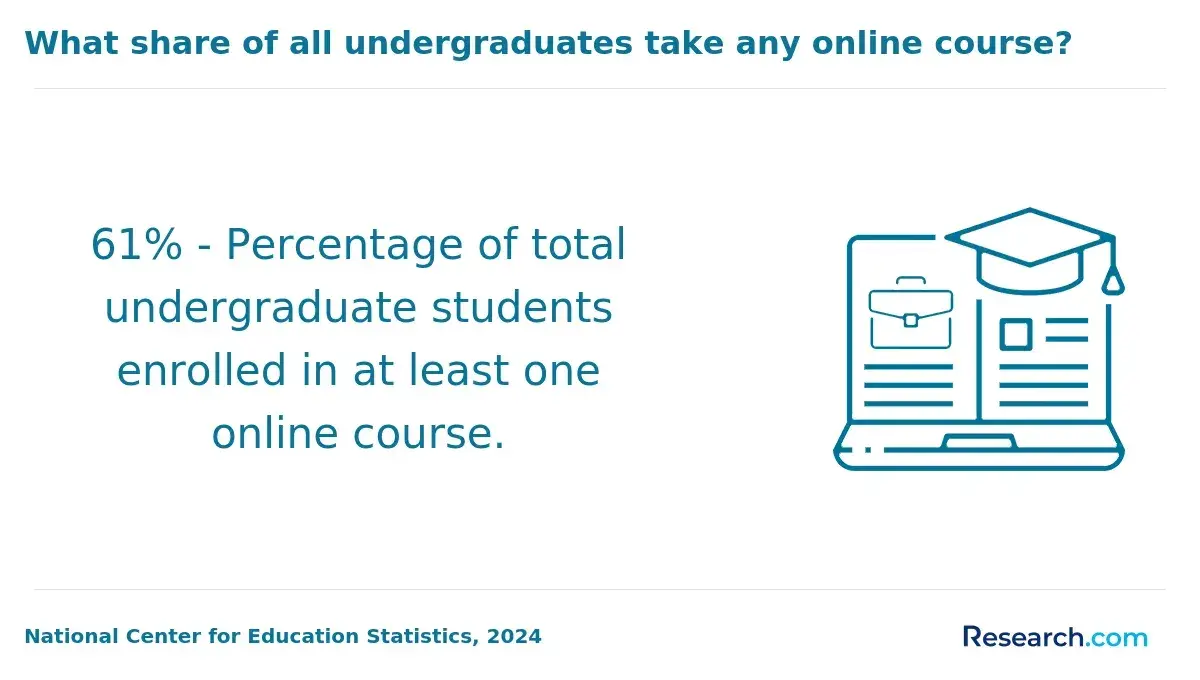
Recognizing credit requirements in both online and on-campus physical education programs is essential for making informed decisions and comparing academic pathways effectively. With online enrollment in physical education steadily rising, students need clear information to align their educational goals with program demands. Key points to consider include:
- Credit Hours Consistency: Most physical education bachelor's degrees require between 120 and 130 credits, whether completed online or in person. This standardization ensures students meet comparable academic standards regardless of delivery format.
- Course Structure Variation: Online programs often incorporate digital assignments, video demonstrations, and discussion forums, while on-campus courses may focus more on hands-on labs and face-to-face interactions. These differences affect learning styles but not credit totals.
- Flexible Pacing: Online formats typically allow asynchronous learning, enabling students to balance studies with work or personal commitments. This flexibility helps maintain steady progress toward graduation.
- Graduation and Licensure Alignment: Credit requirements are designed to prepare students comprehensively for state licensure and career readiness, maintaining uniform expectations across modalities.
How Many Credits Are Required in Accelerated Physical Education Programs?
For students seeking to finish their degrees quickly, knowing the credit requirements of accelerated physical education programs is crucial. This awareness helps in planning coursework efficiently while managing a demanding schedule. Below is an overview of typical credit expectations in these programs.
- Undergraduate Credit Loads: Accelerated physical education bachelor's degrees generally require between 120 and 130 credits. These are split between essential courses in areas like kinesiology and pedagogy, and electives chosen for specific interests or career goals.
- Graduate Program Credits: Accelerated master's degrees typically range from 30 to 45 credits. The focus is on advanced theoretical knowledge and research, with electives often designed to support certification or licensure efforts.
- Credit Distribution: Core courses usually make up about 70% of the total credit hours, ensuring students build a strong foundational skill set. The rest comes from electives, which allow for customization according to individual academic or professional priorities.
- Intensive Accelerated Scheduling: Because coursework is compressed into shorter terms, students face a rapid pace and more frequent evaluations. This requires careful time management and commitment to meet the accelerated credit milestones.
How Many Transfer Credits Are Accepted Toward a Physical Education Degree?
Knowing how many transfer credits apply to a physical education degree is vital for those aiming to continue their studies or graduate sooner. Nearly 40% of students entering physical education programs transfer credits from previous institutions, making clarity on acceptance policies essential.
Below is an overview of typical transfer credit allowances by degree level.
- Associate degrees: These programs commonly accept about 60 transfer credits, covering most general education and elective courses. Core physical education classes may be included but vary by institution.
- Bachelor's degrees: Institutions usually permit between 60 and 90 transfer credits. While electives and general requirements transfer easily, core physical education courses face stricter limits due to curriculum standards.
- Master's and professional degrees: These graduate-level programs tend to accept fewer credits, often 6 to 12, focusing on coursework directly relevant to the advanced degree's objectives.
- Doctoral and accelerated programs: Transfer credits are minimal or rarely accepted, preserving the program's rigorous research and training focus.
Transferred credits generally apply to general education, electives, or occasionally major requirements, but policies differ widely.
Can Work Experience Count Toward Physical Education Degree Credits?
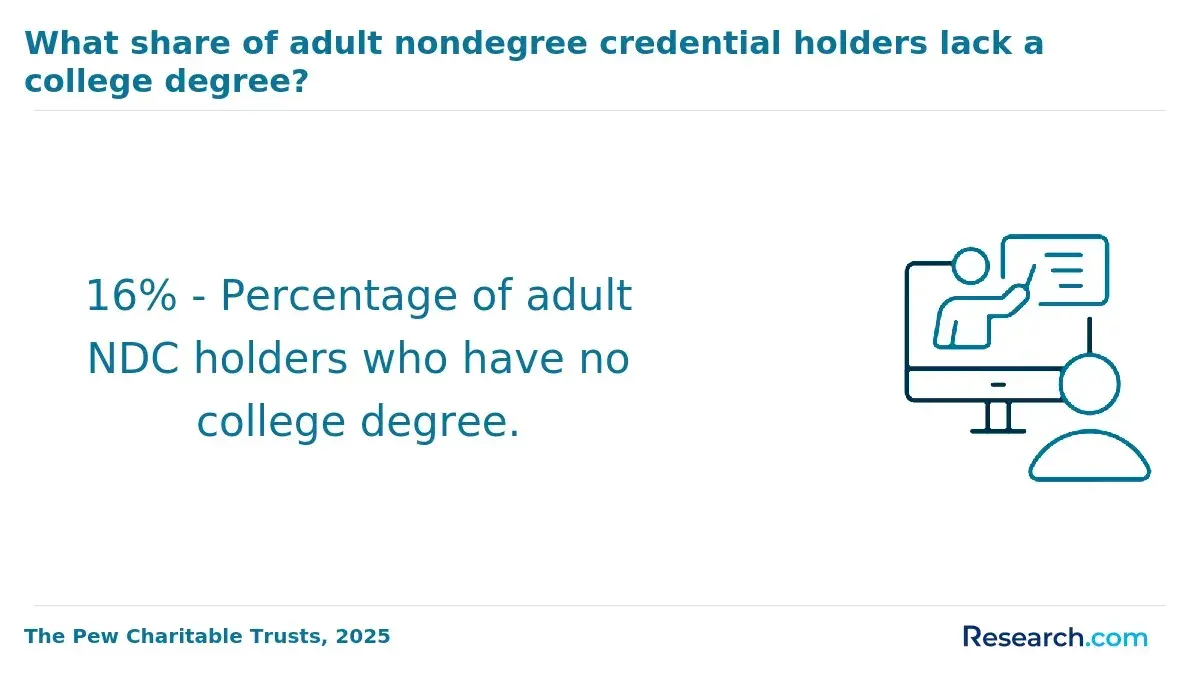
Prior learning assessment (PLA) allows students to earn academic credits by demonstrating knowledge and skills gained through relevant professional work experience. Typically, this involves experience closely tied to the curriculum of physical education degree programs. Eligible work experience often aligns with teaching, coaching, fitness training, or managing recreational activities.
The following outlines common types of such experience and key policies related to credit recognition.
- Teaching and Coaching Experience: Universities assess detailed records, such as portfolios or supervisor letters, to verify roles in teaching physical education or coaching sports teams. Documentation is critical to show the relevance of the experience to course outcomes.
- Fitness and Athletic Training: Experience in fitness instruction, personal training, or athletic therapy may qualify. Some programs offer challenge exams or skills demonstrations to supplement written documentation during prior learning credit policies for physical education programs.
- Program Management and Health Promotion: Managing recreational or wellness programs can count if the experience corresponds to degree learning objectives. Institutions typically cap credits earned via PLA to around 30% of total degree requirements to ensure academic rigor.
Careful academic advising is essential to navigate credit transfer and avoid delays. The use of work experience credit can notably shorten degree time and reduce tuition costs, making it attractive for working adults and career changers. Whether studying online or on campus, students benefit from understanding these policies early.
Those interested may also explore options like an online masters in psychology for flexible graduate pathways. These considerations are crucial for efficiently planning and completing a physical education degree while leveraging relevant career experience.
Do Licensure Requirements Affect Credit Hours in a Physical Education Degree?
Licensure requirements significantly influence the total credit hours needed in a physical education degree, often leading to adjustments beyond typical academic credits. Many states require specific coursework and supervised field experiences as prerequisites for teaching certification, which increases the overall credit load. Programs must align their curricula with these mandates, incorporating practicum hours, internships, or student teaching that count toward credit but may extend the time and tuition costs for degree completion.
This impact of licensure requirements on physical education credit hours means students need careful planning to meet both academic and professional standards, especially since requirements can vary by state or licensing board.
Accreditation ensures that physical education degree credit hour adjustments for teaching certification meet rigorous state and professional standards. Both campus-based and online programs must comply, though online students often coordinate local clinical placements to fulfill practical requirements. Aligning credit hours with licensure standards prepares graduates for certification exams and professional success but also adds complexity and financial considerations.
Prospective students should assess how these factors influence total program length, balancing them with potential career benefits. For further insights on career implications, students might explore the highest paying college majors, which contextualize education investment against job prospects.
How Do Universities Calculate Credits for a Physical Education Degree?
A credit hour typically represents one hour of lecture or direct instruction plus two hours of out-of-class work each week over a term, usually around 15 weeks. Understanding credit calculations is crucial for students planning a physical education degree so they can manage their academic load and meet graduation requirements efficiently.
- Lectures: Traditional lecture courses generally earn one credit hour per hour of classroom time weekly. These courses form the core instructional component and contribute substantially to the total credits needed.
- Labs and Clinicals: These hands-on sessions offer fewer credit hours relative to contact time because they emphasize practical skill development. Despite requiring significant time, their credit value reflects the balance between instruction and practice.
- Practicums and Project-Based Courses: Courses like practicums and capstones combine direct supervision with independent work. Credit hours are awarded based on the total expected student effort rather than contact hours alone, reflecting comprehensive learning outcomes.
- Undergraduate vs Graduate Programs: Undergraduate programs typically require around 120 credits including general education and major courses, while graduate physical education programs may require fewer credits with more focused, research-intensive coursework affecting credit assignments.
- Online vs On-Campus Formats: Credit calculations can differ due to delivery methods and interaction time. Accreditation standards ensure that credits from both online and on-campus physical education degrees maintain comparable educational rigor, facilitating transferability.
For students exploring pathways to a physical education degree, understanding credit hour requirements for physical education degrees and how universities assess credits for physical education programs can clarify course planning. Those considering broader options might also review an associates degree as a potential stepping stone in their academic journey.
How Do Physical Education Degree Credit Requirements Affect Graduation Timelines?
Degree programs in physical education typically require between 120 and 130 total credits, which combine general education, specialized physical education courses, and electives. These credit requirements directly influence the duration needed to complete the degree, helping students plan their academic progress effectively.
Several key elements impact how long it may take to graduate:
- Core credits: These include mandatory courses like kinesiology and sports science that often must be taken in a specific order. Because of sequencing and limited availability, they can extend the time needed to graduate, especially in on-campus settings.
- Elective requirements: Flexible elective courses offer students chances to explore related interests but add to the overall credit load. Choosing many electives may prolong study time if taken beyond full-time status.
- Transfer credits: Accepting previously earned credits from other institutions can reduce the number of courses required. Proper evaluation and application of these credits can accelerate degree completion.
- Accelerated formats: Online or hybrid programs often provide condensed courses with multiple start dates. These options can shorten timelines by enabling students to progress faster compared to traditional semesters.
- Prior learning assessment: Some programs grant credit for relevant work experience or certifications, lessening foundational course requirements. This recognition can speed up graduation, especially for adult learners.
Traditional campus programs usually follow fixed semester schedules, which may delay graduation if key courses are only offered once per year. Online options allow more flexibility with pacing and enrollment periods, helping students stay on track.
However, failing courses or not completing required credits in either format can lead to setbacks. Careful planning of credit loads each term is essential to maintain steady progress toward finishing a physical education degree on time.
Do More Credits Lead to Better Career and Salary Outcomes for Physical Education Graduates?
Completing additional academic credits in a physical education degree can enhance career advancement and open opportunities for leadership or specialized, higher-paying roles in certain fields. These extra credits often provide focused expertise or meet requirements essential for certification and licensure.
- Advanced Specializations: Additional coursework in areas like kinesiology or sports management strengthens qualifications for management or niche roles.
- Certification Preparation: Extra credits may be required to sit for professional exams or earn credentials that improve employability and salary.
- Technical Skills Enhancement: Elective courses developing practical skills can set candidates apart in competitive job markets.
- Lack of Clear Focus: Credits earned without targeting specific skills or credentials rarely boost earnings or career progress.
- Experience over Credits: Employers often prioritize hands-on experience and applicable skills rather than total coursework completed.
- Limited Impact Beyond Requirements: Accumulating credits beyond degree mandates without strategic planning generally offers minimal salary benefits.
Labor market patterns suggest that professional certifications and applied training frequently hold greater weight than mere credit accumulation in influencing salary and job prospects. Therefore, aligning credit completion with career goals and licensure standards is crucial for maximizing value and advancement in the physical education field.
What Graduates Say About The Credit Requirements for Their Physical Education Degree
- Porter: "I appreciated the flexibility that the online physical education degree offered, allowing me to complete credits at my own pace while working full time. The cost per credit was reasonable compared to traditional programs, making it a smart investment. Earning extra credits opened doors to advanced coaching certifications and leadership roles in my field."
- Elara: "Reflecting on my journey, the affordability of the physical education program stood out-especially since each credit cost less than in-person courses I had researched. The option to take additional credits online gave me the chance to specialize beyond the core curriculum, which has greatly enriched my teaching style and career opportunities."
- Linden: "The professional impact of pursuing extra credits in my physical education degree was immense. Balancing an online program's scheduling with my current job was challenging but feasible, and the per-credit cost was competitive with many university offerings. This flexibility and cost efficiency have allowed me to move into a management position within a fitness organization."
Other Things You Should Know About Physical Education Degrees
Most physical education degrees include required credits in related fields such as health education, exercise science, or nutrition. These interdisciplinary credits generally account for 10% to 20% of the total program credits to provide a comprehensive understanding of physical well-being. This holistic approach is critical for students preparing to work in diverse health and fitness environments.
Some physical education programs allow students to substitute credits through advanced placement (AP) exams, proficiency assessments, or challenge exams. However, policies on substitution vary widely, with some schools limiting the number of credits that can be earned this way to preserve academic rigor in subject-specific coursework. Prospective students should consult their academic advisor to understand applicable substitution options.
References
- Bachelor of Physical Education and Sport Science https://www.vu.edu.au/courses/bachelor-of-physical-education-and-sport-science-sbph
- How Many Physical Education Credits Do You Need to Graduate - Oreate AI Blog https://www.oreateai.com/blog/how-many-physical-education-credits-do-you-need-to-graduate/4ae915dfac329aede914e547c7a3c360
- Manhattanville University https://www.mville.edu/programs/phyiscal-education-accelerated-program.php
- Physical Education Teacher Salary | ValidGrad https://validgrad.com/blog/physical-education-teacher-salary/
- Professional career in physical education: a systematic review http://pepsic.bvsalud.org/scielo.php
- MAT in Physical Education Program - Online Curriculum Requirements https://www.mckendree.edu/admission/info/graduate/maed/mat-k12-physical-education.php
- 2025-2026 Undergraduate Catalog Major in Physical Education, Physical Education Teacher Education Sequence Degree offered: B.S. in Ed. https://illinoisstate.edu/catalog/undergraduate/kinesiology-recreation/physical-education-teacher-education-course-requirements/
- Physical Education/Health Education Accelerated Degree Program https://www.brockport.edu/live/profiles/physical-education-health-education-accelerated
- Transfer credit practices https://admission.universityofcalifornia.edu/counselors/preparing-transfer-students/transfer-credit-practice.html
- Undergraduate degree in Physical Education and Sports Sciences https://web.ua.es/en/grados/grado-en-ciencias-de-la-actividad-fisica-y-del-deporte/admission.html


