
2027 Business Administration Careers: Guide to Career Paths, Options & Salary

Co-Founder and Chief Data Scientist
Author note from Imed Bouchrika, PhD, career planning expert:
If you are considering a business administration career, you are probably trying to solve one of three problems: choosing a degree, picking a specialty, or deciding whether the return justifies the cost. Business administration is appealing because it opens doors in many industries, but that flexibility can also make the decision harder. This guide breaks down the career paths, education options, skills, salary considerations, job outlook, and value questions that matter most in 2026 so you can make a smarter choice.
Quick answer: Is business administration a strong career path?
Yes, business administration can be a strong and practical career path because it supports work in finance, marketing, operations, human resources, consulting, project management, sales, and entrepreneurship. The US Bureau of Labor Statistics (BLS) projects 942,500 annual openings across business and financial occupations, and Indeed.com reports a median annual income of $62,579 for people with a business administration degree. Some roles can pay more than $100,000, but your results will depend on experience, location, industry, and specialization.
Why business administration still matters now
Employers continue to value professionals who can manage budgets, analyze data, improve processes, coordinate teams, and communicate clearly. That makes business administration useful for students who want flexibility and for working adults who need credentials that can translate across industries. In a labor market shaped by digital transformation, AI tools, cost pressure, and global competition, business fundamentals are still highly relevant.
What you will learn in this guide
- Which business administration careers pay well and what they involve
- Which education path fits your goals, budget, and timeline
- How business administration compares with business management
- What skills employers expect in 2026
- How to evaluate affordability, ROI, and accreditation before enrolling
- Which mistakes to avoid when choosing a program or career direction
Key benefits of a business administration career
- Flexible career options: The degree can support work in many industries instead of locking you into one narrow field.
- Widely understood credential: Business administration degrees are familiar to employers, especially when earned from accredited institutions.
- Multiple growth paths: Graduates can move toward management, analytics, finance, consulting, operations, sales leadership, or entrepreneurship.
- Income can rise with specialization: The cited median yearly earnings are $62,579, and some career tracks can exceed $100,000.
- Best business administration careers for 2027
- Education paths for business administration careers
- Benefits of earning an MBA in business administration
- International recognition of business administration degrees
- Entering business administration with a non-business degree
- Skills needed for business administration jobs
- Business administration vs. business management careers
- Affordability factors for business administration degrees
- Job outlook for business administration careers
- Average salary for business administration degree holders
- Is business administration the easiest business career route?
- Industries with high salary potential
- Can a one-year MBA speed up leadership growth?
- Trends shaping business administration education
- Online MBA cost and long-term value
- How economics strengthens business administration careers
- Business administration as a foundation for entrepreneurship
- Globalization and business administration careers
- Benefits of specializing in business analytics
- Return on investment for a business administration degree
- Challenges business administration professionals face
- How fast online business administration programs can support career growth
Best Business Administration Careers for 2027
The best business administration job depends on whether you prefer working with people, data, systems, strategy, or revenue. Some roles lean heavily on analysis, while others reward leadership, communication, and execution. The table below shows common career paths, typical responsibilities, and the salary ranges cited in the source material.
| Career | Typical responsibilities | Best fit for students who like | Annual salary range |
| Marketing Manager | Leads campaigns, studies buyer behavior, manages budgets, and coordinates promotion for brands or products. | Creativity, market research, analytics, and campaign planning | $104,384 to $136,377 |
| Human Resources Manager | Oversees recruiting, employee relations, benefits, compensation, performance systems, and labor compliance. | People operations, policy, conflict resolution, and workplace culture | $105,465 to $134,000 |
| Intermediate Financial Analyst | Examines financial data, builds forecasts, prepares reports, and helps leaders interpret performance. | Spreadsheets, modeling, finance, and evidence-based decision-making | $71,690 to $88,690 |
| Operations Manager | Improves workflows, allocates resources, supervises teams, and reduces waste or delays. | Logistics, process improvement, systems, and productivity | $106,475 to $133,691 |
| Project Manager | Defines scope, manages deadlines, coordinates teams, tracks budgets, and manages risk. | Organization, leadership, timelines, and cross-functional work | $127,177 to $159,070 |
| Management Analyst | Studies business problems, identifies inefficiencies, and recommends improvements. | Research, consulting, diagnostics, and problem-solving | $76,369 to $95,335 |
| Business Consultant | Advises organizations on strategy, operations, growth, restructuring, or marketing. | Client work, analysis, presentations, and strategy | $106,142 to $142,764 |
| Sales Manager | Sets targets, coaches sales teams, reviews performance, and builds revenue plans. | Negotiation, relationship-building, targets, and coaching | $116,476 to $158,131 |
| Accountant | Maintains records, prepares statements, checks compliance, and supports financial decisions. | Accuracy, reporting, documentation, and compliance | $56,410 to $122,110 |
| Supply Chain Manager | Coordinates vendors, procurement, inventory, logistics, contracts, and availability of goods. | Operations, forecasting, negotiation, and global movement of products | $110,210 to $141,239 |
Use salary ranges as directional only. Compensation depends on level, company, market, and industry demand. A role that starts lower can still lead to strong earnings later if it builds specialized experience.
The chart below summarizes the highest annual salary listed for these occupations.
What Graduates Say About Their Business Administration Degree
"My business administration degree let me test several functions before I settled on a path. I started in human resources and later moved into project management, where planning and communication became my strongest assets." - Sarah, Project Manager
"What I value most about my business background is the ability to connect everyday operational problems to larger company goals. I use data to identify bottlenecks, propose changes, and measure whether performance actually improves." - David, Operations Analyst
"Sales leadership is not just about knowing business theory. The degree helped me understand pricing, strategy, and customer value, but real results come from building trust and relationships." - Lisa, Sales Manager
What Are the Different Educational Paths for a Business Administration Career?
There is no single required route into business administration. Some people begin with an associate degree, others complete a bachelor’s degree, and many return later for an MBA or a targeted certificate. The best choice depends on your current education, budget, work experience, and how quickly you need to move into the workforce.
| Education path | Typical purpose | When it makes sense | Important caution |
| Associate's Degree in Business Administration | Introduces core business concepts in a two-year format and may support transfer into a bachelor’s program. | You want a lower-cost start, entry-level office work, or a transfer pathway. | Many management-track positions still expect a bachelor’s degree or higher. |
| Bachelor's Degree in Business Administration (BBA) | Covers accounting, finance, marketing, management, and operations at the undergraduate level. | You want the most common starting credential for business administration careers. A bachelor-level business administration program can be a practical first step. | Accreditation and outcomes matter more than convenience alone. |
| Bachelor's Degree in a Business Specialization | Focuses more narrowly on areas such as finance, marketing, accounting, or human resources. | You already know the function you want to enter. | A narrower degree may reduce flexibility if your interests change later. |
| Master of Business Administration (MBA) | Builds advanced knowledge in strategy, leadership, finance, operations, and organizational decision-making. | You have professional experience and want to move into leadership, consulting, or entrepreneurship. | Tuition and time should be weighed against realistic career goals and likely salary growth. |
| Business Certificates | Offers focused training in areas such as digital marketing, analytics, project management, or business software. | You need quick upskilling, a career pivot, or added proof of skill in one area. | Certificates usually complement experience or a degree rather than replace them for higher-level roles. |
How to choose the right education path
- Choose an associate degree if you want an affordable entry point and may transfer later.
- Choose a bachelor’s degree if you want the most versatile foundation for business roles.
- Choose a specialization if you already know your target function and want deeper preparation.
- Choose an MBA if you already have experience and want to move toward leadership or management.
- Choose a certificate if you need targeted skills without committing to a full degree right away.
What Are the Advantages of an MBA in Business Administration?
An MBA can be a useful next step for professionals who want to move beyond entry-level work and toward leadership, strategy, or executive-level responsibilities. Programs such as an AACSB accredited online MBA often emphasize finance, strategy, leadership, operations, and decision-making across departments.
The strongest advantages of an MBA are usually practical rather than symbolic:
- Stronger strategic thinking: MBA coursework often connects finance, marketing, operations, and organizational behavior so students can evaluate business problems more completely.
- Leadership development: Case studies, group projects, and simulations can help students practice managing teams, conflict, and change.
- Career mobility: An MBA may support movement into manager, director, consulting, or executive-track roles, but it does not guarantee promotion.
- Entrepreneurship preparation: Many programs teach business planning, financing, market analysis, and operational design.
- Professional network: Classmates, alumni, faculty, and employer connections can create valuable access to mentorship and opportunities.
An MBA tends to make the most sense when you already have a few years of work experience and a clear reason for returning to school. If your goal is simply to enter the workforce, a bachelor’s degree may be the better value.
Are Business Administration Degrees Internationally Recognized?
Business administration degrees are usually easy for employers in many countries to understand, especially when the institution is accredited and the degree title is standard. A finance degree can also be recognized internationally, but the same rule applies: the school’s credibility and the local labor market matter.
- Common degree titles help: BBA and MBA credentials are familiar in many global labor markets.
- Accreditation increases trust: International recognition is often stronger when the business school is accredited, such as by the Association to Advance Collegiate Schools of Business.
- Local requirements still apply: Some jobs require country-specific exams, registration, language proficiency, or additional credentials.
If you plan to work abroad, check whether employers in your target country recognize the credential and whether the role is regulated. A degree that is widely respected at home may still need to be paired with local licensing or certification elsewhere.
Can I Pursue a Business Administration Career With a Non-Business Background Degree?
Yes. Many professionals enter business administration after studying communications, engineering, liberal arts, public service, or a public administration degree. Employers often care less about the exact major and more about whether you can solve problems, communicate clearly, and connect your background to business results.
- Transferable skills matter: Writing, research, analysis, critical thinking, and communication all translate well into business roles.
- Your background can be an advantage: A different major may give you technical insight, policy experience, customer perspective, or industry knowledge.
- You may need business basics: Introductory coursework in accounting, finance, economics, marketing, or business analytics can help close skill gaps. Some MBA programs are also designed for students without an undergraduate business degree.
If you are switching fields, focus on how your previous experience supports business outcomes. Employers often respond well to clear examples of project coordination, reporting, team collaboration, budgeting, or stakeholder communication.
Required Skills for Business Administration
Business administration careers rely on both technical skill and professional judgment. Entry-level roles often emphasize accuracy, reporting, and execution. More advanced roles require leadership, decision-making, financial understanding, and the ability to turn strategy into action.
Essential technical skills for business administration careers
- Business software and digital fluency: Employers expect comfort with spreadsheets, collaboration tools, dashboards, reporting systems, CRM platforms, and project management software.
- Data management and statistics: You do not need to become a data scientist for most business roles, but you should know how to gather, organize, interpret, and present data responsibly.
- Project management: Coordinating tasks, timelines, budgets, risks, and team responsibilities is central to many business functions.
- Financial management: Business professionals should understand budgets, financial statements, cost drivers, variance analysis, and the financial effects of operational decisions.
General skills employers look for
- Leadership: Employers want people who can guide teams, make decisions, and stay effective under pressure. Structured leadership development can help professionals grow into management roles.
- Problem-solving: Strong candidates can identify root causes, propose solutions, and evaluate whether the solution worked.
- Presentation skills: Business professionals often need to explain data and recommendations clearly. Visual tools can help, especially when applying principles of using visual communication tools.
- Communication: Written and verbal communication are essential because the work involves coworkers, vendors, customers, executives, and external partners.
In practice, employers often hire for potential and promote for performance. The more you can show that you understand both numbers and people, the stronger your position will be.
What Is the Difference Between Business Administration and Business Management Careers?
Business administration and business management overlap, but they are not the same. Business administration is usually more concerned with the systems, processes, and resources that keep an organization functioning. Business management is more focused on leading people, setting direction, and achieving goals through teams.
| Primary focus | Skills usually emphasized | Common career paths | |
| Business Administration | Improving the systems, processes, finances, and functions that support daily business operations | Analysis, attention to detail, financial literacy, documentation, business software, and process control | Accountant, Financial Analyst, Project Manager, HR Specialist |
| Business Management | Leading teams, setting goals, and aligning people and resources with organizational strategy | Communication, delegation, coaching, motivation, interpersonal judgment, and planning | Operations Manager, Marketing Manager, Sales Manager, CEO |
In smaller companies, one person may handle both administration and management. In larger organizations, the two functions are often divided into more specialized roles.
What Factors Influence the Affordability of Business Administration Degrees?
The published tuition price is only one part of the total cost. Affordability also depends on fees, books, software, commuting, relocation, transfer-credit policies, and the amount of time you must reduce work hours to study.
Online programs can lower some non-tuition costs, especially for working adults who want to avoid commuting or relocation. If budget is your main concern, comparing the cheapest business administration degree online options can help you identify programs that fit your finances without sacrificing quality.
Before enrolling, compare the full cost of attendance, not just sticker price. A more expensive school may still be the better deal if it accepts more transfer credits, offers better financial aid, or helps you graduate sooner.
Questions to ask before choosing a business administration program
- Is the institution accredited, and does the business school have programmatic accreditation if that matters for my goals?
- How many of my previous credits will transfer, and will they count toward major requirements?
- What is the total cost after tuition, fees, books, software, and commuting or living expenses?
- Does the program offer internships, employer connections, career coaching, or alumni networking?
- Are the online classes asynchronous, synchronous, or a mix of both?
- Will the schedule fit my job, family responsibilities, and graduation timeline?
What Is the Job Outlook for Business Administration Careers?
According to the US Bureau of Labor Statistics (BLS), business and financial occupations are expected to generate an estimated average of 942,500 job openings annually, including openings from growth and from workers leaving roles permanently.
The BLS outlook cited for 2024 and 2034 says business and financial occupations are expected to grow faster than the average for all occupations. These roles include work in operations, finance, compliance, management support, analysis, and organizational decision-making.
This is encouraging for students, but it does not mean every business major will find the same opportunities. Demand is strongest when candidates combine business knowledge with practical skills, internships, and a clear specialization.
What Is the Average Salary for a Business Administration Degree Holder?
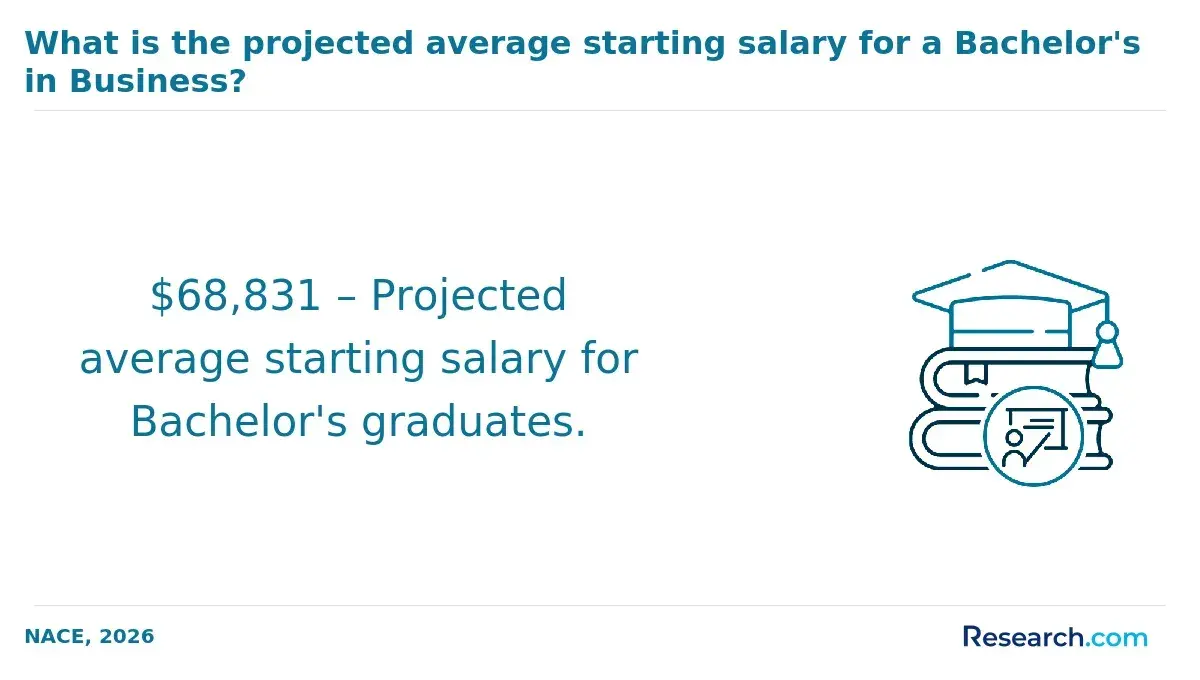
Salary varies by role, location, employer size, industry, and how specialized the job is. According to Indeed.com, the median annual income for those with a business administration degree is $62,579, and some roles can exceed $100,000.
Think of that number as a benchmark, not a promise. An entry-level coordinator or administrative role will usually pay differently from an experienced consultant, project manager, sales leader, or finance professional.
- Career path: Finance, consulting, analytics, project management, and sales leadership often pay differently from general administrative work.
- Experience: Compensation usually improves as professionals take on more responsibility or manage teams.
- Location: Salaries are often higher in large cities, but the cost of living can reduce the value of that pay.
- Industry: Technology, finance, consulting, healthcare, and energy may offer stronger compensation in selected business roles.
If salary is a major factor, compare entry-level, mid-career, and leadership roles in the industries you are considering. A degree’s value is not just what you earn in year one; it is also about what it can unlock later.
Is a Business Administration Degree the Easiest Route to Launching a Successful Career?
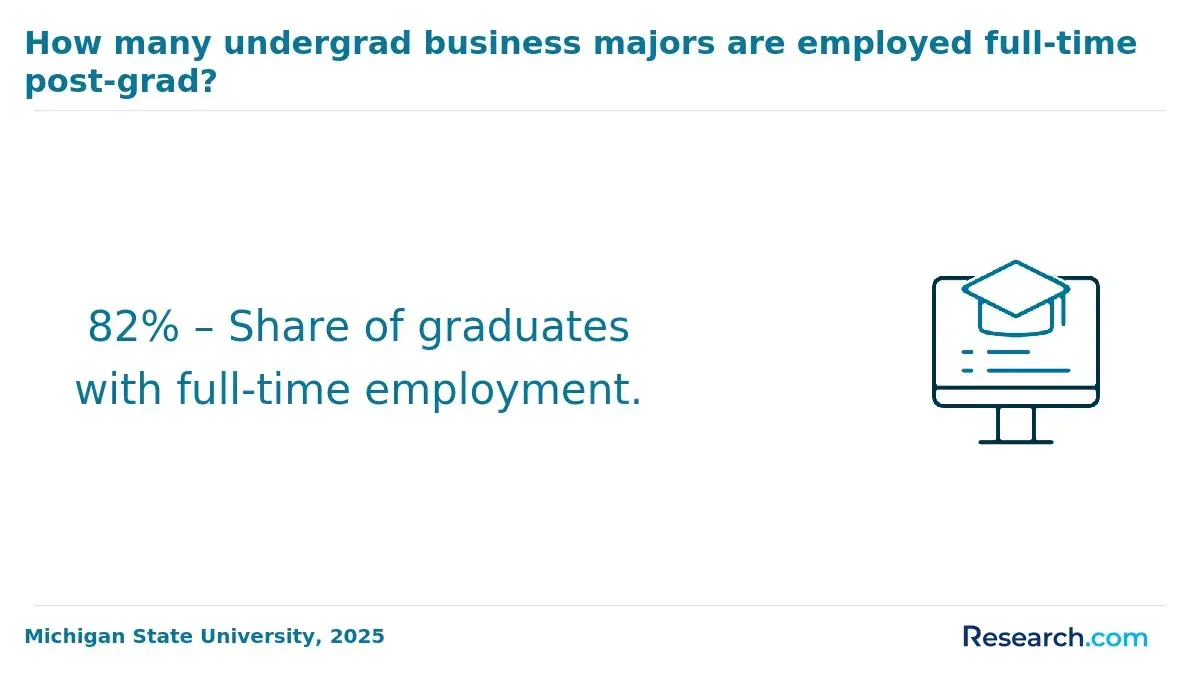
A business administration degree can be one of the more flexible paths into the business world, but it is not automatically the easiest. The curriculum gives students exposure to many functions, which helps undecided learners, but it still requires quantitative reasoning, writing, teamwork, presentations, and applied problem-solving.
If you want a less specialized business route, compare workload, support services, internship access, and career outcomes across programs. You can also review the easiest business major to see how different business degrees compare in difficulty and focus.
Which Industry Offers the Highest Salaries for Business Administration Careers?
No single industry offers the highest pay for every business administration role. Pay depends on the job title, company size, location, revenue model, and how specialized your skills are. Still, some industries often offer stronger salary ceilings.
- Finance: Investment banking, financial services, wealth management, and corporate finance can pay well for people with analytical and accounting skills.
- Technology: Business development, product operations, analytics, strategy, and IT project management can be highly competitive in tech firms.
- Consulting: Management consulting often values business administration training, especially when paired with an MBA and client-facing experience.
- Healthcare: Hospitals, insurers, pharmaceutical firms, and health systems need administrators who can manage finance, operations, compliance, and service delivery.
- Energy: Oil, gas, renewables, and utilities often pay well for business professionals in project management, operations, supply chain, and finance.
Do not choose an industry based on salary alone. Work hours, travel, growth potential, stress level, and fit with your strengths matter just as much.
Can a One-Year MBA Speed Up Leadership Growth?
A one-year MBA can help experienced professionals build leadership skills faster than a traditional two-year program, but the pace is intense. These programs compress strategy, finance, operations, leadership, and team-based learning into a shorter schedule, which may reduce time away from work.
This option can make sense if you already have professional experience, know your career target, and can handle accelerated coursework. To compare shorter graduate options, review MBA one year program formats and check whether the schedule, accreditation, cost, and career support fit your plans.
What Are the Emerging Trends in Business Administration Education?
Business administration programs are changing to reflect what employers want: digital fluency, analytical thinking, cross-cultural communication, and the ability to use technology well. Many curricula now include AI, business analytics, sustainability, virtual collaboration, and digital transformation.
Students who want a shorter route into graduate study may also compare accelerated options such as the fastest online MBA. The key is to look beyond buzzwords and ask whether the program teaches practical skills that employers actually use.
- AI and automation: More programs are adding coursework that explains how businesses use AI tools and automate routine work.
- Analytics-first decision-making: Employers increasingly expect graduates to interpret dashboards, performance data, and customer trends.
- Remote and hybrid teamwork: Communication and project coordination in digital environments are becoming standard business skills.
- Sustainability and ethics: Some employers want leaders who can balance performance with compliance, governance, and long-term responsibility.
Does the Cost of an Online MBA Drive Long-Term Career Benefits?
An online MBA can be worthwhile when its cost, accreditation, reputation, curriculum, and career support fit your goals. It is not automatically a good investment for every student, so the real question is whether the program will help you reach a better role, a stronger network, or a higher earning ceiling.
Resources on online MBA price can help you compare options before you enroll. A good ROI calculation should include tuition, fees, debt, lost income, target salary, and the probability that the credential will be recognized in your field.
How to judge MBA value before enrolling
- Estimate the total cost, not just tuition.
- Compare your current salary with the likely salary range in your target role.
- Check whether employers in your industry value the credential.
- Review career services, internship access, alumni reach, and networking opportunities.
- Make sure the program supports your timeline and work schedule.
How Does Integrating Economics Studies Enhance Business Administration Careers?
Economics strengthens business administration training by helping professionals understand incentives, pricing, markets, risk, and business cycles. That perspective is useful in strategy, finance, operations, consulting, public policy, and international business.
Students who want to deepen their economics knowledge without overspending can explore the most affordable online degree economics options. The right choice depends on whether you want a full degree, a minor, a certificate, or a few courses that complement your business studies.
Is a Business Administration Degree a Good Foundation for Entrepreneurship?
Yes. Business administration gives future founders exposure to the core functions they will need to run a company: finance, accounting, marketing, operations, strategy, hiring, and customer analysis. It can also make it easier to talk with lenders, investors, vendors, and team members.
- Business fundamentals: Students learn how organizations earn revenue, control costs, and allocate resources.
- Practical training: Many programs include business planning, market research, financial analysis, presentations, and problem-solving.
- Networking: Group work, internships, faculty, and alumni can become sources of support or collaboration.
- Professional discipline: Completing a degree helps build time management, persistence, and accountability.
That said, a degree does not make someone startup-ready by itself. If you want to launch a business, you also need industry knowledge, customer testing, sales skills, legal basics, tax awareness, and risk management.
How Does Globalization Impact Business Administration Careers?
Globalization expands what business administration professionals may be asked to handle. Even if you work in one office, your responsibilities may involve suppliers, customers, regulations, or teams in other countries.
- Cross-border operations: Business administrators may need to understand tariffs, trade rules, regulations, and local business practices.
- Cultural competence: Global teams require awareness of communication styles, negotiation norms, and management expectations across cultures.
- Supply chain complexity: Operations and supply chain professionals often manage logistics, timing, risk, and compliance across borders.
- Technology integration: International work depends on collaboration tools, analytics systems, enterprise software, and secure communication.
- Market expansion: Business professionals may help evaluate new markets, study competitors, and shape entry strategies.
Global work can raise both opportunity and complexity. Students who want international careers should build language skills, cultural awareness, and an understanding of regional business rules.
What Are the Benefits of Specializing in Business Analytics?
Business analytics is one of the most practical specializations for students who want to connect data with decisions. It can prepare you for forecasting, performance measurement, customer analysis, operations improvement, and strategic reporting.
An online MBA business analytics program may be a good fit for professionals who want graduate-level business training with a stronger analytics focus. Before enrolling, review the tools taught, the amount of hands-on work, the faculty background, and whether students work with real business datasets.
When business analytics is a smart specialization
- You like numbers, patterns, and evidence-based decisions.
- You want a skill set that applies across industries.
- You are interested in roles tied to reporting, forecasting, operations, or strategy.
- You want to stay relevant as employers expect stronger data literacy.
What Is the Return on Investment for a Business Administration Degree?
ROI depends on how much you pay, how long you stay in school, how much debt you take on, and whether the degree helps you move into better-paying or more flexible roles. Business administration has stronger ROI when the program is affordable, accredited, aligned with your goals, and paired with internships or real work experience.
Some experienced professionals pursue advanced credentials such as an online DBA to build deeper expertise in leadership, operations, research, or strategy. That path is usually a better fit for seasoned professionals than for students who want a quick entry-level credential.
- Compare total program cost with realistic salary growth, not best-case outcomes.
- Check whether the degree can help you access promotions, leadership roles, or a new industry.
- Value the skills gained, including analytics, finance, communication, and leadership.
- Consider long-term gains such as credibility, responsibility, and professional network access.
Simple ROI questions to ask yourself
- How much will I pay in tuition, fees, and lost income?
- How much higher is the salary in the role I want?
- Will this program help me get hired sooner, promoted faster, or change industries?
- Do employers in my field value this credential?
What Challenges Do Business Administration Professionals Face in Today’s Dynamic Business Environment?
Business administration professionals work in a fast-changing environment shaped by technology, data security, regulation, remote collaboration, and pressure to make faster, better decisions. The people who advance most often are the ones who keep learning after graduation.
Professionals in specialized sectors may also need industry-specific knowledge. For example, those interested in healthcare operations can examine the fastest online programs for healthcare administration to see how administrative skills apply in highly regulated settings.
Common mistakes to avoid
- Not checking accreditation: Accreditation affects credibility, transferability, financial aid, and employer trust.
- Focusing only on tuition: Fees, books, software, commuting, and time away from work all affect the real cost.
- Assuming online is easier: Online programs can be demanding and require strong self-management.
- Choosing based on rankings alone: Rankings may not reflect your budget, schedule, or career goals.
- Expecting a guaranteed salary: A degree can expand opportunity, but pay still depends on role, market, and performance.
- Skipping applied experience: Internships, projects, and work samples help prove you can use what you learned.
How Fast Online Business Administration Programs Can Accelerate Career Growth
Fast online business administration programs can help students finish sooner, but speed should never replace quality. The best accelerated options still maintain accreditation, cover core business topics, and provide enough support for students juggling work and family responsibilities.
- Shorter completion timeline: Condensed courses may let students graduate sooner and pursue opportunities earlier.
- Flexible access: Online delivery can make school more manageable for working adults.
- Earlier career movement: Finishing sooner may help some students qualify for promotions or new roles more quickly.
- Stronger positioning: A completed credential, especially when paired with experience, can improve a resume or promotion case.
- Focused skill building: Good accelerated programs still cover strategy, finance, marketing, operations, and leadership.
If speed matters, compare the fastest online business degree options carefully. Ask about workload, transfer credit policies, faculty access, student support, and whether employers or graduate schools will respect the credential.
Key Insights
- Business administration is a flexible foundation for many careers, including finance, marketing, operations, HR, consulting, project management, analytics, sales, and entrepreneurship.
- The right education path depends on your stage of life: associate degree for a lower-cost start, bachelor’s degree for broad access, MBA for leadership growth, and certificates for targeted upskilling.
- Salary outcomes vary widely. The cited median annual income for business administration degree holders is $62,579, but specialization, experience, industry, and location can change earnings substantially.
- Accreditation, affordability, transfer credits, and applied learning matter more than marketing claims or rankings alone.
- Employers value a mix of financial literacy, data analysis, communication, leadership, project management, and software fluency.
- Trends such as AI, analytics, globalization, and digital collaboration are reshaping what business graduates need to know.
- Accelerated and online programs can be valuable, especially for working adults, but only if they are credible, manageable, and aligned with your long-term goals.
References:
- BLS. (2025). Business and Financial Occupations: Occupational Outlook Handbook. BLS
- Indeed.com. (2026). Business administrator salary in the United States. Indeed.com
- Salary.com. (2026). Accountant Salary | Salary.com
- Salary.com. (2026). Business Consultant Salary | Salary.com
- Salary.com. (2026). Human Resources Manager Salary | Salary.com
- Salary.com. (2026). Intermediate Financial Analyst Salary | Salary.com
- Salary.com. (2026). Management Analyst Salary | Salary.com
- Salary.com. (2026). Marketing Manager Salary | Salary.com
- Salary.com. (2026). Operations Manager Salary | Salary.com
- Salary.com. (2026). Project Management Manager Salary | Salary.com
- Salary.com. (2026). Sales Manager Salary | Salary.com
- Salary.com. (2026). Supply Chain Manager Salary | Salary.com
Other Things You Should Know About Business Administration Careers
In 2027, essential skills for business administration include data analysis, adaptability, leadership, digital literacy, and effective communication. These skills help professionals navigate technological advancements and address dynamic global business challenges.
In 2027, top industries hiring business administration graduates include technology, healthcare, financial services, and renewable energy. These sectors are expanding rapidly and need skilled professionals to manage operations, finance, and strategic growth. Companies in these areas offer competitive salaries and advancement opportunities.
In 2027, business administration adapts to marketplace demands by integrating AI and data analytics into strategic decision-making. Emphasizing sustainability and diversity, businesses seek leaders adept in digital transformation. Stay competitive through continuous learning and skill enhancement in areas like fintech and ethical management practices.


