
2027 How to Become an Occupational Therapist in Delaware

Co-Founder and Chief Data Scientist
Delaware offers a promising environment for occupational therapists, with employment projected to grow by 16% through 2030, surpassing the national average. This demand reflects the state’s aging population and increasing need for rehabilitative care. However, success in this field requires more than awareness of job prospects; understanding licensure, education, and continuing requirements is essential to navigate Delaware’s specific regulations effectively.
This article, prepared by experts in career planning, provides a clear path toward becoming an occupational therapist in Delaware. It explores necessary qualifications, certification processes, and practical steps, offering readers reliable information to make informed decisions about this rewarding profession.
Key Things to Know About Becoming an Occupational Therapist in Delaware
- Complete a master’s or doctoral program accredited by the Accreditation Council for Occupational Therapy Education; Delaware has limited local programs, so many candidates attend nearby states.
- Pass the National Board for Certification in Occupational Therapy (NBCOT) exam, which is required to obtain state licensure through the Delaware Division of Professional Regulation.
- Maintain licensure through ongoing continuing education; Delaware emphasizes staying current due to evolving healthcare standards and workforce needs, with demand projected to grow regionally.
- What are the education requirements to become an occupational therapist in Delaware?
- How do you get a state license to practice occupational therapy in Delaware?
- How often do you need to renew an OT license in Delaware?
- What continuing education is required for OT license renewal in Delaware?
- How much does it cost to become an occupational therapist in Delaware?
- What financial aid options are available for OT students in Delaware?
- Can out-of-state occupational therapists work in Delaware?
- How can occupational therapists access career support and networking opportunities in Delaware?
- What skills do you need to be a successful occupational therapist in Delaware?
- What specializations are available for occupational therapists in Delaware?
- What is the average salary of an occupational therapist in Delaware?
What are the education requirements to become an occupational therapist in Delaware?
Formal education is fundamental in equipping occupational therapists with the knowledge and skills needed to support patients’ physical, emotional, and developmental challenges effectively. This education ensures practitioners are prepared to address diverse needs through a combination of theoretical learning and practical application. Below are the key education requirements for becoming an occupational therapist in Delaware.
- Bachelor's Degree: A bachelor's degree from an accredited institution is the initial step, providing essential foundational knowledge. Students must complete prerequisite courses such as human anatomy, physiology, psychology, and statistics with a minimum GPA of 3.0, ensuring readiness for advanced occupational therapy studies.
- Master's or Doctoral Degree in Occupational Therapy: After undergraduate studies, candidates must earn a master's or doctoral degree through an ACOTE-accredited program. For instance, Delaware State University offers a Master of Occupational Therapy program that integrates 52 credits of professional coursework with clinical training over 2.5 years, aligning with occupational therapy education requirements Delaware expects.
- Supervised Fieldwork Experience: Completion of 24 weeks of supervised fieldwork is mandatory to gain practical skills under licensed professionals’ supervision. This experience, equivalent to 12 credits, bridges classroom theory with real-world practice and prepares students for the NBCOT certification and eventual licensure.
Prospective students should consider that the educational path requires significant commitment, but the combination of rigorous academic preparation and clinical exposure offers a comprehensive foundation.
Those interested in related healthcare fields might also explore opportunities such as a job in medical billing and coding as alternative or complementary career options within the health industry.
How do you get a state license to practice occupational therapy in Delaware?
Obtaining a Delaware occupational therapy license is a pivotal step for professionals aiming to establish credibility and comply with legal requirements in the state. Licensure confirms that therapists possess the necessary education, clinical skills, and ethical standards to provide safe and effective care.
Below is a summary of the essential steps outlining how to apply for an occupational therapy license in Delaware.
- Complete an Accredited Occupational Therapy Program: Candidates must graduate from a program accredited by the Accreditation Council for Occupational Therapy Education (ACOTE). Since Delaware currently lacks ACOTE-accredited OT programs, most applicants attend schools in neighboring states. Official transcripts must verify satisfactory completion of coursework and supervised fieldwork.
- Fulfill Supervised Fieldwork Requirements: A minimum of 24 weeks of supervised clinical fieldwork is mandatory. This experience offers critical hands-on training and must be verified through transcripts submitted with the application.
- Pass the NBCOT Examination: Passing the National Board for Certification in Occupational Therapy (NBCOT) Occupational Therapist Registered (OTR) exam is required. The exam fees range from $500 to $540 depending on the format. Candidates who do not pass initially must wait 45 days before retaking it.
- Submit the Delaware State Application: Applicants must send a completed application to the Delaware Board of Occupational Therapy Practice, including official transcripts, NBCOT results, and verification of any prior licenses. The initial licensure fee is currently $171, subject to change by the Board.
- Complete a Criminal Background Check: A state-mandated criminal background check is essential to maintain the integrity and safety of healthcare providers in Delaware.
- Monitor Application and Respond to Board Requests: After submission, applicants should regularly check the status via Delaware’s electronic licensing system and quickly provide any additional information requested.
For those considering related healthcare professions, it may be helpful to explore what requirements are needed to become a medical biller and coder to understand the diverse pathways within the medical field.
How often do you need to renew an OT license in Delaware?
License renewal plays a vital role in maintaining the integrity and professionalism of occupational therapy practice in Delaware. It guarantees that license holders remain accountable to state regulations and ethical standards while keeping pace with advancements in healthcare.
Without such a system, there is a risk that practitioners could fall behind on critical knowledge or fail to meet evolving requirements, potentially impacting the quality of care delivered to patients.
In Delaware, occupational therapists must renew their licenses every two years, with the deadline consistently set at July 31 of even-numbered years. Renewal periods typically open months in advance, providing sufficient time to gather necessary documentation and complete continuing education requirements.
Although the state does not explicitly provide a formal grace period, failure to renew on time can lead to penalties, including late fees or temporary suspension from practice until all conditions are met. This structured renewal timeline helps ensure therapists maintain eligibility and stay informed about legal and professional developments that affect occupational therapy within Delaware’s healthcare system.
When asked about his experience with this process, an occupational therapist who graduated locally described the renewal as “a manageable but diligent commitment.” He shared, “Staying on top of continuing education and submitting everything before the July deadline demands careful planning—especially juggling work and family.”
He emphasized that knowing the cyclical nature of renewal helped him organize his year and avoid last-minute stress. “It’s reassuring to have clear timelines, though the absence of an official grace period means you have to be proactive. Overall, it’s a positive part of maintaining trust in our profession.”
What continuing education is required for OT license renewal in Delaware?
Continuing education is an essential aspect for occupational therapists in Delaware to sustain their professional competence, adhere to state standards, and remain informed about evolving therapeutic approaches and regulations.
Engaging in ongoing learning not only supports quality care but also aligns practitioners with current best practices and ensures compliance with regulatory requirements. This commitment to development is reflected in the Delaware occupational therapy continuing education requirements.
- General CEU Requirements: Occupational therapists must complete 24 continuing education units (CEUs) every two years by July 31 of even-numbered years for license renewal. This structured approach encourages professionals to keep pace with advancements and innovations in occupational therapy.
- Prorated CEUs for New Licensees: New licensees face a prorated CEU requirement depending on the remaining licensing period, ranging from the full 24 hours if more than 21 months remain, to fewer hours for shorter durations. This system acknowledges different entry times within the licensing cycle while maintaining educational standards.
- Course Approval and Topics: Courses must be approved by the Delaware Board of Occupational Therapy Practice and relevant to occupational therapy. Since not all courses qualify, verifying approval with providers is crucial to ensure that completed education meets licensure requirements.
- Reporting and Documentation: Licensees are required to attest to completing their CEUs when renewing licenses through DELPROS, Delaware’s online professional licensure system. Additionally, selected practitioners undergo audits to verify their compliance with continuing education mandates.
- Additional Requirements for OTAs: Occupational Therapy Assistants are held to the same continuing education standards as occupational therapists, completing 24 CEUs every two years with no extra separate obligations specified.
For occupational therapists interested in expanding their knowledge in related healthcare fields, understanding what is involved in medical billing and coding can provide valuable insight into administrative aspects often intertwined with clinical practice.
Overall, recognizing these OT license renewal CEU requirements Delaware helps ensure compliance and promotes lifelong professional growth.
How much does it cost to become an occupational therapist in Delaware?
The cost of becoming an occupational therapist in Delaware depends on several factors including education, examination fees, and licensing expenses. These costs vary widely, so prospective students should consider each element carefully when planning their financial commitments.
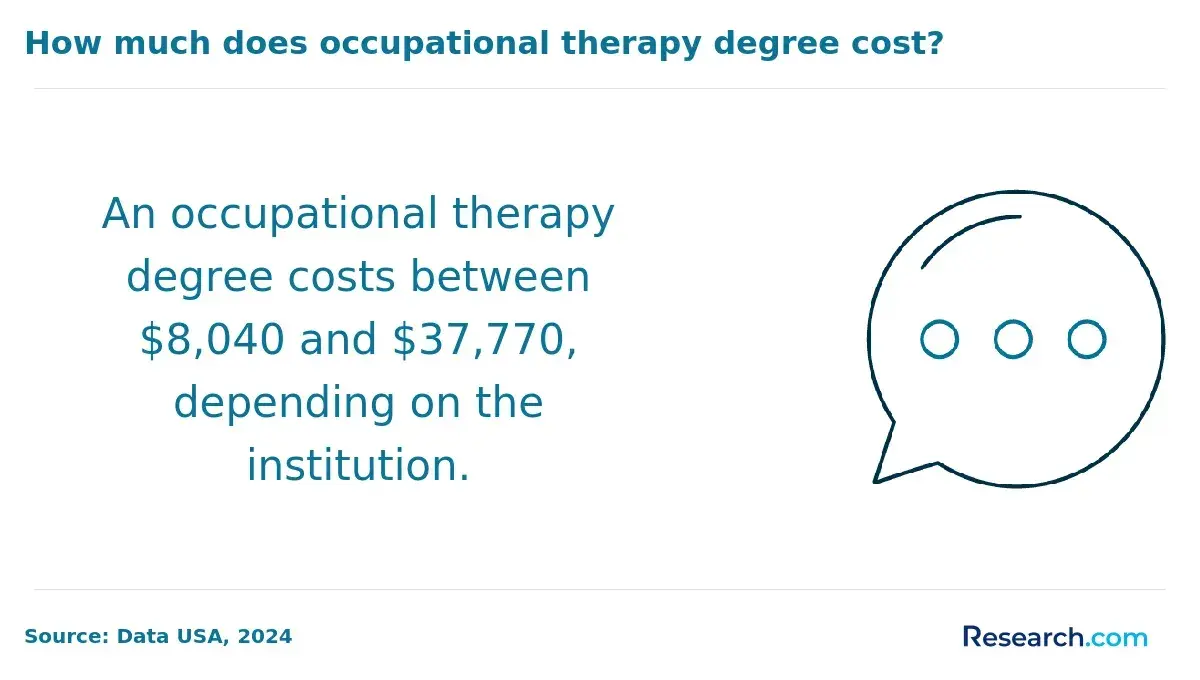
- Education and Tuition: Tuition for occupational therapy programs varies by institution and degree type. While Delaware State University offers a 2.5-year Master of Occupational Therapy program, tuition fees can range greatly, with many graduate programs exceeding $50,000 over two years. It's important to research multiple programs to find one that balances cost with quality and accreditation.
- NBCOT Examination Fees: The National Board for Certification in Occupational Therapy exam costs $500 online or $540 on paper, fees that apply to both Occupational Therapist Registered (OTR) and Certified Occupational Therapy Assistant (COTA) candidates. Choosing the exam format may influence not only cost but also convenience and timing.
- State Licensure Application Fees: Delaware charges $236 to apply for an occupational therapist license and $96 for an occupational therapy assistant license. These non-refundable fees are submitted through the DELPROS system, and additional charges may apply for temporary licenses or renewals.
- Background Checks and Additional Costs: Criminal background checks are typically required and can cost between $50 and $100 depending on the provider. Prospective therapists should also account for continuing education expenses, which vary but often fall between $11 and $20 per credit hour, as well as optional professional memberships that may carry annual dues.
What financial aid options are available for OT students in Delaware?
Financing occupational therapy education in Delaware involves navigating a variety of aid sources, each with distinct eligibility requirements and benefits. Given the significant investment required for graduate-level training, understanding available financial aid can help mitigate costs and make the pathway to licensure more accessible.
Below are key options OT students should consider when planning their funding strategies.
- Federal Pell Grants: Primarily available to undergraduate students demonstrating financial need, these grants range up to $6,495 annually and do not require repayment. Although less common for graduate OT programs, certain transition programs may still qualify, offering limited relief during prerequisite coursework.
- Federal Student Loans: OT students enrolled at least half-time can access Direct Subsidized, Unsubsidized, and Grad PLUS Loans. While loans must be repaid, they often include flexible plans based on income, making them a practical option despite the long-term financial commitment.
- Delaware State Grants and Scholarships: State-specific awards like the Delaware Advance Scholarship provide $3,000 to $5,000 yearly, mainly supporting recent high school graduates in undergraduate prerequisites. There is no dedicated state grant for OT graduate students, so exploring general state aid is advisable.
- University-Based Scholarships: Institutions such as the University of Delaware offer scholarships like the Frueauff Foundation Award, which grants up to $10,000 annually to outstanding OT graduate students. Contacting university financial aid offices ensures access to the latest institutional funding opportunities.
- Professional and Association Scholarships: National organizations including the American Occupational Therapy Foundation offer numerous competitive scholarships between $150 and $5,000. Delaware OT students should also investigate additional funding through local professional associations and certification bodies.
Can out-of-state occupational therapists work in Delaware?
Out-of-state occupational therapists can practice in Delaware, but they must obtain a Delaware state license because the state does not participate in the Occupational Therapy Licensure Compact. This means that even experienced therapists licensed elsewhere cannot transfer their credentials directly.
Instead, they must apply for licensure by endorsement, demonstrating they meet Delaware’s standards, including graduation from an accredited program and passing a national certification exam. The endorsement process involves verification of licenses, professional references, and a criminal background check conducted through Delaware’s online DELPROS system, which streamlines document submission and status tracking.
While this process adds steps compared to compact states, it ensures that all practitioners meet Delaware’s regulatory requirements for safe practice.
An occupational therapist from Delaware who graduated locally shared that, although she navigated the endorsement procedures herself to help a colleague relocating from out-of-state, she appreciated the thoroughness. She recalled, “It wasn’t just paperwork; it felt like the state wanted to make sure everyone practicing here truly belongs. The experience was detailed but fair, and ultimately welcoming.”
How can occupational therapists access career support and networking opportunities in Delaware?
Occupational therapists in Delaware can enhance their career development through targeted support networks and professional associations that facilitate mentorship, continuing education, and interdisciplinary collaboration. Local workshops, state-sponsored seminars, and employer-sponsored mentorship programs provide structured opportunities to exchange expertise and insights directly relevant to Delaware’s healthcare environment. Additionally, exploring complementary certifications, such as how to become a caregiver in Delaware, can further diversify one’s skill set while opening new avenues for practical collaboration and career growth.
What skills do you need to be a successful occupational therapist in Delaware?
To effectively support clients in regaining independence and enhancing their quality of life, occupational therapists in Delaware must cultivate a specific set of professional skills. These competencies not only improve patient outcomes but also enable therapists to function efficiently within interdisciplinary healthcare teams across varied settings.
Given the state’s projected occupational therapy employment growth rate, mastering these skills is increasingly important. Below are key abilities essential for success in this field:
- Clinical Reasoning and Problem-Solving: Enables therapists to develop tailored treatment plans addressing unique client needs, ensuring interventions are evidence-based and outcome-driven.
- Communication and Interpersonal Skills: Facilitates clear dialogue with clients and colleagues, fostering trust, cultural competence, and collaborative care.
- Adaptability and Flexibility: Allows therapists to respond effectively to diverse populations and evolving healthcare practices, critical in a rapidly changing environment.
- Technical Competence and Continuing Education: Ensures mastery of therapeutic technologies and compliance with Delaware’s licensure requirements, maintaining high standards of care.
- Empathy and Emotional Intelligence: Supports client motivation and emotional support through understanding and managing complex psychosocial challenges.
What specializations are available for occupational therapists in Delaware?
Specialization empowers occupational therapists to focus their expertise on specific populations, clinical conditions, or distinct practice environments, which in turn broadens their career paths and enhances their effectiveness in patient care.
By exploring diverse Delaware occupational therapy career paths, practitioners can address unique community needs while expanding their professional opportunities. Below are several common specializations that reflect these focused areas.
- Pediatrics: Pediatric occupational therapists support infants, children, and adolescents by promoting developmental milestones and improving sensory processing. They often work in hospitals, outpatient clinics, school systems, and early intervention programs, where they help young clients participate fully in daily activities.
- Geriatrics: This specialization involves assisting older adults to maintain independence, manage chronic conditions, and prevent falls or injuries. Geriatric OTs are typically found in skilled nursing facilities, home health agencies, assisted living centers, and rehabilitation hospitals, responding to the state's aging population demands.
- Mental Health: OTs in mental health provide therapeutic support for individuals with psychiatric or emotional challenges, facilitating social skills, coping mechanisms, and structured daily routines. Their work settings include inpatient psychiatric units, outpatient clinics, and community mental health centers.
- Hand Therapy: Specialists in hand therapy focus on recovery from injuries and conditions affecting the upper extremities, such as fractures or repetitive strain. These therapists commonly practice in orthopedic clinics, specialized hand therapy centers, and rehabilitation facilities.
- Physical Rehabilitation: Rehabilitation-focused OTs assist patients recovering from injuries, surgeries, or neurological events by restoring functional mobility and independence. They usually work within acute care hospitals, inpatient rehab units, and outpatient therapy centers.
Those exploring occupational therapy specializations in Delaware might also consider emerging fields like maternal health, which supports prenatal and postpartum care. Continuous education plays a vital role here, and for those interested in expanding their skill set broadly, there are related online medical coding training programs that can complement occupational therapy expertise in certain administrative and clinical contexts.
What is the average salary of an occupational therapist in Delaware?
Several factors influence the average occupational therapist salary in Delaware, including experience level, work setting, and geographic location. These elements interact to create a range of pay scales across the state, reflecting both market demand and job responsibilities. Below are key factors shaping occupational therapy pay rates Delaware professionals encounter.
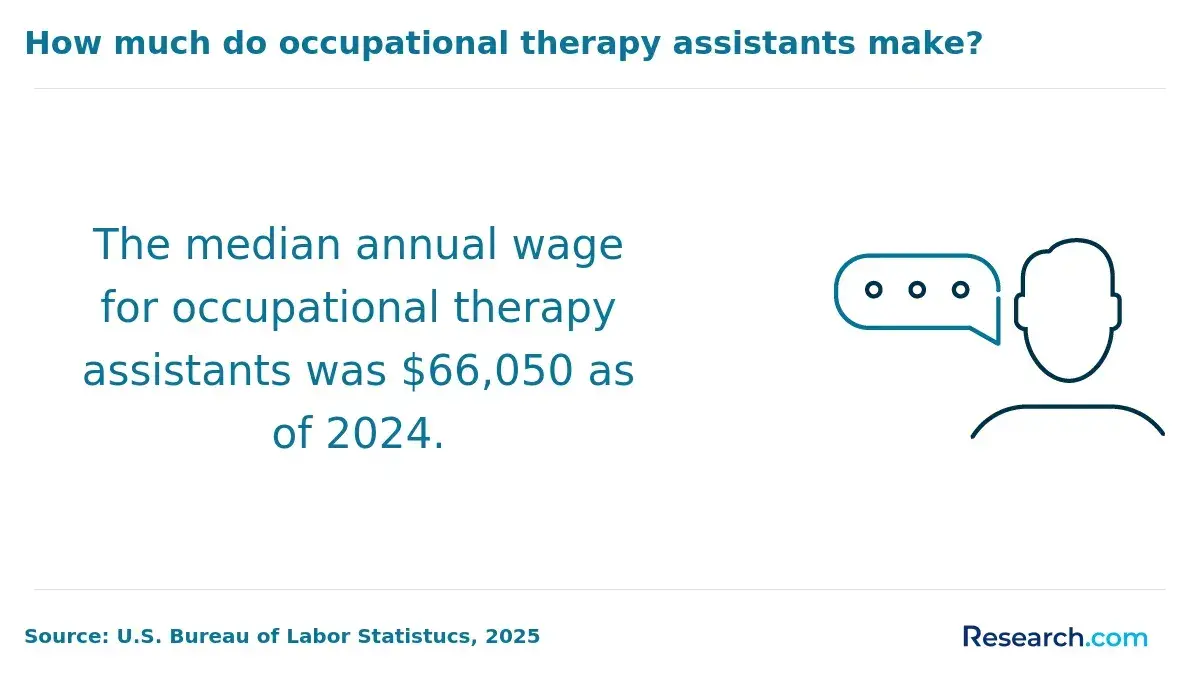
- Years of Experience: Entry-level occupational therapists generally earn lower wages, with beginners making around $45.41 per hour. As experience accumulates, salaries can rise substantially, with average annual salaries reaching about $109,035, highlighting the benefit of career longevity in this field.
- Type of Employer: Employers such as hospitals and specialty clinics tend to offer higher pay compared to educational or community settings. Home health agencies may compensate therapists at $58 or more per visit, reflecting additional challenges like travel and in-home care demands.
- Geographic Location Within Delaware: Regional demand and cost of living create pay variance across the state. Rural or underserved areas might provide competitive wages to attract occupational therapists, while urban centers often have more applicants which can moderate offered salaries.
- Level of Education and Certification: Advanced degrees and specialty credentials can lead to higher compensation, as employers value specialized expertise in fields like pediatrics or hand therapy.
- Work Setting and Schedule: Full-time roles generally offer stable annual pay, but contract or PRN positions may provide higher hourly rates to offset benefits absence, especially in settings with irregular hours or acute care needs.
- Economic and Job Market Trends: Delaware’s average hourly wage surpasses the national average, reflecting regional shortages and specific local demand. However, salary data may vary depending on sources and methodologies used.
For those considering this career path, exploring options for financial aid for medical coding and related studies can be a valuable step toward entering the occupational therapy profession.
What Do Occupational Therapists in Delaware Say About Their Career?
- Joshua: "Completing my occupational therapy certification at Delaware State University gave me a solid local foundation that truly prepared me for the unique challenges of working in Delaware’s school systems. Starting my career in a local school allowed me to integrate community values into my therapeutic approach, which has been deeply rewarding. I love seeing students overcome difficulties with the support of both educators and therapists, creating a positive ripple effect throughout the community. The professional stability here means I can focus on making long-term impacts. Working in Delaware offers a blend of career growth and heartfelt connection that I didn’t find anywhere else. "
- Kaira: "Graduating from Wilmington University’s occupational therapy program was a turning point that opened doors to a fulfilling career within Delaware’s academic institutions. I started working in a local school shortly after and quickly found that the close-knit culture of Delaware schools fosters strong relationships between staff and students. This environment allowed me to develop innovative approaches tailored to our community’s specific needs. The chance to grow professionally while directly contributing to children’s development has been inspiring. Every day feels like an opportunity to make a meaningful difference. "
- Adeleine: "My journey began with the University of Delaware’s OT program, which challenged me intellectually and prepared me to address the diverse needs of students in the region. Embracing the chance to work in Delaware's local schools has encouraged my personal growth and strengthened my commitment to community impact. The state’s unique cultural landscape and resources create distinct opportunities and challenges that push me to innovate constantly. I find great satisfaction in not just helping students but also contributing to a healthier, more inclusive environment that supports their well-being. "
Related Articles for Nearby States
- 2027 How to Become an Occupational Therapist in Maryland
- 2027 How to Become an Occupational Therapist in New Jersey
- 2027 How to Become an Occupational Therapist in Pennsylvania
- 2027 How to Become an Occupational Therapist in Virginia
- 2027 How to Become an Occupational Therapist in West Virginia
- 2027 How to Become an Occupational Therapist in New York
- 2027 How to Become an Occupational Therapist in Connecticut
- 2027 How to Become an Occupational Therapist in Rhode Island
- 2027 How to Become an Occupational Therapist in North Carolina
- 2027 How to Become an Occupational Therapist in Ohio
References:
- Student Financial Aid – Delaware Academy Of Medicine https://delamed.org/student-financial-aid/
- Continuing Education and Audit Information - Division of Professional Regulation - State of Delaware https://dpr.delaware.gov/boards/occupationaltherapy/continuing-education-and-audit-information/
- Occupational Therapy, MOT | Wesley College of Health & Behavioral Sciences https://wchbs.desu.edu/departments/public-allied-health-sciences/occupational-therapy-mot
- Delaware OT CEU Requirements & Discounts! • OT Potential https://otpotential.com/ot-continuing-education-requirements/delaware
- College, Scholarships and Financial Aid – Delaware Department of Education https://education.delaware.gov/families/college-career-life/college-scholarship-financial-aid/
- Occupational Therapy Licensure Guide - Trusted Health https://www.trustedhealth.com/allied-career-guide/occupational-therapy/licensure-guide
- OT compact: What occupational therapists need to know https://comphealth.com/resources/ot-compact
- Occupational Therapist Credentials Evaluation | International Consultants of Delaware https://www.icdeval.com/evaluations/occupational-therapist/
- 18 Occupational Therapist Skills Required for Success https://www.alliant.edu/blog/occupational-therapist-skills
- CEU Keeper | Delaware OT CEU Requirements https://ceukeeper.com/continuing-education-requirements/occupational-therapy/delaware/
Other Things You Need to Know About Becoming an Occupational Therapist in Delaware
To become an occupational therapist in Delaware in 2027, earn a master's or doctoral degree in occupational therapy from an accredited program, complete fieldwork, and pass the NBCOT exam. Lastly, apply for state licensure through the Delaware Board of Occupational Therapy Practice.
In 2026, the job outlook for occupational therapists in Delaware is expected to be positive with increasing demand due to an aging population and the need for rehabilitation services. This growth trend aligns with nationwide projections, offering a stable career path for new and existing professionals.


