
2027 How to Become an Occupational Therapist in Michigan

Co-Founder and Chief Data Scientist
Michigan offers a promising landscape for aspiring occupational therapists, with employment in this field projected to grow by 17% over the next decade, outpacing many other healthcare professions. The state's aging population and expanding healthcare services create increasing demand for skilled practitioners.
This career not only provides stable job opportunities but also competitive salaries and the chance to impact diverse communities across urban and rural areas. Emerging trends in telehealth and rehabilitation technologies further enhance the profession’s scope, making it a forward-looking choice in a dynamic healthcare environment.
This article, developed by experts in career planning, outlines the essential steps to become an occupational therapist in Michigan. It guides readers through educational requirements, licensure processes, and practical advice to navigate this evolving field successfully. The information aims to equip potential students and graduates with clear, actionable insights to enter this rewarding profession.
Key Things to Know About Becoming an Occupational Therapist in Michigan
- Complete a master’s or doctoral degree in occupational therapy accredited by the Accreditation Council for Occupational Therapy Education, with Michigan offering programs that increasingly emphasize telehealth and technology integration.
- Pass the National Board for Certification in Occupational Therapy (NBCOT) exam to obtain licensure, noting Michigan’s workforce demand is projected to grow by over 20% by 2030, creating strong job prospects.
- Maintain licensure through ongoing continuing education aligned with Michigan’s evolving healthcare regulations focusing on aging populations and mental health interventions.
- What are the education requirements to become an occupational therapist in Michigan? Education Requirements
- How do you get a state license to practice occupational therapy in Michigan? How do you get a state license to practice occupational therapy in Michigan?
- How often do you need to renew an OT license in Michigan? License Renewal
- What continuing education is required for OT license renewal in Michigan? Continuing Education
- How much does it cost to become an occupational therapist in Michigan? Cost
- What financial aid options are available for OT students in Michigan? Financial Aid
- Can out-of-state occupational therapists work in Michigan? Can out-of-state occupational therapists work in Michigan?
- What skills do you need to be a successful occupational therapist in Michigan? Skills
- What specializations are available for occupational therapists in Michigan? Specializations
- How can occupational therapists advance their careers in Michigan? careers
- What is the average salary of an occupational therapist in Michigan? Salary
What are the education requirements to become an occupational therapist in Michigan?
Formal education plays a critical role in preparing occupational therapists to effectively address a wide range of physical, emotional, and developmental challenges faced by patients. As healthcare continues to evolve, the training that combines clinical expertise with scientific knowledge and interpersonal skills will become even more vital.
Emerging trends suggest that future Michigan occupational therapist degree requirements may increasingly emphasize interdisciplinary learning and technology integration to enhance patient outcomes. Below are the standardized steps typically required for entry into the profession in Michigan:
- Earn a Bachelor’s Degree: Candidates must complete a bachelor’s degree before applying to graduate programs. While any major is acceptable, coursework in biology, psychology, or health sciences often fulfills prerequisite demands. Some institutions in Michigan also require a minimum GPA, particularly in prerequisite courses, reflecting the competitive nature of admissions into accredited occupational therapy programs in Michigan.
- Complete an Accredited Graduate Program: Enrolling in and graduating from a master’s or doctoral program accredited by ACOTE is essential. Michigan offers several accredited occupational therapy programs, and these programs are expected to expand in scope and include emerging fields such as telehealth. Admission processes typically review GRE scores and observation hours, ensuring candidates are well-prepared.
- Fulfill Supervised Fieldwork Requirements: Practical experience is mandatory, with at least six months of full-time clinical fieldwork in varied healthcare settings. This supervised training lays the foundation for hands-on skills development and is a licensure prerequisite in Michigan.
- Professional References and Additional Criteria: Applicants must secure professional references and often meet supplementary requirements like background screening and specialized trainings. As regulations evolve, these criteria may broaden to address public safety and cultural competence more explicitly.
For those interested in related health professions, understanding the certified risk adjustment coder salary might provide useful career insights.
How do you get a state license to practice occupational therapy in Michigan?
Obtaining a state license is a critical milestone for occupational therapists in Michigan, ensuring they maintain professional credibility and meet the state's legal standards for practice. This credential not only validates an individual’s qualifications but also protects public health and safety by enforcing rigorous licensing criteria.
The following steps summarize the essential process for securing a Michigan occupational therapy license.
- Graduate from an Accredited Program: Completion of an occupational therapy program accredited by the Accreditation Council for Occupational Therapy Education (ACOTE) or approved by the World Federation of Occupational Therapists (WFOT) is required. This foundational step guarantees that the candidate has received education aligned with national and international standards.
- Pass the NBCOT Exam: Candidates must pass the National Board for Certification in Occupational Therapy (NBCOT) exam, which assesses their professional knowledge and competency. This exam serves as a benchmark for entry-level practice and a prerequisite for licensing.
- Submit a State Application: Applicants need to file their licensure application with the Michigan Department of Licensing and Regulatory Affairs (LARA). The application requires submission of transcripts, supporting documents, and payment of applicable fees, which may vary by application type.
- Complete Background Check: A criminal background check through fingerprinting is mandated. Managed by Integrated Biometric Technology (IBT), this step ensures that candidates meet the state's ethical and safety standards and involves an additional fee.
- Pass the Michigan Jurisprudence Exam: This exam covers laws and regulations specific to occupational therapy practice in Michigan. It must be completed within three years before or after submitting the application to demonstrate knowledge of legal requirements governing professional conduct.
- Demonstrate English Language Proficiency: Proficiency in English is essential and can be verified through academic records or by passing a language proficiency test. This requirement supports effective communication with clients and colleagues in practice.
- Implicit Bias Training: As part of ongoing efforts to foster equitable care, the state requires completion of two hours of implicit bias training within the five years prior to application. This encourages culturally sensitive occupational therapy practice.
The growing emphasis on these comprehensive Michigan occupational therapy licensure requirements signals an evolving regulatory landscape that prioritizes ethical, competent, and culturally responsive practitioners.
For those considering how to apply for an occupational therapist license in Michigan, staying informed about all procedural details and emerging trends is key to successful licensure and career advancement. Additionally, understanding the professional responsibilities of a medical biller and coder can offer valuable insights into allied health fields often interconnected with occupational therapy services.
How often do you need to renew an OT license in Michigan?
License renewal is a critical process that upholds professional standards, enforces accountability, and keeps occupational therapists in Michigan aligned with the latest practices and regulatory changes. It ensures practitioners remain competent and responsive to the evolving healthcare environment, ultimately safeguarding public health and improving patient care quality.
In Michigan, occupational therapists must renew their licenses every two years. Renewal notifications are typically sent about 90 days before the license expires, but it is the responsibility of the therapist to complete the process on time. Although Michigan does not formally specify a grace period, late renewals can lead to penalties or suspension of practice privileges until reinstatement occurs.
This biennial schedule supports continuous professional development, requiring therapists to meet continuing education criteria while maintaining eligibility to practice in a dynamic field where new clinical guidelines and state requirements frequently emerge.
When asked about his experience with license renewal, an occupational therapist from Michigan who graduated from a local university shared that while the process is straightforward, it requires careful planning. “I always mark my calendar as soon as I get my initial license. The reminders from the state help, but I learned quickly not to rely solely on those,” he explained. He recounted balancing work demands with the necessary continuing education hours as a challenge but emphasized how the renewal process encourages staying current with best practices. “It’s a few hours of extra effort every couple of years that really pays off in patient care and peace of mind,” he reflected.
What continuing education is required for OT license renewal in Michigan?
Continuing education is vital for occupational therapists in Michigan to maintain professional competence, meet evolving state standards, and stay updated on emerging therapeutic techniques and regulations. This commitment ensures therapists provide the highest quality care while adapting to changes in healthcare practices.
Navigating the Michigan occupational therapy continuing education requirements effectively can also position professionals for future advancements in their field.
- Total CE Hours Required: Licensed OTs must complete 20 hours of continuing education every two years as part of their license renewal. This biennial cycle encourages consistent learning and helps therapists keep pace with clinical advancements and regulatory shifts.
- Implicit Bias Training: Included within the 20 hours is a mandatory 2-hour implicit bias training requirement each renewal period. This focus on cultural competence promotes equitable care and prepares therapists for increasingly diverse patient populations.
- Course Content and Formats: CE activities must directly relate to occupational therapy practice and span various formats such as live webinars, online courses, conferences, and workshops. Michigan’s flexible allowance, including up to 10 hours earned through approved podcast courses, reflects the growing trend toward accessible, technology-driven learning options.
- Documentation and Reporting: Therapists are not required to submit proof of CE completion with renewal but must retain documentation for at least four years in case of an audit. Proper record-keeping supports transparency and accountability within the profession.
- Additional Requirements for OTAs: Occupational Therapy Assistants share the same 20-hour biennial CE mandate. This parity emphasizes the importance of ongoing education across roles within Michigan’s occupational therapy workforce.
Looking ahead, emerging interactive and personalized educational technologies might further transform how therapists fulfill their CE obligations, fostering deeper engagement and tailored learning experiences.
For professionals seeking diverse continuing education options, programs like the kaiser permanente medical billing and coding course online illustrate how specialized courses can complement core learning objectives and expand career skills beyond traditional clinical knowledge.
How much does it cost to become an occupational therapist in Michigan?
The cost of becoming an occupational therapist in Michigan depends on education choices, exam fees, and licensing expenses. As the profession evolves, future candidates may see shifts in these costs influenced by new technologies, educational methods, and regulatory changes. Keeping an eye on these trends can help students budget more effectively for their career path.
- Tuition and Fees for Accredited OT Programs: Tuition remains the largest investment, with programs like the University of Michigan-Flint and Western Michigan University charging between approximately $67,000 and $148,000 depending on residency and degree level. Community college OTA programs can offer more affordable paths around $13,800, but costs may rise as programs integrate advanced technologies and simulation labs.
- NBCOT Examination Fee: The National Board for Certification in Occupational Therapy exam typically costs $555, with additional study materials ranging from $50 to $250. Future upgrades in exam formats or digital platforms could affect these fees and preparation costs.
- State Licensure Application and Exam Fees: Michigan’s licensure application fee is about $187 and jurisprudence exam $96. With evolving state regulations, these fees might see adjustments or new requirements tied to continuing education or telehealth competencies.
- Background Checks and Health Screenings: Costs vary between $50 and $150, reflecting security and health standards. Increasing emphasis on comprehensive screenings may influence prices and frequency of renewals in upcoming years.
- Professional Memberships: Student memberships in organizations like AOTA and MiOTA usually cost $75 to $100 annually. As virtual engagement grows, membership benefits could expand, potentially impacting fees but adding value through enhanced networking and resources.
What financial aid options are available for OT students in Michigan?
Financial aid is essential for occupational therapy students in Michigan to manage the high costs associated with tuition, fees, and living expenses during their education and clinical training. As demand for occupational therapists grows, these financial resources will likely evolve, providing more tailored support options for students.
Below are key financial aid opportunities currently available to OT students in Michigan.
- Federal Grants – These need-based grants, such as the Pell Grant, are awarded to students who complete the FAFSA. They do not require repayment and help cover tuition and living expenses, primarily benefiting undergraduate OT students with demonstrated financial need.
- State of Michigan Grants and Scholarships – Programs like the Michigan Tuition Grant support undergraduate residents attending eligible state colleges. Additional scholarships combine merit and need, easing the financial burden for students pursuing health science degrees including occupational therapy.
- Federal and Private Student Loans – Federal Direct Loans and Grad PLUS Loans offer flexible repayment and forgiveness options for graduates entering public service. Private loans are also an option, though often with higher interest and fewer benefits.
- University-Based Scholarships and Assistantships – Many Michigan universities provide awards specific to OT students based on academic merit, leadership, or financial need, including research and teaching assistantships for graduate students to offset costs.
- Professional and Association Scholarships – Organizations like the Michigan Occupational Therapy Association and national OT foundations grant scholarships recognizing leadership and service, often requiring active membership and academic excellence.
- Work-Study and Employment Programs – Funded through the federal Work-Study program, students with financial need can earn money through part-time employment relevant to healthcare or academics while studying.
- Diversity and Inclusion Scholarships – Scholarships targeting underrepresented groups aim to build a diverse OT workforce, supporting candidates committed to advancing inclusion in healthcare settings across Michigan.
- External and Community-Based Scholarships – Various foundations, employers, and local organizations offer additional funding based on factors such as location, career focus, or community involvement, providing flexible support options.
Can out-of-state occupational therapists work in Michigan?
Out-of-state occupational therapists cannot immediately practice in Michigan without first obtaining a Michigan state occupational therapy license. Michigan does not participate in the Occupational Therapy Licensure Compact, so automatic reciprocity or multistate practice privileges do not apply.
Instead, therapists must complete a full state licensure process, including submitting an application, passing a jurisprudence exam specific to Michigan laws, and undergoing a criminal background check. This ensures all practitioners meet Michigan’s standards regardless of previous licensure elsewhere.
Therapists licensed in another state can apply for licensure by endorsement, which involves verifying all prior and current licenses and confirming no disciplinary actions are pending. While there’s no temporary license available, evidence of recent employment in occupational therapy may substitute for retaking certain exams, reflecting a balanced approach between maintaining standards and easing transitions.
When I spoke with an occupational therapist who graduated from a local Michigan program, she shared that although she initially considered relocating out-of-state, she understood how crucial the endorsement process is for those coming into Michigan. She recalled encouraging out-of-state colleagues to prepare their documentation early and described the waiting period for approval as a mix of patience and anticipation. “It’s reassuring to know the system keeps patient safety front and center, even if that means waiting to start,” she reflected. Her experience highlights the clarity and care woven into Michigan’s licensing journey for out-of-state occupational therapists.
What skills do you need to be a successful occupational therapist in Michigan?
Occupational therapists in Michigan play a crucial role in helping clients regain independence, enhance their quality of life, and collaborate seamlessly within interdisciplinary healthcare teams. The evolving healthcare landscape in Michigan demands therapists who are not only clinically proficient but also adaptable to emerging trends such as telehealth and culturally responsive care.
Mastering key professional skills empowers therapists to navigate these changes effectively while meeting the diverse needs of Michigan’s population. Below are foundational skills essential for success in this field:
- Clinical Reasoning and Problem-Solving – The ability to analyze detailed assessment data and create personalized intervention plans ensures measurable client progress and effective adaptation of evidence-based practices.
- Communication and Interpersonal Skills – Clear, empathetic communication fosters trust and collaboration among clients, families, and multidisciplinary teams, which is vital in Michigan’s varied settings like schools and hospitals.
- Cultural Competence and Sensitivity – Understanding and respecting cultural diversity in Michigan supports equitable care and addresses health disparities within increasingly heterogeneous communities.
- Organization and Time Management – Managing caseloads, documentation, and regulatory compliance requires efficient organizational skills to balance administrative tasks with high-quality client care.
- Adaptability and Lifelong Learning – Embracing continuous education and emerging technologies helps therapists remain current with evolving regulations and innovative treatment environments such as telehealth.
What specializations are available for occupational therapists in Michigan?
Specializing enables occupational therapists in Michigan to deepen their expertise by focusing on particular patient groups, clinical conditions, or practice environments. This targeted approach not only sharpens clinical abilities but also broadens career opportunities and enhances professional fulfillment.
By cultivating unique skills tailored to specific needs, OTs can significantly impact patient outcomes and stay at the forefront of evolving healthcare trends. Below are several notable specializations currently shaping the field.
- Pediatrics: Emphasizing pediatric occupational therapy specializations in Michigan, this area supports children and adolescents developing essential skills for school, play, and daily living. Professionals work with developmental delays, sensory issues, and disabilities, typically practicing in schools, pediatric clinics, and early intervention programs.
- Geriatrics: Focused on older adults, geriatric occupational therapists address challenges like arthritis, dementia, and stroke recovery to help maintain independence and prevent falls. These therapists usually operate in nursing homes, assisted living, and home health care settings throughout Michigan.
- Mental Health: With growing recognition of emotional well-being, mental health occupational therapy careers in Michigan are expanding. These practitioners support individuals coping with psychiatric conditions and substance abuse, often working in psychiatric hospitals, community mental health centers, and treatment facilities using therapeutic activities that enhance life participation.
- Hand Therapy: This specialization concentrates on healing and restoring function after injuries or surgeries affecting the hands and upper limbs. Hand therapists help patients regain strength, reduce pain, and return to work or daily routines through specialized rehabilitation techniques.
- Rehabilitation: Occupational therapists in rehabilitation settings assist patients recovering from trauma, surgery, or chronic conditions to regain independence and improve quality of life. Emerging trends include integrating advanced technology and personalized treatment plans that adapt to individuals' evolving needs.
For those considering further certification or skills development, exploring top rated online medical coding training programs offers complementary expertise that can enhance occupational therapy practice management and career flexibility.
How can occupational therapists advance their careers in Michigan?
Occupational therapists in Michigan can expand their professional horizon beyond clinical practice by pursuing leadership roles, research opportunities, and advanced certifications. Diversifying expertise through targeted training programs, professional associations, and mentorship not only fosters innovation in patient care but also paves the way for roles in program management, education, or policy development. Additionally, exploring complementary fields—for example, how to become a caregiver in Michigan—can broaden skillsets and enhance collaborative care models in interdisciplinary teams.
What is the average salary of an occupational therapist in Michigan?
Salaries of occupational therapists in Michigan are influenced by several key factors including experience level, work environment, and regional location. These elements contribute to varying pay scales, shaping how much do occupational therapists make in Michigan across different settings.
Below are important factors that affect the average occupational therapist salary in Michigan:
- Years of Experience: Entry-level OTs generally start with lower salaries, but as professionals gain experience, their earnings significantly increase. Experienced therapists can command salaries well above entry-level rates, reflecting advanced skills and expertise.
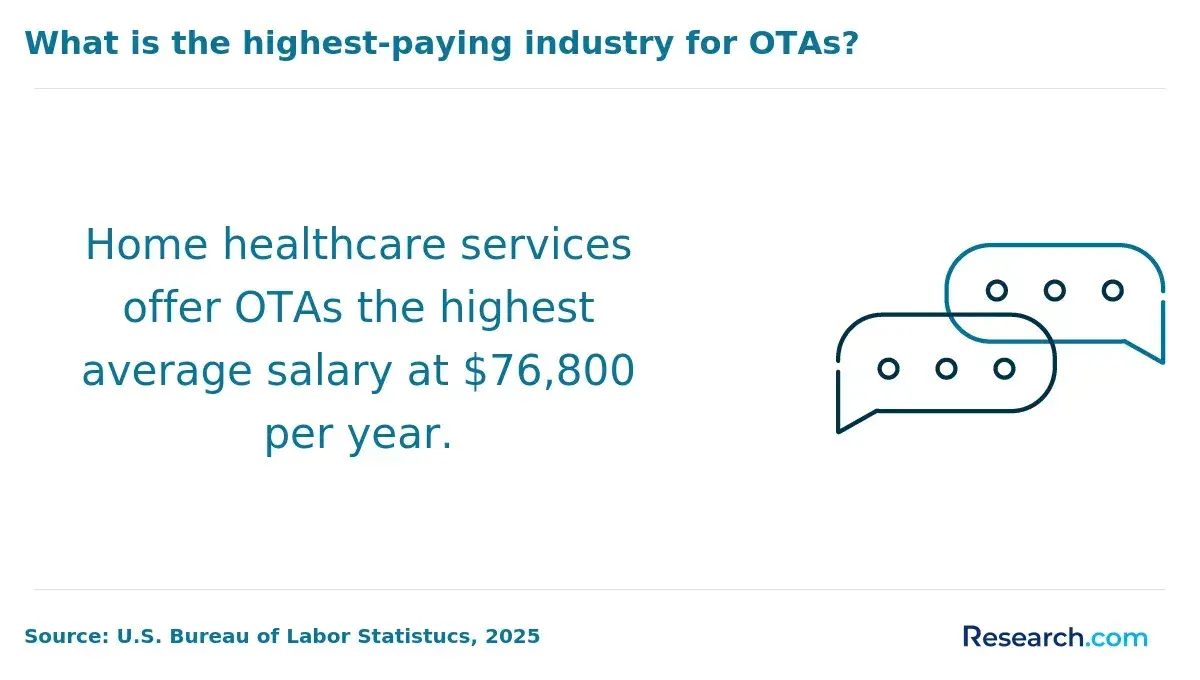
- Type of Employer: Salaries differ depending on whether an OT works in a hospital, home health care, outpatient clinic, or educational setting. For instance, home healthcare positions tend to offer higher pay compared to outpatient clinics, highlighting the impact of employer type on annual income.
- Geographic Location within Michigan: Urban centers like Detroit and Grand Rapids typically offer higher wages due to greater demand and competition, while rural areas may have lower salaries but offer benefits such as lower living costs or loan repayment programs.
- Education and Specialization: Advanced degrees and specialized certifications in pediatrics, geriatrics, or hand therapy can boost earning potential. Specialized skills are increasingly valued by employers and can lead to premium compensation packages.
- Market Conditions and Demand: Regional market saturation and healthcare funding influence salary trends. While Michigan’s average salary may be slightly below the national figure, shifts in industry demand could raise wages over time.
For those exploring related healthcare career paths, consider the fastest way to become a certified medical coder and biller from home, which offers distinct opportunities in the evolving health services landscape.
What Do Occupational Therapists in Michigan Say About Their Career?
- Halen: "Completing my occupational therapy program at Lakeview Academy gave me a strong foundation rooted in the unique needs of Michigan’s diverse communities. Starting my career working in a local school has been deeply fulfilling, especially seeing firsthand how I can help students overcome challenges to thrive academically and socially. The stability and resources available in Michigan’s educational institutions make it easier to plan long-term and grow professionally. I truly feel my work impacts the next generation in meaningful ways, which keeps me enthusiastic every day."
- Yasmin: "Reflecting on my journey, graduating from Great Lakes College’s OT program was just the beginning. Beginning my practice in a local school exposed me to the extraordinary variety of student needs shaped by Michigan’s environment and culture. This role challenged me to constantly develop new skills and adapt my strategies, encouraging significant personal and professional growth. It’s rewarding to know my efforts contribute positively to young students’ independence and quality of life. "
- Andre: "My decision to pursue occupational therapy at Midland Technical Institute opened doors to a career filled with unique opportunities in Michigan. The state’s rich natural environments and community-oriented values provide a special context for therapy that blends clinical practices with outdoor activities and social participation. Working in school settings has allowed me to advance my skills rapidly and collaborate with dedicated professionals who share my passion. I’m consistently motivated by the chance to influence students’ well-being and prepare them for successful futures."
Related Articles for Nearby States
- 2027 How to Become an Occupational Therapist in Ohio
- 2027 How to Become an Occupational Therapist in Indiana
- 2027 How to Become an Occupational Therapist in Wisconsin
- 2027 How to Become an Occupational Therapist in Illinois
- 2027 How to Become an Occupational Therapist in Minnesota
- 2027 How to Become an Occupational Therapist in Pennsylvania
- 2027 How to Become an Occupational Therapist in Kentucky
- 2027 How to Become an Occupational Therapist in West Virginia
- 2027 How to Become an Occupational Therapist in Iowa
- 2027 How to Become an Occupational Therapist in Missouri
References:
- Mich. Admin. Code R. 338.1251 - License renewal; occupational therapist; occupational therapy assistant; requirements | State Regulations | US Law | LII / Legal Information Institute https://www.law.cornell.edu/regulations/michigan/Mich-Admin-Code-R-338-1251
- College Connection Scholarships - collegescholarships.com https://www.collegescholarships.com/major-degree/occupational-therapy-scholarships/24
- Doctor of Occupational Therapy Degree | UM-Flint https://www.umflint.edu/graduateprograms/occupational-therapy-otd/
- Cost to Attend https://www.gvsu.edu/ot/cost-to-attend-83.htm
- Michigan OT License – Uniti Med https://unitimed.com/michigan-ot-license/
- Annual Scholarship - Michigan Occupational Therapy Association https://www.miota.org/redesign/annual_scholarship.php
- Occupational Therapy | University of Michigan Health https://www.uofmhealth.org/our-care/specialties-services/occupational-therapy
- Occupational Therapy Program | Eastern Michigan University | Accredited MOT & BS+MOT Degrees https://www.emich.edu/chhs/health-sciences/programs/occupational-therapy/index.php
- Michigan Occupational Therapist https://www.occupationaltherapylicense.org/michigan-occupational-therapy/
- How to become an occupational therapist and transform lives with UM-Flint | University of Michigan-Flint https://news.umflint.edu/2024/07/23/how-to-become-an-occupational-therapist-and-transform-lives-with-um-flint/
Other Things You Should Know About How to Become an Occupational Therapist in Michigan
To become a licensed occupational therapist in Michigan in 2027, complete a master's or doctoral degree in occupational therapy from an accredited program. Pass the NBCOT exam, apply for state licensure through the Michigan Board of Occupational Therapists, and complete any required continuing education.
To gain admission into an occupational therapy (OT) program in Michigan, applicants typically need to complete prerequisite coursework in subjects such as biology, anatomy, physiology, psychology, and statistics. Many programs also require courses in sociology or social sciences and sometimes chemistry to ensure a strong scientific and behavioral foundation.
Additionally, prospective students should have volunteer or observation experience in occupational therapy settings to demonstrate their commitment and understanding of the profession. Meeting these prerequisites alongside maintaining a competitive GPA is essential for Michigan OT school admission.


