
2027 How to Become an Occupational Therapist in South Carolina

Co-Founder and Chief Data Scientist
South Carolina's demand for occupational therapists is projected to grow by 18% through 2030, reflecting an increasing need for healthcare professionals who improve quality of life. This growth challenges assumptions that only metropolitan areas offer robust career opportunities. The state’s aging population and expanding healthcare infrastructure position occupational therapy as a strategic and rewarding profession here, combining job stability with meaningful work that directly impacts individual independence.
This article, crafted by experts in career planning, provides a clear roadmap for becoming an occupational therapist in South Carolina. It offers essential insights and practical steps to navigate education, licensing, and job markets, equipping readers to pursue this vital healthcare career with confidence and clarity.
Key Things to Know About Becoming an Occupational Therapist in South Carolina
- Earn a master’s or doctoral degree from a program accredited by ACOTE; South Carolina hosts multiple top-tier institutions offering these, aligning with nationwide standards and boosting your employability.
- Complete fieldwork comprising at least 24 weeks to gain practical experience; this immersive training is critical given South Carolina’s growing demand, with an expected 15% occupational therapy job growth by 2030.
- Pass the NBCOT certification exam and apply for a South Carolina state license; maintaining licensure requires ongoing continuing education reflecting the profession’s evolving best practices within the state.
- What are the education requirements to become an occupational therapist in South Carolina? Educational Requirements
- How do you get a state license to practice occupational therapy in South Carolina? How do you get a state license to practice occupational therapy in South Carolina?
- How often do you need to renew an OT license in South Carolina? License Renewal
- What continuing education is required for OT license renewal in South Carolina? Continuing Education
- How much does it cost to become an occupational therapist in South Carolina? Cost
- What financial aid options are available for OT students in South Carolina? Financial Aid
- Can out-of-state occupational therapists work in South Carolina? Can out-of-state occupational therapists work in South Carolina?
- What skills do you need to be a successful occupational therapist in South Carolina? Skills
- What specializations are available for occupational therapists in South Carolina? Specializations
- What is the average salary of an occupational therapist in South Carolina? Salary
- How can additional caregiving certifications enhance your career in South Carolina? enhance
What are the education requirements to become an occupational therapist in South Carolina?
Formal education lies at the heart of preparing occupational therapists to effectively support patients’ physical, emotional, and developmental challenges. This education builds a foundation of knowledge, skills, and ethical understanding essential for navigating the complexity of patient-centered care.
Pursuing ACOTE accredited occupational therapy programs in South Carolina ensures that candidates receive rigorous, standardized training grounded in both theory and practice.
Key education requirements include:
- Bachelor’s Degree Preparation: While South Carolina does not mandate a specific undergraduate major, aspiring occupational therapists should complete prerequisite courses such as anatomy, physiology, psychology, and statistics. These foundational sciences equip students with the critical knowledge needed to excel in graduate-level occupational therapy studies.
- Accredited Graduate Program: Candidates must graduate from a master’s or doctoral program accredited by the Accreditation Council for Occupational Therapy Education (ACOTE). In South Carolina, the Medical University of South Carolina offers an ACOTE-accredited occupational therapy degree at the doctoral level, while out-of-state programs with equivalent accreditation are also accepted.
- Supervised Fieldwork Experience: Practical training through at least six months of supervised fieldwork is mandatory. This immersive experience allows students to apply their academic learning in real clinical settings, refining both their technical skills and professional judgment.
- National Certification Examination: Passing the NBCOT exam is required to earn the Occupational Therapist Registered (OTR) credential, affirming a candidate’s readiness for entry-level practice across the nation.
- Jurisprudence Exam and State Licensure: South Carolina requires candidates to pass a state-specific jurisprudence exam alongside submission of official credentials and completion of a background check before licensure.
- Continuing Education: Maintaining licensure demands 32 hours of continuing education every two years, ensuring occupational therapists remain current within this dynamic field.
Students exploring occupational therapist degree requirements in South Carolina should recognize that these steps form a comprehensive pathway balancing theoretical mastery with practical application. For those comparing healthcare professions, understanding "how long does it take to become a medical biller and coder" may provide further insight into the varied timelines involved in allied health education.
How do you get a state license to practice occupational therapy in South Carolina?
Securing an occupational therapy license in South Carolina is more than a bureaucratic hurdle—it’s a gateway to professional respect and legal authority within the state. This process safeguards public trust by ensuring that therapists meet exacting standards of education, ethical behavior, and competency.
The path to licensure demands careful planning and commitment, reflecting how seriously South Carolina views the practice of occupational therapy. Below is an outline of the core steps to meet occupational therapy license requirements South Carolina.
- Graduate from an Accredited Occupational Therapy Program: Candidates must earn a degree from an ACOTE-accredited program, whether at the bachelor's, master's, or doctoral level. This accreditation guarantees a consistent, rigorous foundation critical to competent practice.
- Complete Required Fieldwork: Hands-on experience is essential; applicants must finish at least two months of supervised fieldwork in approved settings. This grounding equips future therapists with practical skills beyond classroom theory.
- Pass the NBCOT Certification Examination: The National Board for Certification in Occupational Therapy exam serves as the national standard of professional readiness. Passing this exam demonstrates a candidate’s mastery of the necessary knowledge and skills to practice safely and effectively.
- Complete the South Carolina Jurisprudence Exam: Understanding state-specific laws and ethical regulations is mandatory. Applicants must pass this online test with at least a 70% score, underscoring their preparedness to comply with local legal frameworks.
- Submit a State License Application and Pay Fees: A formal application, accompanied by a $135 licensing fee and all required supporting documents, including transcripts and NBCOT score verification, is necessary for board review and approval.
- Provide Official Academic Transcripts: Schools attended must send official transcripts directly to the South Carolina Board of Occupational Therapy, ensuring verification of the applicant’s educational background and program completion.
- Complete Criminal Background Check: To protect vulnerable populations and uphold professional integrity, applicants undergo mandatory state and federal background checks before licensure is granted.
- Verification of Licensure from Other Jurisdictions (if applicable): If previously licensed elsewhere, verification from those states must be submitted to confirm the applicant’s good standing and licensure history.
For those exploring credentialing nuances or curious about other healthcare certifications, referencing the differences between cbcs and cpc certification can provide valuable insight into professional certifications and their distinctions.
How often do you need to renew an OT license in South Carolina?
Maintaining an occupational therapy license demands more than just meeting initial qualifications; it requires ongoing commitment to professionalism and ethical practice. License renewal is an essential mechanism that ensures occupational therapists remain accountable to their clients and the regulatory bodies that govern healthcare standards.
This cyclical review compels practitioners to stay engaged with the latest developments, safeguarding the integrity and quality of care within South Carolina’s evolving healthcare environment.
In South Carolina, occupational therapists must renew their licenses every two years, specifically by March 15 of every odd-numbered year. This biennial renewal structure encourages a disciplined approach to professional development. Those who become licensed late in the year—after mid-December—are granted a temporary exemption from renewal until the subsequent renewal cycle.
Missing the March 15 deadline triggers a late penalty if renewed by April 15; beyond this date, licenses automatically lapse, risking disciplinary consequences for unlicensed practice. Such strict scheduling embeds a culture of ongoing learning and compliance, helping therapists maintain eligibility to practice while adapting to shifting regulations and occupational therapy standards.
One occupational therapist from South Carolina, who graduated from a local university, shared his reflections on the renewal process. He described it as a "structured checkpoint" that, while initially daunting, became a professional ritual encouraging him to review his educational goals and clinical growth every two years. He recalled the challenge of navigating document submissions through the CE Broker system but appreciated how it
sharpened his organizational skills. “It’s more than paperwork,” he noted, “it’s a moment to pause and affirm my commitment to clients and the profession.” This renewal rhythm, he said, balances administrative demands with a meaningful opportunity for reflection and progress.
What continuing education is required for OT license renewal in South Carolina?
Continuing education is more than a bureaucratic hurdle for South Carolina occupational therapists; it is a vital process that sharpens clinical skills, aligns practitioners with current state standards, and keeps them attuned to emerging therapeutic techniques and regulations.
This ongoing commitment ensures not only compliance but also the evolution of professional competence within a dynamic healthcare environment.
- Biennial Renewal Cycle and Deadline: Licenses must be renewed every two years by March 15 of odd-numbered years. Missing this deadline leads to late fees or suspension, with reinstatement requiring proof of compliance by April 15.
- Minimum Continuing Education Hours: Both OTs and OTAs must complete 16 hours of continuing education every biennium. This parity reflects uniform expectations across occupational therapy roles and underscores the importance of consistent professional development.
- Acceptable Course Topics and Formats: Courses must enhance occupational therapy practice and comply with NBCOT standards. South Carolina accepts diverse formats, including online courses, workshops, and seminars, recognizing that varied learning methods foster deeper professional growth.
- Documentation and Reporting Procedures: Completion of CE hours and active NBCOT certification must be reported via the CE Broker system before renewal. Practitioners should retain documentation as audits occur randomly, highlighting the need for meticulous record-keeping.
- Requirements for Occupational Therapy Assistants (OTAs): OTAs face identical continuing education and certification demands as OTs, reflecting a statewide insistence on uniform excellence and accountability.
- Inactive Status and Reinstatement: Those opting for inactive status must apply online by the deadline and later verify fulfillment of CE and NBCOT requirements to reactivate. This process guards against lapses that could compromise professional standards.
- Linking Roles to Broader Healthcare Trends: For professionals curious about adjacent career paths, understanding what is a medical billing and coding job can broaden perspectives on healthcare’s interconnected nature.
How much does it cost to become an occupational therapist in South Carolina?
The total cost of becoming an occupational therapist in South Carolina varies widely, reflecting differences in education level, licensing requirements, and exam fees. Carefully analyzing each expense reveals the financial realities that often escape initial consideration but are critical for effective planning.
- Tuition and Fees for Accredited OT Programs: Costs range drastically. Certificate programs like the OTA at Greenville Technical College estimate around $8,200 for in-county students, while comprehensive occupational therapy degrees, such as those at private colleges, can approach $200,000 over three years. These numbers expose the true investment behind the title, far beyond just classroom time.
- NBCOT Exam Costs: The nationally recognized exam carries a fee of $540. This one-time cost is unavoidable but is just one piece in the puzzle of achieving certified status, a credential that unlocks professional opportunities.
- State Licensure Application Fees: South Carolina requires an initial fee of $115 for occupational therapy assistants and $135 for therapists. These fees represent the state’s gatekeeping to ensure competency but also add to the upfront financial commitment.
- Additional Expenses: Hidden costs like background checks, immunizations, liability insurance, CPR certification, uniforms, and clinical travel can tally over several thousand dollars. For example, some programs report miscellaneous costs around $4,350 beyond tuition, reflecting often overlooked but necessary investments to fully prepare for clinical practice.
What financial aid options are available for OT students in South Carolina?
Financial aid is often the critical factor that determines whether South Carolina students can access the education and training necessary for a career in occupational therapy. With tuition costs frequently exceeding $8,000 annually at public institutions, relying solely on personal funds or family support may not be feasible for many. Exploring available financial aid options can transform the challenge of affording occupational therapy programs into an attainable goal.
Below are key forms of aid to consider:
- Federal Grants – These grants, including Pell Grants and Federal Supplemental Educational Opportunity Grants, are awarded based on financial need via FAFSA. They provide non-repayable funds to cover tuition and other education-related expenses at accredited South Carolina institutions offering occupational therapy programs.
- Federal Student Loans – Direct Loans offer both subsidized and unsubsidized funding that students can use for tuition and living costs. Graduate students can also access PLUS Loans, with repayment and interest terms shaped by federal regulations after graduation.
- South Carolina State Aid Programs – Programs like the LIFE Scholarship reward merit and residency status, while the SC Lottery Tuition Assistance provides support primarily for two-year colleges, potentially benefiting pre-occupational therapy coursework.
- University-Based Scholarships and Aid – Many South Carolina colleges offer institutional scholarships and work-study opportunities tailored to academic achievement, financial need, or occupational therapy majors. Engaging with a school's financial aid office reveals specific opportunities and application steps.
- American Occupational Therapy Foundation (AOTF) Scholarships – These competitive scholarships target full-time students in accredited OT or OTA programs, offering awards ranging from $150 up to $5,000. Some scholarships are designated specifically for South Carolina students through partnerships with state OT associations.
- Chris Ebbers Endowed Scholarship – Unique to South Carolina, this scholarship annually assists one occupational therapy and one OTA student enrolled in local accredited programs, selected based on merit and dedication to the profession.
- Other Professional and Association Scholarships – Awards such as the Charles Christiansen and Beth Jones Endowed Scholarship prioritize diversity, leadership, and service in OT, often favoring underrepresented minority students enrolled in AOTA-accredited programs.
- Private and Nonprofit Scholarships – Organizations like AMBUCS provide scholarships between $600 and $1,500 based on competitive criteria including community involvement and academic performance, helping ease the financial burden for OT students.
Can out-of-state occupational therapists work in South Carolina?
South Carolina does not allow out-of-state occupational therapists to practice without first obtaining a state-issued license. Unlike some states, South Carolina is not part of the Occupational Therapy Licensure Compact, so reciprocity does not apply here.
This means even experienced therapists licensed elsewhere must go through South Carolina's endorsement licensing process, which demands proof of a current, active, and unrestricted license from a state with comparable requirements. Applicants must also show evidence of good standing with the NBCOT or a similar recognized certification program, and provide detailed verification of past licensure and professional practice.
The endorsement process involves careful scrutiny beyond submitting an application and fee. Therapists need to prove at least one year of occupational therapy practice within the last decade, along with identity validation, possible malpractice insurance, and an affidavit of eligibility. This rigor reinforces the state’s commitment to maintaining high standards of care.
I spoke with an occupational therapist from South Carolina who graduated from a local program and later sought to bring her skills back home after working out of state. She described the licensing journey as “a test of patience and dedication,” emphasizing the extensive documentation required.
Though initially daunting, she appreciated how the process ensured her qualifications were thoroughly recognized, helping her feel confident entering the South Carolina workforce. “It wasn’t just paperwork—I felt the state truly values protecting the community’s well-being,” she reflected, highlighting the balance between professional rigor and personal fulfillment in her licensing experience.
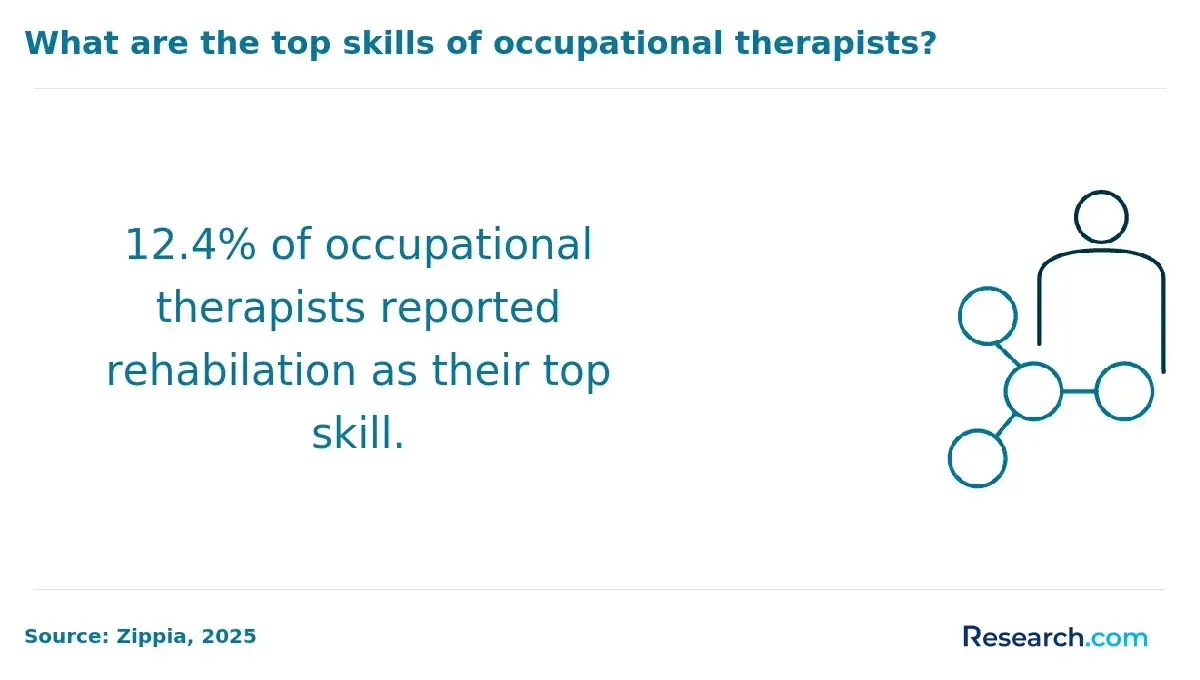
What skills do you need to be a successful occupational therapist in South Carolina?
Becoming a successful occupational therapist in South Carolina hinges on mastering a blend of specialized skills that not only empower clients to regain independence but also enhance their overall quality of life. These competencies ensure therapists can navigate complex healthcare environments and collaborate effectively within multidisciplinary teams, which is vital in a state with diverse patient populations and varied care settings.
The following key skills are fundamental for thriving as an occupational therapist in South Carolina:
- Knowledge of Occupational Therapy Principles: A deep understanding of therapy techniques enables tailored interventions addressing unique client needs, from physical disabilities to mental health challenges, facilitating meaningful progress.
- Communication and Interpersonal Skills: Clear, empathetic communication fosters trust and coordination with clients, families, and healthcare professionals, which is essential for comprehensive care delivery.
- Problem-Solving and Adaptability: The ability to assess individual barriers and creatively adjust therapy plans ensures effective treatment across diverse healthcare environments in South Carolina.
- Assessment and Evaluation Skills: Proficiency in standardized assessments allows ongoing monitoring and goal adjustment, crucial for aligning treatment with patient progress in complex cases.
- Leadership and Supervision: Guiding therapy assistants and coordinating care requires strong leadership, guaranteeing safety and quality within occupational therapy teams.
What specializations are available for occupational therapists in South Carolina?
Specialization within occupational therapy in South Carolina empowers practitioners to hone their expertise on distinct populations, health challenges, or practice domains. This targeted approach enriches their ability to deliver meaningful, evidence-based interventions while simultaneously expanding career advancement opportunities. The range of occupational therapy specializations available reflects the diverse needs of the communities they serve.
Below are some prominent paths within South Carolina's occupational therapy career paths:
- Pediatrics: Pediatric occupational therapists guide children facing developmental, physical, or cognitive barriers by fostering essential daily living and learning skills. Their work often intersects with schools, early intervention programs, and pediatric clinics, responding to South Carolina's growing focus on early childhood development.
- Geriatrics: Specialists in geriatrics support older adults navigating age-related physical or cognitive decline. These therapists emphasize maintaining independence and quality of life through rehabilitation and adaptive strategies, a response to the state’s expanding population over 65 years old.
- Mental Health: Occupational therapists in mental health cultivate coping capabilities and social engagement for individuals with psychiatric or emotional conditions. Their practice spans inpatient psychiatric units and community mental health centers, addressing broad psychological needs.
- Hand Therapy: Hand therapy professionals possess advanced skills to treat injuries and disorders affecting the hand and upper extremities. They deliver post-surgical rehabilitation and therapeutic interventions primarily in orthopedic and rehabilitation clinics.
- Physical Rehabilitation: This specialization focuses on helping patients recover strength and independence following injuries, surgeries, or chronic illness. Practitioners work in diverse settings, including rehabilitation hospitals and outpatient clinics throughout South Carolina.
For those looking beyond traditional paths, exploring fully online medical coding certification programs can complement occupational therapy specialization by broadening medical knowledge and career versatility within the healthcare sector.
What is the average salary of an occupational therapist in South Carolina?
Occupational therapist salaries in South Carolina are shaped by several important factors including experience level, work setting, and geographic location. These elements influence not only the base pay but also opportunities for advancement and specialization within the field.
Below are the key considerations that affect the average pay for occupational therapists in South Carolina:
- Years of Experience: Early-career occupational therapists in South Carolina start with hourly wages around $42.10, with annual salaries typically between $74,700 and $98,400. As experience deepens, earnings often surpass $100,000, reflecting growing expertise, leadership roles, and specialized skills that increase market value.
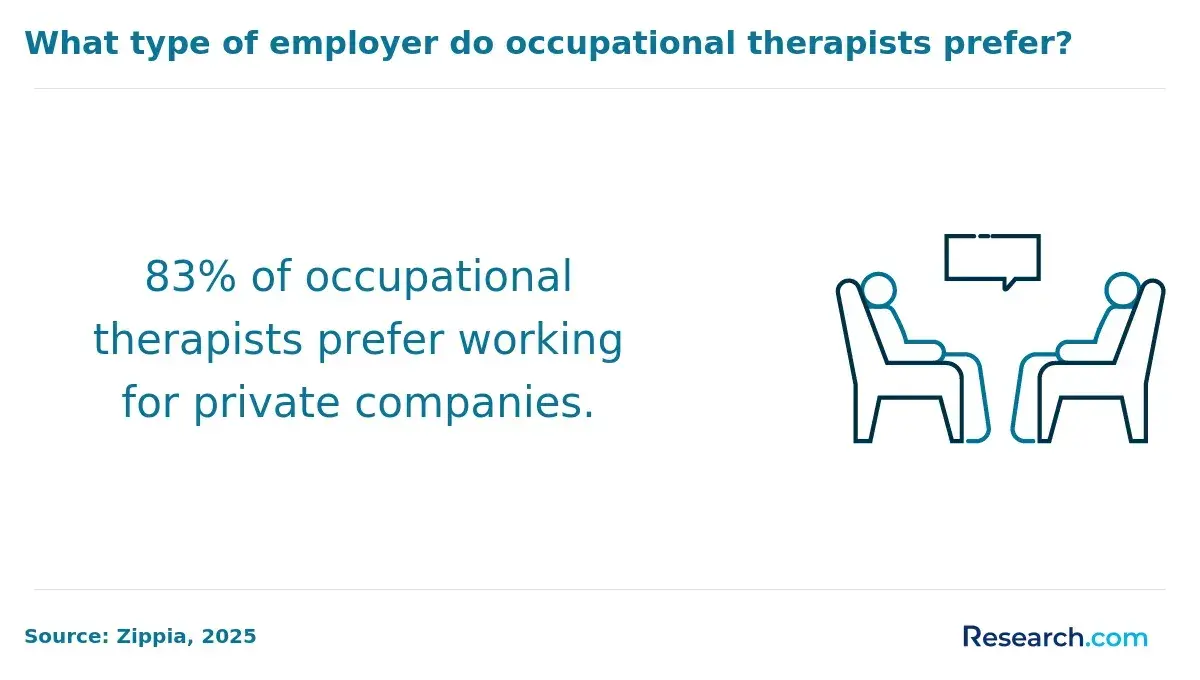
- Type of Employer: Work settings have a notable impact; hospital positions usually offer higher pay than schools or community organizations. Specialized employers like travel therapy agencies provide competitive weekly pay, sometimes exceeding $2,600 in cities like Florence, blending flexibility with premium compensation.
- Geographic Location: Urban centers such as Charleston tend to offer wages above the state average, with typical hourly rates near $46.20. Local healthcare demands and the concentration of medical facilities create pockets of higher pay, especially in regions facing therapist shortages.
- Education and Credentials: Advanced degrees and certifications can unlock salary premiums by aligning therapists with niche markets and complex care requirements. Employers often reward these qualifications to attract highly skilled professionals.
- Industry Demand and Workforce Trends: The balance between supply and demand guides salary trajectories, with South Carolina’s aging population and evolving healthcare landscape supporting steady growth in compensation figures over time.
- Setting: Permanent vs. Travel Assignments: Travel occupational therapists enjoy higher weekly wages, averaging about $1,914 statewide, serving short-term needs with elevated pay but typically fewer benefits compared to permanent roles.
For those exploring career paths or considering further specialization, investigating whether can you get financial aid for medical billing and coding might also prove useful in broadening one's healthcare skillset alongside occupational therapy training.
How can additional caregiving certifications enhance your career in South Carolina?
Occupational therapists may boost their clinical impact by pursuing specialized caregiving certifications that complement their core skills. These credentials provide deeper insights into patient-centered support and broaden the scope of multidisciplinary care, ultimately strengthening professional versatility. Professionals seeking to diversify their expertise are encouraged to review how to become a caregiver in South Carolina guidelines, which offer detailed pathways for certification.
What Do Occupational Therapists in South Carolina Say About Their Career?
- Khalil: "Completing my occupational therapy program at Charleston Occupational Academy was truly transformative. The hands-on experience and strong community ties prepared me well for the dynamic environment in South Carolina’s schools. Starting my career in a local school has allowed me to directly see the positive impact of my work on children's development and well-being. The combination of a supportive educational system and a vibrant community fuels my passion every day. "
- Thomas: "Reflecting on my journey, graduating from Lowcountry Therapy Institute was a pivotal moment that opened doors to numerous growth opportunities. Working as an occupational therapist in a local academic institution has been rewarding, especially navigating the unique challenges of South Carolina’s diverse cultural landscape. This career has expanded my perspective and allowed me to contribute meaningfully to student success and community resilience. "
- Leo: "Pursuing my degree at Palmetto State School of Therapy gave me access to strong professional networks and practical skills crucial for career advancement. The mix of South Carolina’s natural and cultural resources creates unique challenges, but it also inspires innovation in therapy approaches. Being part of a school environment means I get to foster not only physical but also emotional growth among young learners, which is deeply fulfilling on a personal level. "
Related Articles for Nearby States
- 2027 How to Become an Occupational Therapist in Georgia
- 2027 How to Become an Occupational Therapist in North Carolina
- 2027 How to Become an Occupational Therapist in Florida
- 2027 How to Become an Occupational Therapist in Tennessee
- 2027 How to Become an Occupational Therapist in Alabama
- 2027 How to Become an Occupational Therapist in Virginia
- 2027 How to Become an Occupational Therapist in Kentucky
- 2027 How to Become an Occupational Therapist in Mississippi
- 2027 How to Become an Occupational Therapist in West Virginia
- 2027 How to Become an Occupational Therapist in Louisiana
References:
- Learn the steps to occupational therapy state licensure. | AOTA https://www.aota.org/career/state-licensure/learn-the-steps-to-licensure
- SCLLR https://www.llr.sc.gov/ot/pub.aspx
- Program Costs | Presbyterian College https://www.presby.edu/graduate-programs/occupational-therapy-program/program-costs/
- Applying to the Residential Occupational Therapy Doctorate Program (Entry Level) | Health Professions | MUSC https://chp.musc.edu/academics/occupational-therapy/entry-level-otd-programs/residential-otd/admissions
- CE Broker https://cebroker.com/documentation/requirements/358/South%20Carolina%20Board%20of%20Occupational%20Therapy
- South Carolina Therapy State Boards | AMN Healthcare https://www.amnhealthcare.com/careers/allied/resources/state-boards/therapy/south-carolina/
- 12 Essential Skills for Occupational Therapy Assistants | Brookline College https://www.brooklinecollege.edu/blog/essential-skills-for-occupational-therapy-assistants/
- South Carolina Occupational Therapy https://www.occupationaltherapylicense.org/south-carolina-occupational-therapy/
- AOTF > Scholarships > Available Scholarships https://www.aotf.org/Scholarships/Available-Scholarships
- Scholarship Opportunities | Francis Marion University https://www.fmarion.edu/healthsciences/occupational-therapy-doctorate-program/scholarship-opportunities/
Other Things You Should Know About Becoming an Occupational Therapist in South Carolina
To enroll in an Occupational Therapy program in South Carolina, students typically need a bachelor's degree, often with coursework in anatomy, physiology, psychology, and statistics. Additionally, observation hours in an occupational therapy setting and a strong GPA are usually required for admission by 2026.
Becoming a licensed occupational therapist (OT) in South Carolina generally takes about six to seven years, including both education and licensing requirements. Candidates must first earn a bachelor’s degree followed by a Master’s or Doctorate in Occupational Therapy, which typically takes two to three years.
After completing the degree, applicants must pass the national certification exam and apply for licensure through the South Carolina Board of Occupational Therapy. The entire process, from starting undergraduate studies to receiving a license, involves comprehensive coursework, supervised fieldwork, and examination, ensuring that OTs are fully prepared to practice safely and effectively in the state.
Admission to occupational therapy (OT) programs in South Carolina typically requires completion of specific prerequisite coursework to ensure a solid foundation in both science and behavioral studies. Key subjects often include anatomy, physiology, biology, psychology, and statistics, along with general education courses such as English and sociology.
Many programs also expect applicants to have completed coursework related to human development or kinesiology to better understand client needs. These prerequisites prepare candidates not only for the demanding academic nature of OT programs but also for clinical practice, emphasizing a well-rounded understanding of physical and mental health principles.


