2027 Environmental Science Roles Growing Fastest in Climate and Environmental Compliance

Co-Founder and Chief Data Scientist
Environmental science professionals often confront the daunting task of ensuring organizational compliance amid an evolving regulatory landscape, where penalties for non-compliance can escalate into multimillion-dollar liabilities. Navigating this complexity requires up-to-date expertise not just in ecological principles but also in legal frameworks, a challenge exacerbated by workforce shifts towards hybrid and remote roles.
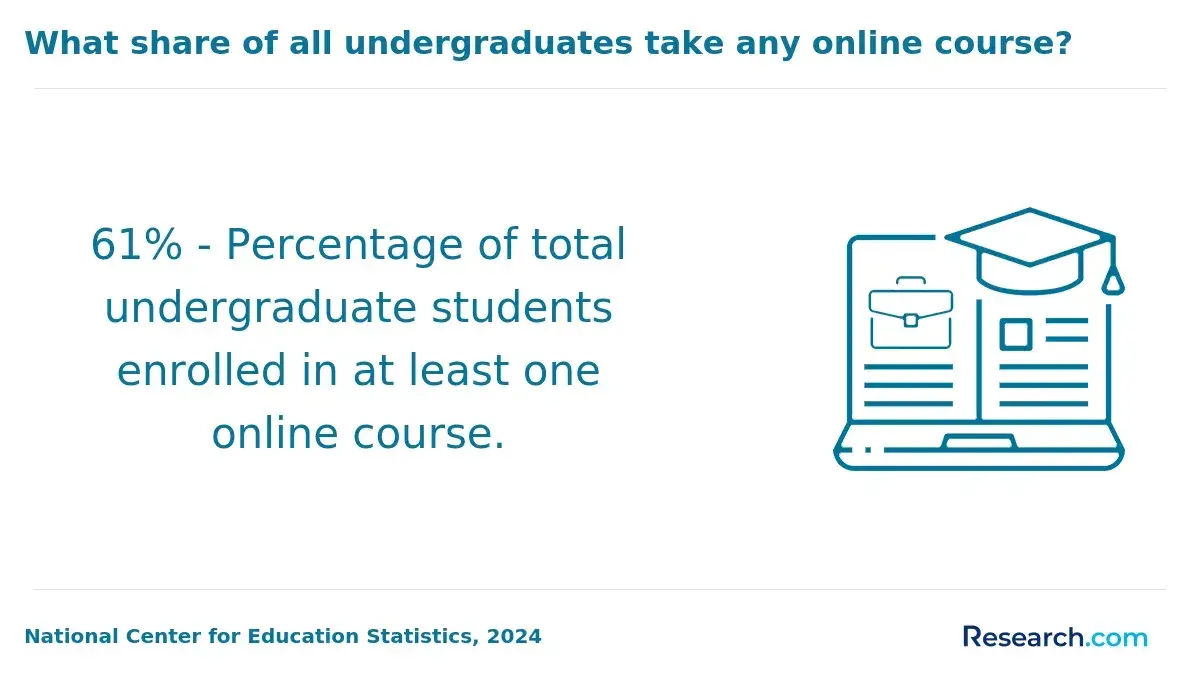
The National Center for Education Statistics reported a 22% rise since 2023 in enrollment for flexible, online environmental science programs, signaling a growing demand for adaptable education aligned with employment realities. This article examines the fastest-growing roles in climate and environmental compliance, offering practical insights to guide career-focused educational choices and workforce integration strategies.
Key Things You Should Know
- Employment in climate compliance roles grew 18% from 2023 to 2025, outpacing general environmental science jobs by 5%, forcing candidates to acquire niche legal and regulatory expertise to meet evolving EPA and state mandates.
- Employers prioritize candidates with combined data analysis and policy interpretation skills, leading to a 22% hiring preference for dual-degree or certificate holders per 2024 industry workforce surveys.
- Specialized certifications cost 30% more and add 6-12 months to credential timelines, limiting immediate entry opportunities and emphasizing longer-term investment for higher-tier roles in regulatory agencies and consultancy.
What environmental science roles in climate and environmental compliance are growing the fastest?
Employment trajectories in environmental science compliance jobs in climate regulation are increasingly shaped by four specialized roles with distinct operational demands. Life cycle assessment (LCA) and sustainability assessment specialists, for instance, must navigate complex material and energy flow analyses to meet extended producer responsibility laws-often a higher bar than generic environmental roles due to the need for cross-sector data integration.
Fastest growing environmental science roles in climate policy enforcement include ESG data and reporting professionals who manage regulatory complexities intensified by expanding SEC mandates. Their work directly impacts capital availability, especially in finance and energy sectors, where inaccurate disclosures can have costly repercussions.
Environmental data science and geospatial analysis experts bring critical coding and spatial modeling skills to urban planning and resource management, translating complex data into actionable strategies that balance ecological and development priorities.
Climate adaptation and physical risk specialists focus on applying localized climate projections to infrastructure and insurance risk mitigation, a niche with growing demand but requiring a deep understanding of regulatory nuances and practical resilience-building.
Prospective candidates should weigh these specialized competencies against educational pathways. For working professionals evaluating cost and accessibility, identifying a cheapest online environmental science degree program can be a pragmatic choice when aligned with employer expectations for quantitative proficiency and sector-specific tool expertise.
What degrees and academic pathways prepare you for environmental compliance careers?
Environmental science degree programs for compliance careers require deliberate alignment with employer expectations regarding regulatory expertise and sector-specific challenges. A bachelor's degree remains the baseline, though targeted master's degrees focused on environmental regulation, law, or sustainability management increasingly shape hiring preferences. For instance, a compliance professional in industrial manufacturing must master pollutant monitoring and permit oversight, while those in energy sectors benefit from deep familiarity with emissions rules and renewable standards. This operational specificity defines training priorities and reflects the nuances within academic pathways in environmental regulation and compliance.
Certifications such as Certified Environmental Professional (CEP) or Registered Environmental Manager (REM), combined with 2-5 years of practical experience, significantly enhance candidate competitiveness. Regional differences in environmental laws require candidates to navigate local and tribal regulations, influencing internship opportunities and program selection. Employers also favor graduates from institutions with strong governmental or industry connections, recognizing that hands-on training and networking yield greater employability in compliance roles.
Growth in ESG monitoring expands compliance career trajectories, with Chief Sustainability Officers earning median salaries around $201,745. Prospective students should evaluate programs for rigorous curriculum, policy-science integration, and practical exposure tailored to sector needs, not simply cost or prestige. For those weighing financial considerations, exploring what is the cheapest data science course in the US? may provide insight into balancing affordability against career-oriented curriculum.
What is the job outlook and industry demand for environmental compliance specialists?
The job outlook for environmental compliance specialists in the US reflects a nuanced balance between stable demand and competitive pressures influenced by evolving regulatory frameworks. Employer interest is closely tied to the intensity of enforcement across industries like manufacturing, energy, and construction, where compliance roles play a pivotal operational role. The median annual salary of $80,060 reported in May 2024 confirms reasonable financial compensation but also highlights expectations for advanced expertise and adaptability.
Professionals operating in heavily regulated sectors face intricate federal and state mandates that shift frequently. Their responsibilities extend beyond inspection to formulating strategies that limit disruption and mitigate legal and financial exposure. In this context, industry demand for environmental compliance roles in North America continues to require candidates who integrate scientific knowledge with clear communication skills to interface effectively with regulators and internal stakeholders.
Key technical competencies include data analysis, environmental impact assessments, and mastery of regulations such as the Clean Air Act and the Resource Conservation and Recovery Act. The modest 4% industry growth rate from 2024 to 2034 signals a field where continuous credential enhancement and adaptation are necessary to remain marketable. This environment challenges candidates to weigh the value of specialized compliance knowledge against broader environmental science capabilities when selecting education or certification programs.
Those evaluating educational pathways can find options like library science degrees online that may supplement skills in information management-a critical aspect in compliance documentation and reporting processes.
What salary ranges can environmental science professionals in compliance and regulation expect?
Salary structures for environmental science professionals focused on compliance and regulation vary widely by experience, industry, and credentialing. Entry-level roles start near $50,000, while experienced specialists managing federal and state frameworks often exceed $100,000 annually. Mid-career salaries generally fall between $70,000 and $90,000, reflecting hands-on responsibilities such as interpreting environmental laws or sustaining corporate compliance reporting. For example, environmental engineers in compliance roles earn an average of $92,120, a useful benchmark combining technical and regulatory proficiency, relevant to environmental science compliance salary ranges in the United States.
Industry sector significantly influences earnings. Compliance officers in energy and manufacturing frequently command salaries above $110,000 due to demanding regulatory oversight involving EPA and OSHA standards. In contrast, local government or nonprofit sectors offer median salaries closer to $60,000, with a tradeoff favoring job stability and public impact. Certification credentials, like the Certified Environmental Professional (CEP), can materially improve salary trajectories by validating expertise in risk assessment and policy enforcement.
Environmental science professionals focusing on climate regulation often encounter ongoing challenges as evolving policies require sustained education and adaptation, affecting salary growth and job security. Career changers should prioritize roles offering direct regulatory experience and consider industries with growth potential, as sustainability sectors project 4% expansion from 2024 to 2034. Students weighing educational options can also explore specialized pathways such as MLIS programs, which provide a distinct but complementary skill set valuable for environmental data management and compliance documentation.
What coursework and skills are emphasized in environmental science programs focused on compliance?
Programs centered on compliance within environmental science necessitate a dual competence in regulatory frameworks and technical analysis, reflecting employer demands for professionals who can bridge science with legal adherence. Students encounter practical scenarios such as interpreting the Clean Air Act while utilizing Geographic Information Systems (GIS) for monitoring emissions, a skillset vital in industries like energy and manufacturing where failure to report accurately can result in severe penalties.
Mastery of quantitative methods, including risk assessment and statistical validation, supports critical compliance audits and enhances data credibility. Practical engagements-drafting permit applications, conducting site inspections, or devising corrective measures-mirror workplace realities where nuances between federal and state regulations significantly affect implementation.
Tradeoffs arise as programs balance broader environmental science concepts against specialized regulatory expertise; employers increasingly favor candidates proficient in both domains. The UK's 42% jump in green job creation and a 9% increase in postings signal similar trends in the U.S. market, underscoring the rising value of compliance expertise tied to evolving climate policies.
Students should strategically target programs with internships or partnerships in regulatory agencies or environmental consulting, ensuring exposure to sector-specific challenges often absent in academic-only curricula. Such connections enhance understanding of dynamic compliance environments, preparing graduates for roles that demand both legal insight and technical precision.
How do online environmental science programs for compliance compare with campus-based options?
Choosing between online and campus environmental science programs for compliance pivots on balancing practical training with flexibility. Campus-based programs distinctly outperform online options by embedding hands-on experiences such as labs simulating environmental impact assessments and pollution control technologies. These are essential for developing the compliant technical skills employers require, especially in industrial or regulatory roles.
For instance, a student preparing for industrial environmental compliance gains direct exposure to fieldwork and local regulatory frameworks that online curricula struggle to replicate authentically. Conversely, online programs offer flexibility for working professionals but depend heavily on virtual labs and case studies, often necessitating self-driven internships to meet employer expectations. Unity Environmental University, citing ZipRecruiter, notes that roles in climate and environmental compliance command average salaries around $63,772 annually, with employers prioritizing proven practical experience over theoretical knowledge alone.
Key considerations include:
- Immediate employability: Campus programs facilitate quicker skill application boosting job-readiness.
- Schedule flexibility: Online coursework suits those balancing full-time employment or career transitions.
- Networking access: In-person settings provide relationship-building that translates into mentorships and job leads.
- Credential credibility: Compliance-heavy employers sometimes view online-only credentials less favorably.
Ultimately, online degrees build foundational compliance understanding but require extra practical work to compete effectively, while campus programs integrate experiential learning critical for regulatory career success.
What accreditation and program quality standards matter for environmental compliance education?
Accreditation aligning with ABET or regional bodies like the Higher Learning Commission sets a concrete standard for environmental compliance education, ensuring graduates gain both rigorous regulatory knowledge and applicable skills. Employers in sectors such as energy and manufacturing look for candidates versed in frameworks like EPA and OSHA regulations who can navigate emission monitoring, audits, and evolving compliance demands.
Programs lacking formal accreditation often miss systematic quality checks, leaving graduates underprepared for real-world compliance responsibilities or certification requirements. Workers transitioning from unrelated fields particularly benefit from accredited credentials as a verifiable benchmark of competency relevant to environmental risk management roles.
For example, an energy sector compliance officer must interpret multifaceted federal and state regulations, including dynamic emissions standards-a curriculum reliably present only in accredited programs. Manufacturing professionals may prioritize hazardous waste management and safety legislation, requiring program specialization within an accredited structure to meet job-specific demands effectively.
Projected growth of climate-focused jobs-Google and Alphabet estimate over 20,000 new positions by 2025-evidences employer preference for technically and legally proficient candidates emerging from credible programs. Students should critically verify that curricula cover current EPA guidelines and include industry-recognized certifications such as Certified Environmental Auditor to align education with workforce realities.
What licensing or professional certifications are required or preferred in environmental compliance roles?
Licensing and certification requirements in environmental compliance shape career trajectories and influence employability in often overlooked ways. Candidates pursuing roles in regulatory agencies or consulting firms face distinct credential priorities: federal and state regulators typically require a Registered Environmental Manager (REM) or Professional Engineer (PE) license with an environmental focus, essential for managing remediation or infrastructure compliance. Conversely, consulting roles often emphasize certifications like Certified Environmental Professional (CEP) or Certified Hazardous Materials Manager (CHMM) that blend regulatory knowledge with practical auditing skills.
Field experience combined with specialized training such as OSHA's 40-hour Hazardous Waste Operations and Emergency Response (HAZWOPER) certification remains non-negotiable for work involving hazardous materials-particularly in manufacturing or waste treatment sectors. These certifications reflect industry demands for legal accountability and worker safety during compliance monitoring, audits, and reporting.
State- and sector-specific licensing variability means candidates must strategically assess job postings against regional mandates. For instance, entry-level monitoring positions often require only a degree and limited safety training, offering quicker employment but narrower long-term advancement potential. In contrast, investing time and resources in certifications like CEP or CHMM can accelerate movement into roles that authorize permit negotiations and legally defensible audits.
Projected employment growth in environmental science technician roles around 7% coupled with median wages near $49,490 signals steady demand for compliant, credentialed professionals. This nuanced credential landscape demands careful planning to align certification pathways with targeted industry sectors and realistic career timelines.
How long do environmental science compliance programs take, and what do they cost?
Choosing an environmental science compliance pathway demands careful evaluation of time investment, costs, and workforce integration. Program durations vary widely-from under a year for foundational certificates and associate degrees to four years for bachelor's degrees that cover advanced technical and regulatory topics. Specialized certifications in areas like air quality or hazardous waste management add months of focused study and practical application.
Costs range broadly: certificate and associate programs typically cost between $5,000 and $25,000, while bachelor's degrees at public and private universities can total $30,000 to $100,000. However, financial outlay does not capture the full picture, as unpaid internships or entry-level roles are increasingly necessary to develop hands-on compliance experience valued by employers.
Industry-specific demands further influence training strategies. Manufacturing and energy sectors require deeper knowledge of intricate federal and state rules, often extending program length and complexity. In contrast, municipal or consulting agencies may prioritize certifications paired with 1-2 years of practical experience, effectively shifting learning costs from formal education to the workplace.
Key considerations include:
- Balancing instruction duration with opportunity costs related to delayed earning potential.
- Leveraging integrated internships or cooperative education models to accelerate employability.
- Using community colleges or public universities to manage costs, recognizing this may lengthen credential attainment.
Environmental engineers demonstrate strong labor market prospects, with expected growth of 7% over a decade and median salaries near $100,090, reflecting rising industry demand for compliance expertise that combines education and real-world skills.
How can students evaluate and choose a reputable environmental science compliance program?
Choosing an environmental science compliance program requires assessing how well it prepares graduates for regulatory roles where legal and technical knowledge intersect. Accreditation from recognized bodies guarantees baseline quality, but students should prioritize programs integrating climate regulation, environmental law, and compliance technology-areas critical for evolving market demands. Applied experiences, such as internships with regulatory agencies or private firms, significantly enhance job readiness.
Employment outcomes matter: programs linked to sectors growing rapidly, like wind energy with a 45% projected job increase for wind turbine technicians (U.S. Bureau of Labor Statistics), better align with workforce needs. Alumni placement in compliance, environmental consulting, or renewable energy demonstrates relevant network strength. Consider curricula tailored to the regulatory complexities of utilities, manufacturing, or government agencies if targeting those industries.
The faculty's current compliance experience adds practical insight beyond academic theory. Credentialing that leads to recognized certifications boosts professional value. Program length, cost, and delivery format influence accessibility and momentum; programs merging scientific and legal domains reduce the need for expensive additional degrees.
- Verify accreditation and course relevance to compliance-specific skills.
- Analyze graduate employment data focused on regulatory roles.
- Evaluate faculty expertise and credentialing outcomes.
- Balance program logistics against salary growth in compliance fields.
Other Things You Should Know About Environmental Science
Environmental science professionals in compliance roles must navigate complex and frequently changing regulations while minimizing disruptions to business operations. Achieving this balance requires a deep understanding of both legal requirements and the practicalities of industrial workflows. Prioritizing regulatory adherence often demands tradeoffs, such as increased costs or slowed project timelines, which professionals must manage carefully to maintain employer competitiveness without risking penalties.
In 2027, the fastest-growing roles in environmental science focusing on climate and environmental compliance include climate compliance specialists, environmental policy analysts, and sustainability consultants. These roles are critical as organizations face increasing regulatory demands and strive to meet sustainability goals.
Specializing in climate compliance narrows focus to greenhouse gas regulations and carbon management, which is growing rapidly but may limit versatility if regulatory priorities shift. Broader environmental compliance covers air quality, water resources, waste management, and more, offering diverse job options but potentially requiring wider knowledge and adaptability. Candidates should prioritize based on career goals-climate specialization suits those targeting emerging climate policy roles, while broader expertise fits those seeking versatility across industries.
Employers expect compliance professionals to deliver precise monitoring, reporting, and regulatory interpretation under tight deadlines, often leading to unpredictable workloads tied to inspection cycles or policy changes. Advancement typically favors professionals who combine compliance expertise with data analysis, project management, or cross-department communication skills. Candidates should focus on developing these complementary skills to manage workload effectively and expand leadership opportunities beyond basic compliance tasks.
References
- Environmental science (M.S.) | University of Idaho https://www.uidaho.edu/academics/degree-finder/environmental-science-ms
- Breakthrough Environmental Jobs | UK, US & Middle East https://enable.green/environmental-jobs/
- Free Certified Environmental Compliance Specialist Online Certification Course | Govur University https://university.govur.com/courses/certified-environmental-compliance-specialist/
- Stockton University https://www.stockton.edu/sciences-math/environmental-science.html
- Why is environmental compliance so hard? - Z2Data https://www.z2data.com/insights/why-is-environmental-compliance-so-hard
- Environmental Science – Sustainability Emphasis - Keweenaw Bay Ojibwa Community College https://www.kbocc.edu/academics/degree-programs/environmental-science/environmental-science-sustainability-emphasis/
- Environmental Career Profiles Australia https://environmentaljobs.com.au/resources/environmental-sustainability-careers
- Preparing High School and College Students for a Career in Environmental Science https://www.neefusa.org/story/environmental-education/preparing-high-school-and-college-students-career-environmental
- Ethisphere’s Guide to Ethics and Compliance Program Assessments: Strategies, Tips, and Tools https://ethisphere.com/ethispheres-guide-to-ethics-and-compliance-program-assessments/
- Explore Environmental Career Profiles | ECO Canada https://eco.ca/career-profiles-index/