
2027 Credit Requirements for a Clinical Mental Health Counseling Degree Explained

Co-Founder and Chief Data Scientist
The credit total in a clinical mental health counseling program affects more than graduation requirements. It shapes tuition cost, course load, practicum planning, licensure eligibility, and how quickly a student can move from enrollment to supervised professional practice. For prospective students comparing programs, the key question is not simply “How many credits do I need?” but “Will these credits meet the academic and clinical requirements for the state where I plan to practice?”
That question matters because the field is growing quickly. According to the U. S. Bureau of Labor Statistics, employment for mental health counselors is projected to grow 23% from 2022 to 2032, much faster than the average for all occupations. Students who understand credit requirements early can avoid retaking courses, missing licensure prerequisites, or choosing a program that does not fit their timeline.
This guide explains typical credit ranges, the difference between core and elective coursework, how online and accelerated formats handle credits, what transfer and work-experience credit may cover, and how licensure rules can affect the total number of credits required.
Key Things to Know About Credit Requirements for Clinical Mental Health Counseling Degrees
- The total credit requirements typically reflect program length, influencing time to completion and aligning with licensing standards in clinical mental health counseling.
- Transfer credits and recognition of prior learning can significantly reduce coursework, accelerating degree completion and limiting tuition expenses.
- Credit structures affect academic pacing; balanced loads optimize cost efficiency, support steady progress, and help maintain graduation timelines amid workforce demands.
How Many Credits Are Required for a Clinical Mental Health Counseling Degree?
Most clinical mental health counseling students should expect a structured, credit-heavy program because the degree is tied closely to professional preparation and, at the graduate level, licensure. Credit totals vary by degree level, but the most important distinction is between broad undergraduate preparation and graduate clinical training.
- Undergraduate programs: Undergraduate pathways connected to counseling, psychology, human services, or human development usually require approximately 120-130 credits. These credits typically include general education, social science foundations, research methods, human development, abnormal psychology, and introductory helping-skills coursework. An undergraduate degree alone generally does not qualify a graduate for independent clinical mental health counseling licensure, but it can prepare students for graduate admission.
- Graduate programs (Master's level): Master’s programs commonly require about 48-60 credits. These credits focus on counseling theories, ethics, assessment, diagnosis, multicultural counseling, group counseling, career development, research, practicum, and internship. Because licensure eligibility often depends on specific coursework and supervised clinical preparation, students should review both the program curriculum and the rules of the state where they intend to practice.
The credit total is only one part of the decision. A lower-credit program may look faster or less expensive, but it can create problems if it does not satisfy licensure coursework, clinical placement, or accreditation expectations. A higher-credit program may take longer but may include more embedded clinical preparation or specialization options.
Students comparing counseling with other clinically structured fields may also want to review how credits work in related health-oriented programs, such as online SLP degrees. The best choice is the program whose credits match the student’s licensure plan, schedule, and budget—not simply the program with the lowest total.
How Many Core and Elective Credits Are Required for a Clinical Mental Health Counseling Degree?
Clinical mental health counseling degrees are built around required core coursework, with a smaller portion reserved for electives or specialization. About 75% of credits in a clinical mental health counseling degree typically consist of core coursework, which reflects the field’s emphasis on consistent professional competencies rather than a highly customizable curriculum.
The usual split looks like this:
- Core courses: Core requirements usually total 40 to 50 credit hours. These courses cover the essential knowledge and skills students need for clinical practice, including counseling theories, helping relationships, human growth and development, psychopathology, diagnosis, assessment, ethics, research, multicultural counseling, group work, practicum, and internship. These courses are the least flexible part of the degree because they often connect directly to accreditation standards and state licensure rules.
- Elective credits: Electives generally range from 10 to 15 credit hours. They allow students to focus on areas such as substance abuse counseling, trauma-informed care, family therapy, child and adolescent counseling, crisis intervention, or advanced assessment. Electives can strengthen a student’s résumé, but they should be chosen strategically rather than used only to fill credit requirements.
How to choose electives wisely
Students should select electives based on career direction, local employer demand, and licensure or certification goals. For example, a student interested in community agency work may benefit from substance abuse or crisis counseling electives, while a student planning to work with children may prioritize family systems or child-focused coursework. Before enrolling, students should confirm whether an elective counts toward graduation, a concentration, or any state-specific requirement.
Students comparing the structure of counseling programs with other degree pathways can also examine how credit requirements differ in fields such as online engineering degrees. The main takeaway for counseling students is that core courses should come first in academic planning, while electives should support a clear professional purpose.
Do Online Clinical Mental Health Counseling Programs Require the Same Number of Credits?
Online clinical mental health counseling programs usually require the same number of credits as comparable campus-based programs. Most programs require between 48 and 60 credit hours regardless of delivery format because the curriculum must still prepare students for counseling practice, supervised clinical experience, and potential licensure.
The difference is usually not the credit total. It is how the credits are delivered, scheduled, and supported.
- Typical credit range: Online and on-campus master’s programs commonly fall within the same 48 and 60 credit hour range. Students should be cautious of any program with an unusually low credit total unless it clearly explains how it meets licensure requirements.
- Course structure differences: Online courses may be asynchronous, synchronous, or a combination of both. Asynchronous courses can help working students manage weekly assignments, while live online sessions may provide more direct interaction with faculty and peers.
- Flexible pacing: Some online programs offer part-time, full-time, or accelerated tracks. Flexibility can help students balance employment and family responsibilities, but the academic expectations remain rigorous.
- Clinical placement requirements: Even when coursework is online, practicum and internship requirements usually involve supervised fieldwork. Students should ask whether the school helps locate approved placements in their state.
- Licensure alignment: Online students must confirm that the curriculum and supervised experience meet the rules in the state where they plan to seek licensure. This is especially important for students enrolling in an out-of-state institution.
Enrollment in online counseling programs has grown by more than 25% in recent years, but growth does not remove the need for careful review. A convenient format is valuable only if the program’s credits, clinical requirements, and faculty support align with the student’s professional goals.
One graduate of an online clinical mental health counseling degree explained the issue clearly: “The credits were definitely equivalent, which gave me confidence my education met the same standards.” He added that balancing work and study was demanding, but the online format allowed him to “pace myself without falling behind.” His experience reflects the main advantage of online study: flexibility in scheduling, not a reduction in academic or clinical expectations.
How Many Credits Are Required in Accelerated Clinical Mental Health Counseling Programs?
Accelerated clinical mental health counseling programs usually reduce the time to completion, not the number of credits required. Students should expect the same general graduate credit range—between 48 and 60 credits—but delivered through shorter terms, heavier course loads, summer enrollment, or fewer breaks between sessions.
- Typical Credit Ranges: Accelerated graduate clinical mental health counseling programs generally demand between 48 and 60 credits, including both academic coursework and supervised clinical preparation. Undergraduate or post-baccalaureate accelerated tracks may require fewer remaining credits if students enter with completed prerequisites or prior coursework.
- Core Courses and Electives: Core courses still dominate the curriculum. Students must complete counseling techniques, assessment, diagnosis, ethics, multicultural counseling, practicum, and internship requirements even when the calendar is compressed. Electives may be limited in accelerated formats because programs prioritize required courses.
- Impact of Accelerated Pacing: The main trade-off is intensity. A faster program can shorten the path to graduation, but it may require students to manage multiple demanding courses at once while preparing for clinical placements. Working full time during an accelerated track can be difficult unless the program is specifically designed for working adults.
- Transfer and Credit Validation: Transfer credits may reduce the number of credits a student must complete at the new institution, but accelerated programs often review them carefully. Courses must match the program’s curriculum, level, recency rules, and clinical standards.
Who should consider an accelerated format?
An accelerated program can be a strong fit for students with stable schedules, strong academic preparation, reliable clinical placement options, and the ability to handle intensive reading, writing, and skills practice. It may be a poor fit for students who need maximum flexibility, are changing careers while working full time, or have not yet confirmed how internship hours will fit into their schedule.
How Many Transfer Credits Are Accepted Toward a Clinical Mental Health Counseling Degree?
Transfer credit policies vary widely, and students should not assume that completed coursework will automatically shorten a clinical mental health counseling degree. Counseling programs tend to be more restrictive than general academic programs because transferred courses may affect accreditation alignment, clinical readiness, and licensure eligibility. With nearly 40% of counseling graduate students using transferred credits to speed up degree completion, early review of transfer policies can make a meaningful difference.
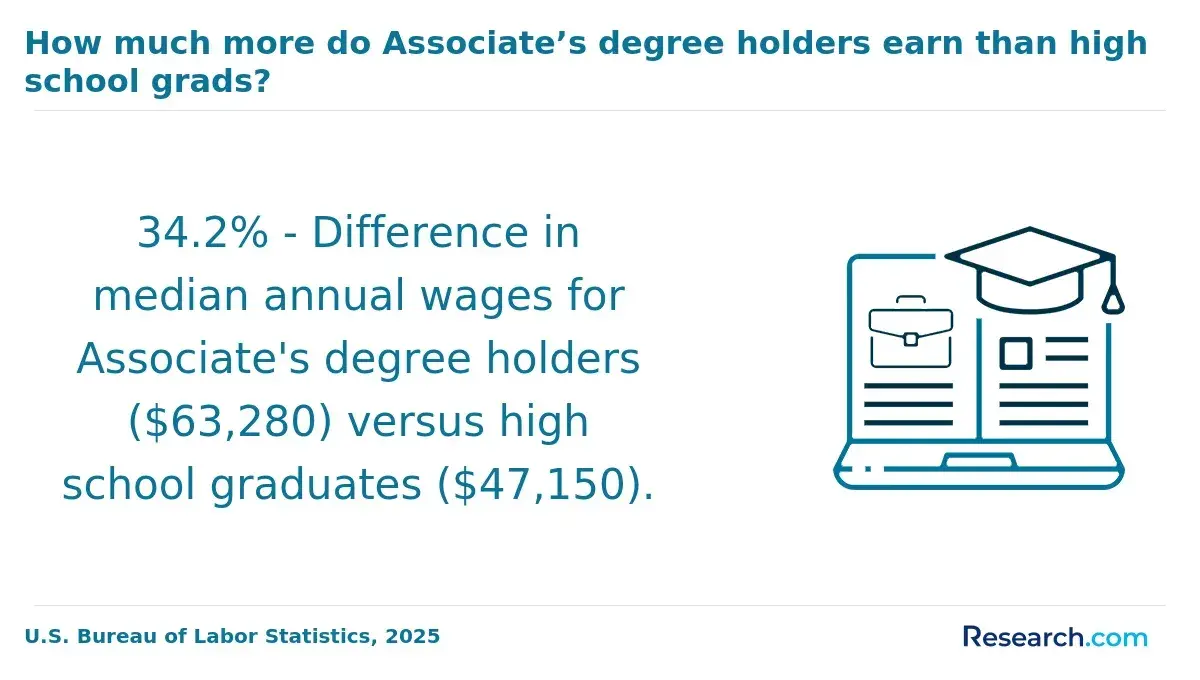
- Associate Degree Credits: Programs often accept about 60% of previous coursework at this level, usually toward general education or elective requirements. These credits are most relevant for students completing an undergraduate pathway before applying to graduate school.
- Bachelor's Degree Credits: Acceptance ranges widely from 50% to 75%, depending on course relevance, grades, institutional accreditation, and degree requirements. Counseling-related courses may help with prerequisites, but upper-level major or residency requirements may still need to be completed at the awarding institution.
- Master's Degree Credits: Graduate transfer policies are usually stricter. Most programs allow only 6 to 12 transfer credits out of 48 to 60 required. These credits often apply to electives or closely matched foundational courses rather than practicum, internship, or advanced clinical requirements.
- Doctoral and Professional Degrees: Doctoral and professional programs generally accept fewer transfer credits because the curriculum is specialized, sequential, and often tied to research, supervision, or advanced practice expectations.
- Accelerated Programs: Accelerated tracks may limit transfer credits because the curriculum is compressed and course sequencing is tightly planned.
- Core Versus Elective Course Transfer: Core clinical courses are harder to transfer than electives. Programs may require students to retake core courses to ensure consistent training, faculty evaluation, and licensure documentation.
How to improve the chance that credits transfer
Students should request a transfer review before enrolling, not after admission if possible. Useful documentation may include official transcripts, course descriptions, syllabi, credit hours, faculty credentials, learning outcomes, reading lists, and proof of accreditation. Students should also ask whether accepted credits reduce tuition, shorten the timeline, or simply satisfy prerequisites.
A clinical mental health counseling graduate described the process as detailed but worthwhile: “I had to carefully review course descriptions and syllabi to ensure alignment with my new program's requirements.” She noted that several advising meetings were needed to clarify which credits counted and which did not. Although some prior coursework was not accepted, the approved transfer credits shortened her time in graduate school and allowed her to focus sooner on clinical experiences.
Can Work Experience Count Toward Clinical Mental Health Counseling Degree Credits?
Work experience may count toward degree credits in some programs, but students should treat this as a limited option rather than a guaranteed shortcut. Prior learning assessment (PLA), sometimes called credit for experience, is more common for undergraduate or elective credit than for graduate clinical counseling requirements. Programs are often cautious because counseling degrees must document academic learning, supervised skills development, ethics training, and licensure-related competencies.
- Counseling-Related Roles: Experience as a counseling aide, case manager, peer counselor, behavioral health technician, crisis-line worker, or social services professional may be considered if the student can show college-level learning. Simply having job experience is usually not enough; the experience must match specific course outcomes.
- Documentation and Evaluation: Schools may require a portfolio, supervisor letters, job descriptions, training records, reflective essays, interviews, or competency assessments. Faculty or PLA evaluators then determine whether the experience is equivalent to academic coursework.
- Time and Cost Benefits: Approved work-experience credit can reduce tuition and shorten a degree plan. However, many programs cap the number of PLA credits and may exclude core counseling, practicum, internship, diagnosis, assessment, and ethics courses.
Students who want work experience considered for credit should contact admissions and academic advising before enrolling. They should ask which credits may be awarded, whether those credits apply to the major or only to electives, and whether using PLA could affect licensure documentation later. Working professionals comparing flexible education options may also find it useful to review how credit and scheduling work in programs such as an executive MBA, though counseling programs are typically more constrained by clinical and licensure requirements.
Do Licensure Requirements Affect Credit Hours in a Clinical Mental Health Counseling Degree?
Yes. Licensure requirements can directly affect the credit hours and course choices in a clinical mental health counseling degree. State boards often require specific coursework, supervised practicum or internship experiences, and documentation that the program covered required competency areas. As a result, a program’s credit total is usually designed around both academic graduation and professional eligibility.
Students should pay attention to three issues:
- Required subject areas: A state may require coursework in areas such as ethics, diagnosis, assessment, human development, counseling theories, group counseling, career counseling, multicultural counseling, addiction, or family systems. If a program does not include a required subject, students may need additional coursework.
- Supervised clinical preparation: Many states require a minimum number of supervised clinical hours, and those requirements may exceed the university’s baseline practicum or internship credits. Students should distinguish between academic credits and clock hours, because they are related but not always the same.
- State-by-state variation: A program that supports licensure in one state may not automatically satisfy requirements in another. Online students and students planning to relocate should be especially careful.
Accreditation can help align coursework with common professional standards, but it does not replace a state board’s authority. Before choosing a program, students should review the program’s licensure disclosures, contact the appropriate state licensing board, and ask the university how it tracks state-specific requirements. Those evaluating the financial return of different degree paths may also compare counseling with majors that make the most money, while keeping in mind that counseling career decisions are often driven by licensure, service setting, and long-term professional fit.
How Do Universities Calculate Credits for a Clinical Mental Health Counseling Degree?
Universities calculate credits by estimating the amount of academic work required for a course. A credit hour typically represents one hour of classroom instruction per week over a standard 15-week semester, along with additional time for reading, assignments, studying, and practice outside class. In counseling programs, credits may also reflect supervised fieldwork and applied skill development.
- Lecture courses: Lecture or seminar courses usually award one credit hour for each hour of weekly instruction. For example, a 3-credit lecture class generally meets for three hours each week and includes additional independent work outside class.
- Skills courses: Counseling skills, group counseling, assessment, and techniques courses may combine lecture, demonstration, role play, recorded practice, and faculty feedback. The credit value reflects both instructional time and expected practice.
- Labs and clinical experiences: Applied learning may require more contact or practice time than a standard lecture course. Students should ask how the program defines contact hours, supervision, and required documentation.
- Practicums and internships: These credits are tied to supervised fieldwork hours. A practicum or internship may carry a modest number of academic credits while requiring a substantial time commitment at an approved site.
- Capstone or project-based courses: Capstone experiences, portfolios, or applied research projects may assign credits based on faculty supervision, independent work, and final deliverables.
Online and on-campus programs generally use the same credit-hour framework, even when class meetings are structured differently. Accelerated formats also use the same credit expectations but compress the work into a shorter calendar. Students interested in compressed graduate options can compare how 1 year masters programs online organize credit loads, while recognizing that clinical mental health counseling programs must also accommodate practicum and internship requirements.
How Do Clinical Mental Health Counseling Degree Credit Requirements Affect Graduation Timelines?
Clinical mental health counseling degree programs typically require between 48 and 60 total credits to graduate, and that credit load is one of the biggest factors in how long the degree takes. The timeline also depends on whether the student enrolls full time or part time, whether courses are offered every term, how clinical placements are scheduled, and whether transfer credits are accepted.
- Required core credits: Core courses often follow a sequence. Students may need to complete foundational courses before taking practicum, internship, assessment, or advanced clinical classes. Missing a prerequisite can delay graduation even if the student has room in the schedule.
- Elective requirements: Electives can add flexibility, but availability matters. If a needed elective is offered only in certain terms, students should plan ahead to avoid a scheduling gap.
- Transfer credits: Accepted graduate credits can reduce the number of courses a student must take. However, transfer reviews can be slow, and rejected credits may require students to adjust their degree plan.
- Accelerated program formats: Intensive semesters, summer sessions, and fast-track options can shorten the calendar time needed to complete the same credit total. The trade-off is a heavier weekly workload.
- Prior learning assessment: Work-experience credit may reduce requirements in some programs, especially for electives or undergraduate coursework, but it is less likely to replace graduate clinical core requirements.
- Clinical placement timing: Practicum and internship requirements can become the limiting factor. Even students who finish coursework quickly may need additional time if approved clinical sites, supervision, or required hours are not available when needed.
Many students complete a graduate clinical mental health counseling program within the usual two to three years, but part-time enrollment, limited course availability, transfer-credit issues, or delayed clinical placements can extend that timeline. The safest approach is to build a term-by-term plan before enrolling and update it with an advisor before each registration period.
Do More Credits Lead to Better Career and Salary Outcomes for Clinical Mental Health Counseling Graduates?
More credits do not automatically lead to better career or salary outcomes. Employers and licensing boards usually care more about the degree level, licensure eligibility, supervised experience, clinical competence, and relevant specialization than the raw number of credits on a transcript. Extra coursework can be valuable, but only when it supports a clear professional goal.
- Advanced concentrations: Additional credits may help students build expertise in areas such as trauma, substance abuse counseling, family therapy, crisis response, or child and adolescent counseling. These focused skills can improve fit for certain roles or populations.
- Licensure preparation: Extra courses can be worthwhile if they help meet state-specific requirements or strengthen readiness for supervised practice. Students should verify that the credits count toward a recognized requirement before paying for them.
- Technical skill enhancement: Coursework in assessment, evidence-based interventions, documentation, telehealth, or program evaluation may be useful in settings that require specialized clinical or administrative skills.
There are also limits to the value of additional credits:
- Degree and licensure priority: Hiring decisions commonly prioritize whether the graduate completed the required degree and is eligible for or has obtained the appropriate license.
- Limited salary impact: Credits beyond program minimums may not increase pay if they do not lead to licensure, certification, promotion eligibility, or specialized responsibilities.
- Experience over coursework: Counseling employers often place significant weight on supervised clinical experience, population-specific practice, documentation ability, ethical judgment, and readiness to work with clients.
The practical rule is simple: take extra credits when they solve a real problem or open a defined opportunity. Avoid adding credits only because they appear impressive. Students should compare the cost of additional coursework with the likely benefit for licensure, specialization, employability, and long-term career direction.
What Graduates Say About The Credit Requirements for Their Clinical Mental Health Counseling Degree
- Bryson: "Choosing an online clinical mental health counseling program was a game-changer for me. The flexibility to complete credits at my own pace allowed me to balance work and family without stress. Considering the average cost per credit was reasonable, I felt confident investing in an extra few credits that significantly boosted my expertise and opened new career paths."
- Tripp: "Reflecting on my time in a traditional clinical mental health counseling degree program, I appreciate how adding extra credits enhanced my professional skill set. While the credit cost was somewhat high, the depth of knowledge I gained justified every dollar. The ability to tailor my course load online for some credits helped maintain that crucial work-life balance."
- Joshua: "The online clinical mental health counseling program really stood out because of its affordable credit cost and the flexibility it offered for extra coursework. Taking additional credits online allowed me to specialize and become a more effective counselor. This strategic investment translated directly into more rewarding opportunities in my career."
Other Things You Should Know About Clinical Mental Health Counseling Degrees
In 2027, core coursework for a Clinical Mental Health Counseling degree typically includes foundational courses in counseling theories, ethics, assessment, and diagnosis. Most programs require approximately 60 credits total, with specific courses in areas like group counseling, research methods, and multicultural counseling.
In 2027, a Clinical Mental Health Counseling degree typically requires completion of 60 credit hours. These programs generally take about two to three years of full-time study. The curriculum includes core coursework, electives, and hands-on experience via practicum and internships.
In 2027, most Clinical Mental Health Counseling degree programs require accreditation from bodies like CACREP. CACREP-accredited programs ensure a minimum of 60 credit hours, addressing areas such as ethics, human development, and assessment practices, aligning with licensing standards. This guarantees the program meets professional and educational standards.
References
- Mental Health Counseling FAQ https://nymhca.org/page/resources-mhcfaq
- Master's Degree in Mental Health Counseling https://www.ccu.edu/ccu/counseling/mental-health-counseling/
- Curriculum https://www.sacredheart.edu/majors--programs/clinical-mental-health-counseling---ma/curriculum/
- Fastest Way To Become A Therapist Or Licensed Counselor https://www.psychology.org/careers/fastest-way-to-become-counselor/
- 10 Things You Should Know About Becoming a Clinical Mental Health Counselor https://www.ucumberlands.edu/blog/10-things-you-should-know-about-becoming-clinical-mental-health-counselor
- It’s time for a financial change in counseling https://www.counseling.org/publications/counseling-today-magazine/article-archive/article/legacy/it-s-time-for-a-financial-change-in-counseling
- Frequently Asked Questions https://www.eou.edu/clinical-mental-health-counseling/frequently-asked-questions/
- Counseling Degree Timeline: Hidden Realities | ValidGrad https://validgrad.com/blog/counseling-degree-timeline/
- Accelerated Programs in Counseling https://psychology.tcnj.edu/academic-programs/accelerated-programs-counseling/
- Working While in Counseling Masters Program 2025 https://careersinpsychology.org/working-while-in-counseling-masters-program/


