
2027 Credit Requirements for a Supply Chain Management Degree Explained

Co-Founder and Chief Data Scientist
Many students pursuing a supply chain management degree struggle to navigate complex credit requirements, often causing delays in graduation. According to the National Center for Education Statistics, 35% of supply chain management undergraduates take longer than six years to finish their programs due to unclear credit transfer policies and course planning challenges. This uncertainty can hinder timely entry into a workforce where demand is growing rapidly-projected job growth in supply chain roles is 19% through 2030.
This article clarifies credit requirements, transfer rules, and academic planning strategies, enabling students to complete their degree efficiently and enter the competitive supply chain field on schedule.
Key Things to Know About Credit Requirements for Supply Chain Management Degrees
- Supply chain management degrees typically require completion within a structured credit range, balancing foundational courses and specialized topics over a standard program length.
- Transfer credits and recognition of prior learning can significantly reduce required coursework, enabling faster progression and lower overall costs.
- Credit distribution influences academic pacing, affecting tuition expenses and graduation timelines, which impacts career entry and workforce readiness in a competitive industry.
How Many Credits Are Required for a Supply Chain Management Degree?
Knowing the typical credit expectations for supply chain management degrees helps students plan their academic path and estimate the time needed to complete their studies. This understanding also assists in managing course loads and financial commitments effectively. Below is an overview of credit requirements by degree level based on common total credit hours supply chain management programs.
- Undergraduate degrees: Usually require between 120 and 130 semester credits. These credits are structured to include about 30-40 credits of general education courses, 40-50 credits of core supply chain management courses such as logistics and procurement, and additional credits for electives that support business fundamentals.
- Graduate degrees (Master's): Typically demand around 30 to 45 credits with a focus on advanced topics like logistics strategy, supply chain technology, and risk management. Graduate programs require fewer general education courses and place more emphasis on specialized knowledge and leadership skills.
These credit guidelines for supply chain management degree programs clarify the academic workload involved. Prospective students can also explore related fields for comparison, such as artificial intelligence degree programs, which may have different credit requirements and course structures.
How Many Core and Elective Credits Are Required for a Supply Chain Management Degree?
Balancing core courses and electives is essential for efficient academic planning and aligning a supply chain management degree with career goals. This balance allows students to fulfill credit requirements while tailoring their education to specialized interests. Recent industry surveys show that approximately 30% of supply chain management coursework consists of electives, highlighting the increasing demand for customized skill sets in the field.
Here is how credit requirements for supply chain management programs typically distribute between core and elective credits:
- Core courses: These usually account for 40 to 60 credits within the total 120 to 130 credit requirement. Core courses cover fundamental topics such as logistics, procurement, operations management, and data analytics, equipping students with essential skills to manage complex supply networks effectively.
- Electives: Elective credits generally range from 20 to 40, allowing students flexibility to explore areas like sustainability, global trade, or technology integration. This customization supports deeper expertise in specialized supply chain roles and enhances overall career readiness.
For students aiming to complete their degree efficiently while tailoring their skills, understanding the distinction between core courses vs electives in supply chain management degree programs is crucial. Programs differ in transfer policies and course structures, so planning credits carefully is vital. For examples of degree affordability and further academic planning, resources such as online business degree guides can provide valuable insights.
Do Online Supply Chain Management Programs Require the Same Number of Credits?
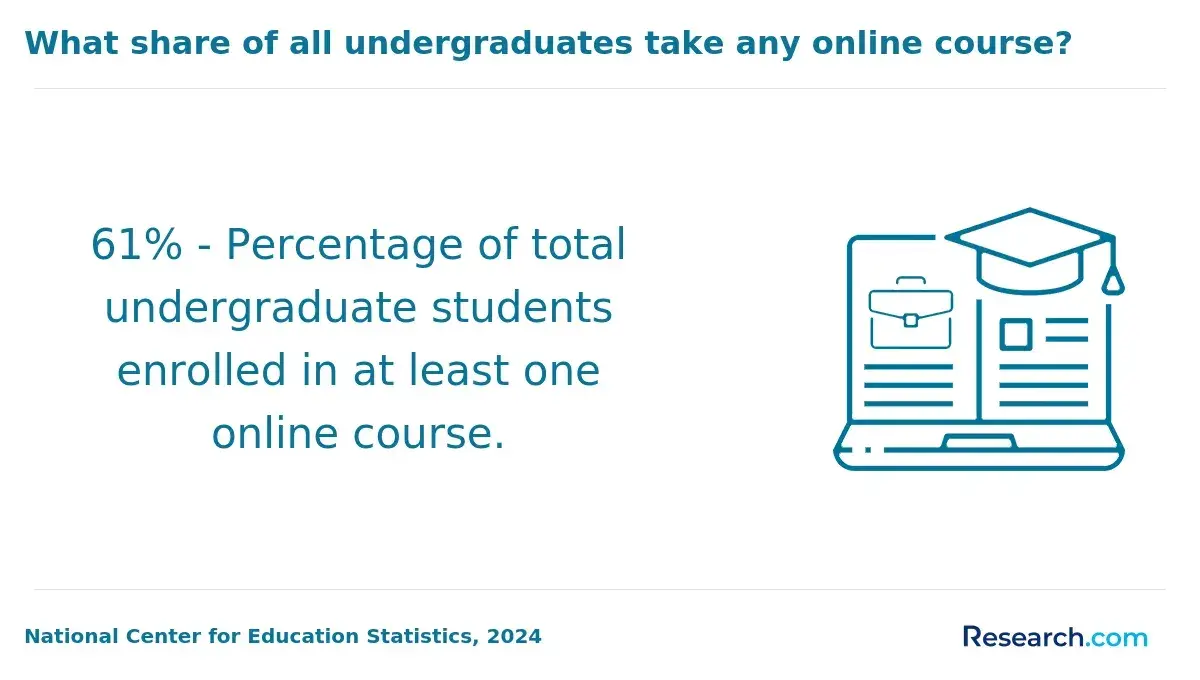
Knowing how credit requirements compare between online and on-campus supply chain management programs is crucial for students planning their studies and evaluating options. This helps ensure that their academic progress aligns with graduation goals and workforce entry timelines. Enrollment in online supply chain management bachelor's degrees has increased by 15% annually, highlighting the growing demand for flexible education.
Key factors to consider include:
- Credit load consistency: Online supply chain management degrees typically require between 120 and 130 credit hours, which closely matches traditional, campus-based programs, maintaining industry and accreditation standards.
- Course structure variations: Online programs often use asynchronous learning and modular course designs that can affect how credits are distributed each semester but do not usually reduce total credit requirements.
- Transfer and credit policies: Different institutions may have varying rules about accepting transfer credits, influencing how prior coursework counts toward the degree and potentially impacting total credits needed.
- Alignment with graduation timelines: Careful management of credit completion ensures steady progress within expected timeframes, allowing students to enter careers without delay.
When I spoke with a graduate from an online supply chain management program, he emphasized the importance of understanding credit demands early on. He explained, "Balancing work and studies was challenging, but the structured credit requirements helped me stay on track." He found the flexibility of online course pacing invaluable, allowing him to complete each credit hour without compromising quality. For him, the equal credit standards meant the degree carried the same professional weight as traditional programs while offering the convenience needed to manage his personal commitments effectively.
How Many Credits Are Required in Accelerated Supply Chain Management Programs?
Students seeking to finish supply chain management programs quickly must grasp credit requirements to plan effectively and avoid setbacks. Knowing how credits are distributed and paced helps maintain academic quality while accelerating graduation timelines.
Below is an overview of credit expectations and workload in accelerated supply chain management programs:
- Typical Credit Ranges: Accelerated bachelor's programs typically require 120 to 130 credits, aligning with standard degrees but condensed into fewer terms. Graduate and professional accelerated programs usually need between 30 and 45 credits, emphasizing specialized subjects for focused expertise.
- Core Courses and Electives: Most credits cover essential supply chain topics like logistics, procurement, and operations management. Electives provide options to customize learning according to career goals or emerging industry trends within a shorter program duration.
- Accelerated Pacing and Workload: Due to the condensed format, students face intensified course loads each term with reduced downtime. Success demands excellent time management and commitment to handle multiple accelerated classes simultaneously.
- Transfer Credit Options: Many institutions allow transfer credits, enabling students to lower their required coursework and complete degrees faster. Confirming compatibility of prior credits with program standards is crucial before relying on transfer credit for time savings.
How Many Transfer Credits Are Accepted Toward a Supply Chain Management Degree?
Knowing how many transfer credits are accepted can significantly impact a student's timeline and costs when pursuing a supply chain management degree. Nearly half of students entering bachelor's programs bring in some transfer credits, highlighting the value of early academic planning. Below is an overview of typical transfer credit policies across degree levels.
- Associate degrees: These programs often accept up to 60 credits, primarily focusing on general education and introductory courses that lay the foundation for more advanced study.
- Bachelor's degrees: Transfer policies usually allow for 60 to 90 semester hours, covering a mix of core supply chain classes, electives, and general education requirements, enabling students to bypass lower-level coursework.
- Master's degrees: Graduate programs tend to accept fewer credits, generally between 6 and 12, limited mostly to graduate-level courses closely related to supply chain management.
- Professional and accelerated programs: These options offer greater flexibility but typically cap transfer credits at about half the total credits needed, balancing speed with curriculum integrity.
- Doctoral programs: Due to specialized research demands, transfer credits are rarely accepted, requiring scholars to complete most study within the program.
When I spoke with a graduate of a supply chain management program about her experience transferring credits, she emphasized the importance of meticulous planning. "The process involved detailed conversations with academic advisors and careful evaluation of course equivalencies," she recounted. While it was challenging to navigate differing curricula between institutions, the ability to transfer credits saved her nearly a semester's worth of study and reduced overall tuition costs. She noted that having clear documentation and proactive communication was essential, and although the process was sometimes frustrating, it ultimately made completing her degree more manageable and faster.
Can Work Experience Count Toward Supply Chain Management Degree Credits?
Prior learning assessment (PLA) or credit for experience allows students to earn academic credits based on relevant professional work experience instead of traditional coursework. Typically, eligible experience includes roles related to supply chain management such as logistics, procurement, and operations management. Below are common types of work experience that may qualify for credit toward a supply chain management degree.
- Logistics and Operations Roles: Universities require detailed documentation like portfolios, training transcripts, and employer verification to assess the learning gained through these roles. Some programs may also require written assessments or interviews to confirm academic standards.
- Procurement and Vendor Relations: Experience demonstrating management responsibilities and direct involvement in supply chain functions is crucial. Institutions often limit credits earned through these means, commonly capping them between 15 and 30 credit hours to preserve academic rigor.
- Related Industries: Work in sectors such as manufacturing, transportation, or warehousing can also qualify if aligned with supply chain principles. This approach often helps reduce time-to-degree and tuition costs by bypassing equivalent coursework.
Using prior work experience for supply chain degree credits is a flexible option especially for professionals balancing employment and study. However, credit transfer options using professional experience may vary across programs and sometimes require upfront fees or extensive evidence compilation. Many online and campus-based degree programs now offer PLA options to facilitate this process.
Those interested in broader academic credit transfer might also explore options in related fields like the library master's degree, which similarly recognizes diverse learning experiences.
Breakdown of Private Fully Online Nonprofit Schools

Do Licensure Requirements Affect Credit Hours in a Supply Chain Management Degree?
Professional licensure typically has limited direct impact on the credit hours required for a supply chain management degree. Unlike fields with strict licensure mandates, supply chain management programs focus more on aligning curricula with accreditation standards and industry certifications, which can indirectly affect credit requirements. Some programs include specialized courses and credit-bearing practical experiences designed to prepare students for certifications like APICS CPIM or CSCP, influencing both time-to-degree and tuition costs. Internships or capstone projects are common credit components that meet employer expectations and accreditation guidelines, with variations in credit allocation between online and campus-based programs. Students should consider these factors when planning how supply chain degree credit count toward certification requirements, as practical experience integration varies by program design.
Differences in state regulations or licensing boards primarily arise when degrees aim to support certifications essential for employment in regulated sectors like healthcare or defense supply chains. Aligning credit hours with such licensure can streamline eligibility for certifications but may complicate maintaining a balanced academic schedule and timely graduation. This alignment benefits students intending to meet certification prerequisites but may extend degree duration or increase costs. Prospective students seeking flexible options might explore the most affordable online colleges offering supply chain programs that integrate these requirements efficiently. Balancing program credits with certification needs and licensure impact on supply chain management credit hours is essential for academic planning and career readiness.
How Do Universities Calculate Credits for a Supply Chain Management Degree?
A credit hour represents one hour of classroom instruction per week over a typical 15-week term. Understanding credit hour calculation is critical for students planning a supply chain management degree because it affects the total time and coursework needed to graduate.
- Lecture Courses: Usually award 3 credit hours for three hours of weekly instruction. These courses form the core of supply chain management credit hour calculation, providing foundational knowledge essential for the degree.
- Labs and Practicums: Offer fewer credits but require additional out-of-class work such as hands-on experience or fieldwork. These courses complement lecture material and help develop practical skills vital for the field.
- Project-Based and Capstone Courses: Variable credits depending on scope, these courses integrate knowledge and encourage application of supply chain concepts, significantly contributing to degree completion.
- Undergraduate vs Graduate Programs: Undergraduate supply chain management degree programs typically require 120-130 total credits, including general education and electives, while graduate programs demand fewer credits-around 30-36-reflecting advanced study and different course formats.
- Online vs On-Campus Courses: Credit calculations remain consistent with accreditation standards, but online courses often allow more flexible pacing, helping students balance study with other commitments.
For those considering credit transfer, policies depend on how prior coursework aligns with supply chain management credit hour standards. Students are encouraged to explore certificate programs online as supplemental options. Incorporating knowledge of supply chain management credit hour calculation and how colleges determine credits for supply chain degrees can aid in efficient academic planning and degree completion.
How Do Supply Chain Management Degree Credit Requirements Affect Graduation Timelines?
Total credit requirements determine the length of time needed to complete a supply chain management degree and are crucial for students planning their academic path. Most bachelor's programs demand between 120 and 130 credits, including general education, core courses, and electives. Several key factors influence how quickly students can finish their degree:
- Core credits: These foundational courses often follow a strict sequence with prerequisites, so careful scheduling is necessary to avoid delays in progression, particularly in on-campus settings where course availability may be limited.
- Elective requirements: While electives add flexibility, choosing them strategically is important; selecting courses outside of one's interest or availability can unintentionally prolong study time.
- Transfer credits: Bringing in credits from previous institutions or alternative learning can significantly speed up graduation, especially for adult learners or students changing schools.
- Accelerated formats: Some programs offer intensive, shorter terms that enable students to complete credits faster, beneficial for those balancing work or personal commitments but requiring considerable dedication.
- Prior learning assessment: Recognition of professional experience or certifications can reduce the number of required credits, thus shortening the overall duration of the degree.
Online supply chain management programs typically allow students to control their credit load, offering flexibility to hasten or extend completion times depending on individual circumstances. Conversely, traditional campus programs usually have set semester schedules but may provide summer sessions to help students advance or catch up. Knowing the specific credit framework and policies of your chosen program is essential to effectively manage your time toward graduation.
Do More Credits Lead to Better Career and Salary Outcomes for Supply Chain Management Graduates?
Taking additional academic credits beyond a supply chain management degree's core requirements can sometimes enhance career advancement, unlock leadership roles, and improve eligibility for specialized or higher-paying positions in select industries. However, this isn't always guaranteed, as the impact of extra credits varies based on factors like employer preferences and labor market demands.
- Advanced Concentrations: Pursuing extra credits in focused areas such as logistics analytics or procurement strategy can deepen expertise, making graduates more competitive for specialized positions.
- Licensure and Certification Preparation: Additional coursework tailored to industry certifications may strengthen both knowledge and credentials essential for career progression.
- Technical Skill Development: Expanding credits in supply chain technology or data analytics can boost practical skills valued in higher-paying roles and leadership.
- Basic Degree Completion Suffices: Most employers prioritize having a completed degree over accumulating extra credits when hiring for entry-level supply chain roles.
- Work Experience Matters More: Practical experience, internships, and professional certifications often weigh heavier than taking additional courses beyond graduation requirements.
- Unrelated Extra Credits: Credits outside relevant supply chain topics rarely contribute significantly to salary increases or career advancement.
Labor market trends highlight that while educational foundation is vital, salary outcomes also depend heavily on industry needs, geographic location, and specific job functions. Graduate degree pathways, such as master's programs requiring more credits, tend to have a stronger influence on earnings than simply increasing undergraduate credit load. Employers frequently balance academic credentials with demonstrated experience and professional skills when making hiring and compensation decisions.
What Graduates Say About The Credit Requirements for Their Supply Chain Management Degree
- Cade: "The flexibility of the online supply chain management program allowed me to complete my credits on my own schedule, which was essential while working full-time. Considering the average cost per credit was quite reasonable, it made earning my degree financially manageable. Adding extra credits really boosted my credentials and opened new leadership opportunities at work, something I'm truly grateful for."
- Maui: "Reflecting on my experience, I found the cost of extra credits in the supply chain management degree to be a worthwhile investment in my future. The ability to fulfill program requirements online gave me the freedom to balance family life and studies effectively. Earning those additional credits strengthened my professional profile and led to tangible career advancements."
- Tyrone: "From a professional standpoint, the online supply chain management degree's credit flexibility was a game-changer for me. The credit costs aligned well with my budget, especially when compared to traditional programs. Earning extra credits enhanced my expertise and has been instrumental in securing more complex projects and responsibilities in my career."
Other Things You Should Know About Supply Chain Management Degrees
In 2027, a standard supply chain management degree typically requires 120 credits. These credits include core courses, electives, and potential internships or practicums. This structure allows students a comprehensive understanding of the field while accommodating individual academic interests.
Yes, typically universities set a credit limit per semester, often around 18 credits, for supply chain management students to ensure manageable course loads and to maintain academic performance. However, this cap can vary by institution, and exceptions may be made with special approval.
Credit requirements often differ due to the degree level and institution type. Community colleges typically offer associate degrees in supply chain management with around 60 credits. Four-year universities require approximately 120 credits for a bachelor's degree, including general education and major-specific courses.
Prerequisite courses can add to the total credit load if a student lacks foundational knowledge in key areas such as economics or statistics. These prerequisite credits usually do not count toward the major but must be completed before advancing to upper-level supply chain management courses. This can extend the time and credits needed to graduate.
References
- Supply chain careers delivering high pay, purpose in a shifting economy - Supply Chain Management Review https://www.scmr.com/article/supply-chain-careers-delivering-high-pay-purpose-in-a-shifting-economy
- Supply Chain Management Major (Undergraduate New Brunswick) https://www.business.rutgers.edu/undergraduate-new-brunswick/supply-chain-management
- Curriculum | BS in Supply Chain Management https://www.qu.edu/schools/business/programs/bachelors-degree/supply-chain-management/curriculum/
- Master of Science in Supply Chain Management and Industrial Engineering Full-Time Curriculum - Pitt Business https://www.business.pitt.edu/admitted/academics-and-advising/master-of-science-in-supply-chain-management-and-industrial-engineering-full-time-curriculum/
- Transfer Credit and Repeat Policies for SCM major requirements https://www.boisestate.edu/cobe-itscm/supply-chain-management/scm-transfer-credit-policy/
- How to Become a Supply Chain Manager: Degree & Steps Required https://www.bschools.org/faq/how-to-become-a-supply-chain-manager
- Understanding Supply Chain and Operations Management Salary: A Complete Tutorial - Techneeds https://www.techneeds.com/2025/04/01/understanding-supply-chain-and-operations-management-salary-a-complete-tutorial/
- Supply Chain Salary & Jobs: Ultimate Guide https://abcsupplychain.com/supply-chain-management-salary-jobs/
- Supply Chain Management Careers: Salaries, Growth & Opportunities | UAGC https://www.uagc.edu/blog/supply-chain-management-careers-salaries-growth-opportunities
- 2025 Most Affordable Supply Chain Management Degrees - SupplyChainGuide.org https://www.supplychainguide.org/degrees/most-affordable-supply-chain-management-degrees/


