2027 Credit Requirements for a General Studies Degree Explained

Co-Founder and Chief Data Scientist
Many students pursuing a general studies degree struggle to navigate varied credit requirements, causing delays in graduation and increased tuition costs. A 2023 study found that 38% of general studies students transfer multiple times, often losing credits due to inconsistent transfer policies. This attrition impacts workforce entry and earning potential, as general studies remains a flexible but complex path. Understanding how credits apply and combine across institutions is vital for efficient progress.
This article clarifies typical credit requirements, transfer nuances, and academic planning strategies to help students complete their general studies degree on time and with minimal obstacles.
Key Things to Know About Credit Requirements for General Studies Degrees
- Total credit requirements determine program length, typically spanning two to four years, affecting completion time and academic planning for general studies degrees.
- Transfer credits and prior learning can significantly reduce required coursework, accelerating graduation and lowering overall educational costs.
- The structure of credits influences academic progression pace, impacting tuition expenses and workforce entry timing in general studies career paths.
How Many Credits Are Required for a General Studies Degree?
Knowing credit expectations is essential for effective academic planning and estimating the time required to complete a degree. This understanding helps students organize their coursework to meet their personal and professional goals while ensuring on-time graduation. Below is an overview of typical credit hour requirements for general studies degree programs at different academic levels.
- Undergraduate general studies: Typically requires approximately 120 to 130 credits, which aligns with standard bachelor's degree total credits needed in the U.S. These credits generally include general education courses covering foundational subjects such as English, math, science, and social sciences, along with core major requirements and electives or advanced study credits that provide broader academic exposure.
- Graduate general studies: Requires fewer credits, often around 30 to 36, reflecting the advanced level of study and prior undergraduate preparation. Credits focus on specialized coursework, deeper critical thinking, and research tailored to students' academic and professional aims.
Credit hour requirements for general studies degree programs vary, but students benefit from clear guidelines to avoid excess coursework and reduce delays. Those interested in furthering their education at the doctoral level might explore online edd programs, which emphasize focused, research-intensive credits beyond these general studies pathways.
How Many Core and Elective Credits Are Required for a General Studies Degree?
Balancing core course credit requirements and electives is essential for academic planning and timely degree completion. This balance also supports students in aligning their studies with long-term career goals, enhancing job readiness. Recent trends indicate that nearly 40% of general studies students select electives that correspond with specific career pathways, reflecting thoughtful academic choices.
Below is a breakdown highlighting how credit hours are usually divided between core and elective courses in general studies programs.
- Core Courses: Typically, about 30 to 45 credits focus on core course credit requirements for general studies degrees. These classes cover foundational subjects such as communication, critical thinking, mathematics, and natural or social sciences. They are designed to build essential academic and professional skills necessary for a broad knowledge base.
- Electives: Elective credits versus core credits in general studies programs usually range from 30 to 50 credits. Electives offer students the flexibility to explore diverse disciplines like humanities, psychology, business, or the arts. This variety helps students customize their education to their interests and career aspirations while fostering a well-rounded skill set.
Students considering pathways such as a fast track social work degree online can particularly benefit from strategically selecting electives that complement their core learning and professional objectives.
Do Online General Studies Programs Require the Same Number of Credits?
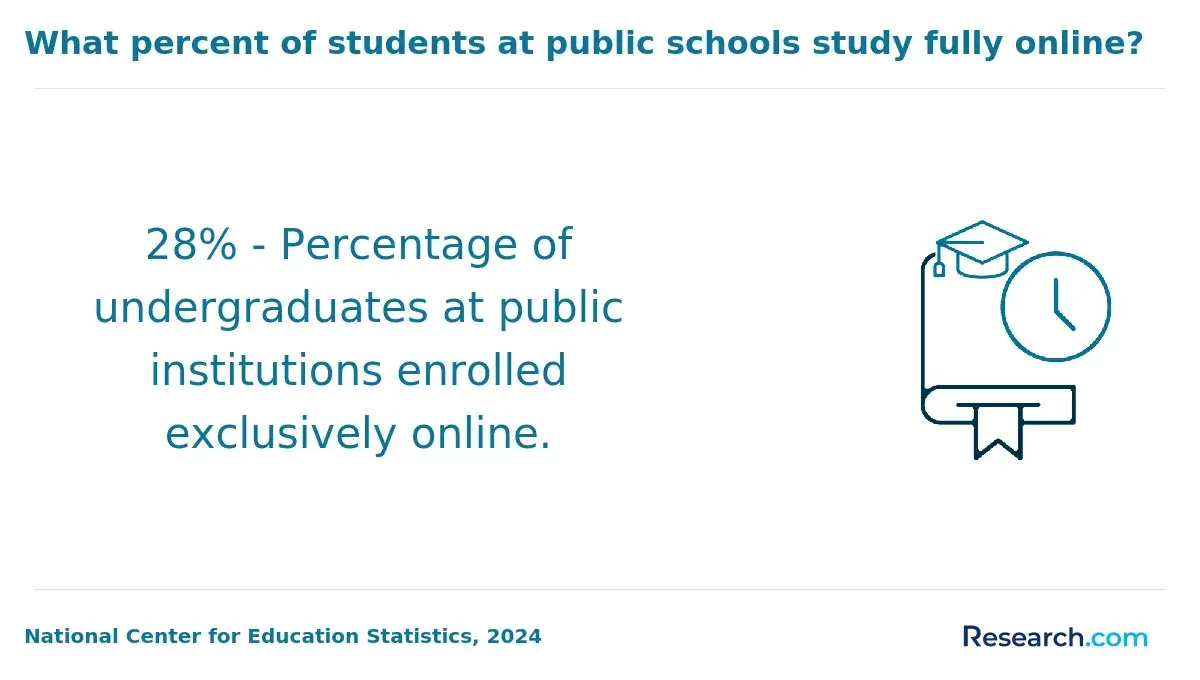
Knowing how credit requirements compare between online and traditional general studies programs helps students plan their academic paths and evaluate different options accurately. This insight is crucial for managing course loads, transfer credits, and overall time to graduation. Notably, online enrollment in general studies programs has risen by more than 15% in recent years, emphasizing a growing preference for flexible learning environments.
Below are important considerations regarding credit requirements:
- Standard credit hours: Both online and in-person general studies degrees typically require between 120 and 130 semester credits to graduate, ensuring consistent academic standards regardless of delivery method.
- Course design and pacing: Online formats often allow greater flexibility, enabling students to take fewer or more credits per term based on their personal schedules, which can affect semester planning and completion timelines.
- Alignment with goals: Understanding credit accumulation helps students stay on track for graduation while also meeting career or licensure requirements, allowing for informed decisions about workload and pacing.
A graduate of an online general studies degree shared that although coordinating coursework alongside family and work commitments was challenging, the online format helped accommodate his schedule significantly. He mentioned, "Balancing life and classes wasn't easy, but being able to complete my credits from anywhere made the difference." This flexibility was key to fulfilling credit requirements without compromising other responsibilities, demonstrating how online programs can effectively support diverse student needs.
How Many Credits Are Required in Accelerated General Studies Programs?
Knowing the credit requirements for accelerated programs is essential for students who want to manage their course load and graduate sooner. Being clear on these details helps in making informed decisions about pacing and scheduling.
Below is a breakdown of key aspects related to credit demands in accelerated general studies programs:
- Typical Credit Range: Accelerated undergraduate general studies programs generally require between 36 and 60 credits, which is notably fewer than the conventional 120 credits for traditional degrees. For graduate or professional levels, the credit load usually falls between 30 and 45, reflecting a more specialized focus.
- Credit Structure: Programs divide credits between core courses that cover foundational knowledge and electives that offer some degree of customization. However, to maintain the faster pace, elective options may be more restricted, even though core requirements remain comprehensive.
- Accelerated Pacing and Workload: Students typically take heavier course loads per term or attend classes continuously throughout the year. This intensified schedule increases academic demands but allows for quicker completion of the degree.
- Transfer Credits: Many accelerated programs permit the transfer of previous college credits to lower the remaining credit burden. Policies on transfer limits vary, so students benefit from reviewing these rules to maximize credit acceptance and reduce time to graduation.
How Many Transfer Credits Are Accepted Toward a General Studies Degree?
Knowing how many transfer credits a program accepts is essential for students aiming to continue their education efficiently or shorten their time to graduation. About one in three students entering bachelor's general studies programs nationwide transfer credits from other institutions. This prevalence underscores the importance of understanding credit transfer policies. Below is a summary of common acceptance practices by degree type.
- Associate Degrees: Typically accept up to 75% of previous college credits. Most transferred credits apply toward general education and electives but rarely fulfill specialized major requirements.
- Bachelor's Degrees: Commonly allow 60 to 90 transfer credits, generally representing about half of the total needed. Credits often count toward electives and general studies, while core major courses usually require completion at the enrolling institution.
- Master's and Professional Degrees: Usually accept fewer transfer credits, often less than 12 to 15, reflecting the advanced nature and accreditation standards of these programs. Transfer options are more limited given specialized curriculum demands.
- Doctoral Programs: Generally allow minimal transfer credits, if any, due to the focus on original research and program rigor. Most coursework and dissertation requirements must be completed within the awarding university.
- Accelerated Programs: Tend to have stricter transfer credit policies because of their condensed format. Students often face tighter limits on transferred credits to ensure curriculum integrity.
Transferred credits tend to fulfill elective or general education requirements more easily than core majors, encouraging careful planning to maximize transfer benefits and avoid redundant coursework.
When asked about her experience, a graduate of a general studies degree shared that navigating credit transfers was challenging but ultimately rewarding. She recalled feeling overwhelmed managing different institutions' policies, "It wasn't straightforward knowing which credits would count, and I spent a lot of time confirming evaluations." Her persistence paid off as she was able to apply many transferred courses toward graduation, reducing both time and expense. She advised prospective students to maintain detailed records and communicate frequently with academic advisors, noting, "Being proactive helped me stay on track and avoid surprises." Her journey highlights how understanding transfer acceptance can significantly impact a student's academic path.
Can Work Experience Count Toward General Studies Degree Credits?
Prior learning assessment (PLA) allows students to earn academic credits by formally recognizing knowledge and skills gained outside traditional classrooms, especially through professional work experience. Typically, experience such as military service, specialized job roles, or independent study can qualify for credit toward a general studies degree. The following points outline key aspects of how credit for work experience in general studies degrees is evaluated and applied.
- Types of Eligible Experience: Common qualifying experiences include supervisory roles, specialized technical jobs, healthcare assistance, office management, and project coordination. These roles should demonstrate learning outcomes closely aligned with college-level coursework.
- Documentation and Evaluation: Universities often require portfolios, resumes, letters of verification, and sometimes standardized tests to verify prior learning. Faculty committees usually assess these materials to ensure academic standards are met.
- Credit Limits: Prior learning credit policies for general studies programs often cap PLA credits between 15 and 30 semester hours to preserve academic rigor and degree integrity.
- Impact on Degree Completion: Utilizing PLA credits can significantly shorten time-to-degree and reduce tuition costs by allowing students to bypass some required courses. However, excessive reliance on such credits may raise concerns about the comprehensiveness of academic preparation.
This approach is available in many flexible program formats, including both online and campus-based general studies degrees. Students exploring affordable pathways may also consider related fields, such as an mlis, which sometimes offer similar credit for professional experience options.
Breakdown of All 2-Year Online Title IV Institutions

Do Licensure Requirements Affect Credit Hours in a General Studies Degree?
Licensure requirements can significantly impact the credit hours needed to complete a general studies degree, especially when the program intends to prepare students for professions regulated by state or national boards. Many licensure paths mandate specific coursework, clinical hours, or practical experiences that exceed typical general education credits. This additional credit requirement can extend the time-to-degree and increase tuition costs, as students must fulfill extra courses or practicum obligations. Variation in credit requirements often depends on accreditation bodies, which set minimum standards influencing how colleges design their degree plans to meet licensure demands. For example, students aiming for licensure in fields like teaching, nursing, or counseling often face stricter credit and experience prerequisites than standard general studies programs require, affecting their overall academic trajectory and cost.
Online and campus-based general studies programs may integrate these licensure-specific credit requirements differently, influenced by the institution's accreditation and the state regulations governing licensure. Some states impose strict clinical or hands-on experience mandates that may present challenges for fully online students, prompting the need for hybrid formats or in-person residencies. Aligning degree credits with licensure standards offers benefits such as smoother professional transitions and fewer certification hurdles but also requires careful academic planning to avoid unnecessary credit accumulation and expenses. Students working toward licensure within a general studies program should balance these demands while considering options among the easiest college majors with high pay. Understanding licensure impact on general studies credit hours and the credit requirements for licensure in general studies degree programs is essential for efficient degree completion.
How Do Universities Calculate Credits for a General Studies Degree?
A credit hour generally represents one hour of direct faculty instruction weekly throughout a semester, usually about 15 weeks. Understanding credit calculations is essential for students planning a general studies degree, as it helps in managing transfer credits and estimating time to graduation effectively.
- Lecture Courses: Typically, one credit hour is awarded for every hour spent in classroom instruction each week. These credits form the bulk of a general studies degree credit calculation process as they provide foundational knowledge essential for progression.
- Labs and Clinical Sessions: These courses often require two to three hours of hands-on work per credit hour due to their practical nature. This reflects the additional time commitment outside traditional lectures needed to satisfy university credit requirements for general studies.
- Practicums and Capstone Projects: Credits are granted based on the time invested and learning outcomes rather than seat time. These applied courses integrate theory and practice, aiding students in demonstrating mastery in their field.
Credit hour calculations differ notably between undergraduate and graduate general studies programs; graduate courses usually require fewer but more in-depth credits per course. Both online and on-campus formats adhere to standard credit hour policies, but online classes often include asynchronous components, ensuring equivalency in time and effort. Accreditation bodies standardize these credit calculations to guarantee uniform academic quality.
Students assessing their academic planning may consider accredited online certificate programs as complementary options. Efficient navigation of credit requirements and the general studies degree credit calculation process can lead to timely completion and successful transfer of credits.
How Do General Studies Degree Credit Requirements Affect Graduation Timelines?
A general studies degree typically requires about 120 total credits, encompassing core, elective, and occasionally specialization courses. These credit requirements directly shape how quickly students can complete their degree, making strategic planning essential. Below are the main factors affecting graduation timelines in general studies programs:
- Core credits: These mandatory courses form the essential foundation of the degree. Students generally must finish core credits before moving on to electives, so delays here can extend overall completion time.
- Elective credits: These flexible courses allow students to customize their education, but the number required varies by institution. Choosing electives that fit a student's schedule can either speed up or slow down progress.
- Transfer credits: Prior college coursework accepted by a school can considerably reduce the time needed to graduate. Effectively applying transfer credits allows students to bypass certain requirements.
- Accelerated formats: Some programs offer fast-paced courses or shorter terms, enabling students to earn credits more quickly. This option benefits those able to handle an intensified workload, speeding up graduation.
- Prior learning assessment: Credit awarded for relevant work experience or other learning outside the classroom can decrease required credit hours. This approach helps students lessen their course load and finish sooner.
Whether studying online or on-campus, these elements can either reduce or extend the time it takes to earn a general studies degree. For example, transfer credits and test-based credits let students move beyond basic classes faster, while rigid core requirements or limited access to needed courses may delay graduation. Careful credit planning and awareness of institutional policies are key to graduating on schedule.
Do More Credits Lead to Better Career and Salary Outcomes for General Studies Graduates?
Additional academic credits beyond a general studies degree's minimum requirements can sometimes enhance career advancement, leadership prospects, and eligibility for specialized or higher-paying roles in specific fields. However, the value of extra credits varies based on how well they align with industry demands and professional qualifications.
- Advanced concentrations: Earning credits that focus on specialized areas or leadership skills can increase opportunities for higher-level positions.
- Licensure preparation: Additional coursework required for certification exams in fields like education or counseling enhances job eligibility and salary potential.
- Technical skill development: Credits in technology, business, or communication can boost a candidate's competitiveness in industries valuing specific expertise.
- Lack of specialization: Accumulating credits without targeted skill-building often fails to improve marketability or salary.
- Emphasis on experience and credentials: Many employers prioritize relevant work experience, certifications, or graduate education over extra undergraduate credits.
- General degree limitations: Labor markets tend to reward specialized or professional degrees with higher starting salaries compared to broad general studies programs.
Employers mainly focus on the attainment of a bachelor's degree rather than the sheer number of credits completed. Nonetheless, strategically selected credits that build relevant expertise can provide general studies graduates with advantages when seeking advancement. Carefully planning credit choices tailored to industry requirements helps maximize career benefits within the constraints of a general studies curriculum.
What Graduates Say About The Credit Requirements for Their General Studies Degree
- August: "Enrolling in the online general studies degree program gave me the flexibility I needed to complete my credits on my own schedule, which was vital while balancing work and family. The average cost per credit was surprisingly affordable compared to traditional programs, easing my financial concerns. Earning those extra credits expanded my knowledge base and directly contributed to securing a promotion in my field. "
- Lewis: "The general studies degree offered a cost-effective way to accumulate the necessary credits without the pressure of on-campus attendance. Reflecting back, I appreciate how being able to transfer and earn extra credits online helped me graduate faster and saved money overall. This flexibility and financial benefit made a tangible difference in my professional growth and confidence. "
- Romina: "As a professional aiming to enhance my qualifications, the general studies program's flexible credit requirements allowed me to tailor my coursework precisely to my needs. The credit costs were reasonable, which made continuing education accessible without incurring heavy debt. The additional credits I earned broadened my skills and have been pivotal in advancing my career opportunities. "
Other Things You Should Know About General Studies Degrees
The 2027 credit requirements for a general studies degree are designed to provide flexibility, allowing students to tailor their coursework to diverse fields of interest. This adaptability ensures that students can customize their education to align with evolving career aspirations by choosing electives that support different professional paths.
The 2027 credit requirements for a general studies degree are designed to be flexible, allowing students to select from a diverse range of elective courses. This flexibility enables students to tailor their education as their career aspirations evolve, thereby supporting varied career objectives and interdisciplinary learning.
References
- Associate of General Studies (AGS) Degree Requirements https://catalog.pcc.edu/degreecertificateandcourseoverview/associateofgeneralstudiesagsdegreerequirements/
- How Many Credits Do You Need to Graduate College? | SNHU https://www.snhu.edu/about-us/newsroom/education/how-many-credits-to-graduate-college
- Associate Degree in General Studies in CT | University of Bridgeport https://www.bridgeport.edu/academics/programs/general-studies-aa-as/
- What Are University Credits and How Do They Transfer? - Cyprus West University https://www.cwu.edu.tr/what-are-university-credits-and-how-do-they-transfer/
- Structure of studies in Poland https://study.gov.pl/structure-studies-poland
- What Is a General Studies Degree? 2025 Guide https://www.coursera.org/articles/general-studies-degree
- Is is appropriate to specify what a general studies degree was in? https://academia.stackexchange.com/questions/124670/is-is-appropriate-to-specify-what-a-general-studies-degree-was-in
- How Colleges Award Credits For Work Experience https://www.affordablecollegesonline.org/college-resource-center/college-credit-for-work-experience/
- How Do University Credits Work? – Complete Guide https://peachyessay.com/blogs/how-do-university-credits-work/
- School of Business, Arts & Sciences General Studies https://asumh.edu/degrees-and-programs/business,-arts-and-sciences/degree/12/general-studies