2027 How Long Does It Take to Earn an Online Game Design Degree?

Co-Founder and Chief Data Scientist
Online education offers unprecedented flexibility for those pursuing a game design degree, meeting the needs of busy students and professionals. According to the U.S. Bureau of Labor Statistics, employment in multimedia and game design-related fields is projected to grow 13% through 2032, highlighting strong demand.
Understanding how long does it take to earn an online game design degree is essential for effective planning. This article explores typical program lengths, factors influencing duration such as course load and program type, and guidance on selecting the right timeframe to align with career goals and personal schedules. The goal is to support informed, confident decisions about pursuing an online game design degree.
Key Benefits of Online Game Design Degree
- Most online game design degrees take about two to four years to complete, depending on whether you enroll in an associate or bachelor's program.
- Flexible scheduling allows students to balance coursework with work or personal commitments, making it easier to progress at a personalized pace.
- Accelerated programs enable some students to finish in as little as 18 months by taking extra courses each term or year-round classes.
What is the average completion time for online game design programs?
Online game design programs typically take between 12 months and 4 years to complete, depending on the degree level and format. The following breakdown provides a clear view of the average time to complete online game design degree programs at various levels, helping to understand how long does an online game design program take on average.
- Certificate Programs: These are short-term programs aimed at foundational skills and can often be completed in as little as 6-12 months. They are ideal for those seeking entry-level positions or rapid upskilling, usually allowing up to a year for completion.
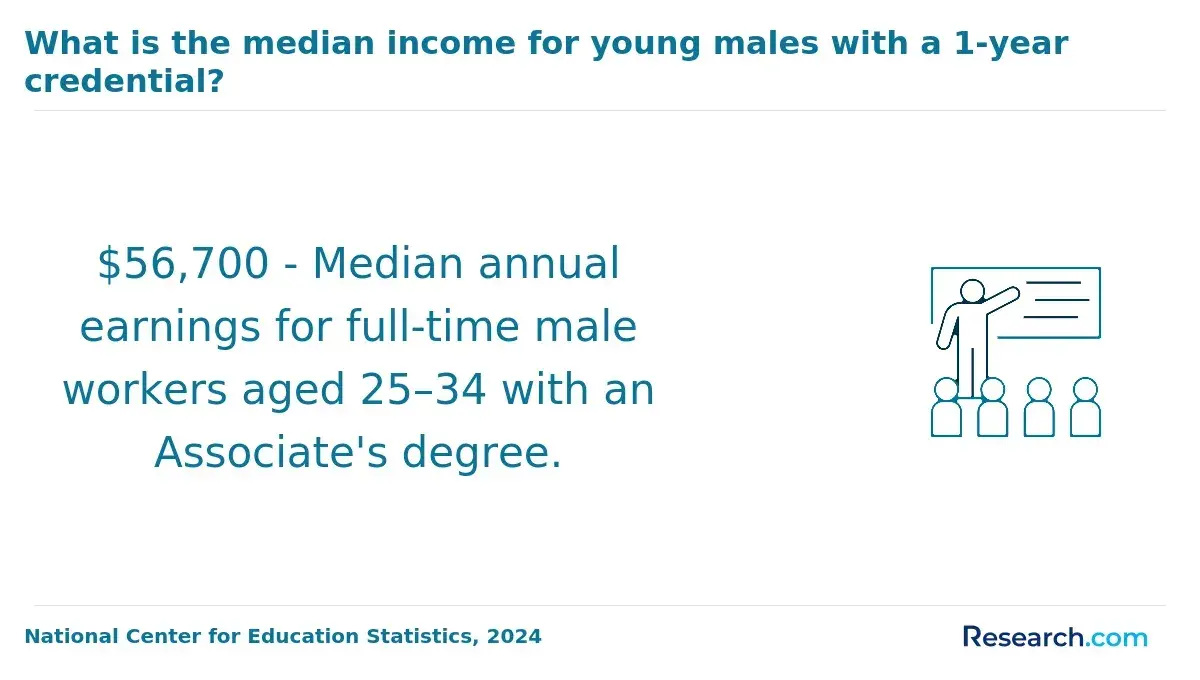
- Associate Degrees: Typically requiring about 2 years of full-time study, these degrees offer a broad introduction to game design principles. Accelerated tracks may be available at some institutions, reducing the overall time to finish.
- Bachelor's Degrees: The most common timeline for online bachelor's programs is around 4 years, consistent across accredited institutions. However, options such as accelerated online bachelor's in game design can allow motivated students with prior credits or experience to complete in 12-24 months.
- Professional Short Courses: Focused on specific skills or software, these courses are not degree programs but generally take 6-12 months of self-paced study to complete, making them a quick option for targeted skill development.
Completion times vary widely based on part-time versus full-time enrollment and any transferable credits or prior experience a student may bring.
For those interested in accelerated options, especially working adults, exploring fast online degree completion programs for working adults can provide valuable pathways to shorten how long does an online game design program take without sacrificing quality.
What factors can affect how long it takes to earn an online game design degree?
Several key factors influence how long it takes to earn an online game design degree, with program length varying widely depending on students' individual circumstances and institutional options. These elements can either speed up or extend the time required to complete the degree. Below is an outline of the primary factors affecting program duration to help prospective students understand what to expect.
Important factors that impact online game design degree completion time include:
- Enrollment Status (Full-Time vs. Part-Time): Full-time students typically finish a bachelor's degree in about four years, following a traditional semester schedule. Part-time students often take longer, usually five or six years, as they balance coursework with work or personal commitments.
- Accelerated and Flexible Program Options: Some programs offer accelerated tracks with year-round or condensed terms. For example, certain bachelor's completion programs allow associate degree holders to finish in as little as 13 months, appealing to highly motivated students willing to handle heavier course loads.
- Transfer Credits for Online Game Design Programs: Students with previous college credits or an associate degree can transfer these credits to shorten their bachelor's program. Transfer policies vary by school, so checking institutional guidelines is essential.
- Degree Level and Credit Requirements: An associate degree usually takes about two years, a bachelor's about four years, and a master's one to two years. Credit requirements differ, with bachelor's programs requiring roughly 120 credits and master's programs between 30 and 64 credits.
- Program Format and Course Structure: Online programs may be synchronous or asynchronous. Asynchronous formats often allow students to progress more quickly if they can dedicate additional time to their studies.
- Internships and Project Requirements: Completing internships, capstone projects, or portfolios can add time, especially when external coordination or extensive development is necessary.
- Personal Circumstances and External Commitments: Employment, family, and health can influence pacing. Flexibility in online learning helps accommodate these factors but may also extend timelines if interruptions occur.
For students considering starting with foundational credentials, exploring the easiest associates degree to get can be a smart step before advancing into a full bachelor's game design program.
What are the different types of online game design programs available?
Prospective students interested in online game design degrees can choose from a variety of specializations and program types that cater to different career paths and interests within the game industry. These options allow learners to focus on creative, technical, or business aspects while selecting formats that suit their schedules and goals.
Below are some of the major types and concentrations available in online game design education.
- Game Design Bachelor's: Focuses on the conceptual and creative aspects of making games, such as mechanics, narrative, and systems integration. It is ideal for students interested in designing interactive experiences and building foundational gameplay knowledge.
- Game Art Bachelor's: Centers on visual development including character modeling, animation, and environment design. This program suits students passionate about digital art who want to build strong portfolios for careers in game studios.
- Game Development Bachelor's: Emphasizes programming and technical skills, teaching coding, game engines, and software architecture. It's recommended for those aiming to become game developers or software engineers.
- Game Software Development: Combines computer science principles with game-specific technology, offering a hands-on approach to developing and testing games across platforms. Ideal for students seeking rigorous technical training.
- Game Business & Esports: Focuses on the commercial and managerial side of the industry, covering marketing, team management, and revenue models. It prepares learners for roles in game business and esports management.
- Simulation & Visualization: Provides technical training in modeling and system testing relevant to fields like education and healthcare, extending beyond entertainment-based games.
- Purposeful Game Design: Concentrates on creating games for education, health, or social impact, designed for students wanting to develop games with meaningful functions beyond entertainment.
- Master's Degrees in Game Design: Offers advanced studies in leadership, project management, and design methodologies, aimed at professionals pursuing senior or specialized roles.
How many credit hours are required for an online game design degree?
Completing an online game design degree in the United States generally involves meeting a set number of credit hours, which varies by the level of the degree pursued. Understanding these requirements can help students plan their studies and anticipate how long it might take to graduate.
Below is a summary of the average credit hour requirements for online game design programs at different degree levels.
- Associate degree (A.S. or A.A.S.): Typically requires around 60 credit hours, usually completed over two years of full-time study. Part-time enrollment can extend the program duration, while transferring previous credits may shorten it. Program curricula vary slightly but generally fall between 60 and 65 credits.
- Bachelor's degree (B.S. or B.A.): Usually demands about 120 credit hours, often completed in four years by full-time students. Accelerated tracks and transfer credits may allow for earlier completion. Some institutions mandate earning a minimum number of credits directly from their program, which can influence timelines.
- Master's degree (M.S. or M.A.): Generally requires between 30 and 36 credit hours, with full-time students finishing in one to two years. Part-time students, or those balancing work and study, might need additional time to complete the program, especially if they adjust course loads each term.
- Doctoral degree (Ph.D. or D.A.): Less common online, these programs typically require 60 or more credit hours beyond the master's level. Completion time varies widely due to research and dissertation demands, often spanning three to seven years.
I interviewed a graduate of an online game design degree who shared their experience balancing coursework alongside a full-time job. They recalled late nights meeting project deadlines and the challenge of staying motivated through demanding credit hour requirements.
Their personal journey highlighted the importance of time management and persistence, especially when tackling intensive core courses and collaborative assignments remotely. Despite the hurdles, they described a deep sense of accomplishment in reaching graduation, emphasizing how structured credit requirements provided clear goals that kept them focused throughout the process.
What courses are included in a standard online game design curriculum?
A standard online game design curriculum typically includes a variety of courses that cover both foundational knowledge and specialized skills essential for success in the gaming industry. Below is an overview of common core and advanced courses students can expect to encounter in these programs, which collectively build a versatile skill set for different career paths.
Here are examples of typical courses offered in an online game design curriculum:
- Introduction to Game Design: Students learn the basics of game mechanics, player engagement, and the iterative design process. This course cultivates skills in conceptualizing and prototyping original game ideas, preparing students for roles in game design and production.
- Game Development Programming: Focused on languages like C++, C#, and Java, this course teaches students to build functional game systems and mechanics. It provides a strong technical foundation relevant to careers in game programming and software engineering.
- Narrative Design and World Building: Covers story structure, character development, and interactive storytelling. This prepares students to create immersive narratives and game worlds, equipping them for roles in narrative design and writing.
- Level Design: Through hands-on projects, students learn to design multi-level environments, puzzles, and balanced gameplay. This course develops expertise crucial for level designers and environment artists.
- Game Art and Animation: Teaches 2D and 3D asset creation, modeling, and animation. It equips students with visual design skills needed for careers as game artists, animators, and technical artists.
- Systems Design: Focuses on architecture for game systems such as progression and combat mechanics. Students learn to build scalable, player-focused systems, essential for systems and technical designers.
- User Experience (UX) and Interface Design: Emphasizes player interaction, usability, and interface creation. This prepares students to enhance gameplay experiences, a growing focus in game studios' UX/UI roles.
- Game Audio and Music: Explores sound effects, music composition, and audio integration. Students understand how audio contributes to immersion, aligning with careers in sound design and composition.
- Game Production and Project Management: Covers agile workflows, team collaboration, and project management tools. It prepares students for leadership roles such as producers and project managers in game development.
- Portfolio Development: Enables students to compile professional-quality portfolios through capstone projects, critical for job applications and freelance work in the competitive game industry.
How often do online game design programs start during the year?
Online game design programs typically offer multiple start dates throughout the year, providing students with flexibility that helps them balance education with personal and professional commitments. This adaptable scheduling is especially helpful for busy professionals, career changers, and others who prefer not to wait for traditional enrollment periods.
Below are the most common start schedules you'll find in online game design programs:
- Traditional Academic Calendar: Many programs follow a semester-based system with start dates in the fall, spring, and sometimes summer. For instance, some schools offer summer and fall intakes beginning in June, August, and October, providing a predictable, paced academic year ideal for students who prefer structure.
- Monthly or Quarterly Starts: Certain schools allow new enrollments as often as every month, letting students start their studies almost immediately after admission. This schedule benefits individuals seeking maximum flexibility or those eager to accelerate their progress.
- Trimester or Quarterly Schedules: Some programs operate on three or four start dates per year-such as in January, May, and September-giving more frequent entry points than traditional semesters. This approach is helpful for students who want to begin at a convenient time without extended waiting periods.
- Rolling Admissions: Less common but available in some cases, rolling admissions admit students continuously throughout the year based on application review. This option suits learners with highly individualized or unpredictable timing needs.
How much faster can you complete an accelerated online game design degree?
Accelerated online game design programs significantly reduce the time needed to earn a degree by streamlining coursework and maximizing learning efficiency compared to traditional formats that often take several years.
Several common features enable these programs to help students graduate faster while maintaining a high-quality education experience.
- Intensive Course Load: Students typically take multiple courses at once during shorter, compressed terms. This concentration allows faster accumulation of credits, as seen in programs that can be finished in under a year instead of the standard multi-year timeline.
- Year-Round Enrollment: By offering multiple start dates throughout the year, programs eliminate downtime between semesters. This flexibility lets students dive into courses as soon as they are ready, maintaining momentum without waiting months for traditional semester start times.
- Transfer Credits: Many accelerated programs accept large amounts of transfer credits from prior college coursework or relevant life experiences, dramatically cutting down the number of classes students must complete to graduate.
- Flexible Scheduling: Fully asynchronous course formats enable learners to study on their own schedules, removing conflicts and allowing motivated students to progress rapidly through material.
I spoke with a graduate of an online accelerated game design degree who described the experience as both intense and rewarding. They recounted balancing a demanding course load while working full-time, often studying late into the night after family responsibilities.
The self-paced nature of the program helped them tailor their schedule on tight deadlines, but it required strong discipline and focus. Despite the pressure, they appreciated how quickly they could apply new skills in real-time projects, leading to a deep sense of accomplishment and readiness for career advancement much sooner than expected.
Does finishing an online game design degree faster save you money?
Completing an online game design degree faster can significantly reduce your overall education costs, making it a financially smart choice for many students. Understanding the specific ways that an accelerated timeline saves money can help you decide if you want to finish game design degree online in less time. The key financial benefits of speeding up your online game design program include the following:
- Lower Tuition Costs: Many programs charge tuition per semester or term instead of per credit hour, so finishing your degree in fewer semesters can reduce tuition expenses. Accelerated formats like 13-month bachelor's completion programs let you pay for fewer total terms compared to the usual four-year schedule, which may save thousands of dollars overall.
- Reduced Living Expenses: Less time in school means fewer months or years paying for housing, utilities, groceries, and other living costs. Even if you stay at home during your studies, cutting your program length from four years to three avoids a full year of additional daily expenses.
- Earlier Entry Into the Workforce: Graduating sooner allows you to start earning a game design salary earlier, increasing your lifetime income. Considering the average annual salary for game designers is about $99,060, entering the job market a year earlier can provide a major financial advantage.
- Less Time Off Work: Accelerated programs reduce the time you need to decrease work hours or take unpaid leave, which is crucial if you balance studies with a job or family responsibilities. Maintaining steady income while progressing through your degree minimizes lost earnings.
- Decreased Opportunity Costs: Spending less time in school means less lost potential earnings and career growth, helping you gain industry experience and networking opportunities sooner. This financial benefit complements the direct tuition and living cost savings.
For more insights on educational costs and pathways, see how much is an associate degree.
How soon can graduates start working after earning their online game design degree?
Graduates can typically start working within a few months after earning their online game design degree. The timeline for securing entry-level game design jobs timeline varies based on factors such as the specialization within game design, current market demand, and the candidate's prior experience or portfolio quality.
Fields like programming or mobile development often see faster employment due to high demand. The Bureau of Labor Statistics projects a 16% growth in video game designer employment after graduation from 2022 through 2032, signaling promising opportunities. Candidates with experience in shipped titles or practical work tend to find jobs more quickly.
Many online game design programs offer flexible schedules, allowing students to gain relevant work experience through internships, freelance projects, or networking as they study. This practical exposure is valuable since employers prefer candidates with hands-on development experience and portfolio-ready projects. Some programs even integrate internships or capstone projects into their curriculum to build industry connections and real-world skills before graduation.
Such opportunities can significantly accelerate the transition into full-time roles by offering professional contacts and experience. For those interested in accelerated paths, exploring shortest doctoral programs might also provide additional career benefits.
How much do online game design graduates earn on average?
Online Game Design graduates in the U.S. typically earn between $79,000 and $149,000 annually, depending on experience, education, and career path. To better understand the average game designer salary in the US, here is a breakdown of common roles and earning potential across different stages and specialties in the industry.
Here are typical salaries by career level and job type for those holding online game design degrees:
- Entry-Level Roles: Graduates starting out usually earn an entry level game design salary between $79,000 and $98,000 per year. These salaries are influenced by technical skills, portfolio strength, and the size or location of the employer.
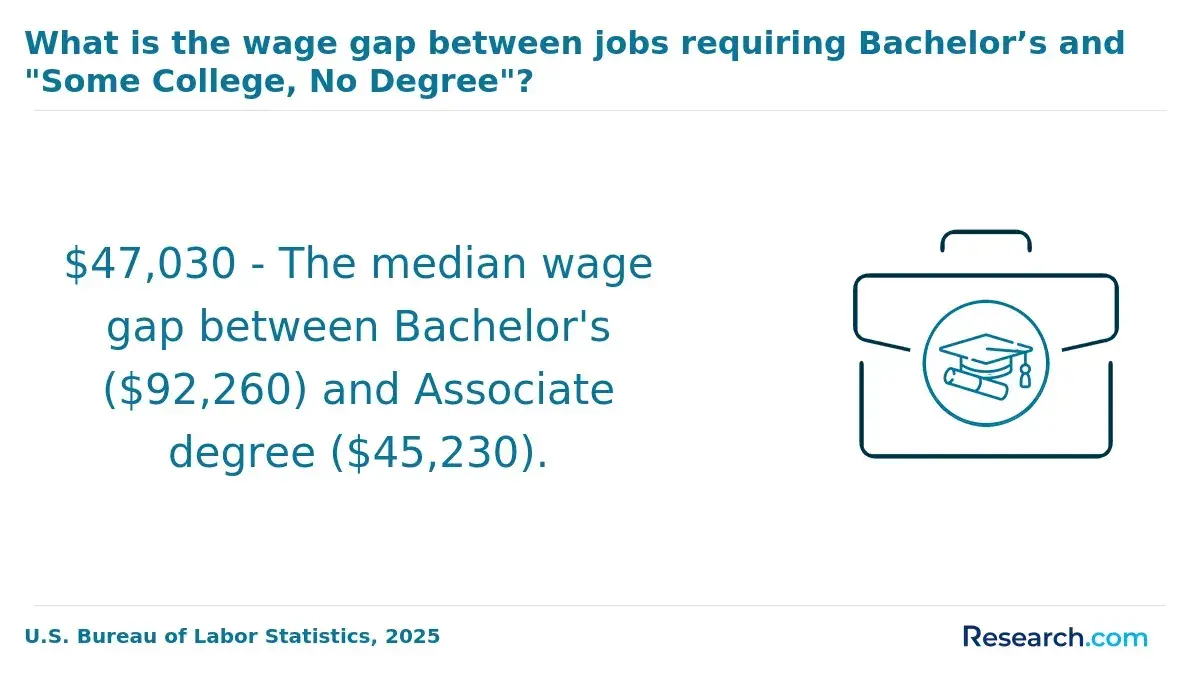
- Mid-Career Professionals: With 4 to 6 years of experience, salaries commonly rise to about $130,000. At this stage, individuals often specialize in areas like mobile or virtual reality platforms, with pay varying depending on the employer's scale.
- Specialized Positions: Roles such as game animators and testers tend to have lower average salaries; for example, animators make around $38,600 annually. However, testers may advance by shifting into design or production roles, increasing their earning potential.
- Leadership Roles: Senior designers, creative directors, and design directors can earn from $100,000 up to $150,000 or more, often based on project success and managerial experience.
- Education and Advancement: Higher degrees like master's or doctorates may boost average salaries to $121,000-$123,000, but practical experience and networking usually have greater impact on career progression.
While accelerating your degree completion can reduce expenses, gaining workplace experience remains key to increasing salary. To explore careers further, see what are trade school jobs for insight on pathways related to game design and development.
Here's What Graduates of Online Game Design Programs Have to Say About Their Degree
- Sophia: "Completing my online game design degree was a transformative journey that allowed me to balance my studies with a full-time job as a parent. The flexible schedule and interactive projects gave me hands-on experience that I immediately applied to my freelance game development work. I loved being part of a diverse virtual community where collaboration and creativity thrived, even from a distance. This program didn't just teach me technical skills; it reignited my passion for storytelling through games and empowered me to launch my own indie studio."
- Mohamed: "Starting my career in the competitive world of game design was daunting, but having an online degree from an accredited program set me apart in interviews and networking events. The curriculum's focus on both design theory and practical programming gave me the confidence to contribute actively in my new role at a major gaming company. I appreciate how the degree opened doors that would have otherwise been closed due to my geographic location and financial constraints. Knowing I can advance professionally while maintaining a work-life balance is invaluable."
- Janelle: "Reflecting on my online game design education, I recognize how much it shaped my personal growth and commitment to community impact. The coursework encouraged me to think critically about how games influence culture and wellbeing, leading me to develop educational games for underrepresented youth groups. This unique challenge helped me develop leadership skills alongside technical expertise, preparing me for future roles in game pedagogy. It's rewarding to see the positive effects of my work on young people's lives and realize how my degree made it possible."
Other Things You Should Know About Online Game Design Degree Programs
The duration for completing an online game design degree in 2027 typically ranges from 2 to 4 years, depending on the institution, program structure, and whether a student is enrolled part-time or full-time. Some programs offer accelerated options for quicker completion.
In 2027, networking opportunities in online game design programs are vital for connecting students with industry professionals and peers. They can lead to internships, job offers, and mentorship, which are crucial for building a successful career in game design.
In 2027, online game design degrees typically include foundational programming skills. They cover languages such as C++ and Python, relevant to game development, ensuring a robust understanding necessary for creating interactive and visually appealing games.
Yes, many online game design programs allow credit transfers, but policies vary by institution. Usually, you must submit transcripts for evaluation, and only credits from accredited institutions are considered. It’s important to consult the program's admissions office for specific guidelines before enrolling.
References
- Game Design & Production BS https://catalog.drexel.edu/undergraduate/collegeofmediaartsanddesign/gamedesignandproduction/
- Online Game Development Degree https://www.academyart.edu/art-degree/game-development/online-degrees/
- Online B.S. in Game Development https://www.walsh.edu/game-development-accelerated.html
- Digital Design – Game Design https://www.georgebrown.ca/programs/digital-design-game-design-program-postgraduate-g405
- Game Development Degrees and Alternatives in 2025 https://www.coursera.org/articles/game-development-degree
- Bachelor of Science inGame Design and Development Online or On Campus https://www.albany.edu/cehc/programs/bs-game-design-and-development
- Bachelor of Game Design & Development https://www.torrens.edu.au/courses/technology/bachelor-of-game-design-and-development
- Game Design and Development BA (Hons) Degree – University Centre Farnborough https://www.ucfarnborough.ac.uk/course/ba-hons-games-design-and-games-development/GDG1/
- 4 Jobs You Can Apply for After a Video Game Design Program https://www.oxfordedu.ca/4-interesting-jobs-you-can-apply-for-after-a-video-game-design-program/
- Video game development - Wikipedia https://en.wikipedia.org/wiki/Video_game_development