
2027 Radiology Technician vs. Technologist: Explaining the Difference

Co-Founder and Chief Data Scientist
Choosing between a radiology technician and a radiologic technologist is really a decision about training time, scope of practice, responsibility, and long-term mobility in medical imaging. The titles are sometimes used loosely by schools and employers, but they are not always equivalent. In many settings, technicians are associated with more limited or routine imaging duties, while technologists typically complete more formal radiologic technology education, qualify for certification, and may work with more advanced imaging procedures.
Both careers support diagnosis by producing medical images that physicians use to evaluate injuries, disease, and treatment needs. Both also require patient care skills, attention to safety, and comfort working with equipment. The difference is how far you want to go clinically: a faster entry route into imaging support, or a broader credentialed path with more room for specialization, advancement, and higher earning potential.
This guide compares what radiology technicians and technologists do, the skills they need, expected earnings, job outlook, advancement options, stress factors, and how to decide which path fits your goals. It also explains where the two roles overlap so you can evaluate programs, job postings, and certification requirements more carefully.
Key Points About Pursuing a Career as a Radiology Technician vs a Technologist
- Radiology Technologists typically earn higher salaries, averaging $65,000 annually, compared to Technicians at around $55,000, reflecting advanced skills and responsibilities.
- Job growth for both roles is strong; Technologists have a 9% projected increase by 2030, driven by technological advances and healthcare demand.
- Technologists often engage in more complex imaging procedures, offering greater professional impact and opportunities for specialization than Technicians.
What does a Radiology Technician do?
A radiology technician typically performs or supports diagnostic imaging procedures, most often involving X-rays and other routine imaging work depending on the employer, training level, and state rules. The job centers on producing usable images safely while helping patients understand what will happen during the exam.
Common responsibilities include positioning patients, preparing the imaging area, following radiation safety procedures, operating equipment within the permitted scope of practice, and documenting basic patient and exam information. Technicians may also help move patients, answer practical questions, maintain imaging rooms, and coordinate with technologists, radiologists, nurses, or physicians.
The role requires a mix of technical accuracy and patient care. A technician must position a patient correctly, follow instructions precisely, and reduce unnecessary radiation exposure while keeping the patient calm and still enough to capture a clear image. In busy settings, this may involve working with children, older adults, trauma patients, or people who are anxious or in pain.
Radiology technicians commonly work in hospitals, urgent care centers, outpatient clinics, diagnostic imaging centers, orthopedic practices, and physicians' offices. The exact duties can vary significantly by employer. Before enrolling in a program, students should check whether the training prepares them for the credential, license, or job title used in their state.
What does a Technologist do?
A radiologic technologist is a trained medical imaging professional who performs diagnostic imaging exams and ensures that images meet the technical standards needed for physician review. Technologists commonly work with X-ray equipment and may pursue additional training or credentials in advanced modalities such as CT, MRI, mammography, or other imaging specialties.
The technologist’s work begins before the image is taken. They verify patient information, review the imaging order, explain the procedure, screen for safety concerns, position the patient, select appropriate imaging settings, and apply radiation protection practices when ionizing radiation is involved. After the image is captured, they evaluate whether the image is technically acceptable. They do not diagnose patients; interpretation is the responsibility of radiologists and other authorized physicians.
Technologists also play an important role in patient experience. They may work with people who are injured, frightened, unable to move easily, or unfamiliar with imaging procedures. Clear instructions, empathy, and calm communication can directly affect image quality and patient safety.
These professionals commonly work in hospitals, outpatient imaging centers, medical laboratories, doctors' offices, and specialty clinics. They collaborate with radiologists, nurses, physicians, and other healthcare staff to support diagnosis and treatment planning. As of 2024, the typical yearly income for radiologic technologists is about $77,660, reflecting the value of their technical training and clinical responsibility.

What skills do you need to become a Radiology Technician vs. a Technologist?
Radiology technicians and technologists need overlapping abilities: patient communication, careful positioning, safety awareness, and comfort with imaging equipment. The difference is usually depth. Technologists are generally expected to have stronger formal training, broader clinical judgment, and more responsibility for image quality and specialized procedures.
Core skills for a Radiology Technician
- Equipment operation: Technicians need to operate imaging equipment accurately within their allowed scope and follow facility protocols without shortcuts.
- Patient positioning: Small positioning errors can make an image unusable, so technicians must be precise, patient, and attentive to body mechanics.
- Radiation safety awareness: Technicians must understand shielding, exposure minimization, and safe workflow practices to protect patients, coworkers, and themselves.
- Clear communication: Patients need simple explanations about what to expect, how to position themselves, and when to stay still.
- Physical stamina: The work may involve standing for long periods, helping patients transfer, adjusting equipment, and responding quickly in clinical settings.
- Documentation habits: Accurate records, correct patient identification, and careful exam labeling help prevent errors and repeat imaging.
Core skills for a Technologist
- Advanced technical knowledge: Technologists need a deeper understanding of anatomy, imaging physics, exposure factors, equipment settings, and modality-specific protocols.
- Image quality assessment: They must recognize when an image is technically acceptable and when adjustments or repeats are necessary.
- Clinical judgment: Technologists often adapt positioning and technique for trauma patients, limited mobility, unusual anatomy, or complex orders.
- Team communication: They coordinate with radiologists and healthcare teams, especially when an exam is urgent, incomplete, or requires clarification.
- Problem-solving: Equipment issues, patient limitations, and workflow bottlenecks require quick, safe decisions.
- Regulatory compliance: Technologists must stay current with credentialing, safety rules, documentation standards, and facility policies.
How the skill sets differ in practice
- Technicians are often more focused on routine imaging support, patient preparation, and safe equipment use.
- Technologists are more likely to handle complex procedures, quality control, specialized imaging pathways, and advancement into leadership or advanced clinical roles.
- Both roles require professionalism, confidentiality, and steady attention to patient safety.
How much can you earn as a Radiology Technician vs. a Technologist?
Radiologic technologists generally earn more than radiology technicians because technologist roles usually require more formal education, certification, and responsibility. Pay still varies by state, employer type, shift schedule, modality, experience, and whether the role includes advanced imaging or leadership duties.
In 2025, the median annual salary for radiologic technologists and technicians combined is about $77,660. Entry-level roles start near $52,360, while experienced professionals can earn up to $106,990. This combined figure is useful for understanding the field overall, but it can hide differences between limited-scope technician roles and more advanced technologist positions.
Radiology technicians, who usually require less formal education, typically earn lower wages. Their average hourly wage is approximately $25.92, which translates to an annual salary of around $53,900. Salaries vary with experience and location, and states such as Arkansas and Alabama tend to have lower pay. For those interested in advancing their careers, exploring one-year master's programs online can be a strategic step toward broader professional development, though imaging-specific advancement usually depends on accredited radiologic technology education, certification, and modality training.
Radiologic technologists, especially those with certification and advanced modality experience, tend to have stronger earning potential. For example, MRI technologists have a median annual salary of about $77,360. Higher wages are commonly associated with hospitals, specialized imaging centers, advanced certifications, difficult-to-staff locations, evening or weekend shifts, and supervisory responsibilities. States including California, Hawaii, and Massachusetts typically offer higher wages.
When comparing salary, look beyond the headline number. A faster technician pathway may cost less and lead to quicker employment, while the technologist route may require more training but provide better access to higher-paying specialties, leadership roles, and long-term mobility.
What is the job outlook for a Radiology Technician vs. a Technologist?
The job outlook for radiology technicians and radiologic technologists remains favorable because healthcare providers continue to rely on imaging for diagnosis, monitoring, and treatment planning. Demand is supported by an aging population, high use of diagnostic imaging, and ongoing staffing needs across hospitals, clinics, and outpatient imaging centers.
The career prospects for Radiology Technicians and Technologists in the U.S. remain strong, with job growth expected to outpace the average for all occupations between 2023 and 2033. Both roles are in increasing demand, driven by demographic changes and innovation in imaging technology. However, the best opportunities generally go to candidates whose education, certification, and state licensing match employer requirements.
For radiology technicians, employment growth is supported by the need for routine imaging in hospitals, urgent care centers, orthopedic practices, and outpatient clinics. The role can be a practical entry point into medical imaging, especially for students who want patient-facing healthcare work without committing immediately to a longer degree path.
Radiologic technologists may have a stronger competitive position because they often qualify for a wider range of roles and can add credentials in advanced modalities. Employers may prefer technologists for positions involving more complex imaging, independent workflow management, or cross-training into CT, MRI, mammography, or other specialties.
Staffing shortages also influence the outlook. Recent reports indicate about an 18.1% vacancy rate for imaging professionals in 2023, creating pressure on healthcare facilities and opportunity for qualified candidates. Even so, students should not assume every program leads equally to employment. Accreditation, clinical placement quality, certification eligibility, and local licensing rules matter.
What is the career progression like for a Radiology Technician vs. a Technologist?
Career progression in radiology usually depends on credentials, modality training, clinical experience, and willingness to continue learning. A technician path may begin with routine imaging support and expand through certification or additional schooling. A technologist path often starts with a broader clinical foundation and can lead to advanced modalities, management, education, or specialized practice.
Typical career progression for a Radiology Technician
- Entry-level imaging role: Perform basic imaging tasks, assist with patient positioning, support workflow, and follow established safety procedures.
- Experience building: Gain confidence with patient care, equipment handling, documentation, and routine imaging protocols.
- Additional education or certification: Pursue credentials that expand employability and may qualify you for more advanced radiologic technology roles, depending on state and employer requirements.
- Specialization or leadership support: Move toward focused imaging areas, training responsibilities, or supervisory support roles when qualified.
Typical career progression for a Technologist
- Registered or credentialed clinical practice: Conduct diagnostic imaging exams with greater autonomy and responsibility for technical quality.
- Advanced modality training: Add specialties such as CT, MRI, mammography, or other imaging areas to improve versatility and earning potential.
- Advanced education: Obtain a bachelor's degree to open management, education, quality assurance, or specialized clinical opportunities.
- Advanced certification and specialization: Earn credentials such as becoming a Registered Radiologist Assistant (R.R.A.), which typically requires a master's degree and advanced clinical training[2].
- Leadership, education, or administration: Move into chief technologist, department manager, clinical instructor, program faculty, or imaging operations roles.
Both technicians and technologists face a competitive job market with an 18.1% vacancy rate, presenting strong career advancement opportunities for radiology technicians and technologists. The average annual salary for radiologic technologists is about $70,240, with experienced professionals earning up to $97,940.
For those considering advanced education, exploring accessible PhD degree options can provide context for long-term academic planning. However, most radiology career advancement is more directly tied to accredited imaging education, ARRT-related credentials, modality certifications, clinical experience, and management preparation than to doctoral study.
Can you transition from being a Radiology Technician vs. a Technologist (and vice versa)?
Yes, transition is possible, but moving from technician to technologist usually requires more education, formal clinical training, and certification eligibility. Moving from technologist to technician is generally easier from a qualification standpoint, though it may mean accepting a narrower scope of practice or less advanced responsibilities.
The technician-to-technologist path commonly involves completing an accredited radiologic technology program, meeting clinical requirements, and qualifying for certification such as ARRT certification when required by employers or state rules. A technician’s existing experience with patient positioning, equipment workflow, safety practices, and healthcare communication can be useful, but it does not automatically replace formal technologist training.
Students asking how to become a radiologic technologist in the United States should start by checking three things: whether the program is properly accredited, whether graduates are eligible for the relevant certification exam, and whether the training meets state licensing requirements. These details matter more than the title printed in a school brochure.
The reverse move—from technologist to technician—is usually simpler because technologists generally have broader preparation. However, a technologist who takes a technician role may spend less time on advanced imaging, quality control, or modality-specific responsibilities and more time on routine equipment operation and patient support.
Job prospects remain promising, with technologist roles projected to grow by 7% through 2029, reflecting the healthcare sector's sustained demand. Students interested in comparing broader academic and career options can also review the highest-paying college majors to understand how medical imaging fits within the larger education-to-career landscape.
What are the common challenges that you can face as a Radiology Technician vs. a Technologist?
Radiology careers can be rewarding, but they are not low-pressure jobs. Both technicians and technologists work with patients who may be injured, anxious, very ill, or unable to cooperate easily. They also operate in environments where accuracy, speed, documentation, and safety all matter at the same time.
Challenges for a Radiology Technician
- High patient volume: Technicians may work through a steady flow of exams, especially in hospitals, urgent care settings, and outpatient centers.
- Limited autonomy: Technician roles may involve narrower duties and closer supervision, which can feel restrictive for those who want more clinical decision-making.
- Physical demands: Positioning patients, standing for long periods, and assisting with transfers can be tiring and may increase risk of strain.
- Emotional pressure: Technicians often interact with patients in pain, distress, or uncertainty, requiring patience and professionalism.
- Credential limits: Without additional education or certification, advancement options may be more limited than in technologist roles.
Challenges for a Technologist
- Greater responsibility: Technologists are expected to produce technically acceptable images, adapt protocols when appropriate, and recognize when an exam needs correction or clarification.
- Technology changes: Imaging equipment, software, safety standards, and protocols continue to evolve, requiring ongoing learning.
- Workflow pressure: Technologists often coordinate with radiologists, emergency departments, surgery teams, nurses, and outpatient providers.
- Advanced modality stress: CT, MRI, and other specialties may involve additional safety screening, urgent cases, contrast protocols, or complex patient needs.
- Shift work: Hospitals and emergency settings may require nights, weekends, holidays, or on-call coverage.
Both groups are affected by a vacancy rate for radiologic technologists that surged to 18.1% in 2023 from 6.2% just three years earlier, escalating staffing pressures nationwide. Staffing gaps can create overtime opportunities, but they can also increase workload and burnout risk.
Despite these challenges, salary satisfaction remains relatively high, with technologists earning an average of $70,240 annually and solid prospects for career growth. For students who need flexible education options while building skills, reviewing a list of online colleges may help with broader planning, though hands-on radiology training will still require in-person clinical experience.
Is it more stressful to be a Radiology Technician vs. a Technologist?
Neither role is automatically more stressful for everyone. The stress comes from different sources. Radiology technicians may feel more pressure from high patient volume, physical tasks, and limited autonomy. Radiologic technologists may feel more pressure from complex procedures, image quality expectations, advanced equipment, and coordination with multiple clinical teams.
Technicians often experience stress in the direct flow of patient care: preparing patients quickly, helping people who are anxious or in pain, repeating instructions, and maintaining safety while staying on schedule. Because some technician roles are narrower, frustration can also come from having fewer advancement options without additional training.
Technologists face stress from broader responsibility. They must apply technical knowledge, adapt positioning when patients cannot move normally, monitor image quality, and communicate effectively with radiologists and other providers. In advanced modalities, the stakes may include additional screening, contrast-related protocols, or urgent cases.
Studies during the COVID-19 pandemic reported that technologists had slightly higher burnout rates compared to radiologists, highlighting the impact of direct patient contact, infection risk, irregular hours, and workload surges. Work setting matters as much as title: a small outpatient clinic may feel very different from a trauma hospital, emergency department, or high-volume imaging center.
If you are choosing between the two, consider your stress tolerance honestly. If you want faster entry and more routine duties, a technician path may fit. If you are comfortable with longer training, more responsibility, and ongoing specialization, a technologist path may be worth the added pressure.
How to choose between becoming a Radiology Technician vs. a Technologist?
The best choice depends on how quickly you want to enter the workforce, how much responsibility you want, how much education you can commit to, and whether you want room to specialize. Because job titles vary by state and employer, do not rely on the name alone. Compare program accreditation, certification eligibility, licensing requirements, clinical hours, and graduate outcomes before enrolling.
- Choose a radiology technician path if you want a shorter route into imaging support, prefer routine procedures, need lower upfront training time, or are testing whether medical imaging is the right long-term field.
- Choose a radiologic technologist path if you want broader clinical responsibility, stronger certification-based mobility, better access to advanced modalities, and more options for leadership or specialization.
- Check education requirements: Technologists usually need a two-year associate degree and ARRT certification, while technicians often complete shorter, less comprehensive certificate programs lasting 10-12 months.
- Understand scope of practice: Technologists assess technical image quality and communicate with the care team, but they do not diagnose or interpret images for patients. Technicians typically focus more on equipment operation, positioning, and routine imaging support.
- Compare cost and time: Technician routes may be faster and less expensive, while technologist programs may require more investment but offer more career flexibility.
- Research state rules: Licensing and certification requirements vary. Some states and employers require ARRT certification or specific credentials, while others use different standards.
- Look at clinical placement: Strong hands-on training is essential. Ask where students complete clinical rotations and whether those sites match your career goals.
- Think about advancement: If you already know you want CT, MRI, mammography, supervision, teaching, or advanced practice, the technologist route is usually the stronger foundation.
Your decision between radiology technician vs technologist career paths should reflect both your immediate needs and your long-term goals. A technician program can be practical for quicker employment. A technologist program can be better if you want expanded responsibilities and more room to grow.
Employment growth in this field is steady, projected at 5% from 2022 to 2032, driven by healthcare demand. Students comparing flexible academic pathways can explore dual degree programs, but medical imaging careers still require careful attention to accredited clinical training and certification requirements.
What Professionals Say About Being a Radiology Technician vs. a Technologist
- : "Pursuing a career as a Radiology Technician has been incredibly rewarding in terms of job stability and salary potential. The healthcare industry consistently shows demand for skilled technicians, which offers a strong sense of security. It's a field where you can truly feel your work making a difference every day. — Donald"
- : "Working as a Radiologic Technologist presents unique challenges that keep the job engaging and intellectually stimulating. Every patient and imaging case is different, requiring adaptability and precision. This variety has helped me grow technically and personally in ways I didn't expect. — Jeremy"
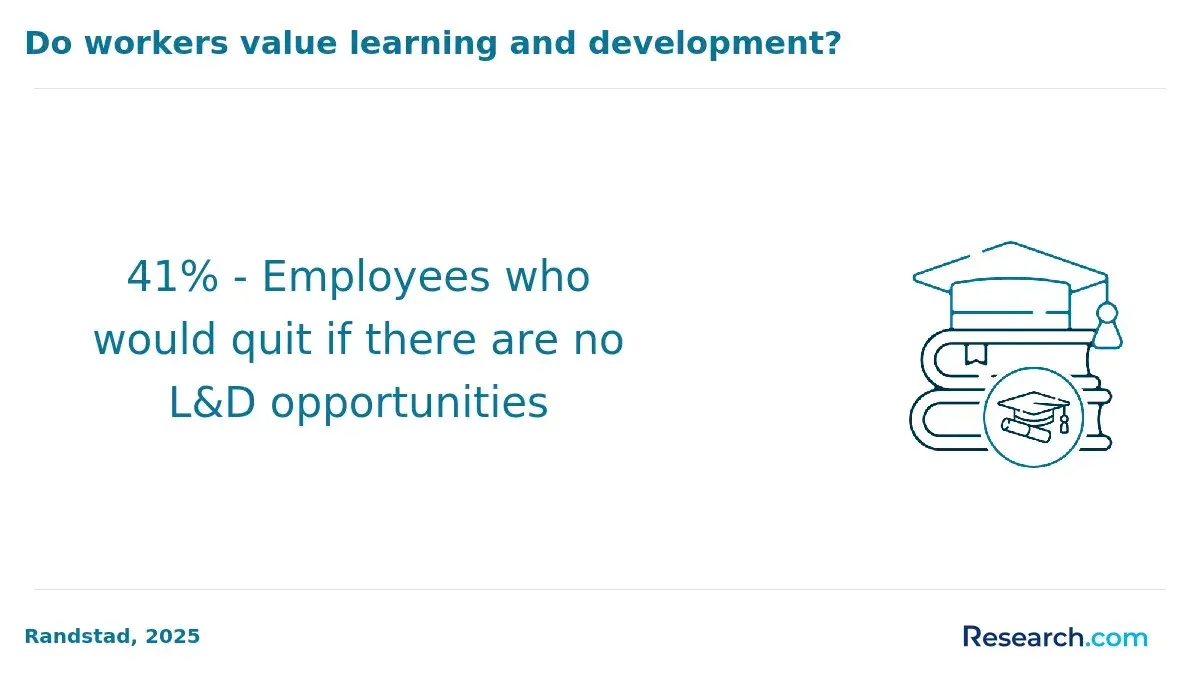
- : "The professional development opportunities in radiology are impressive. Through specialized training programs, certifications, and on-the-job experience, I've been able to advance my career steadily. It's a rewarding path that balances technical skill with continual learning. — Lisa"
Other Things You Should Know About a Radiology Technician & a Technologist
Radiology Technicians typically need to obtain certification through the American Registry of Radiologic Technologists (ARRT) after completing an accredited radiologic technology program. Technologists are usually required to hold the same certification but often pursue additional credentials or specialty certifications in areas such as MRI or CT scanning. Both roles must maintain their certification through continuing education to comply with industry standards.
In 2027, Radiology Technicians typically assist in imaging procedures in hospitals or clinics, performing tasks under supervision. Technologists, however, often take on leadership roles, managing advanced imaging procedures, and may work in specialized sections like MRI or CT. Their environments are both clinical but vary in responsibility levels and procedural complexity.
In 2027, Radiology Technicians typically assist in preparing patients and equipment for imaging procedures. Technologists, however, often operate more advanced equipment, perform complex imaging exams, and might have responsibilities in patient diagnosis and analysis, highlighting differing roles in patient care and technology use.
References
- Radiology Tech Salary vs. Sonography and MRI Pay | AMN Healthcare https://www.amnhealthcare.com/blog/allied/travel/radiology-tech-salary-vs.-other-imaging-roles-who-comes-out-on-top
- MRI vs. CT Tech: Job Duties, Training, and More | Prolink https://prolinkworks.com/perspectives/mri-vs-ct-tech-whats-difference
- Radiologic Technologist - Explore Healthcare Careers - Mayo Clinic College of Medicine & Science https://college.mayo.edu/academics/explore-health-care-careers/careers-a-z/radiologic-technologist/
- Technologist Job Description https://www.velvetjobs.com/job-descriptions/technologist
- Dangers of Working as a Radiologic or MRI Technologist | Pasternack Tilker Ziegler Walsh Stanton & Romano LLP Attorneys At Law https://www.workerslaw.com/legal-articles/what-are-the-hidden-dangers-of-working-as-a-radiologic-or-mri-technologist/
- What Does It Mean To Be A Technologist - Draw & Code https://drawandcode.com/learning-zone/technology/what-does-it-mean-to-be-a-technologist/
- Are Radiology Technologists Satisfied with Their Work A Cross-Sectional Study from Taif Hospitals https://www.scirp.org/journal/paperinformation
- Seven Challenges in Radiology Practice: From Declining Reimbursement to Inadequate Labor Force: Summary of the 2023 ACR Intersociety Meeting - Journal of the American College of Radiology https://www.jacr.org/article/S1546-1440(24)00775-0/fulltext
- Is Being an X-Ray Tech a Stressful Job https://www.cambridgehealth.edu/radiologic-tech/radiologic-technologist-career/is-being-an-x-ray-tech-a-stressful-job/
- What’s the difference between radiology technologist and technician? https://www.herzing.edu/faq/difference-between-radiologic-technologist-technician


