
2027 Accelerated vs. Traditional Counselor Education Degrees: Pros & Cons

Co-Founder and Chief Data Scientist
The choice between accelerated and traditional counselor education degrees presents distinct advantages and drawbacks. Accelerated programs appeal to working adults or career changers by offering faster degree completion, often within one to two years.
In contrast, traditional programs provide a more flexible pace that allows deeper academic engagement and practical experience. Recent data shows a 30% rise in enrollment for accelerated counselor education programs across the U.S., reflecting growing demand for expedited learning paths.
This article will explore differences in time commitment, learning experience, and career outcomes between these two approaches. Key factors such as program intensity, field practicum opportunities, and long-term professional development will be examined to help prospective students make informed decisions tailored to their goals and lifestyles.
Key Points About Accelerated vs. Traditional Counselor Education Degrees
- Accelerated counselor education programs suit flexible learners seeking quick career entry, often reducing study time by 30% and lowering overall tuition costs.
- Traditional programs offer deeper academic engagement and stronger peer networking, fostering comprehensive skill mastery over a balanced timeline.
- Students prioritizing thorough field experience benefit from traditional pacing, while those aiming for rapid advancement value accelerated options' efficiency and cost-effectiveness.
What Are the Differences Between Accelerated vs. Traditional Counselor Education Programs?
Accelerated and traditional counselor education programs differ significantly in structure, particularly in pacing, scheduling, and learning intensity. These variations shape how students engage with the curriculum and manage their time.
Key distinctions include:
- Course Intensity: Accelerated programs deliver courses in short, intensive blocks-typically 7-8 weeks-requiring students to learn and complete assignments rapidly, often juggling multiple classes simultaneously. Traditional programs spread courses over longer semesters.
- Academic Calendar and Breaks: Accelerated programs frequently operate year-round, including summer terms with minimal breaks, sustaining continuous engagement but increasing stress and burnout risk. Traditional programs follow the standard academic calendar with longer breaks between semesters and summer.
- Class Meeting Frequency and Format: In accelerated tracks, classes may meet daily or several times per week, sometimes using condensed online or hybrid formats that demand strong self-discipline. Traditional formats usually meet two to three times weekly, offering more downtime for assignments and material processing.
- Field Experience Scheduling: Accelerated students often complete clinical placements back-to-back with heavier weekly hours, speeding program completion but intensifying workload. Traditional students experience spaced practicum schedules that foster deeper skill development through extended reflection periods.
- Peer Interaction and Faculty Support: The fast pace of accelerated programs can limit opportunities for networking and mentorship. Traditional programs, with their extended timelines, facilitate stronger relationships and collaborative learning environments.
Students weighing the accelerated vs traditional counselor education program duration should consider personal learning styles and capacity for sustained intensity. For those seeking flexible options, exploring online one year masters programs may provide insights into available accelerated pathways.
How Fast Can You Finish an Accelerated vs. Traditional Counselor Education Program?
The length of counselor education programs varies significantly between accelerated and traditional formats. Accelerated programs condense coursework into shorter terms, allowing students to finish more quickly, while traditional counselor education program length typically follows a standard academic pace over several years.
Here is a comparison of key factors that influence how fast students can complete their counselor education degrees.
- Transfer Credits: Students who transfer graduate-level coursework may reduce the number of credits required, shortening their timeline. This is often beneficial in both accelerated and traditional tracks but can especially impact the accelerated counseling degree completion time.
- Full-Time vs. Part-Time Enrollment: Full-time students complete their programs faster than part-time students. Accelerated programs generally require a full-time commitment, which speeds up completion, whereas traditional programs often offer more flexibility.
- Course Intensity and Format: Accelerated programs feature condensed courses lasting 6-8 weeks and operate year-round, increasing the pace but also the workload. Traditional counselor education program length usually reflects longer semesters and breaks.
- Clinical Practicum Efficiency: Early and efficient placement in practicum and internship sites helps students meet licensure requirements sooner. Accelerated programs often emphasize this accelerated path to licensure.
- Personal Obligations: Balancing work or family alongside studies can extend the time needed, particularly in accelerated programs, where the workload and pacing are more demanding.
For those considering various options, exploring open admission colleges online can be a helpful step to find programs aligned with their goals and schedules.
What Are the Admission Requirements for Accelerated vs. Traditional Counselor Education Programs?
Admission requirements for accelerated and traditional counselor education programs often share common standards such as GPA, prerequisite coursework, and professional statements.
However, these programs may differ in how they evaluate academic readiness, work experience, and capacity for intensive study, reflecting the distinct demands of each format.
Below are key differences in admissions expectations for accelerated versus traditional counselor education applicants.
- Pace and Commitment Evaluation: Accelerated programs typically require applicants to demonstrate the ability to manage compressed terms, often 6-8 weeks per course, with year-round study. Meanwhile, traditional programs are more flexible, often accommodating part-time or employed students.
- Prior Experience and Bridge Options: While traditional counselor education degree application criteria tend to accept students with varied backgrounds, accelerated programs may require either related professional experience or completion of bridge courses to ensure readiness.
- Work and Life Balance Considerations: Accelerated formats usually discourage full-time work during study due to the demanding pace, attracting students able to focus solely on academics. Traditional programs often better support those balancing employment or family, offering part-time study options.
- Academic Performance and Readiness: Accelerated programs enforce stricter GPA requirements and may screen for maturity and stress-management skills, expecting early clinical training readiness. Traditional programs may grant provisional admission to applicants with slightly lower GPAs, allowing gradual academic preparation.
- Accreditation and Licensure Alignment: Both formats require verification of program accreditation, commonly CACREP, to align with state licensure standards, ensuring graduates meet professional qualifications.
Applicants considering a counselor education program should assess their personal and professional circumstances carefully. Those exploring the fastest paths might benefit from understanding the distinct requirements of accelerated programs compared to traditional counselor education degree application criteria.
For students aiming to maximize career opportunities, pursuing one of the highest paying four year degrees may also be a strategic consideration.
How Are Accelerated Counselor Education Courses Structured Compared to Traditional Ones?
Accelerated counselor education programs compact the same curriculum into a significantly shorter duration, often finishing in 12 to 18 months instead of the typical two to three years. This compression is achieved through a faster pace, a heavier workload, and usually more online delivery compared to traditional programs.
Key distinctions between accelerated and traditional counselor education include:
- Course Length: Accelerated programs run year-round with short, intensive sessions lasting 6 to 8 weeks, while traditional ones follow longer 15-week semesters interrupted by breaks. The faster pace suits self-driven learners aiming for rapid completion without sacrificing content.
- Weekly Workload: Students in accelerated tracks juggle multiple demanding classes simultaneously, whereas traditional students have lighter, more evenly spaced schedules. This format favors individuals who can commit full-time and handle greater intensity.
- Instruction Style: Accelerated degrees often offer online, asynchronous courses that provide flexibility but require strong discipline. Traditional formats emphasize face-to-face or hybrid learning with more gradual progression, ideal for those balancing other responsibilities.
Both pathways adhere to rigorous academic standards, including accreditation and clinical hour requirements, ensuring professional readiness despite their structural differences.
How Much Do Accelerated Counselor Education Programs Cost Compared to Traditional Programs?
The cost of pursuing a counselor education degree can vary notably between accelerated and traditional programs, largely due to differences in duration and related expenses. While both options may have similar tuition rates per credit, the shorter timeline of accelerated programs often results in lower overall costs.
Key financial distinctions between accelerated and traditional counselor education programs include:
- Tuition Rate per Credit: Both formats tend to charge comparable rates, with public schools typically ranging from $210 to $600 per credit and private institutions charging higher fees. For instance, some accelerated programs, like Columbus State University's, use the lower end of this spectrum.
- Program Duration and Total Cost: Accelerated programs usually span 12 to 18 months, reducing the total tuition to roughly $15,000-$45,000. Traditional programs extend 2 to 3 years, often resulting in greater cumulative costs due to additional semesters and fees.
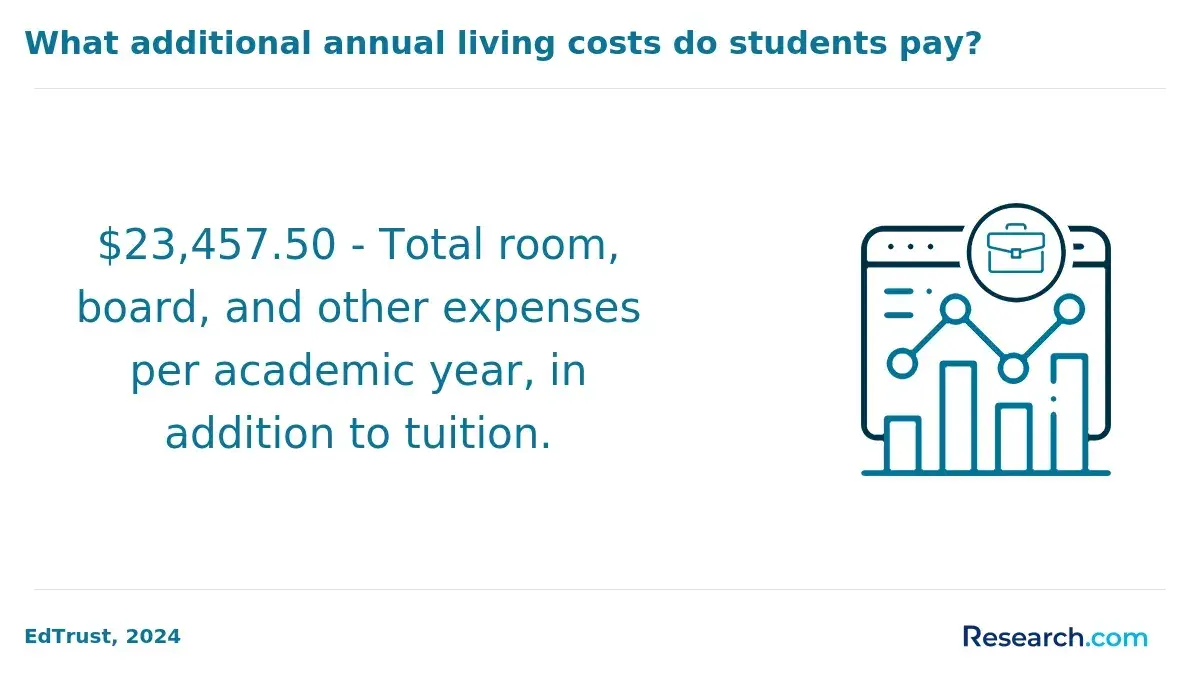
- Living Expenses: Shorter programs decrease living costs such as housing, food, and transportation by limiting time spent enrolled, effectively lowering these ancillary expenses compared to longer traditional programs.
- Opportunity Cost: Finishing the degree sooner enables accelerated students to enter the workforce earlier, potentially earning an extra $60,000 or more over 18 months at average entry-level salaries near $45,000, an advantage less available in traditional tracks.
- Financial Aid Access: Both formats are eligible for federal aid, scholarships, and assistantships; however, shorter accelerated programs may restrict access to multi-year scholarships common in longer traditional studies.
What Financial Aid Is Available for Accelerated vs. Traditional Counselor Education Degrees?
Both accelerated and traditional counselor education degree students in the U.S. may qualify for federal financial aid, but eligibility and fund distribution timelines vary depending on program length and enrollment status.
Accelerated programs typically have faster aid disbursement due to shorter terms, while traditional programs spread funds over multiple semesters.
Here are key differences in how financial aid applies to each format:
- Federal Aid Eligibility: Both formats qualify for federal loans by completing FAFSA, but accelerated students may hit annual loan limits sooner because of condensed terms.
- Scholarship Timelines: Traditional students often have more time to seek and maintain scholarships, whereas accelerated students might face restrictions if minimum enrollment periods aren't met.
- Employer Tuition Assistance: This benefit tends to be more accessible for part-time or traditional students, though some accelerated cohorts can access it as well.
- Aid Disbursement Pace: Accelerated programs may require careful attention to aid calendars since funding is awarded in larger chunks over a shorter time, risking gaps in eligibility.
A professional who chose an accelerated counselor education degree shared his experience, saying, "Applying for financial aid was a bit overwhelming at first because the semesters went by so quickly.
I had to coordinate with the financial aid office to avoid missing deadlines since the disbursement schedule was unlike anything I'd seen in my undergrad.
The faster pace meant I was receiving loan funds in bigger amounts but over fewer terms. I appreciated that the school helped clarify these timelines early on."
He reflected that this intense period made budgeting and planning crucial but rewarding, adding, "Despite the challenges, having that financial support made it possible for me to focus fully on the program and graduate sooner than I expected."
What Kind of Student Support Do Accelerated vs. Traditional Counselor Education Programs Offer?
Student support significantly influences success in counselor education programs, yet the availability and delivery of services often vary between accelerated and traditional formats. These differences affect how students receive guidance and interact with faculty and peers.
The following compares common support types across both program structures.
- Academic Advising: Accelerated programs typically offer online advising with brief, frequent sessions suited to a fast pace, though students may experience less detailed guidance. Traditional programs provide both in-person and virtual advising, fostering more comprehensive academic planning.
- Tutoring: In accelerated formats, tutoring tends to be condensed and mostly online, with timely responses but limited scheduling flexibility. Traditional programs enable longer-term, scheduled tutoring support available both face-to-face and online, accommodating ongoing student needs.
- Career Services: Students in accelerated tracks mostly access virtual career resources like workshops and resume assistance, which are responsive but less immersive. Traditional programs blend in-person and online career supports, offering more networking, internships, and gradual professional development.
- Peer Interaction: Accelerated students often face challenges forming strong peer and faculty connections due to limited social engagement time. Traditional formats allow more opportunities for in-person interaction, enhancing social bonds and lowering attrition risks.
Do Graduates from Accelerated vs. Traditional Counselor Education Programs Get Hired More Quickly?
Employment outcomes play a crucial role when deciding between accelerated and traditional counselor education programs. Both pathways can lead to strong careers, but factors like program format and accreditation may affect how rapidly graduates secure positions.
Here are some notable factors affecting hiring speed and employment results:
- Employer Perception: Many employers now view CACREP-accredited online and accelerated degrees as comparable to traditional ones, though some still favor traditional graduates for perceived advantages in networking and hands-on training.
- Career Readiness: Graduates from accelerated programs often enter the workforce sooner, but traditional students generally feel more confident clinically due to lengthier practicum experiences.
- Industry Demand: The Bureau of Labor Statistics forecasts 17% employment growth for mental health counselors through 2034, supporting strong job prospects regardless of degree format.
- Job Placement Speed: Data indicates that those from fully online or accelerated counselor education programs typically find jobs in under six months, closely matching traditional program timelines, especially if accredited.
A professional who recently completed a traditional counselor education degree shared her experience about finding employment quickly after graduation. She recalled how the extensive practicum had not only boosted her skills but also expanded her professional contacts, which proved invaluable.
Although she faced some anxiety during the job search, she credits her program's robust clinical training and networking opportunities for landing a counseling role within four months. Reflecting on the process, she noted, "The time invested in hands-on experience really paid off, making me feel prepared and confident when interviewing.
It wasn't always easy juggling job applications with my final semesters, but seeing the positive outcome made it worthwhile." This journey highlights how traditional programs can offer meaningful advantages alongside timely employment.
Are Accelerated Counselor Education Degrees Accredited the Same Way as Traditional Programs?
Accreditation ensures the academic quality and legitimacy of both accelerated and traditional counselor education programs, regardless of their pacing or delivery format. This process evaluates whether programs meet established standards that maintain consistent learning outcomes and professional competence.
Accreditation is crucial as it affects student eligibility for federal financial aid, the transferability of credits, and recognition by employers and licensing boards.
The Council for Accreditation of Counseling and Related Educational Programs (CACREP) serves as the primary accrediting agency for counseling degrees and assesses accelerated programs with the same rigor as traditional formats.
Ensuring accreditation provides students with confidence that their degree meets industry standards and professional requirements.
The accreditation process generally applies equally to both accelerated and traditional programs, although institutions may design accelerated coursework to deliver curriculum content more intensively over a shorter timeframe.
Regional accrediting bodies, such as the Higher Learning Commission or Southern Association of Colleges and Schools, oversee institutional accreditation that guarantees recognition across educational and professional settings.
Prospective students should always verify both institutional and programmatic accreditation before enrolling to ensure their degree is widely accepted, particularly since this impacts licensure eligibility and credit transfer.
For those considering costs, exploring options like the cheapest accredited online college can provide affordable pathways to accredited counselor education. Confirming CACREP accreditation for accelerated counseling programs ensures the degree's validity and maintains parity with traditional degrees in the profession.
How Do You Choose Between an Accelerated vs. Traditional Counselor Education Degree?
Choosing between an accelerated and a traditional counselor education degree depends largely on your career goals, schedule flexibility, and preferred learning pace. Both options provide rigorous training but offer distinct advantages tailored to different personal circumstances and professional priorities.
Consider these main points when evaluating accelerated vs. traditional counseling program differences:
- Time Commitment: Accelerated programs allow you to finish much faster, often in 16 to 20 months, saving up to a year compared to traditional paths that usually take two or more years. However, this comes with a more intensive workload and less downtime.
- Learning Style: Accelerated formats favor self-driven learners who thrive under pressure and can handle a heavy, year-round academic schedule. Traditional programs benefit students who prefer steady progress over multiple semesters and can balance study with other life demands.
- Career Goals: If you already have relevant experience or a related degree, accelerated tracks offer a quicker way to upskill. For those seeking extensive fieldwork, networking, and a gradual learning curve, traditional programs may provide more comprehensive preparation for counseling roles.
- Lifestyle: Students juggling work, family, or other commitments often find traditional programs more accommodating due to their flexibility, whereas accelerated courses demand full dedication.
Ultimately, both degree types meet professional accreditation standards and prepare graduates for licensure and practice. For students interested in related advice on careers, check out this resource on careers for introvert.
What Students of Accelerated vs. Traditional Counselor Education Programs Say About Their Degree
- Katarina: "My traditional counselor education program provided a deep and methodical learning experience that really helped me build confidence in my clinical skills. While the pace was slower compared to accelerated formats, it allowed me to fully absorb complex theories and practical techniques. The cost was manageable given my university's financial aid options, making it a worthwhile investment in my future career. "
- Henrik: "Enrolling in a traditional counselor education degree gave me the chance to balance work, family, and study more effectively. Although it took longer to complete and was somewhat costly, the real-world internship opportunities and steady progression helped me shape a clear career path. Sometimes I wish the program was faster, but the comprehensive training has proven invaluable. "
- Cecille: "The accelerated counselor education program was intense but incredibly rewarding. The fast pace meant I had to stay highly disciplined, and while it was more expensive overall, I appreciated finishing sooner and entering the workforce quickly. This option pushed me both academically and personally, making it a thrilling challenge despite the higher pressure. "
Other Things You Should Know About Traditional vs. Accelerated Counselor Education Degrees
In 2027, accelerated counselor education degrees offer a condensed curriculum, potentially sacrificing depth and comprehension. While they provide essential qualifications quicker, they may not allow the same level of skill mastery and professional networking opportunities that traditional programs do. However, individual learning styles greatly influence outcomes.
In 2027, internship opportunities differ between accelerated and traditional Counselor Education programs. Traditional programs often offer more in-depth, flexible internships. Accelerated programs may provide shorter, intensive internships, potentially limiting exposure to diverse counseling scenarios. Students should consider their career goals when choosing a program.
References
- 2025 Most Affordable Online Master's Degrees in Counseling https://www.onlineu.com/most-affordable-colleges/counseling-masters-degrees
- Best Accelerated Online Counseling Master's Programs 2025 https://www.counselingpsychology.org/best-accelerated-online-masters-in-counseling-degrees/
- Fast-Track vs. Traditional Degrees: Why Accelerated Programs Work https://www.stjohns.edu/news-media/johnnies-blog/fast-track-accelerated-programs-ccps-nyc
- Comparison of NCLEX-RN Pass Rates between Accelerated and Traditional Prelicensure BSN Programs https://www.gavinpublishers.com/article/view/comparison-of-nclex-rn-pass-rates-between-accelerated-and-traditional-prelicensure-bsn-programs
- Attrition and success rates of accelerated students in nursing courses: a systematic review https://pmc.ncbi.nlm.nih.gov/articles/PMC4825075/
- How Long Does It Take to Become a Licensed Counselor? https://onlinecounselingprograms.com/become-a-counselor/how-long-does-it-take/
- How to Become a Counselor: 2025 Complete Guide https://careersinpsychology.org/choosing-a-school-college-and-degree-program-to-become-a-counselor/
- Helping Students Weigh the Pros and Cons of Accelerated Degrees Before Applying - Link for Counselors https://www.linkforcounselors.com/helping-students-weigh-the-pros-and-cons-of-accelerated-degrees-before-applying/
- About CACREP - CACREP https://www.cacrep.org/about-cacrep/


