
2027 Are Online Energy Policy Degrees Respected by Employers?

Co-Founder and Chief Data Scientist
Online energy policy degrees have gained significant traction as more professionals seek flexible learning options. Recent studies reveal that over 70% of employers view online degrees as credible when awarded by accredited institutions. This article aims to clarify how employers currently perceive online energy policy credentials and which factors affect their acceptance. Understanding these perceptions helps prospective students assess the value of pursuing energy policy education online. Employers increasingly focus on program reputation, accreditation, and relevant experience when evaluating applicants with online degrees. This overview sets the stage for a deeper exploration of these influences on career opportunities in the energy sector.
Key Benefits of Online Energy Policy Degrees Respected by Employers
- Graduates from accredited online energy policy programs are increasingly valued, with 78% of employers reporting favorable views of online credentials in this field as of 2023.
- These degrees cultivate essential skills such as data analysis, regulatory knowledge, and sustainable energy management that align with industry demands, enhancing job readiness.
- Online energy policy graduates experience a 15% higher job placement rate within six months compared to peers without specialized degrees, reflecting improved career opportunities and advancement potential.
Which Accrediting Bodies Make an Online Energy Policy Degree Legitimate?
Accreditation is essential for ensuring the quality and employer recognition of an online energy policy degree, as it confirms that the program meets rigorous academic and professional standards. Employers, licensing bodies, and educational institutions look for CHEA and USDE recognized energy policy accreditation to guarantee that graduates are well-prepared and that their credentials hold value.
This accreditation also influences credit transferability, eligibility for financial aid, and career advancement. Below are the main accreditation types relevant to online energy policy programs:
- Regional accreditation: Granted to entire institutions by one of the seven regional agencies recognized by CHEA and USDE, such as the Higher Learning Commission or Middle States Commission on Higher Education. This is widely regarded as the gold standard for academic rigor and credibility. Degrees from regionally accredited schools, like those offered by Oregon State University, are generally transferable and respected by employers and graduate programs, supporting better career outcomes.
- National accreditation: Typically awarded to career-focused or technical schools, national accreditation is less recognized for academic credit transfer and may carry less weight with employers compared to regional accreditation. While nationally accredited programs may serve certain vocational roles, employers in the energy policy sector usually prefer degrees with regional accreditation for analyst and policy positions.
- Programmatic (specialized) accreditation: Focused on specific programs or departments, such accreditations are provided by industry groups like the Association to Advance Collegiate Schools of Business (AACSB) for business-related energy degrees or IREC accredited online energy policy programs overseen by the Interstate Renewable Energy Council. These specialized accreditations enhance program credibility by signaling current and relevant expertise, which improves graduate employability, especially in specialized roles requiring certifications such as Certified Energy Manager (CEM).
Choosing an accredited program directly impacts a student's ability to pursue advanced education, obtain professional certifications, and access preferred roles in the energy sector. For those seeking short-term credentials, even programs like those offering an online associate degree in 6 months accredited should meet recognized accreditation standards to ensure degree legitimacy and career value.
Does University Reputation Affect Employer Views of Online Energy Policy Degrees?
University reputation plays a significant role in shaping employer perceptions of online degrees, especially in specialized fields like energy policy. Employers often regard the standing of the institution as a key measure of program quality and graduate preparedness, which directly impacts how they value candidates holding such credentials. This underscores the importance of university reputation and online energy policy degree value when considering enrollment options.
Several factors contribute to the credibility of online degrees in energy policy. Institutional prestige is often a top consideration, with well-known universities providing greater trust and legitimacy to their graduates. Additionally, accreditation status-both institutional and programmatic-is crucial for employer confidence, as it signals adherence to rigorous academic standards and alignment with industry demands. Employers tend to favor accredited online energy policy programs and employer perception reflects this emphasis.
Alumni success in relevant professional sectors further enhances a program's reputation. Employers pay attention to graduate outcomes as indicators of a program's effectiveness in preparing candidates for the workforce. Moreover, universities that have strong partnerships with industry, such as internship pipelines or collaborative research initiatives, reinforce the practical relevance of their curriculum, which many employers find valuable.
While reputation and institutional ties certainly influence first impressions, many employers ultimately prioritize a candidate's skills, relevant experience, and demonstrated competencies over just the mode of degree delivery. The demand for real-world expertise remains paramount, especially in technology-driven sectors associated with energy policy roles. For those considering varying educational paths, exploring the easiest phds to get may offer additional insights into flexible academic options.
Do Employers Treat Online and On-campus Energy Policy Degrees Equally?
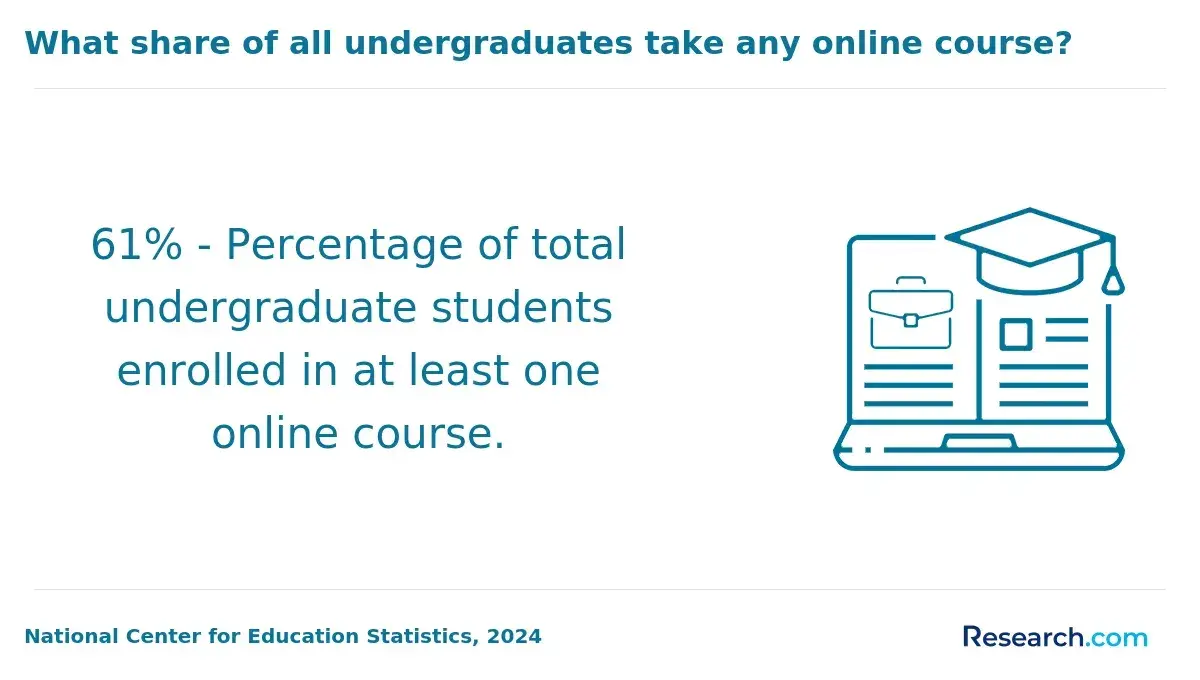
Employers in the United States have increasingly recognized the value of online energy policy degrees, with many now viewing them as comparable to traditional on-campus credentials.
Recent data from the National Association of Colleges and Employers (NACE) shows that 87.4% of employers who track degree modality have hired graduates with online degrees, and all of these employers reported offering the same starting salary to online and on-campus graduates. This shift reflects a broader trend accelerated by the COVID-19 pandemic and the normalization of remote work, prompting employers to prioritize demonstrated skills and practical experience over where the degree was earned.
Despite growing acceptance, some disparities remain in how hiring managers evaluate online versus traditional energy policy degrees. According to the 2025 GMAC Corporate Recruiters Survey, only a minority of employers strongly agree that online and in-person degrees hold equal value. Factors influencing employer perceptions include accreditation, the reputation of the institution awarding the degree, and evidence of hands-on experience such as internships or real-world projects.
Accredited online programs, particularly those affiliated with well-known universities, are generally seen as credible. Graduates can improve their employability by choosing accredited programs, seeking out career services and networking opportunities, and actively showcasing practical skills and rigorous training on résumés and during interviews. As the focus shifts increasingly to results and applied knowledge, online energy policy degrees backed by these elements stand to gain equal respect among employers.
Do Employers Trust Online Energy Policy Degrees from AI-powered Virtual Classrooms?
AI technologies such as adaptive learning systems, virtual simulations, and AI tutors significantly enhance the quality and credibility of online energy policy education. Adaptive learning platforms customize coursework to meet individual student needs, ensuring that learners progress efficiently through material tailored to their strengths and weaknesses. Virtual simulations provide hands-on experiences by allowing students to engage with real-world energy scenarios, which sharpens practical decision-making skills essential in the energy sector.
Meanwhile, AI tutors offer on-demand support and feedback, creating an interactive learning environment that closely resembles in-person mentorship. This integration of advanced tools not only delivers personalized, data-driven learning experiences but also aligns academic training with current industry standards. Partnerships with energy organizations and case-based learning further validate the relevance of these programs, preparing students with skills that employers actively seek.
These technological advancements have shifted many employer perceptions positively toward online energy policy degrees earned through AI-powered platforms. According to recent surveys, over 70% of US employers now perceive online degrees as equal to or even superior to traditional ones, especially when programs feature robust, industry-aligned curricula and practical experiences.
Additionally, research highlights a growing preference for adult learning systems that incorporate AI and sustainability competencies, making graduates more attractive for roles focused on green transition efforts. However, some skepticism remains among traditional employers who question the reliability of online assessments and the absence of face-to-face networking. Despite these concerns, the convergence of AI-enhanced education, relevant skills development, and industry partnerships continues to bolster confidence in the value and rigor of online credentials in energy policy fields.
What Skills Do employers Value from Online Energy Policy Graduates?
Employers highly value online energy policy graduates for their balanced combination of specialized technical skills for energy policy jobs and critical soft skills. These attributes equip graduates to successfully adapt and contribute to a rapidly changing energy sector, making them competitive candidates in the job market.
The following key skills are among the most in-demand for employers seeking online energy policy degree holders, highlighting their ability to address complex challenges in the energy industry:
- Policy analysis and regulatory expertise: Online programs emphasize mastering complex regulations and policies, training students to evaluate policy impacts and craft strategic recommendations. This skill is essential for roles requiring deep problem-solving skills in the energy sector, such as policy analyst or regulatory advisor.
- Project management: Virtual learning environments simulate real-world team collaboration, sharpening organizational leadership and multitasking abilities. Graduates are prepared to manage intricate energy projects and lead diverse stakeholder groups effectively.
- Data analysis and technical literacy: Coursework frequently involves handling large datasets and modeling energy scenarios using advanced software, making graduates proficient in evidence-based decision-making and technical reporting necessary for technical roles.
- Communication and stakeholder engagement: Through frequent presentations and virtual coordination, students refine their verbal and written communication skills. These competencies are critical for interacting with regulators, community members, and industry partners.
- Sustainability and environmental strategy: Online curricula provide a strong understanding of sustainability frameworks and environmental compliance, enabling graduates to spearhead renewable energy initiatives and corporate responsibility programs.
- Adaptability and self-management: The flexibility of remote learning fosters discipline, digital fluency, and adaptability-traits that signal high professional readiness for hybrid or fully remote work settings.
According to a 2025 survey from the University of North Dakota, 87% of employers consider online energy policy graduates as prepared or better prepared than traditional students for these critical roles. Those interested in advancing their expertise might explore related options such as online doctoral programs no dissertation to further enhance their qualifications and specialization.
Do Professional Certifications Help Validate Online Energy Policy Degrees?
Earning professional certifications can significantly enhance the credibility of an online energy policy degree by providing tangible proof of industry-specific skills and current knowledge that employers actively seek. These certifications act as trusted benchmarks, demonstrating that graduates possess both theoretical understanding and practical competencies crucial for success in the energy sector.
Below are the main ways professional certifications strengthen the value of online energy policy degrees in the eyes of employers:
- Certified Energy Policy Analyst (CEPA): This certification confirms a graduate's expertise in analyzing and creating data-driven energy policies, assessing market trends, and recommending sustainable solutions. Its rigorous exam and coursework prepare holders to tackle complex challenges and lead energy transition initiatives, making them highly desirable in government, utilities, and consulting roles.
- Certified Energy Manager (CEM): Recognized as a premier credential in the energy field, the CEM highlights advanced knowledge in energy efficiency, facility audits, and optimization. Many top energy management positions require this certification, which also correlates with higher salaries and better job prospects.
- Certified Renewable Energy Professional (REP): Demonstrating expertise in renewable energy systems and sustainability practices, REP holders are trusted to oversee renewable projects and drive organizational sustainability-a rapidly growing need as the industry shifts toward clean energy.
- Project Management Professional (PMP): Although broad in scope, the PMP certification is highly valued for proving the ability to manage large, complex energy projects on schedule and budget. This credential boosts candidacy for leadership roles requiring strong project oversight.
- Enhanced Employer Trust: Certifications from respected organizations such as AEE, AIBM, or PMI offer independent validation that can help overcome employer doubts about online degrees. Hiring managers often view candidates with both an online degree and professional credentials as more trustworthy and career-ready.
Reflecting on this topic, a professional who completed an online energy policy program shared that pursuing certification was a turning point in his career. Initially, he faced skepticism from some employers about the rigor of online education, but earning a well-recognized certification helped bridge that gap.
He described the process as challenging yet rewarding-rigorous study sessions, balancing work with exam preparation, and the satisfaction of passing the credential exam boosted his confidence. "The certification became the proof I needed to demonstrate that my skills matched industry standards," he explained. This combination of online degree and professional certification opened doors to projects he previously couldn't access and strengthened his professional reputation within the energy sector.
Do Online Energy Policy Graduates Earn the Same Salaries as On-campus Graduates?
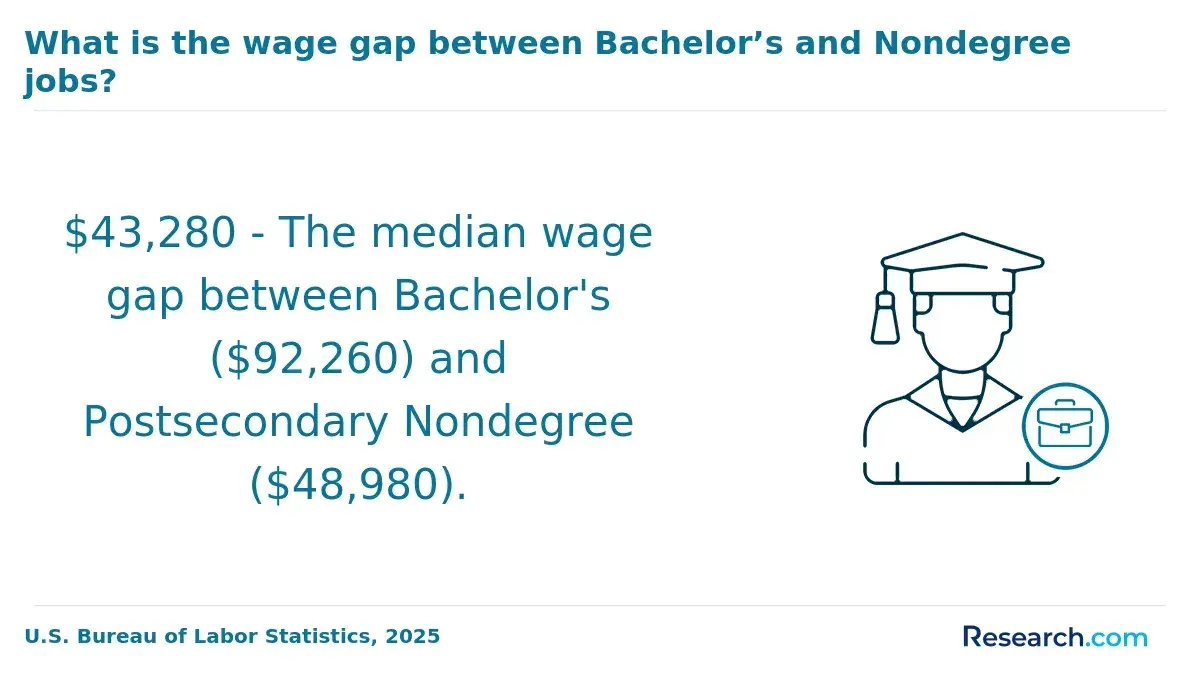
Recent national data indicates that there is no significant salary gap between online and on-campus energy policy graduates, particularly when the online degree is earned from an accredited and reputable institution. Industry research shows that employers prioritize skills and experience over the mode of study, leading to comparable salary outcomes in the energy sector.
The energy policy graduate salary comparison depends on several key factors that influence whether online graduates earn salaries similar to their on-campus counterparts, including program quality, specialization, and professional experience.
- Accreditation and Reputation of the Program: Employers highly value degrees from programs with established accreditation and a strong industry reputation. Online degrees from well-known universities tend to offer salary prospects on par with traditional programs because institutional credibility often matters more than delivery method.
- Relevant Skills and Specialization: Salary levels are closely linked to the expertise gained, especially in niche areas like renewable energy management or regulatory compliance. Online programs providing extensive, industry-aligned curricula and experiential learning prepare graduates effectively for high-paying roles.
- Professional Experience and Networking: Internships, work experience, and active professional networking significantly boost earning potential. Many online programs now facilitate virtual networking and remote internships to help students build marketable experience during their studies.
- Employer Perception and Evolving Norms: The energy sector increasingly focuses on graduate outcomes rather than educational modality. According to recent trends, accredited online degrees are widely accepted as equal to traditional credentials in hiring and salary negotiations.
For prospective students exploring career options, shorter learning paths can be appealing; some may consider short programs that pay well as a way to quickly enter the field with competitive salaries.
How Do Online Energy Policy Degrees Impact Career Growth and Promotions?
Earning an online energy policy degree can significantly influence long-term career advancement and open up new promotion opportunities across a variety of industries, including government, private companies, and non-profits. This degree equips professionals with specialized knowledge and skills that are increasingly valued in leadership and strategic roles within the energy sector. To better understand the impact, consider the main ways online energy policy degrees support professional growth and upward mobility:
- Expanded Career Pathways: Graduates gain eligibility for a wide range of roles such as energy project development, policy analysis, and regulatory compliance. This diversity of opportunities enhances their ability to move laterally or ascend within organizations, broadening their professional horizons.
- Leadership and Management Readiness: Programs focus on developing analytical, technical, and communication skills critical for leadership positions. Many graduates find themselves quickly on management tracks, thanks to this targeted skill set that meets the sector's evolving demands.
- Industry-Driven, Practical Curriculum: Curriculums shaped by employer input ensure graduates possess market-relevant competencies. Hands-on projects and real-world problem solving boost confidence and prepare students for roles requiring greater responsibility.
- Flexibility for Working Professionals: Online formats enable professionals to earn advanced credentials without pausing their careers. This makes it easier to upskill, qualify for promotions, or transition into new roles without losing valuable work experience.
- Gateway to Further Education and Specialized Roles: The degree often serves as a foundation for advanced graduate studies or specialized positions in policy, law, or business, facilitating long-term career growth and senior advisory roles.
- Positive Employer Perception: Employers increasingly recognize online energy policy degrees from reputable institutions as credible and valuable, especially when paired with relevant experience. This recognition contributes to enhanced promotion prospects and career development.
When speaking with a professional who completed an online energy policy program, she reflected on the tangible career benefits she experienced. Balancing a full-time job and family commitments was challenging, but the program's flexible schedule allowed her to maintain steady progress. She shared that the practical projects helped her connect classroom theory to real-world energy challenges her company was facing, which impressed her supervisors.
"Completing the degree gave me the confidence and key skills to lead a cross-departmental initiative that ultimately resulted in a significant energy efficiency upgrade," she explained. This success not only increased her visibility but directly led to a promotion within a year of graduation. Her story highlights how an online energy policy degree can serve as a catalyst for both skill development and tangible career advancement.
What Companies Actively Hire Graduates from Online Energy Policy Programs?
Employers across energy, environmental, and technology industries are increasingly open to hiring candidates who hold online energy policy degrees. This trend reflects growing recognition of the relevance and rigor of online education in preparing graduates for specialized roles. As a result, companies hiring remote energy policy graduates span several key sectors, each valuing the practical skills and policy expertise gained through these programs.
Below are notable examples of industries and types of companies that actively seek graduates from online energy policy programs, illustrating the diverse career opportunities available to online degree holders.
- Renewable Energy Developers and Utilities: These organizations recruit online energy policy graduates for roles in policy research, regulatory affairs, and stakeholder engagement. They particularly appreciate the analytical and regulatory skills honed through online study, which are critical given rapid renewable project growth and evolving state policy frameworks.
- Technology, Data, and Consulting Firms: Companies in this sector employ graduates as sustainability analysts, energy policy researchers, and project managers. Online energy policy degree holders are valued for their ability to interpret policy trends, design compliance strategies, and communicate complex issues effectively to varied audiences.
- Environmental Nonprofits and Advocacy Groups: These groups hire graduates for program management, research, and building community partnerships. The multidisciplinary training and flexible learning formats of online programs align well with the dynamic demands of advocacy and environmental policy initiatives.
- Government Agencies and Regulatory Bodies: Federal and state agencies look for candidates to fill positions related to policy analysis, emergency preparedness, and industrial strategy. Increasing acceptance of online credentials within public sector hiring reflects the recognized rigor and applicability of these degrees.
Current labor market data shows strong demand for professionals with expertise in energy policy, with many employers specifically encouraging applications from those with online degrees. Prospective students interested in exploring specialized educational paths can find relevant options by reviewing dual degree programs usa, which often include energy policy components to enhance career prospects.
What Future Trends Will Shape Online Energy Policy Degrees' Credibility?
Technology advances, evolving accreditation standards, and changing employer attitudes continue to reshape how online energy policy degrees are valued in the job market. These shifts are making online credentials more credible and increasingly relevant to workforce needs. Below are key trends driving the growing legitimacy and recognition of online energy policy programs:
- AI-Driven Learning Validation: Artificial intelligence tools are being used to authenticate student work and provide instant feedback, ensuring academic integrity and skill verification. This technology helps employers trust that graduates possess validated, real-world competencies.
- Global Accreditation Collaboration: Accrediting organizations are working toward unified global standards, which enhances degree portability and reassures employers that online programs meet rigorous international quality benchmarks.
- Employer Partnerships and Industry Input: Online programs increasingly collaborate with energy sector employers to align curricula with current industry demands. This often includes practical projects or internships, equipping graduates with experience that employers find valuable.
- Skill-Based Hiring and Microcredentials: Employers are focusing more on demonstrable skills rather than traditional degree prestige. Online programs respond by offering stackable microcredentials in areas like sustainability assessment and regulatory analysis, giving graduates a competitive advantage.
- Enhanced Data Transparency on Graduate Outcomes: Institutions are publishing detailed employment statistics showing strong job placement in relevant roles. This transparency builds employer confidence in the quality and applicability of online energy policy education.
Here's What Graduates of Respected Online Energy Policy Programs Have to Say About Their Degree
- Jamal: "Completing my online energy policy degree was a game changer for my career. The flexible schedule allowed me to balance work and study, which made advancing my knowledge manageable without sacrificing income. After graduation, I found that employers really value the practical skills and up-to-date industry insights the program offered. This helped me secure a position at a leading renewable energy consultancy faster than I expected. The degree truly opened doors and boosted my confidence in a highly competitive field."
- Marisol: "Reflecting on my journey, earning an online energy policy degree gave me the freedom to learn from anywhere while still connecting with a diverse cohort of peers and professionals. This exposure broadened my understanding of global energy challenges and strengthened my problem-solving skills. It's rewarding to contribute to policy discussions that positively impact community sustainability efforts now that I work in public sector energy planning. The degree enriched not just my career prospects but also my ability to engage meaningfully with the energy community locally and beyond."
- Devon: "As a professional aiming to specialize in energy regulation, pursuing an online energy policy degree enhanced my credentials and professional network considerably. The curriculum's blend of policy analysis and current energy trends allowed me to take on leadership roles and consult on strategic projects within my company. This program not only elevated my expertise but also empowered me to mentor others pursuing careers in the energy sector. It feels fulfilling to contribute towards shaping sustainable energy solutions while advancing my career progression steadily."
Other Things You Should Know About Respectable Online Energy Policy Degree Programs
In 2027, employers remain concerned about the uniformity in quality of online energy policy programs. Assurance of program accreditation and the institution's reputation are key factors they consider. To enhance credibility, candidates can highlight hands-on projects or internships completed as part of their online degree.
Graduates can boost employability by gaining internships, certifications, or practical experience that complements their academic studies. Networking with industry professionals and staying current with energy policy trends also improves job prospects.
In 2027, the renewable energy sector, environmental NGOs, and government agencies are among the industries likely to accept graduates with online energy policy degrees. These sectors often prioritize skills and knowledge over the mode of education, focusing more on candidates' expertise and experience.
References
- Online energy and sustainability policy degree programs changed this grad’s life | Penn State University https://www.psu.edu/news/world-campus/story/online-energy-and-sustainability-policy-degree-programs-changed-grads-life
- What Do Employers Really Think About Online Degrees? https://spectrum.ieee.org/what-do-employers-really-think-about-online-degrees
- Top 10 Best Paying Jobs in Energy (Renewable & Conventional) 2025 | Nexford University https://www.nexford.edu/insights/best-paying-jobs-in-energy
- Insights from the Job Demands–Resources Model: AI's dual impact on employees’ work and life well-being - ScienceDirect https://www.sciencedirect.com/science/article/pii/S0268401225000192
- Are Online Degrees Legit? What Employers Think and What Matters Most https://williamcareyuniversity.co.in/are-online-degrees-legit-what-employers-think-and-what-matters-most
- Transform Your Career: Online Renewable Energy Degrees That Power Real-World Success - Illinois Renewables https://www.illinoisrenew.org/uncategorized/transform-your-career-online-renewable-energy-degrees-that-power-real-world-success/
- EnergyDegrees.org: The Energy Education Website https://www.energydegrees.org/
- Key Energy Trends Shaping 2025 https://www.policycenter.ma/publications/key-energy-trends-shaping
- Certified Renewable Energy Professional - REP™ - AEE Center https://www.aeecenter.org/certified-renewable-energy-professional/
- Energy and Sustainability Policy Bachelor's Degree Online - Penn State World Campus https://www.worldcampus.psu.edu/degrees-and-certificates/penn-state-online-energy-and-sustainability-policy-bachelor-of-science-degree


