
2027 How to Become a Paraprofessional: Education, Salary, and Job Outlook

Co-Founder and Chief Data Scientist
Becoming a paraprofessional is often the fastest way to enter a school-based education role without first completing a teaching degree. The job can be a good fit if you want to work directly with students, support teachers, gain classroom experience, or build a pathway toward special education, behavioral support, or teacher certification.
The decision is not only about liking children or wanting a school schedule. Paraprofessionals are expected to follow instructional plans, support students with different learning and behavioral needs, document progress, and work under the direction of licensed educators. Credential rules, pay, and advancement options also vary by state, district, school type, and whether the position is funded under Title I.
This guide explains what credentials you may need, which skills matter most, how paraprofessional careers typically progress, what you can expect to earn, where jobs are available, and how to decide whether this role fits your long-term goals in education.
What are the benefits of becoming a paraprofessional?
- The paraprofessional workforce is expected to grow by approximately 7% through 2027, reflecting steady demand in educational support roles nationwide.
- Average annual salaries for paraprofessionals range from $28,000 to $38,000, varying by location and experience.
- Careers as paraprofessionals offer meaningful engagement in education, requiring moderate qualifications and providing valuable entry points into the educational sector.
What credentials do you need to become a paraprofessional?
The baseline credential for most paraprofessional jobs is a high school diploma or equivalent, but that is rarely the only requirement. Your exact path depends on the state, school district, funding source, and whether you will provide instructional support in a Title I program.
In practical terms, candidates should check both state education agency rules and local district job postings before applying. A district may require a test, college credits, or a specific certificate even when the state minimum is lower.
- High school diploma or equivalent: This is the minimum requirement for all paraprofessionals, regardless of school setting.
- Non-Title I paraprofessionals: These candidates generally need a high school diploma and may need to pass a local assessment showing readiness to support instruction. Some districts require the CBEST or a similar standardized test.
- Title I paraprofessionals: In addition to a diploma, instructional paraprofessionals must meet one of three standards: complete two years of postsecondary education, equal to 48 semester hours; earn an associate degree or higher; or pass a rigorous state or local academic assessment. These federal requirements apply to all instructional paraprofessionals working in Title I schoolwide programs starting in the 2025-26 school year.
- State-specific requirements: Some states add their own rules. New York requires tiered certificates beginning with a valid level one certificate for three years. Nebraska requires 12 credit hours in child development or early childhood education. Maryland requires pre-K paraprofessionals to earn either a Child Development Associate credential or an associate degree from 2025-26 onward.
Common credential routes include the following:
| Credential route | Best for | What to confirm before choosing it |
| Local or state assessment | Candidates who want the quickest qualifying path where testing is accepted | Whether the district accepts the exam and whether passing scores expire |
| 48 semester hours of college credit | Candidates who have completed some college but do not yet hold a degree | Whether credits must be from an accredited institution and whether specific coursework is required |
| Associate degree or higher | Candidates who want a stronger credential for long-term education work | Whether the degree meets state and district rules for paraprofessional employment |
| State certificate or specialized credential | Candidates pursuing early childhood, special education, bilingual, or pre-K roles | Application steps, renewal rules, background check requirements, and fees |
If you want to move beyond entry-level requirements, earning more college credit can improve your competitiveness and may support a future teaching pathway. Some candidates compare flexible degree options, including an accelerated bachelor's degree online Texas or similar online programs, when planning how to meet or exceed credential expectations.
What skills do you need to have as a paraprofessional?
A strong paraprofessional is not simply an extra adult in the classroom. The role requires the ability to follow teacher direction, reinforce lessons, respond calmly to student needs, and help maintain a safe and productive learning environment.
The most important skills fall into three areas: instructional support, student support, and professional reliability. Districts may train you in specific curricula or behavior systems, but they expect you to arrive with sound judgment, patience, and communication skills.
- Academic support: You should be able to reinforce reading, writing, mathematics, and other classroom activities without replacing the teacher’s role.
- Classroom procedures: Knowing how to follow routines, transitions, supervision protocols, and safety expectations helps the class run smoothly.
- Educational technology: Paraprofessionals often use learning platforms, accessibility tools, attendance systems, and basic record-keeping software.
- Communication: You need to share observations clearly with teachers, ask for clarification when needed, and use professional language with students and families.
- Classroom management: The job often involves redirecting behavior, reinforcing expectations, and supporting positive routines without escalating conflict.
- Team collaboration: Paraprofessionals work under teacher supervision and must align their support with classroom goals, IEPs, 504 Plans, and school policies.
- Patience and empathy: Students may be frustrated, anxious, delayed, overstimulated, or resistant. Calm consistency matters more than quick reactions.
- Organizational skills: You may handle instructional materials, behavior notes, accommodations, schedules, or small-group activities.
- Flexibility: Assignments can change quickly. You may support one student in the morning, supervise a group later, and assist with testing or behavior support the same day.
One common mistake is assuming that being kind is enough. Kindness matters, but schools also need paraprofessionals who can maintain boundaries, protect confidentiality, follow legal plans, and document concerns accurately.
What is the typical career progression for a paraprofessional?
Paraprofessional careers usually begin in direct classroom support and then branch into specialized, lead, or credential-based roles. Advancement depends on experience, performance, additional training, and whether you pursue college credits or certification.
A typical progression may look like this:
- Entry-level paraprofessional, paraprofessional assistant, or teacher’s assistant: These roles focus on student supervision, classroom routines, lesson reinforcement, and basic instructional support. They generally require at least a high school diploma plus any required assessment, coursework, or certification.
- Specialized paraprofessional role: With experience, you may move into special education, bilingual support, behavioral intervention, early childhood education, or reading and math support. A Special Education Assistant or Behavioral Support Specialist role may require additional preparation, such as the Registered Behavior Technician (RBT) certification.
- Lead paraprofessional or department coordinator: These positions may involve mentoring other aides, coordinating support schedules, assisting with training, or helping manage educational support services. They typically require stronger experience and additional academic qualifications.
- Focused expertise: Some paraprofessionals build a niche in autism support, literacy intervention, behavior plans, assistive technology, or multilingual learner support.
- Transition to teaching or administration support: Many paraprofessionals use the role as a bridge to teacher certification, school operations, family engagement, or other education careers.
The best career path depends on your goal. If you want higher pay without becoming a teacher, specialized support roles may be the most realistic next step. If you want long-term advancement in schools, completing degree and licensure requirements may open more options.
How much can you earn as a paraprofessional?
Paraprofessional pay is usually modest, but it varies widely by district, state, experience, union contract, specialization, and work schedule. Some jobs are hourly and school-year based, so the annual figure may depend on how many hours and weeks you are paid.
The average hourly wage for paraprofessionals is approximately $16.47, equivalent to about $34,266 annually. Entry-level roles typically start at $14 per hour, or $30,000 annually, while experienced paraprofessionals can earn up to $21 per hour, or $45,000 annually. Recent data from Indeed suggests an even higher average wage of $19.76 per hour, showing that reported pay can differ by source and labor market.
Location can make a significant difference. Metropolitan areas like Chicago, Aurora, and Minneapolis offer higher wages: $20.91, $20.41, and $20.09 per hour respectively. These rates are 20-25% above the national average.
Specialization can also affect earnings. Special education paraprofessionals earn roughly $16.39 hourly versus $15.95 for general education, with wages ranging from $14.42 at the 25th percentile to $18.75 at the 75th percentile nationwide.
When comparing offers, look beyond the hourly rate. Ask whether the job includes paid holidays, health insurance, retirement benefits, summer pay options, professional development, union representation, and tuition assistance. A lower hourly wage with strong benefits may be more valuable than a slightly higher rate with limited support.
Experience and skill development can create pay variation of up to $10 per hour between entry-level and top earners. If you plan to move into higher-level education roles, additional study may help. Some professionals compare advanced education options, including an easiest master's degree, when considering long-term career mobility.
What internships can you apply for to gain experience as a paraprofessional?
Internships, practicum placements, substitute aide roles, and school-based volunteer work can help aspiring paraprofessionals prove they are ready for daily classroom responsibilities. The best experience is supervised, student-facing, and connected to the type of role you want: general education, special education, bilingual support, early childhood, or behavioral support.
In 2025, candidates should look for paid paraprofessional internships, school district training pipelines, education aide openings, and community-based youth programs that include direct instructional or developmental support.
- Bilingual Pupil Services (BPS) program, New York City: This paid paraprofessional internship is designed for bilingual candidates. It places participants in Title I elementary schools to support multilingual learners and also covers tuition for a teaching degree.
- General paraprofessional internships on job platforms such as Indeed: These opportunities may involve assisting special education teachers, supporting students with disabilities, managing classroom routines, and building skills in behavior management and individualized instruction.
- Healthcare organizations and community health centers: These placements can provide experience with therapeutic, developmental, and educational programs, especially for candidates interested in students with complex needs.
- Youth development and adult education nonprofits: These settings build communication, advocacy, tutoring, and program coordination skills that transfer well to school support roles.
- Industry-specific organizations: Autism support organizations and developmental disability service providers may offer practicum experiences involving observation, mentorship, and direct service.
Before accepting an internship, ask who will supervise you, whether you will receive training before working with students, what age group you will support, and whether the experience can be documented for future employment. Strong placements should expose you to lesson support, student assessment, confidentiality rules, and collaborative problem-solving.
If your long-term goal is research, leadership, or advanced practice in education, you may also compare graduate pathways such as online PhD programs no dissertation while building practical experience.
How can you advance your career as a paraprofessional?
Advancing as a paraprofessional usually requires a combination of stronger credentials, specialized training, documented performance, and strategic relationships within your school or district. The role can lead to higher responsibility, but advancement is rarely automatic.
- Continue your education: Many paraprofessionals pursue associate or bachelor’s degrees, sometimes with support from district or union programs that may cover tuition or provide paid leave. Higher education credentials, along with state Teacher Assistant certification where required, can support movement into positions such as Lead Teacher Assistant with more instructional responsibility and potentially higher salary.
- Earn specialized certifications: Credentials such as the Registered Behavior Technician (RBT) certification can prepare paraprofessionals for behavioral support roles, particularly in special education settings. Some districts may reimburse exam fees or provide training support.
- Use professional development strategically: Prioritize training in IEP implementation, behavior de-escalation, autism support, multilingual learner support, assistive technology, literacy intervention, and data collection. These skills are directly useful in schools and often strengthen internal applications.
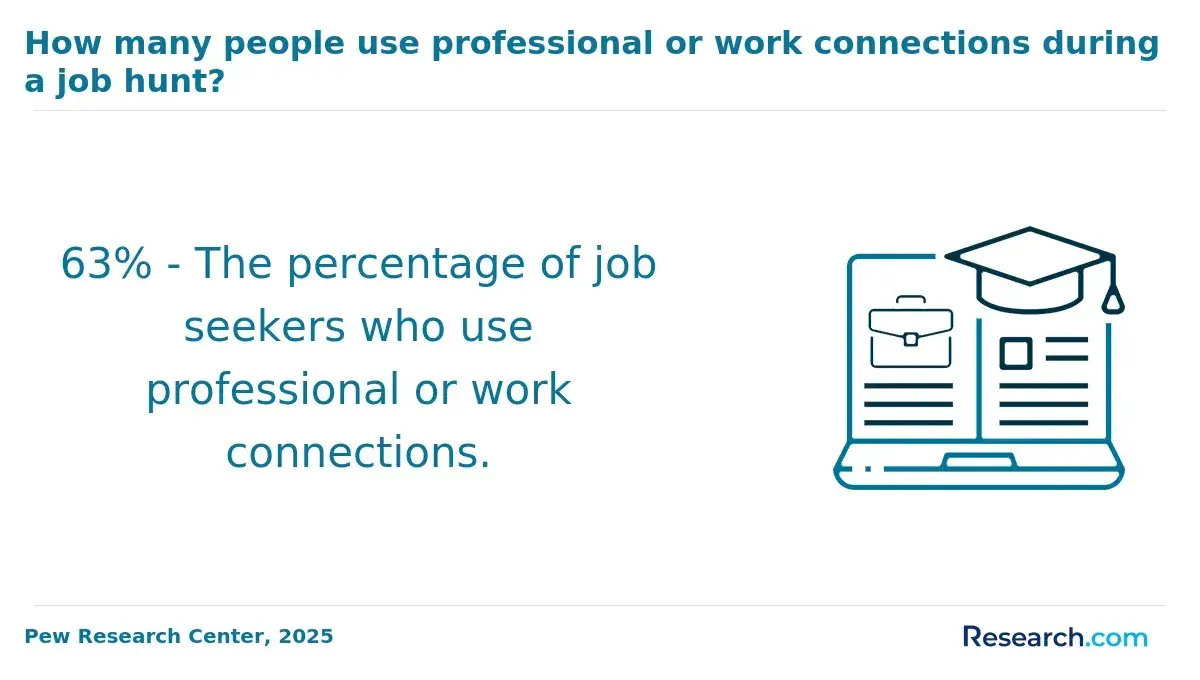
- Seek mentorship and networking: Union workshops, district training programs, school-based mentors, and educator organizations can help you understand advancement requirements. Mentorship initiatives, including those associated with LEAP to Teacher, may provide exam preparation, career counseling, and guidance for candidates pursuing teaching credentials.
- Document your impact: Keep a professional record of trainings completed, students supported, classroom systems used, and responsibilities handled. This can help when applying for lead roles, specialized assignments, or teacher preparation programs.
If you want to become a licensed teacher, ask your district whether it offers “grow your own” programs, tuition assistance, paid student-teaching options, or partnerships with colleges. These programs can reduce the cost and uncertainty of moving from paraprofessional work into certified teaching.
Where can you work as a paraprofessional?
Most paraprofessionals work in K-12 schools, but the role appears in several education and child-development settings. Your work environment affects your duties, schedule, student population, and advancement options.
- New York City Department of Education: As a major employer, it offers paraprofessional roles in general education, special education, bilingual education, and student support settings.
- Public school systems in California, Texas, and Florida: Large districts in these states provide many opportunities for paraprofessionals to support inclusive classrooms, small groups, and individual students.
- Charter schools and private educational institutions: These schools may hire paraprofessionals for individualized instruction, behavior support, tutoring, classroom assistance, or student supervision.
- Aequor and Company X: Organizations specializing in educational support services may partner with schools to provide help in areas such as behavioral intervention and tutoring.
- Government agencies and nonprofit organizations: These employers may place paraprofessionals in Head Start programs, early intervention settings, after-school programs, and community education services.
- Common work settings: Paraprofessionals may work in general education classrooms, special education resource rooms, one-on-one support settings, small groups, school libraries, computer labs, playgrounds, cafeterias, buses, and extracurricular activity areas.
When comparing job postings, pay attention to the assignment type. A one-on-one special education role may involve personal care, behavior support, and close implementation of an IEP. A classroom aide role may focus more on lesson preparation, group support, supervision, and instructional reinforcement. A bilingual paraprofessional role may require language skills and support for multilingual learners.
Candidates interested in special education paraprofessional positions in Connecticut or similar locations should look for roles that provide formal training, teacher collaboration time, and clear expectations. Those seeking affordable preparation may compare online degree programs cheap that can help meet credential requirements while balancing work and family responsibilities.
What challenges will you encounter as a paraprofessional?
Paraprofessional work can be meaningful, but candidates should understand the pressures before entering the field. The job often combines instructional support, emotional labor, physical stamina, and fast decision-making in environments where staffing and resources may be limited.
- Heavy workload and understaffing: Many paraprofessionals support more students than recommended, especially in special education. Some work alone in settings intended for multiple aides, which can lead to stress and physical fatigue.
- Emotional strain: The role may involve students with challenging behaviors, trauma histories, communication difficulties, or personal care needs. Without strong training and school support, this can become emotionally demanding.
- Inadequate compensation: Pay is often low compared with the level of responsibility. In some areas, paraprofessional wages may be less than retail or food service positions, and advancement may not bring immediate financial improvement.
- Expanded expectations during educator shortages: Teacher shortages can increase pressure on paraprofessionals to take on more responsibility. This can blur role boundaries and make it harder to focus on student independence.
- Student stigma and dependency concerns: Constant aide support can unintentionally make a student feel singled out or overly dependent if the support is not carefully planned with the teacher and IEP team.
- Slow systemic change: Advocacy efforts, including calls for a national “Bill of Rights,” recognize concerns about pay, benefits, and working conditions. However, improvements are often gradual.
To manage these challenges, ask about training, staffing ratios, crisis procedures, break coverage, and supervision before accepting a role. A supportive school environment can make a major difference in whether the job is sustainable.
What tips do you need to know to excel as a paraprofessional?
To excel as a paraprofessional, focus on reliability, communication, student dignity, and alignment with the teacher’s plan. The best paraprofessionals are proactive but do not overstep their role.
- Communicate consistently with teachers: Share observations, ask questions, and report concerns promptly, especially when supporting students with IEPs or 504 Plans.
- Protect confidentiality: Do not discuss student disabilities, behavior, family situations, or academic needs outside the appropriate professional setting.
- Stay organized: Keep accurate notes, prepare materials on time, track assigned student progress, and follow schedules closely.
- Build respectful student relationships: Learn student interests, use encouragement, set calm boundaries, and avoid doing work for students that they can learn to do independently.
- Understand your role: You support instruction under the direction of a certified teacher. Ask for clarification if a task seems outside your training or job description.
- Use feedback well: Strong paraprofessionals accept coaching, adjust quickly, and seek professional development rather than waiting for problems to escalate.
- Prepare for difficult moments: Learn de-escalation strategies, emergency procedures, and documentation expectations before a crisis occurs.
- Be dependable: Attendance, punctuality, and follow-through matter because students and teachers often rely on consistent support.
A practical habit is to request a brief weekly check-in with the supervising teacher. Even 10 minutes can clarify priorities, prevent misunderstandings, and improve support for students.
How do you know if becoming a paraprofessional is the right career choice for you?
Becoming a paraprofessional may be the right choice if you want direct student contact, a school-based schedule, and a practical entry point into education. It may not be the best fit if you need high immediate earnings, prefer fully independent work, or are uncomfortable with behavioral, emotional, or personal-care responsibilities.
Consider whether the following describe you:
- You communicate clearly: Paraprofessionals must listen carefully, follow teacher direction, and share student observations in a professional way.
- You are patient and adaptable: Students learn at different speeds and may respond differently from day to day. Emotional steadiness is essential.
- You work well under supervision: This role requires teamwork and comfort supporting plans created by certified educators and specialists.
- You value stability and school schedules: Many paraprofessional roles offer regular hours and summers off, which can support work-life balance.
- You are interested in focused student support: Special education, bilingual education, early childhood, behavioral support, and literacy intervention can all be strong areas of fit.
- You can handle modest pay at the entry level: The work can be rewarding, but compensation may be limited unless you pursue additional credentials, specialized roles, or teaching certification.
- You want a pathway into education: The role can help you test whether teaching or another school career is right for you before committing to a longer degree or licensure path.
If you are unsure, try gaining experience through substitute aide work, after-school programs, tutoring, youth nonprofits, or classroom volunteering. A short-term placement can reveal whether you enjoy the pace, boundaries, and responsibilities of school support work.
For candidates comparing education entry points, recognized certificates may also be worth exploring. Resources on good paying certifications can help you evaluate other options for career advancement and stability.
What Professionals Who Work as a Paraprofessional Say About Their Careers
- Mordechai: "Becoming a paraprofessional gave me a surprising level of job stability in an evolving educational landscape. The demand for skilled paraprofessionals in schools is steady, and the salary potential, while modest, makes it a reliable career choice. I appreciate knowing I have a role that supports students daily and offers consistent work."
- Casen: "Working as a paraprofessional presents unique challenges, especially when adapting to the diverse needs of students. This role has pushed me to develop patience and creativity, which are invaluable skills. It's more than a job; it's a meaningful experience that contributes directly to a child's growth and success."
- Ashton: "The professional development opportunities available to paraprofessionals have been critical to my career growth. Through specialized training programs and certifications, I've expanded my expertise and opened doors to leadership roles within educational support services. This career path offers more than just initial entry-it's a foundation for ongoing advancement."
Other Things You Should Know About Becoming a Paraprofessional
In 2027, becoming a paraprofessional typically requires a high school diploma or equivalent. Some positions might demand a paraprofessional certification, which usually involves passing a competency exam, while others require completion of college-level coursework in education or related fields. Specific requirements vary by state and school district.
Most school districts require paraprofessionals to pass competency assessments in reading, writing, and mathematics before hiring. These tests ensure that paraprofessionals can effectively support the instructional process. Some states have specific certification or examination requirements that candidates must fulfill prior to starting their roles.
References
- How to Become a Paraprofessional: Career Path & Guide | Himalayas https://himalayas.app/career-guides/paraprofessional
- Top Tips To Succeed as a Paraprofessional https://www.240tutoring.com/top-tips-to-succeed-as-a-paraprofessional/
- Paraprofessional Educator - Moraine Valley Community College https://www.morainevalley.edu/academics/academic-programs/education-programs/paraprofessional-educator/
- 15 ELL Strategies for Paraprofessionals https://www.nea.org/professional-excellence/student-engagement/tools-tips/15-ell-strategies-paraprofessionals
- 5 Tips to Succeed as a Paraprofessional https://www.horizonstaffingresources.com/5-tips-to-succeed-as-a-paraprofessional
- Paraprofessional Associate's Degree | Charter Oak State College https://www.charteroak.edu/paraprofessional/
- Paraprofessional-to-Teacher Program | Piedmont University https://www.piedmont.edu/program/paraprofessional-to-teacher-program/
- What is a Paraprofessional Educator: The Unsung Heroes of Education | Zen Educate https://www.zeneducate.com/us/resources/careers-in-education/what-is-a-paraprofessional-teacher/
- Paraprofessionals and Substitute Paraprofessionals https://www.schools.nyc.gov/careers/other-jobs-in-schools/paraprofessionals-and-substitute-paraprofessionals


