2027 Credit Requirements for a Sociology Degree Explained

Co-Founder and Chief Data Scientist
Many students pursuing a sociology degree struggle to understand credit requirements, causing delays in graduation and increased tuition costs. According to the National Center for Education Statistics, 45% of sociology undergraduates take longer than six years to graduate, partly due to credit transfer issues and unmet core requirements. This often stems from unclear academic planning and varying course equivalencies across institutions.
With sociology graduates facing a competitive job market-where employment growth is projected at 7% through 2030-efficient completion is crucial. This article explains credit requirements, transfer policies, and planning strategies, helping students navigate their sociology programs successfully and finish on time.
Key Things to Know About Credit Requirements for Sociology Degrees
- Total credit requirements shape program length, typically spanning three to four years, directly influencing completion time and academic workload.
- Transfer credits and prior learning assessments can reduce required coursework, accelerating degree progress and lowering education costs.
- Credit structures affect academic pacing, which impacts tuition expenses and timely graduation, crucial for entering the sociology workforce efficiently.
How Many Credits Are Required for a Sociology Degree?
Knowing credit expectations in sociology programs is essential for academic planning and ensuring timely graduation. Students benefit from understanding how credits are allocated across different degree levels to effectively manage their course loads. Below is an overview of typical credit requirements for sociology degrees.
- Bachelor's degree: Typically requires approximately 120 to 130 semester credits. These include general education courses, about 30 to 40 credits focused specifically on sociology, covering theory, research methods, and electives for specialization or broader exploration.
- Master's degree: Usually ranges from 30 to 60 semester credits depending on the program and thesis options. Graduate credits emphasize advanced sociological theory, methodology, and research preparing students for professional roles or doctoral studies.
Sociology degree credit requirements impact course planning, prerequisite management, and alignment with career goals. For students comparing graduate options, it's helpful to explore programs aligned with both academic and financial priorities, such as programs listed among the cheapest online SLP programs, which highlight affordability in related fields. Being aware of credits needed to graduate with sociology helps avoid unnecessary delays and ensures compliance with all graduation policies.
How Many Core and Elective Credits Are Required for a Sociology Degree?
Balancing core course credit requirements for sociology degree programs with electives is critical for efficient academic planning and aligning studies with career goals. Research shows that students who tailor their electives to their intended career paths tend to achieve better employment outcomes after graduation.
Below is an overview of the typical division between core and elective credits in sociology degree coursework:
- Core Courses: These usually require between 30 and 45 credits covering foundational topics such as social theory, research methods, statistics, and key social issues like race, class, and gender. Core courses develop essential analytical, critical thinking, and research skills necessary for understanding societal structures.
- Elective Credits: Typically accounting for 15 to 30 credits, electives allow students to explore specialized or interdisciplinary fields such as criminology, urban sociology, or social psychology. These electives provide flexibility and help students customize their education to support specific career interests.
Maintaining a clear understanding of the balance between elective credits versus core credits in sociology programs helps students satisfy degree requirements while focusing on relevant academic interests. For students comparing degree options, it's also wise to consider how credit structures may impact transfer policies and graduation timelines.
Those exploring various degree paths, including engineering or social sciences, might find additional value in researching related fields such as an online engineering degree, which shares similar considerations about credit requirements and elective selection.
Do Online Sociology Programs Require the Same Number of Credits?
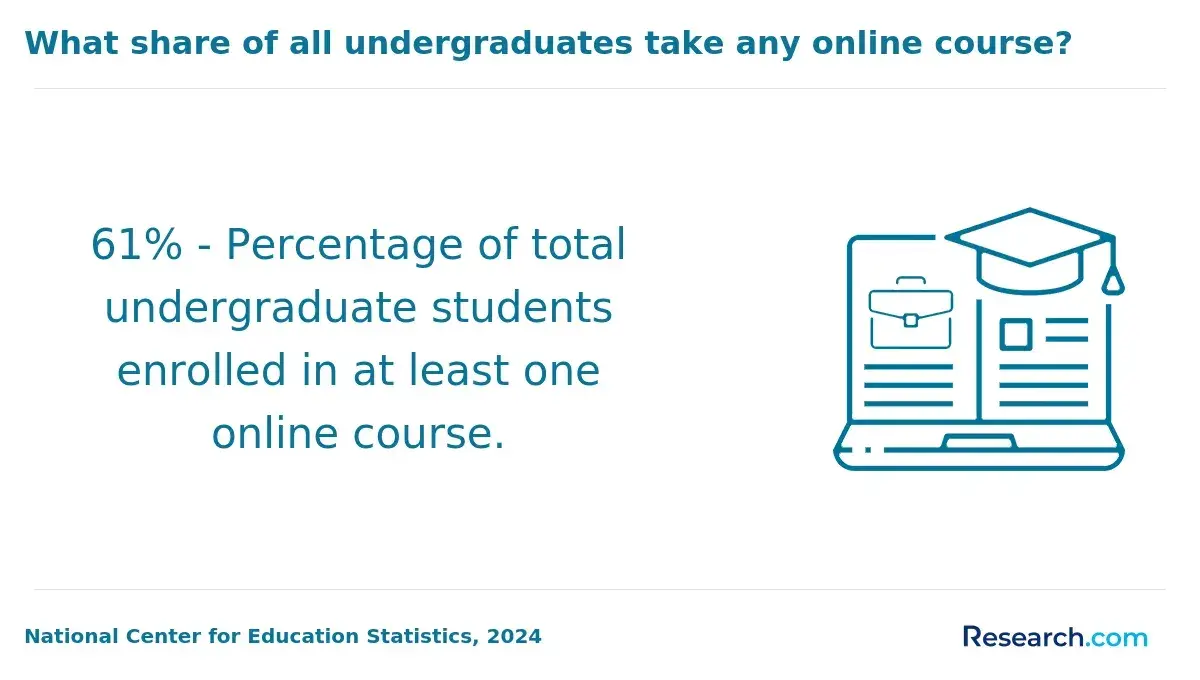
Knowing how credit requirements compare between online and on-campus sociology programs helps students plan their education effectively and choose programs that fit their goals. This comparison is vital for managing workload, transfer credits, and graduation timelines. Online sociology enrollment has surged by nearly 20% over the last five years, highlighting increasing demand for flexible learning.
Here are key points to consider regarding credit requirements:
- Credit Load Similarity: Most online sociology bachelor's degrees require between 120 and 130 credits, paralleling on-campus programs to meet accreditation and professional standards.
- Course Format and Pacing: Online courses often offer more adaptable schedules, allowing students to balance studies with work or family. This flexibility can impact how quickly credits accumulate compared to structured on-campus semesters.
- Self-Directed Workload: The responsibility for managing learning and deadlines is generally higher in online formats, which can affect how credits are earned and the time needed to complete courses.
- Graduation Planning: Aligning credit completion with career objectives requires deliberate scheduling, especially for part-time students or those transferring credits from other institutions.
- Credit Application: Understanding which credits count toward major requirements versus electives is crucial for maintaining steady academic progress and avoiding unexpected delays.
A graduate of an online sociology degree I spoke with explained that while the credit requirements matched his expectations for a bachelor's program, the flexibility allowed him to study without sacrificing his job. He recalled feeling initially overwhelmed by the need to stay disciplined in tracking required credits and deadlines but appreciated that the clear structure helped him steadily progress. Ultimately, he valued how the program's credit system aligned well with his personal and professional responsibilities, making degree completion achievable on his own terms.
How Many Credits Are Required in Accelerated Sociology Programs?
Being aware of credit requirements in accelerated sociology programs helps students organize their studies efficiently and avoid unexpected delays. This knowledge is vital for managing course selections, transfer credits, and academic pacing effectively.
Below are key aspects related to credit demands and workload in such programs:
- Credit Load Ranges: Accelerated undergraduate sociology degrees usually entail between 120 and 130 credits, matching typical timelines but condensed into fewer terms. Graduate-level accelerated tracks require around 30 to 45 credits, often including specialized courses for professional focus.
- Distribution Between Core and Electives: Coursework credits are split between required foundational classes and elective options. Core courses emphasize sociological theories, methodologies, and perspectives, while electives allow students to concentrate on fields such as cultural studies, social policy, or criminology.
- Intensive Scheduling and Workload: Students commonly take heavier credit loads each term or attend summer sessions to shorten completion time. This compressed schedule raises the weekly academic demands, making effective time management and dedication essential.
- Transfer Credit Integration: Many programs permit transfer of previously earned credits, which can reduce the total required credits. Early clarification of these policies aids in creating a streamlined and achievable academic plan.
How Many Transfer Credits Are Accepted Toward a Sociology Degree?
Knowing how transfer credits are applied can help students reduce their time and cost to complete a sociology degree. Around 36% of sociology bachelor's students nationwide transfer credits, highlighting the need for clear policies. Below is an overview of typical credit acceptance across degree levels and program types.
- Associate Degrees: These programs often allow 50-60% of credits to be transferred from accredited institutions, helping students finish the degree faster while meeting foundational requirements.
- Bachelor's Degrees: Transfer acceptance generally falls between 60 and 90 credits, which is roughly half the total needed for graduation. Most transferred credits apply toward electives, while many core sociology courses must be completed at the degree-granting school.
- Master's Degrees: Due to advanced subject matter, master's programs typically accept fewer transfer credits-often 9-12-ensuring foundational mastery within the institution.
- Professional and Accelerated Programs: These programs usually impose stricter limits on transfer credits to maintain rigorous, focused study, often restricting transferred credits to electives or non-core courses.
- Doctoral Programs: Transfer credits are rarely accepted at this level, reflecting the specialized and research-intensive nature of doctoral studies.
To better understand how these policies impact students, I spoke with a sociology degree graduate about her experience transferring credits. She recalled, "Navigating credit transfers felt overwhelming at first because each course's applicability wasn't always clear.
I had to work closely with academic advisors to ensure my previous credits counted toward the electives but was prepared to retake crucial core classes on campus." She emphasized that this process required patience and diligence but ultimately allowed her to leverage past coursework without delaying graduation.
"Knowing which credits transferred helped me map out a clear path forward and stay motivated through the program." Her reflections show that while transferring credits in sociology can be complex, strategic planning and advisor support are key to a smoother academic journey.
Can Work Experience Count Toward Sociology Degree Credits?
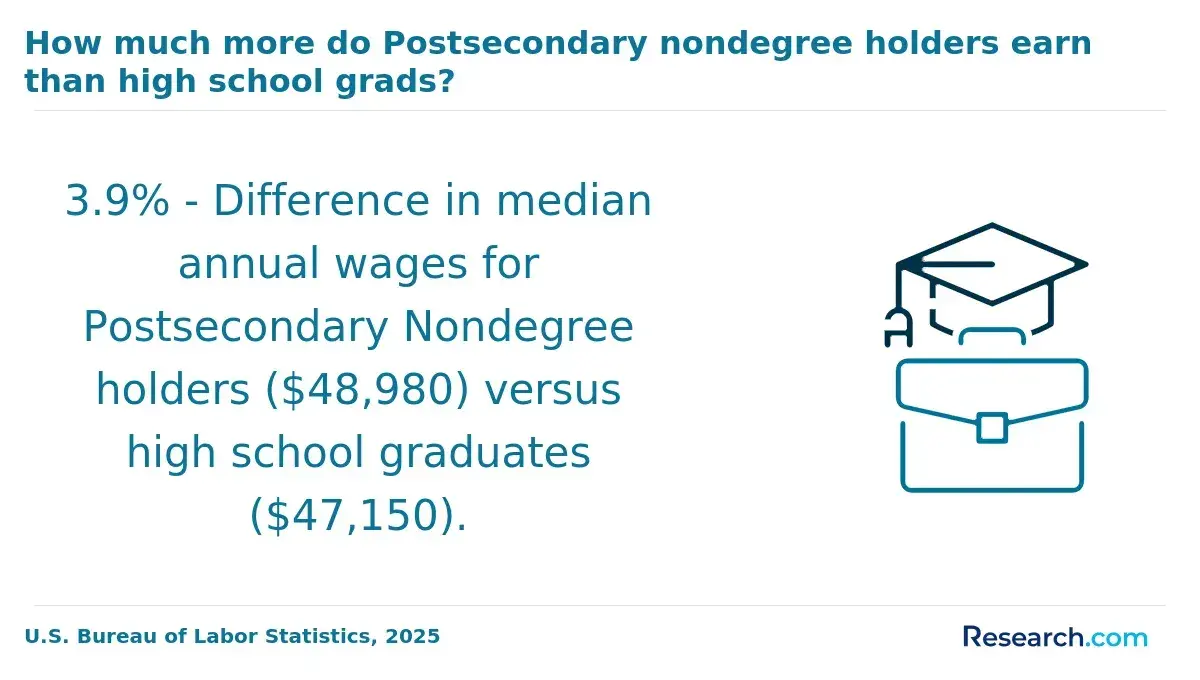
Prior learning assessment (PLA), also known as credit for experience, allows students to earn academic credits toward a sociology degree by demonstrating relevant professional or volunteer work experience. Typically, work aligned with sociology concepts such as social services or research can qualify for these credits. Below are common areas where work experience may be evaluated for credit.
- Social Services and Community Work: Positions in social services, community outreach, or nonprofit organizations often involve applying sociological theories and methods. Universities typically require thorough documentation, such as detailed resumes and employer verification letters, to verify the relevance of this experience.
- Research Assistance and Data Analysis: Experience assisting in sociological research or performing data analysis can count as prior learning. Many programs request portfolios or reflective essays and sometimes require challenge exams to confirm mastery of course content in these areas.
- Counseling and Social Advocacy: Roles in counseling or advocacy involve social analysis and interaction skills valued in sociology studies. Institutions usually cap credit earned through PLA at about 12 to 30 credits to ensure completion of core coursework at their institution.
- Online and Campus Programs Flexibility: Both pathways often offer PLA options, which can significantly reduce time-to-degree and tuition costs. Adult learners balancing education and careers find using work experience credit for a sociology degree especially advantageous, although inconsistencies across programs require careful planning with academic advisors.
When exploring options to apply work experience toward degree credits, students pursuing a sociology degree should also consider comparing costs and program formats. For example, those interested in psychology might investigate options like the online psychology degree, which similarly values prior learning assessment sociology credits and offers affordable flexible learning models.
Do Licensure Requirements Affect Credit Hours in a Sociology Degree?
Licensure credit hour requirements for sociology degree programs can vary significantly, especially for students pursuing careers in regulated fields such as social work or counseling. Many sociology programs maintain standard credit requirements, yet aligning these with professional licensure often requires additional coursework or supervised practicum hours.
Accreditation ensures that curricula meet state licensing standards, with some states mandating clinical experience embedded within credit-bearing courses. This can increase the total credits needed to graduate, impacting the overall time-to-degree and tuition costs. Online and campus programs may handle these requirements differently, with online students needing to secure local practicum placements, which can complicate scheduling and prolong program completion.
The impact of licensure on sociology degree credits also reflects state-specific licensing board rules, which vary widely and influence both academic and fieldwork components. Aligning degree credits effectively with licensure demands benefits students by facilitating smoother transitions to certification, but it may also create challenges such as extended program duration and increased costs.
To design efficient academic plans, students should engage in thorough research on state licensure policies and seek careful academic advising. For those looking for flexible options, an accelerated bachelor's degree online could offer a viable path while accommodating practicum requirements.
How Do Universities Calculate Credits for a Sociology Degree?
A credit hour measures academic workload and typically equals one hour of classroom instruction per week over a term, usually 15 weeks. Understanding credit calculations is essential for students planning a sociology degree to manage their course load and track progress effectively.
- Lecture courses: These generally assign one credit hour per weekly hour of class time. Students earn credits by attending lectures and completing assignments, contributing directly to degree requirements.
- Labs, practicums, and clinical experiences: These courses often involve additional hours of work outside the classroom. One credit hour here may correspond to two or more hours of total weekly commitment, reflecting the practical nature of the learning.
- Capstone or project-based courses: These blend classroom instruction with independent research or projects. Credit hours are awarded based on the overall estimated time commitment students invest in these integrative experiences.
Credit calculations may vary between undergraduate and graduate sociology programs. Graduate degrees often require more in-depth study, with credits based on comprehensive workload rather than solely contact hours. Online sociology programs follow similar credit standards but may feature flexible pacing, allowing students to complete credits at their convenience.
Universities use these credit calculations to ensure degree completion standards and streamline transfer policies. For example, a typical bachelor's degree in sociology requires about 120 credit hours, with students generally completing around 15 credit hours per term across eight semesters. This system helps clarify how sociology degree credits are earned.
Students interested in related pathways might also explore associates degrees as stepping stones within the broader credit framework.
How Do Sociology Degree Credit Requirements Affect Graduation Timelines?
A sociology bachelor's degree typically requires between 120 and 130 total credits, encompassing core courses, electives, and general education. These credit requirements are crucial for students to map out how long it will take to graduate and to manage their academic progress efficiently. The following points outline the main elements that impact how quickly students can complete their sociology programs:
- Core credits: These essential sociology courses establish foundational knowledge that must be completed, often dictating a minimum time frame and limiting how much students can accelerate their studies.
- Elective credits: Electives offer flexibility, allowing students to choose courses that fit their interests or schedules, which can either extend or shorten their time depending on course availability and personal planning.
- Transfer credits: When students transfer from other colleges, accepted credits can reduce the number of courses remaining, potentially decreasing time to degree completion.
- Accelerated formats: Some programs, especially online ones, provide intensive course options or shorter terms, enabling students to earn credits more quickly than in traditional semester setups.
- Prior learning assessment: Institutions may recognize relevant professional experience or previous education to grant credit, which can lower total credits needed and thus shorten the timeline toward graduation.
Online sociology programs frequently leverage flexible scheduling and accelerated courses to help students finish faster, while on-campus programs generally follow fixed semester timetables but may offer stronger in-person guidance for academic planning. Both types consider these credit factors differently to accommodate diverse student needs and pacing.
Do More Credits Lead to Better Career and Salary Outcomes for Sociology Graduates?
Completing additional credits beyond the sociology degree requirements can sometimes enhance career progression, leadership chances, and access to specialized or better-paying jobs in select fields. However, the overall impact depends greatly on how those credits align with industry demands and professional credentials.
- Advanced concentrations: Pursuing extra coursework in areas like data analysis, social policy, or social work can demonstrate expertise and open doors to specialized roles or management positions.
- Licensure preparation: Additional credits aimed at meeting requirements for certifications in counseling or community services often increase employability and salary potential in those professions.
- Technical skill development: Earning credits through practical-focused classes such as research methods, statistics, or internships can improve job stability and earnings by enhancing applicable workplace capabilities.
- General credit accumulation: Simply taking more courses without targeted relevance typically does not differentiate candidates or boost wages, as employers prioritize applicable knowledge and degree completion.
- Entry-level roles: Positions in nonprofit organizations or basic academic research often require only a completed degree, making extra credits less meaningful for career advancement.
- Lack of strategic focus: When additional coursework does not correspond to industry needs or recognized qualifications, it seldom results in salary gains or faster promotion.
Labor market data suggests graduates with interdisciplinary expertise and real-world experience hold an advantage in climbing career ladders. In general, employers value a sociology degree as evidence of foundational skills, while credits earned for specialized or professional training tend to carry the most weight in pay and job growth.
What Graduates Say About The Credit Requirements for Their Sociology Degree
- Nathan: "From a professional standpoint, investing in extra credits through the online sociology degree was a decisive move. The overall cost was reasonable compared to traditional programs, and the flexible scheduling allowed me to earn those credits without interrupting my career. This expanded coursework enhanced my research skills and credibility, significantly advancing my job prospects in the social services field."
- Ameer: "Reflecting on my experience with the sociology degree, I appreciated how the cost structure of per-credit tuition helped me manage my educational expenses carefully. The online format provided the needed flexibility to fit classes around my family commitments, making it practical to accumulate extra credits. Those additional credits enriched my understanding and directly influenced my ability to lead community projects with greater insight."
- Paxton: "The flexibility of the online sociology degree program truly made it possible for me to balance work and study, allowing me to complete the required credits at my own pace. Considering the average cost per credit was much more affordable than traditional programs, I felt I was making a smart financial choice. Earning those extra credits gave me a competitive edge at work, opening doors to promotions I hadn't imagined before."
Other Things You Should Know About Sociology Degrees
In 2027, most sociology degree programs mandate that students earn a significant portion of their credits, typically around 30-45, at the institution granting the degree. This ensures that students engage meaningfully with the university's academic community and resources.
In 2027, interdisciplinary courses play a significant role in sociology degree programs. Many programs require students to complete a set number of credits from related disciplines, such as anthropology or psychology, to promote a well-rounded understanding of social phenomena and their broader contexts.
Yes, most sociology degree programs in 2027 require students to take credits from interdisciplinary courses. These courses often include subjects such as psychology, anthropology, or political science to ensure a well-rounded understanding of sociological perspectives.
References
- FAQs for Undergraduates https://socialsciences.uoregon.edu/sociology/undergraduate-programs/dept-advising/faqs-undergraduates
- Certifications For Sociology Majors https://ftp.fosswaterwayseaport.org/scholarship/eQASad/4GF134/CertificationsForSociologyMajors.pdf
- Certifications For Sociology Majors https://iot.fke.utm.my/virtual-library/IhspDD/1JN051/CertificationsForSociologyMajors.pdf
- Search https://sociology.dartmouth.edu/undergraduate/transfer-credit
- BA with a Major in Sociology, Concentration in Professions, Occupations, and Work https://catalog.uic.edu/ucat/colleges-depts/liberal-arts-sciences/soc/ba-concentration-professions-organizations-work/
- Degree Requirements https://www.barry.edu/en/academics/arts-and-sciences/sociology-bs/degree-requirements
- Transfer Credits | : Loyola University Chicago https://www.luc.edu/sociology/academics/undergraduateprograms/transfercredits/
- The Sociology Major https://sociology.as.virginia.edu/sociology-major
- The Sociology Major https://sociology.cornell.edu/major
- BA/MA Accelerated Program, Sociology https://catalog.unr.edu/preview_program.php