2027 Are There Any One-Year Online Biomedical Engineering Degree Programs Worth Considering?

Co-Founder and Chief Data Scientist
If you are looking for a one-year online biomedical engineering degree, the most important thing to know is this: the exact option many students search for is extremely limited, and at the bachelor’s level it is generally not realistic. Biomedical engineering combines engineering design, biology, physiology, computing, laboratory work, and often medical device or clinical-context training. That depth is difficult to compress into a single online year without sacrificing preparation.
The more realistic accelerated path is usually a graduate program for students who already have a strong technical bachelor’s degree. Some biomedical engineering or bioengineering master’s programs use intensive coursework, online delivery, and non-thesis formats to shorten the timeline, though many still take longer than one year or require some in-person components.
This guide explains what is and is not feasible, how to evaluate accelerated online biomedical engineering options, what admissions requirements to expect, how much these programs may cost, and which trade-offs matter most before enrolling.
Key Points About One-Year Online Biomedical Engineering Degree Programs
- One-year online Biomedical Engineering degrees are rare due to the field's complex lab and clinical requirements, which traditionally demand longer, hands-on study periods.
- These accelerated programs often focus on theoretical knowledge and may require prior related experience to compensate for limited practical training.
- Prospective students should expect programs to emphasize interdisciplinary topics like biomaterials and medical imaging, often attracting working professionals seeking career advancement.
Is It Feasible to Finish a Biomedical Engineering Degree in One Year?
Finishing a full biomedical engineering bachelor’s degree online in one year is generally not feasible. A typical bachelor’s program requires 120-128 credits and includes sequential math, physics, biology, engineering, laboratory, and design courses. Many programs also require team-based projects, supervised labs, and a senior capstone, all of which take time to complete properly.
A one-year timeline is more realistic at the master’s level, but only for prepared students. Some non-thesis master’s programs in biomedical engineering are designed around 30-32 credits of advanced coursework and a final capstone or design project. These programs assume that students already understand calculus, differential equations, physics, engineering fundamentals, and basic life science concepts.
Whether a one-year path is possible depends mainly on three factors: how many relevant prerequisites you have already completed, how many courses you can manage each term, and whether the program requires labs, research, practicum hours, or in-person intensives. Students working full time should be especially cautious, because an accelerated graduate schedule can feel like a full-time academic workload.
In short, a one-year online biomedical engineering bachelor’s degree is not a practical expectation. A one-year or near-one-year master’s pathway may be possible for qualified applicants, but it requires strong preparation, careful planning, and a program structure built for acceleration.
Are There Available One-year Online Biomedical Engineering Degree Programs?
At present, there are no accredited one-year online Biomedical Engineering degree programs available in the United States. Students searching for a fast track bachelor's degree online should understand that biomedical engineering is not usually offered in a true one-year online format because of its credit load, lab expectations, and design requirements.
That does not mean accelerated options are unavailable. Some schools offer intensive master’s programs, fully online graduate programs, or partly online bioengineering pathways that may be completed faster than traditional timelines. The key distinction is that these options are usually designed for students who already hold a relevant bachelor’s degree, and not all of them are fully online.
- University of Wisconsin-Madison: Accelerated MS in Biomedical Engineering - This in-person program allows completion of a master's degree in one year without a thesis. Its curriculum includes Biomaterials and Tissue Engineering, Biomedical Imaging, and Neuroengineering, but it is not offered online, which limits access for students who need remote study.
- University of Houston: UH-Extend Biomedical Online Master's Program - This fully online master's requires 30 credit hours and is designed for working professionals. Although it is not officially a one-year program, motivated students can finish in 16-20 months. Courses cover biomedical instrumentation, medical imaging, and computational modeling.
- University of Maryland: Online Master's in Bioengineering (MEBI) - This program consists of 10 online courses, and most students take 2-3 years to complete it. Students with engineering backgrounds who can manage heavier course loads may progress faster. The program emphasizes biomedical device design and computational methods.
When comparing programs, verify the delivery format, completion timeline, accreditation status, and whether any campus visits, labs, exams, or project presentations are required. A program described as “online” may still include synchronous sessions, in-person requirements, or course sequencing that prevents a true one-year pace.
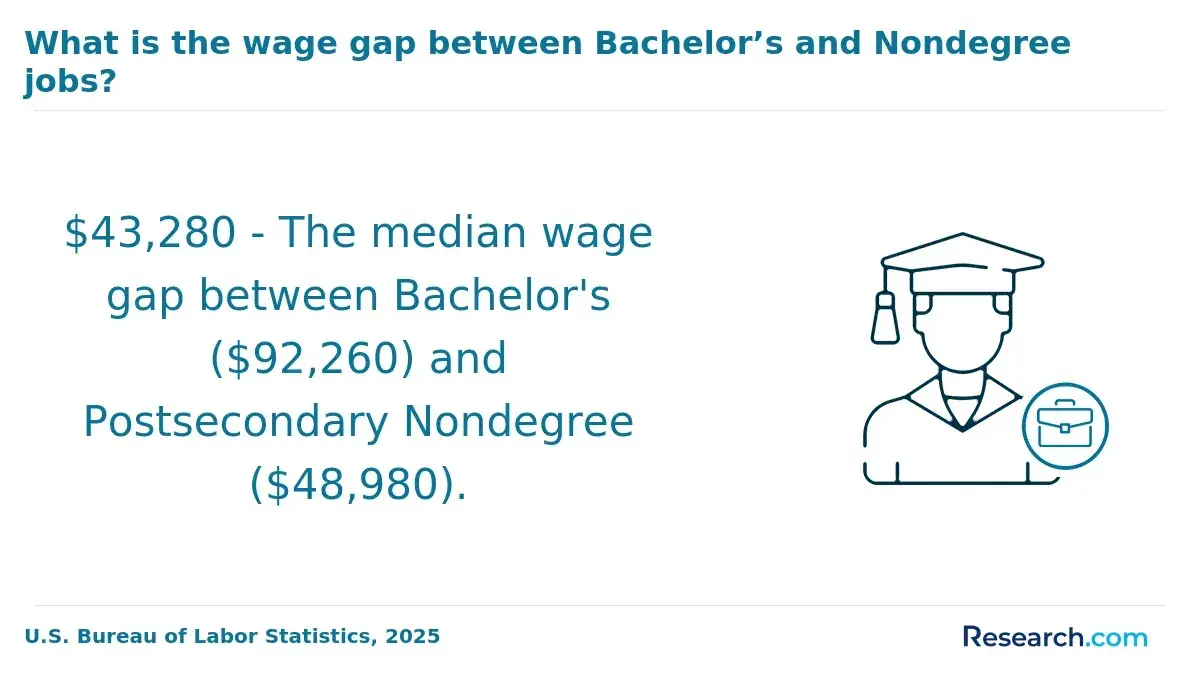
Why Consider Taking Up One-year Online Biomedical Engineering Programs?
Because true one-year online biomedical engineering degrees are rare or unavailable, the better question is whether an accelerated online or near-online biomedical engineering pathway fits your goals. For the right student, a shorter graduate program can provide focused technical training without the time commitment of a traditional multi-year degree.
- Faster movement into specialized roles: Accelerated programs can help students build graduate-level knowledge in areas such as biomechanics, biomaterials, biomedical imaging, instrumentation, and medical device design more quickly than a standard schedule.
- Flexibility for working professionals: Online or partly online formats may allow engineers, technologists, healthcare professionals, and science graduates to study while continuing to work. This can reduce the opportunity cost of returning to school full time.
- Focused curriculum: Many accelerated master’s programs remove the thesis requirement and emphasize advanced coursework, applied projects, or capstone work. This can be helpful for students who want industry-relevant skills rather than a research-heavy academic pathway.
- Potential cost control: A shorter program may reduce total tuition exposure and living expenses compared with longer programs, although per-credit tuition can still be substantial.
- Career positioning: Biomedical engineering connects engineering methods with healthcare technology, medical devices, imaging, rehabilitation systems, and related fields. A graduate credential may help professionals qualify for more technical or interdisciplinary responsibilities.
Students should still be realistic. Acceleration works best when the program matches your existing preparation and career target. If you are comparing biomedical engineering with other online majors, it may also help to review what is the easiest online degree to get, especially if speed and workload are major factors in your decision.
What Are the Drawbacks of Pursuing One-year Online Biomedical Engineering Programs?
The main drawback is simple: the program format many students want may not exist in an accredited, fully online, one-year form. Biomedical engineering is a technical field that depends on layered coursework, design practice, lab exposure, and applied problem-solving. Compressing that experience can create academic and professional trade-offs.
- Heavy course load: A one-year or near-one-year graduate plan often requires taking multiple demanding engineering courses in the same term. Students must be ready for fast deadlines, complex assignments, and limited recovery time between courses.
- Limited hands-on experience: Online formats may offer simulations, remote projects, or design assignments, but they may not fully replace physical labs, prototyping, biomedical instrumentation work, or in-person team projects.
- Reduced networking: Students may have fewer informal interactions with faculty, peers, researchers, clinicians, and industry partners. This can matter when seeking internships, research roles, recommendations, or job referrals.
- Fewer research opportunities: Non-thesis accelerated programs can be efficient, but they may not be ideal for students who plan to pursue a PhD, research-intensive career, or academic laboratory work.
- Prerequisite pressure: Students without a strong engineering or quantitative background may need bridge coursework before they can succeed in graduate biomedical engineering classes, which can extend the timeline.
- Accreditation and recognition concerns: Applicants should be cautious with any school advertising a very fast biomedical engineering degree. The shorter the timeline, the more important it is to verify accreditation, curriculum depth, faculty qualifications, and employer recognition.
To reduce these risks, choose programs with clearly defined learning outcomes, substantial project work, accessible faculty, career support, and transparent graduation timelines. If you need laboratory-heavy training or licensure-related preparation, confirm whether an online accelerated format will meet those expectations before enrolling.
What Are the Eligibility Requirements for One-year Online Biomedical Engineering Programs?
Eligibility requirements depend on the degree level, but accelerated biomedical engineering options are usually graduate programs. Most expect applicants to have a bachelor’s degree in engineering, biology, chemistry, physics, or a related technical field from an accredited institution. Universities such as Penn State and Purdue commonly expect applicants to show strong preparation for advanced engineering coursework, and many institutions require a minimum undergraduate GPA around 3.0 or higher.
Because the timeline is compressed, admissions committees often look closely at whether applicants can handle advanced math, engineering analysis, and biomedical applications without extensive remediation. Students who lack prerequisites may still be considered in some cases, but they may need additional coursework before or during the program.
- Bachelor's degree: A completed degree in engineering, biology, chemistry, physics, or a closely related field from an accredited institution is generally mandatory for master’s-level admission.
- Academic performance: A strong undergraduate record, often demonstrated by a minimum GPA of 3.0, is required.
- Standardized exams: For applicants from non-accredited U.S. schools or international backgrounds, tests like the GRE or English proficiency exams, such as TOEFL, may be needed.
- Prerequisite coursework: Essential courses like calculus, differential equations, and linear algebra, alongside college-level chemistry and physics, are expected to show readiness for biomedical engineering topics.
- Supporting documents: Submission of transcripts, letters of recommendation, and a personal statement or statement of purpose is commonly required.
- Additional requirements: Occasional requests for interviews, background checks, or evidence of professional or research experience may apply, particularly for programs with clinical or industry ties.
For bachelor-level biomedical engineering programs, eligibility usually centers on high school preparation in math and science, GPA, and sometimes SAT/ACT scores. However, students should not expect a bachelor’s degree in this field to fit into one online year. If your priority is speed at the graduate level, compare biomedical engineering with other shortest masters program options before deciding.
What Should I Look for in One-year Online Biomedical Engineering Degree Programs?
Since accredited one-year online biomedical engineering programs are rare, evaluate any accelerated option carefully. A short timeline is only valuable if the degree is legitimate, academically rigorous, and aligned with the work you want to do after graduation.
- Accreditation: Confirm institutional accreditation first. For engineering programs, also check whether programmatic accreditation from a recognized body such as the Engineering Accreditation Commission of ABET applies. This is especially important for undergraduate engineering degrees and employer recognition.
- Clear completion timeline: Ask whether the advertised timeline is typical or only possible with a maximum course load. Confirm whether courses are offered every term and whether prerequisites can delay graduation.
- Curriculum depth: Look for coverage of core biomedical engineering areas such as biomechanics, bioinstrumentation, biomaterials, systems physiology, medical imaging, and medical device design. A program that is too narrow may not support broad career mobility.
- Applied learning: Prioritize programs with design projects, capstones, simulations, case studies, industry-sponsored work, or research exposure. Biomedical engineering is not only theoretical; employers often value evidence that graduates can solve applied problems.
- Faculty expertise: Review faculty backgrounds, research areas, and industry connections. Strong faculty alignment matters if you want to focus on medical devices, imaging, tissue engineering, computational modeling, or rehabilitation engineering.
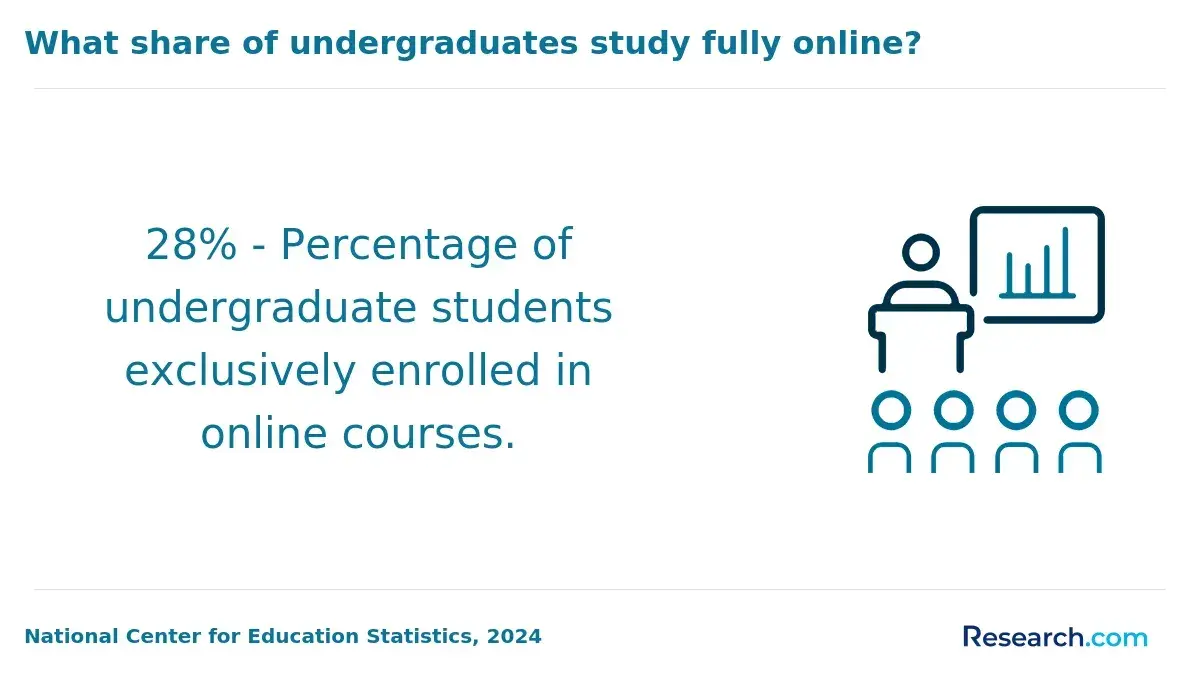
- Online delivery format: Check whether courses are asynchronous, synchronous, hybrid, or campus-based. If you work full time, required live sessions or short in-person residencies can affect your schedule.
- Credit transfer and prerequisite policies: If you have prior graduate credits or related coursework, ask how many credits may transfer and whether they shorten the timeline.
- Tuition and aid: Compare total program cost, not just per-credit tuition. Include fees, books, software, equipment, and travel if any in-person requirements apply. You can also review options among the best affordable online schools that accept FAFSA.
- Career support: Look for advising, resume review, employer connections, alumni access, internship guidance, and support for capstone projects. These services can matter as much as the coursework.
Before applying, contact admissions and ask direct questions: Is the program fully online? Can students realistically finish in one year? What percentage do? Are there required labs or residencies? What roles do graduates pursue? Clear answers are a good sign; vague marketing language is not.
How Much Do One-year Online Biomedical Engineering Degree Programs Typically Cost?
Online one-year Biomedical Engineering master's programs usually cost between $20,000 and $40,000 in tuition. For instance, the University of Houston offers a 30-credit online master's degree priced at $22,350. These figures typically do not include textbooks, technology charges, software, equipment, graduation fees, or any travel costs for required in-person components.
Cost varies by institution type, residency status, program length, and credit requirements. Public universities may charge lower tuition for in-state students, while private institutions often have higher published rates. Graduate courses also tend to cost more per credit than undergraduate courses. Online delivery may reduce relocation, commuting, and housing costs, but it does not always mean lower tuition.
When comparing programs, calculate the total cost of completion rather than focusing only on the advertised price. A program with lower per-credit tuition may cost more if it requires extra prerequisites, additional terms, or mandatory fees. Students should also compare financial aid availability, employer reimbursement, and scholarship options before assuming an accelerated program is the least expensive route.
Compared to traditional four-year Biomedical Engineering degrees, which often exceed $40,000 before aid, one-year master's programs demand a shorter, more focused investment with generally lower total tuition. The trade-off is that these programs are usually available only to students who already hold a relevant bachelor’s degree.
What Can I Expect From One-year Online Biomedical Engineering Degree Programs?
Students in accelerated online biomedical engineering or bioengineering master’s programs should expect a demanding, highly structured academic experience. These programs are usually designed for students who already have technical foundations and can move quickly into advanced topics.
A typical non-thesis program requires 30 to 32 credits across fall, spring, and summer terms. Coursework may emphasize medical device design, biomechanics, biomedical health systems, biomedical instrumentation, medical imaging, computational modeling, professional ethics, and specialized areas such as biomaterials or neuroengineering.
Because the timeline is compressed, students often manage multiple advanced courses at once. Assignments may include literature reviews, engineering analyses, design documentation, simulations, case studies, group projects, and a culminating scholarly or design project. Some programs use virtual labs or project-based experiences to approximate applied learning, while others may require students to complete practical work through their workplace, local arrangements, or campus-based activities.
Online learning also changes how students interact. You may rely heavily on discussion boards, video meetings, digital collaboration tools, recorded lectures, and remote faculty feedback. Success requires disciplined scheduling, comfort with technical software, and the ability to ask for help early rather than waiting until deadlines approach.
These programs can be a good fit for engineers, science graduates, and healthcare technology professionals seeking faster advancement. They are less ideal for students who need extensive hands-on lab training, are missing key prerequisites, or want a research-intensive path toward doctoral study. If you are comparing technical career routes, information about what is the highest paying trade school job may also help you weigh degree-based training against shorter workforce-focused options.
Are There Financial Aid Options for One-year Online Biomedical Engineering Degree Programs?
Financial aid may be available for accelerated online biomedical engineering programs, but eligibility depends on the school, accreditation status, enrollment level, citizenship or residency status, and whether the program participates in federal aid programs. Students should confirm aid eligibility before applying, especially for online, certificate, non-degree, or unusually short programs.
- Federal and State Aid: Eligible students can obtain loans, grants, and work-study funds by completing the FAFSA. Aid amounts and availability depend on financial need, citizenship, and enrollment in accredited programs. Some states offer additional support for STEM fields or adult learners.
- Institutional Scholarships and Grants: Many universities award merit- or need-based scholarships to engineering students, often requiring strong academic records and sometimes separate applications. For instance, the University of North Dakota offers scholarships to engineering majors, including online learners.
- Employer Tuition Assistance: Professionals working in healthcare, technology, or engineering may receive full or partial tuition reimbursement through their employers. Eligibility varies by company, so contacting the HR department is recommended for specifics and deadlines.
Other possible funding sources include private scholarships, professional association awards, fellowships, military or veterans education benefits, and payment plans. Graduate students should pay close attention to loan terms because grants are often more limited at the master’s level than at the undergraduate level.
The best strategy is to apply early, complete the FAFSA as soon as possible, ask each school about departmental scholarships, and request a written cost-of-attendance estimate. If you are employed, ask your HR department whether tuition reimbursement requires a minimum grade, approved major, continued employment period, or repayment agreement if you leave the company.
What Biomedical Engineering Graduates Say About Their Online Degree
- : "The accelerated format helped me build advanced biomedical engineering skills without stepping away from work. The pace was demanding, but the focused coursework and applied projects made the experience feel directly connected to healthcare technology roles. Theo"
- : "What stood out to me was the emphasis on mastering core concepts rather than simply completing weekly assignments. The flexibility made it possible to balance school with family responsibilities, but it still required disciplined planning every week. Aries"
- : "Completing biomedical engineering coursework online was efficient, but not easy. The strongest parts of the program were the clear learning outcomes, practical projects, and faculty feedback. It strengthened my qualifications and helped me pursue more advanced technical opportunities. Anthony"
Other Things You Should Know About Pursuing One-Yeas Biomedical Engineering Degrees
When considering transferring credits to a one-year online Biomedical Engineering program in 2027, check the school's transfer policy. Accreditation, course equivalency, and grade requirements are key factors. Confirm with admissions that the credits align with the program's curriculum to maximize efficiency.
Accreditation is crucial when choosing an online Biomedical Engineering degree because it ensures the program meets industry and academic standards. Accredited programs typically provide better recognition by employers and eligibility for licensure or certification exams.
In 2027, consider the program's accreditation, curriculum relevance, faculty expertise, and available resources. Ensure the program aligns with your career goals and offers practical experiences, even online. Check if the program is flexible and supports your learning style effectively, whether asynchronous or synchronous.
References
- Online Master's in Bioengineering Program and What You Can Learn. - UC Riverside https://engineeringonline.ucr.edu/blog/what-you-can-learn-within-the-masters-in-engineering-bioengineering-program
- Why study biomedical engineering? https://www.unsw.edu.au/study/your-future/why-study-biomedical-engineering
- The Best Biomedical Engineering Online Schools | A Guide to the Top Accredited Degrees https://www.geteducated.com/top-online-colleges/biomedical-engineering-online-schools/
- 5 Benefits to an Online Biomedical Engineering Degree https://online-engineering.case.edu/blog/is-a-master-in-biomedical-engineering-worth-it
- Tuition & Financial Aid | Duke Engineering Master's Programs https://masters.pratt.duke.edu/admissions/tuition-financial-aid/
- Financial Aid For Online Colleges https://www.affordablecollegesonline.org/financial-aid/financial-aid-for-online-colleges/
- Online College Degree Pros and Cons | Pros and Cons of Online College Degree Programs https://bestaccreditedcolleges.org/articles/online-college-degree-pros-and-cons.html
- Why study biomedical engineering? | UBC Engineering https://engineering.ubc.ca/spotlight/program-explainer/why-study-biomedical-engineering
- Will getting an online BS degree hurt my chances? | Student Doctor Network https://forums.studentdoctor.net/threads/will-getting-an-online-bs-degree-hurt-my-chances.1026466/