
2027 Is Social Media Marketing a Hard Major? What Students Should Know

Co-Founder and Chief Data Scientist
Social media marketing is often perceived as less demanding than traditional business majors, but this misconception overlooks its academic rigor. In the U.S., enrollment in social media marketing programs has increased by over 35%, reflecting growing industry relevance and complexity. Students should expect courses combining creativity with data analysis, requiring both strategic thinking and technical skills.
This article explores whether social media marketing is a hard major by examining course workload, skill demands, and factors that influence difficulty. It offers insights for students to assess how their strengths align with the program's challenges, providing clarity on what to expect academically in this evolving field.
Key Benefits of Social Media Marketing as a Major
- Social media marketing develops versatile skills in content creation, analytics, and strategy, supporting career changers adapting to digital-driven industries.
- It offers flexible learning paths ideal for full-time workers balancing education, providing practical tools relevant to current market demands.
- Traditional undergraduates gain confidence handling complex data and consumer behavior studies, promoting academic growth and professional readiness in a specialized field.
Where Does Social Media Marketing Rank Among the Hardest College Majors?
Social media marketing is often regarded as less challenging than many quantitatively demanding business majors.
National difficulty rankings typically place it below fields such as accounting, finance, and management science, which require intense mathematical skills and complex problem-solving. These rankings consider factors like workload intensity, technical skill demands, and the extent of applied projects or fieldwork.
Social media marketing programs generally emphasize creativity, communication strategy, and marketing analytics over advanced math, making them more accessible to students less inclined toward numerical analysis.
For instance, studies show that social media marketing involves a moderate time commitment focused on research and strategic communication rather than heavy quantitative assignments.
The perceived difficulty of social media marketing, however, varies widely based on the institution and individual student abilities. Programs at more prestigious universities often have higher academic expectations and selective admissions, which can increase the challenge level.
Compared to majors like financial engineering or actuarial science, which frequently top difficulty charts, social media marketing is usually more manageable. It often parallels marketing and other creative business disciplines in challenge, though it may be tougher than majors with less rigorous coursework.
Ultimately, how difficult social media marketing feels depends on personal strengths, including comfort with both creative thinking and data interpretation, as well as the particular program's curriculum and structure.
What Factors Make Social Media Marketing a Hard Major?
Several academic and skill-related demands make social media marketing a challenging major for many students. The blend of creativity, analytics, and technical expertise requires significant effort to master diverse subject areas. Let's delve into these factors.
- Academic Rigor: The coursework covers a multidisciplinary range, including content creation, digital strategy, analytics, and marketing communications. Students must continuously adapt to evolving technologies and platforms, demanding flexibility and proactive learning.
- Technical and Analytical Complexity: Courses involving digital analytics, web and social media metrics, and customer relationship management systems require strong data analysis skills and technological proficiency. Mastery of industry-standard tools and platforms is essential, which can be challenging without a technical background.
- Workload and Time Commitment: Social media marketing workload demands are high, with students balancing multiple projects like campaign content production, data analysis, and presentations. Group projects and capstone courses often intensify this workload, requiring effective time management.
- Field-Specific Demands: Staying updated on current trends, regulations, and best practices is crucial in this rapidly changing field. Students must invest additional time outside of class for research and skill-building to remain competitive and informed.
For those exploring options to advance their education further, it is helpful to consider an online accelerated bachelor's degree that offers flexibility without compromising on academic challenge.
Who Is a Good Fit for a Social Media Marketing Major?
Identifying the right traits of successful social media marketers is essential for students aiming to thrive in this major. Knowing which skills help manage the fast-paced, multifaceted demands enables learners to better prepare for the coursework and professional challenges.
Students best suited for social media marketing majors often share these five key traits and backgrounds:
- Analytical Thinkers: These students excel at interpreting social media data to generate actionable insights. Strong analytical skills help them craft targeted campaigns and adapt strategies effectively, aligning with the skills needed for social media marketing majors.
- Excellent Communicators: Mastery of written and oral communication enables students to engage audiences and create compelling content, a crucial skill for producing successful marketing messages across platforms.
- Creative Visionaries: Creativity and editorial judgment drive these learners to design engaging visuals and storytelling approaches that capture attention and differentiate brands.
- Technically Proficient: Familiarity with tools like Photoshop, Illustrator, and basic video editing supports hands-on content creation and enhances their adaptability to evolving media formats.
- Research-Oriented: Students with strong research skills stay ahead by monitoring industry trends and applying best practices, an advantage noted among those pursuing easy online degrees that pay well.
How Can You Make a Social Media Marketing Major Easier?
Students often find social media marketing challenging due to its fast-paced nature and the demand for continuous content creation and project work. However, adopting targeted strategies can significantly reduce stress and improve academic performance.
- Build core skills early: Gaining proficiency in content creation, data analytics, and audience insights at the start makes later coursework more manageable and supports better campaign results.
- Use active study methods: Engaging with the material by summarizing, practicing real campaigns, and applying concepts enhances understanding and retention in this dynamic field.
- Manage your time wisely: Consistent scheduling with calendars and project management tools helps handle frequent assignments and group projects without last-minute pressure.
- Take advantage of academic support: Workshops, office hours, and tutoring sessions provide valuable guidance on complex topics and introduce essential industry tools.
- Practice with practical platforms: Regularly using analytics dashboards and content systems sharpens skills and builds confidence for project deadlines.
When discussing how to make a social media marketing major easier, a recent graduate shared her experience of struggling initially with balancing creative tasks and analytics.
She explained, "It felt overwhelming to switch between designing content and diving into data, but focusing on one skill at a time helped." She also emphasized how learning to schedule study blocks for different tasks lessened stress and improved her workflow.
Exploring campus resources like media labs and peer feedback boosted her confidence, making challenging assignments more approachable.
Her journey underlines that embracing diverse study methods and support systems turns difficult moments into opportunities for growth.
Are Admissions to Social Media Marketing Programs Competitive?
Admissions to social media marketing programs are generally not very competitive.
Many programs have open admissions with few prerequisites, no application fees, and do not require standardized tests or essays. This stems from the growing number of programs designed to meet increasing industry demand. However, competition might be higher in traditional four-year universities or specialized certificates with limited spots.
Selectivity varies widely based on the institution and program level. Bachelor's degree admissions usually expect a moderate GPA, often around 3.0 for advanced marketing tracks, while entry-level programs may have minimal requirements. Graduate programs tend to be more selective, targeting professionals focused on digital strategy and analytics.
The rising popularity of digital marketing education has encouraged colleges to expand capacity, balancing increased demand with accessibility.
A professional who majored in social media marketing shared his admissions experience, noting it was surprisingly straightforward. He recalled, "There wasn't a stressful application process—no essays or tough entrance exams—just a straightforward submission and a moderate GPA requirement."
He appreciated that this openness allowed him to focus early on building practical skills instead of worrying about gaining admission, which made his educational path less daunting and more encouraging.
Is an Online Social Media Marketing Major Harder Than an On-Campus Program?
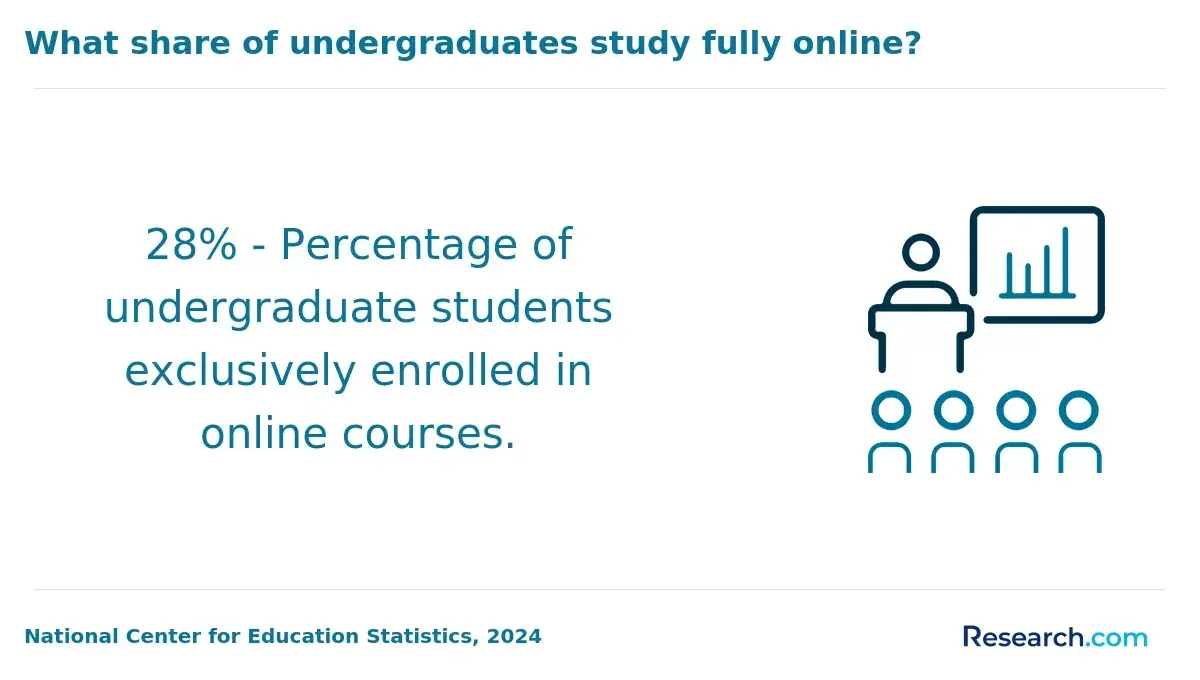
Determining whether an online social media marketing degree is harder than an on-campus program depends on multiple factors and varies by individual learning preferences. Both formats present distinct challenges, making neither universally more difficult.
To better understand the online social media marketing degree vs on-campus dynamic, consider these key differences:
- Academic Expectations: Both formats maintain rigorous academic standards, but online courses often require greater self-discipline to meet deadlines without in-person reminders.
- Workload and Pacing: Online programs may offer more flexible pacing, which can be advantageous or challenging depending on time-management skills.
- Interaction and Support: On-campus students benefit from immediate access to peers and instructors, while online students rely heavily on virtual communication and may face limited real-time support.
- Learning Environment: Physical campus settings provide structured environments conducive to focused study, whereas online learners must create and maintain their own productive spaces.
- Challenges Unique to Each Format: Online social media marketing majors often contend with technological issues and isolation, while on-campus students navigate fixed schedules and commuting.
The challenges of online social media marketing major programs highlight the importance of choosing a format aligned with personal learning styles and discipline.
For prospective students aiming to find affordable options in online studies, reviewing the offerings of the most affordable online masters can provide useful guidance.
Are Accelerated Social Media Marketing Programs Harder Than Traditional Formats?
Accelerated social media marketing programs are generally harder than traditional formats due to their condensed timelines and intensified workload demands. The same comprehensive curriculum is compressed into a shorter time frame, which challenges students to master complex concepts quickly while managing increased pacing and pressure.
This comparison highlights key differences between accelerated social media marketing programs vs traditional ones:
- Course Pacing and Content Density: Accelerated programs cover the same material in about 2-3 years instead of four, requiring students to absorb more content weekly.
- Workload Management: Students juggling jobs or family often find accelerated formats more demanding as assignments, projects, and exams occur in rapid succession with less downtime.
- Academic Expectations and Skill Demands: Both formats demand rigor, but accelerated degrees leave less margin for error, placing higher pressure on consistent performance.
- Learning Retention and Stress Levels: The fast pace of accelerated programs can reduce retention and increase stress, as information is processed quickly and sometimes superficially.
- Flexibility and Scheduling: Although online accelerated options may appear flexible, the intense pacing reduces day-to-day scheduling flexibility compared to traditional programs.
For those wondering is an accelerated social media marketing degree harder, balancing these challenges is essential. Prospective students should also consider resources like what is the most affordable online college to find programs aligning with their needs and capacities.
Can You Manage a Part-Time Job While Majoring in Social Media Marketing?
Students majoring in social media marketing can often hold part-time jobs, though success depends on several key factors. The major typically involves manageable weekly workloads centered on project cycles, technical tasks, and content creation rather than heavy lab work or extensive reading.
Flexibility in course scheduling and strong personal organization are crucial to balancing job and studies effectively. Students who develop disciplined study habits tend to navigate these demands more easily.
Because social media marketing assignments are frequently project-based, students can often arrange work hours around deadlines and job shifts, making balance more feasible. Many choose roles with flexible or remote options, such as freelance content creation or social media assistance, to complement their academic schedule.
Careful credit load management and use of academic support networks, both online and on campus, further ease the pressure. While the field requires consistent attention to deadlines and time management, its workload intensity usually allows room for part-time employment when approached proactively.
What Jobs Do Social Media Marketing Majors Get, and Are They as Hard as the Degree Itself?
Career paths for social media marketing majors vary widely in difficulty, responsibility, and required skills. While some positions match the academic rigor of the degree, others may feel less demanding or present unique challenges.
- Social Media Manager: Oversees brand accounts, plans content calendars, and analyzes engagement metrics. This role is often as demanding as the major itself, requiring multitasking, constant trend monitoring, and strategic planning. Many wonder if being a social media manager harder than the degree, given the fast-paced environment and need for creative problem-solving.
- Content Strategist: Designs editorial calendars, aligns messaging with brand goals, and manages content performance. Though less technical than some coursework, this role demands strong communication and organizational skills, offering a different kind of challenge focused on creativity and long-term planning.
- Digital Marketer: Crafts and executes campaigns across multiple digital channels, manages ad budgets, and analyzes effectiveness. This career can be more challenging than the major because it requires quick adaptation of strategies and leveraging analytics for measurable results.
- Data Analyst: Interprets social media metrics, tracks trends, and presents insights to guide business decisions. This path is generally more technical than most undergraduate coursework, requiring advanced analytical skills and familiarity with data tools, making it demanding in a distinct way.
- Brand Manager: Develops and maintains brand identity, conducts market research, and coordinates cross-channel promotions. The role combines strategic thinking, creative problem-solving, and high responsibility for brand reputation, typically matching the complexity of the major.
These social media marketing career paths and job roles demonstrate how graduates can find a range of opportunities that suit varying strengths and preferences.
For those exploring options beyond a traditional degree, it is helpful to consider in-demand trade jobs alternatively, which sometimes overlap in skill requirements and offer viable routes to success.
Do Social Media Marketing Graduates Earn Higher Salaries Because the Major Is Harder?
There is no clear link between higher salaries and the difficulty of a social media marketing major. Salary differences mainly arise from market needs, the skills graduates acquire, and the value they bring to employers, rather than how challenging the coursework is.
While some majors with heavy quantitative or technical demands may lead to higher pay, social media marketing focuses more on creativity, communication, and digital skills. These abilities, such as content creation and analytics, are sought after, but academic rigor itself does not directly boost earnings in this field.
Several factors shape income levels for social media marketing graduates. Industry sectors like technology and media tend to offer higher wages compared to retail or smaller businesses. Job titles greatly influence pay, with senior roles such as marketing managers earning median salaries near $161,000 annually.
Location plays a role, too, with major cities like New York and San Francisco offering higher compensation. Experience matters: entry-level roles average about $53,000 per year, while experienced social media managers can earn between $73,500 and $92,900, with campaign managers typically earning around $67,500, and top earners in large urban areas reaching $80,000 to $95,000 yearly.
What Graduates Say About Social Media Marketing as Their Major
- Jodi: "Pursuing social media marketing was definitely challenging, but the hands-on projects and real-world campaigns made the learning process rewarding. Considering the average cost of attendance was quite high, I often wondered if it was worth it, but landing a marketing role immediately after graduation proved the investment was valuable. The major pushed me to stay creative and adaptable in a rapidly changing field. "
- Frank: "Social media marketing required me to develop a lot of new skills quickly, from analytics to content creation, which wasn't always easy. The financial burden was noticeable since tuition fees added up, but I believe that understanding how to manage digital communities has significantly enhanced my career prospects and personal growth. It's a tough major, but the payoff in confidence and competence made it worth the effort. "
- Patricia: "As a social media marketing major, I found the academic expectations demanding, especially balancing theory with practical applications. The cost of pursuing this degree was higher than I anticipated, though scholarships helped. Ultimately, the professional networks I built and the tools I mastered have made an enduring impact on my career trajectory. The challenges I faced made me more resilient and market-ready. "
Other Things You Should Know About Social Media Marketing Degrees
Staying current with industry trends is crucial because social media platforms and consumer behaviors evolve rapidly. Coursework often involves learning about the latest algorithms, tools, and marketing tactics. Students who actively keep up with changes gain a competitive edge and can apply relevant strategies in real-world scenarios.
While a background in business or technology can help, it is not mandatory. The major typically covers fundamental marketing principles, digital tools, and platform-specific skills, making it accessible to students from various academic backgrounds. However, familiarity with analytics and marketing concepts can make learning more seamless.
In 2027, social media marketing is challenging due to its fast-paced nature, requiring students to quickly adapt to ever-changing algorithms and trends. Mastery in data analytics and creative content creation is crucial. The major demands a blend of technical skills, creativity, and strategic thinking to navigate the complexities of diverse platforms effectively.
References
- Is Social Media Marketing a Good Career? https://online.hilbert.edu/blog/is-social-media-marketing-a-good-career/
- Social Media Marketing to Students: Strategies to Attract Future Learners — HE Professional https://heprofessional.co.uk/edition/social-media-marketing-to-students-strategies-to-attract-future-learners-release
- Is a Marketing Degree Worth It? https://www.northcentralcollege.edu/news/2023/09/01/marketing-degree-worth-it
- Social Media Manager Salary Guide: How Much Can You Make? https://www.springboard.com/blog/business-and-marketing/social-media-manager-salary/
- Marketing Major Salary for grads - Enjoy Mondays https://blog.enjoymondays.com/blog/marketing-major-salary
- The 21 best Schools For Social Media Marketing https://ignitevisibility.com/top-schools-in-social-media-marketing/
- Why Pursue an Online Degree in Social Media Marketing? | Lindenwood https://online.lindenwood.edu/blog/why-pursue-an-online-degree-in-social-media-marketing/
- Sell Yourself: Online Marketing Degrees - Peterson's https://www.petersons.com/blog/sell-yourself-online-marketing-degrees/
- Master Social Media for Business Schools https://www.higher-education-marketing.com/blog/social-media-business-schools


