2027 How Long Does It Take to Earn an Online Accounting Degree?

Co-Founder and Chief Data Scientist
Choosing an online accounting degree is not only a question of where to enroll. It is also a timing decision: how quickly you can finish, how many credits you need, whether the pace fits your work and family schedule, and how soon the credential can help you move into accounting roles.
That timing matters because accounting remains a practical career path for students who want stable business-focused work. According to the U.S. Bureau of Labor Statistics, employment in accounting and auditing is projected to grow 7% through 2032, which points to continued demand for trained professionals who can prepare financial records, support audits, analyze budgets, and help organizations meet reporting requirements.
This guide explains how long online accounting degrees usually take, what can shorten or extend your timeline, how credit requirements work, what courses you can expect, and how completion speed may affect cost and career entry. It is designed for prospective students comparing associate, bachelor’s, master’s, accelerated, and completion programs.
Key Benefits of Online Accounting Degree
- Most online accounting degree programs can be completed in 2 to 4 years, depending on whether you enroll full-time or part-time, offering flexibility to balance studies with work or family commitments.
- Accelerated options allow students to finish in as little as 18 months by taking more credits per term or year-round courses, ideal for motivated learners aiming for quicker workforce entry.
- Online formats often provide self-paced schedules, enabling students to extend their timeline beyond typical durations if needed, without penalty or interruption to their educational progress.
What is the Average Completion Time for Online Accounting Programs?
Most online accounting programs take two to four years, but the real timeline depends on the credential level and how many credits you bring into the program. A student starting a bachelor’s degree with no transfer credits will usually need much longer than a student entering a degree-completion program with substantial prior coursework.
Here is the typical completion range by program type:
- Associate Degree: An online associate degree in accounting is usually completed in about two years of full-time study. It is commonly used for entry-level jobs such as bookkeeper, accounting clerk, payroll clerk, or accounts payable/receivable assistant. It can also serve as a transfer pathway into a bachelor’s program.
- Bachelor's Degree (Traditional): A traditional online bachelor’s degree is generally designed for about four years of full-time study. Part-time students often take longer because they carry fewer courses each term while managing work, caregiving, or other responsibilities.
- Bachelor's Degree (Accelerated): Accelerated online bachelor’s programs may be completed in approximately 2.3 to 3.5 years, especially when students transfer credits, enroll year-round, or choose competency-based formats. Some institutions report averages as low as 2.3 years when transfer policies are fully used.
- Bachelor's Degree (Completion Programs): Degree-completion programs are built for students who already have significant college credit. Depending on transfer credit limits and remaining major requirements, some can be finished in as little as one year.
- Master's Degree: Online master’s in accounting programs typically take about two years. Some accelerated or competency-based options can be faster; for example, 70% of students at certain institutions complete their master's in under 23 months.
When comparing program length, look beyond the advertised timeline. Ask how many credits are required after transfer evaluation, whether courses are offered every term, whether prerequisite courses can delay progress, and whether the program’s pace is realistic for your schedule. Students researching very short credential pathways can also review the top 6 month associate programs online, though accounting degrees that lead to stronger long-term options usually require more sustained coursework.
What Factors Can Affect How Long It Takes to Earn an Online Accounting Degree?
The biggest drivers of completion time are degree level, course load, program format, transfer credits, and term availability. Two students in the same school can graduate on very different timelines if one studies full time with transfer credits and the other studies part time from the beginning.
Key factors that affect how long an online accounting degree takes include:
- Degree Level: Associate degrees may be finished in as little as 15 months with continuous study, while bachelor’s programs usually require three to four years. Graduate degrees add one to two additional years beyond the bachelor’s level. A doctoral route is much longer because it includes advanced research and dissertation work.
- Enrollment Intensity: Full-time learners typically finish a bachelor’s degree in about four years. Part-time students could take five to six years to complete the same degree, depending on how many courses they take each term and whether required classes are available when needed.
- Program Format and Pace: Traditional semester programs follow fixed academic calendars. Self-paced or accelerated programs can shorten the duration dramatically, sometimes allowing completion in 15 to 18 months. The trade-off is workload intensity; shorter terms often require weekly discipline and limited breaks.
- Transfer Credits and Prior Coursework: Transfer credit is one of the strongest ways to reduce time to graduation. Students who transfer existing credits into an accounting program may avoid repeating general education courses or lower-level business classes. Accelerated paths designed for transfer students can compress degree requirements to one to three years.
- Summer Course Enrollment: Taking summer courses can shorten the overall timeline by several months. For some students, year-round enrollment can reduce a typical 36 to 48 months bachelor’s program to about 30 months.
Before enrolling, request a written transfer credit evaluation and a degree plan showing term-by-term course sequencing. This matters because a program may accept many transfer credits but still require specific accounting prerequisites that are offered only at certain times. Students comparing time-friendly programs can also review guidance on easy college degrees, while remembering that accounting still requires quantitative reasoning, attention to detail, and comfort with business rules.
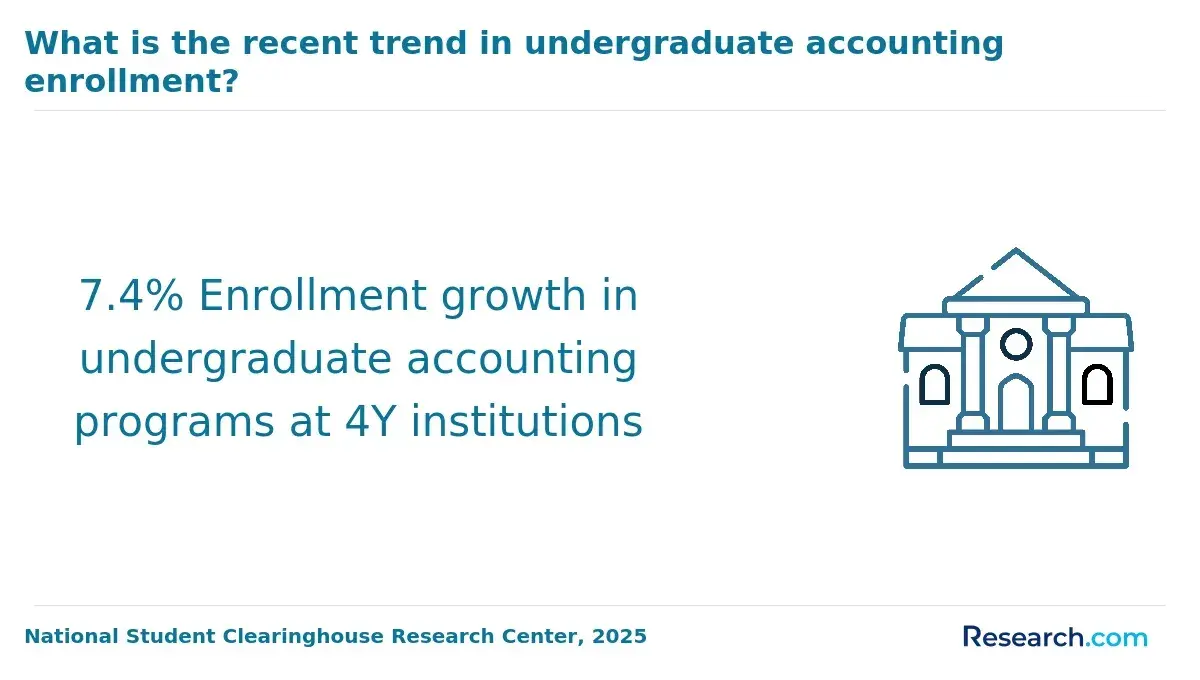
What Are the Different Types of Online Accounting Programs Available?
Online accounting programs are available at several levels, from associate degrees for entry-level office and bookkeeping work to graduate programs for students seeking advanced accounting roles or CPA-aligned education. The right choice depends on your current credits, career goal, budget, and whether you plan to pursue licensure or certification.
- Associate Degree in Accounting: This entry-level program typically takes two years and covers bookkeeping, payroll, basic tax concepts, spreadsheets, financial statements, and introductory business courses. It is a practical option for students who want to enter the workforce quickly or build credits toward a bachelor’s degree.
- Bachelor of Science (BS) in Accounting: This is the standard undergraduate credential for many accounting careers. It usually covers auditing, taxation, financial reporting, accounting information systems, cost accounting, and business law. Many programs are designed with CPA exam preparation in mind, though CPA eligibility depends on state rules and total credit requirements.
- Bachelor of Science in Accounting and Finance: This combined degree adds financial management, corporate finance, investment analysis, or financial planning coursework to the accounting foundation. It can be useful for students interested in budgeting, analysis, corporate finance, or roles that bridge accounting and financial decision-making.
- Concentrations and Specializations: Common options include auditing, forensic accounting, management accounting, and tax accounting. A concentration can help students signal career direction, but it should match actual course depth, faculty expertise, and employer demand—not just the title listed on the program page.
- Accelerated or Combined Bachelor's/Master's Programs: These pathways allow students to move from undergraduate to graduate coursework in a planned sequence, often in five years. They may help students work toward advanced educational requirements or the CPA 150-credit requirement.
- Fully Online and Hybrid Formats: Fully online programs allow remote completion, while hybrid programs combine online coursework with limited in-person sessions. Fully online study offers the most location flexibility; hybrid study may provide more direct networking, campus resources, or structured support.
When comparing types of programs, check accreditation, faculty experience, accounting course availability, CPA alignment, internship options, software exposure, and student support. A shorter program is not automatically better if it lacks the coursework or credibility needed for your target role.
How Many Credit Hours Are Required for an Online Accounting Degree?
Credit requirements vary by degree level, and those requirements strongly influence completion time. A credit total tells you how much coursework is required, but your actual timeline also depends on course load, transfer credits, prerequisites, and term length.
Typical online accounting degree credit requirements include:
- Associate Degree in Accounting: Usually requires between 60 and 65 credit hours. Full-time students often complete this degree in about two years. Part-time students may need longer, while students with accepted transfer credits may shorten the timeline.
- Bachelor's Degree in Accounting: Most online bachelor’s programs require approximately 120 credit hours. Full-time students often finish within four years, while accelerated options or year-round enrollment can reduce this to around three years. Students pursuing CPA certification often need an additional 30 credits to meet the 150-hour requirement.
- Master's Degree in Accounting: Usually requires 30 to 36 graduate-level credit hours. Full-time students can complete these programs in one to two years, while part-time students may take two or three years. Some master’s programs are designed to help students reach CPA eligibility credit totals.
- Doctoral Degree (Ph.D.) in Accounting: Requires 60 to 90 credit hours beyond the bachelor’s degree, including coursework, research, and dissertation credits. Completion time varies widely and often takes between four and seven years depending on study pace and research demands.
A useful planning step is to separate “total program credits” from “credits you still need.” A bachelor’s degree may require approximately 120 credit hours, but a student entering with an associate degree may have a much smaller remaining requirement after transfer review. However, not all credits apply equally. General electives may transfer more easily than upper-level accounting courses, and CPA-focused students may need specific accounting and business credits beyond graduation requirements.
One online accounting graduate described the credit load as challenging but manageable with careful planning. Balancing full-time work and upper-level accounting courses required strict weekly scheduling, especially in terms with financial accounting and tax assignments. Transfer credits from previous study helped reduce the overall burden, allowing more time for advanced accounting topics and keeping the student motivated through graduation.
What Courses Are Included in a Standard Online Accounting Curriculum?
A standard online accounting curriculum combines technical accounting, business fundamentals, technology, ethics, and analysis. The goal is to help students understand not only how to prepare financial information, but also how to interpret it, verify it, and use it for decisions.
Common courses include:
- Financial Accounting: Covers how to record, classify, summarize, and report financial transactions. Students learn to prepare and analyze financial statements such as balance sheets and income statements.
- Managerial Accounting: Focuses on internal decision-making, including budgeting, cost behavior, performance measurement, and operational planning. This course is especially relevant for corporate accounting and management roles.
- Auditing: Introduces audit procedures, internal controls, risk assessment, documentation, evidence gathering, and compliance. It is important for students interested in public accounting, internal audit, or regulatory work.
- Taxation: Covers federal, state, and local tax concepts, tax preparation, tax planning, and compliance. Students interested in tax accounting should look for programs with more than one tax course if they want deeper preparation.
- Accounting Information Systems: Explores the systems and software used to collect, process, secure, and report accounting data. Topics may include ERP systems, internal controls, and technology risks.
- Business Law and Ethics: Examines contracts, business organizations, professional responsibility, fraud issues, and ethical standards in accounting. This course helps students understand the legal and professional environment in which accountants work.
- Government and Non-Profit Accounting: Covers fund accounting, public-sector reporting, grant compliance, and standards used by government and non-profit organizations.
- Intermediate and Advanced Accounting: Builds on introductory financial accounting with more complex topics such as equity investments, deferred taxes, consolidations, mergers, and specialized reporting issues. These courses are often important for CPA preparation.
- Cost Accounting: Teaches methods for assigning costs to products, services, departments, or projects. It is useful for manufacturing, operations, budgeting, and profitability analysis.
- Financial Planning and Analysis: Emphasizes forecasting, budgeting, variance analysis, and financial strategy. These skills are valuable in corporate finance and analyst roles.
Students should also look for applied work such as case studies, spreadsheet modeling, accounting software assignments, audit simulations, or capstone projects. These experiences can make an online program more practical and help graduates discuss real skills in interviews.
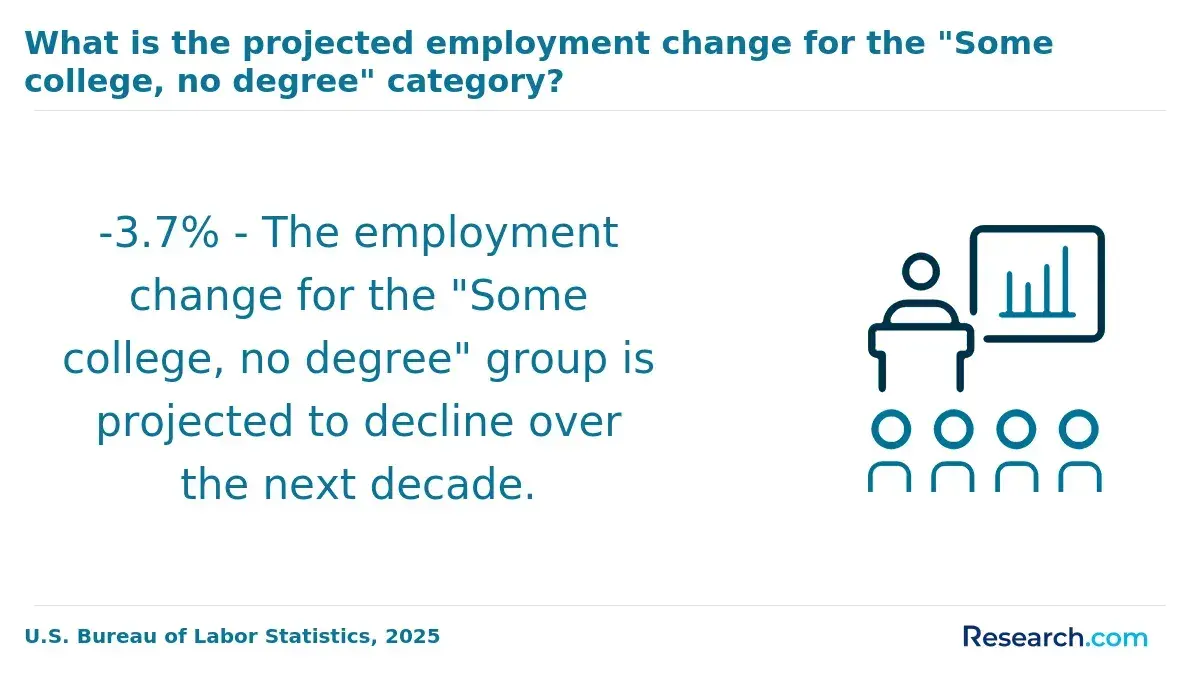
How Often Do Online Accounting Programs Start During the Year?
Online accounting programs often provide more start-date flexibility than traditional campus programs. Some follow the standard academic calendar, while others offer frequent starts through short terms or rolling admissions. The best schedule depends on whether you prefer structure, speed, or maximum flexibility.
- Traditional Academic Calendar: Many universities use fall, spring, and sometimes summer start dates. This format works well for students who want a familiar semester rhythm, predictable deadlines, and more time in each course.
- Multiple Term Starts: Some online programs offer five to six start dates per year through shorter 7- or 8-week sessions. This can reduce waiting time and help motivated students complete courses more quickly.
- Monthly Starts (Rolling Admissions): Some schools allow new cohorts or course starts each month. This is convenient for students who are ready to begin immediately, but it requires careful planning to avoid taking on more than they can manage.
- Quarterly or Accelerated Terms: Certain programs use quarterly calendars or accelerated courses with new start dates every 10-12 weeks or more often. This format may suit students who want steady progress and fewer long breaks.
Before choosing a start date, confirm when required accounting courses are offered. Frequent admissions do not always mean every course is available every term. If a prerequisite is missed, the student may have to wait for the next offering, which can delay graduation even in an accelerated program.
How Much Faster Can You Complete an Accelerated Online Accounting Degree?
An accelerated online accounting degree can shorten a traditional four-year path by using condensed terms, year-round study, transfer credits, competency-based progression, or heavier course loads. Some students finish much faster, but the workload can be demanding because accounting courses build on one another and often require consistent practice.
Common acceleration features include:
- Shorter Course Terms: Accelerated programs often use 5 to 8 week sessions instead of a typical 15-week semester. This allows students to complete more courses across the year, but assignments, exams, and projects arrive quickly.
- Year-Round Enrollment: Continuous enrollment, including summer terms, helps students avoid long academic breaks. This steady pace can shorten total completion time and keep momentum strong.
- Transfer Credits: Many accelerated degrees accept extensive transfer credits, sometimes up to 93 credits, from prior college work, military experience, or professional certifications. This can substantially reduce the number of new courses required.
- Competency-Based Learning: Some schools allow students to move ahead by demonstrating mastery rather than completing a fixed number of weeks in class. This can benefit experienced professionals who already understand some accounting, business, or software concepts.
- Increased Course Load: Students may be able to take more courses per term. This can shorten the timeline, but it also increases the risk of burnout, lower grades, or withdrawal if the workload is not realistic.
Acceleration works best for students who can protect regular study time, are comfortable learning independently, and have strong reading, spreadsheet, and problem-solving habits. It may not be ideal for students who are new to college, returning after a long break, or working unpredictable hours.
One graduate of an accelerated online accounting program described the experience as intense but rewarding. Condensed terms required late nights, careful scheduling, and immediate attention to each assignment. The lack of long breaks helped maintain momentum, and the student finished in under three years while continuing full-time work.
Does Finishing an Online Accounting Degree Faster Save You Money?
Finishing faster can save money, but it depends on how the school charges tuition, whether you can handle the pace, and whether acceleration helps you avoid extra terms. A faster timeline is financially helpful only if it reduces total tuition, fees, borrowing, or time away from full-time earnings.
Potential savings include:
- Lower Tuition Costs: Some accelerated online accounting degree cost structures charge tuition by term instead of per credit hour. For example, Western Governors University charges a flat rate per six-month term, which can reward students who complete more coursework within the same term. Students comparing low-cost options may also want to research the most affordable accounting degree online as part of a broader tuition and transfer-credit review.
- Reduced Living Expenses: Finishing faster can reduce the time spent juggling school-related expenses, technology costs, and reduced work hours. This can matter for students supporting families or trying to avoid prolonged financial strain.
- Earlier Entry Into the Workforce: Completing a degree sooner may allow graduates to pursue accounting roles earlier and begin earning sooner. This can help offset education costs, especially for students moving from lower-paying work into accounting or finance positions. Students comparing return on investment may also review information on the most profitable major.
- Less Time Off Work: Working professionals may benefit if faster completion reduces the period of balancing job, school, and personal responsibilities. However, taking too many courses at once can harm job performance or increase stress, so the fastest option is not always the most economical in practice.
Students should calculate total cost, not just advertised tuition. Include technology fees, books, exam fees, graduation fees, transfer-credit limits, financial aid rules, and the cost of retaking failed or withdrawn courses. A slightly longer program may be cheaper if it offers stronger transfer policies, employer tuition assistance compatibility, or lower per-credit tuition.
How Soon Can Graduates Start Working After Earning Their Online Accounting Degree?
Many graduates can begin applying for accounting jobs before they finish the final term and may start working within a few weeks to several months after graduation. The exact timeline depends on degree level, prior experience, location, hiring cycles, internships, and whether the student is seeking entry-level employment or CPA-track roles.
Graduates of accelerated or competency-based programs may complete their studies in 18–36 months, which can speed entry into jobs such as bookkeeping, junior accountant, accounting assistant, payroll specialist, or accounts payable/receivable roles. Students pursuing CPA licensure may need more time because licensure often involves additional education, exam preparation, and experience requirements.
Online students can improve their job timeline by building experience while enrolled. Useful steps include completing internships, asking about virtual accounting projects, joining professional associations, learning common accounting software, preparing a portfolio of class projects, and networking with faculty, classmates, and local employers.
The strongest job candidates usually do not wait until graduation to prepare. They update their resume while still enrolled, track measurable coursework skills, practice interview explanations of online learning discipline, and apply several months before completing the degree. Flexibility is one advantage of online study because students can often work, intern, or volunteer in accounting-related settings while finishing coursework.
How Much Do Online Accounting Graduates Earn on Average?
Online accounting degree graduates typically earn salaries ranging from $50,000 to over $80,000 annually, depending on role, location, credential level, experience, and specialization. Employers generally care more about accreditation, accounting skills, experience, and certifications than whether the degree was completed online or on campus.
- Entry-Level Roles: Entry-level accountants usually start with salaries between $45,000 and $60,000 per year. Pay can vary based on internships, software skills, location, employer size, and whether the graduate has an associate, bachelor’s, or master’s degree.
- Mid-Career Professionals: Accountants with 5-9 years of experience generally see salaries between $66,900 and $82,434 annually. At this stage, salary growth often depends on specialization, supervisory responsibility, industry, and certifications such as CPA.
- Specialized Positions: Fields such as forensic accounting or tax accounting typically offer salaries exceeding $80,000 because they require deeper technical knowledge and applied experience. Specialized roles may also require additional credentials or strong regulatory knowledge.
- Leadership Roles: Senior financial management and leadership positions can command salaries of $150,000 or more. These jobs usually require technical accounting competence, strategic judgment, communication skills, and experience leading teams or financial operations.
- Industry Variations: Salaries vary significantly by sector and location, with regions like New York and the District of Columbia offering higher compensation. Students comparing long-term fit may also consider whether accounting aligns with the best career path for introverts, since many accounting roles reward focused analysis, independent work, and careful documentation.
Salary expectations should be evaluated alongside cost, debt, licensure plans, and local job demand. A lower-cost accredited degree with strong internship access may produce a better return than a more expensive program with limited career support.
Here's What Graduates of Online Accounting Programs Have to Say About Their Degree
- : "Completing my online accounting degree was a game-changer for me. The flexibility allowed me to balance work and family life while advancing my education at my own pace. Thanks to the program's practical approach, I felt prepared to confidently enter the workforce and secure a stable job as a financial analyst shortly after graduation. This degree not only boosted my career prospects but also deepened my passion for numbers and problem-solving. — Rene"
- : "Reflecting on my journey, pursuing an online accounting degree helped me grow both personally and professionally. The experience challenged my time management skills and discipline in ways traditional classes never did. Through virtual collaboration and diverse peer discussions, I gained a broader view of how accounting principles impact businesses worldwide. I now mentor young adult learners in my community, hoping to inspire others to explore education opportunities that can change their futures. — Easton"
- : "Starting my career after earning an online accounting degree was a uniquely empowering experience. The program's focus on up-to-date industry software and certifications set me apart in a competitive job market. Employers value the self-motivation and adaptability required to succeed in an online format, which helped me quickly advance to a managerial role. I feel proud knowing my education opened doors I once thought were unreachable and continues to fuel my professional development. — Oakleigh"
Other Things You Should Know About Online Accounting Degree Programs
Internships in online accounting programs typically last between 8 to 12 weeks in 2027. The duration can vary depending on the school and the specific program requirements. Internships provide practical experience, complementing online coursework with real-world accounting skills.
In 2027, online accounting programs often collaborate with companies to offer virtual or in-person internships. These experiences are crucial, providing real-world skills and networking opportunities necessary for a career in accounting.
Many online accounting degree programs allow you to transfer previously earned credits, which can shorten your time to graduation. However, it's essential to check with the specific institution for their transfer credit policies and requirements to ensure your credits are applicable.
In 2027, obtaining an online accounting degree usually takes about four years if pursued full-time, mirroring traditional undergraduate schedules. However, many institutions offer accelerated or part-time options, allowing students to adjust the timeframe based on their needs. This flexibility is valuable for those balancing other commitments.
References
- Accelerated B.S. in Accounting Program for Working Adults https://uhcno.edu/ceb/business/onl/bs-accounting.php
- Accelerated Accounting Degrees Online 2025 | Accounting.com https://www.accounting.com/degrees/accounting/accelerated-online-bachelors/
- National Student Clearinghouse Research Center. (2025). Clearinghouse Enrollment Insights Series: Final Fall Enrollment Trends. https://nscresearchcenter.org/final-fall-enrollment-trends/
- Online & On Campus Accounting Degree: Bachelor's in Accounting https://und.edu/programs/accountancy-bacc/index.html
- Online Accounting Degree https://online.lsu.edu/online-degree-programs/undergraduate/bachelor-science-accounting/
- Best Accounting Courses & Certificates Online [2025] | Coursera https://www.coursera.org/courses
- Factors contributing toward student performance in a distance education accounting degree | Meditari Accountancy Research | Emerald Publishing https://www.emerald.com/medar/article/22/2/211/286676/Factors-contributing-toward-student-performance-in
- Accounting, M.S. (Online) - Brooklyn College https://www.brooklyn.edu/academics/programs/accounting-ms-online/