
2027 Different Types of Environmental Science Degrees and Their Salaries

Co-Founder and Chief Data Scientist
The demand for skilled professionals in environmental science is rising rapidly as awareness of ecological challenges intensifies across industries and governments. Employment in this sector is projected to grow significantly over the next decade, reflecting increased investment in sustainability and resource management.
Choosing the right educational path is essential for those aspiring to build a successful career while making a meaningful impact. This article provides a clear overview of the various environmental science degrees available and the salary expectations associated with graduates from each program, helping prospective students make informed decisions about their future.
Key Points About Different Types of Environmental Science Degrees and Their Salaries
- Individuals holding a bachelor's degree in environmental science often find a wider range of career opportunities in fields such as conservation, environmental consulting, and policy, with a median annual salary of approximately $71,000 according to the U.S. Bureau of Labor Statistics.
- Those with an associate degree in environmental science typically qualify for entry-level technician roles, earning around $40,000 annually, but may face limitations in advancement without further education.
- Master's degree holders in environmental science tend to access higher-level positions including research, management, and specialized consulting, with salaries frequently exceeding $90,000 and showing stronger long-term growth compared to lower degree levels.
What Are the Different Types of Environmental Science Degrees Available?
Understanding the different types and levels of environmental science degrees before choosing a program is crucial because each degree caters to distinct career goals and educational backgrounds. Selecting the right type ensures your studies align with your interests and prepares you for your desired professional path.
Here is an overview of the main types of environmental science degrees and what distinguishes each one:
- Associate degree in environmental science: This degree introduces foundational concepts such as environmental systems, chemistry, and biology. Coursework often includes basic ecology, environmental regulations, and introductory laboratory skills.
- Bachelor of Science (BS) in environmental science: Emphasizing the natural sciences, this degree covers biology, chemistry, physics, and mathematics. Students develop scientific analysis skills, engage in field research, and learn laboratory techniques through courses in ecology, earth sciences, and environmental policy.
- Bachelor of Arts (BA) in environmental science or environmental studies: Focusing on social sciences and policy, this degree covers topics like environmental ethics, economics, and public policy. It prepares students to approach environmental issues from societal and human-environment interaction perspectives.
- Master's degree in environmental science: This advanced degree enhances scientific knowledge and analytical abilities, often including specialized seminars and project-based learning. Students engage with advanced research methods and deepen their expertise in specific areas such as ecology or environmental chemistry.
- Doctorate (PhD) in environmental science: A research-intensive degree focusing on original investigation in specialized areas. Coursework typically involves advanced statistics, research design, and dissertation seminars, emphasizing independent research and publication.
- Environmental engineering degree: Centered on applying engineering principles to environmental problems, this degree features coursework in mathematics, thermodynamics, hydraulics, and design, setting it apart from broader environmental science programs.
- Environmental studies degree: An interdisciplinary approach combining natural sciences with humanities and social sciences. Students explore policy, ethics, history, and communication to gain a holistic understanding of environmental challenges.
When exploring degree options, some students seek a more accessible pathway and may consider a fast associates degree in environmental science to build foundational knowledge before advancing to higher levels of study.
What Specializations Are Available in Environmental Science Degrees?
Choosing a specialization in an environmental science degree is a crucial step for students aiming to align their education with specific career goals and labor market demands. Specializations help focus learning on particular skills and knowledge areas that prepare graduates for targeted roles in a diverse and evolving job market.
Many environmental science programs offer a range of specializations to suit different interests and professional ambitions. Below are some of the most common:
- Environmental Science: Environmental Biology: Focuses on studying living organisms and their interactions within ecosystems. Students develop skills in ecology, biodiversity assessment, and field research, often pursuing careers as ecologists, wildlife biologists, or conservation scientists.
- Environmental Science: Environmental Chemistry: Concentrates on chemical processes in natural and polluted environments. Key competencies include laboratory analysis, toxicology, and pollution remediation, leading to roles such as environmental chemist, hazardous waste manager, or water quality analyst.
- Environmental Science: Environmental Policy: Emphasizes the development and analysis of policies addressing environmental challenges. Students gain expertise in policy analysis, environmental law, and regulatory frameworks, preparing for government, advocacy, or consulting careers.
- Environmental Science: Conservation and Natural Resource Management: Focuses on sustainable management of land, water, and biological assets. Key skills include resource assessment, ecosystem restoration, and GIS mapping, with career paths in land management, conservation organizations, or environmental planning.
- Environmental Science: Ecohydrology: Combines hydrology and ecology to study water resource issues. Students learn watershed management and aquatic system dynamics, leading to roles such as hydrologists, water resource managers, or environmental consultants.
For students balancing work and study commitments, exploring options through an online open enrollment college can provide greater flexibility in pursuing these specializations while advancing their environmental science careers.
How Long Does It Take to Complete Each Type of Environmental Science Degree?
Knowing how long it takes to complete an environmental science degree is crucial for students planning their academic and career paths. This understanding helps set realistic expectations and enables better scheduling of personal and professional commitments.
Below is a breakdown of the main environmental science degree types and their typical completion times:
- Associate Degree in Environmental Science: Typically requires about two years of full-time study. Part-time enrollment can extend this duration, while transfer credits from previous coursework may shorten it. Many community colleges offer online options, which can provide additional flexibility.
- Bachelor's Degree in Environmental Science: Generally takes four years to complete when attending full-time. Students pursuing part-time studies or balancing work and school might take longer. Some universities offer accelerated programs that allow completion in three years, and online bachelor's options are increasingly common.
- Master's Degree in Environmental Science: Usually completed in one to two years after obtaining a bachelor's degree. Students enrolled part-time or those completing a thesis may require more time. Many schools provide both traditional and online formats, and accelerated master's programs are available at select institutions.
- Doctoral Degree (PhD) in Environmental Science: Often ranges from four to six years depending on research requirements and dissertation progress. Part-time doctoral programs or extensive fieldwork may extend this timeline. Flexible schedules and some online coursework components are available but the intensive research work generally mandates in-person presence.
Are There Accelerated Environmental Science Degree Programs?
Yes, accelerated environmental science degree programs are available at a number of U.S. universities, offering a faster path to both bachelor's and master's degrees, often in about five years rather than the usual six or more.
These programs shorten completion time by utilizing formats such as condensed courses, year-round academic terms, and the allowance to count select graduate credits toward undergraduate degree requirements.
Commonly known as "4+1" programs, they enable students to apply between 6 and 12 graduate credits earned during their senior undergraduate year to both their bachelor's and master's degrees. Some institutions also accept transfer credits or permit students to waive certain introductory graduate courses as a way to further accelerate their progress.
Schools like Adelphi University, George Mason University, Indiana University, and Loyola University Chicago have adopted this approach, creating a streamlined and integrated curriculum that benefits motivated students.
However, accelerated environmental science programs come with significant academic demands. Eligibility criteria usually include maintaining a minimum GPA-often 3.0 or higher-being classified as a senior with at least 90 credit hours, and completing prerequisite courses in science and mathematics.
The workload is intense as students balance undergraduate and graduate-level courses within compressed timeframes, requiring strong organizational skills and consistent academic effort.
While the pace can be challenging, accelerated degrees often lead to cost savings by reducing tuition years and enabling earlier entry into the workforce, where environmental scientists with advanced degrees typically earn higher salaries and hold specialist or leadership roles.
Prospective students should carefully consider their preparedness for this rigorous path and seek guidance from academic advisors to ensure they meet program requirements and manage scheduling effectively.
When I spoke with a graduate of an accelerated environmental science degree program, he reflected on the experience as both demanding and rewarding. He described the intensity of simultaneously juggling graduate and undergraduate coursework, noting that "time management became my most valuable skill."
Despite the pressure, he appreciated the structure of year-round terms that kept momentum steady and prevented burnout. "There were moments I questioned if the pace was sustainable, but the support from faculty and peers made a real difference." He also highlighted the benefit of applying graduate credits early, which "felt like earning recognition for hard work even before graduating."
Ultimately, he felt that the accelerated path "saved me time and money, while preparing me well for a career where advanced knowledge is vital." This nuanced perspective illustrates the realities behind the question: accelerated environmental science degree programs certainly exist, but they require commitment and resilience to succeed.
Are Online Environmental Science Degrees as Credible as Traditional Ones?
Both online and traditional environmental science degree programs maintain strong academic standards through accreditation by recognized bodies such as the Higher Learning Commission or the Southern Association of Colleges and Schools.
Universities offering online programs, like Oregon State University and the University of Arizona, provide the same curriculum and degrees as their on-campus counterparts.
While traditional programs may offer more direct faculty interaction and hands-on experiences, online degrees often feature flexible, accelerated formats and lower costs, making them accessible to a wider range of students.
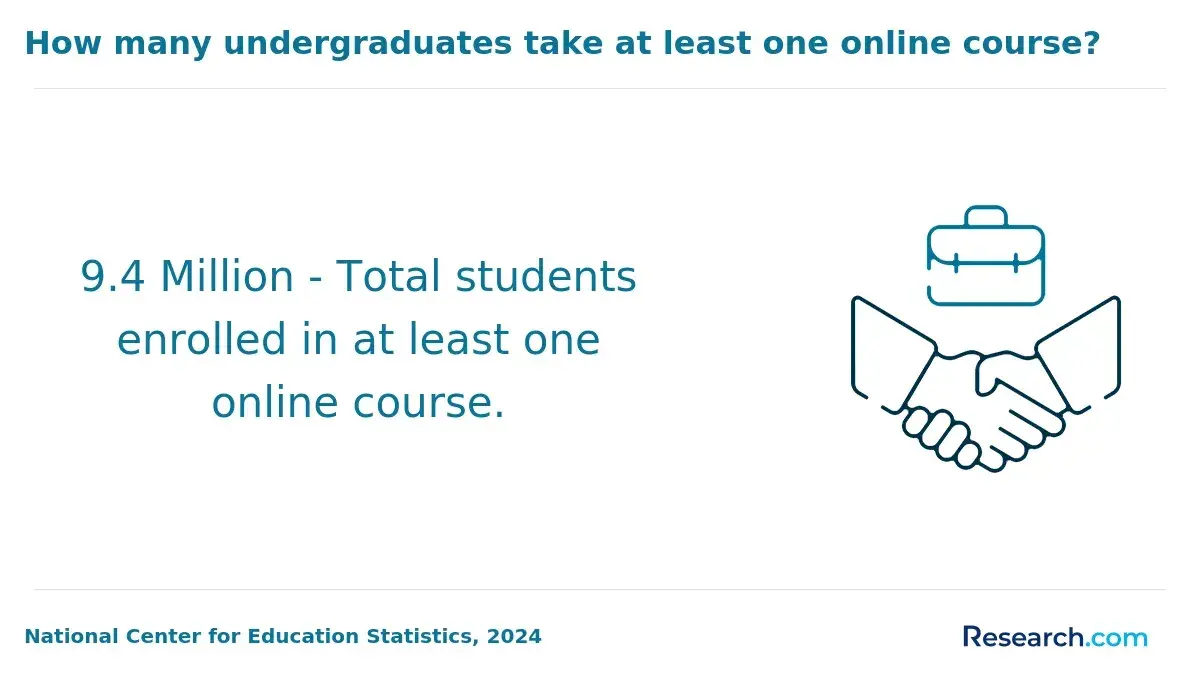
Studies show that learning outcomes in online education are comparable or even superior to traditional classroom formats, with 77% of academic leaders agreeing that online outcomes match or exceed those of in-person education.
Recent trends indicate growing employer acceptance of online environmental science degrees, especially when obtained from accredited and well-known universities. Employers in this field typically emphasize practical experience, so online graduates are encouraged to complement their studies with internships or fieldwork.
Data also reveals that 44% of online students report lower overall costs compared to traditional programs, and online education can retain 25-60% more information than traditional formats.
Ultimately, the credibility of an environmental science degree depends more on the reputation and accreditation of the institution rather than the learning format itself.
For US students, selecting a quality school that meets recognized academic standards is crucial for gaining respect and opportunities in the environmental science profession.
How Much Does Each Type of Environmental Science Degree Typically Cost?
Understanding how tuition costs vary across environmental science degree levels is essential for effective budgeting and long-term financial planning. Knowing these differences helps students and families make informed decisions about which programs best align with their financial situation and educational goals.
Below is an outline of the typical tuition ranges for each type of environmental science degree:
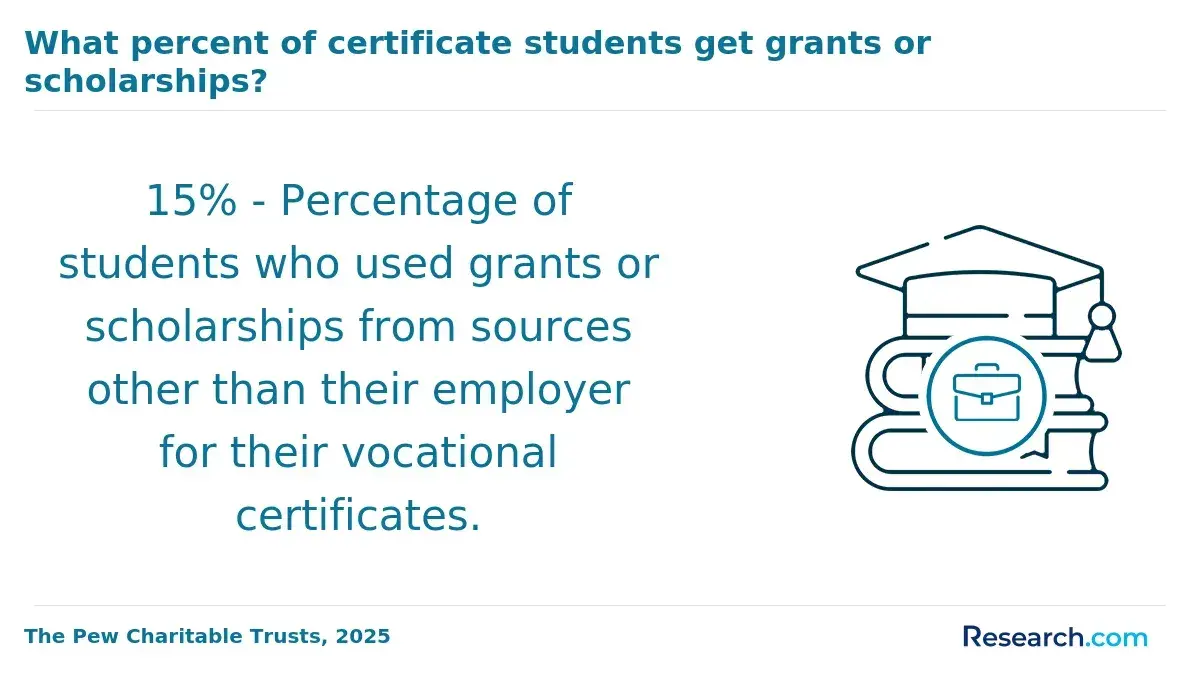
- Associate Degree in Environmental Science: Tuition for associate programs at public community colleges usually ranges from $3,000 to $8,000 per year for in-state students. These programs tend to have lower costs than four-year degrees and often qualify students for federal Pell Grants, state aid, and local scholarships.
- Bachelor's Degree in Environmental Science: Costs vary widely depending on residency and institution type. Public universities average about $10,532 annually for in-state students and $34,121 for out-of-state students. Online programs can offer more affordable options with per-credit costs between $330 and $419. Financial aid can include federal loans, scholarships, and work-study opportunities.
- Master's in Environmental Science: Graduate tuition depends on the school and format; public universities typically charge $11,645 per year for in-state students and $24,718 for out-of-state. Private schools may charge significantly more, sometimes over $50,000 annually. Online master's options usually bill per credit (around $582 at public institutions), and students often obtain support through assistantships or fellowships.
- Doctorate in Environmental Science: Doctoral tuition varies but frequently reflects master's level rates when charged. Many PhD candidates receive tuition waivers, stipends, and fellowships, reducing direct costs substantially. Financial backing often comes from research grants or institutional funding to encourage full-time study.
A graduate from an environmental science degree program shared her experience managing tuition costs. She reflected that while the price initially felt daunting, exploring multiple financial aid sources and employer tuition assistance was invaluable.
"I found that being proactive-applying for fellowships and assistantships early-made a huge difference," she noted. Although she paid more for her master's at a private institution than expected, the investment translated into expanded career opportunities and salary growth that justified the expense.
Her story highlights the importance of combining financial planning with active resource-seeking to successfully navigate the cost of environmental science education.
What Jobs Can You Get with Each Type of Environmental Science Degree?
The level of your environmental science degree greatly influences the types of career opportunities available to you, as well as your qualifications for different roles. Entry-level positions often require an associate or bachelor's degree, while advanced roles typically call for master's or doctoral degrees.
Below is a list outlining common jobs associated with each environmental science degree type and their typical work environments.
- Associate Degree in Environmental Science: Graduates with this two-year degree usually qualify for technician or assistant roles, such as environmental science technician, laboratory assistant, or environmental field technician. These professionals commonly collect samples, monitor pollution levels, and assist scientists working in public agencies, private laboratories, or consulting firms.
- Bachelor's Degree in Environmental Science: This degree opens pathways to roles like environmental specialist, conservation scientist, resource manager, or environmental consultant. Responsibilities include analyzing environmental data, advising organizations on regulatory compliance, and developing sustainability strategies across government bodies, private industries, and non-profits. For those researching career prospects, reports show environmental scientists with bachelor degrees rank among the highest in earning potential, often being highlighted in contexts such as the highest bachelor degree salary.
- Master's Degree in Environmental Science: Advanced degrees allow access to specialized positions such as environmental policy analyst, restoration planner, climate change analyst, or senior consultant. These roles involve leading complex research projects, influencing public policy, and managing environmental programs within federal agencies, research institutions, and international organizations.
- Doctoral Degree (PhD) in Environmental Science: A PhD prepares graduates for university faculty roles, principal investigatorships, or senior research scientist positions. These careers focus on independent research, academic teaching, or leading scientific teams in academia, government, or industry. PhD holders often engage in specialized consulting and policy leadership, commanding the highest salaries in the field.
How Do Salaries Differ by Environmental Science Degree Type?
Degree level in environmental science often has a direct impact on earning potential, with higher degrees typically leading to increased salaries and more advanced career opportunities. Understanding these differences can help students make informed decisions about their education and future employment prospects.
Below is an overview of typical salary ranges associated with various environmental science degree types.
- Associate Degree in Environmental Science: Graduates usually enter technician or assistant roles with average starting salaries ranging from $40,000 to $45,000 per year. Pay varies depending on state and employer, and these positions often have limited advancement without further education.
- Bachelor's Degree in Environmental Science: Individuals with a bachelor's degree can expect average annual salaries around $84,000, with most falling between $75,000 and $98,500. Factors influencing pay include geographic location, industry sector, and demand for environmental expertise. Many professionals find that additional experience or graduate studies improve long-term salary prospects.
- Master's Degree in Environmental Science: Earning a master's degree generally results in higher starting salaries, commonly between $58,000 and $78,000. Advanced roles like senior scientist or policy analyst become accessible, and in metropolitan or high-demand areas, experienced professionals can earn well over $100,000. Specialized skills and leadership positions further enhance earning potential. Some students consider pursuing a one year phd to maximize career growth.
- Doctorate (PhD) in Environmental Science: PhD holders often take on academic, research, or high-level consulting roles, with salaries that often exceed $100,000, especially for senior faculty or research positions with tenure or grant funding. Geographic region, institution prestige, and funding availability significantly influence pay at this level.
Is There High Demand for Environmental Science Degree Holders in the Job Market?
The demand for environmental science degree holders in the United States remains steady and is expected to grow due to several key factors. Rapid advancements in emerging technologies such as renewable energy, GIS mapping, and advanced data analysis are driving employers to seek candidates with expertise in these cutting-edge fields.
Businesses specializing in environmental consulting, remediation, and sustainability projects require skilled professionals knowledgeable in water resource management, landfill design, and coal combustion residue management. Workforce needs also contribute significantly to demand, with approximately 8,500 new job openings yearly caused by retirements and turnover.
Additionally, specialized roles like environmental engineers command higher salaries and demonstrate stronger job growth projections. Regional variations play a role as well; states investing heavily in environmental regulations or renewable energy initiatives tend to offer more abundant career opportunities for environmental science professionals.
Alongside technical skills, employers value certifications and hands-on project experience in disciplines like geology, chemistry, or engineering, enhancing employability in diverse roles such as technical sales or in-house remediation specialists.
These trends underline a positive outlook for environmental science graduates, with consistent job growth, competitive salaries, and expanding opportunities across both public and private sectors. Thus, those entering the workforce can expect a dynamic labor market shaped by technological innovation and increasing societal focus on environmental sustainability.
Students considering a career in this field may benefit from exploring options at online colleges nationally accredited, which offer flexible learning pathways tailored to evolving industry requirements.
What Factors Should You Consider When Picking a Type of Environmental Science Degree?
Choosing the right degree level in environmental science is a critical decision that directly impacts your career trajectory and educational experience. It is essential to align your choice with both your professional ambitions and personal circumstances to maximize the benefits of your investment in education.
To guide this decision, consider the following key factors:
- Career Goals: The degree level determines the range of job opportunities available. Entry-level positions like environmental technician usually require an associate or bachelor's degree, while research, policy, and academic roles often need a master's or doctorate. Consider what type of career you envision and the education required to enter or advance in that field.
- Time Commitment: Degree programs vary in length, from about two years for an associate degree to up to five additional years for a doctorate beyond a bachelor's. Reflect on how much time you are willing and able to dedicate to your studies and how quickly you want to begin working.
- Specialization and Curriculum: Advanced degree programs provide greater opportunities to specialize in areas like environmental policy, conservation biology, or environmental engineering. Choose programs whose curricula and research options align closely with your interests and career plans.
- Accreditation and Program Reputation: Enrolling in accredited programs ensures quality education and can be crucial for obtaining certifications or financial aid. Investigate each program's standing, faculty expertise, and alumni outcomes to understand how it may affect your future job prospects.
- Job Market and Salary Outcomes: Look at employment rates and typical salaries by degree level. While a bachelor's degree is sufficient for many environmental science roles, advanced degrees often open doors to leadership, research, or teaching positions with higher compensation potential.
What Environmental Science Graduates Say About Their Degree and Salary
- James: "Completing my bachelor's degree in environmental science with a focus on sustainability opened doors I never expected. The program's hands-on projects and community partnerships gave me real-world experience that made transitioning into a career in environmental consulting seamless. I've grown not only as a scientist but as an advocate for responsible resource management. Knowing my work contributes to healthier ecosystems and communities fuels my passion every day. "
- Jared: "After earning my environmental science degree specializing in marine ecology, I found a rewarding path working with conservation nonprofits. The chance to study delicate marine environments and then apply that knowledge in protecting endangered species was both challenging and deeply fulfilling. This degree advanced my career faster than I imagined and gave me the confidence to effect positive change on a global scale. "
- Kevin: "Pursuing a master's in environmental science focused on urban planning transformed how I view the relationship between people and their environment. The interdisciplinary nature of the program helped me develop critical problem-solving skills and build networks with professionals from diverse backgrounds. Professionally, the degree positioned me for leadership roles where I influence policy to create sustainable cities, a challenge I embrace wholeheartedly. "
Other Things You Should Know About Environmental Science Degree Programs & Salaries
In 2027, some of the highest-paying career paths for those with an environmental science degree include environmental engineering, environmental management, and sustainability consultancy. These roles typically offer salaries ranging from $70,000 to over $100,000 annually, depending on experience and education level.
In 2027, environmental science degrees such as Environmental Engineering, Environmental Chemistry, and Conservation Science offer varying salary prospects. For instance, Environmental Engineers often earn higher salaries due to their technical expertise, with median pay exceeding $90,000 annually, whereas Conservation Scientists typically earn around $65,000.
References
- What are the best countries for environmental science jobs? https://www.csrjobs.club/blog-article/what-are-the-best-countries-for-environmental-science-jobs/r/recuSKta5btqHtPLc
- Accelerated Degree in Environmental Science & Ecology https://www.brockport.edu/graduate/accelerated/environmental-science-education/
- 16 Innovative Environmental Science Careers https://www.collegeadvisor.com/resources/environmental-science-careers/
- Top 10 careers in environmental science https://usic.sheffield.ac.uk/blog/10-careers-in-environmental-science
- Environmental Sciences and Sustainability BSc (Hons) Degree – University Centre Farnborough https://www.ucfarnborough.ac.uk/course/bsc-hons-environmental-studies-and-sustainability/BES1/
- Accelerated 4+1 Program in Earth and Environmental Sciences https://www.murraystate.edu/academics/CollegesDepartments/CollegeOfScienceEngineeringandTechnology/CollegeOfSciencePrograms/ees/accelerated.aspx
- 10 highest paying jobs with an environmental science degree - FutureLearn https://www.futurelearn.com/info/blog/top-jobs-with-environmental-science-degree
- Environmental Science and Sustainability MS https://gpem.luc.edu/portal/abm
- Environmental Science BSc | Undergraduate https://www.ncl.ac.uk/undergraduate/degrees/f850/


