
2027 How Long Does It Take to Earn an Online Fashion Design Degree?

Co-Founder and Chief Data Scientist
Online education offers a flexible and convenient path for aspiring designers, making it an increasingly popular choice in today's fast-paced world. According to the National Center for Education Statistics, enrollment in fully online degree programs has grown steadily, reflecting the demand for adaptable learning options that accommodate diverse schedules.
Understanding how long does it take to earn an online fashion design degree is crucial for planning academic and career goals effectively. This article explores the average completion time, key factors influencing program length, and tips for selecting a program that fits individual needs, empowering readers to make informed and confident decisions about their education.
Key Benefits of Online Fashion Design Degree
- Most online fashion design degrees take about 2 to 4 years to complete depending on whether you enroll full-time or part-time, offering flexibility to fit your schedule.
- The ability to study asynchronously allows students to balance work or family commitments while progressing steadily through required courses and projects.
- Accelerated programs can shorten the timeline to as little as 18 months by offering condensed courses and year-round enrollment, helping you enter the fashion industry faster.
What is the average completion time for online fashion design programs?
Online fashion design programs vary in length, but typically students can expect to spend anywhere from a few weeks up to four years to complete their studies. To clarify the average duration of online fashion design degree programs, here is a breakdown of typical completion times by degree level.
- Certificate programs: These short-term options are designed mainly for beginners or those looking to build foundational skills quickly. The average duration ranges from 6 weeks to 6 months, often allowing self-paced study so students can finish sooner or take more time depending on their schedules.
- Diploma programs: Usually taking between 1 and 2 years, diploma courses focus on practical skills such as draping and pattern making. These programs often offer flexible scheduling to accommodate part-time learners balancing other responsibilities.
- Associate degrees: Full-time students generally complete these programs in about 18 to 24 months. Accelerated online formats may reduce this to 1.5 years, although part-time study options can extend completion to up to three years.
- Bachelor's degrees: Most full-time students finish bachelor's degrees in 3 to 4 years. Some accelerated programs shorten the time to approximately 3 years, while part-time or flexible pathways may extend it beyond four years.
- Master's degrees: Online master's degrees in fashion design typically take 1 to 2 years for full-time study, with accelerated tracks available that can cut completion to as little as one year.
The time to earn an online fashion design degree depends largely on factors like program flexibility, the student's prior education, and whether they study full-time or part-time.
For those interested in rapid credentialing, exploring the highest paid certificate programs can be a practical choice to start building skills quickly before committing to longer degree paths.
What factors can affect how long it takes to earn an online fashion design degree?
The duration required to earn an online fashion design degree varies based on multiple factors that influence how quickly or slowly a student progresses through their studies. Understanding these can help prospective learners better estimate their commitment and plan accordingly. Below are key factors that affect the timeframe for completion:
- Type of program selected: Programs range from short certificate courses lasting 1 to 6 months, to diplomas that take 1 to 2 years, and bachelor's degrees that generally require 3 to 4 years. Selecting a more intensive or shorter program accelerates completion, while longer degrees demand greater time investment.
- Enrollment status (full-time vs part-time): Full-time students usually follow a structured path allowing faster graduation. In contrast, part-time students often take fewer courses each term to balance other responsibilities, extending the overall time. This flexibility can be helpful for many but affects duration notably.
- Credit transfer and prior learning: Some schools accept transferred credits or recognize relevant work experience, shortening the required coursework substantially. Returning students or professionals who upskill can benefit from these policies to reduce time.
- Course delivery and pacing: Self-paced online courses enable motivated students to complete lessons at their own speed, potentially finishing sooner. Alternatively, cohort-based or scheduled classes adhere to fixed timelines, which might slow down students wanting to accelerate.
- Internships and project requirements: Hands-on elements like internships or capstone projects enrich learning but add weeks or months depending on availability and scheduling constraints.
- Personal and professional commitments: Work, family, or health can limit weekly study hours, a reality that often extends the duration of an online fashion design degree.
For students exploring options, exploring the best online colleges with open admissions policy can offer flexibility and may influence how long it takes to earn your credential.
What are the different types of online fashion design programs available?
Online fashion design programs encompass a variety of specializations and formats, allowing students to find paths that align with their creative interests and professional objectives. Below are the main types of online fashion design programs available, each targeting different skills and career outcomes:
- Fashion Design Degrees: These undergraduate degrees, such as Bachelor of Fine Arts (BFA) or Bachelor of Arts (BA), focus on core design skills including illustration, textile selection, sewing, and digital design software. They emphasize building a professional portfolio and understanding the entire process from concept to garment, ideal for aspiring designers seeking creative and technical expertise.
- Fashion Merchandising Degrees: These Bachelor of Science (BS) or Bachelor of Business Administration (BBA) programs concentrate on the business aspects of fashion, covering product development, retail, and marketing. Coursework typically includes digital drafting and market research, preparing students for industry roles in buying and fashion marketing.
- Apparel Technical Design Concentrations: Specializing in technical skills, these tracks focus on digital patternmaking, 3D garment prototyping, and fit analysis, often using software like Optitex and Adobe Illustrator. They are well suited for those interested in the blend of creativity and technology, aiming for careers as technical designers or CAD specialists.
- Combined Design & Merchandising Programs: These hybrid degrees integrate creative design with business education, providing a broad skill set for students who want versatility and the ability to work on both artistic and commercial sides of fashion.
- Certificates, Diplomas, and Short Courses: Offered by leading institutions and online platforms, these non-degree options cover areas such as sustainable fashion and digital design techniques. They are ideal for professionals seeking focused upskilling or individuals exploring a new career direction in fashion.
- Continuing Education & Professional Development: These short courses and summer programs focus on specialized topics like fashion illustration and entrepreneurship, designed for professionals or hobbyists updating their skills or learning about industry trends.
How many credit hours are required for an online fashion design degree?
The number of credit hours required to complete an online fashion design degree varies by academic level, typically reflecting the program's depth and duration. Understanding these average credit hour ranges is essential for planning how long your studies might take. Below is a summary of credit hour requirements by degree level to help clarify typical expectations.
- Associate degree (A.A.S. or A.S.): Generally requires 60-65 credit hours, which most full-time students complete in about two years. Part-time options may extend this to three years or more, especially if remedial or general education courses are needed.
- Bachelor's degree (B.A., B.S., or B.F.A.): Usually involves 120-128 credit hours. Full-time study often takes around four years to finish, while part-time learners might take six or more years. Transfer credits can reduce the total needed and shorten completion time.
- Master's degree (M.A. or M.F.A.): Requires roughly 30-36 credit hours beyond the bachelor's degree. Completion spans 1.5 to 3 years depending on the course load and thesis or project demands. Advanced standing may be available for prior experience or coursework.
- Certificate programs: Typically require 15-30 credit hours and are designed for professionals or individuals with an existing degree. These programs usually can be completed within a year.
A graduate of an online fashion design degree shared that managing the credit hour requirements involved balancing creative course projects with technical classes, often juggling deadlines alongside a part-time job.
They recalled how the flexibility of asynchronous courses allowed them to carefully plan their study schedule, but also required strong self-discipline to stay on track. Meeting credit requirements felt rewarding because each completed course was a tangible step closer to launching their own fashion line, turning the challenge into motivation rather than a barrier.
What courses are included in a standard online fashion design curriculum?
Online fashion design programs typically offer a range of courses that blend creative, technical, and business skills to prepare students for various roles in the fashion industry. Below are examples of core and specialized courses commonly included in these curricula, each designed to develop both practical expertise and conceptual understanding.
These courses cover essential design skills, industry software, and topics related to sustainability and entrepreneurship.
- Fashion illustration: Students learn both hand-drawing and digital sketching techniques, enabling them to effectively visualize and communicate design ideas. This course is fundamental for building a strong portfolio and collaborating with professionals.
- Patternmaking and draping: This course teaches methods for creating garment patterns and manipulating fabric on dress forms, offering essential skills for apparel construction and production roles.
- Textiles and material studies: Students explore different fibers, fabric construction, and innovations like smart textiles, equipping them with knowledge to make informed material choices and promote sustainable design.
- Computer-aided design (CAD): Training with industry-standard software such as Adobe Illustrator and CLO3D prepares students to produce digital prototypes and technical flats, streamlining the design process and communication.
- Fashion history and theory: This course examines the evolution of style and cultural influences, providing context for creative inspiration and helping students anticipate trends.
- Product development and management: Students learn the entire product lifecycle, from concept through market launch, including trend forecasting and merchandising strategies critical for product managers and entrepreneurs.
- Sustainable design: Focusing on eco-friendly materials and ethical production, this course prepares students to address environmental challenges facing the fashion industry.
- Portfolio development: Capstone courses guide students in assembling a professional portfolio that highlights their skills and design range for career or advanced study opportunities.
- Fashion entrepreneurship and marketing: Covering business planning, branding, and digital marketing, this course supports those aiming to launch their own label or work in fashion business roles.
How often do online fashion design programs start during the year?
Online fashion design programs typically offer multiple start dates throughout the year, providing considerable flexibility that helps students begin their studies when it best fits their personal schedules and commitments. This adaptability benefits working professionals, career changers, and those with family responsibilities by allowing them to plan education around existing demands.
Below is a summary of the most common start schedules available for these programs.
- Traditional Academic Calendar: Many online fashion design degrees follow the conventional academic schedule, with new cohorts starting in the fall and spring semesters, sometimes including a summer term. This option is ideal for students who prefer a structured timeline and want to align their learning with traditional on-campus schedules.
- Multiple or Accelerated Start Dates: Some universities offer several enrollment opportunities each year, such as fall, spring, and summer sessions or even more frequently. This approach suits students aiming to start sooner or finish their degree faster by taking advantage of multiple entry points throughout the year.
- Rolling Admissions or Open Enrollment: Certain programs adopt a rolling admissions policy, allowing students to apply and begin coursework any time after acceptance. This flexibility benefits learners with unpredictable schedules or those eager to start immediately without waiting for a formal term to begin.
- Self-Paced or Flexible Cohort Starts: Some certificate and diploma courses are designed to be self-paced, enabling students to advance through materials at their own speed. These programs usually allow immediate access to content and extended periods (often 12 months or more) to complete requirements, making them perfect for students needing high flexibility or accelerated study options.
How much faster can you complete an accelerated online fashion design degree?
Accelerated online fashion design programs shorten the time it takes to earn a degree by offering streamlined, flexible learning formats that allow students to complete coursework much faster than traditional semester schedules. These programs leverage condensed schedules and adaptable structures to help students progress efficiently toward graduation. Below are common ways these programs enable faster completion:
- Shorter Course Terms: Courses are often condensed into 5- to 7-week sessions rather than the usual 15- or 16-week semesters, allowing students to take more classes each year. This compressed format helps students complete a typical 120-credit bachelor's degree in as little as 2 to 3 years when attending full-time.
- Year-Round Enrollment: Accelerated programs frequently offer multiple start dates throughout the year with back-to-back terms, minimizing breaks. This continuous enrollment prevents long gaps, keeping students steadily moving through their degree requirements.
- Transfer Credits: Students can often apply transfer credits from previous education, especially general education or fashion-related courses, effectively reducing the number of credits needed. This can shave significant time off the traditional degree timeline.
- Competency-Based Learning: Some programs allow learners to advance upon demonstrating mastery of skills rather than waiting for scheduled classes. This pacing benefits those with prior experience or strong self-discipline, enabling faster completion of requirements.
One graduate of an online accelerated fashion design degree shared their experience, highlighting both challenges and rewards. They described managing an intense course load with overlapping deadlines during consecutive 6-week terms, which demanded exceptional time management and self-motivation.
Despite the pressure, they appreciated the ability to immediately apply learned skills in freelance projects between classes, fueling their motivation. The accelerated format, though rigorous, provided a clear path to graduation faster than they initially expected, allowing them to enter the job market earlier while feeling well-prepared and confident in their craft.
Does finishing an online fashion design degree faster save you money?
Completing an online fashion design program in less time can often reduce your overall education costs, although the exact savings vary based on tuition structure and individual circumstances. Accelerating your degree progress can lead to multiple financial benefits that make an accelerated online fashion design degree cost more manageable. The following key points explain how finishing early can help you save money:
- Lower Tuition Costs: Many programs charge tuition per semester or year rather than per credit, so shortening your study duration means paying for fewer terms. This can directly reduce your total tuition expense by thousands, especially since annual tuition for online bachelor's programs typically ranges between $9,600 and $35,000.
- Reduced Living Expenses: Graduating sooner limits the time spent on housing, transportation, utilities, and other living costs associated with being a student. Even when studying remotely, accelerating your degree can decrease indirect expenses like childcare or lost wages from reduced work hours.
- Earlier Entry Into the Workforce: Finishing your program faster allows you to start working and earning income earlier. Considering the median annual wage for fashion designers is about $79,290, entering the workforce a year sooner can translate into substantial financial gain rather than paying additional tuition and living expenses.
- Less Time Off Work: For students balancing jobs, an accelerated pace minimizes the need for unpaid leave or reduced hours. This helps protect ongoing income while completing your degree.
It's important to confirm if your chosen school offers accelerated or self-paced options and understand the tuition billing method, as some programs' pricing models can affect savings potential. For those exploring options, a fast track associates degree might also provide a cost-effective stepping stone in fashion design education.
How soon can graduates start working after earning their online fashion design degree?
Graduates can typically start working immediately after earning their online fashion design degree, especially if they have developed a strong portfolio and gained relevant experience during their studies. The time to employment for online fashion design graduates varies widely: some find jobs within weeks, while others may take several months. Factors like specialization within fashion design, job market demand, and prior work experience or internships significantly affect how quickly graduates secure positions.
According to the U.S. Bureau of Labor Statistics, many entry-level fashion design roles require a bachelor's degree but do not demand formal work experience, enabling a faster transition into the workforce. Those with robust portfolios and connections in the industry often experience shorter wait times when looking at how quickly can you get a job after online fashion design degree.
Online programs often provide flexibility that allows students to gain work experience, build their portfolios, and develop professional networks while still studying. Many programs encourage or require internships, apprenticeships, or freelance projects, all of which contribute to academic credit and valuable real-world exposure. Students may also participate in fashion events, contests, and connect with professionals through online platforms, accelerating their job readiness.
This integrated approach helps graduates secure employment or freelance opportunities sooner after graduation. Such advantages highlight why pursuing online degrees that pay well often include a practical blend of education and experience, smoothing the transition into the competitive fashion design field.
How much do online fashion design graduates earn on average?
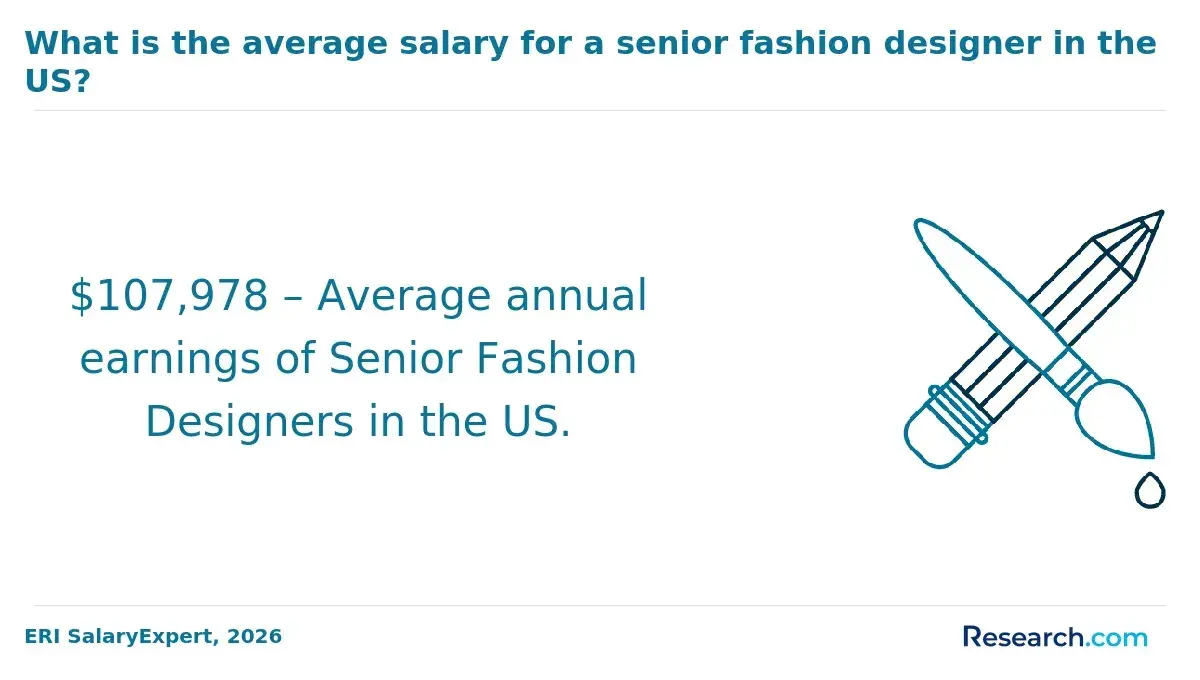
Online fashion design graduates typically earn between $37,000 and $100,000 annually, depending largely on their career stage, industry, and location. To provide more clarity, here is a breakdown of average salary prospects by common career levels and roles for those entering the fashion field after completing an online degree, reflecting the average salary for fashion designers in the USA.
These salary ranges highlight how fashion designer pay after online degree completion varies significantly based on experience and job responsibilities.
- Entry-Level Roles: Graduates starting as assistant designers, patternmakers, or design room assistants usually earn between $37,000 and $66,000 per year. Pay varies with factors like employer size and geographic location, while these roles mainly offer foundational industry experience.
- Mid-Career Professionals: Designers and buyers with several years of experience often see salaries ranging from $57,000 to $71,000. Networking, developing a unique style, and client relationships can boost earnings, especially in fashion hubs like New York or California where wages often exceed $90,000.
- Specialized Positions: Jobs such as patternmakers, brand managers, and production managers command $66,000 to $77,000 annually, benefiting from technical skills or business expertise that improve job stability and salary levels.
- Leadership Roles: Chief designers and department heads typically earn between $65,000 and $100,000, with potential for higher pay in large organizations. These roles require extensive industry experience and a strong portfolio showing creative leadership.
- Industry Variations: Salaries fluctuate widely by sector, ranging from $93,770 in fashion media to $108,770 in PR and up to $157,570 in executive positions. Freelancers' incomes vary based on brand reputation and market demand.
Accelerating your online degree can reduce costs but does not directly increase earning potential, which depends more on professional development and industry niche. For information about advanced or dual studies that can complement your fashion design education, consider exploring undergraduate international dual degree programs.
Here's What Graduates of Online Fashion Design Programs Have to Say About Their Degree
- Aaliyah: "Completing my online fashion design degree was a transformative experience that allowed me to balance my creative passions with family responsibilities. The flexibility of the program meant I could learn at my own pace without sacrificing the quality of education. I now have a growing portfolio and have secured internships that might have been impossible with a traditional schedule. This degree truly opened doors to a stable career in a competitive industry."
- Carlos: "Pursuing a fashion design degree online challenged me to develop strong self-discipline and time management skills, which have been invaluable as I launched my own sustainable clothing brand. The exposure to diverse design theories and digital tools gave me the confidence to innovate. Beyond the technical skills, connecting virtually with students across the country inspired a shared passion for ethical fashion and community impact."
- Jasmine: "The greatest benefit of earning my online fashion design degree was the professional development opportunities it provided. Interactive projects and virtual critiques from industry experts helped me refine my techniques and professional presentation. Since graduating, I've advanced rapidly in my career, moving from assistant designer to lead designer within two years. This program truly prepared me for the dynamics of modern fashion careers."
Other Things You Should Know About Online Fashion Design Degree Programs
In 2027, completing an online fashion design degree typically takes 2 to 4 years for a bachelor's program, depending on course load and program structure. Faster completion is possible through accelerated programs or part-time study, affecting duration. Online degrees offer flexibility, catering to various learning paces and schedules.
In 2027, career support for online fashion design students includes access to virtual career fairs, online networking with industry professionals, personalized career counseling, and digital portfolios. These resources are designed to bridge the gap between education and employment, ensuring students are well-prepared for their careers.
References
- Changing Masters course midway, is it possible https://www.thestudentroom.co.uk/showthread.php
- Online Diploma in Fashion Design – Certification Course https://preston.edu.pk/online-diploma-in-fashion-design.php
- RPL (Record of Prior Learning) https://www.istitutomarangoni.com/en/rpl-record-of-prior-learning-istituto-marangoni-london
- Fashion Design - I CYCLE STUDIES https://en.wst.com.pl/education_offer/fashion_design
- The Fashion Design Institute https://www.thefashiondesigninstitute.com/nz/en/blog-study-online
- Certificate in Fashion Design — ACADEMY OF FASHION & STYLING https://www.academyoffashionandstyling.com/fashion-design
- Online versus Offline Fashion Degree | Fashion School Degrees and Diplomas https://villiotifashioninstitute.co.za/online-versus-offline-fashion-degree/
- Fashion Studies Program https://www.cod.edu/academics/programs/fashion/
- A Career In Fashion Designing After Graduation https://idea-worldwide.com/blog/a-career-in-fashion-designing-after-graduation


