
2027 Are There Any One-Year Online Sports Psychology Degree Programs Worth Considering?

Co-Founder and Chief Data Scientist
Students searching for a one-year online Sports Psychology degree are usually trying to solve a practical problem: they want sport psychology training quickly, without leaving work, coaching, athletics, or family responsibilities. The challenge is that “one-year degree” can mean very different things. Some programs are truly accelerated, some are competency-based, and many are simply flexible online degrees that still take longer than a year.
This guide explains what is realistic in 2026 for online sports psychology study. It covers whether a degree can be completed in one year, which accelerated options come closest, what to check before applying, how costs and financial aid work, and how to evaluate whether a program supports your career goals. It is especially useful for coaches, trainers, athletes, psychology graduates, educators, and working professionals who want to apply mental performance principles in sport, fitness, or wellness settings.
The most important point is simple: fully accredited one-year online Sports Psychology degree programs are limited or unavailable in the United States, especially at the master’s level. However, students can still find shorter online pathways, accelerated course formats, and related programs that may help them build sport psychology expertise faster than a traditional degree route.
Key Points About One-Year Online Sports Psychology Degree Programs
- One-year online Sports Psychology degrees offer accelerated curricula focusing on applied mental skills, contrasting with traditional programs that include broader psychological theory and longer clinical practicums.
- Students should expect highly condensed coursework emphasizing performance enhancement and athlete counseling, often with limited research components compared to standard two-year or longer degrees.
- These programs cater to working professionals; however, fewer accredited one-year options exist in Sports Psychology, reflecting its niche status and rigorous clinical requirements in the field.
Is It Feasible to Finish a Sports Psychology Degree in One Year?
Finishing a full Sports Psychology degree online in one year is usually not realistic. Most bachelor’s degrees require around 120 credit hours, which is designed for several years of study even when courses are delivered online. Graduate programs are shorter, but even accelerated master’s degrees commonly require at least 12 to 16 months of full-time study, and many take longer.
The reason is not only credit volume. Sport psychology programs often include sequential coursework in psychological science, performance enhancement, research methods, ethics, counseling-related concepts, and applied practice. Some courses must be completed before others, which limits how much students can compress the schedule.
Practical training is another constraint. Students who want to work toward professional credentials, supervised practice, or roles involving athlete counseling or mental performance consulting need applied experience that cannot be rushed without weakening the training. Clinical or counseling work may also require additional education, supervised hours, and licensure beyond a sports psychology degree.
When a one-year timeline may be possible
A one-year path may be possible only in narrow situations, such as when a student:
- has substantial transfer credit or prior graduate coursework accepted by the institution;
- chooses a competency-based program and completes assessments quickly;
- studies full time without significant work or family obligations;
- selects a program that does not require extensive in-person or supervised fieldwork; or
- pursues a certificate rather than a full degree.
For most students, a more realistic goal is to find an online program that is accelerated, well-structured, and aligned with career or certification goals, even if it takes more than one year.
Are There Available One-year Online Sports Psychology Degree Programs?
There are currently no accredited one-year online sports psychology master’s programs available in the United States. Undergraduate sports psychology pathways generally follow the structure of a traditional bachelor’s degree and require around 120 credit hours, even when offered online. These programs need enough time to cover psychology fundamentals, research literacy, human behavior, and sport-focused applications.
At the graduate level, students can find faster online options, but they should expect a minimum commitment of 15 to 24 months for most accelerated online sports psychology degree pathways. These programs may use shorter terms, multiple start dates, transfer credit policies, or competency-based formats to help students finish sooner, but they do not usually compress the entire degree into one year.
Accelerated online options that come close
- Arizona State University (Master's): This program includes a 30-credit curriculum focused on interdisciplinary learning and mental performance optimization. GRE scores are optional, and students can complete the degree in 3-4 semesters of full-time study. Flexible day and evening classes plus internship opportunities support applied learning.
- National University (Master's): This program includes 36 fully online credits and starts every Monday. It aligns with Certified Mental Performance Consultant (CMPC) standards, emphasizes practical application, and typically takes 18-21 months to complete.
- Capella University (Master's, FlexPath): Capella’s competency-based FlexPath format lets students move ahead as they demonstrate mastery. The average completion time is 15 months, and highly motivated students may finish sooner, although faster completion is not guaranteed.
Students comparing degree formats may also benefit from reviewing accelerated online associate's programs to understand how credit transfer, course pacing, and flexible schedules work in other online education pathways.
Degree versus certificate
If your goal is rapid skill development rather than a full academic credential, a certificate may be more realistic than a one-year degree. Certificates can be useful for coaches, trainers, and educators who want targeted training in motivation, mental skills, injury response, and performance psychology. However, certificates do not replace a degree when an employer, graduate school, licensure board, or certification body requires one.
Why Consider Taking Up One-year Online Sports Psychology Programs?
Students consider one-year or near-one-year online Sports Psychology programs because they want focused training without the time commitment of a traditional campus-based degree. The strongest programs are not simply “fast.” They are structured to help students learn applied concepts efficiently while maintaining academic quality, faculty access, and career relevance.
Because fully accredited one-year Sports Psychology degrees are limited, the better question is whether an accelerated online program gives you the right combination of speed, credibility, applied training, and flexibility. For many working professionals, the answer may be yes if the program fits their career path and does not overpromise outcomes.
- Flexible scheduling: Asynchronous or partially asynchronous coursework can help coaches, trainers, athletes, and working professionals study without relocating or leaving their jobs.
- Focused curriculum: Courses often emphasize athlete motivation, stress management, performance routines, injury recovery, team dynamics, and mental skills training.
- Faster skill application: Students who already work in sport, fitness, education, or wellness settings may be able to apply concepts immediately in coaching conversations, team preparation, or athlete support.
- Career positioning: A graduate-level sport psychology program can strengthen preparation for roles related to mental performance, athletic leadership, coaching, wellness, or continued psychology study.
- Access to online learning: Online delivery can expand options for students who do not live near a campus with sport psychology coursework.
- Potential cost efficiency: A shorter or competency-based path may reduce the time a student spends paying tuition and fees, although total cost depends on the institution and pace of completion.
Students should be cautious with any program that markets itself as a guaranteed one-year route to becoming a sports psychologist. Job titles, scope of practice, certification, and licensure requirements vary, and a degree alone may not qualify graduates for clinical or counseling roles. Still, accelerated online study can offer many of the benefits of accelerated online sports psychology degrees when students choose carefully and understand the limits of the credential.
What Are the Drawbacks of Pursuing One-year Online Sports Psychology Programs?
The main drawback of a one-year online Sports Psychology program is that speed can conflict with depth. Sport psychology is an applied field that depends on theory, ethics, communication skill, cultural awareness, and supervised experience. A compressed format may work for disciplined students, but it can be difficult for those who need more time to absorb concepts or build practical confidence.
- Intensive course load: Accelerated terms move quickly. Students may need to complete readings, discussions, papers, exams, and applied projects in short windows, which increases the risk of burnout.
- Limited networking opportunities: Online students may have fewer informal chances to meet faculty, classmates, athletic department staff, or local sport organizations unless the program intentionally supports networking.
- Lack of hands-on experience: Applied work with athletes, teams, coaches, or clients is central to sport psychology. Fully online programs may require students to arrange local field experiences on their own.
- Credential confusion: Some students assume an online sports psychology degree automatically leads to counseling licensure or the title “sports psychologist.” In many cases, additional graduate education, supervised hours, certification, or licensure may be required.
- Less room for exploration: A fast program leaves little time to test different career directions, such as coaching support, performance consulting, research, counseling, or wellness programming.
How to reduce these risks
Before enrolling, ask how the program supports internships, mentorship, professional networking, and career planning. Students should also create a weekly study schedule, speak with current students or alumni when possible, and confirm whether the curriculum supports any certification or licensure goals they may have. If practical experience is limited, look for volunteer roles, coaching opportunities, athletic department projects, or supervised placements that can complement online coursework.
What Are the Eligibility Requirements for One-year Online Sports Psychology Programs?
Eligibility requirements for accelerated online sports psychology programs depend on the degree level, but most near-one-year options are graduate programs. Applicants usually need a completed bachelor’s degree, a clear academic record, and a strong explanation of how sport psychology fits their career goals.
These programs are commonly offered as Master of Science (MS) or Master of Arts (MA) degrees for students who want advanced training in mental performance, athlete behavior, and applied sport psychology. Admission committees often weigh transcripts, recommendations, professional background, and the statement of purpose more heavily than standardized test scores.
Most programs require applicants to hold a bachelor’s degree from an accredited institution. Some prefer prior coursework or experience in psychology, kinesiology, exercise science, coaching, counseling, education, or a related field. For example, Arizona State University's Master of Science in Sport Psychology suggests a preference for students with a social science background, although this is not mandatory.
- Bachelor's degree: Applicants typically must have completed a bachelor’s degree from an accredited college or university.
- Academic transcripts: Official transcripts are used to evaluate academic preparation. Some institutions may require a minimum GPA, such as 3.0.
- Letters of recommendation: Programs often request academic or professional references who can comment on the applicant’s readiness for graduate study.
- Statement of purpose: This essay should explain the applicant’s career goals, interest in sports psychology, relevant experience, and reasons for choosing the program.
- Resume or CV: A resume can highlight coaching, athletic, counseling, psychology, education, wellness, or leadership experience. Professional experience may strengthen an application but is not always mandatory.
- GRE requirements: Most programs do not require Graduate Record Examination scores, which can make admission more accessible for working professionals.
- Interviews: Some programs may request an interview, although this is less common for fully online options.
Prerequisite courses, placement exams, or background checks are uncommon but can vary by institution and by any field placement requirements. Competency-based formats, such as FlexPath models, may allow quicker progression for students who can demonstrate prior knowledge. Prospective students should verify each requirement directly with the school and compare tuition carefully, especially if they are looking for a low cost online master's degree.
What Should I Look for in One-year Online Sports Psychology Degree Programs?
When evaluating one-year or accelerated online Sports Psychology degree programs, prioritize credibility over speed. A shorter timeline is useful only if the program is properly accredited, academically rigorous, transparent about costs, and aligned with your intended career path.
- Accreditation for online sports psychology programs: Confirm that the institution is regionally accredited. This matters for credit transfer, employer recognition, graduate study, and professional credentials such as the Certified Mental Performance Consultant (CMPC), which requires degrees from qualifying institutions.
- Curriculum alignment with credentialing requirements: The CMPC certification requires coursework across eight core areas, including professional ethics, sport psychology principles, psychopathology, and diversity. Programs that clearly map courses to these areas can make future certification planning easier.
- Faculty expertise: Look for instructors with current sport psychology research, applied consulting, coaching, counseling, or performance background. Faculty experience can influence the quality of feedback, mentorship, and professional guidance.
- Practical training opportunities: CMPC requires 400 hours of mentored experience, with at least 200 hours in direct client contact. Programs that help students identify practicum settings, mentors, or applied projects are stronger than programs that leave field experience entirely to the student.
- Admission requirements for one-year sports psychology degrees: Review prerequisites, GPA expectations, transcript rules, recommendation requirements, and any background checks before applying. This helps you avoid delays that can undermine an accelerated timeline.
- Cost transparency and credit policies: Ask for the full cost, including tuition, fees, books, technology fees, practicum-related costs, and any residency or in-person requirements. Also check how transfer credits or prior learning may affect completion time.
- Career services and alumni outcomes: Strong programs should provide career advising, internship support, resume guidance, and realistic information about common graduate paths.
- Fit with your end goal: A coach seeking mental skills training may need a different program than a student planning doctoral study or a professional aiming for certification.
Questions to ask before enrolling
- Is the institution regionally accredited?
- Can the degree realistically be completed in one year, or is the advertised timeline based on an unusually heavy course load?
- Does the curriculum align with CMPC coursework areas?
- Who supervises applied experience, and how are placements arranged?
- Will the program support my intended job, certification, graduate study, or licensure pathway?
- What is the total cost if I complete the program at a normal pace rather than the fastest possible pace?
Students exploring advanced psychology-related pathways may also review 1 year PhD programs, but they should note that specific one-year Sports Psychology degrees remain limited and doctoral-level psychology credentials generally require careful verification of accreditation and professional requirements.
How Much Do One-year Online Sports Psychology Degree Programs Typically Cost?
The cost of a one-year or accelerated online Sports Psychology program depends on the institution, degree level, tuition model, pace of completion, and whether the program is fully online or hybrid. Students should compare total program cost rather than only the per-credit tuition rate.
For example, Capella University's program ranges roughly from $12,300 to $33,825 depending on completion pace. Competency-based programs can cost less for students who move quickly, but they can cost more if students need additional terms. Traditional credit-based programs may offer more predictable pricing but less flexibility in completion speed.
Costs can also include application fees, technology fees, textbooks, online learning resources, practicum-related expenses, and materials required for applied assignments. If a program includes fieldwork, students may need to account for transportation, background checks, professional liability coverage, or site-specific requirements, depending on the placement.
Compared to traditional four-year undergraduate degrees, which typically charge between $12,596 and $28,017 per year depending on the school type, accelerated master’s programs can be a more concentrated option for students who already hold a bachelor’s degree. However, “shorter” does not automatically mean “cheaper.” A private online program completed quickly may still cost more than a slower public university option.
How to estimate your real cost
- Request the full tuition and fee schedule from the school.
- Ask whether tuition is charged by credit, term, subscription period, or competency.
- Confirm whether transfer credits can reduce the number of credits required.
- Calculate the cost at a realistic pace, not only the fastest advertised timeline.
- Compare financial aid, employer tuition assistance, scholarships, and payment plans.
What Can I Expect From One-year Online Sports Psychology Degree Programs?
Students in one-year or accelerated online Sports Psychology programs should expect a demanding schedule, applied coursework, and a strong emphasis on self-management. The format can be convenient, but it is not easy. Courses may move quickly, assignments may be layered, and students often need to balance research, discussion, case analysis, and applied projects at the same time.
Coursework commonly examines psychosocial factors that affect athletic performance, mental skills training, motivation, stress response, injury recovery, team dynamics, ethics, and diversity considerations. Some accelerated sports psychology programs are designed with Certified Mental Performance Consultant (CMPC) standards in mind, which can be important for students planning to pursue that credential later.
Many programs use online modules that may be asynchronous and fast paced, with some courses lasting about 7.5 weeks each. This structure can work well for disciplined students who can study consistently every week. It may be harder for students who need frequent live instruction, extensive peer interaction, or a slower pace for research and writing assignments.
Typical learning experience
- Online lectures and readings: Students review theory, research, and applied models related to athlete performance and well-being.
- Discussion boards or live sessions: Programs may use online discussions, group work, or synchronous meetings to connect students and faculty.
- Case-based assignments: Students may analyze athlete scenarios involving motivation, anxiety, confidence, injury, or performance pressure.
- Applied projects: Assignments may ask students to design mental skills plans, reflection exercises, performance routines, or consultation frameworks.
- Internships or experiential learning: Some programs include applied experiences that help students connect coursework to sport, fitness, or mental health settings.
Prospective students should also understand online sports psychology degree outcomes before enrolling. Graduates may use the degree in coaching, performance consulting support, athletics administration, wellness, fitness, education, or further graduate study. Those seeking clinical counseling roles or the title of psychologist should verify additional degree, supervision, certification, and licensure requirements in their state or professional field.
Students comparing online institutions can use resources on national accredited universities as part of a broader review of school quality, accreditation, and online learning options.
Are There Financial Aid Options for One-year Online Sports Psychology Degree Programs?
Financial aid may be available for students pursuing online Sports Psychology programs, but eligibility depends on the school, degree level, enrollment status, citizenship status, and accreditation. Students should start the financial aid process early because scholarship deadlines, aid disbursement dates, and employer reimbursement policies may not match accelerated start dates.
- Federal and State Aid: Eligible U.S. citizens and qualified non-citizens can complete the FAFSA to apply for federal financial assistance. For undergraduate study, this may include Pell Grants and student loans; for graduate study, federal aid is more commonly loan-based. Many states also offer grants for residents attending accredited online programs, with eligibility depending on financial need, enrollment status, and program details.
- Scholarships: Universities, professional organizations, foundations, and private donors may offer academic or field-specific scholarships. Awards may be based on academic achievement, financial need, leadership, athletic background, or a demonstrated commitment to sports psychology. Certain institutions, like Capella University, provide specialized scholarships for psychology master’s students.
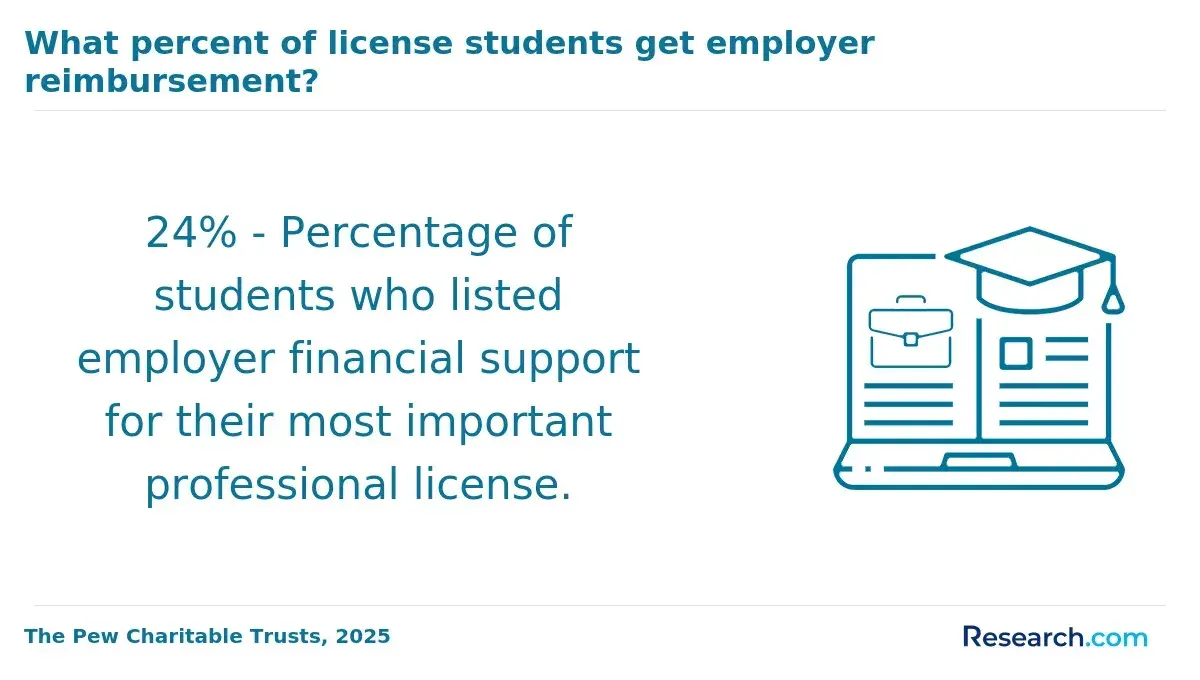
- Employer Tuition Assistance: Working professionals in health, fitness, athletics, education, or wellness settings may qualify for tuition reimbursement or employer-sponsored education funding. These benefits may require the program to relate to the employee’s current role and may include continued employment conditions after graduation.
Financial aid checklist
- Confirm that the school participates in federal financial aid programs.
- Complete the FAFSA as early as possible.
- Ask whether aid is affected by accelerated terms or part-time enrollment.
- Search for institutional scholarships before applying.
- Check whether employer tuition assistance covers online graduate programs.
- Compare payment plans, military benefits, transfer credit, and tuition discounts if applicable.
Students should avoid choosing a program based only on advertised tuition. The better comparison is net cost after grants, scholarships, employer support, transfer credit, and realistic completion time.
What Sports Psychology Graduates Say About Their Online Degree
- Jaime: "Completing the one-year online Sports Psychology degree accelerated my career in ways I never imagined. The curriculum was intensive but well-structured, allowing me to apply concepts immediately in my coaching role. Considering the reasonable average cost of attendance, this program was a fantastic investment."
- Enzo: "Choosing a competency-based online Sports Psychology program gave me the flexibility to balance work and study without feeling overwhelmed. The reflective assignments helped deepen my understanding of athlete motivation, and finishing within a year felt rewarding. I appreciate how accessible and engaging the coursework was throughout."
- Rowan: "The Sports Psychology program's fast-paced format challenged me to stay focused, resulting in a comprehensive grasp of mental health strategies in sports. My professional interactions have improved significantly since graduation, validating the efficacy of such an accelerated degree. The affordability compared to traditional programs was an added bonus."
Other Things You Should Know About Pursuing One-Yeas Sports Psychology Degrees
Transferring credits into a one-year online Sports Psychology degree program generally involves submitting official transcripts and course descriptions to demonstrate comparability. Approval depends on individual program policies and the relevance of previously completed courses to the Sports Psychology curriculum. It's essential to consult the specific university's guidelines for detailed instructions.
Accreditation is critical as it ensures the program meets academic quality standards recognized by employers and licensing bodies. Regionally accredited institutions typically hold more value than nationally accredited ones in the U.S. For Sports Psychology degrees, accreditation of both the institution and the psychology-related curriculum can affect eligibility for certifications and graduate study.
For 2027, many one-year online sports psychology programs incorporate internships or practical components to provide hands-on experience. This practical exposure is crucial for developing applied skills, understanding client interactions, and improving employability in the sports psychology field.
References
- Sport and Exercise Psychology (Online) | Health Sciences University https://www.hsu.ac.uk/course/msc-sport-and-exercise-psychology-online/
- Sports Psychology Degree Guide 2024 https://sportsdegreesonline.org/bachelors/sports-psychology/
- Online Sports Psychology Degree Programs | Psychology.org https://www.psychology.org/online-degrees/sports-psychology/
- Sports Psychology Degree Programs Online and In-Person | UWS https://www.uws.edu/sport-performance-psychology/
- Sport and Exercise Psychology (Online) https://springfield.edu/graduate-programs/sport-and-exercise-psychology-online
- Psychology Degree Online: Explore the Benefits and Drawbacks https://education.alot.com/higher-education/psychology-degree-online-explore-the-benefits-and-drawbacks--19930
- MSc Sport Psychology and Body Psychology online | Top University/Provider in Germany https://academic-institute.com/online-degree/msc-sport-body-psychology/
- Sport Psychology https://annescollege.fsu.edu/sport-psychology
- Pros and Cons Of an Online Sports Management Degree - Sports Management Degrees https://sportsmanagementdegrees.net/pros-and-cons-of-an-online-sports-management-degree/


