
2027 Credit Requirements for a Public Safety Degree Explained

Co-Founder and Chief Data Scientist
Many students pursuing a public safety degree struggle with unclear credit requirements, causing delays in graduation and increased costs. According to the U. S. Bureau of Labor Statistics, employment in protective service occupations is projected to grow 6% from 2022 to 2032, emphasizing the need for streamlined academic pathways. However, 40% of public safety students face challenges transferring credits between institutions, complicating their education plans.
This article, prepared by career planning experts, clarifies credit hour demands, transfer policies, and course planning strategies. It guides readers to navigate degree requirements efficiently, helping them graduate on time and enter the growing public safety workforce with confidence.
Key Things to Know About Credit Requirements for Public Safety Degrees
- Total credit requirements for public safety degrees determine program length, typically ranging from two to four years depending on full-time or part-time study.
- Transfer credits and recognition of prior learning can shorten coursework, helping students complete their degree faster and potentially reduce overall education expenses.
- The credit structure influences academic progression, affecting how quickly graduates can enter public safety careers, where trained professionals are consistently in demand.
How Many Credits Are Required for a Public Safety Degree?
Planning for time-to-degree completion requires a clear grasp of credit expectations across different public safety degree levels. Knowing the typical credit load helps students align their coursework with academic and career goals effectively.
The following outlines common public safety degree credit requirements by level.
- Associate degree: Typically requires approximately 60 to 70 credits, focusing on foundational general education and introductory public safety courses. This credit range provides the basic knowledge needed for entry-level roles or further study.
- Bachelor's degree: Usually demands around 120 credits, divided among general education, core major requirements, and electives. This structure allows students to deepen expertise in areas like emergency management, law enforcement, or fire science while fulfilling broad academic foundations.
- Master's degree: Requires about 30 to 40 graduate-level credits beyond the bachelor's degree. Coursework centers on advanced study, leadership, research methods, and specialized public safety topics emphasizing mastery rather than breadth.
Students exploring credit variations and course planning in public safety will benefit from understanding these typical ranges. For those considering further educational options, exploring related fields such as an artificial intelligence degree online may broaden career pathways and complement public safety expertise.
Being familiar with public safety degree credit requirements and credits needed for public safety program completion assists students in managing academic workloads, transferring credits appropriately, and achieving timely graduation.
How Many Core and Elective Credits Are Required for a Public Safety Degree?
Balancing core course credit requirements for public safety degree programs with electives is essential for effective academic planning and career readiness. This balance influences how well students develop foundational knowledge while customizing their studies to suit evolving professional demands. Current data suggest that most public safety degree students allocate 60% to 70% of their credits to core subjects, reflecting their importance in the curriculum.
Core and elective credits each serve distinct purposes in shaping a student's expertise and skills. Consider the following breakdown:
- Core Courses: Typically comprising 30 to 40 credits, core courses focus on essential subjects such as emergency management, criminal justice, risk assessment, and public policy. These courses build foundational competencies critical for career success in public safety, emphasizing practical skills like incident command and crisis intervention.
- Elective Credits: Usually ranging from 15 to 25 credits, electives allow students to explore specialized topics like cybersecurity, fire science, or health and safety regulations. Such electives enable learners to tailor their degree to individual interests and industry trends, enhancing adaptability and professional growth.
Students who align their elective choices with career goals often graduate more prepared for specialized roles within public safety. For those interested in combining safety expertise with technical skills, exploring related fields like an engineering degree online might offer valuable complementary knowledge. Overall, strategic credit planning supports timely completion and job market readiness in public safety education.
Do Online Public Safety Programs Require the Same Number of Credits?
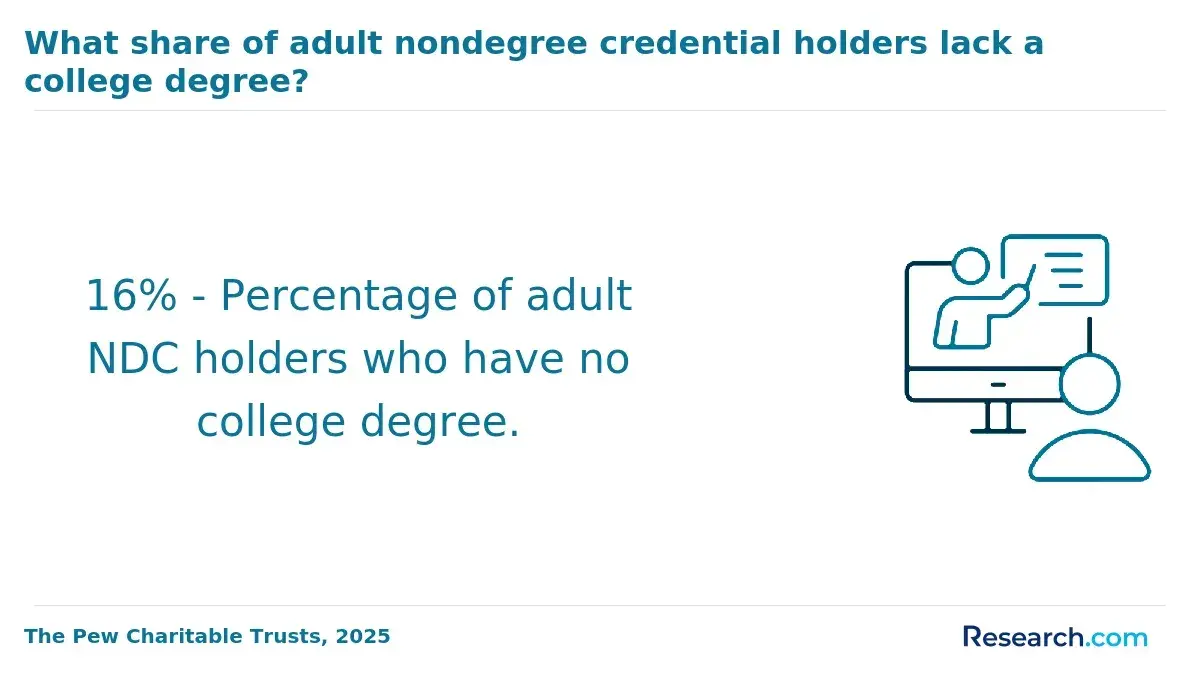
Knowing how credit requirements compare between online and on-campus public safety programs is essential for students when organizing their academic journey and evaluating different options. This understanding helps to prevent credit transfer issues and supports timely graduation. Enrollment in online public safety programs is growing at a rate of about 8% annually, highlighting their expanding role in accessible education.
Key points to consider include:
- Typical credit ranges: Online public safety degrees generally require between 60 and 120 credits, similar to traditional programs. These ranges correspond to associate's or bachelor's level degrees, ensuring consistent academic standards.
- Course structure and pacing: While course delivery methods may vary, credit values remain aligned with accreditation criteria. Online programs frequently offer flexible pacing options to accommodate part-time or full-time study.
- Workload and graduation timelines: The time to complete the degree depends more on course load and progression than on differences between delivery formats. Credit requirements are designed to meet professional readiness benchmarks.
- Credit transfer policies: Acceptance of transfer credits can differ among institutions. Early advising is advised to confirm eligibility and avoid delays in completing degree requirements.
Breakdown of All 2-Year Online Title IV Institutions

How Many Credits Are Required in Accelerated Public Safety Programs?
Students aiming to fast-track their education need to know the credit requirements for accelerated programs to plan effectively and avoid unexpected challenges. Being aware of these details helps manage course loads and meet graduation timelines efficiently.
Here are key points about credit expectations in accelerated public safety programs:
- Typical Credit Ranges: Accelerated undergraduate programs in public safety generally require between 36 and 60 credits, which is lower than traditional degrees due to condensed coursework. Graduate and professional accelerated tracks usually demand 30 to 45 credits, focusing on advanced skills and knowledge.
- Credit Structure: Credits are divided mainly between core classes that cover essential public safety topics and electives that allow students to specialize. Core courses make up the majority to ensure a strong foundation, while electives provide supplementary expertise.
- Impact of Accelerated Pacing: These programs run at a faster tempo with more frequent classes or intensive sessions, resulting in heavier course loads each term. Students should expect longer study hours and quicker deadlines, highlighting the need for effective time management.
- Transfer Policies: Many accelerated programs permit transfer credits from related academic work, which can reduce the total credits required. Understanding transfer eligibility and limits is vital for students with previous coursework in similar fields.
How Many Transfer Credits Are Accepted Toward a Public Safety Degree?
Knowing how many transfer credits a public safety program accepts is key for students aiming to save time and tuition costs. Nearly half of undergraduate students transfer credits during their studies, underscoring the value of clear transfer policies in these programs.
Here's a breakdown of typical credit acceptance by degree level.
- Associate Degrees: These programs often accept between 60% and 70% of previously earned credits from accredited institutions, enabling students to complete their degrees faster. Most transferred credits apply to general education and electives rather than specialized public safety courses.
- Bachelor's Degrees: Transfer limits generally reach up to 75% of total credits, but students usually must retake core public safety classes if prior coursework doesn't align with program standards. Electives and general education credits are more commonly accepted.
- Master's Degrees: Graduate programs typically allow 6 to 12 transfer credits, mostly from relevant graduate-level courses. Core public safety or leadership subjects often require completion within the enrolled institution.
- Professional, Doctoral, and Accelerated Programs: These pathways have more stringent transfer limits and often need official pre-approval to ensure transferred credits meet exacting academic criteria.
Transferred credits usually satisfy broad curriculum requirements first, with stricter evaluation applied to essential public safety coursework needed for graduation.
Can Work Experience Count Toward Public Safety Degree Credits?
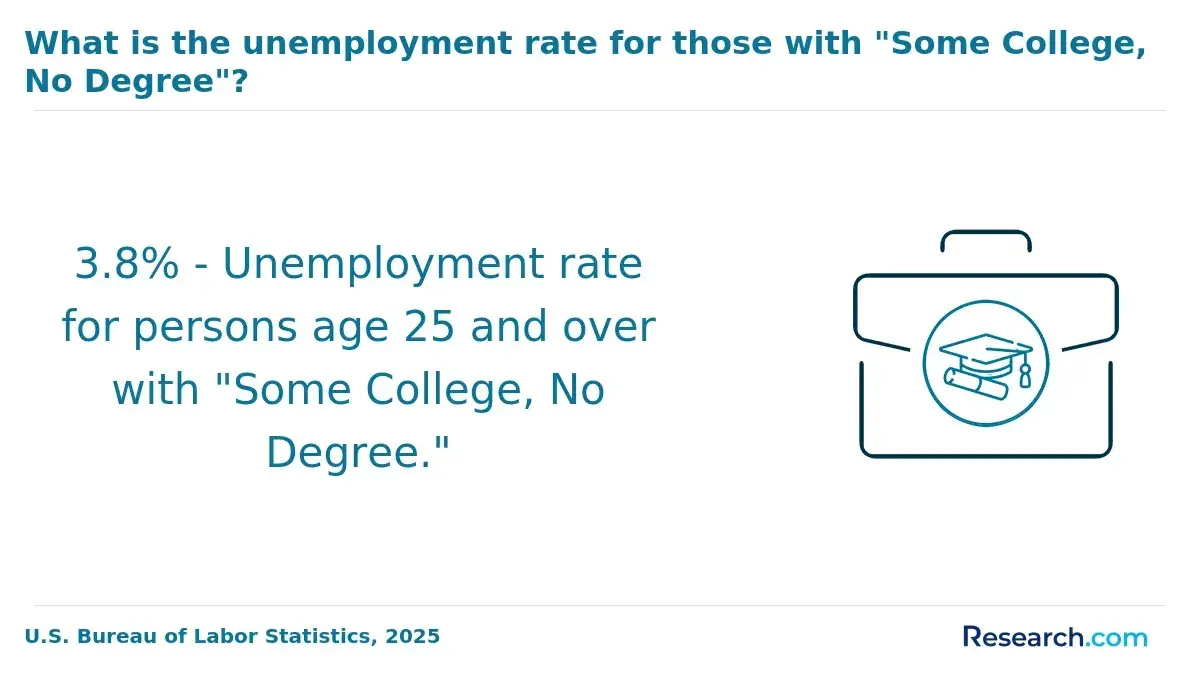
Prior learning assessment (PLA), also known as credit for experience, allows students to earn academic credits based on relevant professional work outside traditional classrooms. Typically, eligible work experience for a public safety degree involves careers like law enforcement, firefighting, emergency medical services, and first responder roles.
Below are common categories of qualifying experience and important considerations regarding prior learning credits for public safety programs.
- Relevant Occupational Roles: Universities assess positions such as law enforcement officers, firefighters, EMTs, and safety inspectors by requiring detailed documentation including resumes, official job descriptions, and employer verification letters. This ensures experience directly aligns with program outcomes.
- Supervisory and Training Experience: Time spent in supervisory capacities or certified training programs is often eligible, though institutions may require supplemental assessments such as exams or competency projects to confirm proficiency.
- Documentation and Evaluation Process: Thorough portfolios, professional certifications, and employer letters typically form the evidence base. Institutions limit credits earned through PLA-usually capping at 30 to 50 percent of degree requirements-to maintain academic rigor.
- Impact on Degree Completion: Using credit for work experience in public safety degree programs can shorten time-to-degree and reduce tuition expenses, offering financial benefits and accelerated graduation timelines.
- Limitations and Risks: Students should be aware that stringent documentation requirements and credit transfer restrictions pose potential challenges, and some submissions may not be approved for credit.
Students balancing work and study may also explore options such as an executive online MBA to further advance their education. Integrating prior learning credits effectively demands careful academic planning to meet program credit requirements while maximizing professional experience validation.
Do Licensure Requirements Affect Credit Hours in a Public Safety Degree?
Licensure credit hour requirements for public safety degrees can significantly influence the total number of credit hours students must complete. Many licensing boards require specific coursework, supervised internships, or clinical hours that extend beyond standard degree guidelines.
These additional professional licensing requirements often mean students need to take courses in specialized areas such as emergency management, fire science, or law enforcement, which are integrated into accredited programs to meet licensure standards. Because these mandates vary by state and licensing agency, the impact on credit hours and the overall time-to-degree can differ widely, sometimes increasing tuition costs and lengthening program duration.
The relationship between licensure, accreditation, and credit requirements is crucial for academic planning. Accreditation bodies typically ensure that public safety curricula align with professional licensure criteria, creating a streamlined path for certification. However, this alignment also presents challenges like limited course substitutions or tighter transfer credit policies.
Both campus and online programs can accommodate these standards, with online options often providing more flexibility for fulfilling clinical hours or practicum experiences. Prospective students should consider how the impact of professional licensing on public safety degree credits might affect their educational timeline and explore resources such as what bachelors degree should I get to make informed decisions.
How Do Universities Calculate Credits for a Public Safety Degree?
A credit hour represents the amount of time a student spends in direct instruction, typically one hour per week for a 15-week semester. Understanding credit calculations is vital for students planning a public safety degree to efficiently map out their academic progress and meet graduation requirements.
- Lecture courses: These generally award one credit hour for every 50 to 60 minutes of weekly class time. Lectures form the backbone of the curriculum, usually accounting for a majority of the credits within a program.
- Lab sessions: Labs require more hands-on time, often two to three hours weekly, to earn one credit hour. These practical experiences reinforce theoretical knowledge.
- Clinical or practicum experiences: These combine supervised, hands-on training with academic assignments. Credit hours depend on contact time and additional coursework, providing essential real-world skills.
- Capstone or project-based courses: Credits are awarded through a combination of independent research or group projects guided by faculty mentorship. This culminates the learning experience, integrating concepts across courses.
Universities use different credit calculation methods for undergraduate and graduate public safety programs; graduate courses often require fewer but more intensive credits. Additionally, online programs follow the same credit hour standards as on-campus ones despite differing schedules. Prospective students should research how colleges determine credits for public safety programs to transfer credits smoothly and complete degrees on time.
For students seeking flexible education options, consider exploring quick online degrees that align with public safety and other career goals.
How Do Public Safety Degree Credit Requirements Affect Graduation Timelines?
Total credit requirements for a public safety degree usually fall between 60 and 120 credits, varying by whether the program is at the associate or bachelor's level. These credit totals are crucial to estimating how long it will take to finish the degree.
Several important factors can affect how quickly students complete their programs:
- Required core credits: These are essential courses covering topics like law enforcement, emergency management, and fire science. Completing these mandatory credits forms the foundation of the degree and largely determines the length of study.
- Elective requirements: Electives provide flexibility, allowing students to focus on specialized subjects within or adjacent to public safety. Choosing more or fewer electives can either extend or shorten time to graduation.
- Transfer credits: Credits earned at other institutions and accepted by the new school can reduce the total number of courses needed. This often speeds up degree completion by covering core or elective requirements early.
- Accelerated formats: Some programs offer fast-track schedules or cohort models, enabling students to earn credits more quickly than in traditional semester setups. These options can significantly shorten the time needed to graduate.
- Prior learning assessment (PLA): Recognizing relevant work experience or professional certifications through PLA can lower credit requirements. This recognition allows students to bypass certain courses, thereby reducing overall time to finish the degree.
Whether attending classes online or on campus, the pace at which students complete these credit demands varies. Online formats often allow for more flexible scheduling and heavier course loads, promoting faster progress. In contrast, on-campus programs typically adhere to fixed semester calendars, which may lengthen the timeline. Strategic academic planning around these credit components is essential for timely graduation in public safety programs.
Do More Credits Lead to Better Career and Salary Outcomes for Public Safety Graduates?
Accumulating additional academic credits beyond a standard public safety degree can enhance career progression by qualifying graduates for leadership roles and specialized positions that often offer higher salaries. These extra credits may also prepare students for niche fields or professional licensure, potentially increasing their marketability within certain sectors.
- Advanced Concentrations: Pursuing courses in areas like emergency management or cybersecurity can open access to specialized roles with greater responsibility and compensation.
- Licensure Preparation: Additional credits targeting certification requirements help graduates meet prerequisites for regulated occupations, improving job prospects and earning power.
- Technical Skill Development: Coursework focused on practical skills such as crisis management or technology applications enhances employability in dynamic public safety environments.
- Leadership Eligibility: Extra studies may better position candidates for supervisory or administrative jobs demanding both academic credentials and experiential knowledge.
- Basic Degree Sufficiency: Employers frequently prioritize degree completion and relevant experience over extra credits, especially for entry-level roles.
- Limited Immediate Salary Impact: Additional coursework alone rarely results in pay increases without corresponding advancement in job duties or rank.
- Operational Role Constraints: Those performing routine functions often gain minimal financial benefits from accumulating credits beyond graduation requirements.
- Experience-Based Hiring Trends: Labor markets typically reward proven skills and hands-on practice more than extended academic hours in public safety positions.
While coursework expansion can support advancement, it is crucial that candidates align their academic efforts with practical experience and employer expectations. Strategic credit accumulation targeted at licensure, specialization, or skill enhancement offers the greatest potential to improve career outcomes and salary trajectories in this field.
What Graduates Say About The Credit Requirements for Their Public Safety Degree
- Kathlyn: "Enrolling in the online public safety degree program gave me the flexibility to complete credits around my demanding work schedule, which was a game-changer. I was pleasantly surprised by the reasonable cost per credit compared to traditional schools, making it easier to invest in my education without financial strain. Earning those extra credits not only deepened my knowledge but directly contributed to my promotion within the department. "
- Calvin: "Choosing a traditional public safety program meant a more structured environment for me, but the option to accumulate additional credits at a manageable cost was invaluable. Reflecting on the entire experience, I appreciate how those extra credits expanded my skill set and opened doors to specialized roles I've grown into. Balancing expenses and education carefully paid off in advancing my career steadily. "
- Rica: "The flexibility of completing my public safety degree online allowed me to tailor my course load and pace, which was essential while working full-time. The credit costs were competitive, minimizing the financial burden without compromising quality. I found that accumulating those extra credits gave me a distinct advantage in the job market, clearly enhancing my professional competence and confidence. "
Other Things You Should Know About Public Safety Degrees
Yes, credit requirements can vary depending on the concentration chosen within a public safety degree program. For example, concentrations focusing on emergency management, homeland security, or fire science may have unique core courses and electives with distinct credit allocations. Students should review the curriculum of their chosen concentration to understand these specific credit structures.
General education credits are typically a required component of public safety degree programs, often making up around 30-40% of the total credits. These courses provide foundational knowledge in areas such as communication, math, and social sciences, which support the specialized training in public safety disciplines. Completion of these credits is necessary to meet graduation requirements.
References
- Public Safety Degree Requirements | Goodwin University https://www.goodwin.edu/enews/public-safety-degree-requirements/
- Online Public Safety Degree | Bachelor's (BS) Program | UWA Online https://online.uwa.edu/online-degrees/bs-bachelors-public-safety/
- Bachelor's Degree Public Safety Administration https://europe.umgc.edu/online-degrees/bachelors/public-safety-administration
- Elevating Law Enforcement: The Impact of a Criminal Justice Degree on Skills, Leadership, and Career Opportunities https://www.snu.edu/blog/elevating-law-enforcement-the-impact-of-a-criminal-justice-degree-on-skills-leadership-and-career-opportunities
- Master of Public Safety - Frequently Asked Questions | UVA SCPS https://www.scps.virginia.edu/programs/master-public-safety/master-public-safety-faq
- Online Bachelor's Degree: Public Safety Administration https://www.umgc.edu/online-degrees/bachelors/public-safety-administration
- Public and Emergency Services Degree Completion https://www.fdu.edu/lifelong-learning-at-fdu/professional-studies/public-service/
- Peace Officer/Public Safety Transfer Pathway https://www.alextech.edu/programs/peace-officer-public-safety-transfer-pathway
- Credit for Prior Learning in CJ & Public Safety - Bunker Hill Community College https://www.bhcc.edu/criminal-justice/creditforpriorlearningincjpublicsafety/
- Public Safety Administration Bachelor's Degree Program https://www.charteroak.edu/public-safety-administration/


