
2027 Can You Complete an Online Taxation Degree Program While Working Full-Time?

Co-Founder and Chief Data Scientist
Many full-time professionals face the difficult issue of managing demanding work hours alongside family responsibilities while pursuing an online taxation degree. According to recent data, nearly 70% of adult learners in the U.S. juggle employment with their studies, underscoring the challenge of fitting coursework into an already busy schedule. Taxation programs often require comprehensive understanding of complex financial regulations, adding to this challenge.
This article will help you assess whether an online taxation degree can realistically fit your full-time work lifestyle. By exploring factors such as program flexibility, time management strategies, and support resources, you can make an informed decision about balancing career growth with education demands effectively.
Key Benefits of Completing an Online Taxation Degree Program While Working Full-Time
- Flexible schedules in online taxation programs allow full-time workers to study during evenings or weekends, supporting consistent progress without disrupting job responsibilities.
- Access to recorded lectures and digital resources enables learners to revisit complex tax concepts, enhancing comprehension vital for mastering IRS regulations while balancing work.
- Online programs often integrate practical tax software training, helping professionals apply skills immediately, boosting job performance and career advancement opportunities in taxation roles.
How Long Does It Take to Complete an Online Taxation Degree While Working Full-Time?
The time it takes to finish an online taxation degree while working full-time varies widely based on several key factors, including enrollment status, course format, prior credits, work schedules, and program requirements. These elements collectively determine how long a student might spend to reach graduation.
Below are the main factors that influence the duration of an online taxation degree for working professionals:
- Enrollment Status: Full-time students can complete their degree in as little as one year, but most working professionals opt for part-time enrollment, extending completion typically to 18-24 months. Some programs offer up to five years for maximum flexibility, accommodating varying work commitments.
- Course Format: Asynchronous online courses provide flexibility for those with unpredictable schedules, allowing students to study at their convenience. Accelerated formats can reduce completion time to 9-12 months but demand a significant weekly time investment, which may be challenging while working full-time.
- Transfer Credits: Prior academic credits or transfer courses accepted by universities can shorten the average time to complete part-time online taxation master's programs by reducing required coursework.
- Work Schedule and Weekly Study Hours: The balance between full-time employment and study pace greatly impacts overall duration. Students working standard full-time hours may progress slower than those with lighter workloads or flexible hours.
- Program-Specific Requirements: Additional components like capstone projects, internships, or practicums may extend the completion timeframe depending on their scheduling and availability.
On average, professionals aiming to understand how long to finish online taxation degree while working should expect about two years to complete their studies. Some may finish in as little as 18 months, while others take three to five years depending on individual circumstances.
For students exploring career options, it is helpful to research the top college majors for the future to align educational goals with labor market demands.
Is an Asynchronous or Synchronous Online Taxation Program Easier for Students Working Full-Time?
For students working full-time, asynchronous online Taxation programs for working professionals are generally easier to manage compared to synchronous formats. The flexibility to access lectures, assignments, and discussions at any time allows students to balance their coursework alongside demanding professional and personal responsibilities. This format is particularly beneficial for those with irregular or long work hours, making it easier to study without the pressure of fixed schedules.
In contrast, synchronous online master's in Taxation scheduling flexibility offers live lectures and real-time interaction, which can support routine and immediate feedback but less accommodation for varied work hours. Asynchronous programs let tax accountants or working professionals study after hours or during slower work periods, while synchronous courses require attendance at set times, which can be challenging during peak tax seasons or unpredictable workloads.
For example, a tax accountant might break work on assignments into smaller chunks throughout the week asynchronously, whereas synchronous classes provide more engagement and networking but less scheduling freedom. Those considering the best fit should explore options regarding how schedule flexibility aligns with their career demands, especially when seeking what is the easiest masters degree to manage while working full-time.
What Time Management Strategies Help Online Taxation Students Working Full-Time?
Effective management of time is critical for online taxation students balancing a full-time job, helping them meet both professional and academic demands without compromising performance. Success hinges on adopting proven strategies tailored to these dual responsibilities.
Here are five research-based approaches that support full-time working students in taxation programs:
- Time Blocking: Allocate dedicated study periods weekly to focus solely on coursework, minimizing interruptions and ensuring steady progress on assignments and exam prep.
- Task Boards and Management Tools: Utilize digital planners or project management apps to track deadlines and organize priorities, which prevents overlooked tasks amidst busy work schedules.
- Prioritization Techniques: Evaluate tasks by urgency and significance, especially during busy tax seasons, to maintain productivity and balance between work and academic goals.
- Limiting Distractions: Silence notifications and restrict social media access during study times to foster concentration and reduce stress.
- Pomodoro Technique: Break study sessions into short, intense intervals with brief breaks, aiding sustained focus and avoiding burnout on complex taxation material.
When asked about her experience, a graduate shared how overwhelming it was initially to juggle a full-time job with demanding coursework. She emphasized that allowing herself flexibility within strict time blocks made the workload manageable. Using task management apps became a lifeline in tracking assignments and preventing last-minute cramming. She recalled, "The hardest part was resisting distractions, but once I set boundaries, my productivity soared." The Pomodoro method helped her maintain energy during long study nights, and prioritizing critical deadlines alleviated stress during peak work periods. Her journey underlined how consistent application of these strategies turned a stressful challenge into an achievable goal.
What Are the Biggest Challenges Full-Time Workers Face in Online Taxation Programs?
Balancing a full-time job with the demands of an online taxation degree is often a difficult endeavor for working professionals. The need to meet rigorous academic requirements while managing career duties can stretch time and focus thin. Below are key challenges faced by those pursuing this path.
- Time management pressure: Successfully handling coursework alongside full-time employment requires finely tuned time management. Taxation programs entail extensive reading, research, and assignments that compete with busy work schedules, especially during tax season when job demands intensify.
- Keeping pace with evolving tax laws: Tax regulations constantly change, demanding continuous learning. Professionals may struggle to absorb updates both for their jobs and academic studies, creating potential gaps that affect legal accuracy and educational performance.
- Limited interaction with faculty and peers: Engaging with instructors and classmates can be difficult due to conflicting schedules. This reduces networking and collaborative learning opportunities, which are crucial for mastering complex taxation concepts and career advancement.
How Do Online Taxation Programs Handle Internships for Full-Time Workers?
Balancing a full-time job with internship requirements can be strenuous for students enrolled in online taxation programs, yet these internships provide indispensable hands-on experience and networking opportunities vital for career growth. Despite the challenges, many programs have tailored approaches to accommodate working professionals and ease this process.
These adjustments include:
- Flexible Scheduling: Internships can often be pursued part-time, allowing students to manage workload alongside their employment. This adaptability helps maintain work-life balance while fulfilling academic milestones.
- Remote and Local Opportunities: Programs often accept internships conducted remotely or with nearby firms, reducing commute times and logistical barriers for students.
- Credit for Relevant Experience: Some curricula recognize tax-related duties performed in current jobs, granting internship credit if work aligns with learning objectives and supervision standards.
- Structured Approval Process: Clear guidelines and necessary documentation such as offer letters are required to verify internship eligibility, with academic advisors supporting students through approvals.
- Academic Integration: Assignments and reflective tasks are included to connect practical experience with theoretical knowledge, allowing students to showcase learning without disrupting professional commitments.
One student juggling a full-time position shared that the program's flexible framework was a "game changer." He found the approval process thorough yet navigable, appreciating how the coursework reflected his internship tasks. "They made it feel manageable-even when my job was demanding," he noted. He emphasized how receiving academic credit for tax duties performed at work validated his professional skills and reduced the stress of securing an external internship. Overall, the structure enabled steady progression in his taxation degree while maintaining full employment.
What Technology Do You Need for an Online Taxation Degree While Working Full-Time?
Having the right technology is essential for busy working students pursuing an online taxation degree, as it allows them to balance demanding job responsibilities with academic requirements efficiently. Reliable and updated tools enable full-time professionals to stay on top of coursework, participate actively, and meet deadlines without sacrificing career productivity. Below are the key technology requirements representing the essential technology for online Taxation degree students.
- High-Speed Internet Connection: A stable and fast internet connection is vital for attending live lectures, accessing cloud-based tax software, and participating in video conferences without interruptions. Many taxation tasks, including submitting assignments and using remote research databases, necessitate consistent connectivity to function smoothly.
- Updated Computer or Laptop: A modern computer with sufficient processing power supports specialized tax software such as Intuit ProConnect, CCH Axcess, or Bloomberg Tax. Portable devices enhance flexibility, allowing professionals to study during travel or breaks, catering to the best devices for working professionals in online Taxation programs.
- Tax Software and Analytical Tools: Exposure to industry-standard tax applications like CCH Axcess, RIA Checkpoint, and Bloomberg Tax is critical. These tools enable students to practice tax compliance, conduct research, and perform detailed analytics essential for real-world taxation problems.
- Secure Cloud Storage: Cloud services such as Google Drive or Microsoft OneDrive help organize and back up coursework, tax research, and collaborative projects. This facilitates seamless access to files anytime and anywhere, supporting flexible study schedules required by busy professionals.
- Learning Management System (LMS) Access: Platforms like Canvas or Blackboard distribute course materials, host discussion forums, deliver quizzes, and manage grades. These systems maintain smooth communication between students and instructors, reinforcing structured learning while juggling work commitments.
Full-time professionals interested in expediting their education can explore options like an accelerated associates degree, combining the advantages of technology and time-efficient studies.
Can You Qualify for Financial Aid If You Study Online and Work Full-Time?
Financial aid is often a crucial factor for full-time professionals who want to pursue an online taxation degree while managing work responsibilities. Balancing tuition costs and living expenses can be challenging, so understanding eligibility for financial aid while working full-time helps ensure a more affordable academic journey. The following key considerations clarify how full-time workers studying online may qualify for financial aid.
- Federal financial aid eligibility: Most accredited online taxation programs allow students to apply for federal aid like Stafford Loans through the FAFSA application. Full-time employment does not automatically disqualify applicants; rather, eligibility depends on meeting federal criteria such as demonstrating financial need and being a U.S. citizen or eligible noncitizen, while attending an accredited institution. Students often qualify for loans up to $20,500 per academic year.
- Accreditation requirement: To receive federal financial aid, the online taxation program must be institutionally accredited by a recognized agency. Enrolling in a non-accredited program will make you ineligible for federal support regardless of your working status, so verifying accreditation is essential.
- Employer tuition assistance: Many employers offer tuition reimbursement or assistance programs that can cover part or all of the cost for continuing education. These generally require proof of enrollment and payment and depend on your employer's specific policies and whether the institution supports third-party billing, providing an important alternative source of funding.
- Enrollment status: Some federal aid and scholarships require at least half-time enrollment. Full-time professionals often opt for part-time study to manage their schedules, which may reduce financial aid amounts, so checking how enrollment impacts eligibility is crucial for budgeting.
- Scholarships and private aid: Graduate students in taxation, including online learners, can access scholarships and fellowships that consider professional experience. Programs like the Deloitte Foundation Accounting Scholars Program sometimes cover full tuition, making merit-based awards a valuable resource.
For professionals wanting to maximize their financial resources while studying, researching the quickest degree highest pay options can also be a smart approach to balancing educational investment and career growth.
The information above helps clarify eligibility for financial aid while working full-time and pursuing an online taxation degree, empowering students to plan effectively for their education.
Do Employers Support Employees Pursuing Online Taxation Degrees in 2027?
Employer support has become a crucial factor for full-time professionals pursuing online taxation degrees, as balancing work and academic demands requires flexible workplace policies. These policies significantly influence a student's ability to manage heavy workloads, complete assignments, and advance their careers while enrolled in taxing programs. Understanding typical employer approaches helps clarify how educational assistance programs for taxation graduate students operate in 2025.
Employers generally support or limit employees pursuing online taxation degrees in the following ways:
- Tuition Assistance: Many large accounting firms and corporations offer tuition reimbursement or direct financial support to reduce out-of-pocket expenses. This incentive makes continuing education more accessible for employees needing specialized taxation expertise.
- Flexible Scheduling: Some employers allow flexible hours or remote work to help employees meet class and assignment deadlines. Flexibility is especially important during peak tax seasons or intensive coursework periods.
- Study Leave or Reduced Workload: A smaller number of employers grant paid or unpaid study leave or temporarily lighten workloads during exams or critical milestones. Although less common, this can be vital for managing academic pressures alongside job duties.
- Career Advancement Incentives: Employers often recognize advanced taxation degrees in promotion and compensation decisions. Holding a master's in taxation can lead to higher-level assignments and faster advancement within tax departments.
- Concerns About Performance Impact: Some employers hesitate to fully support online taxation degrees, fearing short-term performance declines or turnover. They may limit assistance to unpaid leave or require contractual commitments in exchange for tuition aid.
While employer support is not universal, trends indicate growing recognition of online taxation credentials for career growth. Professionals seeking guidance on the best career path for introverts may also find that certain employers provide more accommodating environments that align with these needs.
Does Completing an Online Taxation Degree While Working Full-Time Improve Your Salary?
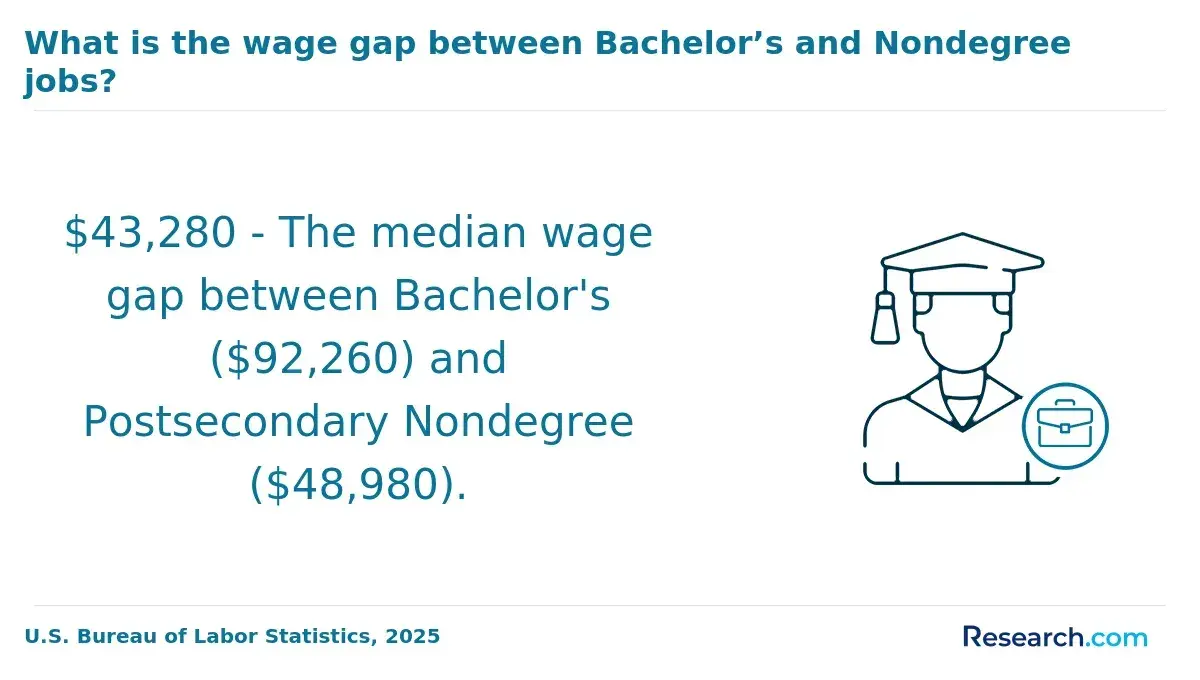
Completing an online taxation degree can lead to higher earnings, but outcomes depend on several key factors. Strong demand in roles like tax analyst and accountant supports steady job growth and competitive salaries. Advanced degrees, such as a master's in taxation, typically result in salaries up to 19% higher compared to bachelor's holders, according to recent data.
Employer attitudes toward online degrees have improved, especially if the program is accredited. Additionally, combining education with relevant work experience significantly boosts salary potential, as practical skills complement academic credentials.
Balancing full-time work while studying showcases valuable qualities like time management and dedication, often favoring career advancement. Students may benefit from increased chances of promotion, greater job security, and the immediate use of new taxation knowledge to influence their performance and compensation.
Salary increases vary widely depending on factors like the specific taxation niche, company policies, and overall economic trends. Some employers offer tuition assistance or raises after graduation, while others tie pay increases more closely to certifications or role changes.
What Should Full-Time Workers Look for When Choosing an Online Taxation Program?
Choosing the right online taxation program is vital for full-time workers balancing career and study commitments. A well-structured program can significantly impact their ability to progress without sacrificing professional responsibilities. Consider these key elements to find a program that supports your success.
- Flexible Scheduling and Delivery: Programs offering asynchronous classes or recorded lectures let you study on your own time, accommodating unpredictable work hours and helping maintain a steady pace.
- Part-Time Options: Programs designed for working adults often provide part-time enrollment, allowing steady progress without interrupting your career or overwhelming your schedule.
- Curriculum Relevance and Customization: Look for programs with elective choices or concentrations, such as corporate or international tax, enabling you to align your studies with career goals and industry demands.
- Career and Academic Support: Access to advising, job placement, and career services tailored for online students ensures you receive crucial guidance and opportunities equivalent to in-person peers.
- Accreditation and Outcomes: Verify the program's accreditation and track record of graduate employment to ensure your degree holds value and improves your professional prospects.
What Graduates Say About Completing an Online Taxation Degree While Working Full-Time
- Mordechai: "Balancing a full-time job with my online taxation degree was challenging, but the flexible pacing allowed me to progress without feeling overwhelmed. I appreciated how affordable the program was compared to traditional schooling, making it a smart investment in my career growth. Completing this degree has opened doors to advanced roles in tax consultancy that I hadn't thought possible before."
- Casen: "The online taxation degree felt like a tailored experience that respected my busy schedule as a professional. I could absorb the material at my own pace, which deepened my understanding of complex tax laws and regulations. Financially, the cost was reasonable and definitely less than attending classes on campus, giving me peace of mind while I focused on my goals."
- Walker: "As someone who values structure, the taxation online program struck a perfect balance between rigorous coursework and flexibility. It was inspiring to see how this degree positively impacted my work performance, reinforcing my skills and confidence during tax season. Considering the overall cost, I found it to be a worthwhile investment in future-proofing my career."
Other Things You Should Know About Taxation Degrees
In 2027, full-time professionals might struggle with time management, balancing work-related responsibilities, and finding dedicated study time. Online programs offer flexibility, but staying disciplined and creating a structured schedule is crucial to ensure academic success while managing job duties.
Balancing work and study requires time management, setting clear priorities, and utilizing flexible study schedules offered by online programs. Many programs provide recorded lectures, allowing students to learn at their own pace, while employer support and clear communication with supervisors can also facilitate balance.
References
- Tax Technology https://www.imfacademy.com/tax/tax-technology.php
- Asynchronous Classes vs. Synchronous Classes: Which is right for you? https://online.usm.edu/blog/synchronous-degree-programs/
- 5 Time Management Tips for Online Students | HBS Online https://online.hbs.edu/blog/post/time-management-for-online-students
- Taxation Master's Degree Online - Penn State World Campus https://www.worldcampus.psu.edu/degrees-and-certificates/penn-state-online-taxation-masters-degree
- B.Com Virtual Internship | CA-Verified Accounting & GST Training https://internify.online/commerce/
- Tax Vacation Programme https://www.kpmgcareers.co.uk/undergraduate/vacation-programmes/tax/
- Master of Science in Taxation Online at Bryant University https://www.bryant.edu/graduate/graduate-academics/graduate-programs/master-science-taxation
- Accounting & Finance Remote Internships | Intern Abroad HQ https://www.internhq.com/remote-internships/accounting-and-finance/
- Thomson Reuters. (2025). 2025 State of Tax Professionals Report. https://www.thomsonreuters.com/en-us/posts/tax-and-accounting/2025-state-of-tax-professionals-report/attachment/2025-state-of-tax-professionals/
- Tips for Choosing the Right Professional Tax Software https://ultimatetax.com/blog/tips-for-choosing-the-right-professional-tax-software/
- Navigating the compliance risks of remote working arrangement across Asia Pacific https://www.pwc.com/gx/en/about/pwc-asia-pacific/asia-pacific-blogs/navigating-the-compliance-risks-of-remote-working-arrangement.html


