
2027 How to Become a Forensic Science Technician: Education, Salary, and Job Outlook

Co-Founder and Chief Data Scientist
Becoming a forensic science technician is a serious career choice for people who want to apply laboratory science to criminal investigations. The work is not the fast, dramatic version often shown on television. It usually involves careful evidence handling, documented testing, quality control, report writing, and, in some roles, explaining findings to investigators or in court.
This guide is for students, career changers, and early-career science professionals comparing forensic science with related paths in biology, chemistry, criminal justice, toxicology, digital forensics, and laboratory work. It explains the credentials employers commonly expect, the skills that matter most, how careers typically progress, what salaries can look like, where technicians work, and how to decide whether the job fits your strengths and tolerance for high-stakes evidence work.
What are the benefits of becoming a forensic science technician?
- Job outlook for forensic science technicians is expected to grow by about 7% from 2023 to 2033, reflecting moderate demand influenced by technological advances and law enforcement needs.
- The median annual salary was approximately $63,000 in 2023, though variation exists based on location, experience, and specialization within forensic sciences.
- Pursuing this career suits those interested in science and law, but potential candidates should weigh job stress and budget constraints impacting some forensic labs.
What credentials do you need to become a forensic science technician?
Most forensic science technician roles require a strong science background, practical laboratory training, and the ability to follow strict evidence protocols. Requirements vary by employer, state, and specialty, so the best credential path depends on whether you want to work in a crime lab, crime scene unit, medical examiner’s office, digital forensics setting, or a private testing laboratory.
Common education and credential requirements
- Bachelor's degree: A bachelor’s degree is the most common entry-level credential. Employers often prefer forensic science, biology, chemistry, or another natural science because the job depends on laboratory methods, scientific reasoning, and defensible results.
- Associate's degree: Some employers may consider candidates with an associate’s degree, especially for limited-support roles or technician positions with extensive on-the-job training. However, a four-year degree is usually more competitive for forensic laboratory work.
- Accredited programs: Programs with strong laboratory science preparation are especially valuable. Useful coursework may include genetics, molecular biology, analytical chemistry, statistics, criminalistics, evidence handling, and criminal justice procedures.
- Certification and licensing: A license is not universally required for forensic science technicians. Some states or employers may require proficiency exams, documented competency testing, or specialty credentials. Certification from organizations such as the American Board of Criminalistics can strengthen a resume, especially after gaining experience.
- Internships and fieldwork: Supervised experience helps candidates understand chain of custody, contamination control, laboratory safety, case documentation, and the pace of real forensic work.
- Continuing education and advanced degrees: A master’s degree or specialized training can support advancement into areas such as toxicology, DNA analysis, quality assurance, supervision, research, or teaching.
How to choose the right academic path
| Goal | Credential to prioritize | Why it matters |
| Crime laboratory analysis | Bachelor’s degree in forensic science, chemistry, biology, or a related natural science | Labs need candidates who can perform scientific testing and defend methods and conclusions. |
| Crime scene work | Science degree plus training in evidence collection, photography, and documentation | Crime scene roles require contamination control, careful observation, and strong records. |
| Specialized analysis | Advanced coursework, certification, or graduate study | Areas such as DNA, toxicology, trace evidence, and digital forensics often require deeper technical preparation. |
| Career change into the field | Targeted prerequisites, lab experience, and internships | Employers will look for proof that you can handle scientific and legal standards, not just general interest in forensic science. |
Before enrolling, check the requirements posted by the agencies, laboratories, or states where you hope to work. A program that is useful for one forensic specialty may not be enough for another. If you are also comparing faster skill-building options, some 3-month certificate programs that pay well may provide supplementary training, but they should not be viewed as a full substitute for the science preparation many forensic employers expect.
What skills do you need to have as a forensic science technician?
Forensic science technicians need both technical competence and professional discipline. The work is built on accuracy: a mislabeled sample, weak documentation, contaminated evidence, or unclear report can damage an investigation and create legal problems. Strong candidates combine scientific ability with patience, objectivity, and careful communication.
Core technical skills
- Evidence analysis: You must be able to examine biological, chemical, and physical evidence using validated methods and explain what the results do and do not show.
- DNA profiling and blood analysis: Many roles require familiarity with biological sample collection, preservation, contamination prevention, and interpretation of DNA or blood-related findings.
- Crime scene processing: Field-based technicians need to secure scenes, photograph and document conditions, collect evidence properly, and maintain clear records from the start.
- Laboratory techniques: Depending on the specialty, technicians may use microscopes, spectrophotometers, forensic databases, laboratory information systems, and specialized analytical equipment.
- Legal procedures awareness: Chain of custody, admissibility standards, discovery obligations, and courtroom expectations shape how evidence must be handled and documented.
Professional and workplace skills
- Attention to detail: Small errors can have major consequences. Successful technicians are methodical, consistent, and willing to double-check their work.
- Analytical and critical thinking: You need to evaluate evidence without jumping to conclusions or shaping results around an investigator’s theory.
- Communication: Reports must be clear enough for investigators, attorneys, judges, and juries to understand. Technical accuracy and plain-language explanation both matter.
- Emotional resilience: Some evidence is disturbing. Technicians need healthy coping strategies and the ability to remain focused under stress.
- Objectivity and professionalism: The role is to report scientifically supportable findings, not to help one side “win” a case. Integrity is central to the profession.
What is the typical career progression for a forensic science technician?
Forensic science technician careers usually start with supervised evidence handling, basic analysis, or crime scene support. Advancement comes from demonstrated accuracy, competency testing, specialty knowledge, strong documentation, and the ability to manage more complex casework. A bachelor’s degree in forensic science or a related discipline is typically required, and internships can make early applications more competitive.
Typical progression path
| Career stage | Typical experience | Common responsibilities |
| Entry-Level Technician | 0-4 years | Handles evidence, performs basic laboratory work, documents procedures, assists senior staff, and learns agency protocols under supervision. |
| Mid-Level Specialist | About 5-7 years | Performs more advanced analyses, manages a larger caseload, may mentor junior staff, and may pursue certifications in areas such as DNA or toxicology. |
| Senior or Analyst Roles | Varies by employer and specialty | Works with greater independence, reviews findings, contributes to quality assurance, and may testify or support complex investigations. |
| Leadership Positions | Roughly 8-10 years | Supervises teams, manages laboratory operations, coordinates with law enforcement, supports audits, and helps enforce quality standards. |
| Specialization and Lateral Moves | Depends on training and opportunity | Moves into firearms, trace evidence, digital forensics, forensic nursing, research, quality assurance, training, or management. |
Experience alone does not guarantee promotion. Many agencies require documented competency, continuing education, certification, clean quality records, and the ability to adapt to new methods. Some technicians choose to remain technical experts rather than move into management, while others use forensic experience as a bridge to research, teaching, federal work, or a specialized laboratory career.
How much can you earn as a forensic science technician?
Forensic science technician pay depends on location, employer type, education, specialty, experience, shift expectations, and whether the position includes supervisory or advanced analytical duties. Salaries can look very different in a local agency, a state laboratory, a federal setting, a private forensic laboratory, or a high-cost metropolitan area.
According to the U.S. Bureau of Labor Statistics, the median annual wage stood at about $67,440 as of May 2024. Entry-level technicians generally earn around $47,316, while those with significant experience or supervisory responsibilities can earn up to $79,000 per year. Other sources report average salaries ranging from $51,000 to $59,140. Geography can significantly affect pay; for example, the forensic science technician salary in California often exceeds $94,000 annually, reflecting higher living costs and demand in urban centers.
Factors that can influence earnings
- Location: High-cost areas and large public agencies may offer higher wages, though living expenses can reduce the practical value of that pay.
- Employer: Federal, state, local, healthcare, and private laboratories may use different pay scales and promotion rules.
- Specialization: Digital forensics, toxicology, forensic pathology support, DNA analysis, and other technical specialties may improve earning potential when demand is strong.
- Education and credentials: Advanced degrees, documented competency, and relevant certifications can support promotion or help candidates qualify for specialized roles.
- Experience and responsibility: Senior analysts, quality assurance staff, supervisors, and managers often earn more than entry-level technicians.
If you are planning how to strengthen your qualifications, compare the cost and career value of each credential before enrolling. Some certificates that pay well may add useful skills, but forensic employers will still evaluate whether the training is relevant, credible, and supported by hands-on competence.
What internships can you apply for to gain experience as a forensic science technician?
Internships are one of the best ways to test whether forensic science fits you before committing to a full career path. They also help you build evidence-handling habits, learn workplace expectations, and understand the difference between academic lab exercises and case-related work. Because forensic internships can be competitive, students should prepare early and apply across multiple types of organizations.
Internship settings to consider
- Government agencies and police departments: Agencies may offer exposure to crime scene investigation, evidence processing, laboratory documentation, and forensic unit operations. For example, the Pasadena Police Department's Forensic Services Unit emphasizes crime scene investigation, DNA collection, and evidence processing. The Indiana State Police Laboratory Division offers internships focused on biology, chemistry, and trace analysis under forensic science supervisors.
- Corporations and industry-specific organizations: Private-sector internships can be valuable for students interested in digital evidence, cybersecurity, data handling, and technical investigations. Companies such as Juniper Networks provide internships in digital forensics where interns manage inventory records and perform forensic imaging.
- Nonprofits and educational institutions: Research centers, universities, and training organizations may offer projects involving forensic methods, community education, lab support, or applied research. These roles may be less casework-focused but can still build useful scientific and documentation skills.
How to be a stronger internship applicant
- Complete core coursework in biology, chemistry, forensic science, statistics, and laboratory safety before applying when possible.
- Prepare a resume that emphasizes lab techniques, documentation, research projects, data handling, and any criminal justice coursework.
- Expect background checks, confidentiality rules, and strict conduct standards, especially for law enforcement or crime lab placements.
- Apply early, follow instructions exactly, and tailor your materials to the internship’s specialty rather than submitting a generic application.
- Use internships to evaluate your comfort with evidence, chain of custody, lab repetition, report writing, and emotionally difficult subject matter.
These crime lab internship opportunities 2025 can be especially helpful for aspiring technicians who need hands-on laboratory experience and a clearer understanding of forensic work environments. Students pursuing advanced study may also compare flexible doctoral options, including an online PhD without dissertation, if their long-term goals include research, leadership, or teaching while balancing professional commitments.
How can you advance your career as a forensic science technician?
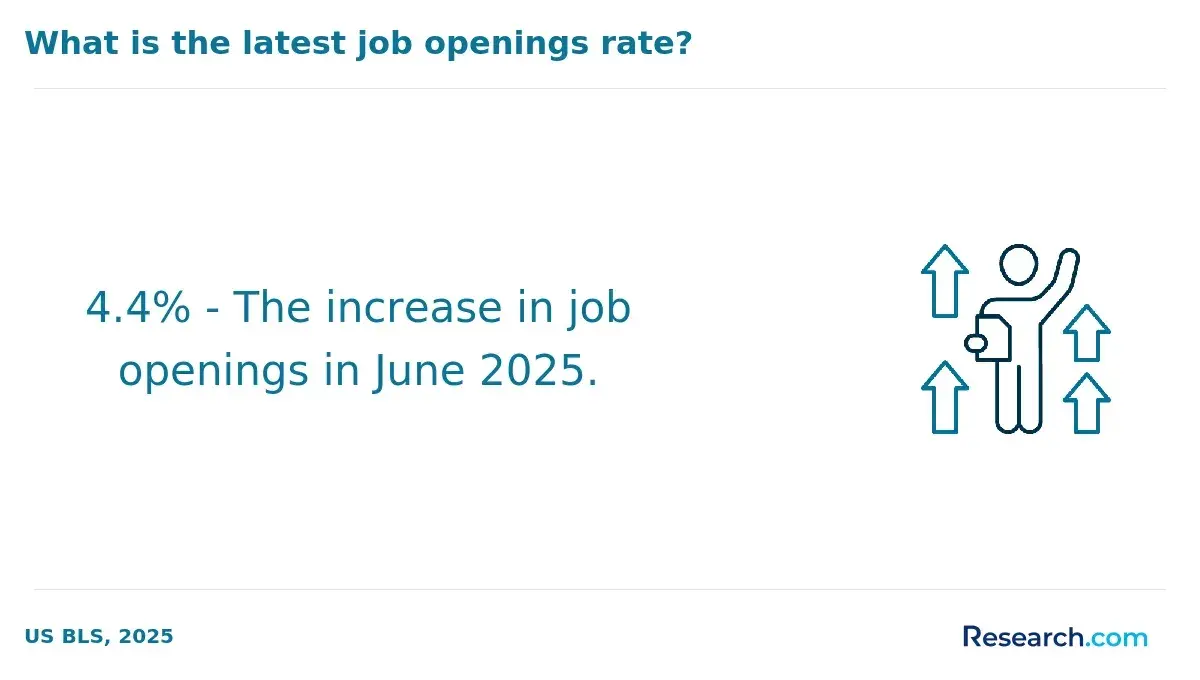
Career advancement in forensic science is usually built through a combination of technical depth, clean casework, continuing education, professional credibility, and readiness for new methods. Demand is expected to rise by 13% from 2024 to 2034, but entry-level roles can still be competitive because many laboratories have limited openings and strict hiring standards.
Practical ways to move forward
- Continuing education: A master’s degree can help technicians qualify for advanced analytical, supervisory, government, research, or teaching-related roles. Relevant graduate study may include forensic science, toxicology, chemistry, biology, statistics, or another specialty aligned with the work you want.
- Certifications: Credentials from recognized organizations, including the International Association for Identification, can help validate specialized skills. Certifications in forensic photography, latent print analysis, or other specialty areas may support promotion when they match employer needs.
- Networking and professional involvement: Organizations such as the American Academy of Forensic Sciences can help technicians stay current, find mentors, learn about standards, and understand how the field is changing.
- Mentorship: Experienced analysts, supervisors, and laboratory managers can help you identify which certifications, graduate courses, or lateral moves are worth pursuing and which may not improve your prospects.
- Lateral moves and specialization: Moving into forensic toxicology, cybersecurity, quality assurance, training, management, or another adjacent field can open new opportunities, especially if promotion options are limited in your current lab.
Common advancement mistakes to avoid
- Choosing a certification without confirming that employers in your target specialty value it.
- Assuming a graduate degree alone will compensate for limited laboratory competence or weak documentation habits.
- Staying in one narrow role too long without learning new methods, instruments, or reporting standards.
- Ignoring courtroom communication skills until you are asked to explain findings under pressure.
- Overlooking quality assurance, accreditation, and audit experience, which can be important for senior roles.
Advancement also depends on budget, staffing, retirement cycles, agency priorities, and local demand. The most resilient technicians build portable skills: validated testing methods, careful documentation, objective interpretation, clear communication, and the ability to learn new tools without sacrificing scientific rigor.
Where can you work as a forensic science technician?
Forensic science technicians work in several settings, and the right fit depends on whether you prefer laboratory analysis, field response, medical investigation support, digital evidence, research, or public-sector work. If you are exploring forensic laboratory careers in Missouri or similar markets, compare both the job title and the actual duties; “forensic technician” can mean different things across employers.
Common employers and work environments
- Government agencies: Local, state, and federal law enforcement agencies, including the FBI or state investigative bureaus, employ technicians in crime laboratories that analyze evidence for criminal investigations.
- Police departments: Large departments such as the New York Police Department and Los Angeles Police Department maintain forensic units or laboratories where technicians support investigations through evidence processing and analysis.
- Private forensic laboratories: Organizations such as NMS Labs or Bode Technology provide specialized testing services and may work with law enforcement, attorneys, courts, or civil litigation teams.
- Healthcare sector: Hospitals and medical centers such as the Mayo Clinic, as well as county medical examiner offices, may hire forensic support staff to assist with pathology-related evidence and death investigations.
- Coroners' and medical examiners' offices: These offices may employ technicians to support investigations involving unexplained, suspicious, or violent deaths.
- Academic and research institutions: Universities and research centers may hire technicians for forensic research, teaching support, laboratory training, or method development.
How work settings differ
| Setting | Best fit for | Potential trade-offs |
| Crime laboratory | People who like structured testing, documentation, and scientific analysis | Work can be repetitive, quality-controlled, and deadline-driven. |
| Crime scene unit | People comfortable with fieldwork, photography, evidence collection, and irregular conditions | Scenes may be stressful, unpredictable, and emotionally difficult. |
| Medical examiner or coroner office | People interested in death investigation, pathology support, and biological evidence | Exposure to disturbing material can be frequent. |
| Private laboratory | People interested in specialized testing, client-facing work, or contract services | Workload and priorities may be shaped by client demand. |
| Digital forensics setting | People with technical, cybersecurity, data recovery, and investigative interests | Requires continuous learning as tools, devices, and data sources change. |
Schedules vary. Many forensic science technician jobs in California and other lab-based roles follow standard weekday hours, but field response, urgent casework, court deadlines, and law enforcement operations can require evenings, weekends, overtime, or on-call availability.
For students planning the education step, program cost and financial aid access matter. Reviewing what online colleges accept FAFSA can help you identify schools that may support a more affordable route into the required science training.
What challenges will you encounter as a forensic science technician?
Forensic science can be meaningful, but it is not an easy career. The challenges are technical, legal, emotional, and organizational. Before entering the field, it is important to understand the parts of the job that are often underplayed in popular media.
- High workload and pressure: Technicians may handle complex, sensitive, or hazardous evidence while facing strict deadlines. Every label, note, test result, and custody record must be accurate because errors can affect investigations and court proceedings.
- Emotional toll: Evidence may come from violent crimes, deaths, abuse cases, or other traumatic events. Long-term exposure can create stress, compassion fatigue, or burnout if workers do not have healthy coping tools and workplace support.
- Competitive job market: Many applicants are drawn to forensic science, while entry-level openings can be limited. Candidates often need strong science coursework, relevant experience, internships, and sometimes specialized certifications to stand out.
- Industry shifts and regulatory demands: Laboratory funding, staffing, leadership priorities, accreditation requirements, and legal standards can change how work is performed. Technicians must stay current so evidence remains reliable, valid, and admissible.
Other challenges include testifying in court, having your methods questioned by attorneys, managing backlogs, working with imperfect samples, and separating scientific conclusions from investigative pressure. The best preparation is not only technical training but also professional maturity, ethical discipline, and realistic expectations.
What tips do you need to know to excel as a forensic science technician?
Excelling as a forensic science technician means becoming dependable under scrutiny. Your work may be reviewed by supervisors, auditors, attorneys, judges, and expert witnesses. Strong technicians build habits that make their results clear, repeatable, and defensible.
- Master the fundamentals first: Build strong laboratory skills in evidence handling, measurement, documentation, contamination prevention, safety, and quality control before trying to specialize too quickly.
- Think scientifically, not emotionally: Analyze evidence objectively. Avoid confirmation bias, assumptions about suspects, or pressure to support a preferred theory.
- Document everything clearly: Good notes should allow another qualified professional to understand what was done, when it was done, who handled the evidence, and how conclusions were reached.
- Learn the legal context: Understand chain of custody, courtroom testimony, admissibility concerns, and how scientific findings may be challenged in legal proceedings.
- Seek hands-on experience early: Internships, volunteer roles, supervised labs, and research projects can help you learn whether you enjoy the daily reality of forensic work.
- Communicate for non-scientists: Practice explaining technical findings in plain language without overstating what the evidence proves.
- Stay current: Forensic tools and standards change. Attend workshops, read current research, participate in professional networks, and keep training records.
- Protect your resilience: Build support systems, use employee resources when available, and take the emotional side of the work seriously.
How do you know if becoming a forensic science technician is the right career choice for you?
Becoming a forensic science technician may be a good fit if you enjoy applied science, can work carefully under pressure, and are comfortable with the ethical responsibility of evidence-based conclusions. It may not be a good fit if you mainly want excitement, rapid case resolution, or a highly social work environment.
Signs the career may fit you
- Conscientiousness and detail-orientation: You are patient, accurate, organized, and comfortable following procedures even when the work is repetitive.
- Scientific curiosity and analytical thinking: You like biology, chemistry, data, instruments, testing, and evidence-based reasoning.
- Emotional resilience and moral integrity: You can handle disturbing material while staying objective, ethical, and professional.
- Comfort with the work environment and schedule: You can adapt to laboratories, crime scenes, long hours, high-stress cases, or irregular schedules when the role requires it.
- Communication skills: You can explain complex scientific results to investigators, attorneys, juries, or other non-experts without exaggeration.
- Interest and aptitude in STEM: You enjoy hands-on scientific work and do well in math and science courses.
Questions to ask yourself before committing
- Am I comfortable doing careful, repetitive work where accuracy matters more than speed?
- Can I separate personal feelings from scientific findings?
- Would I be able to view or process disturbing evidence as part of the job?
- Do I enjoy writing detailed reports and defending my methods?
- Am I willing to pursue the science coursework, internships, and continuing education needed to stay competitive?
Those asking is forensic science technician a good career choice should weigh the job’s purpose against its realities. The career can be rewarding for people whose personality, interests, and values align with scientific precision, public service, and ethical responsibility. If cost is a major factor in your education plan, researching what is the cheapest online bachelor degree may help you compare more affordable routes into the field.
What Professionals Who Work as a Forensic Science Technician Say About Their Careers
- Ozzy: "Working as a forensic science technician has given me remarkable job stability in a growing field with a promising salary potential. The demand for skilled technicians remains strong, and I appreciate the clear career path that comes with specialized training and certifications. It's rewarding to know my expertise makes an impact every day."
- Iker: "The forensic science industry constantly presents unique challenges that keep my work exciting and intellectually engaging. From analyzing complex evidence to collaborating with law enforcement, each case sharpens my problem-solving skills and deepens my commitment to justice. This dynamic environment truly suits my passion for science and service."
- Emmett: "Professional growth as a forensic science technician is substantial, with many opportunities to advance through continuing education and specialized roles. My job offers a blend of hands-on laboratory work and cutting-edge technology, which continually expands my skill set. It's fulfilling to see how ongoing development translates into real career advancement."
Other Things You Should Know About Becoming a Forensic Science Technician
In 2027, aspiring forensic science technicians typically need a bachelor's degree in forensic science, biology, chemistry, or a related natural science. These programs offer foundational knowledge and practical skills essential for career entry and progression in the field.
In 2027, forensic science technicians usually work collaboratively within teams. This team-based approach helps in solving complex cases by combining different expertise, ensuring comprehensive crime scene analysis and accurate evidence handling.
Continuing education for forensic science technicians often involves staying current with technological advances, new analytical methods, and legal standards. Many professionals pursue specialized workshops, certification programs, or graduate courses related to forensic disciplines to maintain competence and potentially improve job prospects. Employers may also require ongoing training in ethical practices and quality control.
References
- Pathway to a Forensic Career: Insider Tips and Strategies https://forensictrainingunlimited.com/courses/pathway-to-a-forensic-career-insider-tips-and-strategies
- Qualifications for a Career in Forensic Science | GMU College of Science https://science.gmu.edu/academics/departments-units/forensic-science/careers-forensic-science/qualifications-career
- Internship Opportunities – Houston Forensic Science Center https://hfsctx.gov/internship-opportunities/
- 13 Reasons To Become A Forensic Scientist https://www.openstudycollege.com/blog/3-reasons-become-forensic-scientist
- 4 Steps to Becoming a Forensic Science Technician | Salary & Requirements https://nurse.org/healthcare/forensic-science-technician/
- Forensic Science Technicians: Salary, career path, job outlook, education and more - RaiseMe https://www.raise.me/careers/life-physical-and-social-science/forensic-science-technicians/
- Is Forensic Science a Good Career? Exploring the Pros and Cons https://www.alliant.edu/blog/is-forensic-science-a-good-career
- Job and Internship Opportunities | UC Davis Master's Program in Forensic Science https://forensicscience.ucdavis.edu/job-and-internship-opportunities
- Become a Skilled Forensic Technician: Essential Insights https://www.salvationdata.com/knowledge/forensic-technician/
- www.certitude.org.uk - Career Opportunities In Forensic Science https://www.certitude.org.uk/Resources/2tpJxn/0OK001/CareerOpportunitiesInForensicScience.pdf


