2027 Public Health Degree vs. Certificate: Which Should You Choose?

Co-Founder and Chief Data Scientist
Today's students and professionals face important decisions when choosing between earning a degree or a certificate in public health. Both paths can enhance career opportunities, but they differ in time commitment, depth of study, and cost. A degree often offers comprehensive training and broader career options, while a certificate provides targeted skills for quicker workforce entry or specialization.
Public health degrees typically require one to four years of study, covering diverse topics like epidemiology and health policy. Certificates, in contrast, may take a few months and focus on specific areas such as biostatistics or community health. This article compares key differences to help you select the educational route that best fits your career goals and lifestyle.
Key Points About Public Health Degree vs. Certificate Programs
- Degree programs offer comprehensive training, fostering advanced skills and broader career opportunities, often linked to higher salary potential, with median public health salaries around $70,000 annually.
- Certificate programs provide targeted, flexible learning for skill enhancement or specialization, ideal for working professionals seeking quicker career advancement without extensive time commitments.
- Degrees support long-term professional growth and eligibility for leadership roles, while certificates facilitate immediate skill application, both aligning with diverse goals depending on career stage and resources.
What Are the Differences Between Public Health Degree and Certificate Programs?
Choosing between a public health degree and a certificate program can open various career paths, though they differ in commitment and depth. Recognizing these distinctions aids students in selecting the best educational option aligned with their professional goals and available time.
The main differences between public health degrees and certificate programs include:
- Career Advancement: Degrees often provide a comprehensive foundation, preparing students for broader roles and higher-level positions. Certificates typically target specific skills or topics, making them ideal for those seeking quick entry or a career shift within public health.
- Depth of Learning: Degree programs offer extensive coursework covering theory and practice across multiple areas, beneficial for learners wanting a thorough understanding. Certificate programs focus narrowly on particular subjects, appealing to professionals needing specialized knowledge.
- Time Commitment: Earning a degree usually requires a longer duration, suitable for those pursuing a full academic experience. Certificates demand less time, catering to individuals balancing work or other responsibilities.
- Cost and Flexibility: Degree programs often involve higher expenses and less schedule flexibility. Certificates generally cost less and may offer more adaptable formats to fit varying lifestyles.
How Long Does It Take to Complete a Public Health Degree vs. a Certificate Program?
Completion time is one of the most important factors students consider when choosing between a public health degree vs. certificate. Understanding the average time to complete a public health degree compared to how long does a public health certificate take can help clarify the best path for individual career goals and schedules.
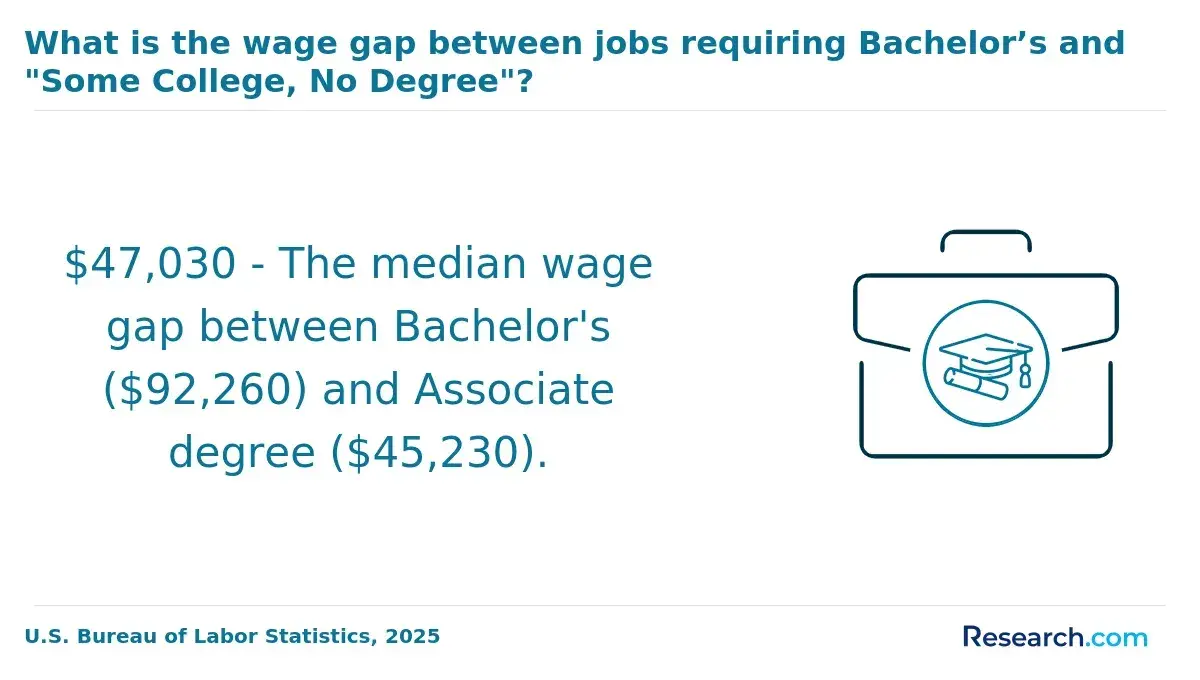
- Typical Duration: Public health degrees, such as a bachelor's, usually take about four years full-time, with associate degrees taking around two years. Graduate degrees like the Master of Public Health often require an additional one to two years beyond a bachelor's. In contrast, public health certificate programs are designed to be completed in several months to one year, making them a faster option for gaining targeted skills.
- Flexibility: Certificate programs often offer more flexibility, with many available part-time or online to accommodate working professionals. Degree programs require a longer commitment and typically include general education courses along with specialized public health coursework, which influences pacing and duration.
- Factors Affecting Timeline: Enrollment status (full-time vs. part-time), program structure, and acceptance of transfer credits all impact completion time. Degrees may accept previous credits, potentially reducing time, while certificates rarely do due to their condensed structure. Online and accelerated programs can shorten timelines for both degrees and certificates.
If you want to get a bachelor's degree fast, it's essential to consider these factors carefully when comparing the average time to complete a public health degree versus the shorter duration of certificate programs tailored for quicker specialization.
Can You Complete a Public Health Degree or Certificate Entirely Online?
Online education has expanded rapidly, with many universities now offering public health degrees and certificates fully online. For instance, Texas State University, San Diego State University, and Metropolitan State University of Denver provide fully online bachelor's programs in public health.
Similarly, top institutions like the University of Michigan and Brown University offer online master of public health (MPH) degrees, although some may require an in-person practicum or internship. Many working professionals also pursue public health certificate programs online, which are designed for targeted skills development and typically involve fewer or no on-campus requirements, making these certificates a flexible alternative to full degree programs.
When considering an online public health degree program or public health certificate programs online, it is important to evaluate requirements such as hands-on training, internships, or licensure preparation. For example, Brown University's online MPH demands a 145-hour practicum that must be completed locally, representing an essential in-person component.
In contrast, certificate programs generally focus on coursework and do not require fieldwork, offering more remote convenience. Prospective students should assess their career goals, licensure needs, and their ability to fulfill practical requirements in their community.
Exploring options at open enrollment online colleges can help match educational format to individual objectives.
Breakdown of All Fully Online Title IV Institutions

What Are the Admission Requirements for a Public Health Degree vs. a Certificate Program?
Admission requirements are an important factor when deciding between a public health degree and a certificate program, as they influence eligibility and the level of academic preparedness needed. Understanding these admission prerequisites can help you evaluate your readiness and plan accordingly for either path.
Below is a clear comparison of the typical admission requirements for public health degree and certificate programs in the US.
Admission Requirements for Public Health Degree Programs
- Educational Background: Most graduate public health degrees, such as the MPH or MS, require a bachelor's degree from an accredited institution.
- Minimum GPA: Many programs expect a minimum undergraduate GPA, often between 2.75 and 3.0 on a 4.0 scale. For instance, the University of Florida requires at least a 3.0 GPA for the last 60 undergraduate credits.
- Prerequisite Coursework: Applicants may need prior coursework in behavioral and social sciences, and sometimes mathematics or biology, with six college credits commonly expected in behavioral and social sciences.
- English Proficiency: International students must demonstrate English proficiency through exams like TOEFL or IELTS.
- Additional Materials: Statements of purpose, letters of recommendation, and résumés or CVs are often required.
- Test Scores: Although most MPH programs no longer require GRE scores, some accept or require them for certain concentrations.
Admission Requirements for Public Health Certificate Programs
- Educational Background: A bachelor's degree from an accredited institution is generally required, similar to degree programs.
- Prerequisite Coursework: Certificate programs often require six college credits in behavioral and social sciences with grades of C or better.
- Relevant Experience: Applicants may need to demonstrate knowledge or relevant work experience in public health, though requirements tend to be more flexible than those for degree programs.
- Application Materials: Requirements usually include an application, official transcripts, and sometimes a statement of purpose or résumé.
While both options require foundational coursework and a bachelor's degree, the public health degree admission requirements in the US are generally more rigorous and comprehensive. In contrast, public health certificate program prerequisites offer a more accessible entry point for professionals seeking targeted skills without committing to a full graduate degree.
For those exploring educational options with strong career prospects, consider reviewing 4 year degrees that pay well to align your academic choices with future opportunities.
How Many Credits Do You Need to Complete a Public Health Degree vs. a Certificate?
Knowing the credit requirements for public health programs is essential for students to effectively plan their academic schedules and balance other commitments. Understanding the differences between degree and certificate options can clarify the scope and timeline of study involved.
Here is a comparison outlining typical credit expectations for public health degrees versus certificate programs:
- Public health bachelor's degree: Generally requires around 120 total credits, including a substantial portion-often half-at upper-division levels to ensure in-depth study.
- Public health certificate program: Usually entails 12 to 18 credits focused on core topics, designed for quicker completion and targeted learning.
What Is the Average Tuition for a Public Health Degree vs. a Certificate?
Tuition costs are a critical factor when deciding between pursuing a public health degree or a certificate, as they directly impact your financial commitment and eventual return on investment. Understanding the average tuition ranges helps align your education choice with your budget and career ambitions.
Below is a detailed comparison of the average tuition for public health degree programs versus certificate programs, highlighting cost differences and key considerations.
Average Tuition for Public Health Degree Programs
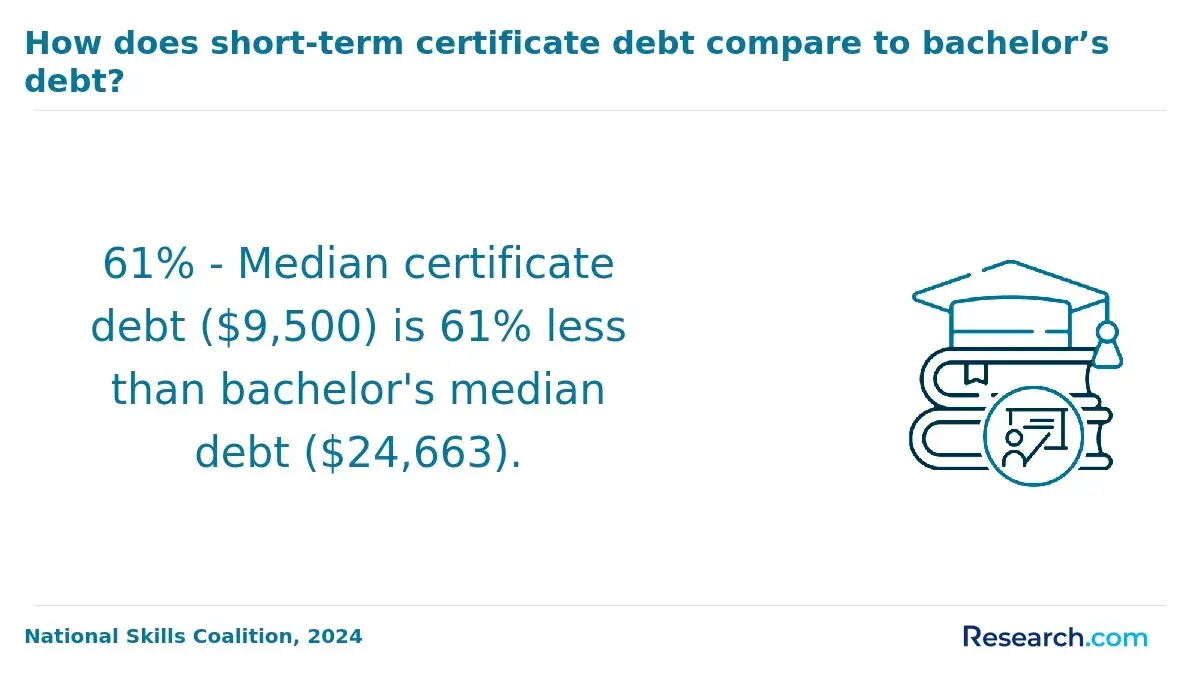
- Tuition Range: Undergraduate degrees typically average $10,502 per year for in-state students and $31,365 for out-of-state, while graduate degrees cost about $12,195 (in-state) to $24,621 (out-of-state) annually.
- Per Credit Costs: Master of Public Health (MPH) programs often charge between $966 (resident) and $1,566 (non-resident) per credit hour at public institutions.
- Institution Type: Public universities usually offer significantly lower resident tuition rates compared to private or out-of-state options.
- Online vs. On-Campus: Online degree programs can range from $8,092 to $17,450 per year, depending on residency status and school.
- Program Length: Degree programs generally require 120 credits for a bachelor's and 42+ credits for a master's, resulting in total tuition costs from $40,000 to $60,000 or more.
Average Tuition for Public Health Certificate Programs
- Tuition Range: Graduate certificate programs at public universities often cost between $7,960 (in-state) and $18,831 (out-of-state) for on-campus formats.
- Online Certificate Costs: Online certificates typically run around $8,449.80 regardless of residency, with per-credit rates near $550 plus small fees.
- Per Credit Costs: Certificates may charge $966 (resident) or $1,566 (non-resident) per credit hour, but total costs are lower due to fewer credits required-usually 12-18 credits.
- Program Length: Certificates generally take 15-18 credits to complete, making total tuition substantially less than degree programs.
- Additional Fees: On-campus certificates often include mandatory fees, whereas online options tend to have reduced fees, improving affordability.
Considering the average tuition for public health degree programs alongside the significantly lower public health certificate cost comparison USA helps students choose an outcome that fits their financial situation and educational goals.
For those seeking budget-friendly options, exploring the cheapest online colleges that accept financial aid may provide valuable opportunities.
Can You Transfer Certificate Credits Toward a Public Health Degree Later On?
Certificate credits can often be transferred toward a public health degree, but this depends heavily on the policies of the institution you choose. Generally, credits must come from an accredited institution and align closely with the degree's curriculum to be eligible. Many universities require that transferred courses meet a minimum grade threshold, commonly a B or higher.
However, transfer acceptance varies widely: some schools may allow up to 15 credits, while others cap transfers at 8 to 12 credits, often requiring most of the degree to be completed on-site. Accreditation and course relevance remain fundamental criteria for transfer approval.
Other crucial factors include institutional transfer limits, grade requirements, and the age of the courses, with many programs insisting that transferred credits be fairly recent-typically within five to seven years. Since policies differ significantly across universities, it's important to confirm whether your certificate credits can be applied before enrolling.
Being proactive about understanding transfer rules helps you make the most of your educational investment and avoid surprises. Always check with admissions or academic advisors to clarify the transfer process and eligibility.
Are Certificate Programs Accredited the Same Way as Public Health Degrees?
Certificate programs in public health are not accredited in exactly the same manner as degree programs. Both certificate and degree programs typically have regional accreditation through their institutions, which guarantees a baseline level of academic quality and credit transferability. However, specialized accreditation-most notably from the Council on Education for Public Health (CEPH)-is more commonly awarded to degree programs like the Master of Public Health (MPH) or Doctor of Public Health (DrPH).
Some certificate programs offered by CEPH-accredited schools may also earn this programmatic accreditation, but many certificates only hold regional accreditation. This difference means that the scope and rigor of certificate programs can vary more significantly compared to degrees.
Accreditation plays a critical role by assuring educational standards, facilitating credit transfers, and enhancing professional recognition. Employers such as the U.S. Public Health Service often prefer or require CEPH-accredited credentials, and only graduates of CEPH-accredited degree programs can immediately qualify for the Certified in Public Health (CPH) exam.
When choosing programs, students should verify whether the program has CEPH accreditation, recognize regional accreditation as basic assurance, and inquire about the transferability of certificate credits toward advanced degrees. Always confirm accreditation status through reputable accrediting agencies before enrolling to ensure your training is valued and recognized.
What Jobs Can You Get with a Public Health Degree vs. a Certificate?
Both public health degrees and certificates offer pathways into the health field, but they generally prepare graduates for different types of positions and levels of responsibility. While certificates often serve as a quicker route into entry-level roles, degrees tend to open doors to a wider variety of career options with more advancement potential.
Below is a comparison of job opportunities associated with each credential.
Jobs You Can Get with a Public Health Degree
- Epidemiologist: Analyzes disease patterns and works to control outbreaks, typically within government agencies or research institutions.
- Public health educator: Designs and implements health promotion programs aimed at improving community well-being across various organizations.
- Health policy analyst: Evaluates and develops policies to address public health challenges, often working with governmental or nonprofit groups.
- Environmental health specialist: Assesses environmental factors that affect human health, conducting inspections and investigations.
- Public health program manager: Oversees public health initiatives, managing teams and resources to meet program goals.
- Disease intervention specialist: Works to prevent and control communicable diseases by conducting outreach and case management.
Jobs You Can Get with a Public Health Certificate
- Community health worker: Supports individuals and communities by providing health education and connecting them to resources.
- Health educator assistant: Assists in delivering health education programs, typically working under supervision in clinics or non-profits.
- Public health outreach coordinator: Facilitates community engagement efforts to promote public health initiatives and services.
- Program assistant in health organizations: Provides administrative and logistical support for health programs and projects.
What Is the Average Starting Salary for a Certificate vs. Public Health Degree Graduates?
Salary potential often varies significantly between those holding a public health certificate and graduates with a public health degree. Understanding these differences can help prospective students make informed decisions about their education and career paths.
Here is a side-by-side comparison of average starting salaries for certificate versus degree holders in public health, along with key factors influencing earning potential and career outlook.
- Typical Salary Range for Certificate Holders: The average starting salary for individuals with a public health certificate is generally between $53,000 and $74,000 annually, with an average base salary around $74,000. Certificate holders often work as community health workers or health educators, roles with modest entry pay but opportunities for growth with experience.
- Typical Salary Range for Degree Holders: Those with a bachelor's degree in public health usually earn more at entry level, averaging between $50,000 and $83,000, with typical salaries near $79,000 to $80,000. Master's degree graduates can start above $100,000, especially in management or specialized roles.
- Influencing Factors: Industry sector impacts salaries; private sector jobs generally pay higher than government or nonprofit roles. Geographic location also matters, as markets with higher living costs offer better pay. Prior work or volunteer experience can boost starting salaries even for new graduates.
- Career Outlook: While certificates offer a faster route into public health careers, degrees provide greater long-term earning potential, more advanced job flexibility, and wider career options.
Prospective students seeking a public health education may also explore nationally accredited schools that offer quality programs aligned with their career goals.
Here's What Graduates of Public Health Programs Say About Their Degree or Certificate
- Wells: "I chose the public health certificate program because I needed a faster, more affordable option that still offered hands-on learning. The pace was intense but manageable, and it quickly gave me practical skills to improve my work in community health. While the cost was much less than a full degree-around a few thousand dollars-the impact on my career was immediate and significant."
- Jaxton: "Pursuing a public health degree was a rewarding experience that required a longer commitment but provided a deep, comprehensive education. The learning experience was thorough, covering theory and research methods, which prepared me well for public health leadership roles. Though the cost was higher, it felt like a valuable investment in my long-term career growth."
- Rhett: "After completing both the public health certificate and degree programs, I appreciate how each serves different needs. The certificate offered a quick and affordable introduction, ideal for immediate career shifts, while the degree gave me an in-depth understanding and credibility valued in the field. Balancing cost and time was tough, but the combined path enriched my knowledge and opened diverse opportunities."
Other Things You Should Know About Public Health Degrees
In 2027, employers generally recognize public health certificate programs as valuable for practical skills. However, certificates may not carry the same weight as degrees in advancing to higher-level positions. They are well-regarded for continuing education and skill refinement.
Yes, a public health certificate can advance your career by enhancing specific skills and knowledge, making you more valuable in specialized roles. However, it may not open as many doors to leadership positions as a full degree. For some, it serves as a stepping stone to further education.
A public health degree generally provides more career flexibility due to its comprehensive curriculum that covers diverse aspects of the field, preparing graduates for various roles. Certificates, while more specialized, may limit career options but can complement existing qualifications.
References
- Certificate Requirements https://www.colorado.edu/program/publichealth/certificate-requirements
- What Can You Do With a Public Health Certificate? https://www.augusta.edu/online/blog/what-can-you-do-with-public-health-certificate
- Certificate vs. degree programs: What's the difference? | edX https://www.edx.org/resources/what-is-the-difference-between-a-certificate-and-a-degree
- 2025 Public Health Tuition https://www.collegetuitioncompare.com/majors/51.2201/public-health/
- Certificate Programs | Johns Hopkins Bloomberg School of Public Health https://publichealth.jhu.edu/academics/academic-program-finder/certificate-programs
- Transfer Credits https://publichealth.stonybrookmedicine.edu/onlineorientation/transfercredits
- Public Health Online Degrees & Certificates https://louisville.edu/sphis/future-students/public-health-online-degrees
- Public Health Salaries: What Can You Earn with an MPH? https://masterspublichealth.com/masters-in-public-health-salary/
- Tuition & Fees – Public Health – Graduate Certificates & Minors | Oregon State Ecampus https://ecampus.oregonstate.edu/online-degrees/tuition/
- Top Public Health Careers and How to Get Started | ACE Blog https://ace.edu/blog/top-public-health-careers-and-how-to-get-started/